Post Animal’s Wesley Toledo talks about the return of Joe Keery on their new album ‘Iron,’ life on the road, and how their lifelong friendship continues to shape their sound.
Stream: “What’s a Good Life” – Post Animal
Friendship has eclipsed nearly everything – ambition, pride, and even time itself – leaving only the constancy of connection.
Even some of literature’s greats have bent their pens to its silent power. It was C.S Lewis who said friendship, “…is one of those things which give value to survival.” To have a friend is to trapeze throughout time, unifying your ideas and identities as separate individuals come as one; given the means to create.
After spending some time with Post Animal’s Wesley Toledo, these gospels of candor with companionship at its core are big, bright, and boldly stamped on the band’s very being. Friendship is evidently the essence of who they are and how far they’ve come.
It was around noon in Los Angeles when Toledo hopped on the Zoom call from his Chicago home, a glint of sun cascading across the subtle smile on his face. “Sorry if there’s a lot of noise. I live right by a school and they’re in recess right now blasting music,” Toledo says with a chuckle as the music grows louder. I settle into my seat and chuckle too as what presumably is a Bruno Mars Kids Bop cover acts as the backtrack to the rest of our conversation.
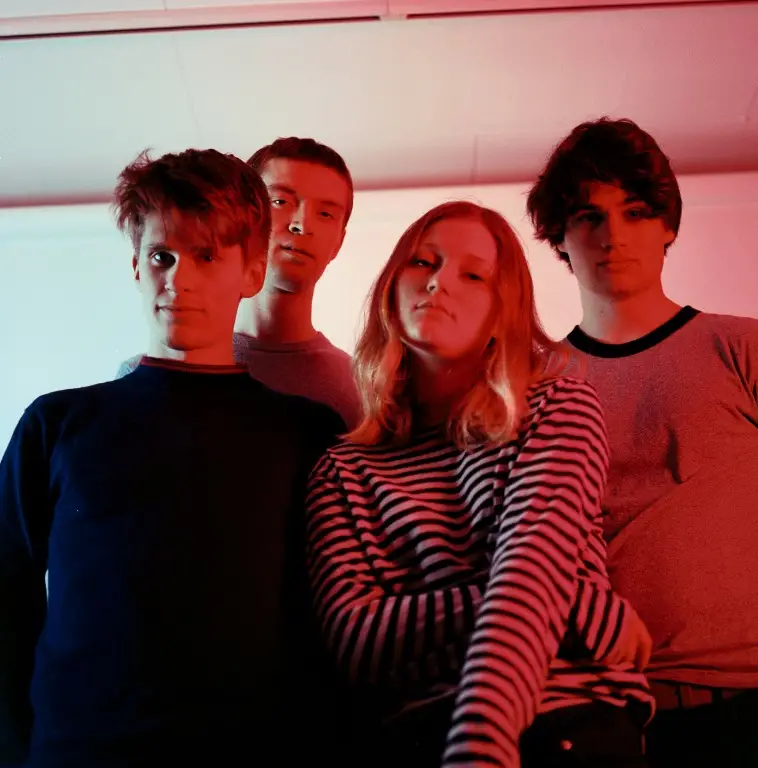
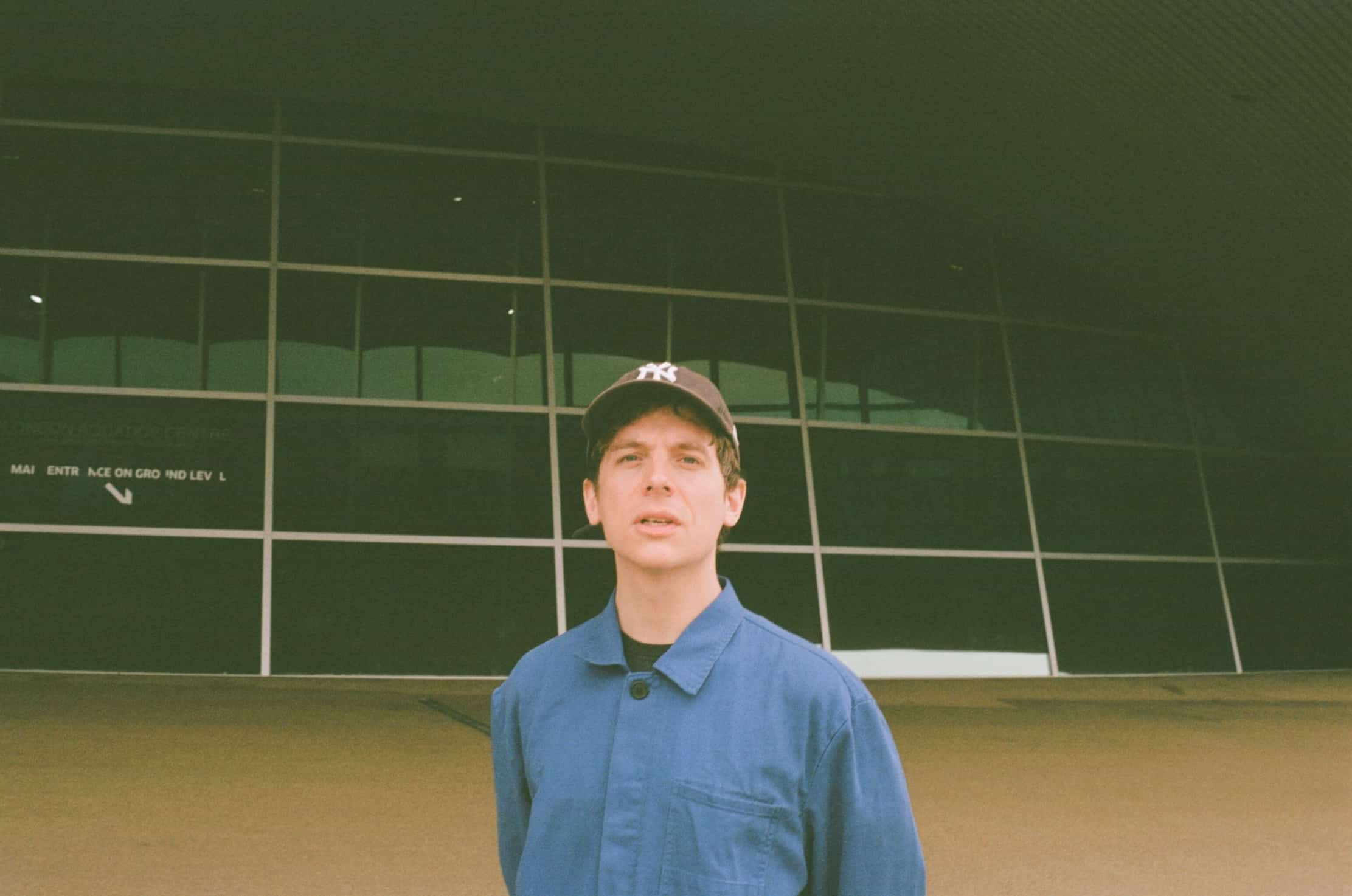
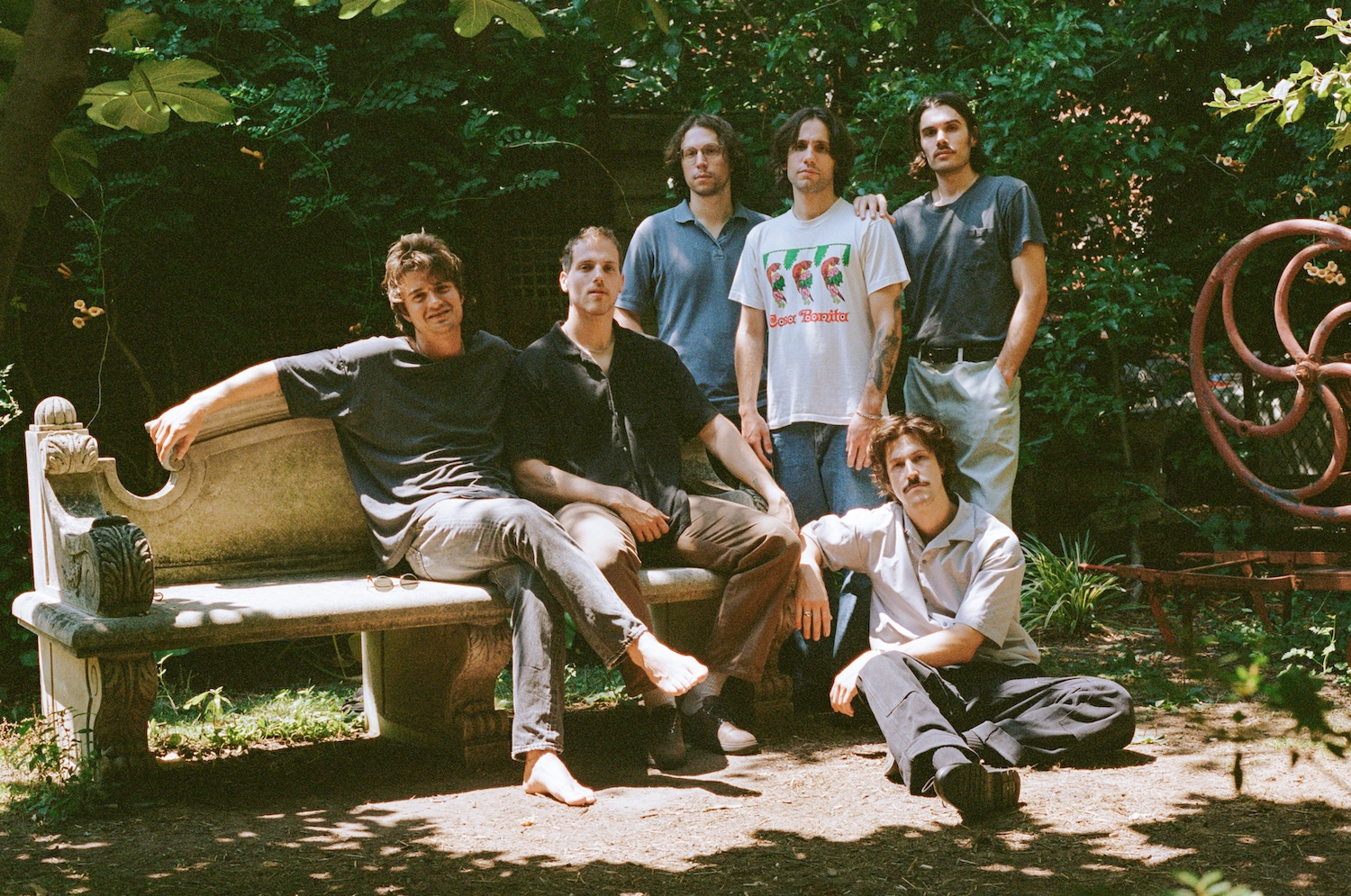
The past few weeks have been nothing short of exhilarating for Toledo. Post Animal – made up of Dalton Allison, Jake Hirshland, Javi Reyes, Matt Williams, Toledo, and Joe Keery (prior to his solo debut as Djo) – had just wrapped the first US leg of Djo’s Back On You World Tour and were at the time preparing for the European stint. It was the first full run the band had shared with Keery, and though they played as openers – with only Toledo crossing over into Djo’s main set as the drummer – the experience felt anything but secondary.
Imagine strobing lights and an assembly of indie-boy rockers lining the stage. Fans are screaming, phones are held high, and the oscillating riffs of an electric guitar play hypnotically like a pendulum of rhythm. This was just a glimpse of their Toronto performance back in April. Keery had brought out the band along with his Stranger Things co-star Finn Wolfhard to perform a rendition of his 2019 track, “Flash Mountain,” and the energy that danced on stage rippled through the crowd like a sonic tide. It was a moment of pure bliss; a group of friends making music and having fun.
As we talked through the highs and humbler moments of life on the road, and the welcome ease of a well-earned break, Toledo wore a wide smile, his eyes lit with unmistakable excitement. He recalled the packed-out crowds in Pomona and thrashing with his friends like true Chicago rockers in Washington, D.C. He even joked about how quickly the shows seemed to fly by. Despite the whirlwind, and still stunned by the scale of it all – Coachella and Glastonbury among the many stops this year – he was grateful to remember it all as clearly as if it happened yesterday.
“Touring is special, but touring with your friends – the reward is greater if not equally more than what you put in,” Toledo shared. “I went in wanting to remember every single show because sometimes I look back on our old tours and I don’t really remember certain nights. It’s kind of inevitable over time and after so many gigs they kind of blur together, but this tour, every night, I soaked it up.”
I ask if there was one show that was a particular favorite. He laughs and says, “It’s a more recent one, but we played Pomona which is an hour out of LA. It was between both Coachella weekends and I remember that was the night that it all kind of clicked for both Post Animal and Djo.”
He continues, “Every night before then had been good, but it was like still trying to get your sea legs under you. And then in Pomona, it felt like the crowd was electric. Everything just sort of came together that night and then from then on out, every show was like, really good.”
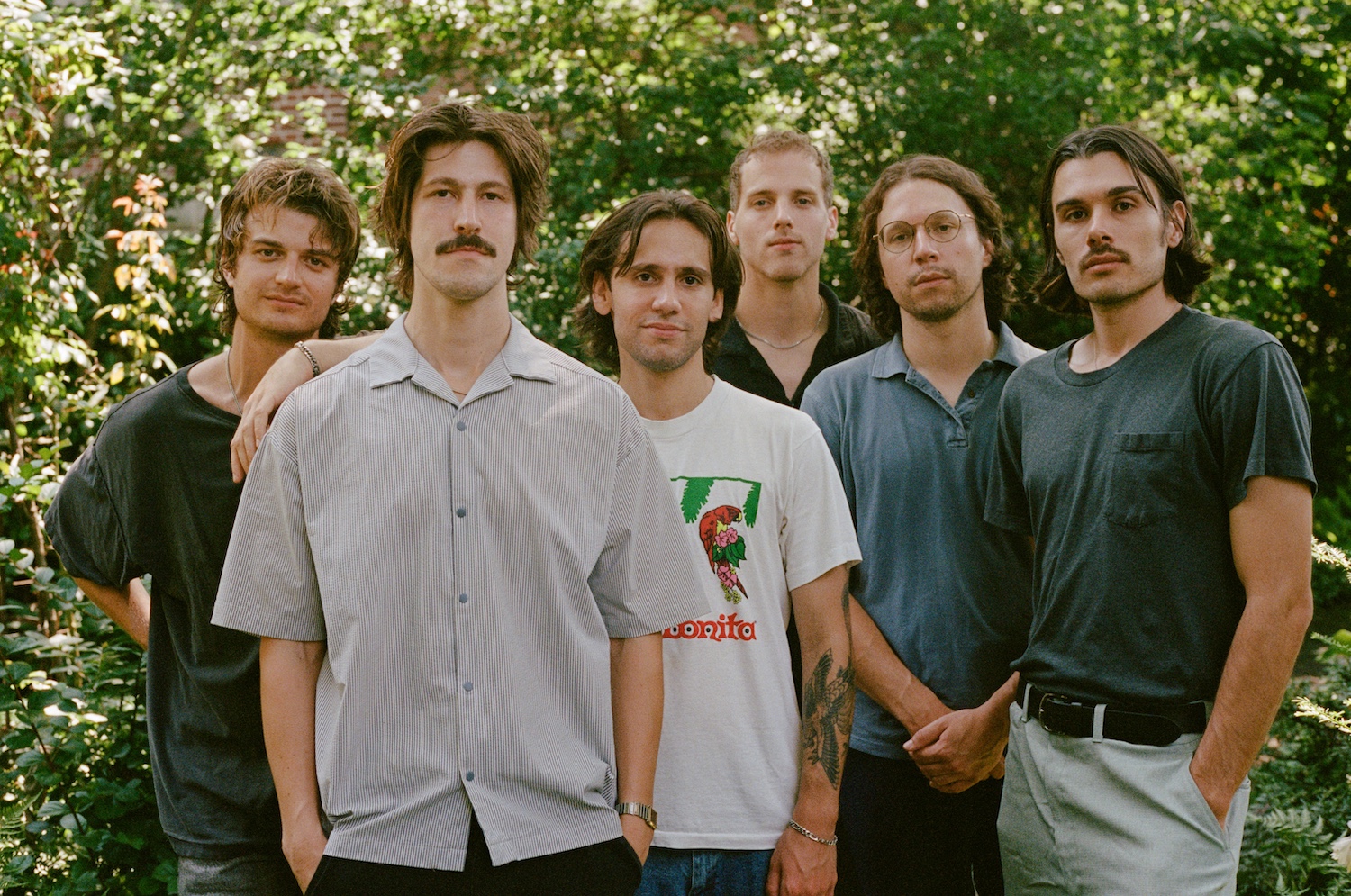
That moment of clarity on stage mirrored something deeper happening within the music itself – a shared history between close friends that resonated from the artists into the crowd, blurring the line between creator and creation.
Whether songs like “Gelatin Mode” that serenaded the audience with its woozy, psych-tinged warmth or “Ralphie” in all its chaotic, riff-heavy glory, Post Animal had entirely recaptured the magic that first brought them together.
But that spark on stage was only the latest chapter in a story that started years ago. Long before the tour buses and sold-out venues, their introductions began somewhere much smaller, and far more personal: Chicago.
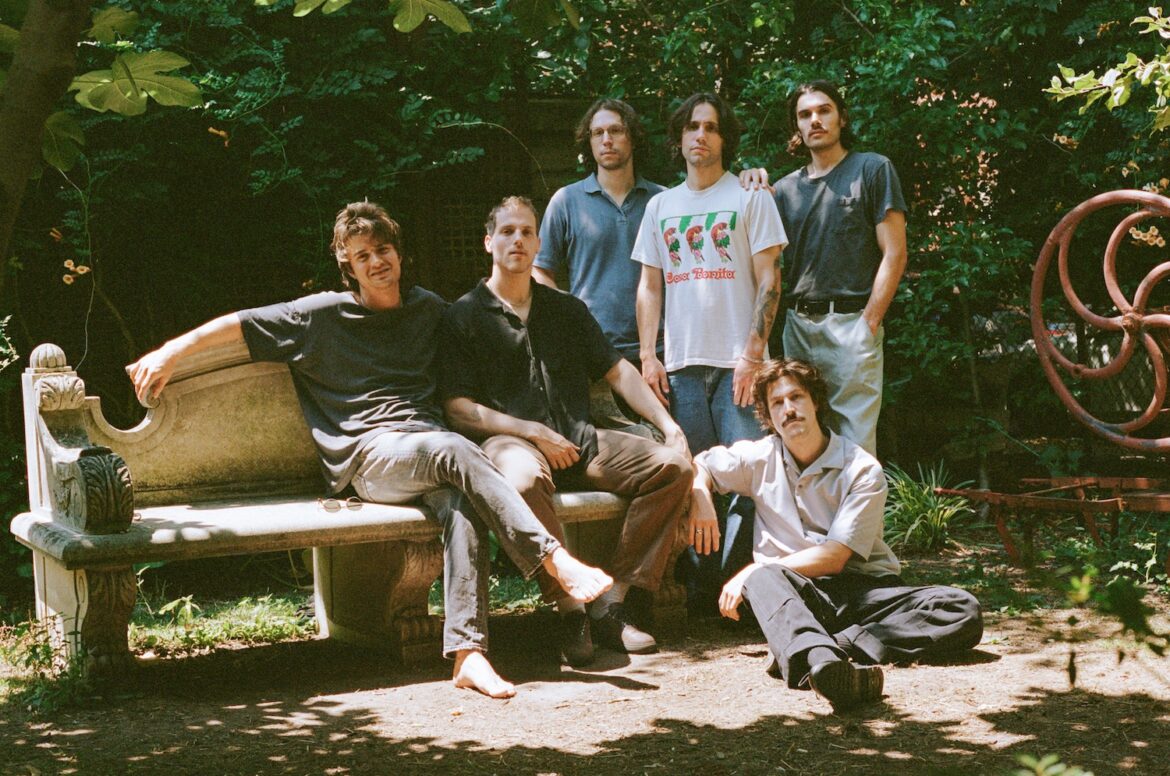
Their origin is as follows: Allison and Williams met in high school prior to meeting Hirshland in 2014. Then, in 2015, Williams met Keery at the restaurant they both worked for, and soon after, Toledo and Reyes joined the group. They recorded their first EP in a shared, windowless apartment in Boystown (that they swear was haunted) and by the summer of 2016, had a real album on their hands – The Garden Series.
The album was textured, psychedelic, and esoteric; a swirling kaleidoscope of sound that toes the line between chaos and pure bliss. Yet, it was entirely them. An ode to the chance encounters that bore their friendship and the city that bound them together.
With so much talk about Chicago, I reflect on how art and space are entirely interlinked – how place can quietly thread its way into sound, spirit, and story.
Think Johnny Cash and the dusty blues roads of Memphis or Marvin Gaye and the soulful crowds of Motown. There’s an undeniable link between place and sound, and it’s one I’ve come to hear in how Toledo talks about their beginnings in the windy city.
I query whether Chicago has influenced them as songwriters. Toledo ponders for a moment, and then shares, “This is where we kind of came up playing music. Chicago’s a big ass city, but it’s not New York. It’s not LA. It’s like this middle child of a city. No offense to middle children,” He laughs. It’s hearty and comfortable, and he continues in that manner.
“It’s kind of this forgotten hub that is so vibrant. Chicago’s a little rough around the edges, a little off the beaten path. Our band’s like that. It’s not as clean and pristine as some other rock bands, but [Chicago’s] influence is there from playing when we were younger and coming up on DIY shows.”
Yet, beyond the horizons of the golden city-scape of Illinois, it’s their friendship that truly grounds them – the quiet force behind their unmistakable cohesion. Their tight-knit bond has become their backbone of creation, the beating heart of what makes them who they are, and it pulses through every track on their latest album, Iron.
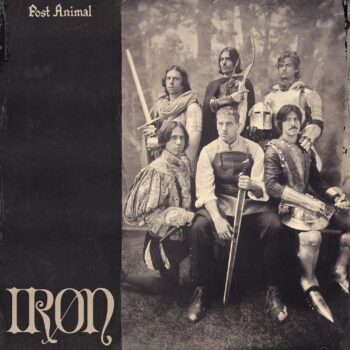
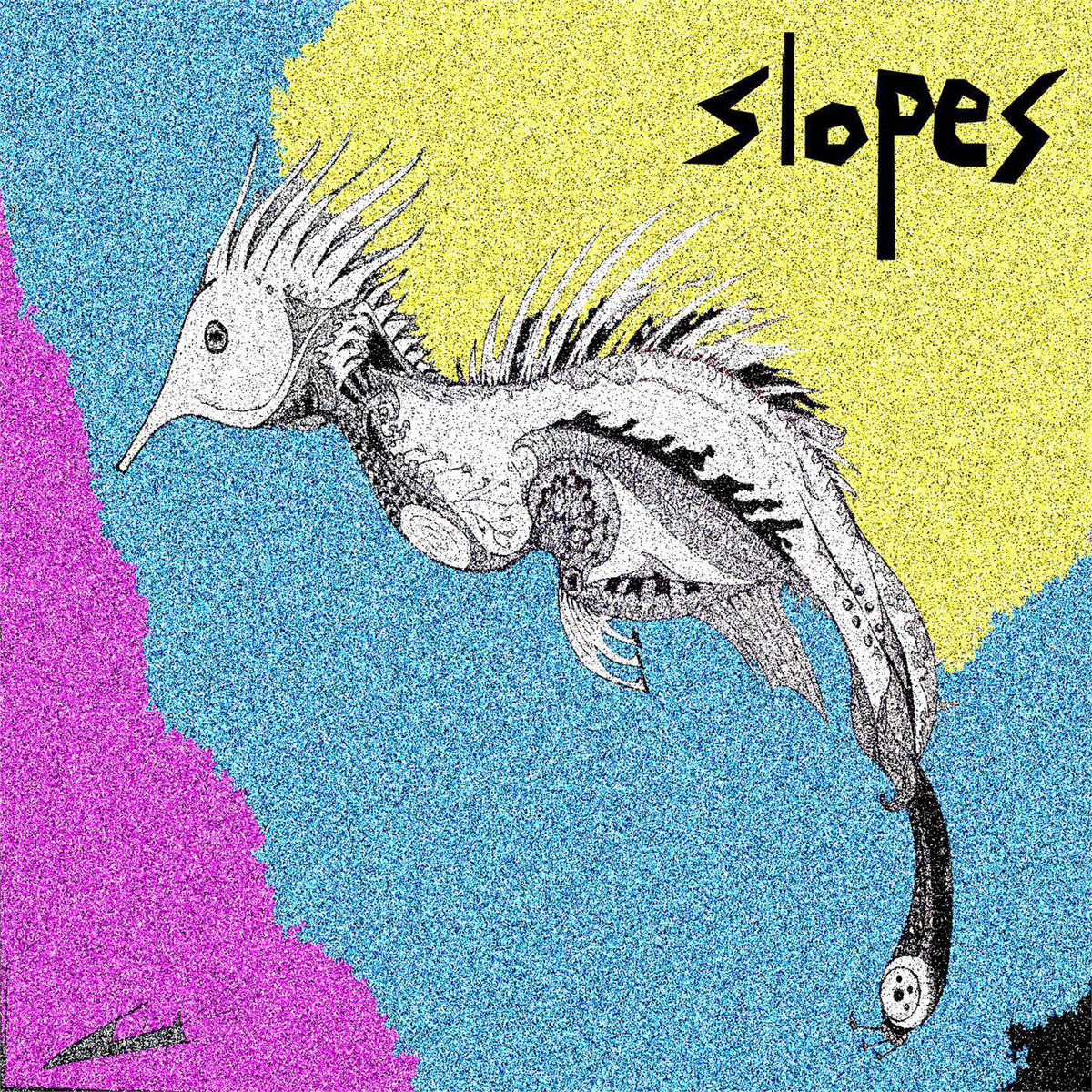
Releasing July 25th, Iron doesn’t just mark the return of former bandmate Joe Keery, but is a snapshot of the brotherhood Post Animal have nurtured in the last 10 years.
We get a look into that friendship as the album begins. A sizzling pan opens alone for the first few seconds before a cascading melody of guitar strums interlope with their incoherent banter and clinking glasses. “Malcolm’s Cooking” is warm and intimate, like being invited into their Boystown living room where creativity had simmered just beneath the surface. As the rest of the album unfolds, we listen to remnants of their past through voicemails of loved ones in “Maybe We Have To” – struck by grief but learning to grow and love all the same – and watch as they question the banality of existence and accept their imperfections in “What’s A Good Life.”
There’s the all-consuming declaration of love to the moon in the country-rock distortion of “Pie in the Sky” and the unfiltered questioning of how relationships can both strengthen and strain us in album closer “Iron.” It is tender and raw, a mesh of ‘70s-esque keys and synth capturing the ache of holding on while facing the weight of change. Iron, the album, weaves layers of psych-rock melodies that feel both nostalgic and fresh, and that decade-long bond has shaped what they draw from – resulting in a collection of songs that nod to their shared influences while carving out something that is uniquely their own.
At times, echoes of The Beatles’ “Mean Mr. Mustard” ripple through their melodies, while Peter Gabriel’s adventurous spirit shines in their willingness to explore uncharted emotional landscapes. Their music flows as naturally and deeply as their friendship – both a heartfelt tribute to the artists who paved the way and a mirror reflecting their own evolving identity.
I’m reminded of Eddie Money, an artist Toledo suggested I listen to, and one this album brought to mind for one of his friends. It is classic ‘80s rock and tonally passionate – even corny, maybe – but there’s an earnestness and raw energy beneath the surface of his music that fits perfectly with this album’s blend of nostalgia and sincerity. With Iron, Post Animal doesn’t just revisit the past; they transform it, and they’ve invited us along onto a journey where every note carries the weight of a decade’s worth of connection, creativity, and the eagerness to age together.
— —
:: stream/purchase Iron here ::
:: connect with Post Animal here ::
— —
Stream: ‘Iron’ – Post Animal
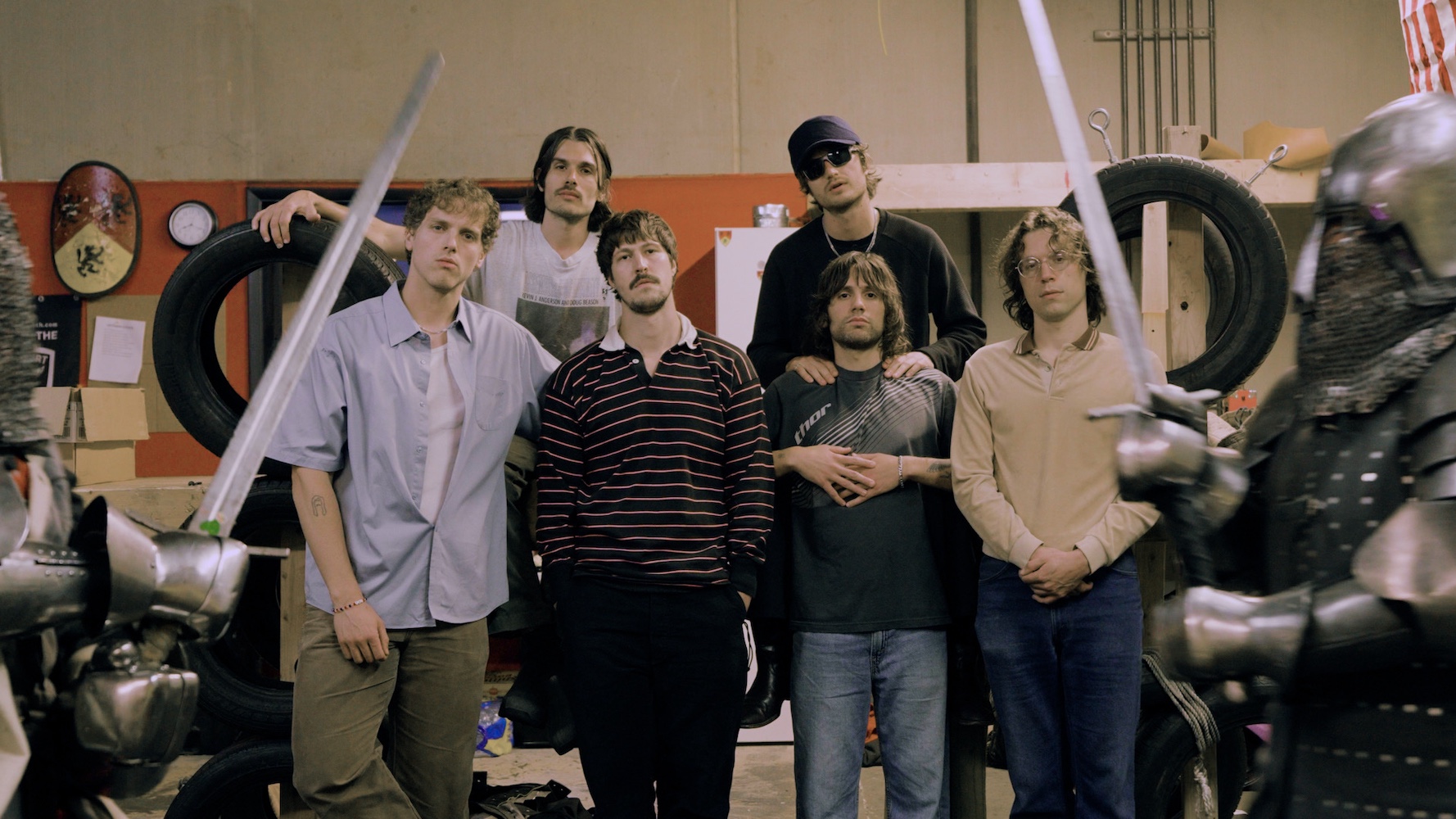
A CONVERSATION WITH POST ANIMAL
Atwood Magazine: You’re touring with former bandmate Joe Keery who is also featured on this album. How has that experience of coming back together, creating, and now performing alongside each other been? Any memorable moments?
Wesley Toledo: We had talked for a while since he left the band. There had been many conversations here or there about writing again together and playing music. We always talked about it but it was weird. Obviously, we’re still friends, but with the music and his acting…the career paths kind of separated. Then once he started wanting to make music more and more regularly, it inevitably came back. This album corresponded with him also working on his album, The Crux, and me coming in to play drums on that album. We’re in a group chat together and it was like, ‘You guys want to write some music.’ And we did. There weren’t any real expectations for it at the time. It was very much like, ‘Let’s just go hang out and let’s go play and write music, and we’ll see what happens.’ Then once we were together, writing again, it was a great time. It was very seamless. It was like how it was back when we were first starting out, if not better, just because we’re older and better musicians now.
What can you tell us about Iron? How can we expect it to depart from the sound established by When I Think of You in a Castle?
Wesley Toledo: Iron is a little bit akin to When I Think of You In A Castle. It’s very carefree, lighter than our other albums. With our last album, we wanted to make something that had some serious edge to it. Iron was kind of more like we were all in a place in our lives where we were just light. The lyrics cover a lot of different aspects, but it’s really a friendship album. It’s just about that relationship. It’s not anything that’s trying to be too deep. We’re not trying to be like Radiohead, or something, you know? We’re trying to make something that’s ourselves and that’s very authentic to a rock album. We’re a rock band at the end of the day.
It's been a while since that first record got put out, and there's a lot of growth in between that. How have you seen yourselves grow since band conception?
Wesley Toledo: I think we’ve refined ourselves. When making music and art, or really anything that’s artistic, there’s a lot that has to do with your intuition and gut. It used to be hard to trust that. We’re better now. When we’re in the writing process and something is brought to the table, we’re better at discerning and communicating which directions to go. It’s a vulnerable process, especially when you’re working with a bunch of people, and we’re all better at handling rejection of those vulnerable ideas we bring to the table.
Anything that you’ve grown out of that you find yourself reaching back to?
Wesley Toledo: The first thing that comes to my mind is communication. This kind of ties in with the topic that we were just talking about: making the music process a light process and how we work better this way. I used to be very direct and sometimes that wasn’t very considerate. I would say I was very passionate, but sometimes being passionate means you end up overdoing it. I think I have a better grasp of being able to be super direct with my friends about creating but still being soft and kind. This is just music.
What made you choose a 1 minute 30 second guitar ballad as the opening?
Wesley Toledo: That was sort of a throwback to When I Think of You in a Castle and how that one starts. Since Joe [Keery] is back in the mix with this one and that was the last thing that we made together, it felt right to have a fun throwback to Castle. We weren’t planning on it though. We just made that and listened back and it set the table for the rest of the album.
What was the inspiration behind this new album? Any songs or artists that helped shape this record?
Wesley Toledo: There was no set sound that we were going for. This is just inevitably what we landed on, but at the time we were listening to Abbey Road. The album doesn’t sound like Mk.gee, but we listened to his album a lot. We thought it was a really fresh and sick record. Oh, and Andre 3000’s flute record. It’s super sick. At the time, we were just like, ‘Damn, a flute record. Okay!’ We’re also influenced by so many older bands. There’s obviously the Beatles and classics like Billy Joel and Bowie and Elton John. Just very Americana and the ‘70s.
Any personal favorite songs or lyrics?
Wesley Toledo: The first one that pops into my mind is one I guess you could say is dark, but it wasn’t really meant to be dark. In “What’s A Good Life,” in the second verse it says, ‘When I’m older, and I’ve stayed on track, and death gets me with a heart attack. No more keeping up with the Joneses. Trimming hedges on the culdesac.’ It’s basically this rhetorical question of what does it mean to live a good life? It ties back to that friendship aspect and the hope that these are friends that life takes with us down the road. Let’s not sleepwalk through life, and let’s make sure the priority of our life is not something that is shallow.
My favorite song on the record is “Maybe You Have To.” That voicemail hits you like a brick. Those initial 30 seconds are intimate and bring in family, leaving a place you’ve always known, happiness, religion, and all the questions of what is left unsaid. What were you hoping to explore or confront through this song?
Wesley Toledo: That voicemail is my grandmother, who died a couple years ago. We were kind of brainstorming ideas of using voice memos throughout the album and they could have been from people that were close or family members or even just strangers. That one was special because it’s a song about mortality and how to handle saying goodbye to your loved ones. That song is just like our take on doing it. It’s very bittersweet and has that beautiful emotion of feeling happy and sad and optimistic all at once.
— —
:: stream/purchase Iron here ::
:: connect with Post Animal here ::
— —
“What’s a Good Life” – Post Animal
— — — —
Connect to Post Animal on
Facebook, 𝕏, TikTok, Instagram
Discover new music on Atwood Magazine
© CJ Harvey
 © CJ Harvey
:: Stream Post Animal ::