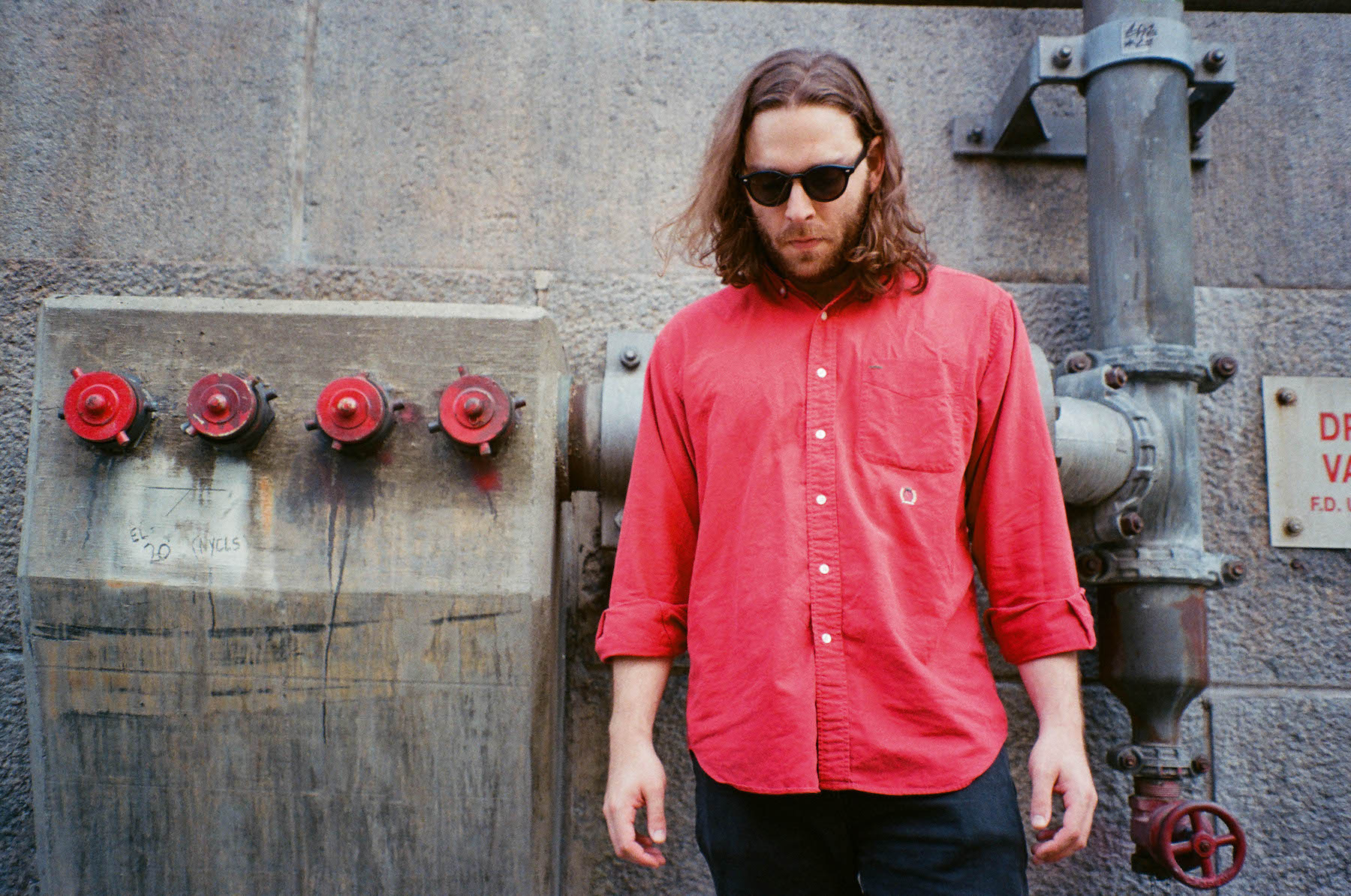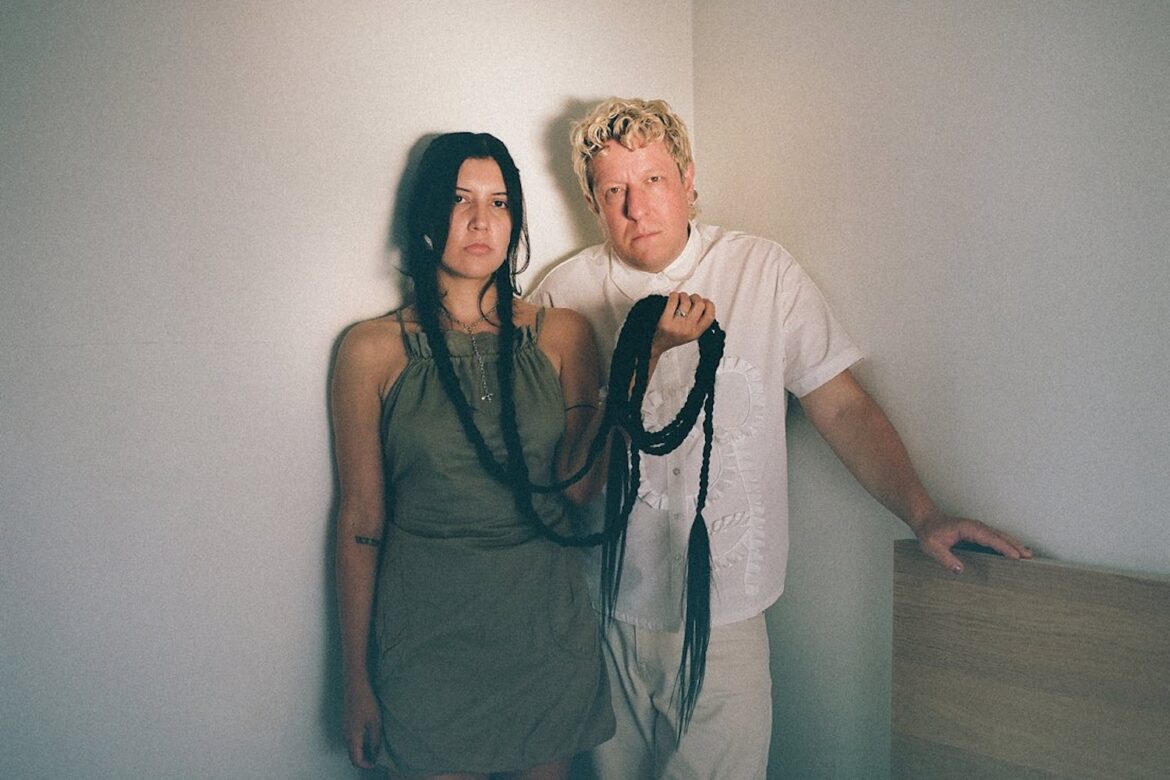
Ribbon Skirt guitarist Billy Riley reflects on the band’s meteoric rise, the making of their Polaris-shortlisted debut album ‘Bite Down,’ and the creative, cultural, and emotional forces shaping one of Montreal’s most compelling new voices.
by guest writer Damien Joyce
Stream: ‘Bite Down’ – Ribbon Skirt
Montreal based, Anishinaabe led post-punk band Ribbon Skirt are on a crest of a wave.
The band consists of core duo Tashiina Buswa and guitarist Billy Riley, who met at Concordia University in Montreal and have been playing music together since. Their mesmerizing debut album, Bite Down, released in April 2025 via Mint Records to critical acclaim, earned them a shortlist nomination for the 2025 Polaris Music Prize and a meteoric rise which has seen them tour the US and Canada.
We recently had the opportunity to chat with guitarist Billy Riley, starting our conversation by looking back at a whirlwind year where the band have blown up. Read our full conversation below as Riley opens up about Ribbon Skirt’s surreal breakthrough, the making of Bite Down, their Polaris Prize journey, and what it means to build a band rooted in collaboration, culture, and momentum.
— —
:: stream/purchase Bite Down here ::
:: stream/purchase PENSACOLA here ::
:: connect with Ribbon Skirt here ::
— —
A CONVERSATION WITH RIBBON SKIRT
Atwood Magazine: Looking back on the last year, does it feel like time has flown by – or are you in that strange in-between place where time starts to move differently?
Billy Riley: It’s definitely a mixture of the two. I think we started playing together in 2019. We had a few different projects, one kind of pre pandemic, and then the pandemic kind of put a hole in all our stuff. So, it feels like a long time, but also really feels like no time at all. This time last year, we had only just finished the record, and we didn’t have a label to put it out. We were just like, …. What do we do with this record? Feels surreal to look back a year ago and the amount that’s happened has just been wild. So, the last year has felt very accelerated.
When you look back, can you remember what the spark was for your music? Was it the process of picking up a label, putting it out there?
Riley: I don’t know. It’s hard to say. I mean, we’ve both been playing music for so long and nothing we’ve ever done individually or together has kind of had this much attention before. We’ve had bands, which was pretty much the same lineup as me and Tash writing with other musicians. We’ve been playing for five or six years, and it’s hard to say what sparks it. I think you just get lucky, and someone notices and reviews you, and the Pitchfork review helped. Even that, I don’t really know how it happens. It’s your music that just kind of resonates with people, and it goes from there. Then once you get one thing, it’s just snowballs. It’s kind of surreal and hard to put your finger on why it happens, but we’re so grateful for it.
The momentum must be sort of overwhelming at times?
Riley: You kind of get used to it and becomes quite normalized quickly. A year ago, we were a bit lost and didn’t really have any direction. Now it just feels so normal that we have this momentum, and we’re also thinking about what’s next and what’s happening down the line. It’s nice to take a step back and just kind of feel like…oh, this is not normal.
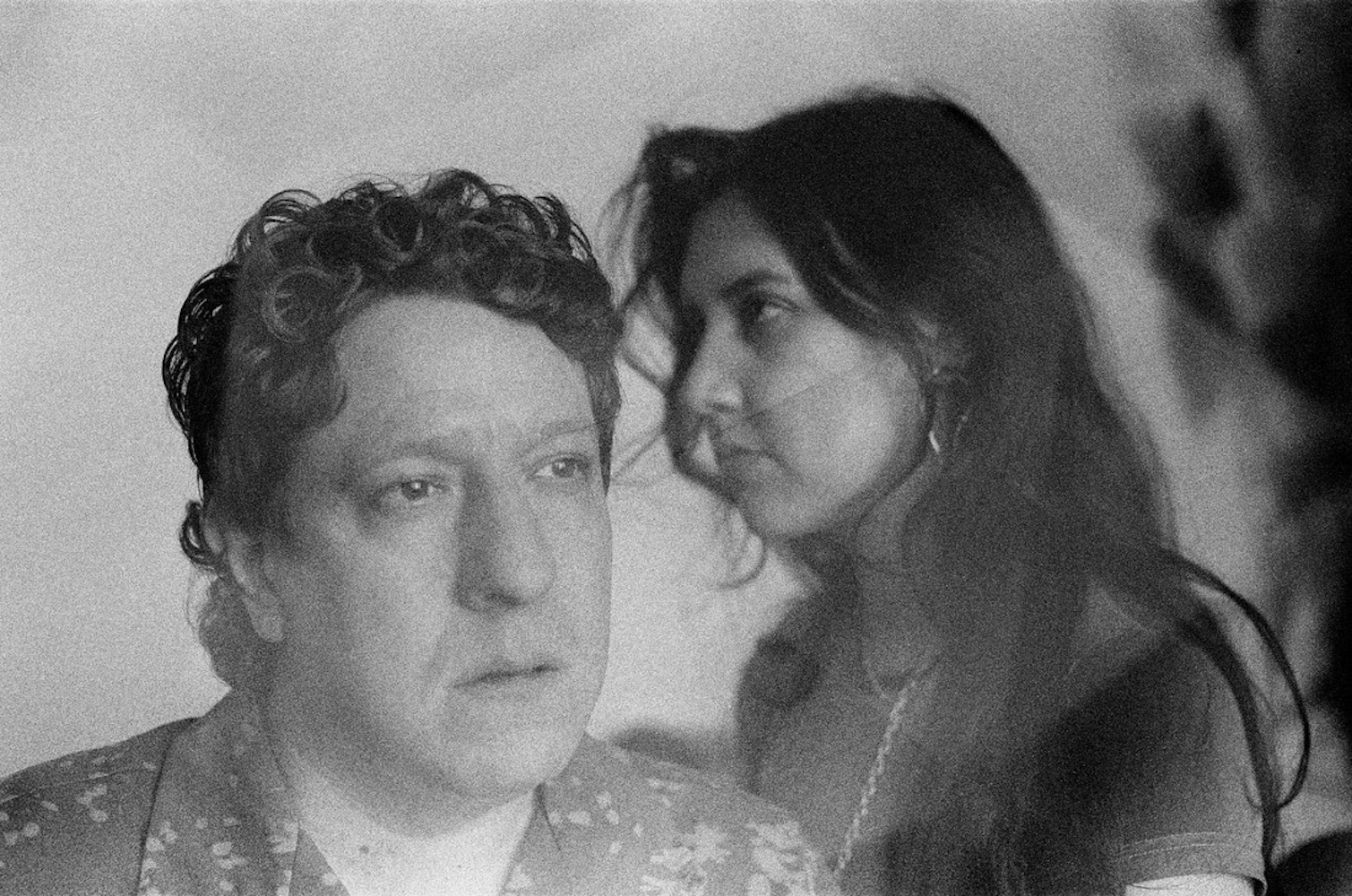
Over the course of the year, I have been playing tracks from both the album Bite Down and your EP PENSACOLA on my college radio show here in Galway, Ireland. What struck me from the first plays was that it just didn’t sound like a debut album, but it makes more sense when I realized you’ve been playing so long together. The album was produced by Scott “Monty” Monroe from Preoccupations and was mixed by Greg Saunier from Deerhoof. Can you explain a little how those relationships were formed?
Riley: Preoccupations and that whole scene is just a huge presence. Women and then Preoccupations, those first few records I was obsessed with at the time. Monty lives in Montreal and has a studio, and we played together with his partner, Marlaena Moore as well, who also produced a record with him. We played a show with them at this underground D.I.Y spot called ‘The Bog’ in Montreal, it’s now closed, unfortunately. But it was this bunker that was beneath an apartment building, four stories underground. It was definitely a fire hazard! We played together with Marlaena who has her own projects, and Monty plays guitar in that. We played it together, I think, probably 2022 when we were playing under a different name and then we just became friends, played a few shows together over the years. Then we were looking around for people to produce a record, and he has a studio that we had recorded in with a different producer a few years ago.
How would you describe him? Is he hands on or laissez-faire, or is he just trying to help get the most out of you?
Riley: I think it depends on the band that he’s working with. With us, we were looking for input. He pushes you and just has kind of crazy taste and makes it so much fun. He’s just an incredible producer as well. He was very respectful and would suggest stuff and if it didn’t work, it didn’t work. We were looking for a collaborator on that, and you can hear his fingerprints all over it.
Greg was another one; we were looking for people to mix it and we were going through records. There were two records that were released last year that we really loved the sound of, and it turned out that he had mixed both. (One of the bands was Motherhood from Canada.) So, it was just a sign that he was the right person. He’s a bit of a mysterious person, hard to track down. I ended up tracking him down on Facebook. I just messaged just being like, “hey, would you want to mix our record?” And it took him a month to reply, and we were just oh no it’s over. Then he just replied, “he was like, yeah. I would love to”, listened to the demo and loved it. Then, over email, we just sent mixes back and forth. He was very hands on in the mixing; he would make changes and cut stuff which we were also looking for as well. It’s huge for me, Greg is such an inspiring person and musician. But everyone who worked on it, we were just huge fans of it before and just worked out. It was lucky.
Well, I guess it’s more than luck that Bite Down gets picked up for the Polaris Prize nomination and then shortlisted, which must have been very exciting and nerve wracking at the same time?
Riley: Definitely. Moving to Canada thirteen, fourteen years ago, I just heard the Polaris prize was that huge thing that happened every year, and it was also exciting to see who was nominated and who won. To get that message that we were even long listed was just insane. And then the shortlist was just wild; I know everyone on that list had released amazing albums. Some of them are our friends as well. Just really honored, it’s hard to explain what that meant, and then the night of it was just probably the wildest thing I’ve ever done. Massey Hall, I don’t know if you’re familiar with that venue?
Yes, I am, from being a Broken Social Scene fan!
Riley: Neil Young was playing there in the sixties and you’re backstage and all these photos on the wall of all these legends. You’re just like …Woah, this is pretty surreal and just wild. To play a stage like that is just so such an honor.
Looking at the performance though, what I was delighted for you folks personally was that you absolutely seized the opportunity and nailed the two songs. If people didn’t know you before that, they would remember you after that performance.
I was curious about the choice of the two songs; they’re two of my favorites off the album and both very different in “Earth Eater” and “Off Rez.” There is a bit of vulnerability with “Earth Eater,” and the dark humor with “Off Rez” as well. Did it take you a while to decide on what two songs of the album you were going to pick?
Riley: I think as soon as we knew we were playing that show, “Off Rez” was definitely the one that we wanted to play, partly because of this line in it, Tash sings about Buffy Saint Marie, which is obviously quite a controversial story. (Buffy Saint Marie was stripped of her prestigious Order of Canada honor by the Governor General for falsely implying an indigenous ancestry). I think that for Tash, being able to sing those words on that stage, there was no question that we were not going to play that song. That song is just so different live as well, we really wanted to showcase that we’re like a live band. And then “Earth Eater” flows nicely. We wanted to build slowly, have atmosphere and then explode into heavier kind of song at the end.
The visual effects with the album cover, alternating between the innocent rabbit images to then the sinister red eyed creature worked well, setting the scene and the tone for the night as well.
Riley: We hadn’t seen those projections until we did a sound check, which was kind of insane. We sent a mood board to the organizers, and they came back with this artist who was from Montreal. She really killed that with those projections.
So, you’ve had this crazy year, and then you released another EP just a few months after Bite Down. I know there are four songs, but again they sound slightly different, more synth infused. Did you feel there was a need to say a bit more after the album?
Riley: Yes. I think it’s in the same emotional kind of headspace. We actually had recorded these four in January, which is before we even released a single, I think. We were just itching to get back into the studio, and we had these songs in a similar vein to ‘Bite Down’, but pushing in a new direction. We just had this energy, and we’re kind of calling it an epilogue to the record. We knew we were releasing the album on a label, but it hadn’t come out yet. We had no idea of how the album would do, and obviously it’s done beyond our wildest dreams. But we’re both people who don’t want to just sit back and get complacent. I feel like if we had waited until all this stuff happened with the album, the pressure would have been a lot more. I think we were both like; we want to keep the momentum going and not get too caught up in how the album’s done. That was the reason we released it so quickly. It was because we always thought we don’t want to sit on these songs too long. We’re both very productive songwriters.
Your label Mint Records must be very happy with it?
Riley: They’re amazing as well. Another legendary Canadian label that you hear about. They’re such sweet people, a small team, artist friendly, and they never really meddled in anything. We gave them the album; they didn’t change anything and are just great people.
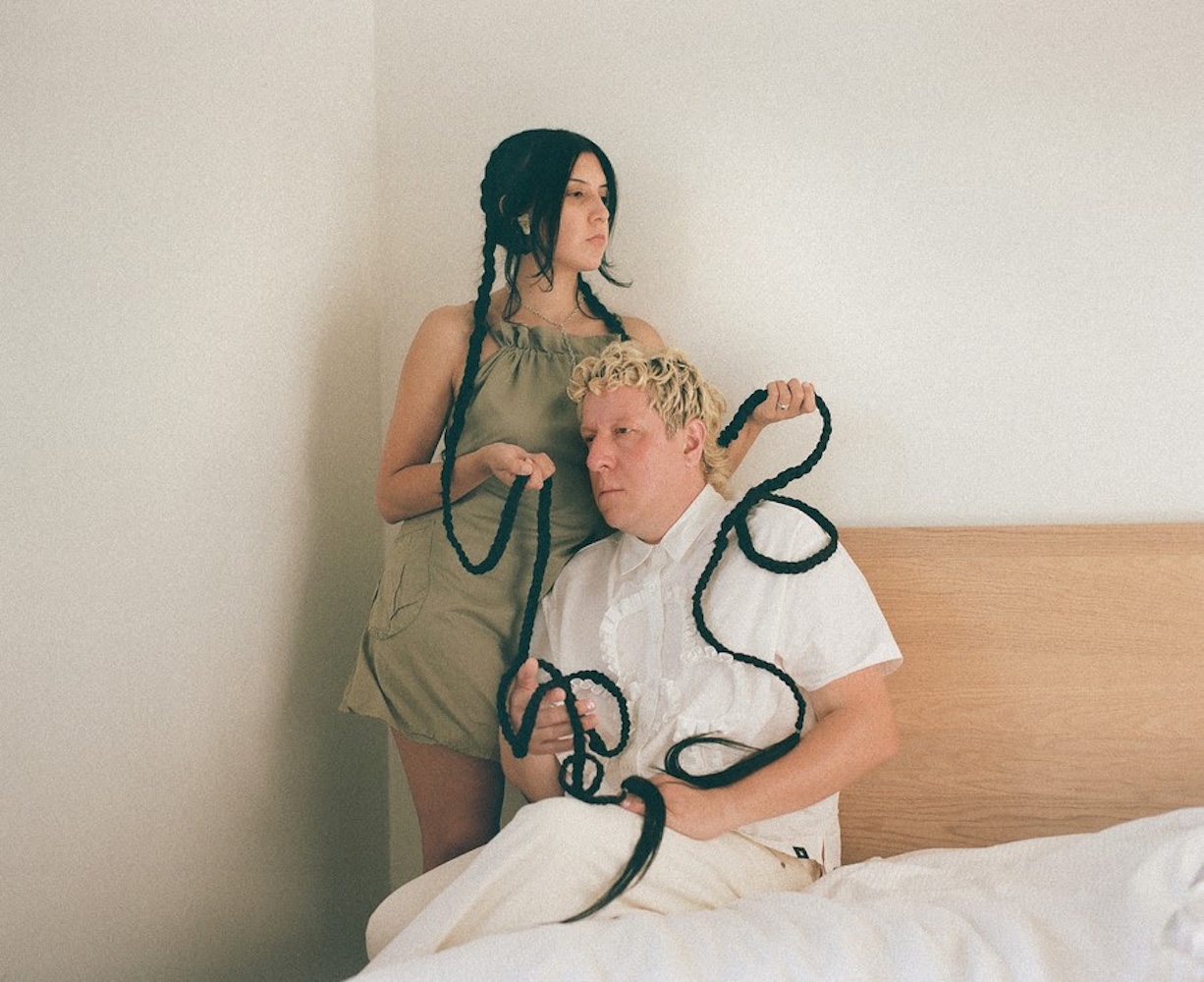
I was a little curious about Tasha’s songwriting because it’s very personal as she has reconnected with her Anishinaabe culture. I was wondering, as the songwriting process, does she create the lyrics and then come to you to add that dark angular guitar? Or were you already going that way before the lyrics are produced?
Riley: The lyrics are the last thing. I mean, she’s a very strong narrative songwriter. She has a very strong vision of what she wants the songs to sound lyrically. But we’ll usually start with I’ll come with a guitar part or roughed out song, and then she’ll write the melody line. Then the lyrics will kind of fit that. So, the lyrics are going to come last, but she has an idea of what the story of the record or the song would be before she writes the lyrics. I’ll play the guitar part repeatedly, and she’ll kind of throw ideas against the wall. It’s very much a collaborative process of someone coming up with something and then just kind of adding on top of that. I’m in the studio as well, we’ll spend time writing parts and stuff like that.
You’re bouncing off each other, that energy?
Riley: Exactly, we’re always in the same room together. For this next record, a friend of ours was moving and had an empty house for a month. We moved in, set up and went there every day and just wrote in the same room throwing ideas around.
When do you expect that to be released then?
Riley: It’s still very early. We’ve written most of it, but we still need to figure out producers and stuff, hopefully next year. But it’ll probably be the second half of next year.
Not letting the grass grow beneath your feet?
Riley: No. I feel like we’ve learned that keeping that momentum going is key to releasing music, which I appreciate. Now a lot of bands are just releasing so much music. Guess it’s a sign of the times, but I do like that kind of off the cuff releasing stuff, that’s very fresh.
From a fan’s point of view, it’s awesome and was totally unexpected. I had to double check, is this a new EP in the same year as the album? I couldn’t believe it; a real surprise.
Riley: I feel like a lot of labels don’t really like releasing EPs because they’ve not got the same kind of gravitas as a record, but I love EPs. I feel like some of my favorite records by my favorite bands are from their EPs! I like that kind of space between albums where you have a little chance to experiment a little bit more. We really wanted to signal where we are going, and it’s a good transition. A lot of Bite Down, like “41” was one of the last songs we wrote, and that was the direction we were pushing in a little bit. Then the EP is kind of an extension of that and signaling what the new record sounds like.
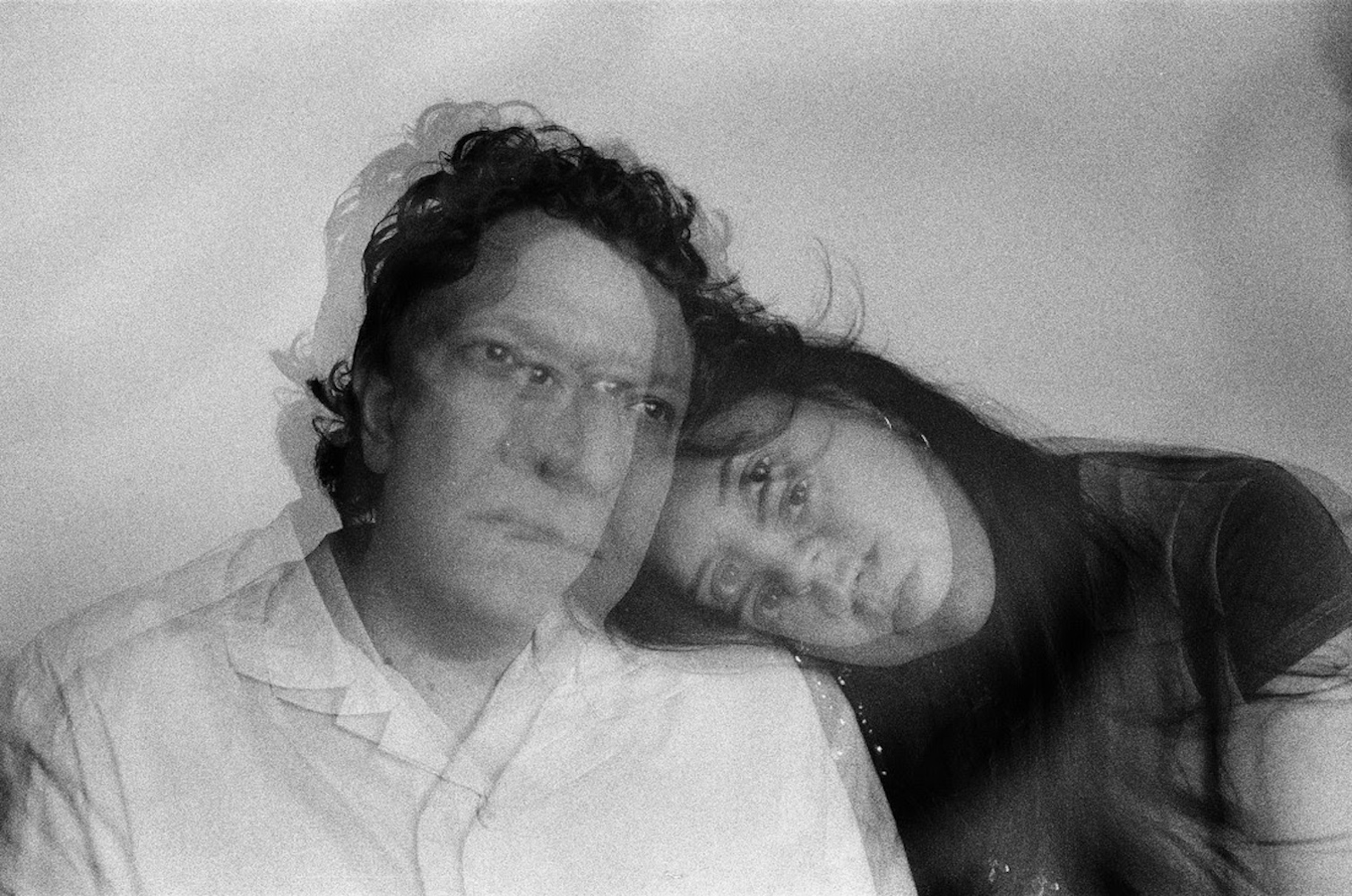
I guess it might be easier for you to compartmentalize similar ideas and have them in a grouping of themes together.
Riley: We were playing under a different name for a long time and then transitioning. We had probably three or four set songs that ended up on Bite Down that we were still playing on the old name. Then it gets to the point where we weren’t playing any songs that we’d recorded and released. So, we’re just like we might as well change our name and start fresh, and it’s definitely gave us a big boost of “this is a new thing, it’s a new sound”. We can really take some strides creatively. So yeah, I feel like compartmentalizing stuff like that is useful sometimes.
And I guess that name change helps with a bit of metamorphosis for the band also?
Riley: Exactly and it solidified. I see a lot of bands get stuck in that thing if they have the name; they have the sound and find it quite hard to grow beyond that. Although it was kind of a scary because we kind of built not like a huge name for ourselves, but just Canada and in Montreal, we had a name for ourselves. It is quite scary to throw that away and just change the name. In the end, it was probably the best thing we’ve ever done! It gave us a fresh start and in people’s eyes as well, it’s like a new band. But it was a quite a scary choice.
I’ve interviewed a couple of bands from Montreal, and what they all say is that it is such a supportive music community. I know it’s been thirteen years, but have you settled into the Canadian life?
Riley: I have. I think just going from talking about supportive scenes, bands and stuff I mean I lived in London for a long time, and just the cost of living there puts this blanket over everyone. Everyone’s competitive and just getting shows is hard. But here, it’s so affordable to live that it creates this atmosphere where there’s not a scarcity mindset. It allows you to experiment, and everyone’s very supportive because there’s so many jam spaces, venues, and shows to go around. I’ve never really lived anywhere else that’s been this supportive for music for sure.
I guess the downside is just how vast Canada when you go and try to tour.
Riley: Oh, yeah. I mean, touring Canada on its own, that’s a big problem; it is just brutal. You can play Montreal, Toronto, and East Coast. But between Toronto and Winnipeg, not much that you play. So, it gets expensive, and not many bands will do Canadian tours anymore. In the US, you can go down and play the East Coast, there’s five huge cities within a few hours of each other, it’s just a lot easier. But then the visa is prohibitive. Getting a visa for the US is so expensive and time consuming, you have to plan so far in advance that a lot of Canadian bands will just tour Canada.
And how have US audiences responded to you?
Riley: Honestly, it’s been great. We did this support tour with Wombo, and it was amazing. Their fans were great, and we had some incredible shows. We haven’t done too many headline shows, but we’ve done a few, and they’ve always been amazing. We’re always shocked! We played our first headline in Toronto on this tour the first day, and obviously, we played Toronto a lot. We can kind of expect that there’s going to be people there, and it’ll be a good show. And then the next day, we played in Chicago. We’ve never been to Chicago before. Is anyone going to show up? And it was amazing, it was packed. It’s just kind of crazy to be so far away from home and people will know your music and want to talk to you. It’s a wild feeling and every time we go to a new city, we’re just always, “is anyone going to show up?”
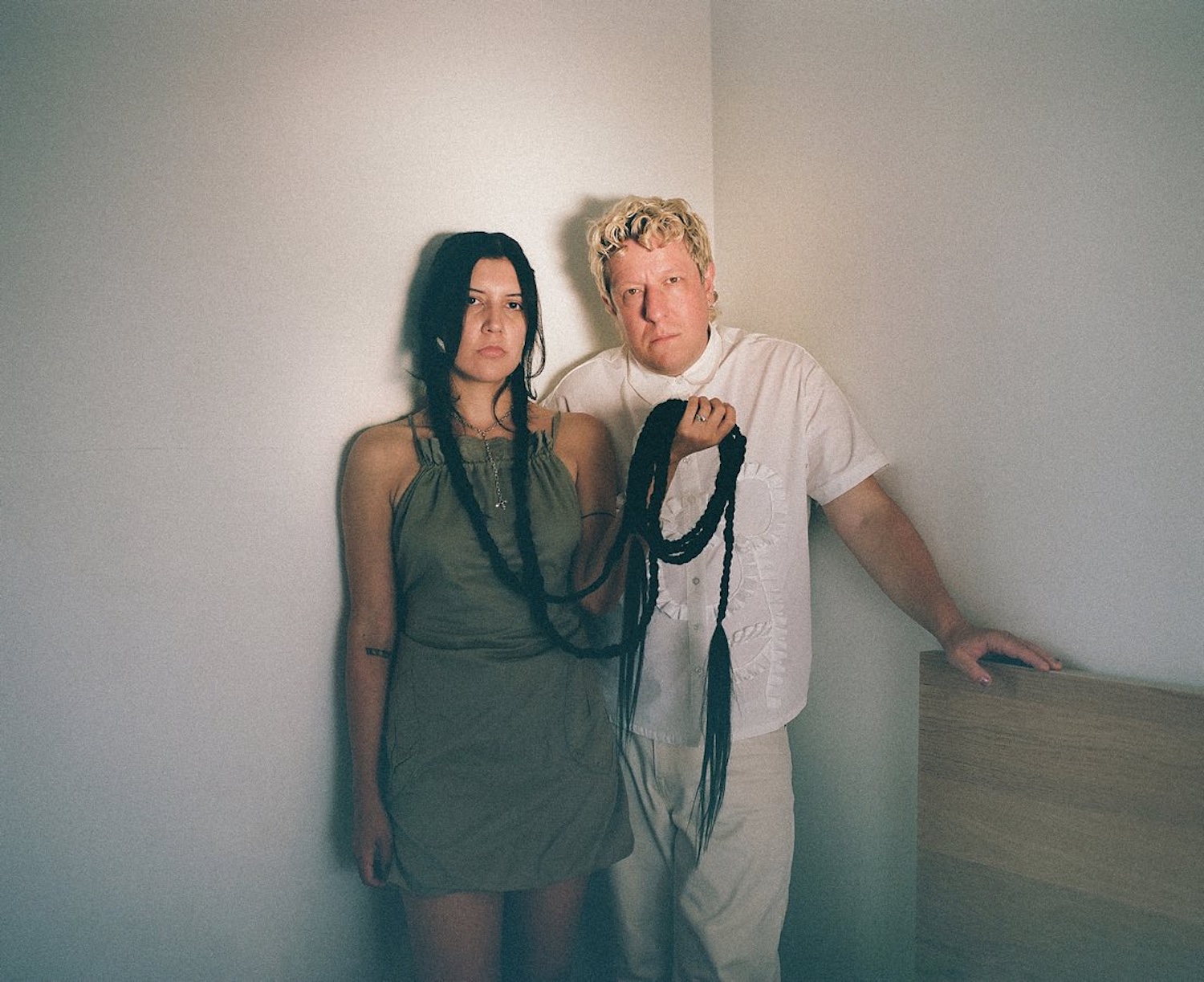
I’ve interviewed other indigenous bands, Zoon (Daniel Monkman), and Adam Sturgeon from Status Non-Status as well, both great advocates for indigenous communities and cultural storytelling with their collaboration in OMBIIGIZI. But one of the things that we discussed is the label of indigenous music, which has pros and cons?
Riley: Adam and Zoon, they’re both amazing. We’ve played some shows with Status Non-Status, Adam has been so helpful with us and passing our music onto people. Don’t think we played with Zoon, but we’ll run into them at festivals and stuff. Just amazing, especially to be so committed to making music in your indigenous language as well. It’s inspiring and also just amazing music. I’m a huge shoegaze guy, so that really scratches an itch for me for sure. I feel with indigenous people, there’s a real community because obviously there’s not so much representation. So, when there are people, they just come through and really help us out.
How do you feel about the indigenous music label?
Riley: I feel like ‘Indigenous music’ is so such a vague term, and it’s so loaded as well. I know that for Tash (and for Adam and Daniel), they were playing music as indigenous people in a scene, which has not got many indigenous artists. In indie rock or post punk or whatever you want to call it’s historically a very white kind of style of music. It can give people the wrong idea and this preconceived notion of what they’re about to get into. At the end of the day, Tash is a person who has experiences outside of being indigenous also. She struggles being an indigenous person in the indie rock scene because I feel like in others, rap or hip hop for example, there’s a lot more indigenous people making that kind of music. But that’s not the kind of music she grew up on. She grew up listening to rock music!
I know touring Canada is exhausting even the thought of it, but any plans to come touring Europe?
Riley: I think we are looking at maybe, like, in spring nothing concrete yet, but I that’s the latest I’ve heard.
— —
An indie music writer and music fan, Damien Joyce is host of the Irish college community radio show ‘The Human Recommendation’ on Flirt FM. Find him on 𝕏, Bluesky, and Instagram!
— —
:: stream/purchase Bite Down here ::
:: stream/purchase PENSACOLA here ::
:: connect with Ribbon Skirt here ::
— —
— — — —
Connect to Ribbon Skirt on
Facebook, TikTok, Instagram
Discover new music on Atwood Magazine
© Ani Harroch
 © Ani Harroch
:: Stream Ribbon Skirt ::