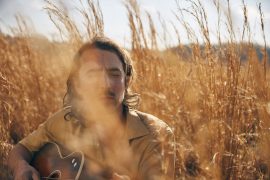
Kentucky-born singer/songwriter Brit Taylor finds inspiration in Appalachia, transformation, and the signs that guided her to make her most authentic album yet, ‘Land of the Forgotten.’
Stream: ‘Land of the Forgotten’ – Brit Taylor
Owls keep showing up in Brit Taylor’s life – too many times to brush off as coincidence.
They seem to show up just when things are shifting: a major breakup, becoming a mom, record releases.
“They scare a lot of people because they symbolize death,” she says, “but with death comes rebirth, and that’s where there’s transformation.”
That sense of transformation runs through her latest album, Land of the Forgotten. For the first time, the Kentucky-born singer/songwriter let herself make the music she’s been chasing for years.
The result is her most grounded, self-assured work yet. It’s bluegrass that hasn’t been heard in a while: Taylor’s earthy vocals carry that high-lonesome sound through songs that make you remember where you came from, even if you haven’t been back in years. And rounding out that sound are some top-notch musicians who even made Taylor herself fangirl a little.
She worked with her husband, Adam Chaffin, in the producer’s chair – a move inspired by legendary husband-and-wife collaborations like Patty Loveless and Emory Gordy Jr. or Lee Ann Womack and Frank Liddell.
“Working with someone who’s heard me sing in the shower,” she jokes, “gave me the freedom to take risks and stop second-guessing myself.”
She carried that sense of freedom all the way from eastern Kentucky down the Country Music Highway to Nashville nearly 20 years ago, with the songs she grew up on tucked in her pocket.
Growing up in eastern Kentucky, where bluegrass is like a religion, it would have felt almost sacrilegious to stray too far from the music that’s been part of her life since she could remember.
By the time she was seven, she was already stepping onto small stages, singing at church gatherings and auditioning for shows, carrying that “hillbilly pride” with her from the very start.
Now, as she gets ready to hit the road with the Nitty Gritty Dirt Band, Taylor is finding her rhythm between motherhood and the steady grind of making music. Atwood caught up with her to talk about music that brings back memories, what she’d say if her daughter wanted to follow in her footsteps, and the owls that always seem to appear at just the right time.
— —
:: stream/purchase Land of the Forgotten here ::
:: connect with Brit Taylor here ::
— —
A CONVERSATION WITH BRIT TAYLOR
Atwood Magazine: I love this album. The instrumentation, your vocals, the storytelling – there's so much to it. I haven’t heard music like this in a long time.
Brit Taylor: That makes my day. You have no idea. I feel the same way. I love that mandolin and little sneaky banjo. It just makes me so happy.
What was that like in the studio?
Brit Taylor: Oh gosh, I was fangirling over Stuart Duncan the entire time. I mean, and Jedd Hughes and Adam Wright and Justin and Craig Powell. They’re so epic and they’re so special because me and my husband hand-picked our favorite people from our favorite records. And it was a dream come true. I feel like it’s what I’ve been trying to do for a really long time. I just didn’t. I couldn’t really figure out how to do it yet.
You've said this album is closest to the sound you've been chasing since you moved to Nashville. What clicked for this one?
Brit Taylor: My husband, honestly. My husband, Adam Chaffin, is also an artist, a songwriter and a musician … and all the things. He’s also from Kentucky, not that far from where I grew up. He just gets me and understands me, and we do everything together and you can hear it in this record for sure.
What did he pull out of you vocally that other producers hadn't?
Brit Taylor: It’s funny because when I was questioning things, he would say “Brit, just sing the way you sing when nobody’s telling you how to sing. That’s how I want you to sing.”
Will you continue the pattern of famous husband-wife collaborators?
Brit Taylor: I can’t imagine not doing that. I mean, you know, two of my heroes – Lee Ann Womack and Patty Loveless – record with their husbands, and they were really big inspirations for this record. Emory Gordy and Frank Lidell are two of my all-time favorite producers.
I was really surprised to read in your liner notes that you said every time you finish an album, you're worried about whether you'll be able to make another one. What is that fear about?
Brit Taylor: It’s just expensive. I financed my first album through a cleaning company that I have out here outside of Nashville. It was just such a huge hustle on top of trying to survive,
I’ve been very fortunate for the last two records to have a label’s support. Because it’s not something that I would be able to keep doing in the way that I want. Well, I will and can always make music, but it’s the way that I want to make music, in a studio with a live band, paying them what they deserve. We can always make music. That’ll never stop.
When people listen to this, what version of you are they hearing?
Brit Taylor: I feel like there’s this theme about life in general and an observation of the characters that surround me in my own life and the things that I’m going through. And it’s just felt like a big rat race over the past few years and that is kind of the same of the album. It’s just everyday blue-collar American life. We had so many songs – these were the best songs; they all were my favorite songs and they just fit together.
Would you ever do a deluxe edition with the songs that didn’t make this album?
Brit Taylor: No, not yet. I feel like I’m in a completely different space now. Since then, I’ve had my little girl and I’m a mom – things are changing. I already have a vision for the next project, and it’s different than this one.
How has your songwriting changed now that you are a mom?
Brit Taylor: You know, a lot of stories. I love storytelling. Obviously it’s different, and there’s some pretty personal songs that I’ve written while I was pregnant about fears. More of the same, but just in a different phase of life.
One of my favorite tracks on this album is “Warning You Whiskey” – it’s so honest and clever.
Brit Taylor: Yeah, it is – just sticking by them, helping them through their demons and knowing that you’ll get to the other side of it.
You don't need to answer this, but was that based on a personal experience? Where did that one come from?
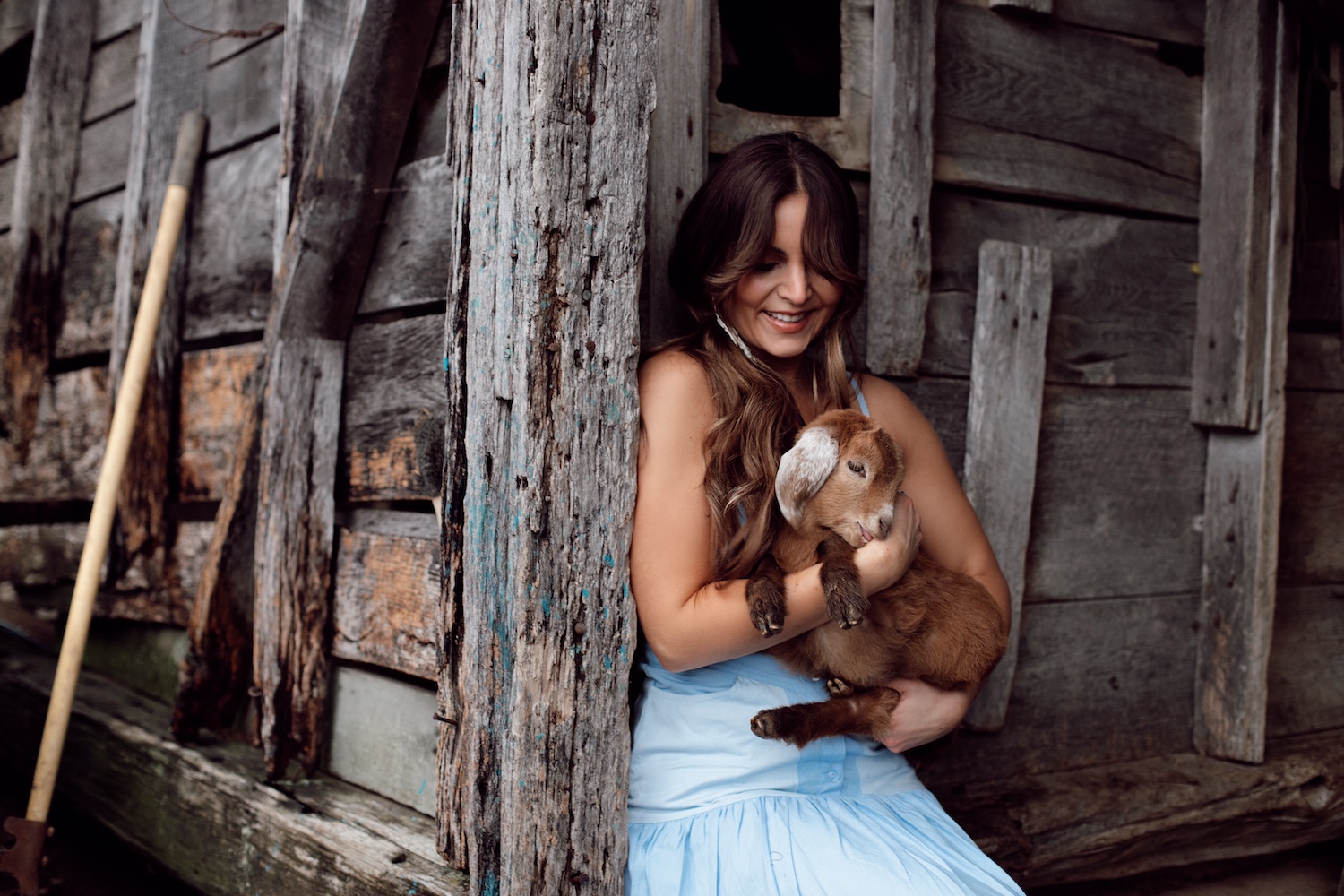
Brit Taylor: I went through a pretty awful divorce and stuff. And I did deal with a lot of that. But my grandparents – my Mamaw and Papaw – inspired me. She really fought for my papaw in his younger days. He was 10 years younger than her and he was drinking – he was in the coal mines and he was wild as a buck. She whipped him into shape and got him in line. He straightened up by the time I got around. He just loved her so much the way he took care of her because she had dementia much later in life. The way that he cared for her was just so beautiful. And I think it’s because of the way she cared for him and the love that she showed him when maybe he didn’t deserve it.
Your grandparents are the ones who turned you on to bluegrass and country…
Brit Taylor: Yeah, Papaw was a huge influence. He loved bluegrass music. My Mamaw used to tell him that the bluegrass music is what made him drink, which is so funny. I was just so drawn to all that bluegrass stuff. He’s definitely the one that got me into bluegrass and country cause my mom and dad did not really listen to that stuff – they listened to like Eagles and Fleetwood Mac, which I also love. But it wasn’t the thing that spoke to my heart.
Do you have memories of dancing in their living room or something that inspired you to want to make that kind of music?
Brit Taylor: I don’t remember any specific moment – I just don’t remember a moment where I didn’t.
If I had to put a time stamp on it, I had auditioned for a show called the US 23 Showcase when I was seven years old. That was the first time I ever got to play with a band and play on stage, get dressed up and curl my hair. And I would say probably from that moment on it was like, OK, this is what I’m doing.
It’s wild to me that you had the courage to get on stage at seven years old. What did you sing?
Brit Taylor: I sang “Hopelessly Devoted To You” in a poodle skirt that my dad’s mom sewed me. There’s still videos of it. It’s really funny. It still runs on TV back home in Kentucky.
I know there are two sides of the fame coin, so if your daughter said to you one day, “Hey mom, I want to follow in your footsteps,” what would you tell her?
Brit Taylor: Oh, I love that. I always want her to follow her dreams and her passion, no matter how scared I am, you know? And I will do my best and not even show any fear, show support as much as I can.
What does she do when she hears you sing?
Brit Taylor: Oh, she just stares and makes little noises. It’s so cute, but she’d still rather hear Kenny Rogers singing than Mom. If she’s crying, she’ll stop mid-cry for some Dolly and Kenny “Islands In The Stream.”
I know you’re a proud Appalachian – how does that shape your perspective? What parts of the story do you feel are important to get right?
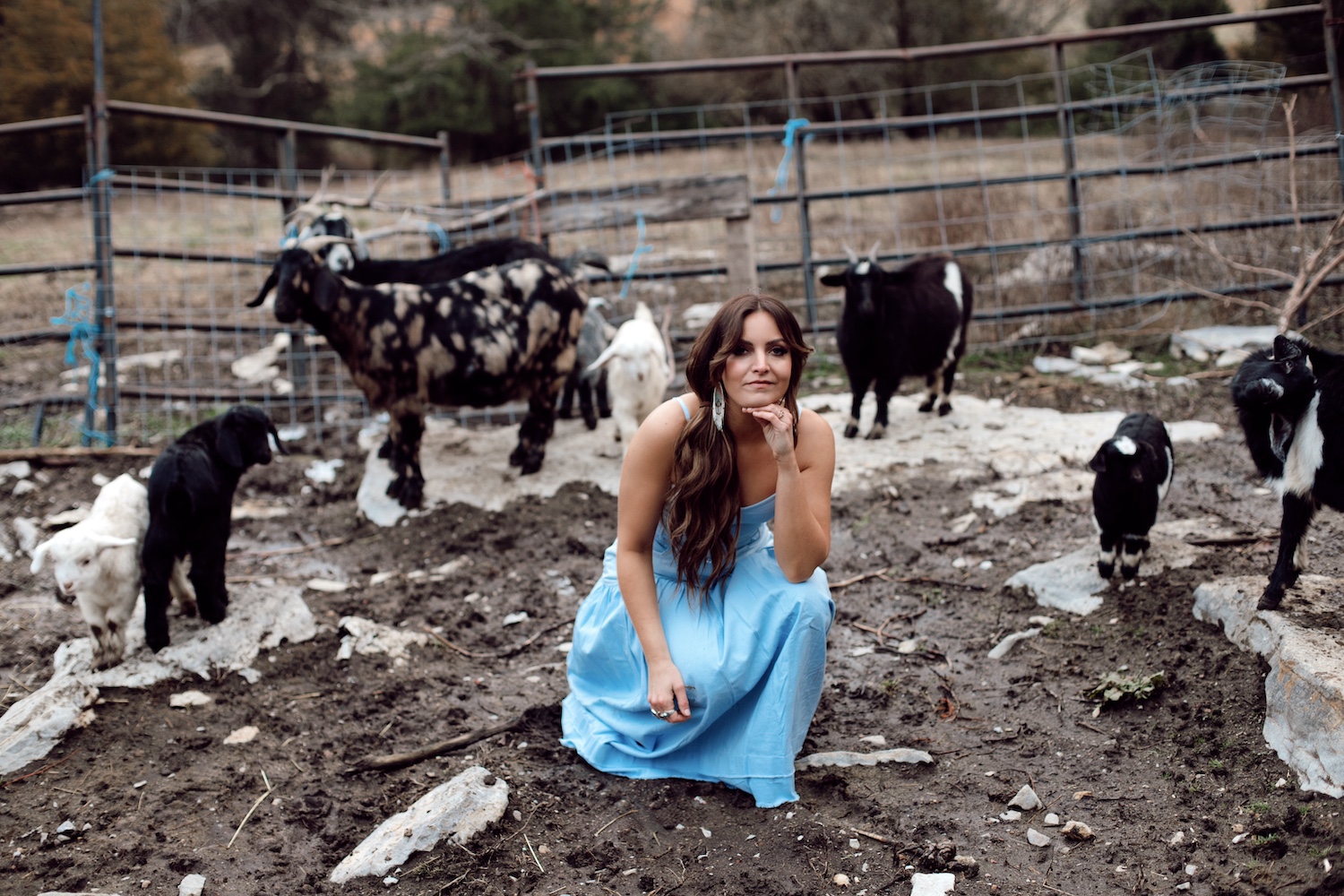
Brit Taylor: “Land of the Forgotten” is about Appalachia, and I feel like it’s a place that’s only remembered when tragedy strikes, and tragedy seems to strike a lot. Like we’re hit a lot harder than the rest of the world when the economy tanks. It’s harder to get resources there. There’s not a ton of jobs. When natural disasters hit, it’s just worse.
I don’t want it to be remembered for some of the things that make it on TV like that we’re all poor and that we all don’t have any teeth. Hillbilly to the outside world means something very different than it means to me. I wear hillbilly like a badge of honor.
We are the most resilient people in the world, and we have so much faith and hope. We’re there for each other, and I wish that the rest of the world would know us for our resilience and the love that we have for the land and for nature; hustle culture doesn’t really exist there.
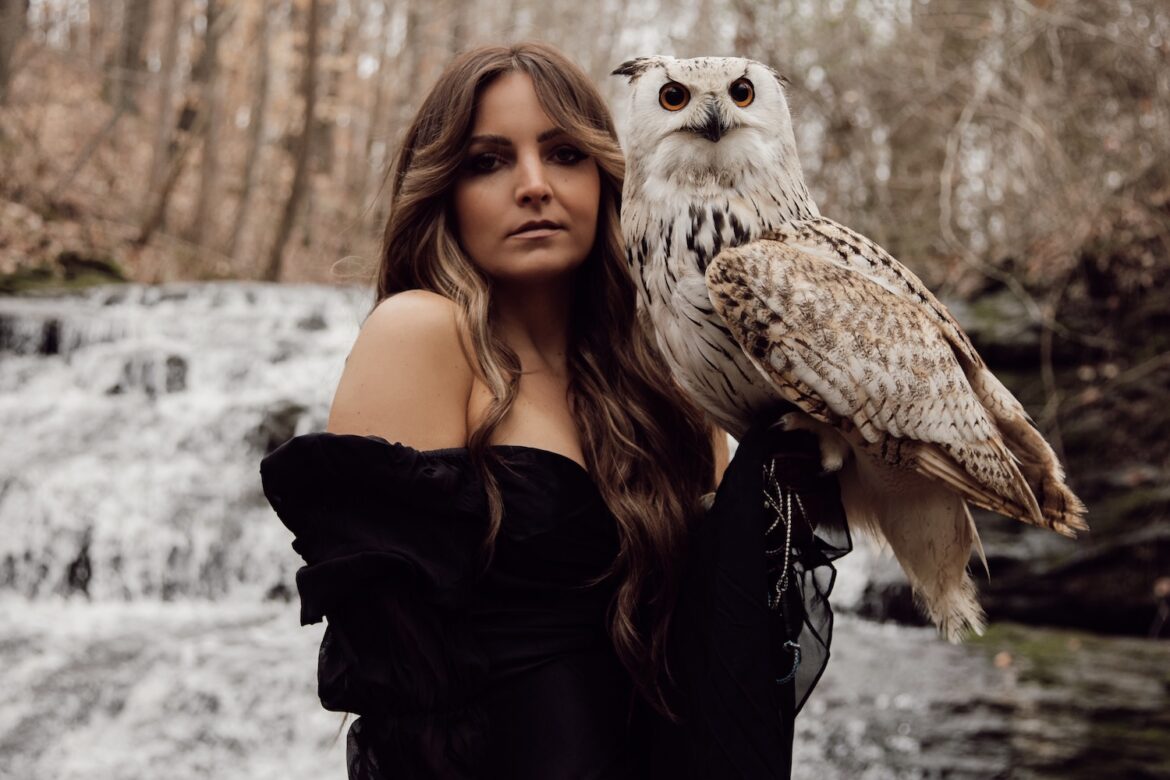
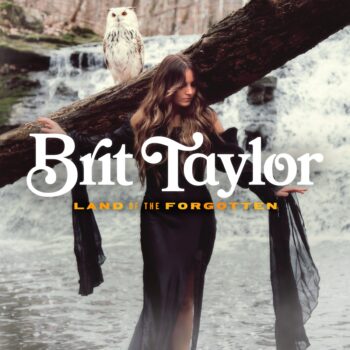
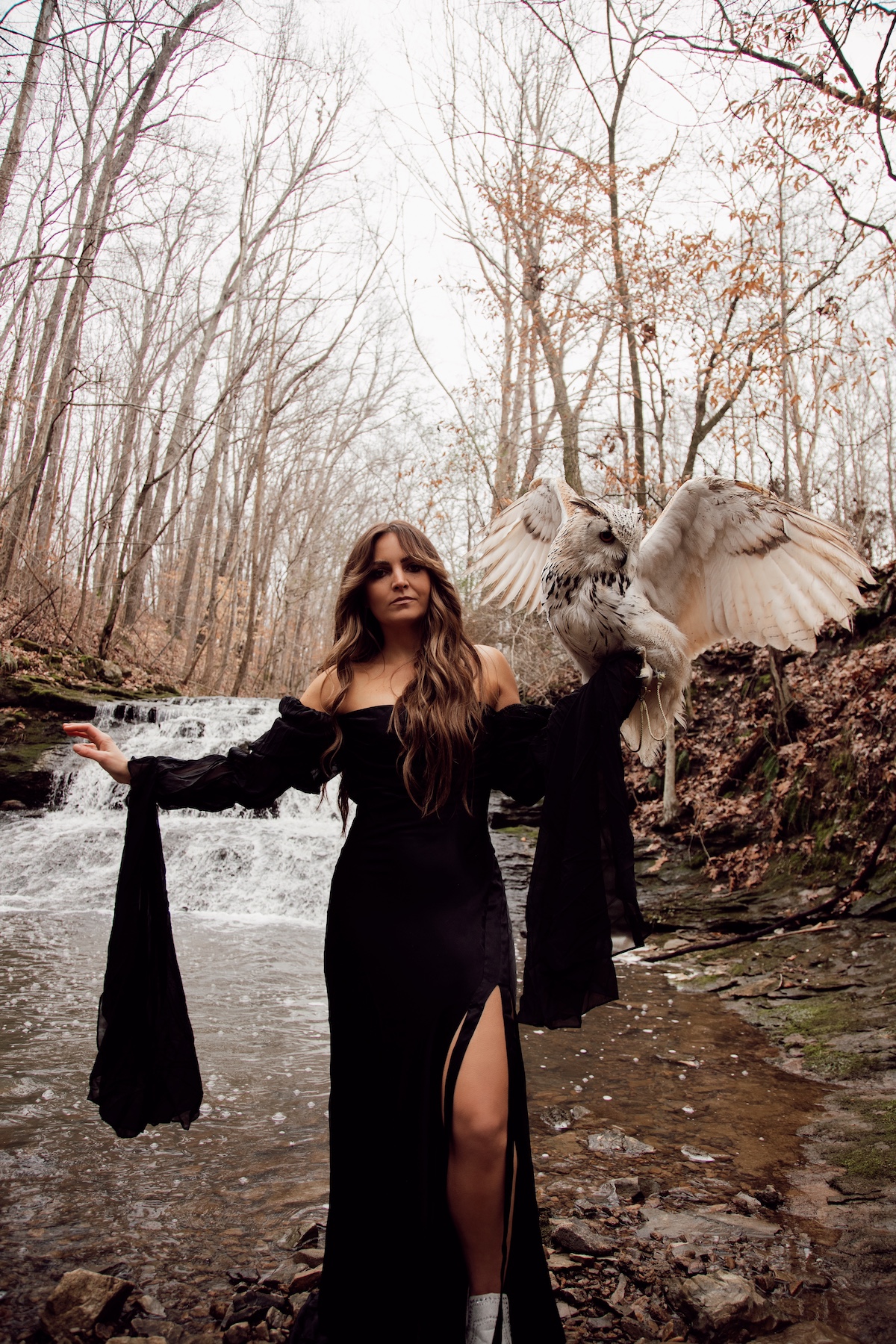
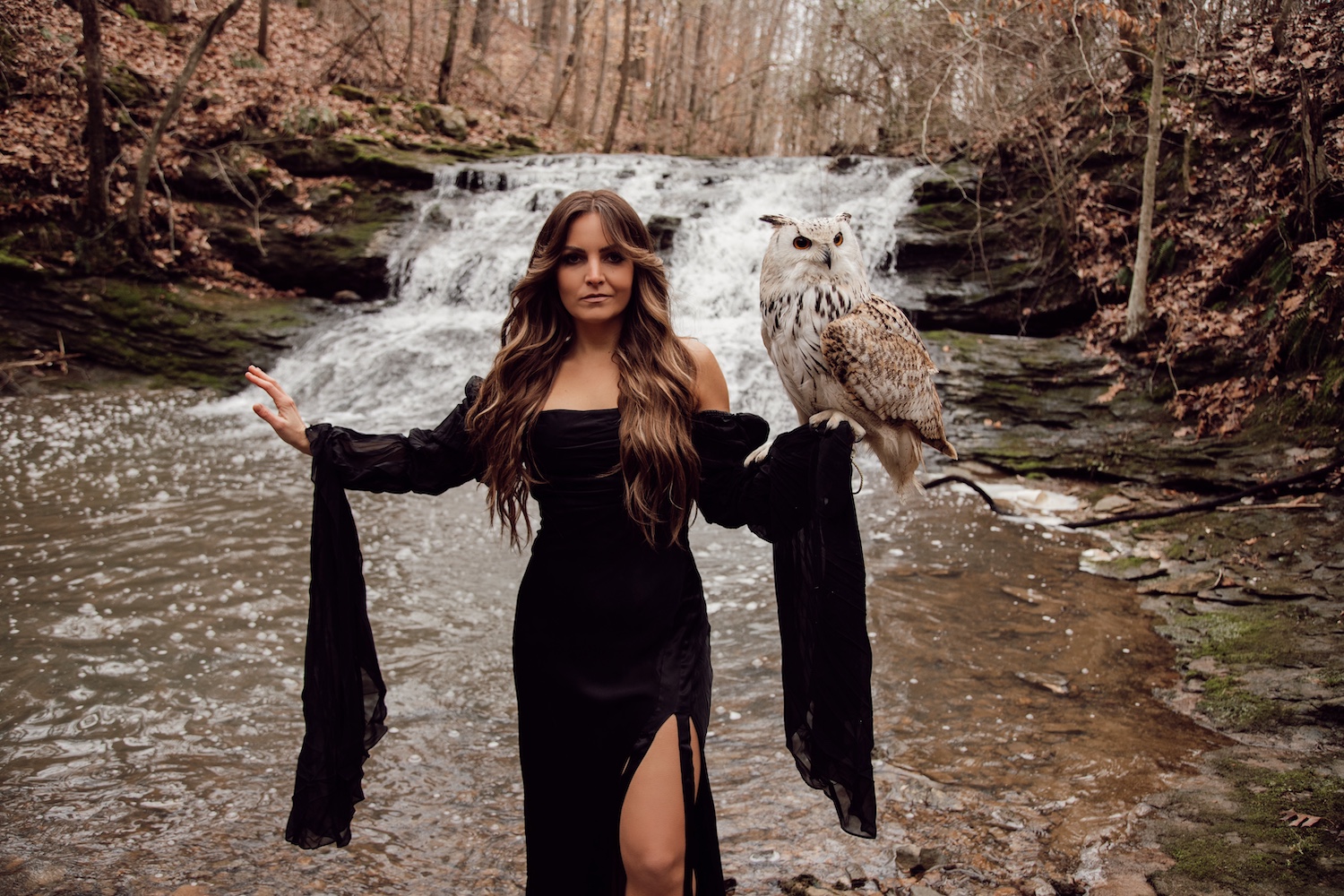
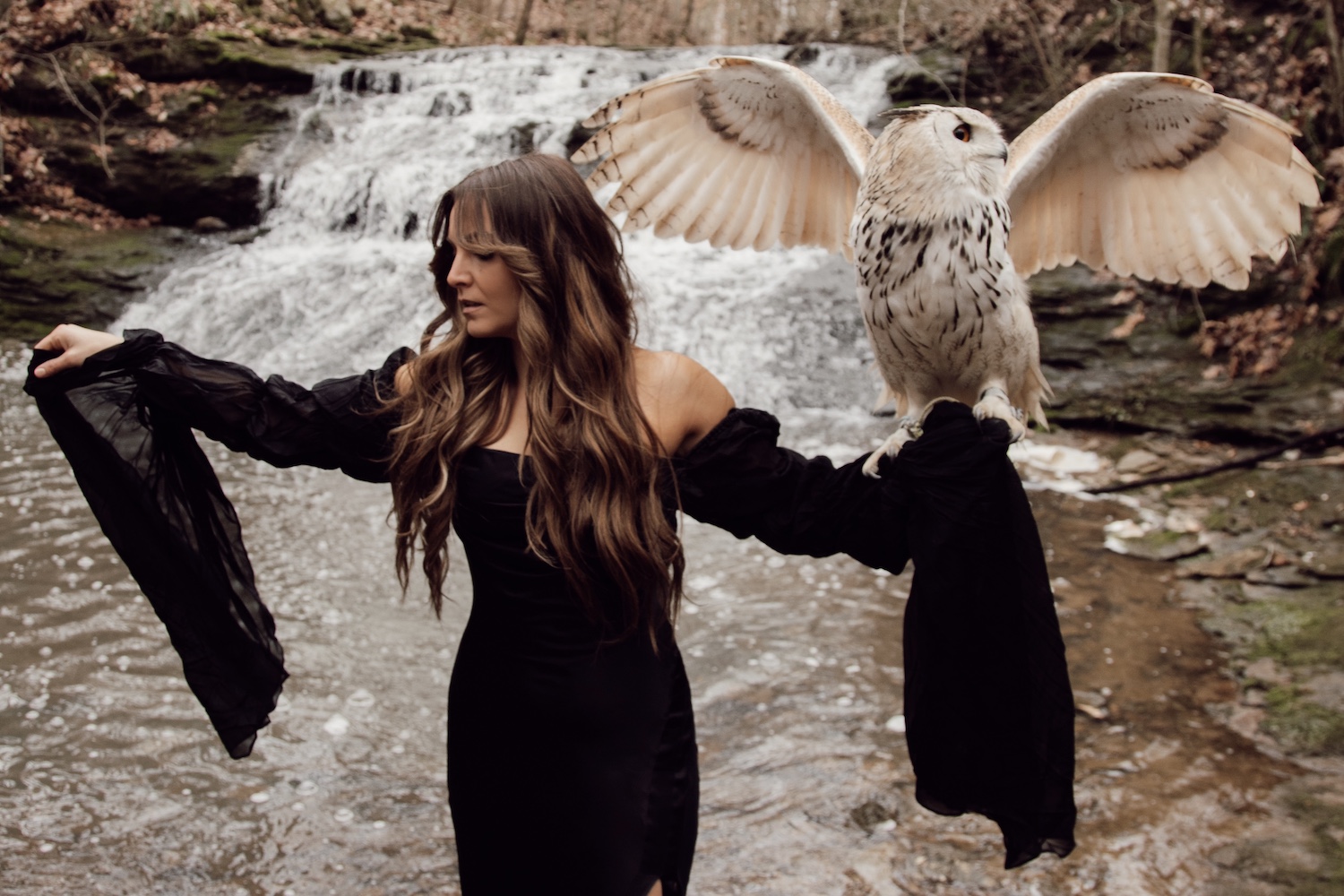
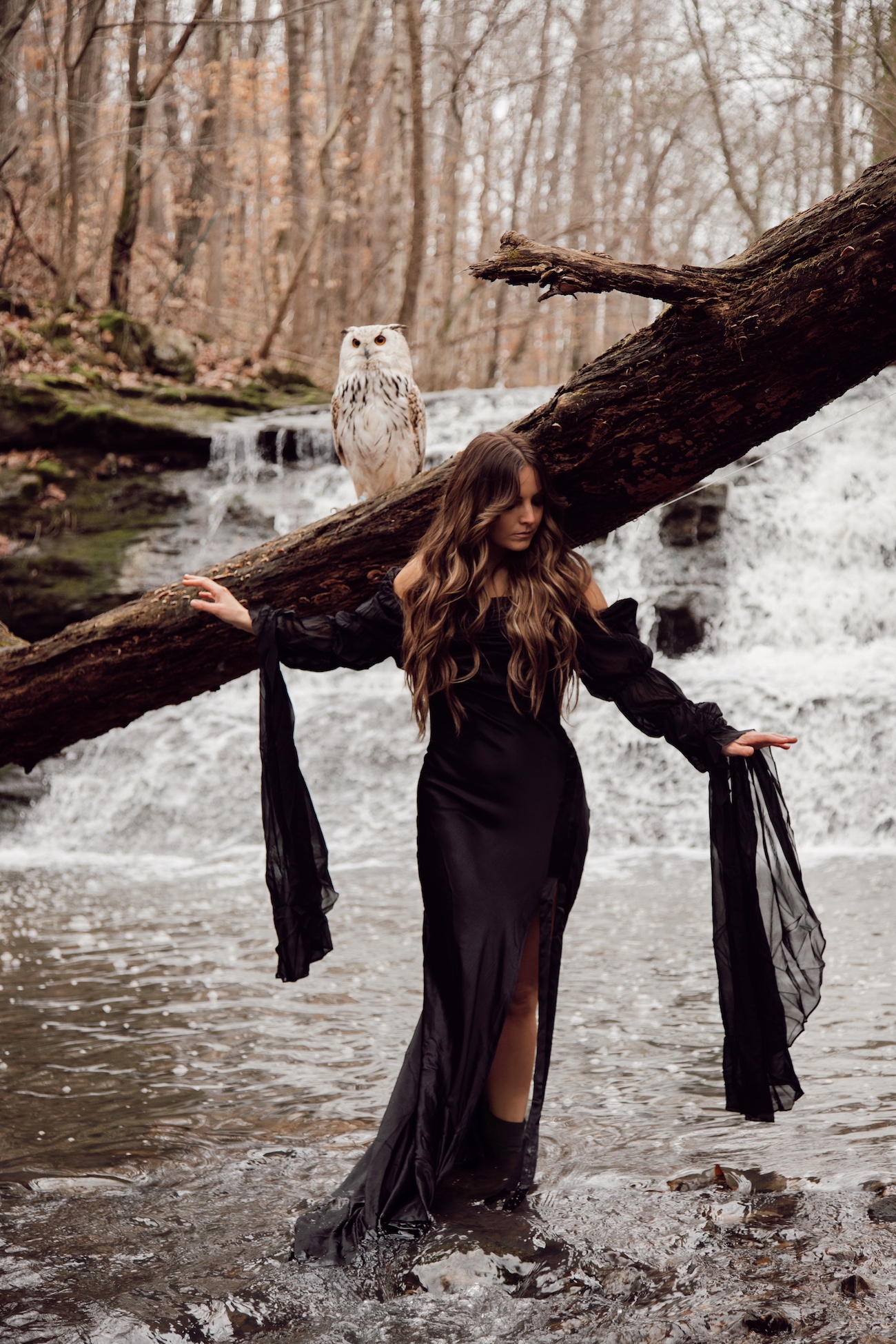
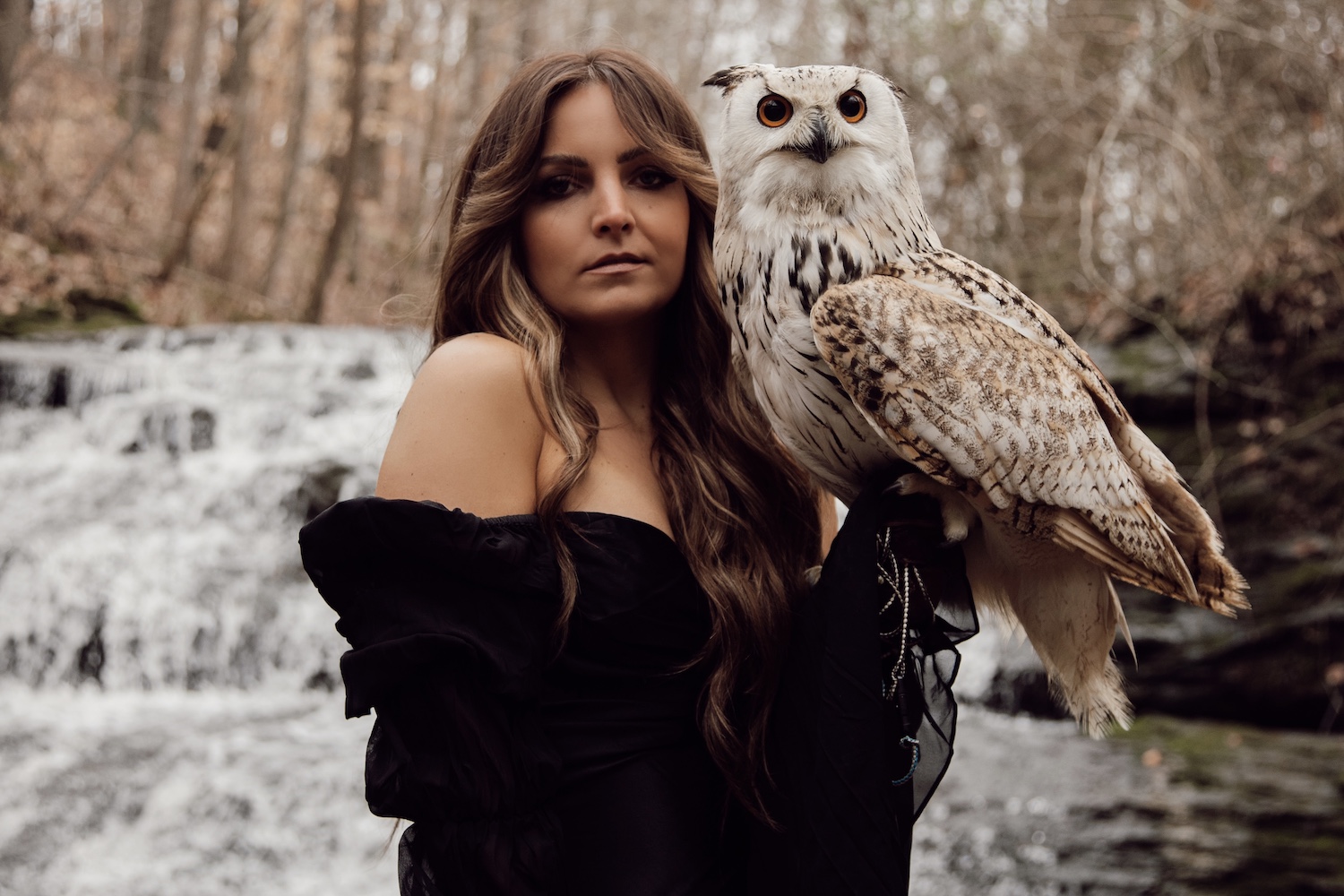
Speaking of nature, I want to ask about the album cover – you’re posing with an owl, which people often associate with wisdom and transformation. Was there a story or meaning behind that image?
Brit Taylor: Oh, yeah! Owls scare a lot of people because they symbolize death, but with death comes rebirth, and that’s where there’s transformation.
The first time I saw one was in 2017, right before my life kind of flipped upside down. And when I saw it, it was in broad daylight on my fence post in the pouring rain – it was a very significant day because I knew that things were about to change; I knew the relationship I was in was over and then everything kind of went crazy in ’17.
But they haven’t stopped coming around. I like to spend a lot of time in the woods, and I’ll take my yoga mat and I’ll pray and I’ll meditate. Just before or during COVID when I had my first record I was praying because everybody told me not to put my record out because everything’s shutting down.
And my gut kept saying “this is your time.” When everybody else stops, you go. And I sat out in the woods and I prayed about it. And I was like, just tell me if I’m on the right path. I said it out loud. I was frustrated. And this owl went above me – the timing was like a movie, and it twisted its head 360 and just looked at me dead in the eye. I was like, OK, I’m listening to me this time, and I put my record out and it really was the most perfect time I could have put anything out because everybody else did stop, and it gave a small independent like me a moment to actually be heard.
And that’s not the only time something like that’s happened. They’ll fly in front of me and my husband and they’ll fly in front of my car. One landed on my husband’s shoulders in the backyard, and it’s always before a significant change. To me, it’s just a divine protection.
Did you see an owl while you were working on this record?
Brit Taylor: Yeah, I saw them all last year and before I had my daughter. It’s really insane when we do see them because they’re very private creatures. They typically don’t come out in the daytime. So, I really wanted the song “Bird of Prey” as an outlier on the album. It’s a little more artsy and a little more personal probably than the rest. It might be a little weird to other people, but this is the only reason I’m even still doing this. And so I found a person that had an owl and we took that picture in a river, and it was a really beautiful experience and it matched that song and the album perfectly.
Years from now, when you look back on this, what do you hope this album says about the chapter you're in right now?
Brit Taylor: Great question! I think most of all, I just hope that this record makes people feel seen and heard. It seems so much less about me than my other records. Like I want it to be about their experience more than what I hope they can put their own experience into this record.
— —
:: stream/purchase Land of the Forgotten here ::
:: connect with Brit Taylor here ::
— —
— — — —
Connect to Brit Taylor on
Facebook, 𝕏, TikTok, Instagram
Discover new music on Atwood Magazine
© Sammy Hearn
 © Sammy Hearn
:: Stream Brit Taylor ::