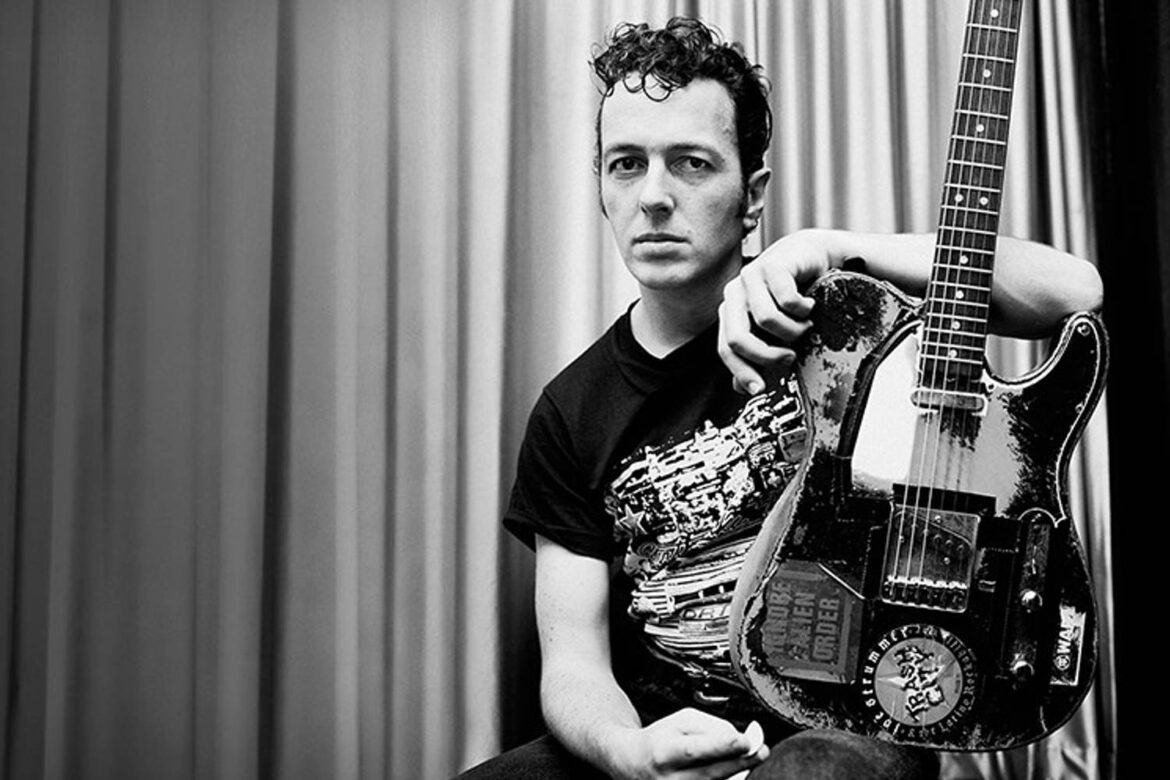
Joe Strummer spent years fronting “The Only Band That Matters,” but this examination is less interested in The Clash’s peak than in what happened afterward. Moving through his history and the quietly inspiring documentary ‘Let’s Rock Again!,’ the piece explores why Strummer’s greatest legacy may have been his ability to remain present, curious, and creatively alive long after most rock stars begin chasing their own tails.
What happens after someone has already lived the first line of their obituary? What do they do then?
Every athlete has an enviable career with a short half-life. They’re spectacularly famous and well-paid for 5 to 15 years before the bottom drops out before age 40. They have to figure out what comes next.
Astronauts return from the moon as young men after a profoundly unique, moving experience that only a handful of humans have known. Many have had a hard time returning to Earth and figuring out their second act.
The same questions arise for musicians in superstar bands when their careers die down. Rockstar artists face two questions almost simultaneously, “Who am I?” and “What now?”
There is a long list of singers who have been uncomfortable with huge success as it was happening (e.g. Kurt Cobain, Lauryn Hill, Dennis Wilson) and never able to shed the public obsession with their old bands (Morrissey, Roger Waters).
Joe Strummer of The Clash was a great counter to this image of rockstars holding on to past glory. There is a great documentary, Let’s Rock Again!, that captures Strummer’s post-Clash behavior – and it’s inspirational.
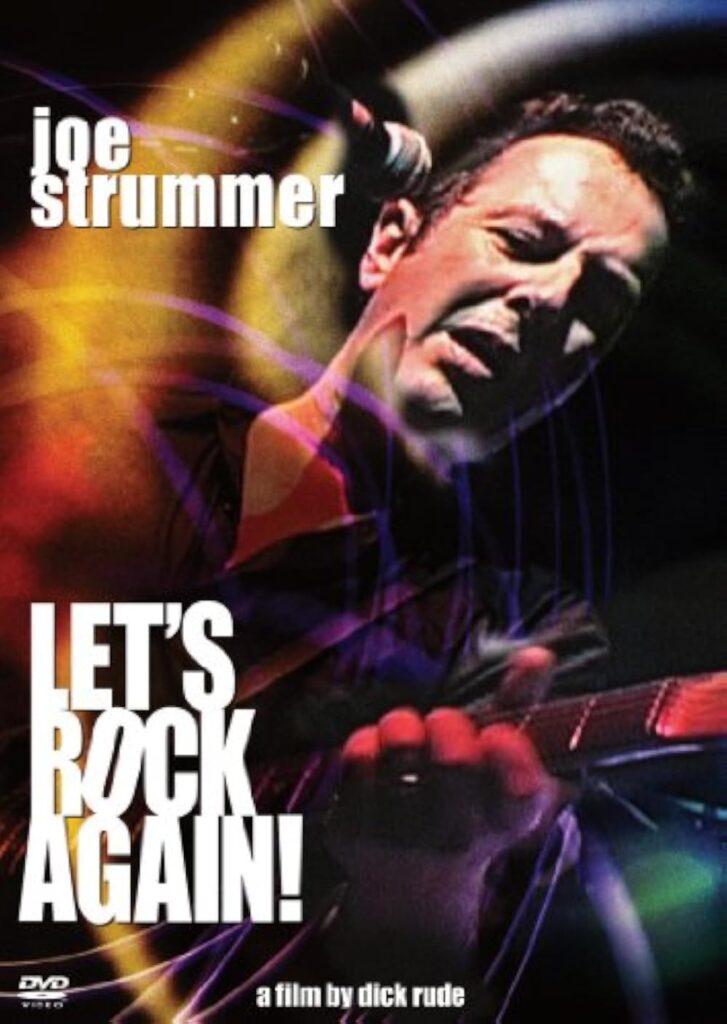
Watching Let’s Rock Again! gives the sense that Strummer was basically the same guy across time. In 2001 footage, he doesn’t read much differently than in 1991, 1981, or even 1976, regardless of what changed around him.
There’s an incredible scene in the film in 2001 when Strummer and his band, The Mescaleros, are playing a small club in Atlantic City on their modest tour. It’s severely under-attended with a smattering of people you would expect to see for a fledgling local band and not rock royalty.
Someone asks Strummer if he’s angry or disappointed by the turnout. His response is essentially: Why would he take that frustration out on the people who actually came? That’s seconded in an interview with Let’s Rock Again! director, Dick Rude, “How can we be angry at people for not knowing about someone or something. Now if they would have been saying you suck, that might have been a different story.”
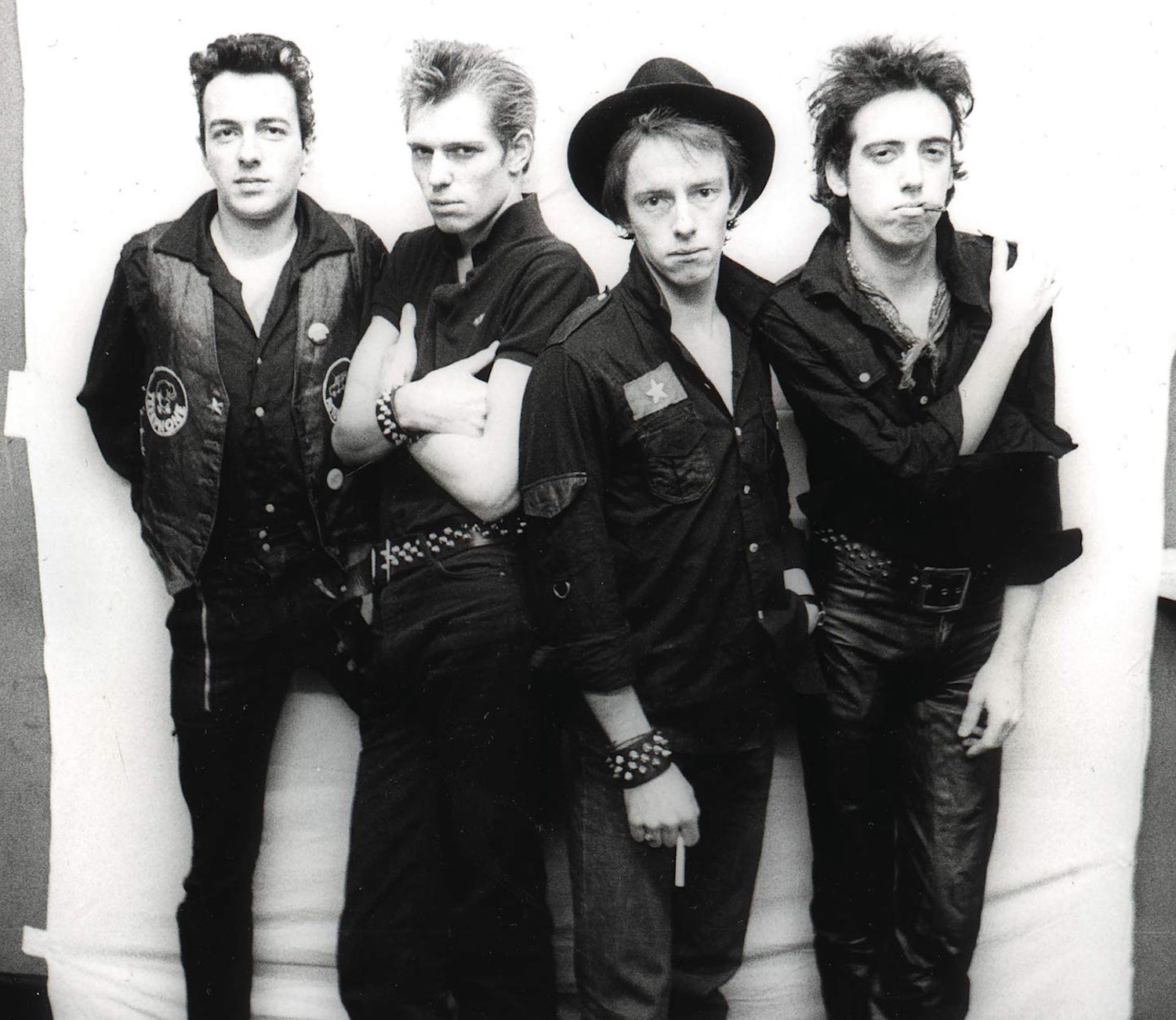
Looking back, it’s hard to remember how huge The Clash was.
They were a broader part of the punk movement in the late 1970s that launched thousands of magazine articles. Then their third album was the double album, London Calling, in 1979. It blew up the confines of punk and genre and earned them the “The Only Band That Matters” moniker that would follow them for years. The album was The Clash on an all-time heat check.
The Clash wasn’t really all that punk, in retrospect. Critics cited authenticity over talent as being ‘punk’ – which The Clash and Joe Strummer didn’t seem interested in at all. What punks were writing about subject matter off the beaten path like the death of actor Montgomery Clift?
What WAS punk about Joe Strummer and The Clash was that he didn’t seem to give a f***. Ironically, the punk bands of the time had an image, whereas The Clash did not.
The next year, they released a triple album, Sandinista! They effectively released 5 albums’ worth of material in a year.
And their musical growth continued into Combat Rock, which has four iconic songs – and hits. The growth of the punk group banging out “I’m So Bored with the U.S.A.” into things like “Straight to Hell” or “Rock the Casbah” in just five years is amazing.
People lump them in with punks reflexively – the Sex Pistols are no competition, neither are The Ramones, Black Flag, The Stooges, or The Dead Kennedys which all effectively stayed the same. Even The Clash’s initial kinetic sound was closer to The Jam or Joe Jackson, in retrospect.
One album later and by 1985, The Clash was over. There was reported tension in the band, alleging Mick Jones was expanding the sound while Strummer wanted to keep the pedal down on politics and urgency. But it also seems that being overwhelmed and confused by fame was an equal reason for Joe Strummer pulling back and eventually ending the band.

Here was the hinge point after The Clash hitting such heights, where band members now have to think, “Who am I?”
Many artists’ worst fear at this point is ending up a Jeopardy! trivia question.
Strummer just kept playing music, with frequent releases over his 15 post-Clash years. His songs in the 1990s moved through reggae, ska, rockabilly, folk, and American roots rock, without treating any of them as fixed categories he needed to “belong” to.
None of this is to argue that Strummer’s later music eclipsed The Clash at their peak. That’s beside the point. The striking thing is that he kept creating without appearing to be haunted by the comparison.
Meanwhile, Strummer wrote film soundtracks. He did some acting, including the fantastic last third of Jim Jarmusch’s film Mystery Train, which is well worth watching.
Most other artists in his position either chased relevance or retreated into legacy preservation.
And I don’t think many “forgotten” artists wrote songs better than “Johnny Appleseed,” seen here live in a performance on the Late Show with David Letterman:
Even in that performance clip, you can see Strummer just enjoying himself.
His joy is visible in the documentary Let’s Rock Again!, filmed on a tour, a year before his early death in 2002.
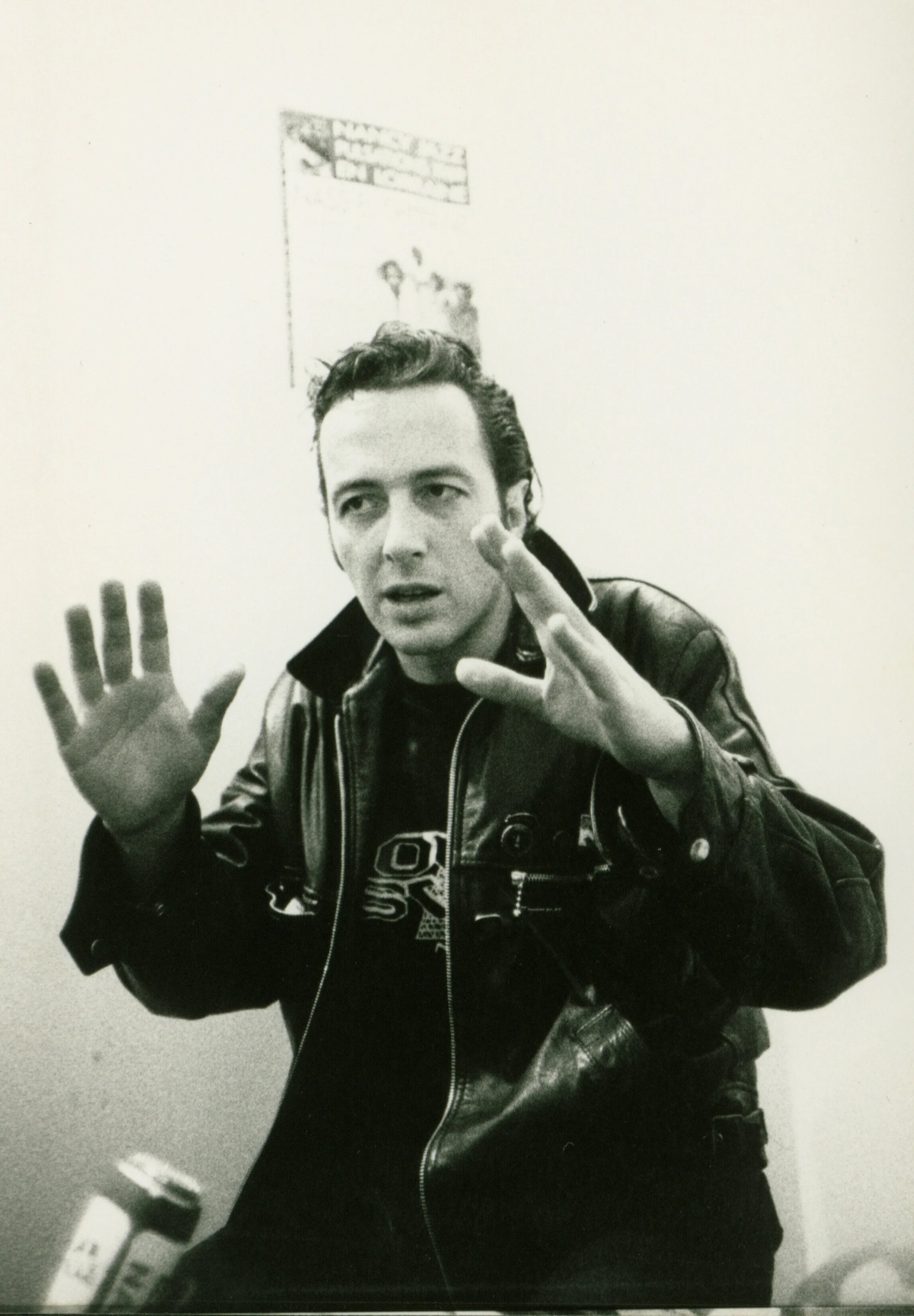
There’s a scene where Joe Strummer shows up at a radio station to try to promote that night’s show. It’s as unglamorous as rock gets on a grinding tour. He’s locked out of the station, talking his way in. Inside the station, he has to repeatedly nudge the morning zoo hosts to play a new song of his and plug the show instead of asking tired Clash questions.
A great post on a music forum describes the scene well:
“It’s one thing for Justin Guarini to land on the ash heap of pop history, but when Joe Strummer, the Voice of a Movement, is standing outside a small radio station in southern New Jersey begging for airplay for his new CD, the suits truly have won.”
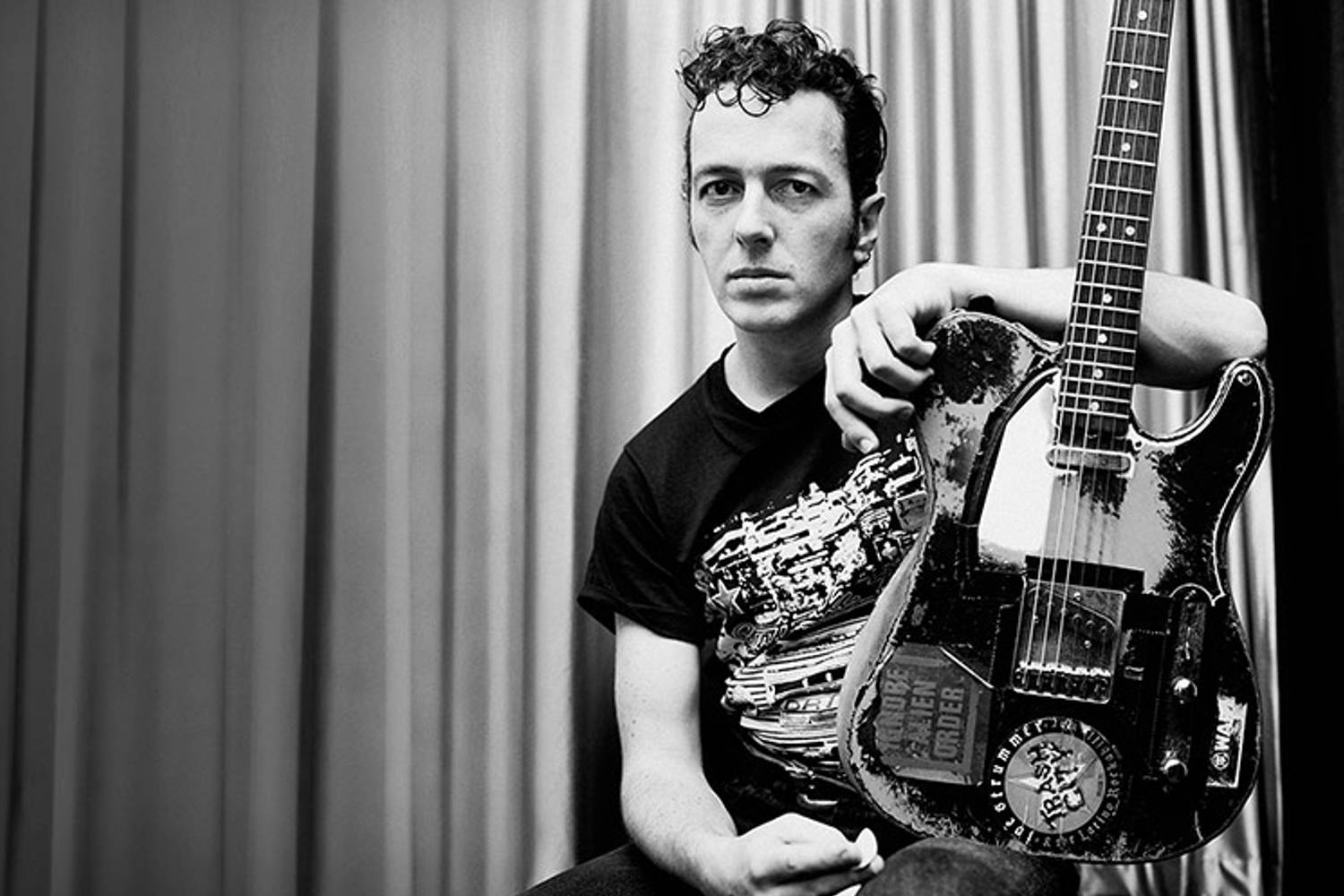
The most memorable scene of Let’s Rock Again! is where Strummer is barking on Atlantic City boardwalk to get people to his show. He’s not disgruntled, not humbled or wondering “where did it all go” in this scene.
According to the documentary director:
“There was nothing serious about what we were doing. You can’t expect everyone in the world to be your fan and it wasn’t exactly like we were in a Rock and Roll environment. Ghandi could have been there doing the same thing and gotten the same lack of attention.”
Contrast this with former legends like Axl Rose whose post GNR period saw him endlessly tinkering with the Chinese Democracy album. Or Billy Corgan from Smashing Pumpkins whose public persona has often stayed locked in the 1990s, while blurring music legacy with culture-war grievance.
Artists (and athletes) generally struggle with post-peak identity. If you want to see somebody doing the opposite, Let’s Rock Again! shows Strummer as a model of post-stardom continuity and being a regular guy with gratitude.
I wish that was the first line of his obituary.
— —
:: Stream Joe Strummer ::