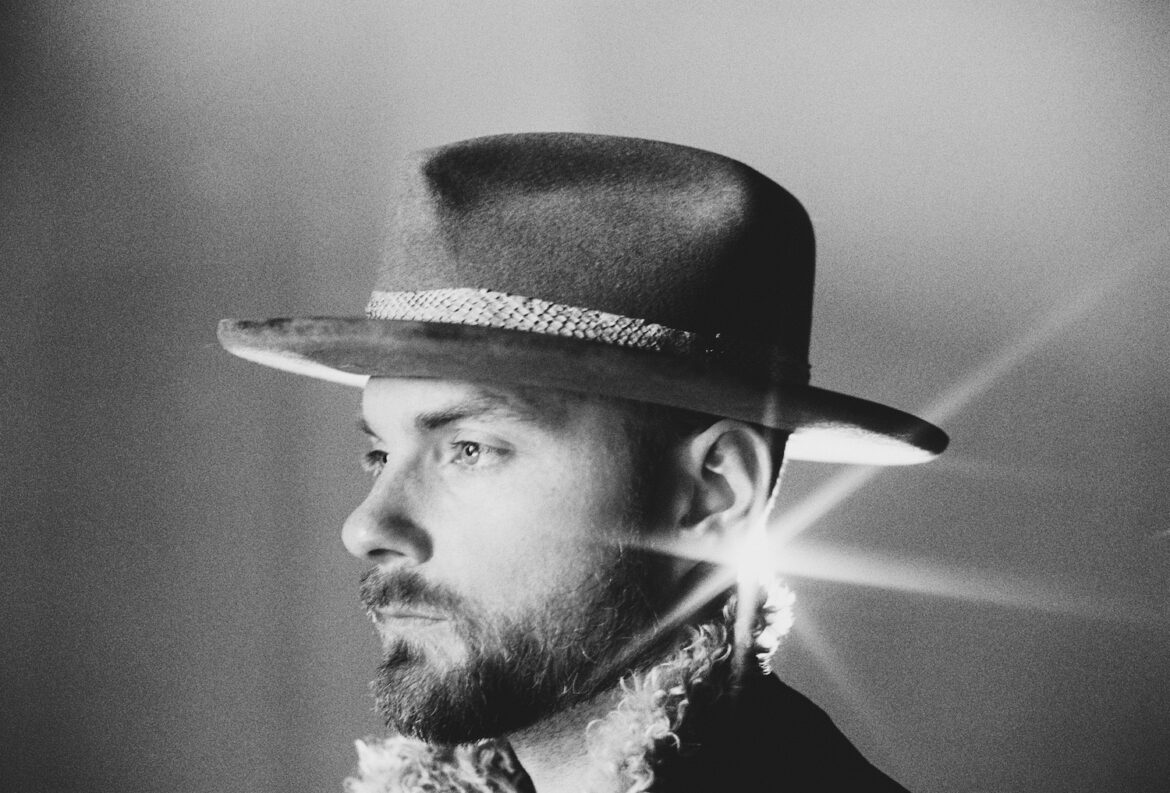
Icelandic folk-pop star Ásgeir reflects on loss, rediscovery, and breaking out of his introverted shell in ‘Julia,’ his first fully self-written album – a hushed, soul-searching collection full of warmth and heart.
Stream: ‘Julia’ – Ásgeir
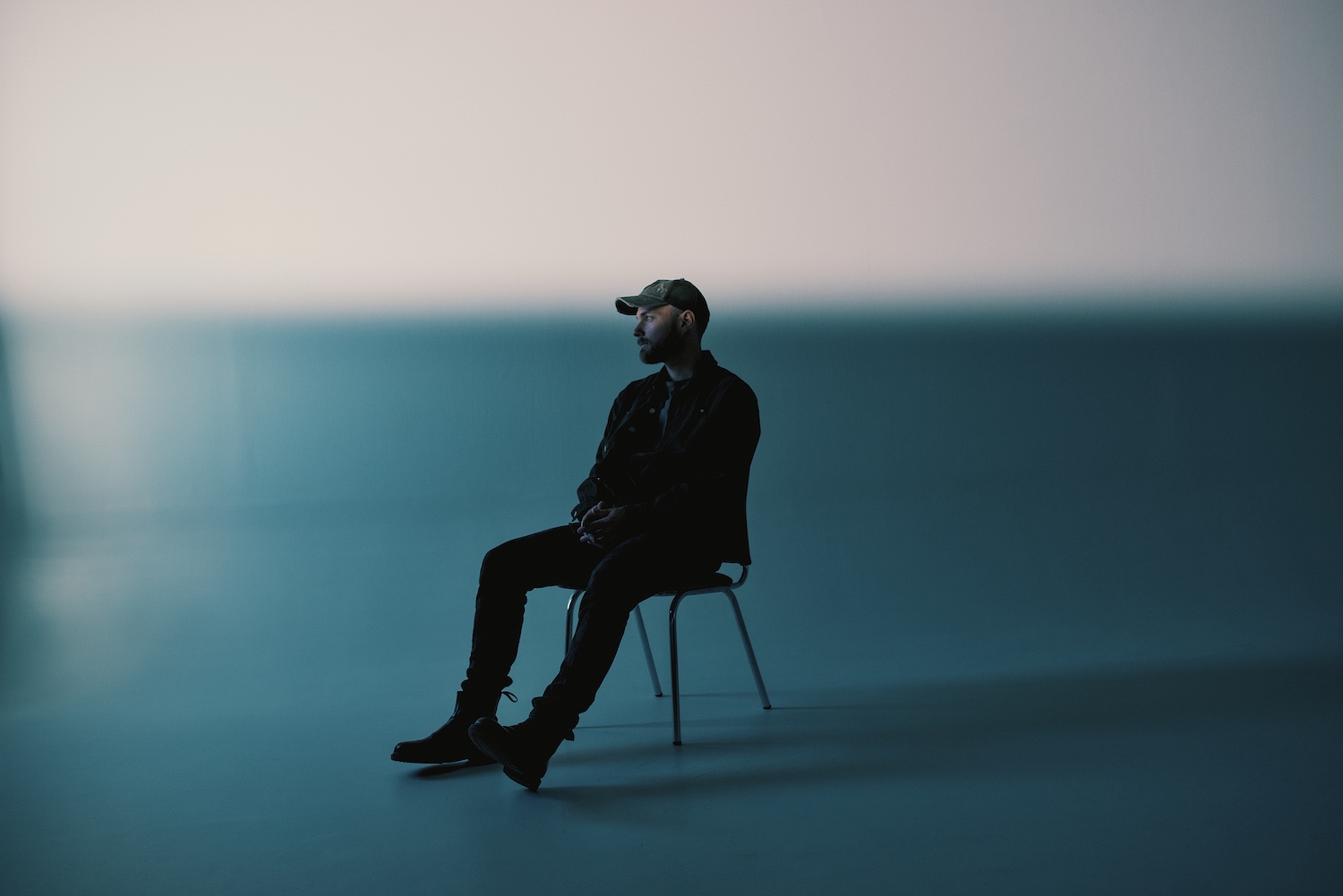
Sitting in his new studio, surrounded by warm, wood-paneled, soundproof walls, Ásgeir looks like he has everything he needs: A guitar, a piano and a mind full of songs waiting to be written.
For the Icelandic folk-pop star, who laughs and agrees with being called “an introvert in an extrovert’s world,” this is the ideal setting. And it’s given him a chance to sharpen his skills as a songwriter.
“I’ve been getting more involved in writing lyrics, and I feel like I had something more to say,” he explains. “I started out really young, so I just needed the self-confidence. I was a bit shy, but I feel like I’ve been breaking out of that over the past few years.”
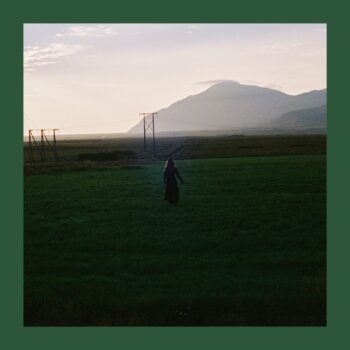
His fifth album, Julia, released on February 13, marks a new chapter for the 33-year-old artist. It’s the first album he’s written entirely on his own, daring to reveal the story of losing his way and the struggle to find it again.
The lush production and reflective falsetto that he’s known for are still there, but this time, Ásgeir challenged himself to step out of his comfort zone, take an honest look at his life, and lay it bare across ten tracks.
Early releases “Against the Current” and “Ferris Wheel” offer a glimpse into the album’s core themes of uncertainty, escapism and ultimately self-acceptance.
“There was a different expectation I put on myself,” he says. “I know myself better now, and I accept myself. I care less about what people think of me.”
Ásgeir first captured the world’s attention with his debut, Dýrð í dauðaþögn (In the Silence), released in 2012. The album became the best-selling debut in Icelandic history, with an estimated one-tenth of the Icelandic population owning a copy, catapulting his career forward. Seemingly overnight, he went from promising young musician to a national sensation.
Talent clearly runs in his family. His father, Einar Georg Einarsson, is a respected poet whose work is often featured in Ásgeir’s songs; and his brother, Steini, was part of a popular jazz duo in the late 1970s. The siblings even collaborated on “Unbound,” a track from Ásgeir’s Afterglow album.
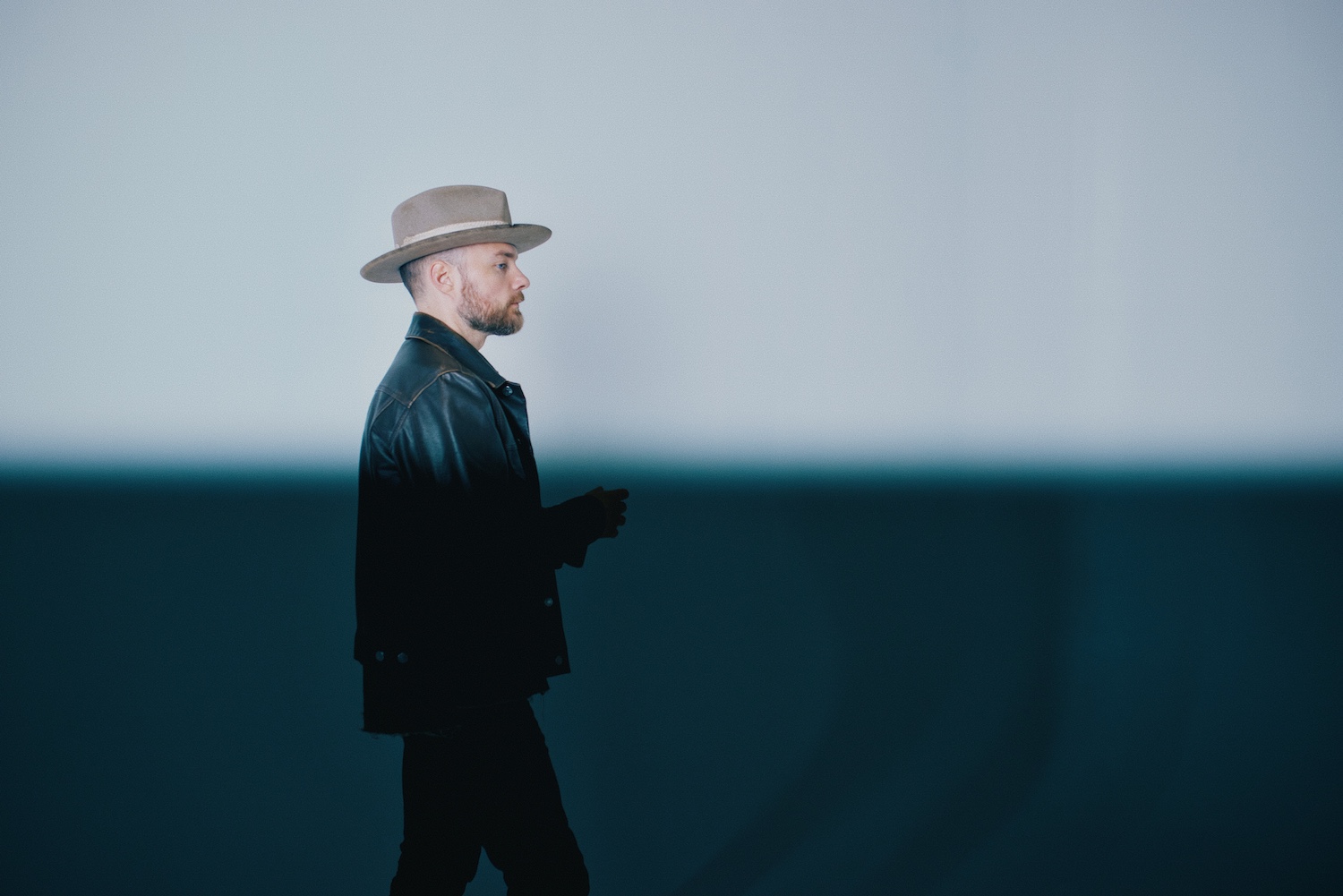
Ásgeir’s path wasn’t without obstacles.
He survived a serious car crash when he was five, and later on, a serious injury ended his dream of becoming a professional javelin athlete – an early setback that ultimately helped shape him into one of Iceland’s most compelling voices.
Ahead of a spring tour that will take him across the UK, Europe and North America, Atwood Magazine spoke with Ásgeir about his songwriting process, breaking out of his shell and the elusive and ever-changing presence of “Julia.”
— —
:: stream/purchase Julia here ::
:: connect with Ásgeir here ::
— —
Stream: “Julia” – Ásgeir
A CONVERSATION WITH ÁSGEIR
Atwood Magazine: Let’s talk about Julia. This is the first time you wrote all the lyrics yourself – what made it feel like the right time to do that?
Ásgeir: I’ve been progressing in this direction over the past albums. I’ve been getting more and more involved in writing lyrics and becoming more interested in it. I felt like I had something more to say because I started out really young. I just needed to have the self-confidence. I was a bit shy, but I feel like I’ve been breaking out of that over the past few years. I felt like I needed a new challenge. I’d always been doing the same or a similar kind of process every album, working with someone else.
Is this the first album you’ve released in your 30s? Did that give you some perspective and more experience to write about?
Ásgeir: Yeah, hitting 30 definitely changes your perspective. I put a different expectation on myself. I know myself better now and accept myself. I care less about what people think.
It sounds like creating this album was life-changing for you – really getting into some personal topics. What does it feel like to offer it to the world?
Ásgeir: It was quite a challenge. Opening up like that is difficult – you wonder if you’ll be comfortable having people hear it. Finding my style and my voice took time. I doubted everything along the way, but I think that’s normal. The best music usually comes when it’s close to you, but writing lyrics is different – you’re exposing very personal parts of yourself.

You’ve described Julia almost like a shapeshifting presence: an inner voice, a ghost, a motherly guide, even an ex. Did it feel like a character you were inventing, or something you were uncovering?
Ásgeir: Probably uncovering. After I wrote the album, I was trying to find a title and noticed threads between songs. Julia felt like something different from my past albums – it could “talk” in a way the songs couldn’t. A few songs relate directly to this Julia character, but she’s not a real person. I did go to school with a girl named Julia. But it’s not about anyone – it was just a name that felt right when singing in the chorus.
If Julia is a guide through this album, do you imagine she stays with you beyond it or was she only meant to lead you through this particular part?
Ásgeir: Yeah. I think she – or this spirit – is just a way of describing a voice. Everyone has it. It helps music flow through you. When I’ve been a bit lost, she’s stayed with me, and I think she will continue to.
Many of these songs wrestle with the idea of having lost your inner voice. How did you recognize that it was fading? Was there a specific moment, or epiphany? And what helped you start listening to it again?
Ásgeir: I went through some struggles, pushed past my limits, and got off track. Over the past few years, I’ve found balance, worked on myself, and feel like I’m in the best place I’ve been in a long time.
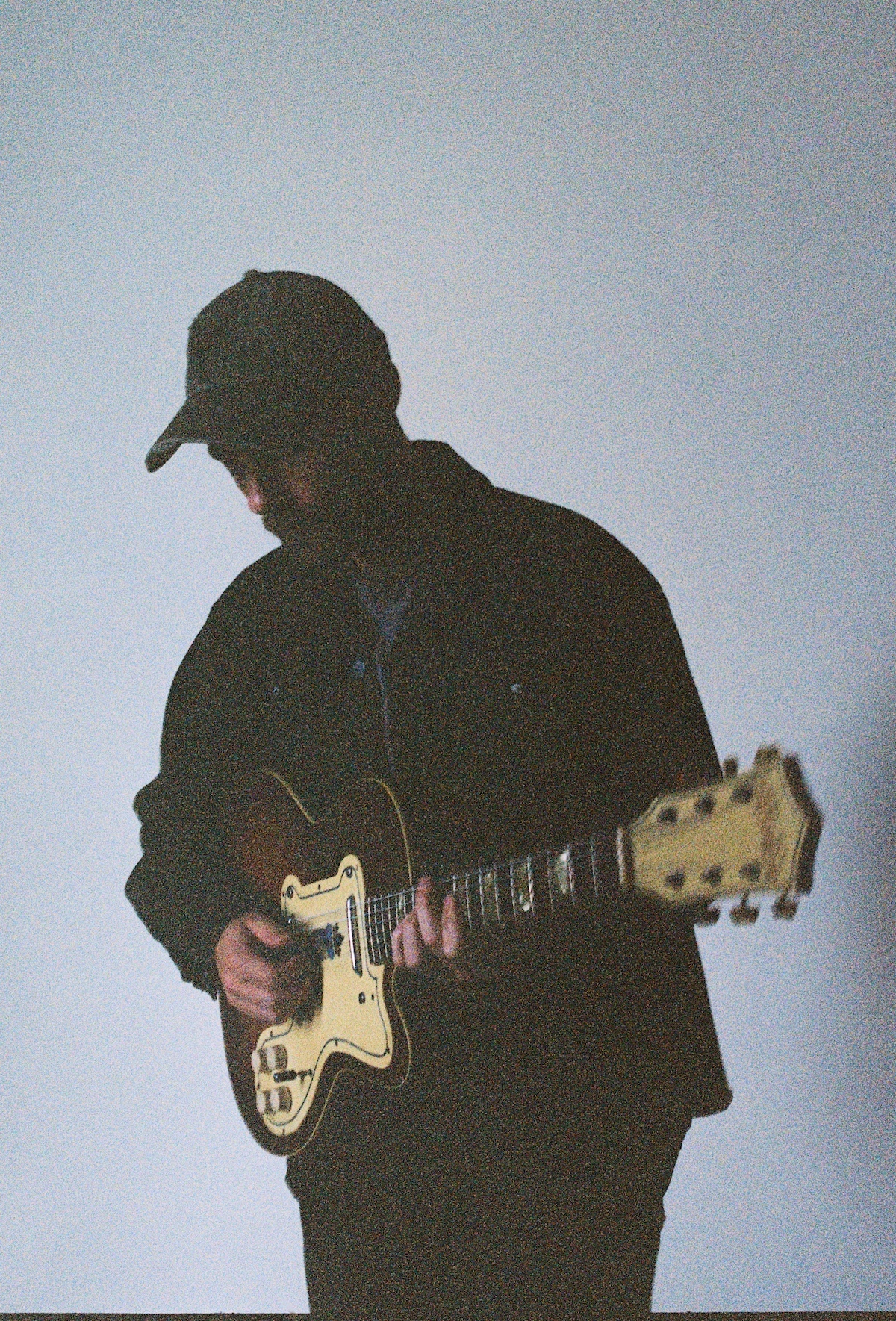
And then performing those songs live. How do you cope with sharing those personal moments with “strangers”?
Ásgeir: The response has been great, which helps me relax. I hope people relate, even if they don’t understand exactly what I’m saying.
I saw an interview with you calling you “an introvert in an extrovert’s world.” Does that make touring difficult?
Ásgeir: Touring, being in a new place every day – it’s easy to push yourself because you don’t know your limits. I was trying to find that balance. Over the past 15 years, I’ve played something like 800 shows, so now I’m used to it. Interestingly, it can be more stressful playing for a smaller audience because people are so close. I still get nervous, especially at the first show of a tour, but I get into a routine.
Has there been a moment on stage that was exhilarating, where you thought, “This is why I do it?”
Ásgeir: I never started making music to perform live. I’m kind of introverted, and performing wasn’t my main dream. But I just tried it, knowing I’d get better as I kept doing it. Over time, I’ve felt more comfortable. I’ve definitely had moments where I really enjoy myself on stage, even during the years when it was a struggle.
You’ve also set music to your father’s poetry. What was that like – was it a unique opportunity to see the world through his eyes?
Ásgeir: His poetry is more about nature and metaphors than his personal life. It’s a cool way to work together and understand each other. My brother uses his poetry too, so it’s a family collaboration in a way.
Your brother was in a successful band – is there sibling rivalry in music?
Ásgeir: He’s 14 years older, so not really. He was in a number one band when I was a teenager.
Speaking of poets, you’ve cited Leonard Cohen as one of your inspirations…
Ásgeir: Yeah, some of his songs, like “Suzanne,” were on repeat while I was writing Julia. That’s probably why the album has a female name – it was something I’d never done before.
Well, your new studio is beautiful – it looks like you’re at home.
Ásgeir: Yeah, I just got this place a month ago. I come here every night – it’s like a second home. I’m working on songs in Icelandic that I hope to release later this year.
Do you feel like this path was destined for you? You were in a bad car accident when you were five, and an injury put an end to your javelin career – it seems like everything has led you to this.
Ásgeir: Maybe. I haven’t really thought about it like that. I was very focused on javelin, and then I got injured. But there have been a few moments in my life where it felt like the world was guiding me.
— —
:: stream/purchase Julia here ::
:: connect with Ásgeir here ::
— —
Stream: “Against the Current” – Ásgeir
— — — —
Connect to Ásgeir on
Facebook, 𝕏, TikTok, Instagram
Discover new music on Atwood Magazine
© Einar Egils
 © Einar Egils
Julia
an album by Ásgeir