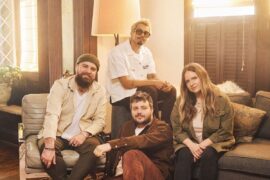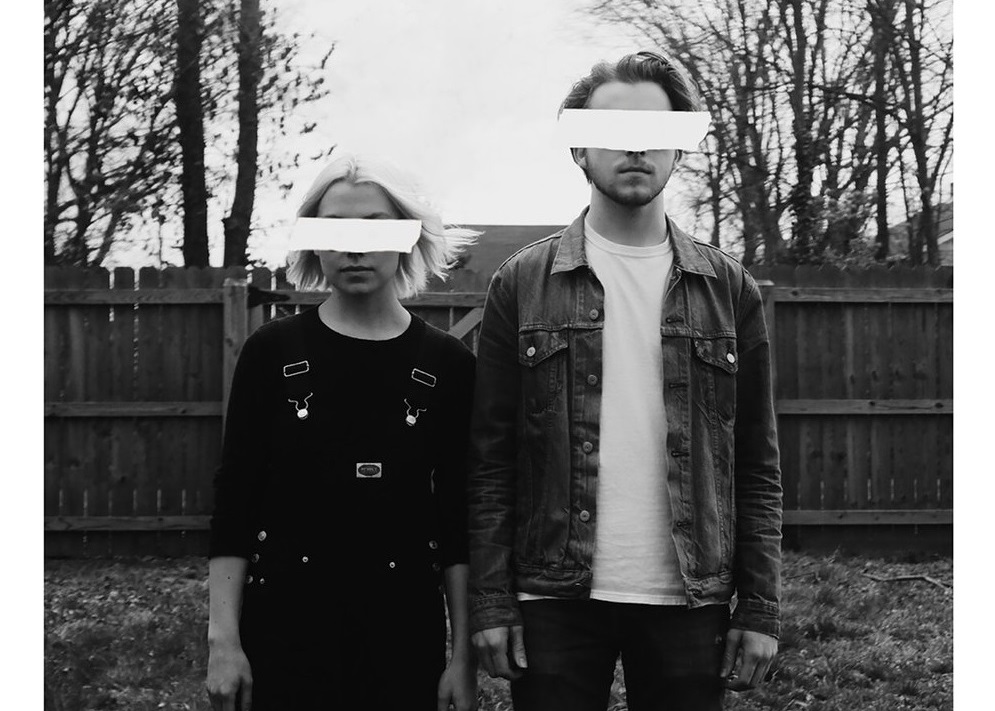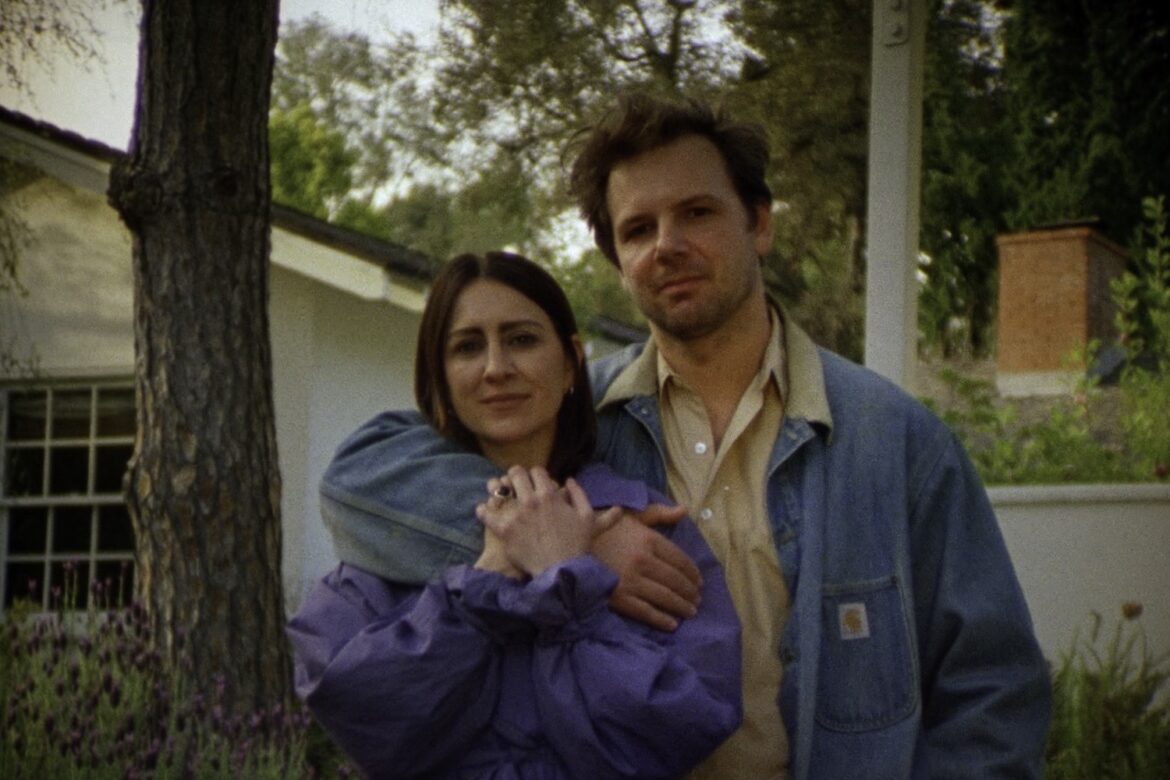
HAERTS’ fourth album, ‘Laguna Road,’ peels back the gloss of indie pop to reveal a confessional portrait of family, place, and partnership – minimalist, vulnerable, and rooted in the everyday.
Stream: ‘Laguna Road’ – HAERTS
There are times when there is little need to swap in a digitalized backdrop on a Zoom call.
For Nini Fabi and Benny Gebert, the bandmates and life partners that comprise the duo HAERTS, this is a constant – albeit rare – reality. Sitting in front of a window that peers into their bucolic backyard in New York’s Hudson Valley region, the couple warmly greets me as they join our Zoom call.
Their window – a frame of light, trees, quiet – feels like the opening chapter of their fourth album, Laguna Road: Calm, unfiltered, rooted in place.
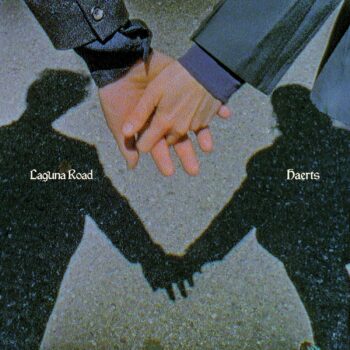
With three albums in their rearview, performances on global stages including Coachella, a 2013 “Song of the Summer” accolade from ELLE, and integrations within the Love, Simon and Carrie soundtracks, HAERTS’ indie pop sound has been immortalized in the pop culture zeitgeist. Upbeat and vibrant, the duo has been equated with buoyant synth‑pop during their decade‑long tenure. Laguna Road, however, represents a departure from that buoyancy – instead, it is a sonic shift into rawness and vulnerability marked by minimalist instrumentalism, as the duo traces their experiences of partnership and family. Like the serene scene behind them in their window, Laguna Road is a landscape of the duo’s memories: genuine, confessional, and undeniably personal.
Ahead of Laguna Road‘s October 3 release, the duo spoke to me about the “in‑between spaces of everyday family life” that permeate the album’s lyricism; how their sound has shifted since 2013’s Hemiplegia, how parenthood and place has shaped their more recent writing processes, and how becoming parents has altered what they value in music – even if it “doesn’t sound very rock and roll.”
— —
:: stream/purchase Laguna Road here ::
:: connect with HAERTS here ::
— —
A CONVERSATION WITH HAERTS
Atwood Magazine: You mentioned you wrote Laguna Road after stepping back from HAERTS for a bit to “focus on family and other parts of living.” How did you decide to take that break?
Nini Fabi: It wasn’t a clear-cut decision. I think it had something to do with having a child, COVID-19, and a lot of other factors. I think that played a big role in a lot of musicians’ lives. We didn’t want to make anything or create anything unless we really thought we had something to say that felt valuable. We were in a different headspace for quite some time, and I think that’s why this album also feels very different from the previous music we’ve made.
You mention Laguna Road as HAERTS’ move towards an expression of raw and vulnerable emotion. To do that, you scaled back on the usage of synth and focused more on minimalist instrumentalism. How did you come to that decision?
Nini Fabi: We just wanted to let the songs speak for themselves. We wanted the rawness and the emotion of the album to come across – we didn’t want anything to get in the way of that. We let the songs dictate what they wanted to be. For us, that ultimately meant us having a minimal touch on production. Most of the album was actually recorded live in a room with a band, whereas in the past we may have gone in and fixed things or added layers or production.
How did the recording experience for Laguna Road differ from your previous recording experiences?
Nini Fabi: We always record live, and with live musicians, too. We like doing that. But I think every album is its own journey. I personally enjoy switching things up and trying new things in the studio. We had previously recorded in studios, but the experiment this time was to record in our house and in the space that we live in. I think, contextually, it felt right, because the songs were written there. Part of the vulnerability of it was that we didn’t have the crazy amount of time that we used to have, before we had a family. Before, we could go to a studio for three weeks and disappear and do all these takes. But [when we were recording Laguna Road], we would have a full day [outside of the studio], put our daughter to bed, then go back to the studio and do vocal takes.
And maybe I was tired [when recording], and there was a crack in my voice. But we looked at each other and said, “Well, this is what it is, and it’s the moment.” And that’s essentially the song. The writing process was very similar.
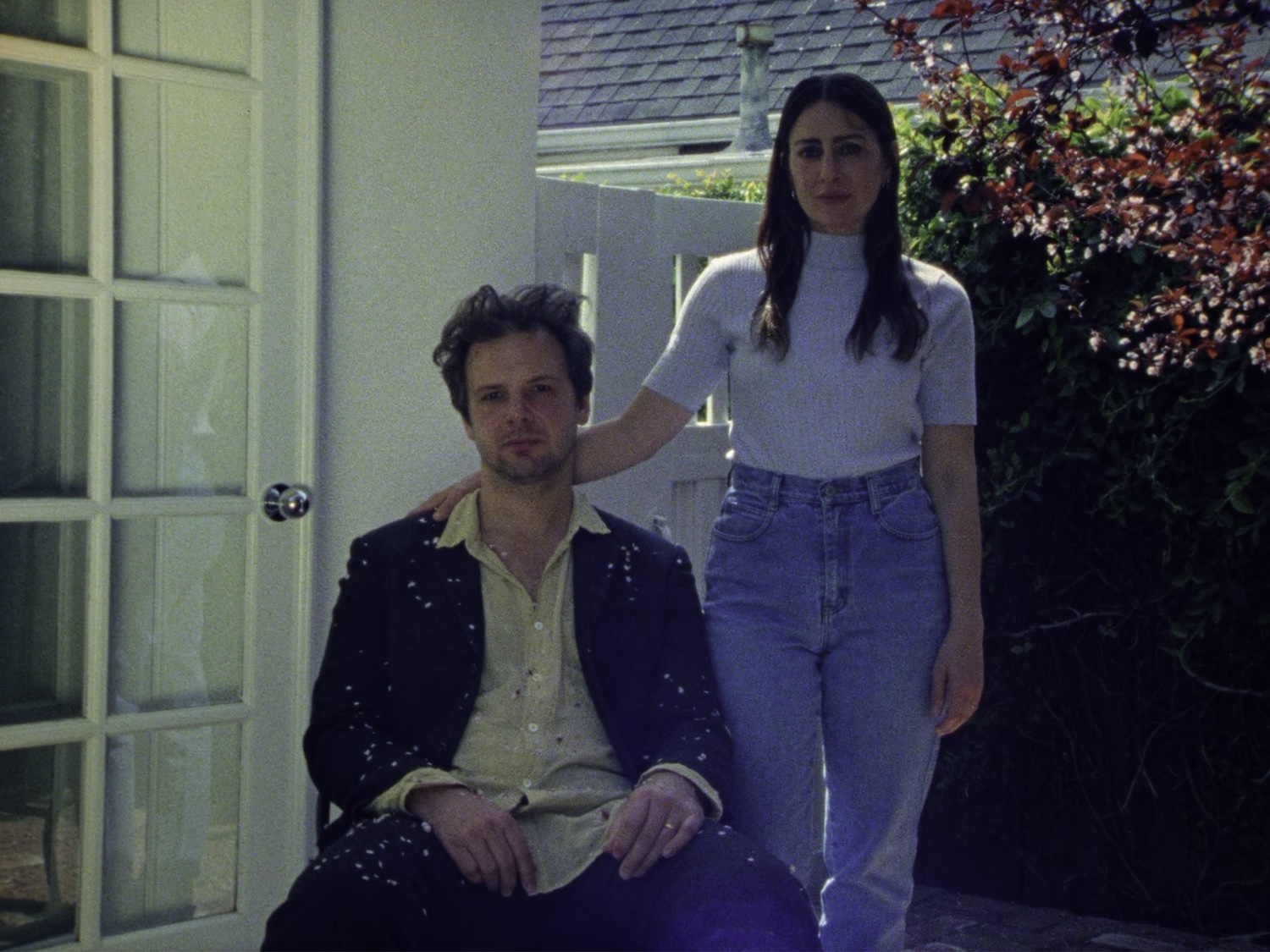
How do you feel like Laguna Road sits in conversation with HAERTS’ first album, Hemiplegia (2013)? How do you think Hemiplegia-era HAERTS would react if they heard Laguna Road today?
Benny Gebert: I think they would really like it!
Nini Fabi: I think Laguna Road is more in line with the music we grew up with – Neil Young, all those classic records. We tried stuff at the beginning of HAERTS, but I think young HAERTS would like this. We met when we were very young. When we started HAERTS, we’d been writing songs together for 10 years. We had written albums before we started the band, which I think represented a folkier side, a more acoustic side – inspired by someone like Beth Gibbons – which is not a lot of the things that actually were part of HAERTS’ first album. The first Hemiplegia-era HAERTS was very much in the moment and it was a big part of our development as a band.
You mention Laguna Road as being influenced by your current state of life and your family. You call it a testament to the “sacred mess of growing a life together.” What does that sacred mess look like, and how do you feel like it manifests on this album?
Nini Fabi: We were talking with a friend a couple of days ago, and she pointed out to us that we’ve had a long-term relationship, we’ve formed a family together, and we’ve formed this work relationship together over the years. Her interpretation of it was that it’s basically like a fairytale. It’s such a beautiful story. She said to us, “it’s what everybody wants.” It’s a really wonderful thing, and there’s a lot of beauty in it – but I also think that there are other parts of it that aren’t so beautiful, and they’re very difficult. When you have this dedication to somebody and a dedication to work, you have to forego other things. It can be messy, and everybody’s human. When you’re together for a long time, everybody makes mistakes, and everybody gets hurt. At the end of the day, it’s really about just figuring it out. Figuring out how to keep going.
A big part of Laguna Road is about that – our history, and how we got to this point. On the other hand, the “sacred mess” also represents the piles of dirty laundry and dishes that we have to do. Before coming to this interview, I had to decide that my kitchen is going to have to look like it looks, and our daughter is going to be running around in the living room.
You mentioned that Laguna Road feels like a move forward. What does that idea of moving forward look like for HAERTS, and what do you both hope is next?
Nini Fabi: We don’t know. I think the important thing for us was to make this record, and to keep making records and keep making music. Part of the “sacred mess” is the not knowing. We’re hoping that we can do it, and hoping that Laguna Road can somehow communicate something. We want to listen to it, and play shows, and be out there again. Just as people – we hope to be able to keep living this life and keep figuring it out, and keep enjoying it.
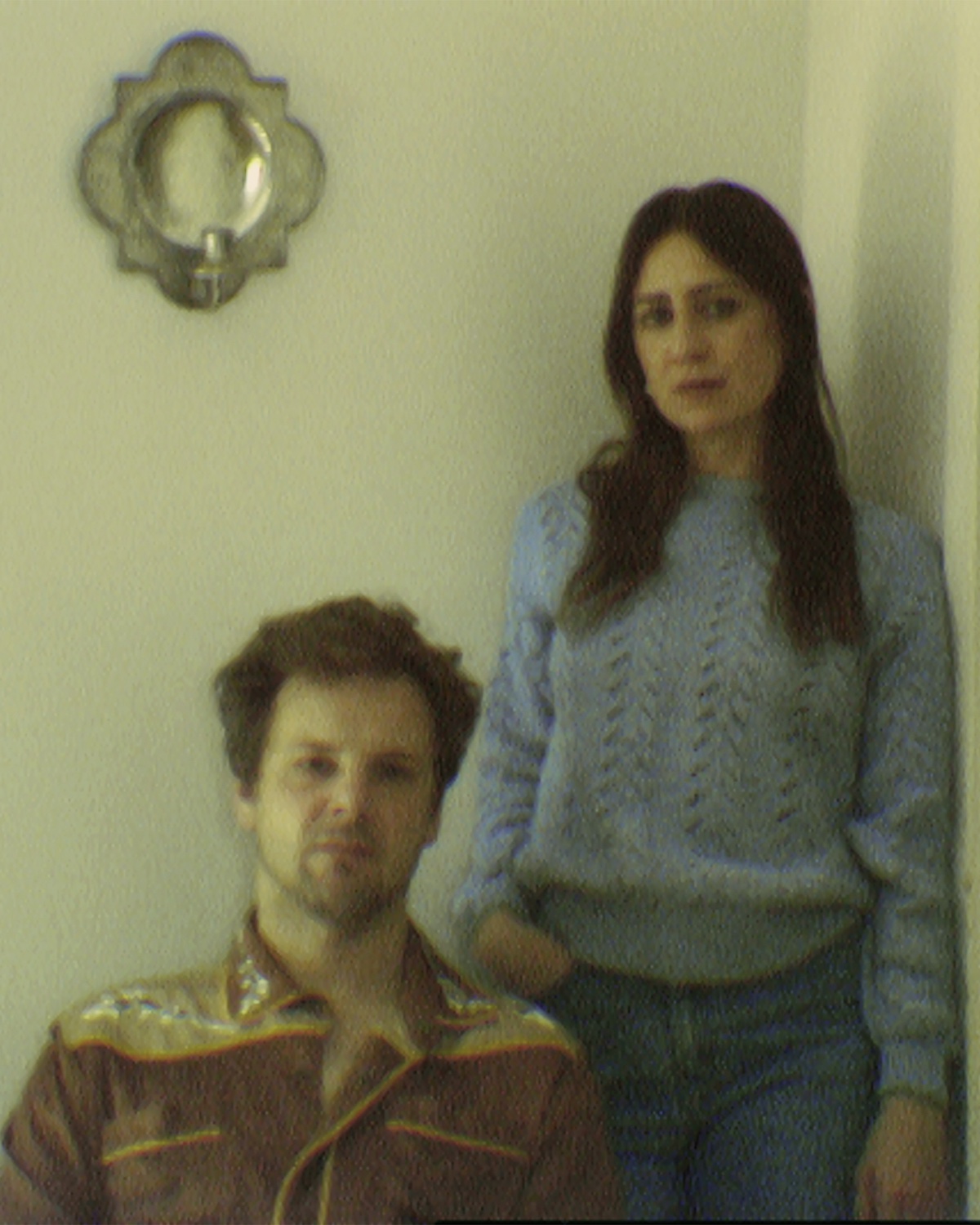
You toured with Vlad Holiday in 2018, and you're touring with him again on the West Coast this November. What does the performance experience look like with Vlad and HAERTS, and how does it influence your artistic process?
Nini Fabi: It’s a blast. He’s an amazing guy and a great friend. It’s going to be a really fun time. He is just an amazing artist and songwriter. It’s very inspiring being around him and watching him grow over the years as well. He opened for us, and now we’re opening for him. We’re doing a duo set, which for us is something that we haven’t done in such a long time. But also something that takes us back to the start of how we really started making music.
What will those duo sets look like, and what informed your decision to do those on this tour?
Nini Fabi: We haven’t figured it out one hundred percent. We wanted to do something stripped down. For us, it’s a challenge to create a show that is just the two of us right now, and that was something that we really wanted to lean into. Touring is also a really good way to travel. As a musician now, you have to think – what is going to be the best way to do these kinds of things? But I think since these will be small rooms, the context lends itself to something that feels intimate, and that feels like a full circle for the album. We wanted to feel very close.
What informed your decision to relocate to Pasadena, and then once you were finished with the album, how did you decide to move back to New York?
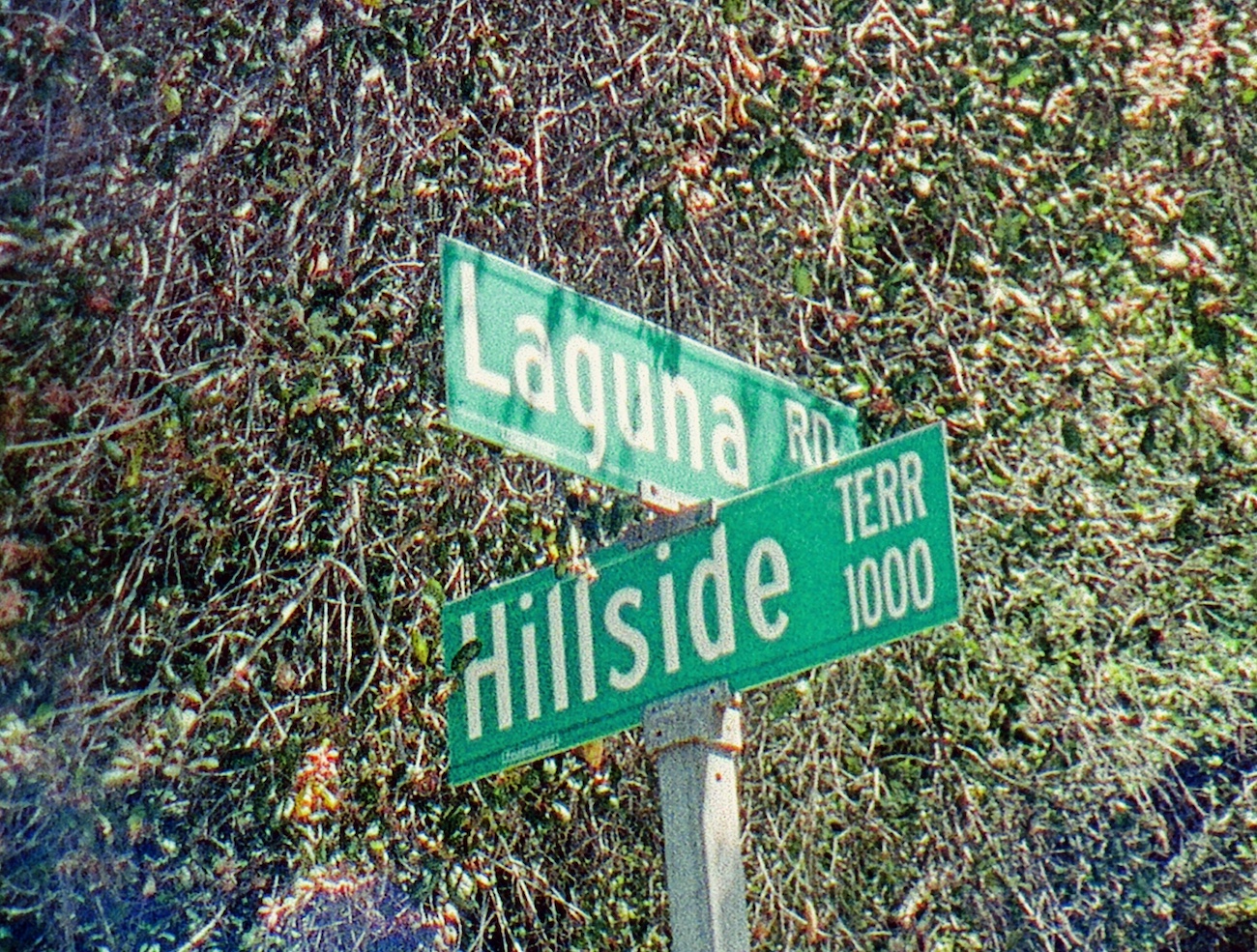
Nini Fabi: It was a pretty natural flow. A lot of our friends moved out to California and we thought, maybe sunshine and rainbows for a bit. We always kind of moved around like that. We do whatever feels right, and that felt right. There was a whole movement of musicians going out there, and it just seemed like the right thing. Coming back was tragically informed by the fires. We were very close to the Eaton fires. We lost our daughter’s kindergarten and a lot of our friends lost their homes. It was very tragic. We had the opportunity to come back [to New York], and we pretty much relocated overnight. We’re originally from Germany, so for us, our journey might have gone closer to the east coast and Europe anyway. But it was a pretty quick change after the fires happened. We first went to Germany for a bit to figure out our next step. At that time, we were working on artwork for Laguna Road and going through what the title should be. Our house in Pasadena was on Laguna Road, so we made the decision that Laguna Road would have to be the album name. We never moved back [to Pasadena], but the album really became this little time capsule of our time there. It gained a different meaning after we left.
Did you start writing Laguna Road once you arrived in California, or was it more of a gradual process?
Nini Fabi: It was a gradual process. We were having trouble writing, but we had a piano in the living room. That’s really where we wrote most of the songs. Benny would tell me, “just go play the piano five minutes a day, and then the next week, play it 10 minutes, and then play 15 minutes.” By the second week, I was playing all the time. That’s when we started writing the album. It doesn’t sound very rock and roll, but that’s just the reality with kids. We were just writing whenever we had a second. Maybe we were in the kitchen cooking and playing the guitar. We just fit it in when we could. It was one of those things where you just have to do it in order to remind yourself why you’re doing it – that was exactly the feeling. I think once we started, it came together pretty quickly and we knew pretty quickly where it was going to go.
How much time did you spend writing Laguna Road as opposed to Dream Nation?
Benny Gebert: Dream Nation we wrote very quickly. The whole thinking behind making the album was that we write it quickly and we record it very quickly. It was like an experiment, almost, to see what that feels like and what that does. I don’t know if it was a good idea, but it took a couple of weeks maybe. With Dream Nation, when we went into the studio, a lot of the songs weren’t even finished, so it’s very fragmented in that way. With Dream Nation, we wanted to make something that moves. We were thinking more about how it sounded, how the production felt, and I think we probably sacrificed some of the writing for it in a way.
Laguna Road was the total opposite. It was very much like, the songs were done, and then we recorded them lightly and quickly. We mixed it with Adrian Olsen in LA, which was a process. He definitely went deep. He came on and did some extra production for Laguna Road. He brought it home in that way. But it was still, I think, for us, a very different process. It’s a process that we’ve really come to love and that I think we want to continue. I think the distinction is very apparent between the lyricism on Dream Nation and Laguna Road.
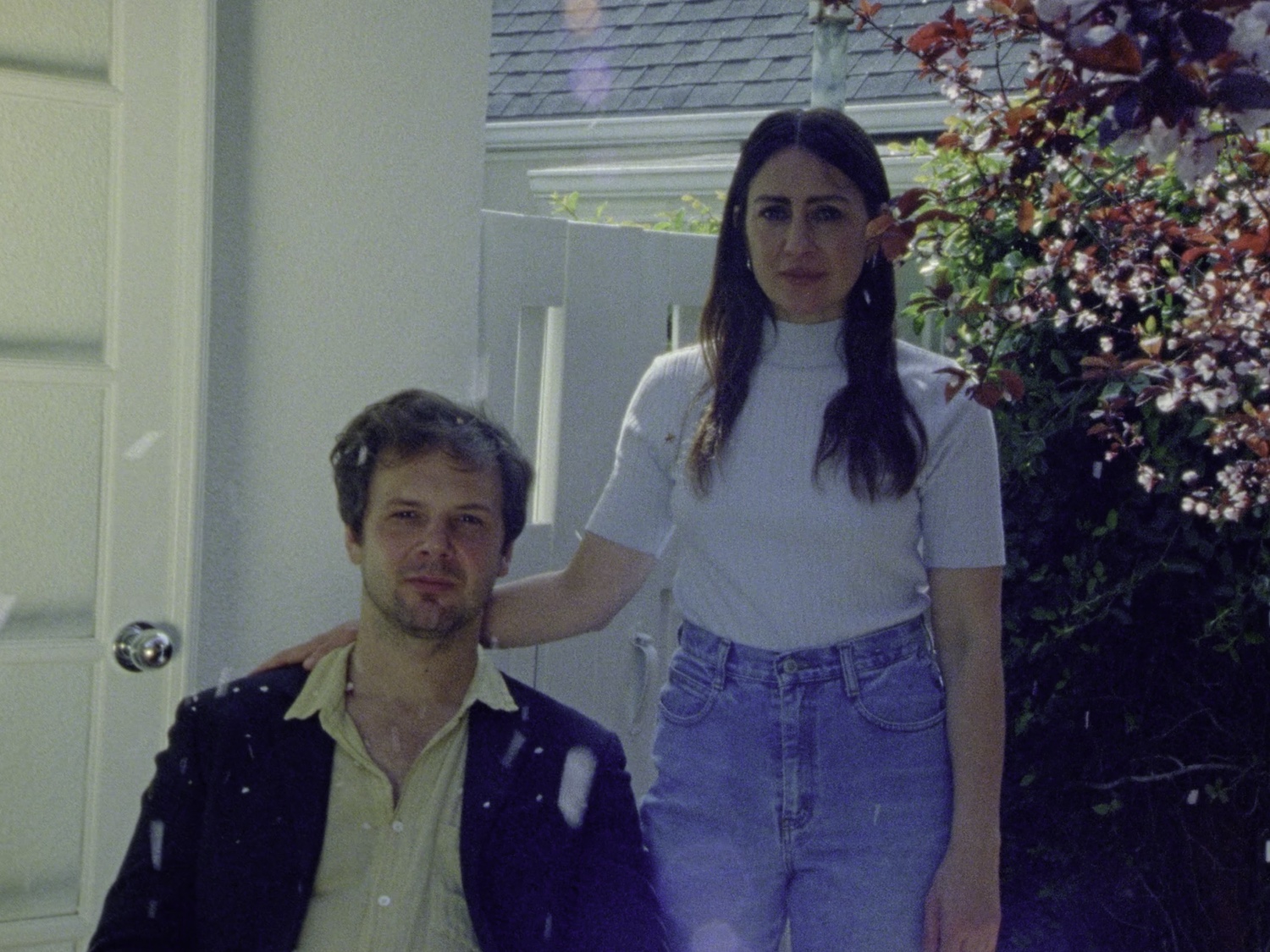
How did you land on using Julian Klincewicz’s visuals as the music video for Laguna Road’s “The Lie”?
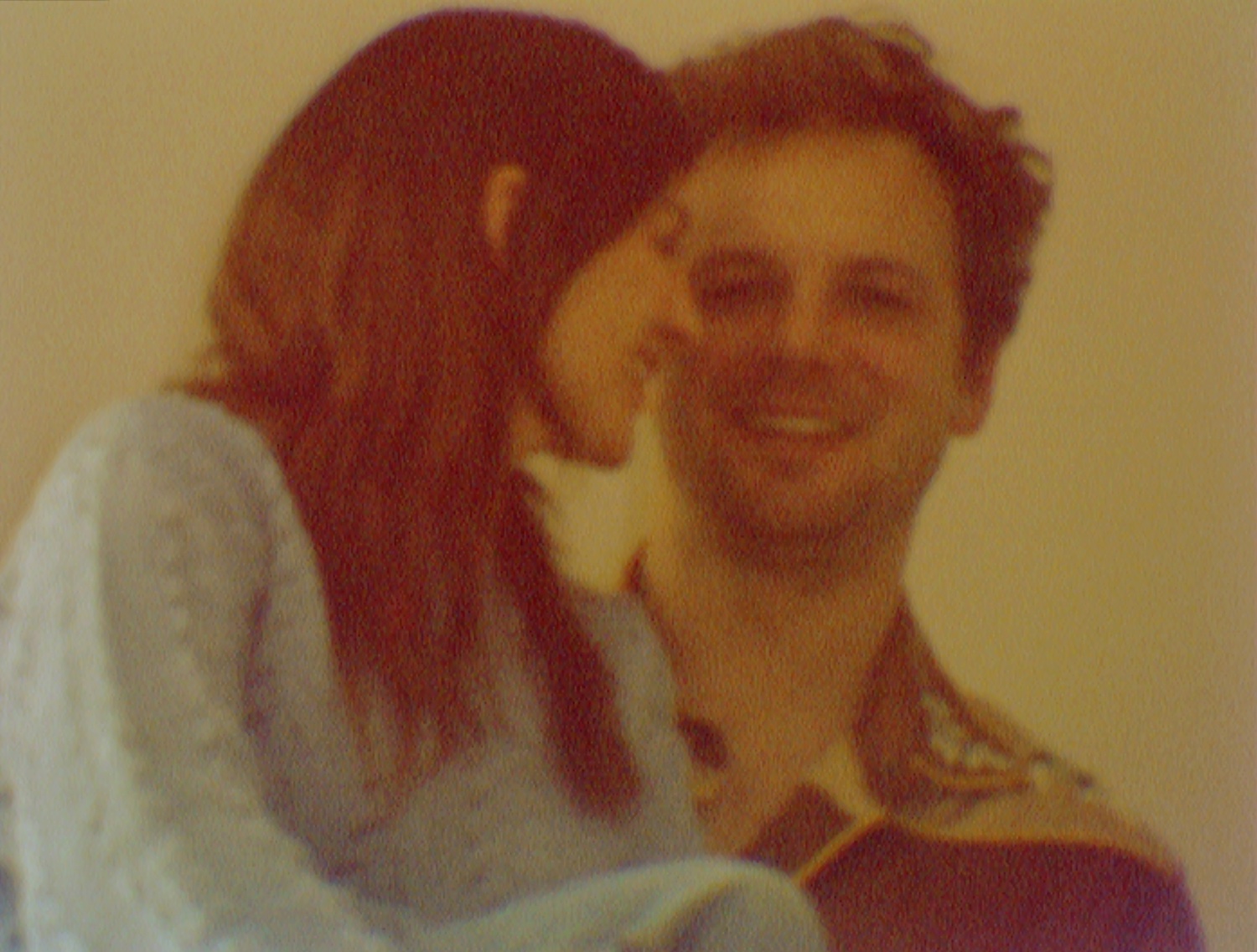
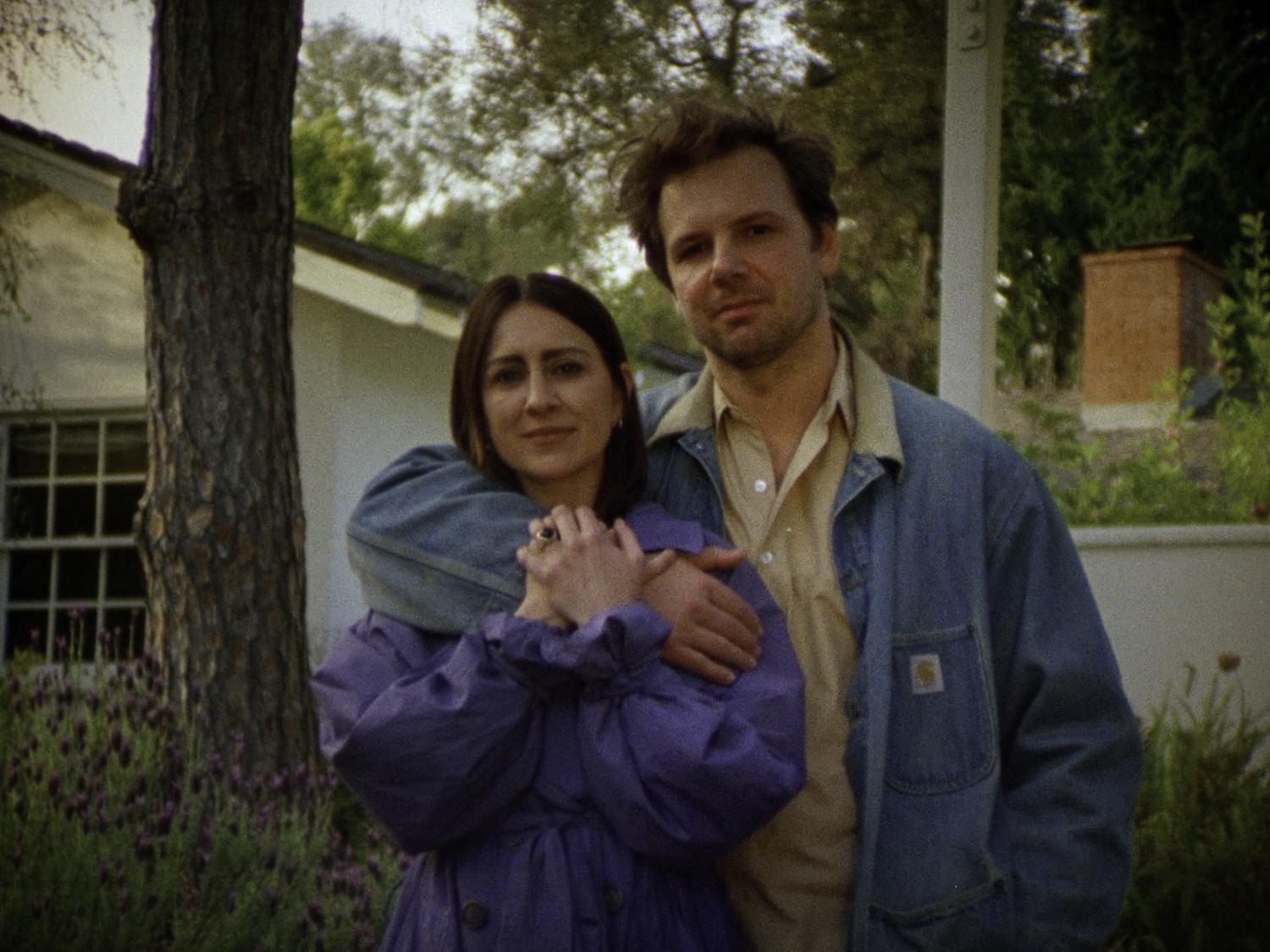
Nini Fabi: For Laguna Road, we really wanted to do something we hadn’t previously done with Julian. So, Julian recommended we do more of a long-term project – something where he would come to our house, since the whole record was based on our house. So, he would come to the house and visit with us every once in a while, and shoot what was there in documentary-style. [Julian wanted to create] something that felt very close and real – without makeup, without styling, without cleaning the house before he would come. So it was all just as it was. We then ended up leaving the house, so we did a few more condensed sessions and [the music video for] “The Lie” came out of one of those. We had some thread there at the house. I think it was from some previous knitting project. Julian had certain images in mind for certain songs, and this thread was part of these images – it helped us develop a certain language for every song. The video was filmed in our kitchen, and one of us was holding the thread and the other one was pulling it. There was no plan to use the video as a music video. But when Julian watched it back, he really loved it. And there was something really meditative and simple about it. When we started coming up with what we wanted to do [for Laguna Road], we had the idea of doing something that felt like anti-quick content. Something that felt slow. Something that nobody would recommend for you to put onto your [social media] feed. Something that feels more like an email than a letter. So I think [the video] was us really taking that idea to the extreme.
You mention “The Lie” as a song about coming together in your youth. Who was HAERTS during that youth?
Nini Fabi: “The Lie” goes back to this fairytale, in a way. “The Lie” is about a relationship that started very early on. Something that was so full of life – full of emotions and full of these high hopes and the stupidity of youth – but also something really beautiful. When we think about it now, we both have to giggle. We met when we were teenagers, and it was just so intense. We ended up staying together over a long period of time, so I think “The Lie” is about those promises that we made to each other. But we were babies. It’s about something that can seem like it’s this wonderful and perfect and beautiful journey, but in order to have what we have, other things are lost. In order to be where we are now, we had to go through painful things in our lives and painful events. We came to a point in our life where we were looking back on all of this time and thinking, “I can’t even tell you who I would be without him,” because at some point, our lives got so linked. “The Lie” represents this very unique situation, when you know each other for such a very long time.
I'm glad you bring up the theme of loss, or of feeling lost. Many of the lyrics on your album include mention of this same feeling of losing something, including “You Are the Blue” and “Woman On the Line.” What does that feeling stem from?
Nini Fabi: There was a line on one of the songs that didn’t actually make the album, but it was turned into another song. The line was: “There’s nothing like the love that’s in goodbye.” That emotion is one of the big emotions on the record. It’s about love being so special because you can lose it. On the other hand, sometimes you only realize how much you love somebody when you’re about to lose them, or when you do lose them. Over the years, we have both experienced those things – we have both lost loved ones, and we’ve lost parts of ourselves. We had to grow together in a way that often felt like leaving behind parts. It’s a loss of what you thought something was going to be, and hopefully you can keep going together and renewing over and over again.
Out of the unreleased songs on Laguna Road, are there any that you're particularly excited for listeners to hear?
Nini Fabi: I feel pretty good about the whole thing. I think “Memento” is my favorite song on the record. That one is special. As far as the way it sounds and the way it feels, I think “Memento” is the song that I’m most proud of on Laguna Road. I think there’s probably also a sense of loss and longing in a way because it is about memory and how we collect them.
It actually came out of a really beautiful moment. We had spent a day in this little secret beach by Point Dume in Los Angeles. We were with our daughter. It was a very light and carefree day. On the way back home, she was falling asleep in the car, and I wrote down a few pages about her running on the beach. I think it captured exactly the feeling of having a purely beautiful moment, and the weight of the feeling of loving so deeply that there could be a loss.
How do you think being in California while recording Laguna Road influenced the album’s sound?
Nini Fabi: I think you’re always influenced by what’s surrounding you. I think it always influences your creativity to some extent. When we were living in California, we were embracing a lot of those classic Laurel Canyon records, so I think there’s something like that there on the album. I do feel that there is some sunny element. There’s something that feels like it came out of California and not New York, but only we know that.
— —
:: stream/purchase Laguna Road here ::
:: connect with HAERTS here ::
— —
Stream: “Woman on the Line” – HAERTS
— — — —
Connect to HAERTS on
Facebook, 𝕏, Instagram
Discover new music on Atwood Magazine
© Julian Klincewicz
 © Julian Klincewicz
Laguna Road
an album by HAERTS