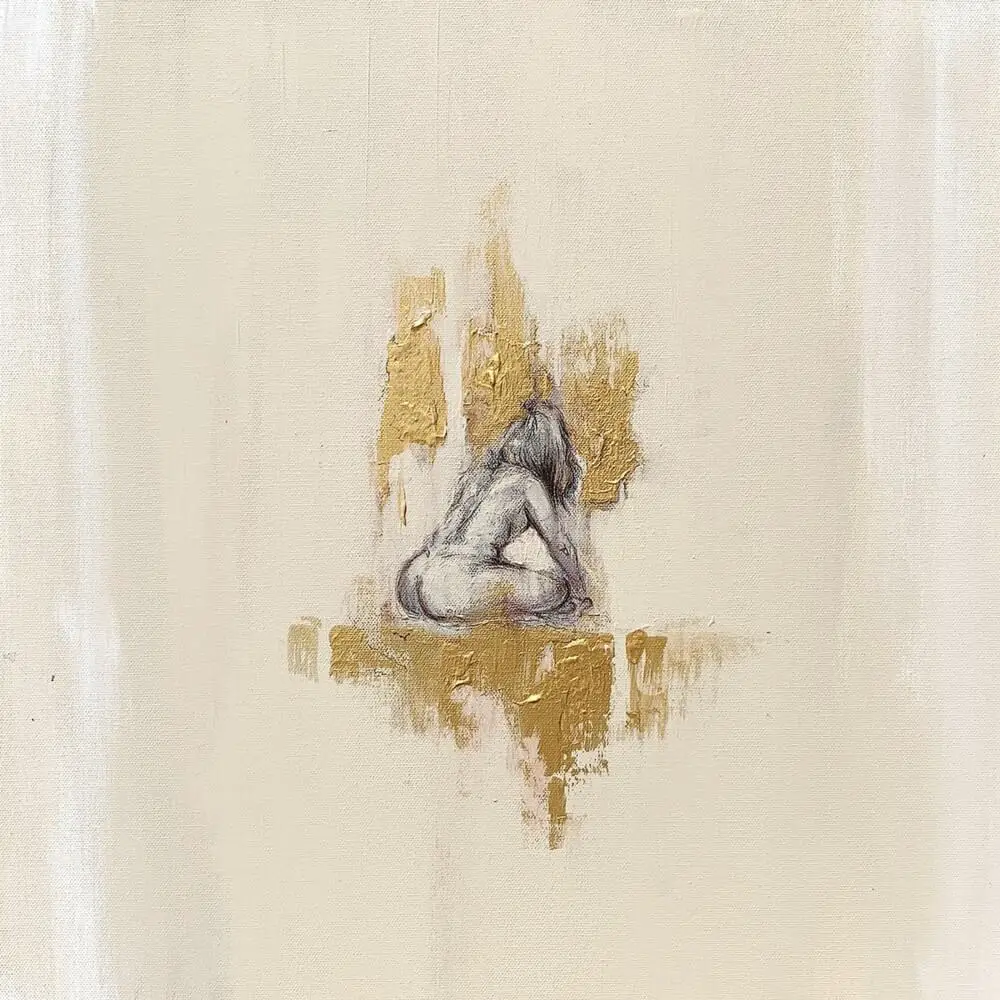
Vancouver’s Kaleah Lee opens up about dreams, liminality, and crafting quiet, haunting soundscapes that linger long after you’ve listened.
Stream: “Fever” – Kaleah Lee
Kaleah Lee doesn’t just write songs; she builds sonic dreamscapes where emotion lingers like fog, and silence speaks as loud as lyrics.
Her 2025 single “Fever,” a haunting exploration of the subconscious, arrived earlier this year like a breath of cool air through cracked windows – intimate, eerie, and tender in all the right ways. Following the warm reception of her 2024 EP Birdwatcher, Lee has continued to refine her delicate balance between vulnerability and restraint, carving space for both solitude and connection.
In this interview with Atwood Magazine, the Vancouver-based artist opens up about dreams, discomfort, emotional thresholds, and what she’s building next – from the shadowy edges of her imagination to the deeply human heart of her growing fanbase.
— —
:: connect with Kaleah Lee here ::
— —
A CONVERSATION WITH KALEAH LEE

Atwood Magazine: You’ve described “Fever” as being born from a vivid dream that lingered long after waking. What about that dream felt most impossible to shake? And how did it shape the sonic atmosphere of the song?
Kaleah Lee: Thinking harder about it now, it was more so the feeling I was left with than the dream itself that felt so impossible to shake. It was just how real it felt. It was as if I had been betrayed by my own mind in a way that I did not know was possible. That kind of birthed the eerie sonic atmosphere of the song because I felt almost afraid of what my own subconscious was capable of drawing up. The vividness of it all was off-putting to me and I used that sense of unease as the takeoff point for the song’s sonic world.
There’s a real dreamlike disorientation in the lyrics of “Fever” – lyrics like “a line I shouldn’t cross / though the line is ever-reappearing” feel both emotional and surreal. Do you often draw from dreams or subconscious spaces in your songwriting?
Kaleah Lee: This was actually the first time that I had written this way! I often write from emotion, for sure, but usually it’s emotion that’s based in my reality and not so subconscious. Definitely was eye-opening for me though, like a new door for inspiration was opened and now I’ve been way more conscious of my dreams and recording them because you never know where inspiration can be drawn from.
You have a new song out called “What Are You So Afraid Of?” that came out last month. Can you tell us more about the process and meaning behind it?
Kaleah Lee: Yes! That song was written after experiencing a very fleeting relationship of sorts that was, though short, very transformative and happened during a very transformative period in my life. I had been on the other side of fear for the first time in this situation; I’m typically pretty cautious and anxious, but something about this person made me want to be the opposite. Unfortunately it did not work out in my favor at the time and I was left with lots of heightened feelings and questions and emotions on my own in Upstate New York for like two weeks, which is where I ended up writing the song.
The first line of the song was taken straight from a journal entry I had just written about the situation and about my life at the time, and from there it almost felt as if the rest of the song wrote itself. Though that’s where the song started, I’ve found that the initial meaning has kind of warped and changed over time. I listen to this song now in a new light almost every time I hear it or play it live. These days it’s become less of a meditation on someone else and more like I’m speaking to myself in the present, which is humbling and honestly kind of jarring. [laughs]
Your EP from 2024, Birdwatcher, explored the “freedom of solitude,” while “Fever” feels more like being haunted by solitude. Has your relationship with being alone – or with silence – changed in the last year?
Kaleah Lee: It has, and it hasn’t. I am a naturally sort of hyper-independent person, but do find that my relationship with silence is fluid and ever-changing. It’s like I need this alone time and introspection time so much until I just don’t. I see it as too much of anything is never good. Over the last year I think I have started to value being around other people and having a community and almost this sacred social circle more so than I ever have before. That could actually be a result of taking so much time to myself to go inward; It’s like I went so deep in that I’m finally feeling ready to jump out. I do still really value my silence, though. Balance is key.
Your songs always feel deeply personal, but never overwhelming. How do you protect your emotional truth when sharing so much in your music?
Kaleah Lee: I’m glad that you don’t find it overwhelming! I often think about that, but never really when I’m actually making the music [laughs]. I guess when it comes to my music and the meanings of certain songs, I refrain from sharing things that are too specific. I like to keep some things open-ended and a bit more vague or metaphoric, though I do share a lot. I like to think that the things I go through are not necessarily only my experiences and that these things are often universally felt. Keeping some aspects open-ended helps me to feel more safe when sharing my experiences, and it helps to see others resonate with different aspects in their own ways.
You mentioned reflecting on your “artistic identity, goals, and purpose” while creating Birdwatcher. What parts of that reflection are still evolving for you now?
Kaleah Lee: All parts! All the time! I feel very in transit at the moment especially, and that used to scare me a bit but I’m actually finding it to be pretty comforting. I’ve learned that I am a person who loves change and evolving and to have that restricted in any way sets off an alarm in me internally. I think at my core, not just as an artist but as a human being, identity and purpose are always things to reflect on. And though my relationship to myself and my art is always morphing and I’ve come to accept that now, there are still these consistent throughlines that make me who I am. Nowadays the reflection is more about how can I make sure that throughline and heartbeat is present amidst all the change. I’ve evolved a ton in the ways that I have begun to understand myself, which is a cool and liberating feeling.
Your songs often begin with just voice and acoustic guitar. What draws you to that simplicity, and how do you know when a song wants to stay sparse vs. build out into something fuller?
Kaleah Lee: I navigate everything that I do through feeling; how certain sounds make me feel, certain words, etc. I think when I start with that simplicity it often mirrors the beginning of an emotion, and when there’s some kind of build its often because that emotion, as the song goes on, is harped on and emphasized more and more, often to like a breaking point. It’s all very reflective of how I feel, an ebb and flow. I also think as I explore more and more with production, it becomes more exciting to build things out and see how far I can get from the simplicity with the current tools that I have. Lots of play and exploration amongst feelings.
You’ve toured with Leith Ross, Searows, Del Water Gap, and now Youth Lagoon. Has touring influenced your writing in ways that surprised you?
Kaleah Lee: It has been really inspiring, especially performing alone and getting to watch these amazing artists perform with bands. That has influenced my desire to imagine fuller songs and bigger worlds for my own writing and music. All of the people I’ve been lucky enough to tour with have been such influences on my work already, so seeing them perform their songs and be so honest on a stage has been wildly encouraging. They have all kind of given me this invisible green light to continue what I do, and to continue writing as honestly and vulnerable as I try to do, because night after night I’d get to see them do exactly that to audiences that receive it all so well.
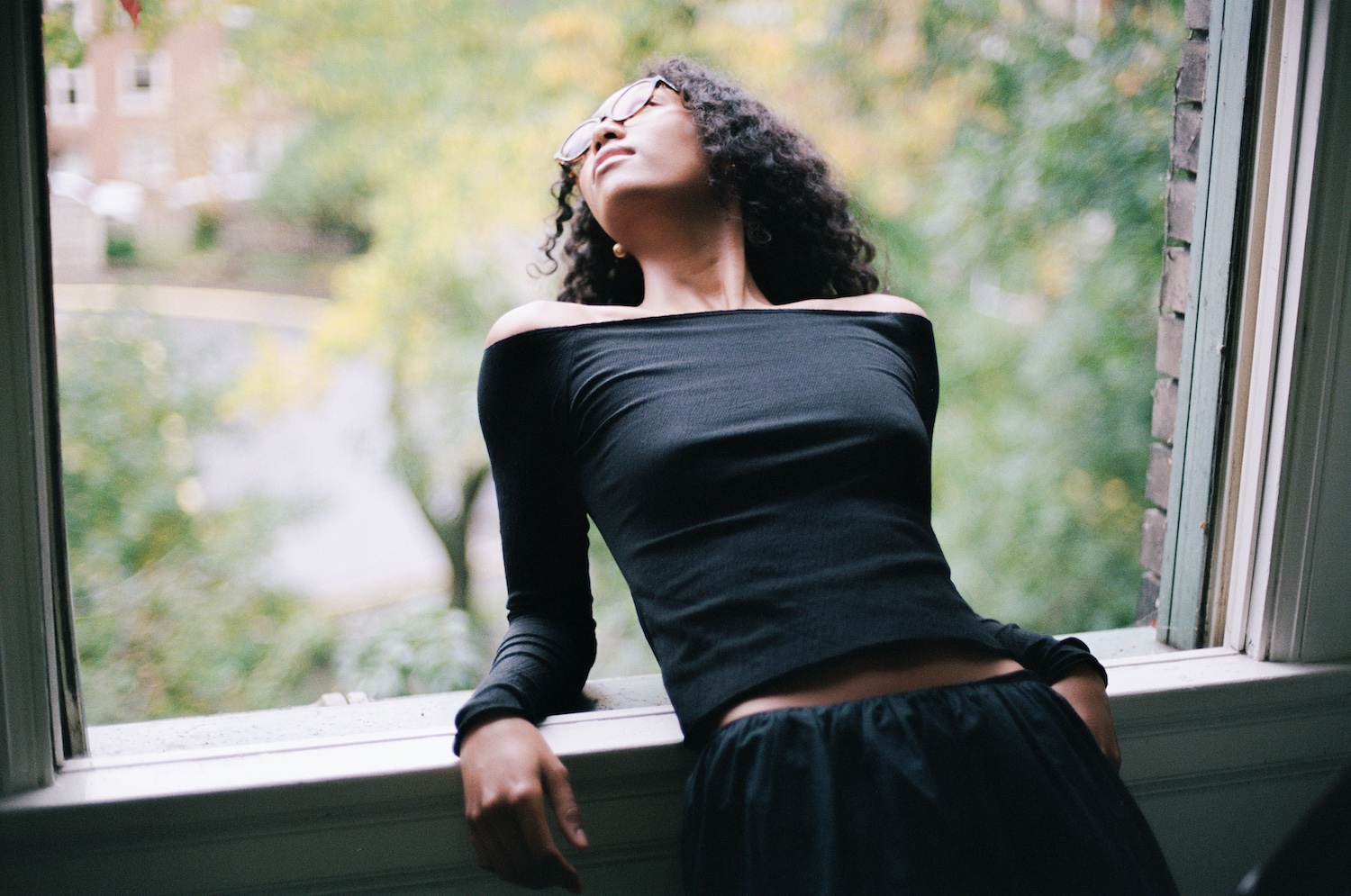
You’ve had praise from artists like Clairo, Bon Iver, even Taylor Swift – but you’ve also built a deeply loyal fanbase on your own terms. How do you stay grounded while your audience keeps growing?
Kaleah Lee: I’m unfortunately someone who is chronically online, but, and maybe fortunately, I am someone who is simultaneously chronically offline when it comes to my own presence on the internet [laughs]. I think that is what helps me to stay grounded the most. I try to live my life elsewhere and spend time away from numbers and stats and all of that. But also, the loyal people who support my music and art just happen to be the kindest and best people, so I feel very fortunate in that way. Interacting with them where and when I can is grounding because these interactions are just so human. I love being able to connect with the people who connect to my music, that in itself is grounding and helps me to remember that there is real life on the receiving end of my art.
“Fever” has this beautiful, eerie quality – like walking through a memory or a clearing you’ve been to in a dream. Are you drawn to those kinds of liminal spaces in your art more broadly?
Kaleah Lee: Yes, I’d say so. That’s actually a key thing that I admire in a lot of visual work and something I really love to do myself. The music video I made last year for my song ‘The Same’ was a result of that. I remember wanting to make it feel like the space was weirdly empty and unplaceable and I have the most fun creating in that way. It helps me to feel more imaginative when things aren’t too on the nose. Also being someone who’s inner world is often pretty cluttered, it’s nice to create and observe more liminal spaces externally. Over time I have found myself wanting to dive deeper into that quality.
When listeners say your music makes them feel seen, held, or even comforted, what does that mean to you? Is that something you intentionally create, or something that emerges on its own?
Kaleah Lee: That is something that is extremely special to me. Such a big part of my life growing up was finding and listening to music that made me feel comforted amidst the chaos, so to be that source for someone else is an honor and I don’t take it lightly. It’s not necessarily something I do intentionally; I think theres always a hope that it’ll happen and connect somewhere, but I do intentionally create as honestly as I can, and I think that in itself is breeding ground for that sense of safety. I’m grateful to be able to do that, whether it is fully intentional or not. It’s the coolest thing and extremely full circle.
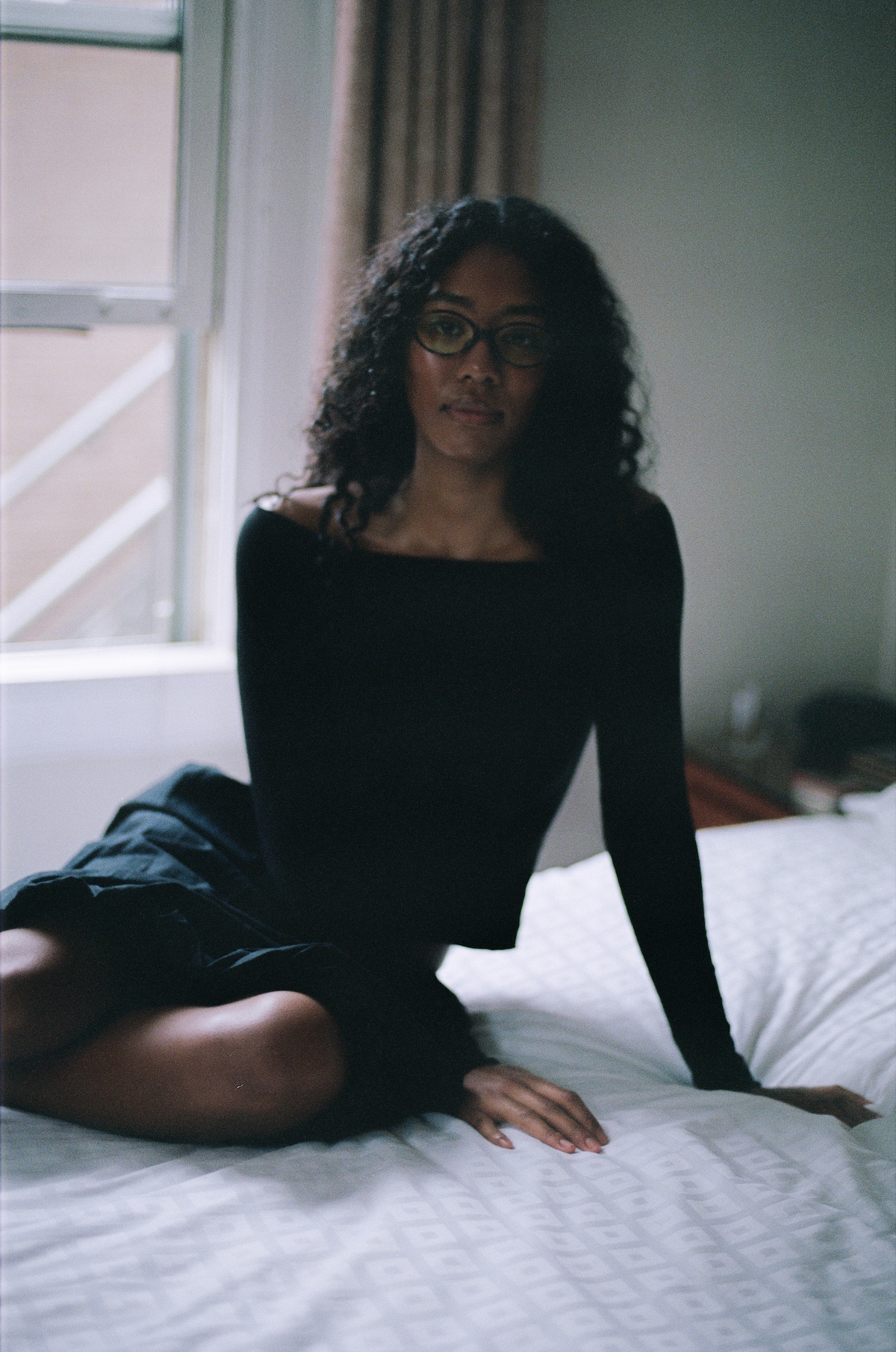
Finally, what kind of space are you dreaming of next? Musically, emotionally, or literally, what comes after “What Are You So Afraid Of?”?
Kaleah Lee: Right now, I am working on a lot of music at once. I think this is the most ahead of myself I’ve ever been in terms of music and I’m seeing and hearing my sound change and develop in real time, which is really exciting for me. I’m having a lot of fun with experimenting, and also with trying to be as intentional as I can in terms of the worlds and spaces that I’m dreaming up for future projects and such. I’ve started doing this thing that almost feels like I’m method acting [laughs], but for the worlds I’m trying to build – I want them to embody me and I want to embody them so I’ve been having fun changing things in my physical environment to accentuate these parts of me, from the way my room looks and feels to the clothing I’m drawn to wearing at the moment – playing with all the ways I can present all these different parts of myself. Looking forward to sharing it all eventually!
* * *
Kaleah Lee’s music feels like a quiet confidant; a space where strangeness, beauty, and tenderness coexist without question.
“Fever” is the latest chapter in her growing body of work, a reminder that even our most disorienting moments can hold softness if we let them.
Stay tuned for more to come from this exciting artist-to-watch!
— —
:: connect with Kaleah Lee here ::
— —
Stream: “Fever” – Kaleah Lee
— — — —
Connect to Kaleah Lee on
Facebook, 𝕏, TikTok, Instagram
Discover new music on Atwood Magazine
© Halle Jean March
 © Halle Jean March
:: Stream Kaleah Lee ::