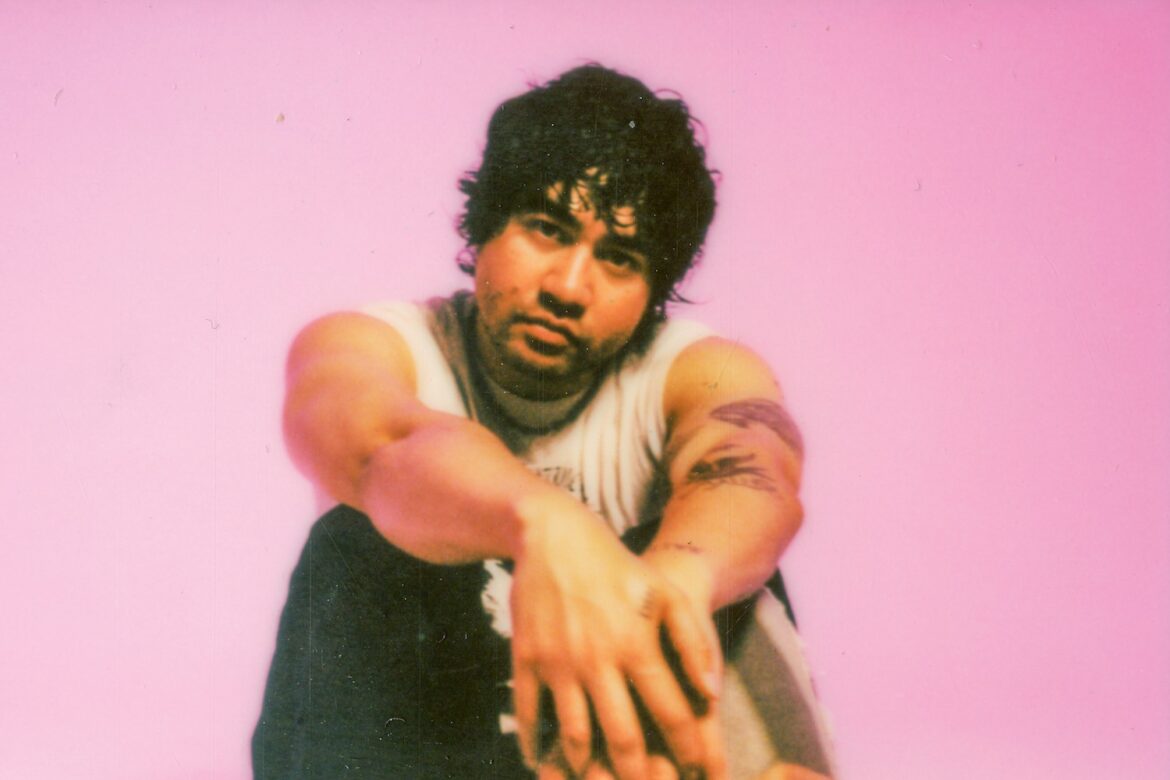
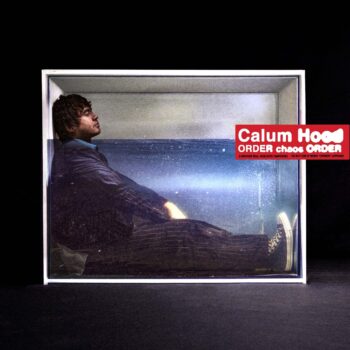
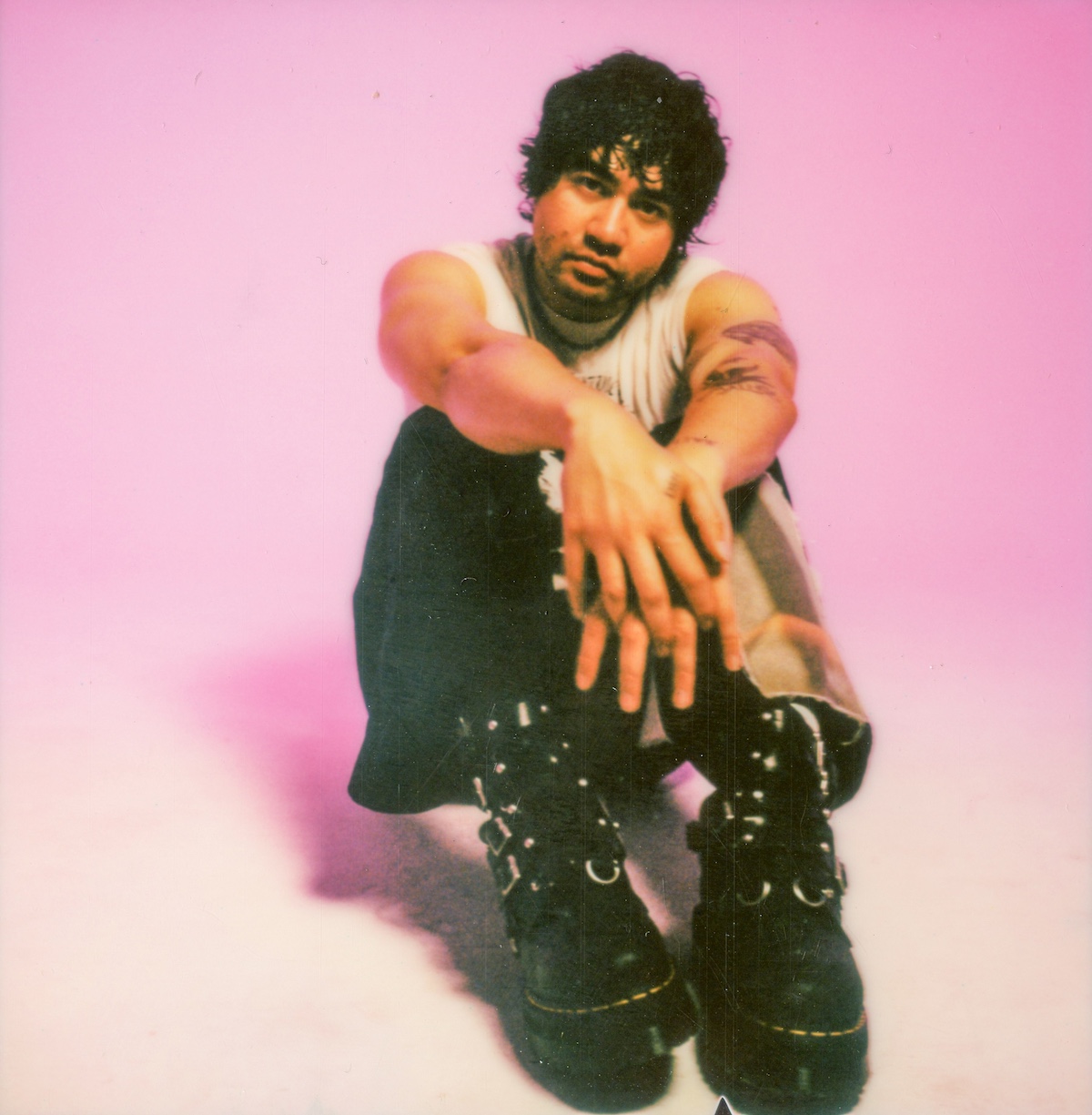
Calum Hood (of 5 Seconds of Summer) opens up about vulnerability, creative rediscovery, and stepping into his own with ‘ORDER chaos ORDER,’ his introspective and cinematic debut solo album.
Stream: ‘ORDER chaos ORDER’ – Calum Hood
I had to learn to let go and give in to the nature of both chaos and calm, to allow them to coexist and hold hands throughout the process. They became neutral forces in a way. Neither good nor bad, just necessary.
* * *
Calum Hood is no stranger to the spotlight.
First 5 Seconds of Summer band member and now exciting new solo artist, Hood arrives this summer with his highly anticipated album, ORDER chaos ORDER (June 13th via Capitol Records). The record is an expansive exploration of Hood’s own musical curiosities, but it represents a return to his original love for creation and making music.
12 a.m. on taco Tuesday
I’m cryin’ out my eyes
And I’m sittin’ there, wonderin’
If I wanna be alive
And I’m starin’ out the window
I’m lookin’ through the rain
And I swear to God I see you standin’ there
Everything, everywhere, everywhere
And I know that it’s hard to see
Every version of me
But it’s not the same as everything you ever thought
I ever could but never would be
But I’ve tried enough to call you
And I’m scared that you’ll pick up
‘Cause I know that I don’t want you to
‘Cause, baby, I’d havе to own up
To everythin’, oh, evеrythin’ I’ve done to you
And all I did to us
– “Don’t Forget You Love Me,” Calum Hood
Reflecting inwards while reaching wide, ORDER chaos ORDER charts a journey of personal reflection and dynamic creativity. Hood’s debut solo record establishes him as a poignant storyteller in his own right, but more than that, an incredible milestone for an artist already accredited for his age.
ORDER chaos ORDER stands at ten tracks, and the project is a shimmering manifestation of optimism through pain. Through waves of self-reflection and reckoning, Hood’s songwriting shines in its introspective storytelling. His first departure from the band, the album also breathes new life into Hood’s creative process.
Oh, well, I’m jealous of the walls
painted in your place
Wasting my life away
Oh, if I could be there
I could stay in your room forever
Oh, well, I wish you’d go away
Oh, I can see it on your face
When you’re staring
and you’re spacing and you’re breaking
I never should’ve hurt you
I talk a lot to drown my tears
I bet you wish I didn’t see nothin’
With nothin’ but your t-shirt, a modern touch
To dry my fears
Why don’t you call me
when you know better?
– “Call Me When You Know Better,” Calum Hood
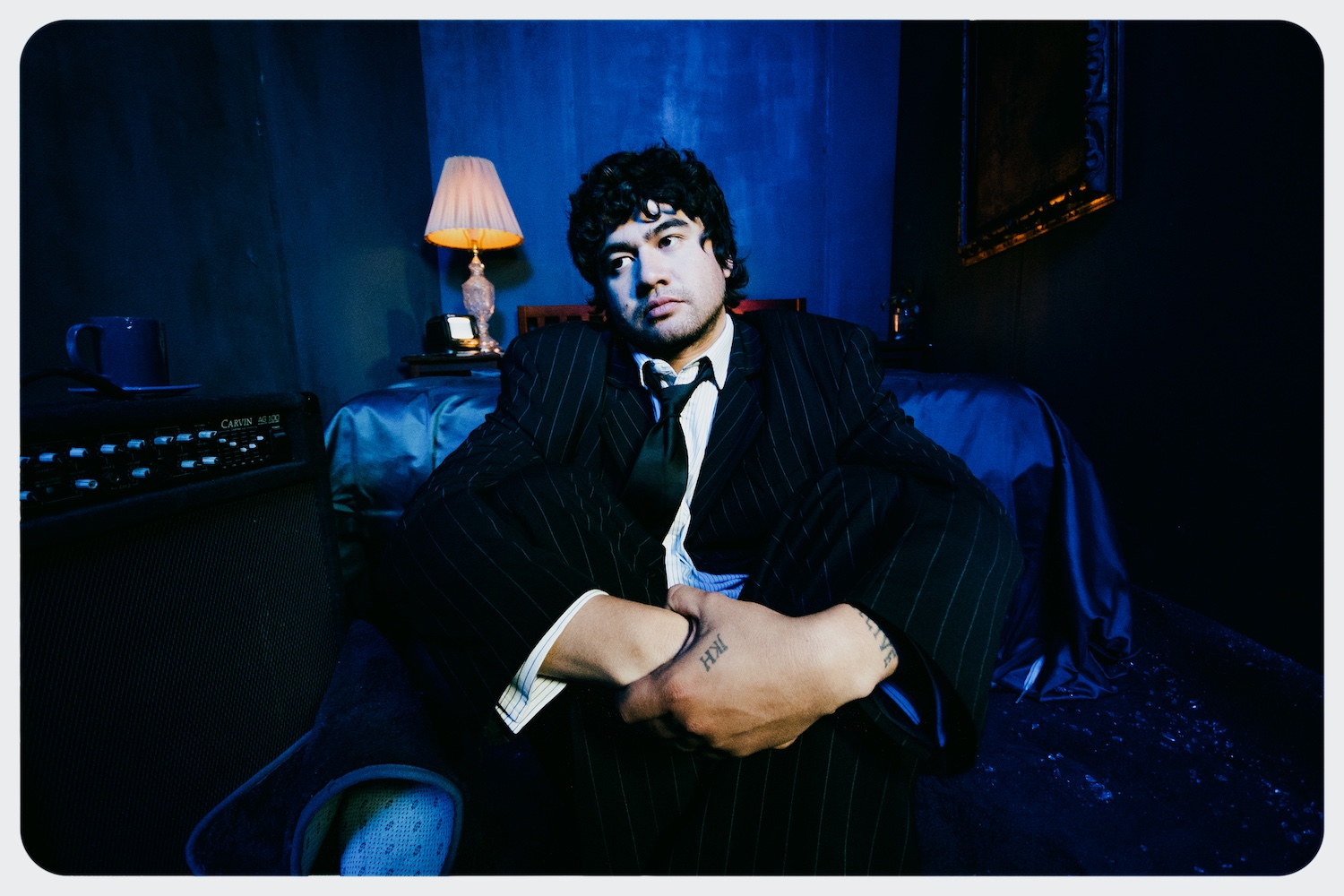
For Hood, this record is as much a rebirth as it is a return to form.
As he explains, writing and recording ORDER chaos ORDER brought him back to his original love for making music.
After over a decade in the accredited band 5 Seconds of Summer, Hood cites the record’s conception as permanently shaping his relationship with the band too. In the best way possible, “it’s made me a better asset to [5 seconds of summer].” This journey was one that fostered an endless creativity, expressive curiosity, and growth through leadership.
“This album was made in a tumble dryer of knowing and not knowing,” Hood tells Atwood Magazine. “I started out with a vision – order – but quickly became overwhelmed by the process – chaos. Eventually, I learned to embrace both, and that balance became the heart of the record… There are things I’ve never been able to sing about in the band – my upbringing, my family, the places life has taken me. This album is about laying those things to rest and allowing listeners to connect in their own way.”
Atwood Magazine recently sat down with the acclaimed singer and songwriter, delving into the creative conception of his debut solo album, the collaboration propelling the record’s unique soundscape, and Calum Hood’s own reflections as an artist – both independently and as a band member.
ORDER chaos ORDER is out June 13th via Capitol Records!
— —
:: stream/purchase ORDER chaos ORDER here ::
:: connect with Calum Hood here ::
— —
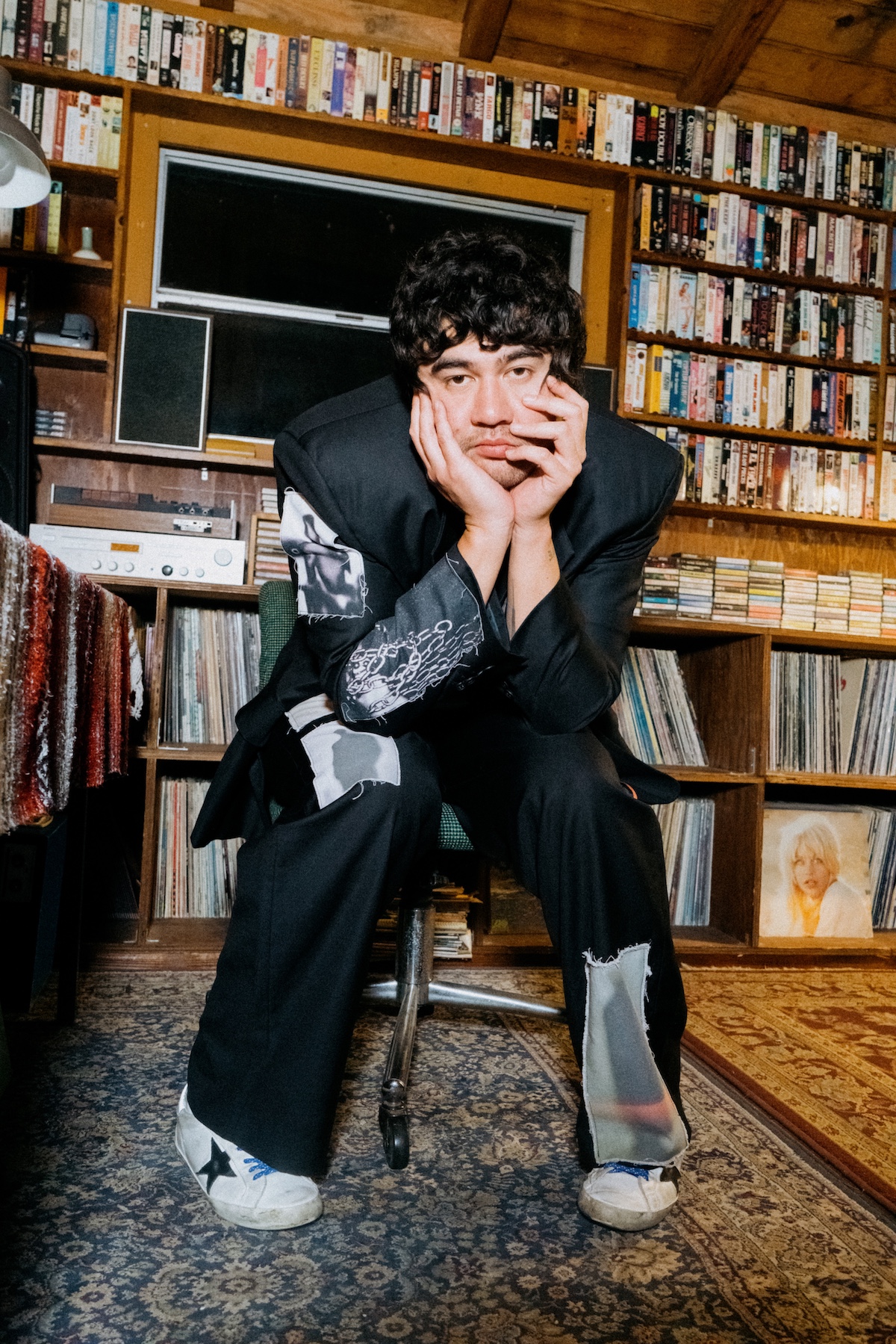
A CONVERSATION WITH CALUM HOOD

Atwood Magazine: Congratulations on the new album, Calum! How do you feel leading up to the release?
Calum Hood: I feel pretty good! It’s been a long time coming. 29 years, to be exact. So there’s a lot of anticipation, excitement, and nerves.
Can you tell me more about the album's name, ORDER chaos ORDER? Why did you name it that and what does it mean to you?
Calum Hood: Yeah, I think it really just reflects the cycle of my life both personally and artistically. At first, I probably associated chaos with something negative, but over time it actually became a kind of friend. I had to learn to let go and give in to the nature of both chaos and calm, to allow them to coexist and hold hands throughout the process. They became neutral forces in a way. Neither good nor bad, just necessary. And when I was thinking of names, those two ideas felt the most present. They were there the whole time, guiding the journey.
You talked about collaboration really defining the conception of the album. It seems like it was really eye-opening for you as a creative. Can you elaborate?
Calum Hood: Mmm, definitely. Both visually and musically, I’d say this project was shaped by some really strong creative relationships. It was still very collaborative, which was something I really appreciated, especially coming from a band environment, where that back-and-forth is the norm. Honestly, one of my biggest fears going into this was the idea of doing it all alone. That mindset at the start, “oh my God, I’m on my own, I have to figure everything out by myself,” was quite overwhelming. But as I got deeper into making the album, it became clear that I wasn’t alone. I had support, and that made a huge difference.
I ended up building new creative partnerships and rekindling old ones. I’m lucky to call many of those collaborators friends now. They gave me the space to be myself and were incredibly patient while I figured out who I was as a solo artist. That kind of support was invaluable, and I’m really grateful for it.
Why did you want to put your solo debut album out now? What made this the right time?
Calum Hood: I just don’t think I was really ready before this. I wanted to wait until I was sure, until I knew, deep down, that making a record by myself was truly what I wanted to do. Not for any other reason, but for the pure intention of being an artist, and of growing as a songwriter. And I think I also needed to wait until I could properly articulate the things I wanted to say, to tell the stories I wanted to tell from a place where I could really do them justice. So hopefully I did that.
I read that you did what David Bowie and Brian Eno did, where they went in separate rooms to write different things, then brought them together. What was that like when you did it?
Calum Hood: No, it was really fun. I think I also got the chance to experiment with different processes. That was kind of the point, to shake things up and see if I could get a different outcome than I usually would when approaching a track.
With “Endless Ways,” it was me, Elijah, and Jackson. Jackson threw on his headphones and worked on the track separately, while Elijah and I literally used a click track on our phone and wrote the top line, melody and lyrics, completely independently. At the end of the day, we brought both parts together, and somehow… they just clicked. I still don’t know how it worked, but it did. What I loved about that process was how it allowed the lyric to really be the talisman of the session. It led the way. It was just different, which was fun.
I feel like the record was like you were almost getting to know your inner child again. Would you say this album helped you do that? Or maybe help you reattach yourself to a version of you that was unjaded when it comes to music?
Calum Hood: Yeah, no, that’s a great question. I definitely feel that, especially now, being on the other side of it. When you’re in the thick of it, it’s such a blur. And honestly, I’m really bad at remembering things, so recalling it all as it was can be tough. But with some distance, I’ve gained perspective. It really felt like I was watching everything from a bird’s eye view. I was able to look back on certain moments and reconnect with myself in those past situations. That reflection allowed me to either heal or show some gentleness to those parts of myself that I’d maybe overlooked or been harsh with before. It’s given me access to finally let a lot of that go. To lay it down and stop carrying the burden around.
I guess since you’ve been making music for so long, embarking on this project is so significant for you. What would you say this record symbolises to you in the trajectory of your career?
Calum Hood: Yeah, I think the hardest part is actually committing to it. I mean, I could write songs every day for the rest of my life and never share them. But it’s the moments when you choose to share that feel the most vulnerable and meaningful. For me, that’s been a necessary part of my journey as an artist. I needed to learn how to stand on my own, so I could grow, not just for myself, but so I could return as a better version of me for the band. The band has always been my home, and it always will be. That’ll always be the priority. This solo project is really about stepping away for a moment to understand myself more deeply, to gain clarity, and to come back more refined. As a person, a songwriter, and ultimately a better asset to 5 Seconds of Summer.
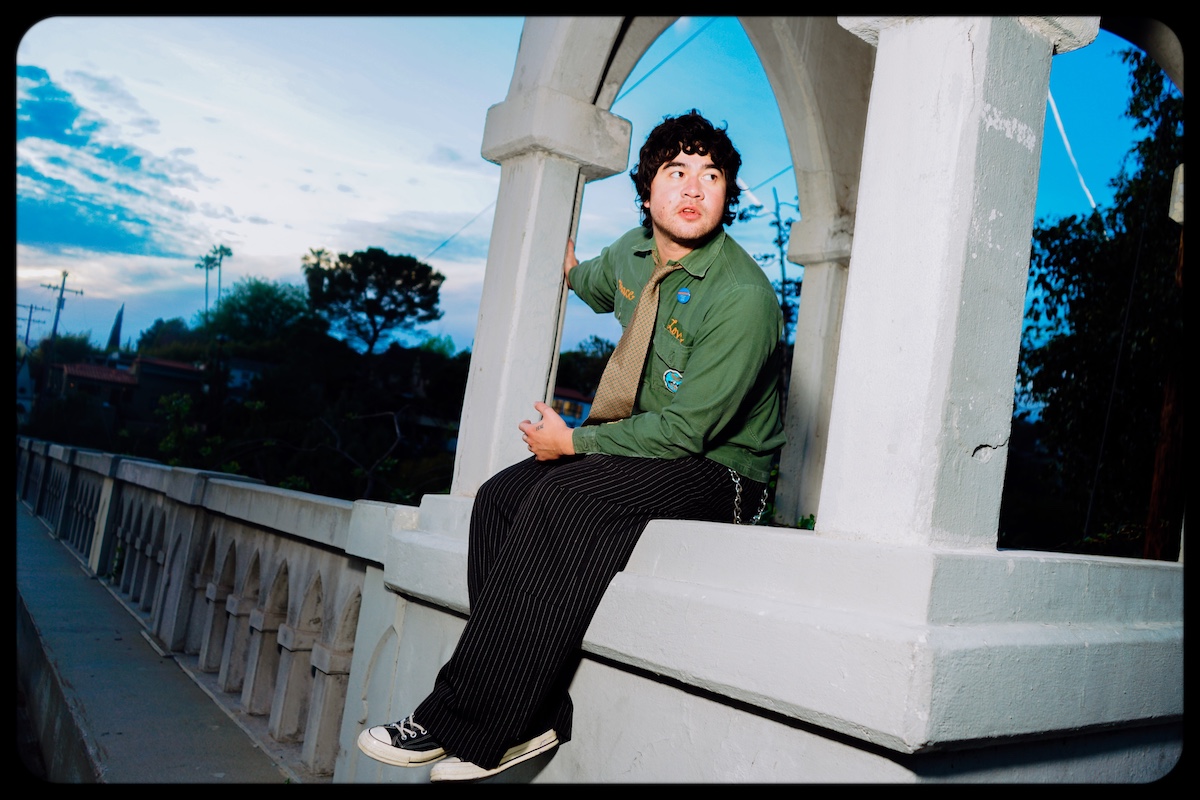
How did the experience with the band influence you with this album, and how has making this album changed your outlook on the band?
Calum Hood: For sure. I mean, I’m the last one in the band to release a solo record, so I’ve been lucky to have a really good blueprint to follow. Watching how the others did it, how they did it successfully while maintaining a healthy dynamic within the band and a real respect for both their solo work and the group has been invaluable. I’ve honestly just been following in their footsteps, like a little brother watching his older siblings figure it out first. It’s made things feel a lot more manageable than if I’d been the first to go solo, like Ashton was. He had to navigate so many unknowns, and I have so much respect for that, for all of them, really, for their creativity and courage to step out on their own.
As for how it’s affected me in the band, I feel way more confident now. I know what my strengths are, what I bring to the table, and weirdly, it’s made me love the band even more. Having experienced what it’s like to do this alone, it gave me a whole new appreciation for what we have together. It’s a beautiful thing to go out on your own and find yourself. But it’s also reminded me that the band is what I signed up for in the first place.
It’s interesting to hear that this project is scary for you to release as well!
Calum Hood: Yeah, you’re right. Honestly, the anticipation was the scariest part. But once I was actually in the process, it felt pretty locked in. I think that just comes from having done this for so long with the band, you get used to being in the rhythm of creating. The harder part was figuring out what I actually wanted to say and do on my own. That took time. But once that clicked, the rest came more naturally. It’s the decision-making. The moment where you commit and say, “Yeah, this is who I am, and this is what I’m putting out into the world,” that’s the really tough bit.
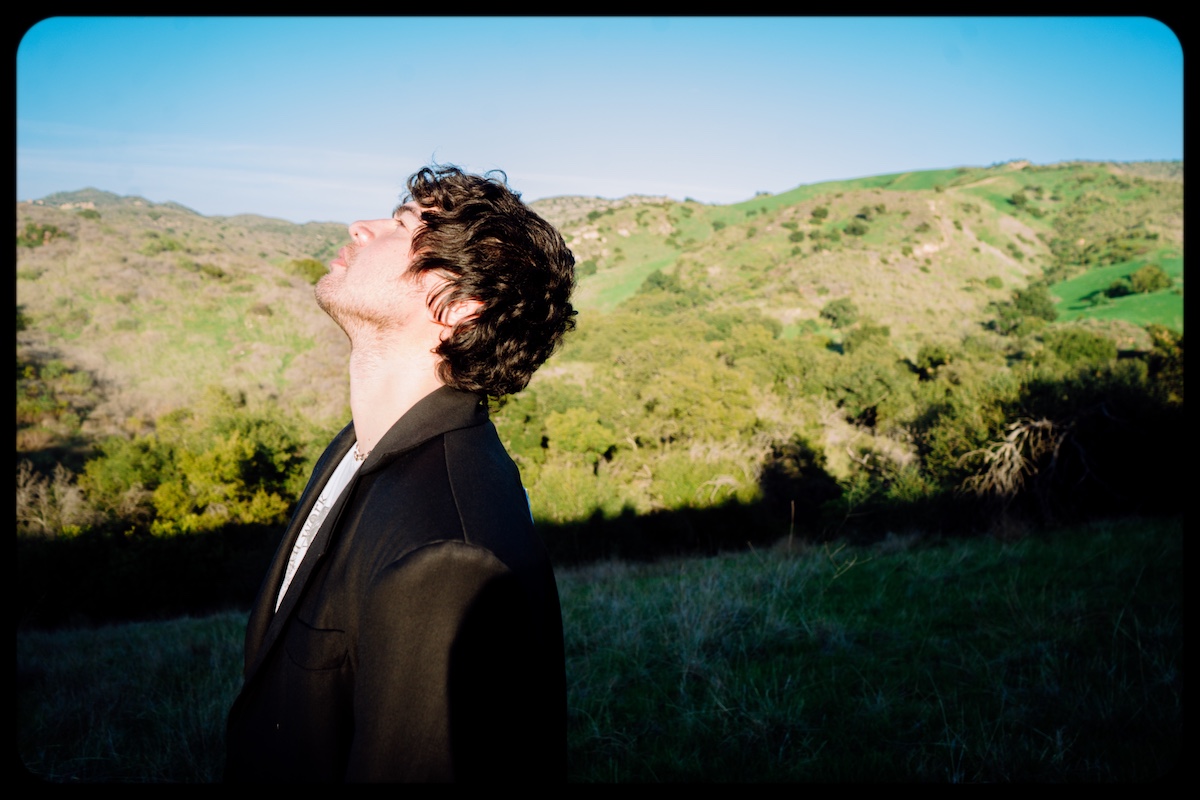
Did you spend a lot of time thinking about what you wanted your first foray into solo musicianship to be, in terms of meaning and symbolism?
Calum Hood: Oh, 100%. At first, I wanted it to be this grand, esoteric thing, something no one fully understood but that got immediate acclaim. And that was before I’d even started anything. That mindset actually started holding me back before the process had even begun. I was already putting pressure on it to be something it hadn’t had the chance to become yet. That’s kind of where the album title comes from too. I had to let go of all these preconceived ideas I’d built up in my head about myself and how people might perceive the music. The real challenge was just allowing it to be the most honest version of me. And that was the real challenge.
It’s also really cool to hear that the band is able to come together, but that you can all go do your solo projects as well.
Calum Hood: Yeah, no, totally. We talk about it all the time. I think we’re all very aware of how rare and special this is. The whole situation, from where we started to where we are now, feels kind of surreal. We know what the band means, not just to other people but to each of us personally. And I think there’s a deep respect for that. Honestly, I don’t think the band would work as well if we didn’t have the space to express ourselves individually too. That freedom has just been a natural progression over time. I feel really lucky to be in a place where I can do that, where I feel supported to grow and explore on my own, but still come back to something that feels like home, you know?
Did you have any influences for the record?
Calum Hood: Lots of people. Oh my god, yeah. Constant music, and a couple films were really pivotal as well. Whenever I would write with Jackson, we’d always write a song and play it to this montage of Lost In Translation or really vibey 80s visuals. But that would indicate whether we were on the right track with the songs. But a lot of European bands like The Radio Dept., Bloc Party, Teddybears, Phoenix… Kind of that more Europe alt-rock. It’s a little more refined in terms of its production of the music. And then also some singer-songwriter, like Sufjan Stevens and Elliott Smith. Those influenced the ballads.
I think my favourites are still “Don’t Forget You Love Me” and “Sweet Dreams.” Are there any songs you're particularly proud of or fond of?
Calum Hood: I think “I Wanted to Stay” took the longest to write. It was a few versions, and it finally came together right at the end. But it also set the tone for the record, it was one of the first songs that were written. It was a big indicator of like, oh my god I know where the record is going now. I think looking back I probably didn’t feel that way, but looking back as me now, it blew down the doors in terms of the writing style and vocal production, the lyricism, stuff like that. It really set the precedent for the theme of the album. So I’m really proud of that one.
What about the visuals? Can you tell us anything about that?
Calum Hood: There’s a song about a documentary called Streetwise, which is about these kids in Seattle. They’re like rogue mavericks that dropped out of school and they lived their lives on the streets. There’s this scene between the boy and the girl and she’s professing her love for him in this abandoned hotel. And he’s just worried about where he’s going to buy his next joint. I don’t know, I really love the sincerity of it because they were so cemented in themselves. There was no questioning, like you would think a 12 year old would be still figuring out who they are, but they just didn’t really feel like that. So I took a lot of inspiration from that.
And then on the back end, a lot of the visuals were created with Andy DeLuca, who’s who we’ve worked with in the band before. So rekindling that relationship has been such a fun experience, and he’s allowed me to kind of see myself in a different light and brought another dimension to the music that I didn’t think was possible. So that’s been really amazing. Every song has a video, and they all tie into each other. It’s supposed to be like a long, big story.
How has this record helped you to grow as a musician and an artist, and a songwriter, all that?
Calum Hood: It’s helped me personally more than as a musician. I think I’ve learned what type of leadership style I have and what type of leader I am. And it’s also helped me just to really believe in what I think is great and what I think is pure. And it’s also made me reconnect with my style of songwriting. It’s made me reconnect with every part of the process, which is cool.
What do you hope listeners will take away from listening to the record?
Calum Hood: Honestly, there’s not too much expectation. I feel like I have kind of done my job, you know? And then the rest is up to them in terms of how they want to connect with it, if they want to connect with it at all. I just hope they enjoy it.
— —
:: stream/purchase ORDER chaos ORDER here ::
:: connect with Calum Hood here ::
— —
“Call Me When You Know Better” – Calum Hood
— — — —
Connect to Calum Hood on
Facebook, 𝕏, TikTok, Instagram
Discover new music on Atwood Magazine
© Sarah Eiseman
 © Sarah Eiseman
:: Stream Calum Hood ::