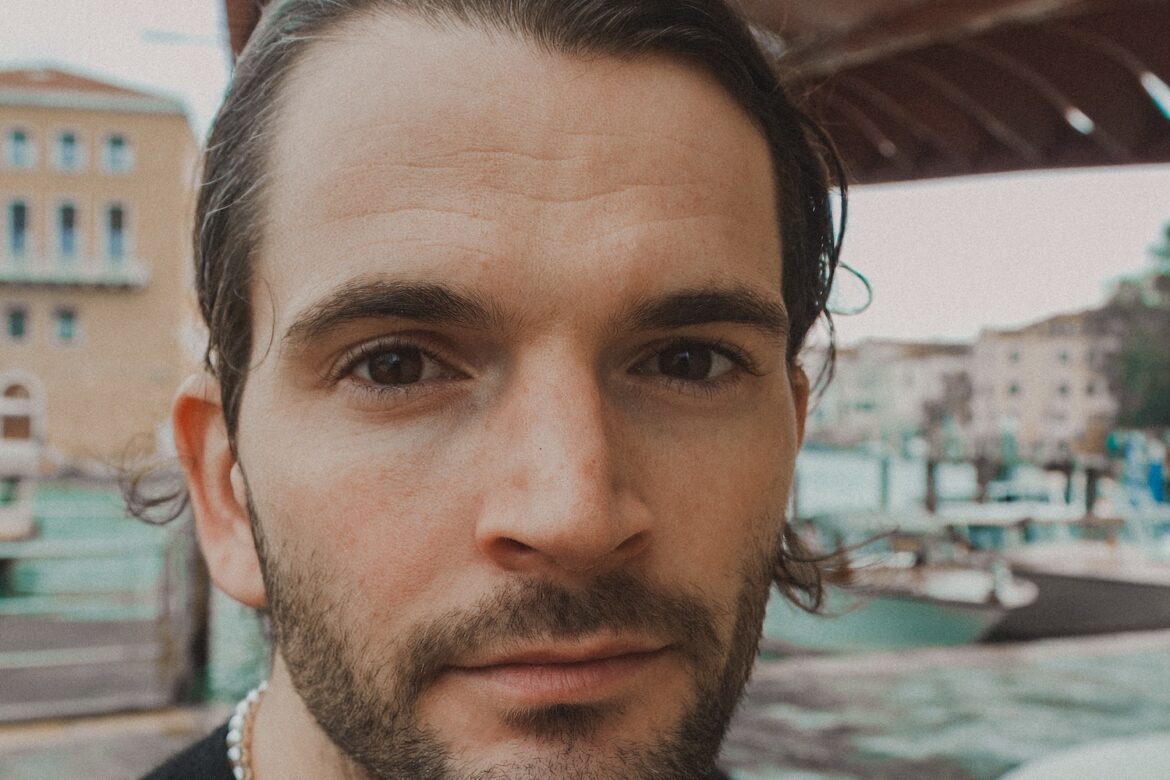
Atwood Magazine catches up with Irish singer/songwriter Harry Hudson Taylor to discuss his debut solo single “Dear You, It’s Me,” the deep imprint of sibling harmony with Hudson Taylor, the symbolic detour of his Lady Bird Lad era, and the quiet courage it takes to create from stillness rather than the spotlight, and more.
“Dear You, It’s Me” – Harry Hudson Taylor
I think there’s power in the quiet. We’re so surrounded by noise – music, media, news, opinions – and sometimes the most radical thing is to whisper instead of shout.
* * *
Harry Hudson Taylor offers something quietly radical, in an age of digital noise and constant performance: Presence.
Best known as one half of the folk-pop sibling duo Hudson Taylor, Harry has long been recognized for his ear for melody and the natural chemistry of familial harmony. But with the release of “Dear You, It’s Me,” he takes a bold and introspective turn, emerging not just as a solo artist but as a storyteller reclaiming his voice in its rawest form. The track, a spoken-word piece born from a spontaneous journal entry, marks a return not just to self, but to source: unfiltered, unvarnished, and deeply human.
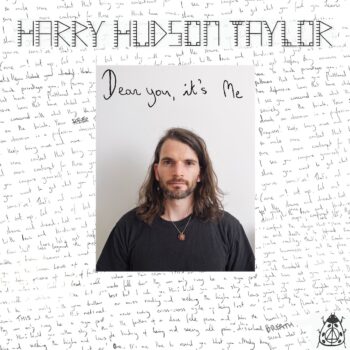
This artistic shift comes after years of growth, reinvention, and reflection. Following the dissolution of Hudson Taylor, Harry briefly explored music under the moniker Lady Bird Lad, a persona that gave him space to experiment and detach from old identities. But it was only when he began releasing music under his full name again that things clicked into place. The vulnerability of standing behind his given name mirrors the emotional transparency of his latest work, less about perfection, more about truth. The result is something that feels more like a conversation with the soul than a conventional single.
Emerging with something altogether more personal, raw, and resonant, his latest release, “Dear You, It’s Me,” marks a striking new chapter. One that abandons the familiar structures of folk-pop for the vulnerable cadence of spoken word, ambient textures, and emotional excavation. Born from a journal entry and carried by rhythm, breath, and instinct, the piece invites listeners into a space of reflection and radical honesty.
Set against the ambient hum of Berlin, where Harry now resides, “Dear You, It’s Me” is a meditative and cinematic offering, spiritual, grounded, and disarmingly honest. With bodhrán rhythms, hushed textures, and spoken delivery, it defies genre in favor of emotional resonance. It’s a letter to the self, an invitation to pause, and a call to soften the voice inside that demands certainty and control. For an artist known for his melodic instincts, this spoken-word departure is not a detour, but a homecoming.

In our conversation, Harry reflects on everything from the early seeds of his musicianship to the quiet revelations of Berlin’s open mic circuit.
He speaks candidly about his relationship with identity, the power of harmony, and the tender act of releasing something that was never meant to be a ‘song’ in the traditional sense. Throughout, there’s a recurring thread: a desire to connect, not through spectacle, but through stillness.
Atwood Magazine is proud to present an intimate and soul-searching conversation with Harry Hudson Taylor, an artist redefining what it means to share space through music. This is not just a new chapter, it’s a return to something essential. Vulnerable, present, and profoundly real, Harry invites us into the quiet places we often ignore, and reminds us that even a whisper can resonate loudly in the right moment.
— —
“Dear You, It’s Me” – Harry Hudson Taylor
A CONVERSATION WITH HARRY HUDSON TAYLOR

Atwood Magazine: Let’s start at the beginning. How did your musical journey begin, and what drew you into the world of songwriting in the first place?
Harry Hudson Taylor: It started really early – before Hudson Taylor, even. As a baby, my dad would sit me at the piano, and apparently I would stop crying when I could play around there. I also had a YouTube channel (recently resurrected for this release) where I’d upload all these little odd songs and covers. I was always drawn to melody, especially to vocal harmony. I felt that music could express something words couldn’t quite touch. I didn’t know that at the time, but looking back, I can see that I always used it to get truly present. I guess songwriting just became the way I processed life later on. I didn’t actually write that many lyrics all through my teens.
Hudson Taylor had such a strong identity built on harmony and connection. What was it like growing up and creating music with your brother, and how has that shaped you as a solo artist today?
Harry Hudson Taylor: Harmony is part of who I am. Singing with Alfie taught me so much about listening, blending, and holding space for another voice. That carried into everything. Even now, in this solo chapter, I can’t help but hear harmony in everything – the hum of a fridge, a police siren, random city noise. It’s instinctive. I love singing in harmony. And I still invite other voices in because I don’t think I’ll ever stop craving that connection through sound. I do miss the blend of me and my brother.
After Hudson Taylor, you re-emerged under the moniker Lady Bird Lad. What did that name represent for you, and why did you eventually decide to release music under your own name again?
Harry Hudson Taylor: Lady Bird Lad was kind of a sandbox play space. It gave me permission to take myself less seriously – to try things, experiment, make stuff that didn’t have to fit any expectations. It separated my “art project” from the everyday guy who pays rent and buys groceries. My whole identity had been wrapped up in Hudson Taylor, so it was nice to take a break from that part of my identity (my surname) for a while. But eventually, something shifted. I felt ready to release under my own name again. Another reason for the shift is that the Hudson Taylor brand had already been well established and is quite strong. It felt like an extra uphill battle to get Lady Bird Lad going. I still hold on to the insignia I created for Lady Bird Lad as part of the branding going forward. The little Lady Bird continues to be very important to me.
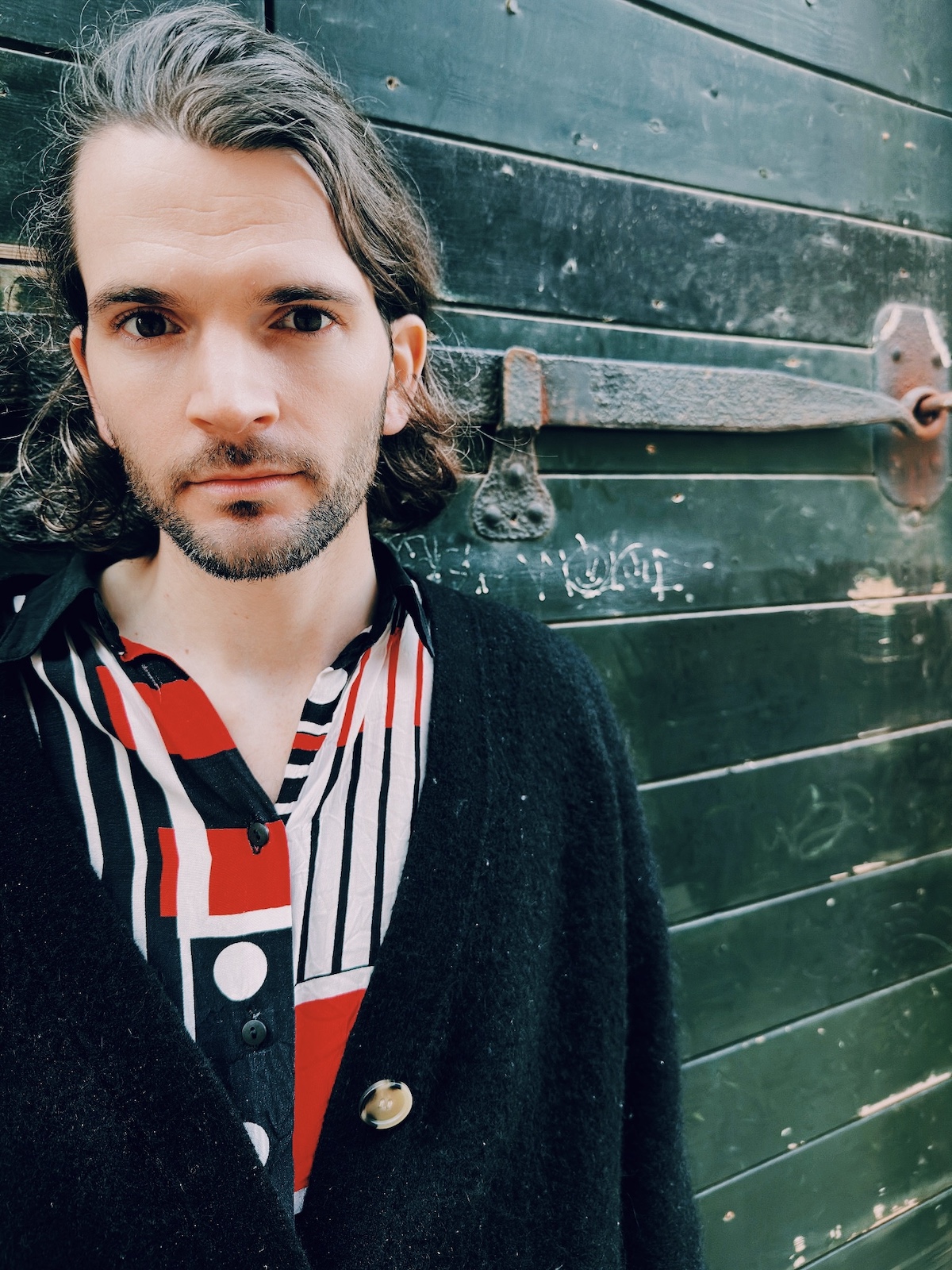
Do you see Harry Hudson Taylor as a new artistic chapter or a return to your truest self?
Harry Hudson Taylor: Honestly, it’s both. It’s new in the sense that I’ve never released anything like “Dear You, It’s Me” before. But it’s also a return – like circling back to the voice that was underneath everything all along. It’s more vulnerable to use your given name. More rooted, more honest. And strangely, that feels like home.
Congratulations on the release of “Dear You, It’s Me.” The song feels incredibly intimate and raw. What compelled you to share something that began as a private journal entry?
Harry Hudson Taylor: It came out of nowhere. I was working in a café in Berlin – my first proper job after 12 years of Hudson Taylor – and during my break, I just started writing in my journal. I’d been listening to loads of hip-hop on the cafe playlist that day, and the 80 – 100BPM rhythms got under my skin. I wrote the piece in that rhythm and recorded it straight away when I got home that evening. It felt like a download. I could have polished it, tightened it, made it hookier – but something told me to leave it exactly as it came out. I needed to hear the words.
How did the piece evolve from a diary entry to a spoken-word track with visual storytelling?
Harry Hudson Taylor: It started with a journal entry, turned into a voice note with a meter. Then I went home, recorded a clean vocal take, and just followed the instinct to build around it. I heard a bodhrán rhythm in my head and initially found a loop on YouTube to use, and eventually I asked Dermie Sheedy from Hermitage Green to record a proper pass. From there, I just built textures around it – like painting a little world the words could live in. The video came even later, spontaneously, thanks to my friend Shawn Fitzgerald Ahern. He had a rare free day and we squeezed in a six-hour slot of filming a journey from my apartment to my favourite park in Berlin, Viktoria Park. It all happened fast, but felt aligned.
Why did you choose to keep it in spoken word form rather than shaping it into a melody, especially as someone known for strong melodic instincts?
Harry Hudson Taylor: It just didn’t want to be a song. It wanted to be said. I write melodies all the time, but this one – I don’t know – it felt like it would lose something if I tried to fit it into verse-chorus-verse. It was a stream of consciousness, and I didn’t want to interrupt that with too much structure. It felt more true to let it be what it was. There is a little bit of a refrain which is sung. When I have played the piece live, I have gotten a bit of a sing along going on that static “dear you, it’s me here to remind you what you already know.”
Spoken word feels like a vulnerable act - not quite singing, not quite poetry. How did it feel to stand in that in-between space creatively?
Harry Hudson Taylor: Yeah, it was definitely vulnerable. Spoken word doesn’t let you hide behind melody or harmony. You’re just out there – your voice, your breath, your pauses. It’s very exposed. But that was also the point. It was less about performance and more about presence. I had to let go of sounding “good” and focus on sounding real.
What was your process for translating a personal emotional space into something cinematic and shareable?
Harry Hudson Taylor: For me, the process wasn’t about making something cinematic in the traditional sense – it was more about creating something that spoke directly to the frightened, reactive parts of myself. I was trying to address my ego, that internal chatter, from a place of stillness and awareness. So rather than telling a story outwardly, I was holding a mirror inward. I wanted to be the Inner Loving Parent to my “inner children.” In that way, the “cinematic” quality came from showing the richness and depth of that inner space and the vastness of awareness that exists beneath all the noise. I didn’t want to dress it up too much or distract from that. The ambient textures, the pace, the breath – they were all there to support that sense of presence. Hopefully, it invites the listener into their own inner landscape, too.
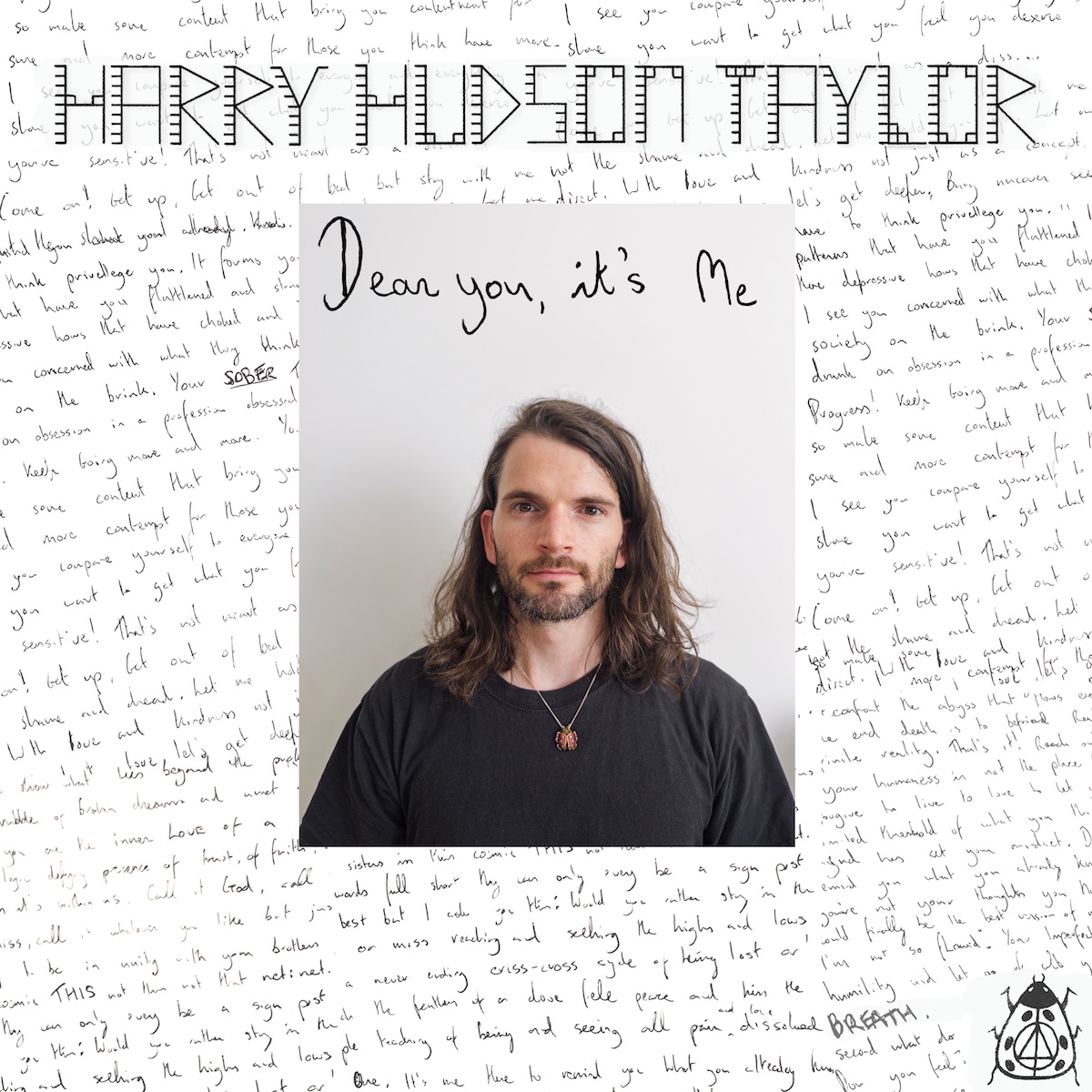
The artwork incorporates the handwritten journal text. Why was it important to visually link the final piece to its origin?
Harry Hudson Taylor: Because that’s where it started. That journal entry is the song. I wanted people to see that – that these weren’t lyrics I sat down to craft, they were something I wrote to myself, unfiltered. It made sense to let the handwriting be part of the artwork. It’s a way of saying, “This is real. This is from the actual page.”
The short film ends in a quiet embrace. How did you direct or develop that visual metaphor, and what does it personally symbolize for you?
Harry Hudson Taylor: That moment just happened. Wayne, the man in the video, lives near Viktoria Par,k where we filmed. I asked him if he’d be up for being in it, and he said yes. That final hug – that was everything. To me, it represents mentorship, support, and recovery. I’ve had people like that in my life – sponsors, guides, brothers. That safe energy. The hug didn’t need words. It said what the whole video was about.
You described this as something you “needed to hear.” What part of the message feels most important to you now, looking back?
Harry Hudson Taylor: That I’m allowed to be where I am. That I don’t need to know everything. That healing isn’t linear. That I can forgive myself. I think we all need to hear that from time to time. We’re so good at being hard on ourselves. This was a way of softening that voice inside.
You’re blending folk roots with ambient textures and now spoken word. Do you feel like genre matters anymore, or are you more interested in emotional texture than musical category?
Harry Hudson Taylor: Genre feels less and less relevant to me now. I’m chasing emotional truth. If a song needs to be ambient, or acoustic, or spoken, or filled with silence. I’m not as interested in fitting into a box anymore. I’m interested in how something feels.
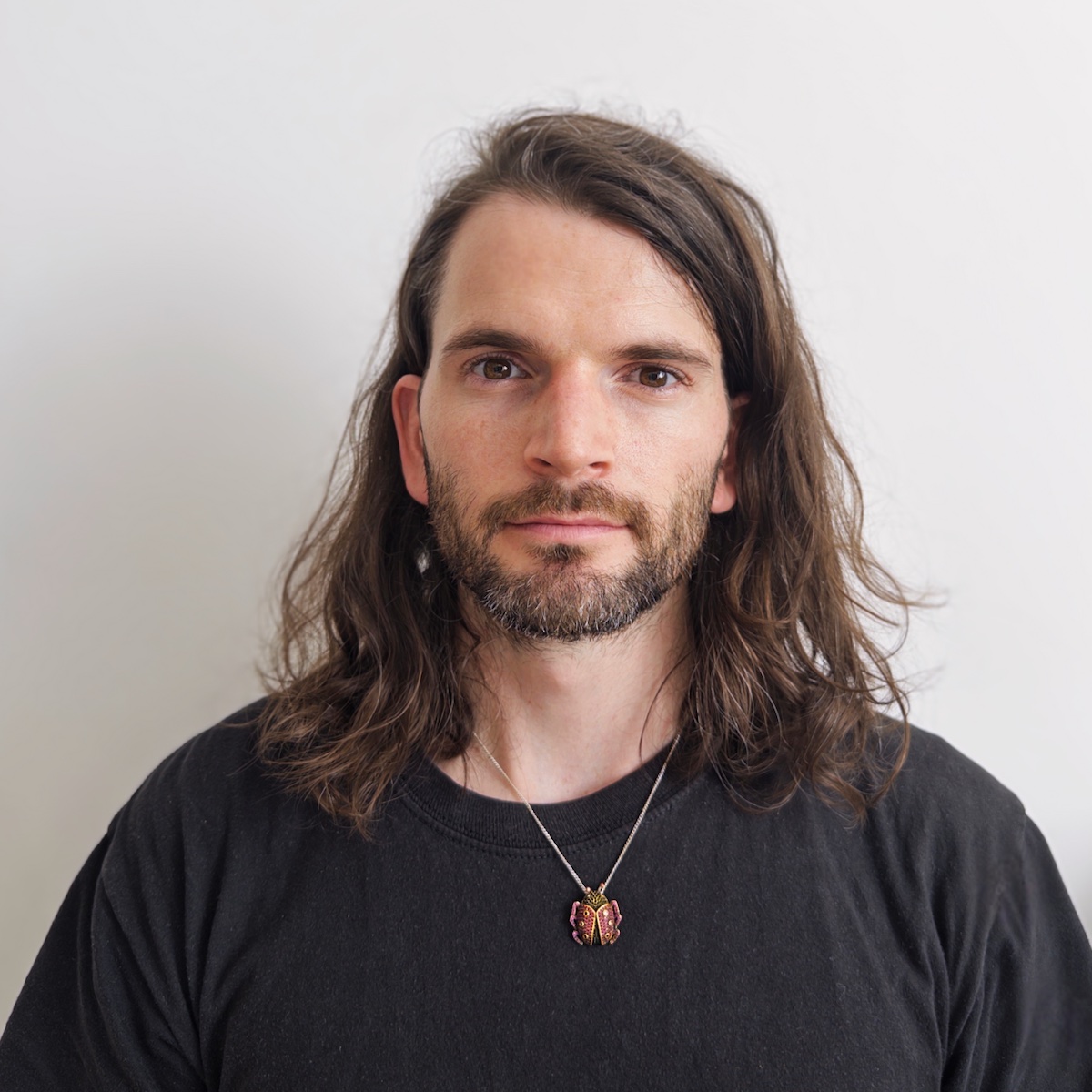
In a time when so much music competes for attention, you’ve created something quiet and reflective. Was that intentional?
Harry Hudson Taylor: Yeah. I think there’s power in the quiet. We’re so surrounded by noise – music, media, news, opinions – and sometimes the most radical thing is to whisper instead of shout. This wasn’t about trying to stand out. It was about being still and offering a space people could step into if they wanted to.
Now that you’re based in Berlin, how has the city influenced your sound, your writing, or your sense of self?
Harry Hudson Taylor: Berlin gave me permission to slow down and experiment. It doesn’t care who you are or what you’ve done before. I started doing open mics again, just to get things moving, to try out new songs constantly. That helped me reconnect with songwriting in a raw way. The city’s also a bit anonymous, which let me go inward and get honest.
What has the transition from Hudson Taylor to solo artist under your own name taught you about storytelling and identity?
Harry Hudson Taylor: It’s taught me that your story keeps changing. And that’s okay. With Hudson Taylor, I was one half of a harmony brotherly duo. With Lady Bird Lad, I was experimenting with distance and disguise. Now, under my own name, I’m learning to tell the truth in a new way. It’s more exposed, but also more whole. Also, in these years I’ve explored all sorts of different spiritual practices that have been about working to entirely let go of identity and returning to Source consciousness. In that space, the story of Harry and my identity are just pebbles dropped on the ocean.

Now that you’ve put something so intimate into the world, what kind of response or dialogue do you hope it sparks with listeners?
Harry Hudson Taylor: I hope people feel seen. I hope they hear something they’ve felt but maybe haven’t said out loud. And I’d love it if it invites them to reflect – on their own story, their own healing, their own voice. And to realise I am saying all the words in this piece but all I really did was put myself in a seat and let them come through., I want more conversations about what this whole human experience is all about.
Looking ahead, how do you want your music to hold space for listeners, whether through lyrics, silence, or sound?
Harry Hudson Taylor: I want it to feel like a pause. Like a breath. A reminder. Whether it’s through lyrics, music, melodies or silence or rawness. I want it to feel like a place you can rest in… Somewhere real. Remembering our shared humanity.
— —
Disclosure: The writer of this piece also serves as the artist’s publicist. All opinions are their own, and this feature was written with the intention of celebrating and supporting the music.
— —
:: stream/purchase Dear You, It’s Me here ::
:: connect with Harry Hudson Taylor here ::
— —
“Dear You, It’s Me” – Harry Hudson Taylor
— — — —
Connect to Harry Hudson Taylor on
Facebook, 𝕏, TikTok, Instagram
Discover new music on Atwood Magazine
© courtesy of the artist
 © courtesy of the artist
:: Stream Harry Hudson Taylor ::