Nashville’s Will Paquin unpacks his long-awaited debut album ‘Hahaha,’ a record born from revisiting the past, self-discovery, and committing wholeheartedly to music as a profession.
Stream: ‘Hahaha’ – Will Paquin
It’s almost hard to believe that Nashville based singer/songwriter Will Paquin is just now releasing his debut album, Hahaha –
– especially considering how beloved and successful his discography already is, with the few songs he had released before this record.
“Chandelier” was an immediate hit, gathering millions of streams and views on TikTok after Paquin posted a clip of the song on a whim back in 2020. While Hahaha is certainly a sonic departure from Paquin’s musical inception, he remains committed to putting out music that feels authentic to his expression, this record diving into the realms of garage-rock and a more light-hearted tone. Paquin recently sat down with Atwood Magazine discussing everything from his abrupt entry back into music to the journey that led him to Hahaha.

One of Paquin’s main aims in making the new record was to build something that was undeniably fun to play and experience live. “That’s why I wrote the whole album pretty much, to play to a live audience… some of my [old] songs I wrote at sad times… there’s a place for, you know, like, for playing soft music and really connecting with people on a personal level through lyricism… But I’m just not in that place right now.”
From tracks like “I Work So Hard” to “Orangotan,” the intent is immediately clear when first listening to Hahaha. While Paquin’s past discography feels more pensive and has an air of melancholy, the majority of the tracks on the new record have a charming mix of equal parts grunge, punk, and more traditional conventions of indie rock music. Paquin didn’t only create the songs to be performed for a live audience, but actually crafted some of them on his past tour while on stage.
“We went on tour in Europe in May, and we tested the songs out and they hadn’t been released yet; people really like them. It was really affirming that we’re on the right track in terms of playing a show that uplifts people.”
Since Paquin’s career and fanbase amassed thanks to tracks like “Chandelier” and “Satalitte,” songs that aren’t necessarily slowpaced but certainly more serious in tone, it was difficult for Paquin to allow himself to release that tracks that don’t feel as dramatized. “Some of these songs are just goofy, like ‘Orangutan’… I was just having fun. And the old me would have analyzed it and been like, ‘Oh, this is too goofy. I [can’t] release this,’ but I don’t know, it seems like those are the ones people like the best, too.”
Something that’s working in Paquin’s favor in terms of unabashed expression is the fact that he remains to be an independent artist to this day.
“I really try not to let any sort of external pressure sway the direction of the music… I don’t really have anyone telling me what to make.” Not only is Paquin able to release anything that feels authentic to him at the moment, but he also is dedicated to making dramatic shifts in tone from release to release. “I feel like that’s been adamant throughout… I’m changing every time I release something, for better or for worse, but that’s just how I function. This album sounds a lot different from anything else I’ve ever done… the EP I released before, it was totally different from anything else… the EP before that was totally different, and then all the singles are all different. So I feel like people who listen to me are used to it by now.” With pressure often flying at artists from all different directions to ‘stick with what works’ and approach artistry with a ‘if it ain’t broke don’t fix it’ mindset, Paquin’s fans remain engaged with what he’s putting out, perhaps because of that very commitment to authenticity that he brings to his music.
The road to Hahaha wasn’t as easy as one might imagine. While the release of “Chandelier” suddenly put a spotlight on Paquin, it wasn’t all smooth sailing from that moment on. “It almost felt like that it brought so much destruction to my life that I almost resented it… parts of me resent that song still for the way my life kind of blew up… I took it very hard, honestly.”
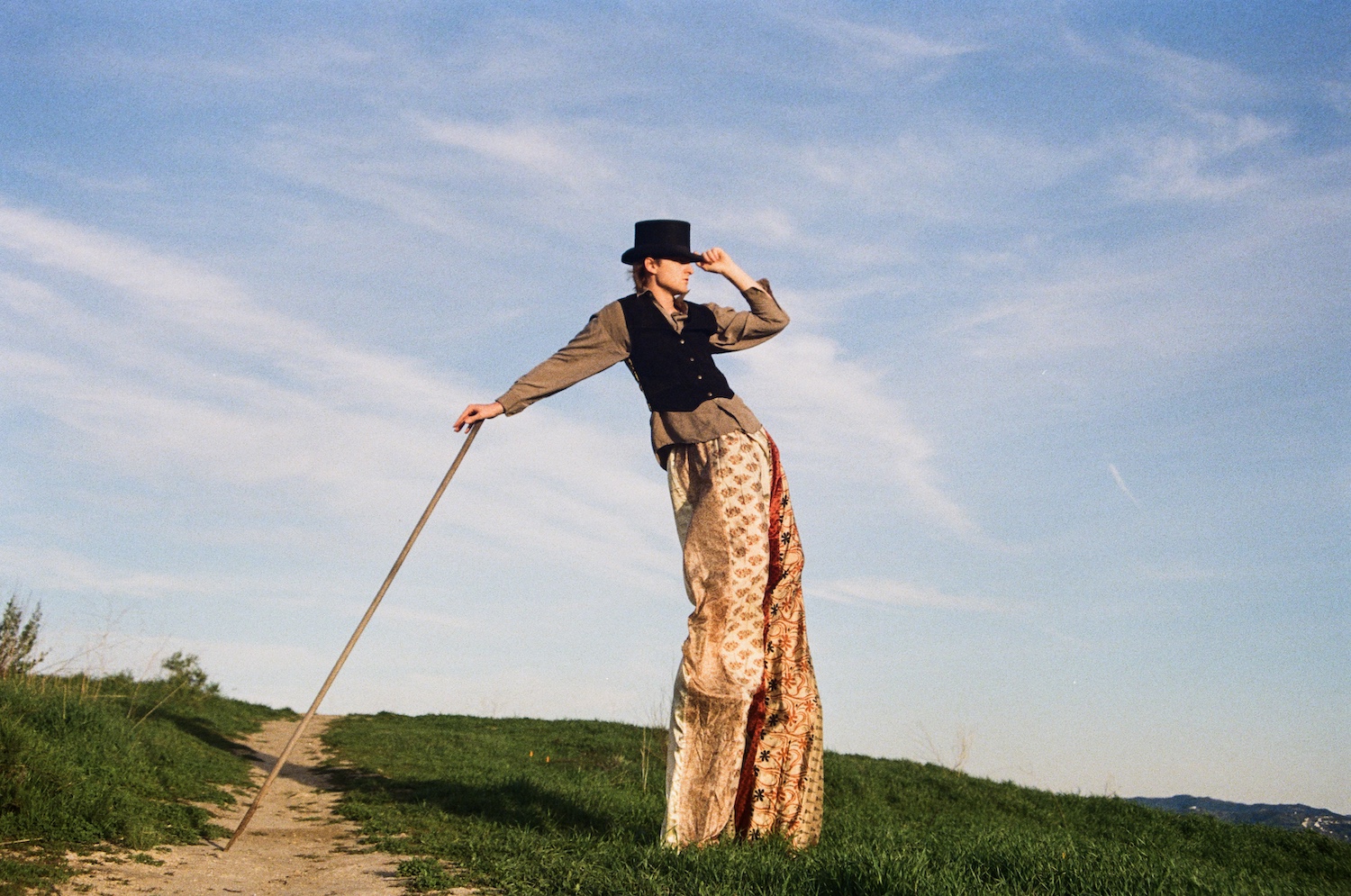
Paquin put “Chandelier” out into the world in the midst of the pandemic while he was still in college, and while masses of people resonated with the track, whether it be for its lyrical content or indisputably catchy and unique sonics, it brought about a whole slew of troubles for Paquin.
“It was a rare moment where I wrote it and immediately knew that that song was going to be really big… Well, it actually got way bigger than I ever planned. I was thinking, like, being really successful, it would be like getting a million [streams]… and now it’s like hundreds of millions, which is insane.”
Despite the rocky road to Hahaha, Paquin is now at a place where he feels more confident in the music he’s putting out and has more of a concrete team around him to help fully realize his vision for a project. Paquin worked with his childhood best friend, William Levin, to produce the album. “He’s been my friend my whole life… he knew all my songs from back then back in middle school.” Having someone that knew Paquin as well as Levin did acted as a catalyst for the record, Levin pushing Paquin to lean even further into the music they were creating together as children.
“I finished writing [“I Work So Hard”] that morning. We just recorded it that day, and we just got it out super quick, which is kind of funny. It took, like, I don’t know how many years, twelve years or something to finish it, but it took, like, one morning to [actually] finish it.” Creating the record alongside Levin only helps to strengthen the youthful playfulness of garage-rock sound that is spread across the tracks. “I played in his band for a long time, back in, like, even elementary school. We’ve been friends since kindergarten.” The fact that they “fizzled out in high school and college and kind of just gave up on the dream,” only to reconnect to create Hahaha, serves to bring a deeper meaning to a record that Paquin created with the simple intention of having fun on stage while performing.
With Hahaha finally out, at the heart of the record, Paquin said, “It’s like it was like an attempt to reclaim my own, like the artistry that I saw in myself when I was 13… 10 years go by and you kind of lose that view of yourself.” He admittedly says how crafting older songs was a laborious process, whereas the creation of this album felt much more natural and true to Paquin’s long-term aims for his career as a musician: “It wasn’t painful at all, and usually making songs for me is painful… But this felt easier because it was more intrinsic, like I just wanted to do it.”
Paquin is dedicated to imbuing his tracks with this new creative axis that the new record provides, allowing him to still perform those songs while remaining honest in his expression: “We’ve also been kind of like reshaping my old songs to be more like my new songs and that’s been like really cathartic, honestly.”
Like many artists who grow and change with their music, Paquin still holds a special sentimental feeling for his previous work while acknowledging that Hahaha is where he’s meant to sonically be in this moment. “A lot of the past songs, I still like them and I’ll still listen to them, but… [I was] still kind of in that limbo of like, what am I, even? Am I gonna just be a musician now?… I feel like this is almost my debut. I feel like I’m kind of setting the starting point at and the previous songs we’re testing grounds.”
Whether it be because he leaned back into the music he was making as a young teen or just the sheer joy of performing these songs live, Paquin is at his most earnest as genuine self with Hahaha.
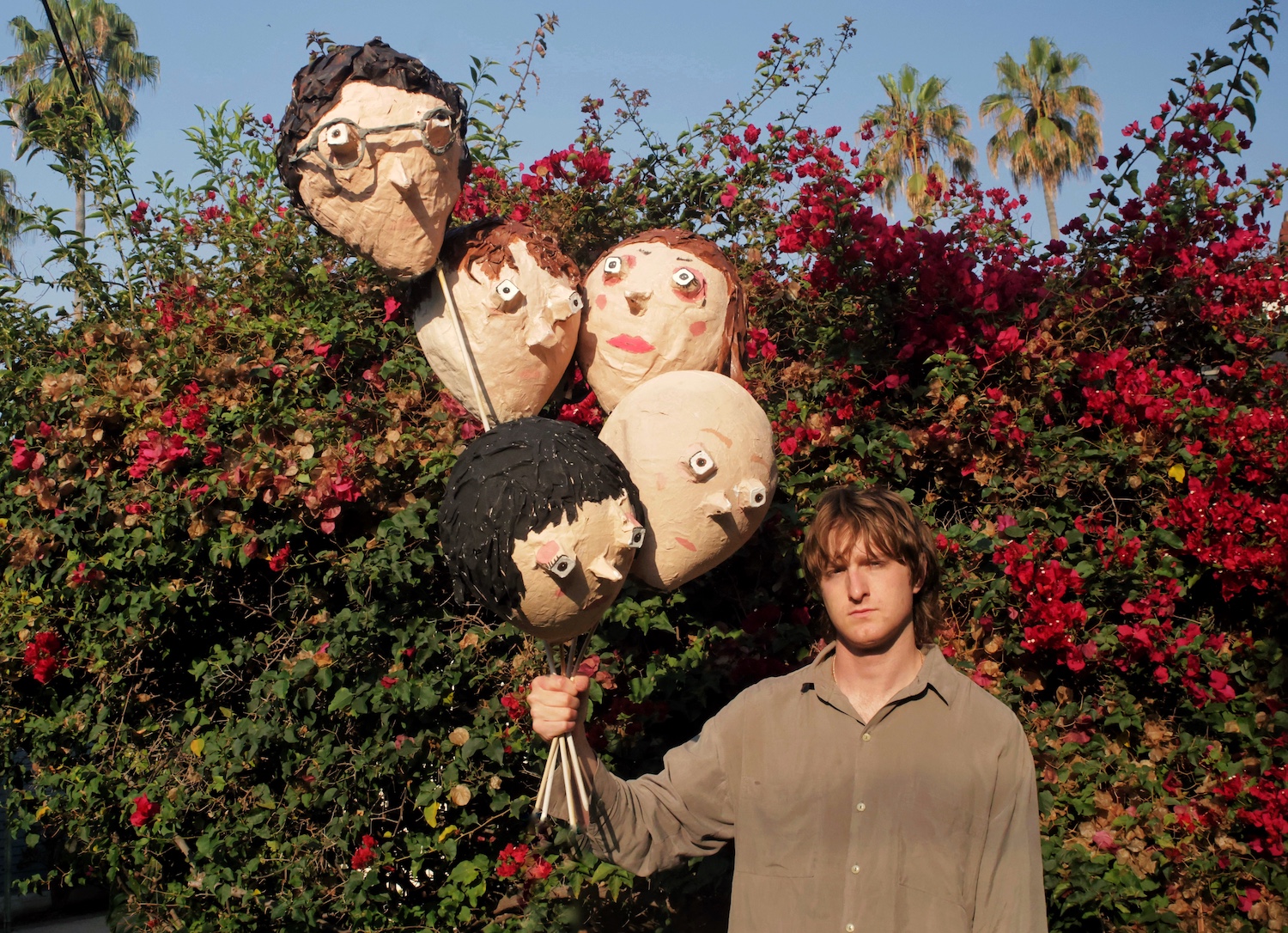
Since releasing the album, Paquin finally feels confident in planting his flag within the music industry.
The record is the culmination of years spent trying to figure out who he was, what he wanted his sound to be, and what his truest artistry looked like. “This opportunity came in 2020 to make [music] my entire career… It was really confusing, honestly, and it was really awesome, but it actually brought a lot of confusion and pain almost to figure out whether I want to reopen this dream that I’d already killed… that’s why it took so long to make an album, honestly, because three of those years I was just, like, having to convince myself to do this and to reconvince myself to be a musician.”
Needless to say, Will Paquin’s fans are undoubtedly grateful that he made the leap back into the profession.
— —
:: stream/purchase Hahaha here ::
:: connect with Will Paquin here ::
— —
“We Really Done It This Time” – Will Paquin
— — — —

Connect to Will Paquin on
Facebook, TikTok, Instagram
Discover new music on Atwood Magazine
© Gabriella Mulisano
 © Gabriella Mulisano
Hahaha
an album by Will Paquin