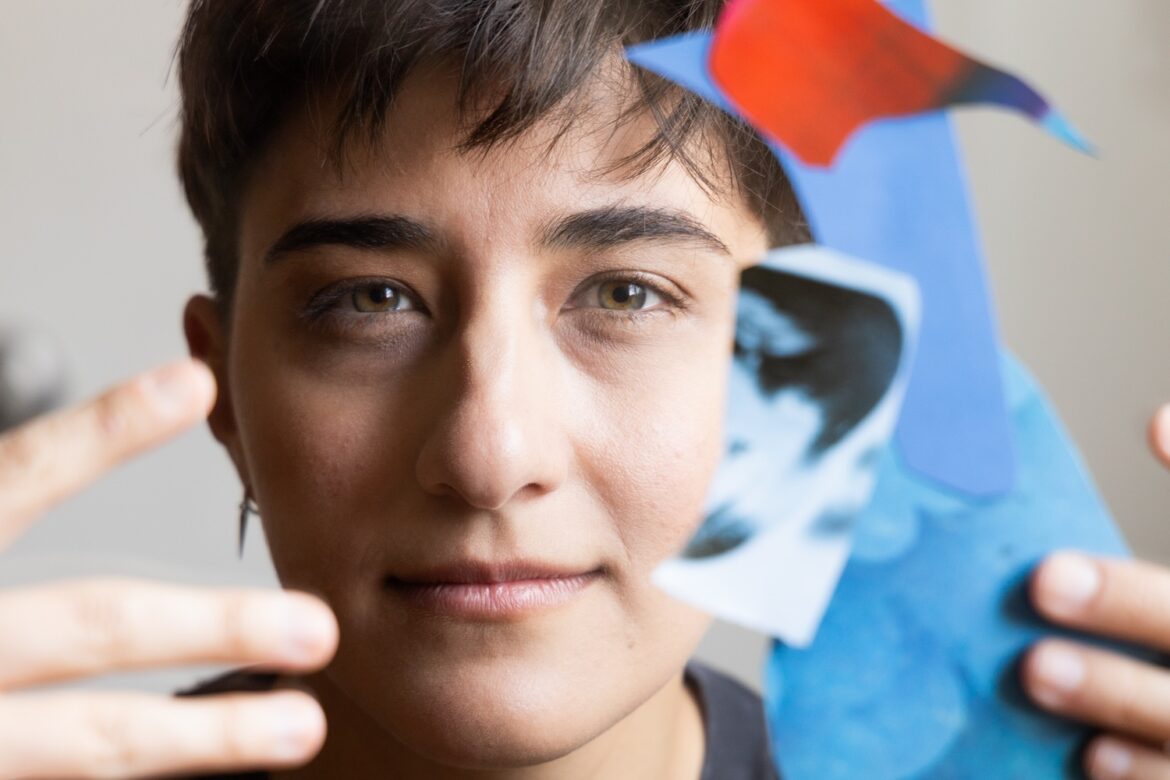
Electronic producer Reifier opens up about dreams, queer identity, and creative freedom on her immersive debut EP ‘The Unfolding.’
Stream: ‘The Unfolding’ – Reifier
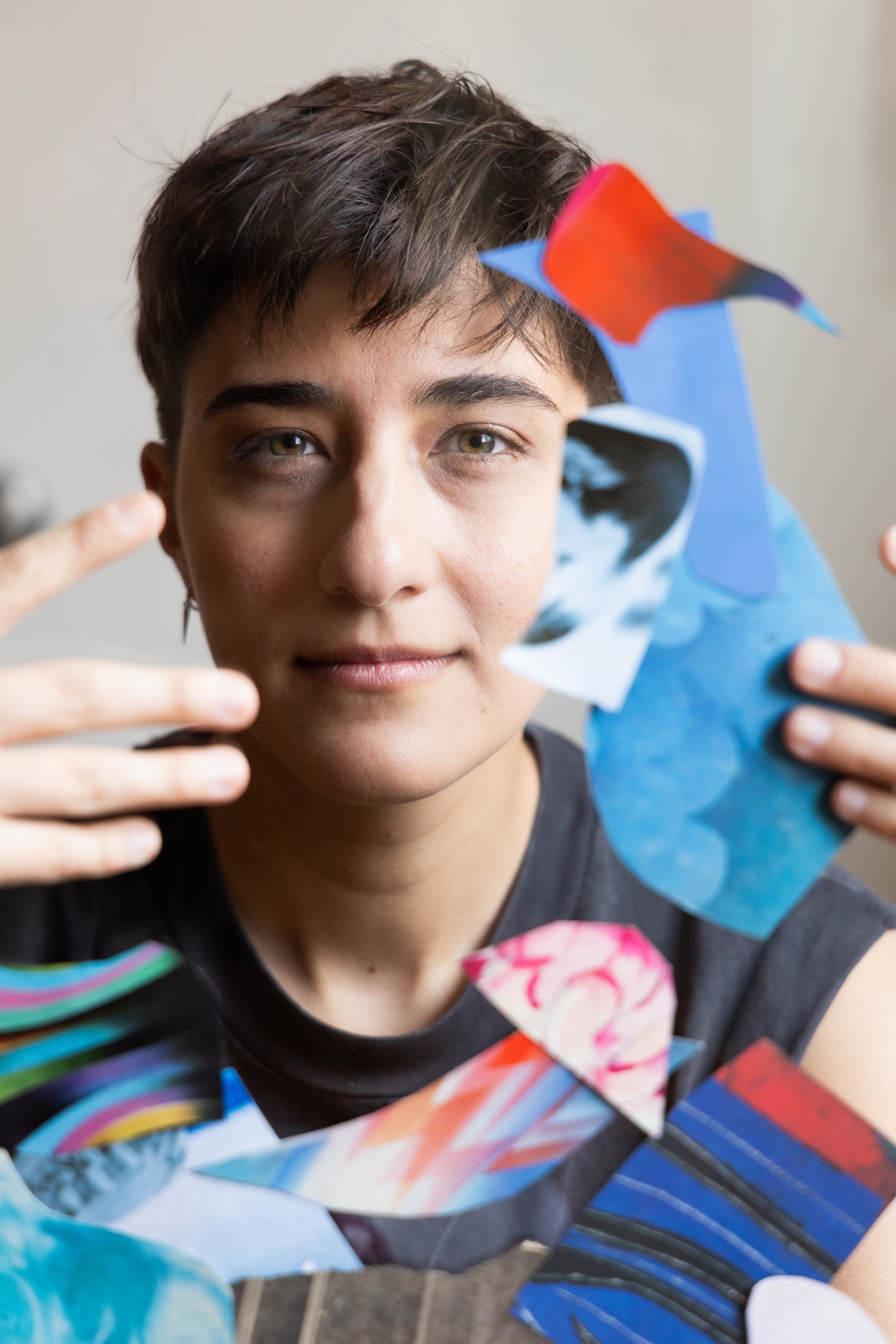
Electronic producer and multidisciplinary artist Reifier is no stranger to storytelling through sound.
Raised in an artistic family in Mexico and now working between Mexico City and London, the composer, producer, and vocalist – also known as Daniela Mandoki – has spent years crafting music across theatre, performance, and collaborative projects. But with her debut EP The Unfolding, she steps fully into her own sonic world. Created over eighteen months, the six-track project traces a deeply personal journey through identity, transformation, and the surreal landscapes of dreams. Blending immersive electronic textures with narrative composition and experimental sound design, The Unfolding moves fluidly between the intimate and the otherworldly, capturing the many selves we inhabit in both waking life and sleep.
In conversation with Atwood Magazine, Reifier reflects on creative freedom, queer identity, theatrical storytelling, and the dreamlike process of building her first entirely self-authored body of work.
— —
:: stream/purchase The Unfolding here ::
:: connect with Reifier here ::
— —

A CONVERSATION WITH REIFIER
Atwood Magazine: The Unfolding was created over eighteen months and feels deeply companionable, almost like a living archive of a specific period in your life. At what point did you realize these tracks belonged together as one body of work?
Reifier: As this is my first solo album, I decided that The Unfolding would be exactly that: an unfolding of my life over a specific period of time – something that would accompany me while also narrating what was happening in my life. Previously, with my bands, I worked on conceptual albums built around a predetermined idea, and that was an experience I really enjoyed as well. However, this time I wanted the process to be freer and to reflect the highs and lows of a year in my life, so from the very beginning I knew these tracks belonged together as one album.
You’ve spoken about your fascination with the oneiric world and the “many lives we live within our dreams.” How do you translate something as fluid and intangible as dreaming into sound and structure?
Reifier: It’s interesting that the songs in which I speak about dreams were, from the very beginning, created in a freer way. For example, Dreamscape was born from an improvisation without a metronome, and once I wanted to give it structure, finding the time signature became a challenge. To this day, I count it in 11/4. I think that this same sense of freedom showed me the path to follow. It was through that process that I immersed myself in the oneiric world and decided to use sounds that are not usually found in songs to emphasize this sense of unreality. This led me to experiment with paper, tearing it, flipping through books, crumpling sheets, all to create an atmosphere that felt different and gave the listener the sensation of being inside a dream. The structure of the song also reflects what happens in dreams. The B section is very different from the A section, so much so that at first it can feel like a sudden jump, because you would not imagine arriving there. That is often how dreams work. You move through different scenes without knowing how you got there.
The EP moves between highly surreal soundscapes and more intimate, grounded moments. Was that contrast something you consciously designed, or did it emerge naturally through the writing process?
Reifier: I think most of the songs came together in a similar way to what happened with Dreamscape, where the initial musical idea pointed me toward where to go next. In the past, I usually started with melody and lyrics, but during the creation of The Unfolding, part of the exploration was beginning with the music itself and then discovering what that sound was trying to express in words. I tried to stay very faithful to that process and to follow wherever the music was leading me.
As your first entirely self-authored project, The Unfolding feels both vulnerable and self-assured. What did it mean to take full creative control over every element of this release?
Reifier: Overall, the experience was incredible because I was coming from spending seven years in a band. While that time was deeply enriching, it often involved negotiating many aspects of arrangement and production. This time, every element belonged to me, and I could fully play with the process, from creating instruments out of sounds like water or fire to the more technical side, such as mixing. Of course, there were also moments when I felt like I was in dialogue with my own demons, and times when I was so immersed in the material that I could no longer see it objectively. Fortunately, I have many musician friends whom I trust and could turn to for feedback. That is also why Eduardo Domínguez handled the final mix revisions and mastering, to bring an external and objective perspective to the project.
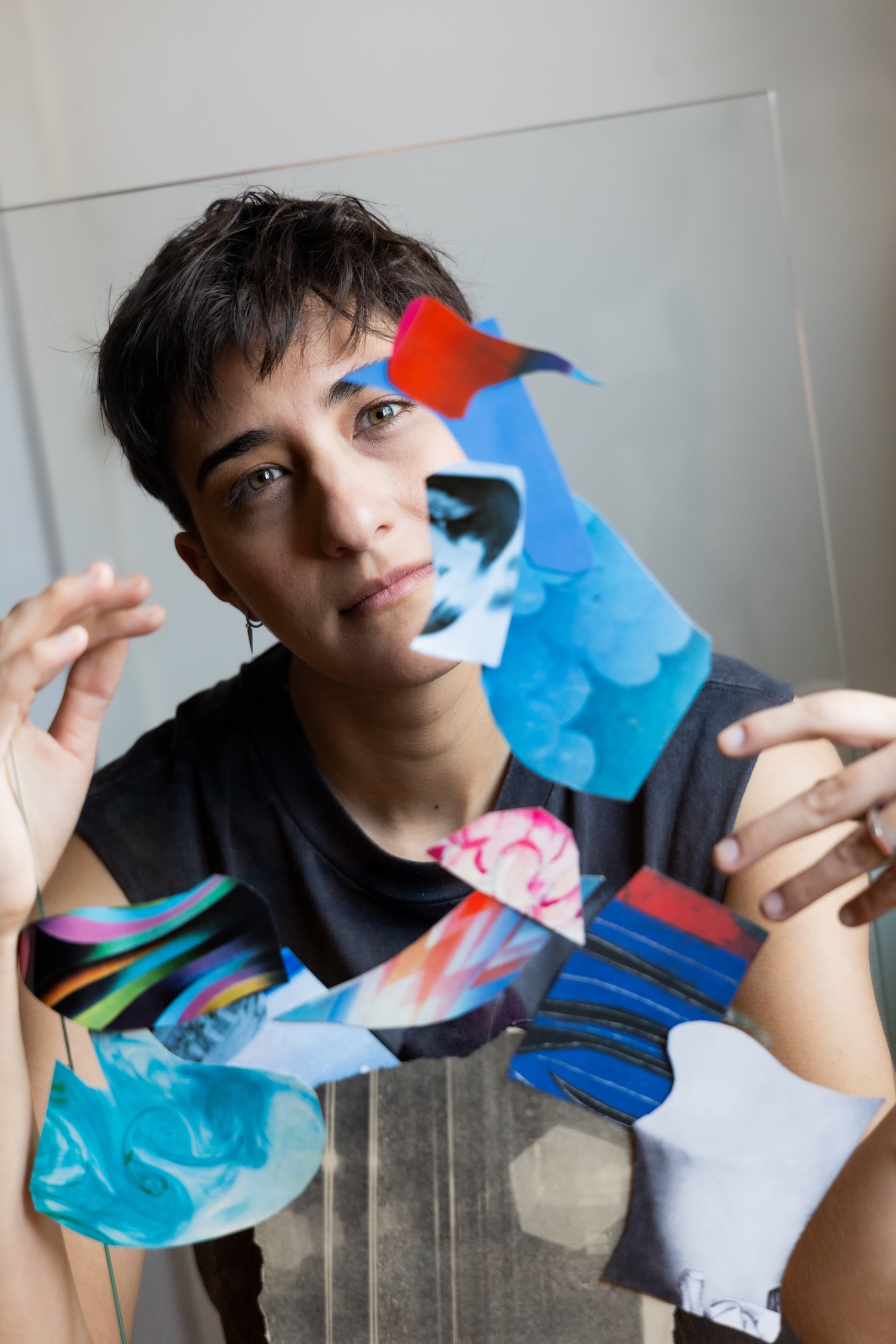
Identity – particularly queer identity – sits at the emotional core of the EP. How did making this record help you articulate or better understand who you are, both in waking life and in those nocturnal selves you explore?
Reifier: I think it really helped me understand myself better, not only through the process of making the record, but also through performing it live. For example, I began sharing with audiences during concerts that The Unfolding is a song about my experience of realizing that I like women, and hearing people cheer in support or because they felt identified was incredibly powerful. Over the past year, I’ve also leaned into being non-binary and toward a more masculine gender expression. What I found both interesting and beautiful is that my sound and my music move through all of these transformations with me. Yet when I listen back, it always feels like me, no matter how many changes happen both internally and externally.
“Invertia” stands out sonically, especially through its use of cello and processed Gochipand. What drew you to those textures, and how did collaboration shape that track’s emotional weight?
Reifier: I think everything started when I bought the Gochipand, since I’m always drawn to discovering new sounds that can serve as inspiration and lead me to new sonic territories. When I created the Gochipand solo for the bridge, I really liked the contrast between that raw, acoustic sound and the rest of the track, which is more electronic, and I wanted to emphasize it even more. At the same time, I had begun producing the album of the incredible cellist Belén Ruíz, and when I heard the textures she was creating with her instrument, I knew it was the missing element in the song. Working with her was an amazing experience, and it felt especially meaningful that the opening track of the EP included collaboration.
Your background in theatre composition gives your music a cinematic, narrative quality. Do you approach tracks as scenes or emotional arcs rather than traditional songs?
Reifier: Yes, I do think there is something like that, although it’s not entirely conscious. I started working in theatre and music at the same time, so I believe it’s a language that is deeply rooted in me. Many people have even commented that my way of singing feels very theatrical. I also think I always try to let the music be the main narrator, even before the words. That’s why I like using elements such as paper, water, and fire to create atmospheres that immerse the listener in the circumstances each song is trying to convey.
You work between Mexico City and London – two places with very different musical and cultural energies. How does moving between those worlds influence your creative process?
Reifier: Mexico and its culture are deeply rooted in me, and their strongest influence is reflected in my lyrics. Spanish lyrics tend to narrate images that transport you to other places, and that is something I also try to achieve in my own writing. London also had a strong influence on the journey of The Unfolding, because I went from composing in a city where everything felt familiar to one where everything was new. That shift brought a wide range of emotions, from excitement to loneliness. I think migrating to other places allows you to discover different parts of yourself. Overall, it has been a powerful experience, especially in realizing how music is a universal language and how you can connect with audiences as different as those in London and in Mexico.
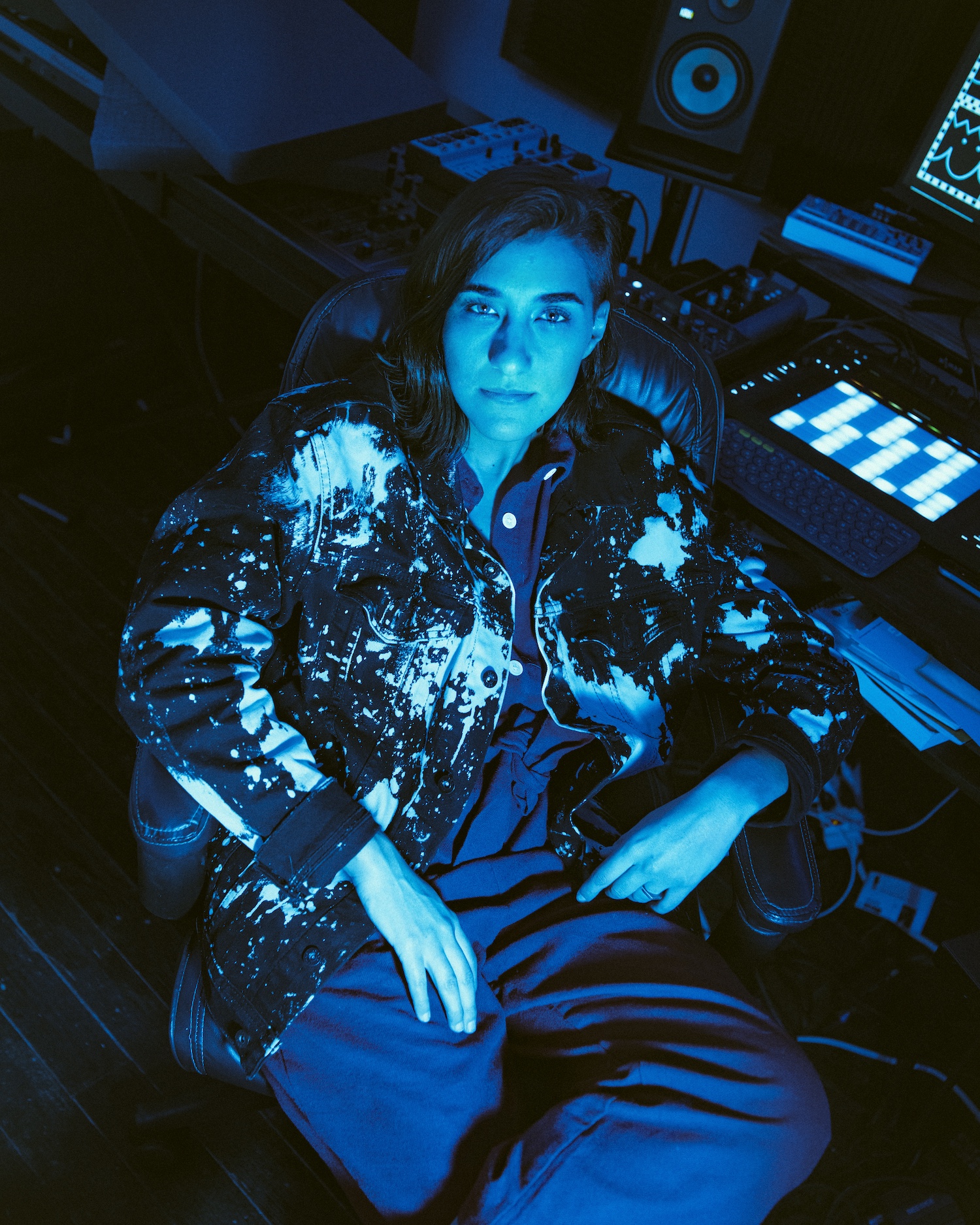
Alongside your solo work, you co-run a studio prioritising safe, collaborative spaces for women and LGBTQI+ artists. How does that ethos feed back into your own practice as Reifier?
Reifier: Producing is one of the things I enjoy the most, and working with different artists across a wide range of musical genres keeps me from staying only within what’s familiar. It pushes me to expand my horizons and not be afraid to bring elements from other genres into my work as Reifier. In the past, I produced most of my songs entirely in the box, but I do feel that going to a studio every day and having access to microphones and instruments to explore is starting to transform my sound. I’m really excited to see where this leads me in the next chapter of Reifier’s music.
When listeners experience The Unfolding for the first time, what do you hope they feel – or recognize – about themselves by the end?
Reifier: The art I enjoy the most is the kind that invites me to arrive at my own interpretations and reflections. Because of that, I hope listeners can immerse themselves in the songs and, from there, imagine their own stories. Ideally, I would love for the record to become a companion for each person who listens to it, even if that companionship takes a different shape for everyone.
* * *
* * *
With The Unfolding, Reifier doesn’t simply introduce herself as a solo artist – she invites listeners into a living, breathing sonic landscape shaped by dreams, transformation, and emotional honesty. The EP captures a moment of personal and creative evolution, where experimental textures and narrative composition merge into something both intimate and expansive.
As Reifier continues to build her practice between Mexico City and London – bridging theatre, sound design, and electronic music – The Unfolding feels less like a conclusion and more like the beginning of a much larger story still waiting to be told.
— —
:: stream/purchase The Unfolding here ::
:: connect with Reifier here ::
— —
— — — —
Connect to Reifier on Instagram
Discover new music on Atwood Magazine
© Soledad Violeta
 © Soledad Violeta
:: Stream Reifier ::