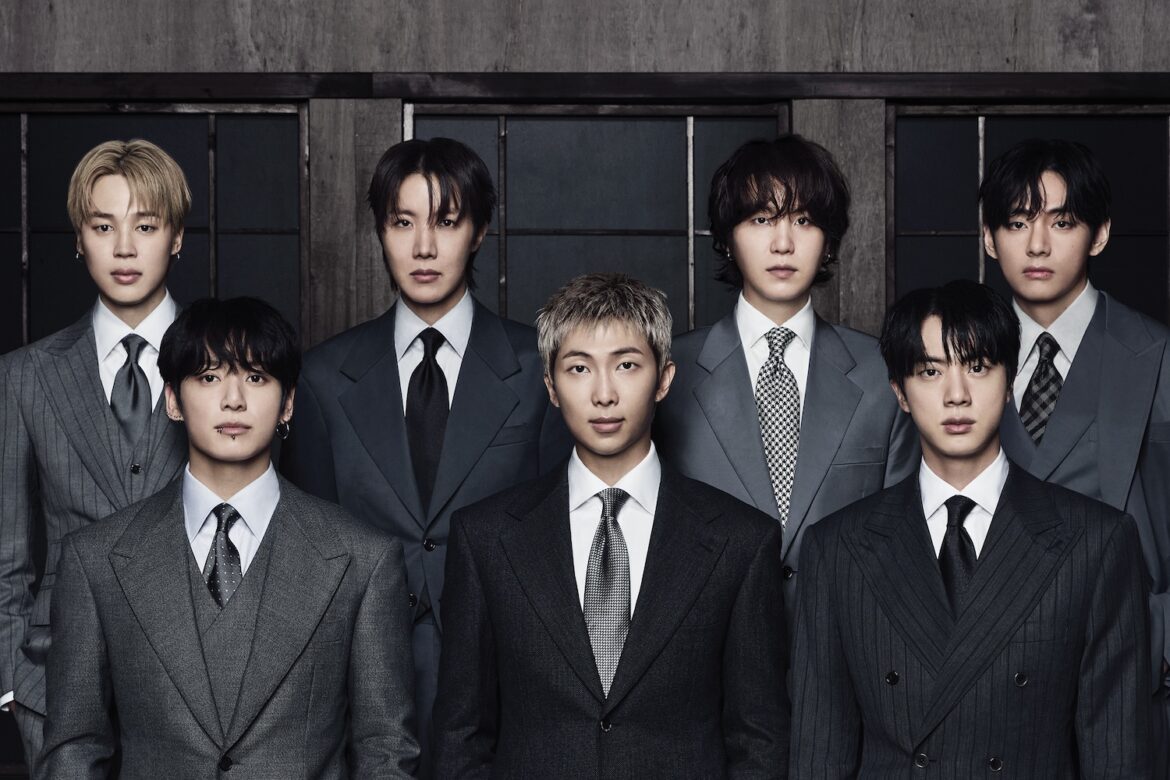
Atwood Magazine’s writers dive into BTS’ fifth studio album ‘ARIRANG,’ an expansive, high-energy comeback that transforms Korean heritage into a bold self-portrait – unpacking the group’s post-military renewal, their celebration of roots and collective identity, and the push-pull between global fame, personal fatigue, and resilience.
Featured here are Atwood writers Dimitra Gurduiala, Jada Moore, Josh Weiner, and Roisin Teeling!

— —
To start, what is your relationship with BTS’ music?
Jada: We have this saying amongst fans that “BTS’ music finds you when you need it most,” and it is one statement I agree with as well. Although it seems like just yesterday when I first listened to my very first BTS album, next month will make eight years of being a fan of BTS’ music.
Roisin: BTS was in my household before I even knew who they were. I remember coming home in the car after a long day of early morning revision and some kind of sport after school with a packed schedule you can only keep when you’re a spring chicken of 15. My sister would always play music and I was so nosy so I kept asking who was behind each song. Then I started to listen to BTS in my own time and fell in love with their older albums. Discovering the Just One Day dance practice video was mesmerising to me because they used choreography in such a smooth way. I now listen to them when I want a bit of nostalgia and a pick me up.
Dimitra: I first got into BTS back in 2015, right around the release of the “Dope” music video. I was immediately hooked and spent a long time deeply invested in their music and growth, watching streams on VLive, and so on. Over the years I naturally drifted toward other genres and artists, but I’ve always found myself going back to their earlier albums for comfort. They still feel like a safe, familiar place I can return to, sometimes.
Josh: I first discovered BTS in 2020 when their hit song “Dynamite” came out. The goal of the song, according to the group, was to make life more pleasant for people during the doldrums of the COVID-19 pandemic and lockdown. And I gotta say, they sure succeeded! I’ve maintained a positive impression of BTS ever since then and am happy that, six whole years after “Dynamite,” they remain a popular and successful band that’s still putting out well-received music.
What are your initial impressions and reactions to ARIRANG?
Jada: I absolutely loved it – and I thought to myself “BTS is back, and better than ever!” I listened from start to finish once the album dropped, and I felt a wide range of emotions but mostly just pure elation and thrill at the tone being set by the group.
Roisin: As someone who loves BTS’ older work, I always find myself measuring their new albums against the comfort of their earlier songs. Hearing their voices together again was a joy, but on first listen nothing quite jumped out at me. The songs felt a little generic although that might say more about how spoiled I’ve been by their earlier music than this album itself. I did enjoy how ARIRANG felt like a tribute back to the group’s first rap songs and I could feel a blistering energy from them.
Dimitra: I’ll admit I was a bit hesitant, at first. The first few days following the release, online reactions were quite negative, and on my initial listen the album didn’t fully click with me either, aside from a few standout tracks like “they don’t know ’bout us.” However, it slowly started to grow on me, I began to appreciate it more especially since I recognized some of the parallels with Dark & Wild, especially in its attitude and sonic direction.
Josh: It sure seems like an entertaining and energetic listening experience to me! I guess I’ll have to dig a little more deeply into the lyrics to achieve a more in-depth analysis of the album. But did it succeed in its fundamental goal of getting my foot tapping? Absolutely.
How does this album compare to 2020’s Be – what are the most striking similarities or differences?
Jada: BE was like an intimate love letter to fans, seeking to express the joys and sorrows of the pandemic, while comforting fans as well. However ARIRANG, is the seed of revival stamped with confidence and maturity. If I were to compare ARIRANG to a previous album from their discography, it would be “Dark and Wild.”
Roisin: BE felt more meaningful. Perhaps because it was born out of the loneliness of life in quarantine where the profundity was woven into the mundane, and how those small moments become so much heavier under such circumstances. Coming from such an honest, relatable place, it’s the more loveable album to me. It’s also the kind of record you can tap your foot to with Life Goes On or Stay. ARIRANG is a different beast entirely. I found myself putting on FYA specifically to stay awake on the bus after work, when I had places to be and needed my brain to match. It is definitely more of a hype album in this sense.
Dimitra: I really agree with what Jada said about BE. It felt intimate, almost like a comfort record, something you could return to in quieter moments. ARIRANG is very different: it’s more assertive, more outward-facing, and in some ways more restless.
Josh: I haven’t listened to BE all the way through yet, but I’m getting the sense from the other writers that that record was softer and more intimate, while this one is louder and more party-friendly. In my view, it’s totally fine for an artist to switch tones like that from one record to the next, and I support BTS making such a leap with the release of ARIRANG.
ARIRANG has been characterized as a self-portrait for BTS, encapsulating their identity as a collective of seven musical creatives. Does this description capture the spirit of these songs, and where do you hear or feel it most?
Jada: This is certainly an accurate description, as this album seems to reflect their identities, mindset and life post military service. The members have also been very vocal regarding the album’s overall sound, referring to it as something they’ve wanted to do for a while and state it reflects the true “BTS.”
Although both songs are distinctly different in nature (and genre), both “2.0” and “NORMAL” reflect the tone they’re setting as they return to the world, but also some vulnerability regarding the same world they’re re-entering. I also want to add “they don’t know ‘bout us” and the hidden track “Come Over.” The former an exclamation regarding the bond of BTS and their fans, while “Come Over” another vulnerable and emotional piece that speaks to the overall strength and vulnerability the album encompasses overall.
Roisin: You hear the self-portrait most in the first half, where the hip-hop hits and the energy feels confrontational like they’re grappling with the many different facets of themselves. FYA feels like a statement of intent where the group is reminding itself and everyone else of what they were built on. The nod to FIRE (Burning Up) is a direct, nostalgic callback to the 2016 track that put them on the map and that insane footwork energy is very much still present.
That said, I think the self-portrait is also in the album’s tensions and contradictions. Despite some of the more generic moments and a blurring of individual personalities compared to what I’m used to from BTS, there’s a recurring push and pull between BTS as mythological figures and BTS as seven ordinary people who just want to breathe. “they don’t know ’bout us” captures the idea that the world has built them into something almost superhuman, and how strange and exhausting that must feel from the inside.
Dimitra: I do think that description fits, especially in how the album captures where they are now as artists. You can really feel how much they’ve changed over the years, while still remaining recognizably themselves. There’s a sense of gratitude throughout, but also a kind of fatigue? Especially in “Merry Go Round” and “NORMAL.” They’re artists who have achieved more than they could’ve ever imagined and are now reflecting on the weight of that journey. Thinking about where they were ten years ago compared to now, it’s hard not to feel a bit emotional.
Josh: I guess that the spirit of them being “seven musical creatives,” especially ones who, though they’ve been around for a number of years, are still relatively young and maintain the label “boy band,” is fundamentally encapsulated by how much they shift between various genres and how energetic and high-spirited the music remains the whole while.
ARIRANG takes inspiration from the traditional Korean folk song of the same name – one that has long symbolized themes of distance, longing, and resilience across generations, and is also recognized as one of the earliest Korean songs recorded in the United States in 1896 by Korean men with American ethnologist Alice Fletcher (I’ve linked to one rendition here). After listening to this song, where, if at all, do you see the connections between this tune and this record?
Jada: In 1896, seven Korean men visited Howard University and recorded “Arirang.” “Arirang” went on to become a source of nationalism and pride in one’s country, especially through such a painful period of the country’s occupation. While the album is titled ARIRANG, simultaneously paying homage to the historical impact of the folk song, overall, the title emphasizes the group’s roots being deeply rooted in Korea.
Adding an additional layer to the theme of being unapologetically proud of their nationality, the track “Body to Body” specifically incorporates the folk song, blending it into a modern and special track for the group, symbolic of the seven men who visited Howard back in 1896, to the seven men dominating the music world.
Roisin: The album makes a deliberate effort to remind their worldwide audience where they come from and you feel that most in the moments where the ancient and the modern collide. The opening track “Body to Body” weaves in a beloved Korean folk melody alongside traditional percussion and that refusal to let go of their roots even as they’re working with some of the biggest Western producers alive, feels like the most honest thing about the album.
Dimitra: I truly appreciate that BTS chose to be inspired from such an important symbol of Korean culture and weave it into this reunion narrative, even if part of me would have liked to hear that influence more consistently throughout the album. Still, I think it’s a brilliant idea. It works as a way to celebrate a bond between seven people that has endured time and distance, while also reinforcing their connection to their cultural identity and to their fans (but above all, to who they are at their core).
Josh: Well, if you had simply shown me this one (very nice!) concert clip of “Arirang” on YouTube, I wouldn’t have thought of BTS right away. They’re both examples of Korean music but (at least at first glance) very different types of music. But anyways, I guess it’s nice that BTS has some sensitivity regarding their country’s musical heritage and are able to produce tunes that, maybe one day, will provide a snapshot as to where Korea was standing musically at a certain point in time, just as this folk song from the late 19th Century now does.
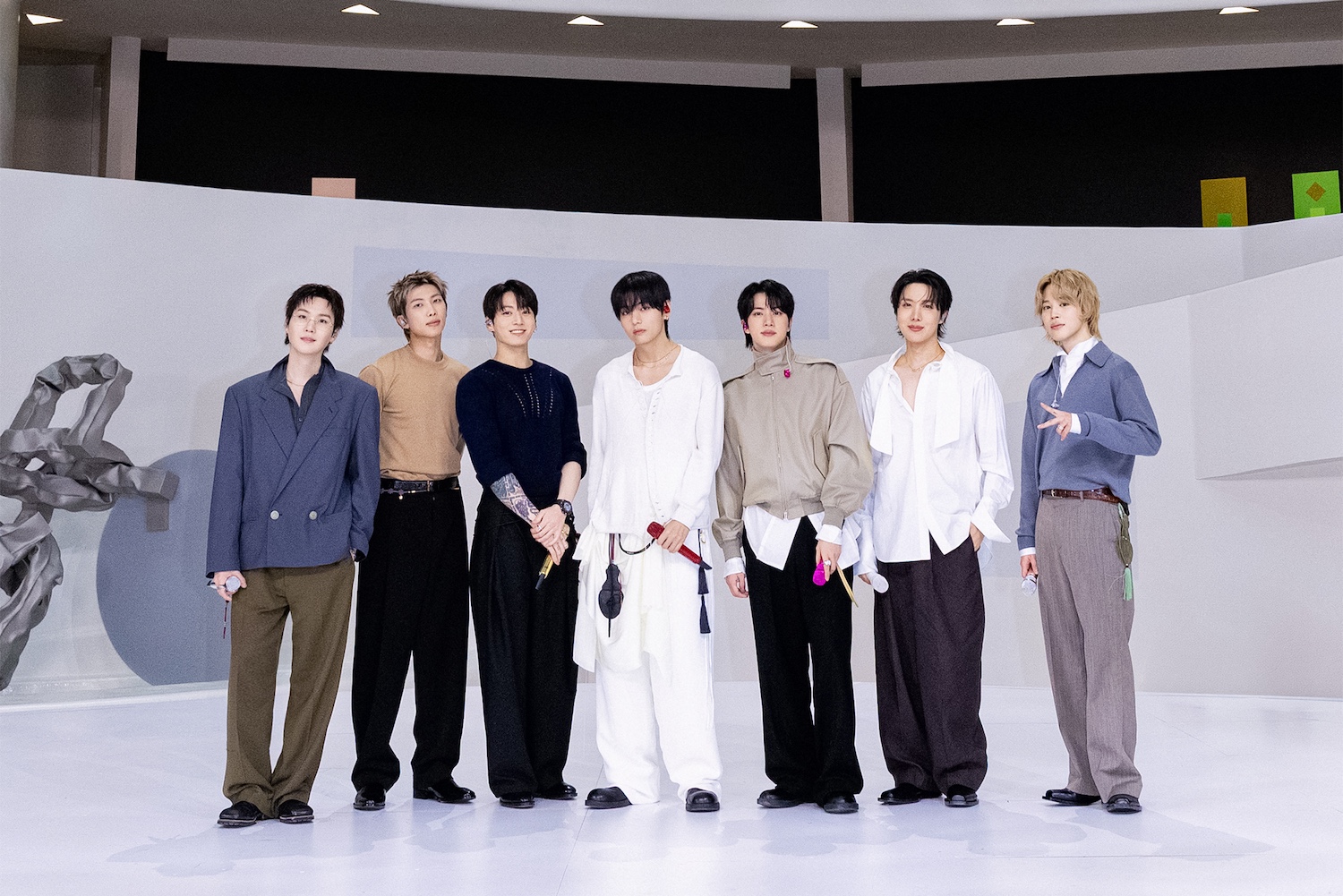
Which song(s) stand out for you on the album, and why?
Jada: Since the album’s release, I have been going back and forth over which songs are my top three as it changes daily. However, for me, it would be “they don’t know ‘bout us” and “Body to Body.” The song is a reassuring and defiant message on the bond between an artist and their fans, something that may not be understood by everyone. While “Body to Body” is goosebumps inducing considering the significance of using Arirang.
Roisin: I find the second half of the album more enjoyable, though honestly nothing on it feels like a repeat listen. “2.0” is a highlight for me as all the parts feel like they serve each other. The chanting works as a transition marker throughout and just before the chorus there’s a harmony on ‘right.’ I’m fairly certain it’s Jungkook and it scratches something in my brain. “they don’t know ’bout us” is another favourite. It opens with something almost doo-wop drifting out of an old radio before transitioning into a trap beat that samples its own vocal line. It’s a genuinely interesting concept.
Dimitra: My absolute favorite tracks on the album are “Merry Go Round” and “FYA.” “Merry Go Round” stands out with its dreamy, psychedelic rock sound produced by Kevin Parker, beautifully exploring themes of mental health and enduring the endless cycles of life. On the other hand, “FYA” brings an explosive, club-ready energy with its mix of pop-rap and Jersey club beats, reminding me of pieces like “UGH!” or “We Are Bulletproof Pt.2.” Would have definitely loved a new “Cypher” chapter too, though.
Josh: “Hooligan” is a fun one. The alternative hip-hop (what does that really mean?) approach is enjoyable and flashy.
Do you have any favorite lyrics so far? Which lines stand out?
Jada: “Fantasy and fame, yeah, the things we choose, show me hate, show me love, make me bulletproof, yeah, we call this shit normal (Woo-woo).” As I said earlier, the track “NORMAL” is one composed of very raw and emotional vulnerability regarding the downsides of fame. These lyrics hint at the harsh realities that even the steelest of hearts can break with enough give. The usage of “bulletproof” adds an additional layer when considering it’s always a nod to their name: Bangtan Sonyeondan, meaning “Bulletproof Boy Scouts.”
The title “Aliens” and lyrics throughout reflect this overall message of the Western music industry still seeing the group as some sort of anomaly and phase. However the group is never going to shy away from their Korean identity and values, such as “If you wanna hit my house, shoes off at the door. I’m the only one who can speak English, but that is how we kill.” This lyric here is a powerful reminder of that message, because despite our languages being different, there is a fierce power behind the music which transcends any and all languages and barriers.
Roisin: I was reading some of the English translations of the lyrics, and Into the Sun stood out to me. The lyrics reference “the hour of the dog and the wolf” which is an idiom for dusk, that ambiguous threshold moment where the light fails and you can no longer tell a familiar dog from a wild wolf. The line between safety and danger and the known and unknown dissolves.
It reminded me of a conversation I’d had recently about Barry Lopez and the wolf as a figure that is wild, misunderstood, feared, and yet still finding a way to survive. There’s something in that image that feels very BTS to me. A group that has always existed at the threshold of something between East and West, between art and commerce, between seven individuals and one collective identity. The “compass of the broken beats” that follows feels like they’re trying to find direction inside something fractured.
Dimitra: “Used to think that I was built with a heart made of steel / Now I understand the truth, some pain don’t heal / If everything’s just happy, mm, that ain’t real” (from “NORMAL”). I think it really captures that tired-but-honest spirit that runs through the album.
As Jada mentioned, it immediately brought me back to when the group leaned into the idea of being “bulletproof,” playing on their name with that slightly brash, hip-hop attitude. Seeing them now, so much more exposed and brutally sincere, hits in a completely different way. There’s an understanding here that moving on isn’t always simple, sometimes, some pain don’t heal, and that’s okay. What matters is learning to live with that and still move forward as best as you can.
Josh: Like I said, I liked the song “Hooligan,” and some of the multi-lingual frenetic rap lyrics on it were fun to bounce along to. “I go cuckoo crazy, loco, save me, woo, Like El Cucuy, guji mal an haedo aljana, woo. Hooligan, like hooligan, ttaeryeo buswo like hooligan, sigan dwaesseuni jom bikyeo jom, all clear isang mu” is a fine example of such.
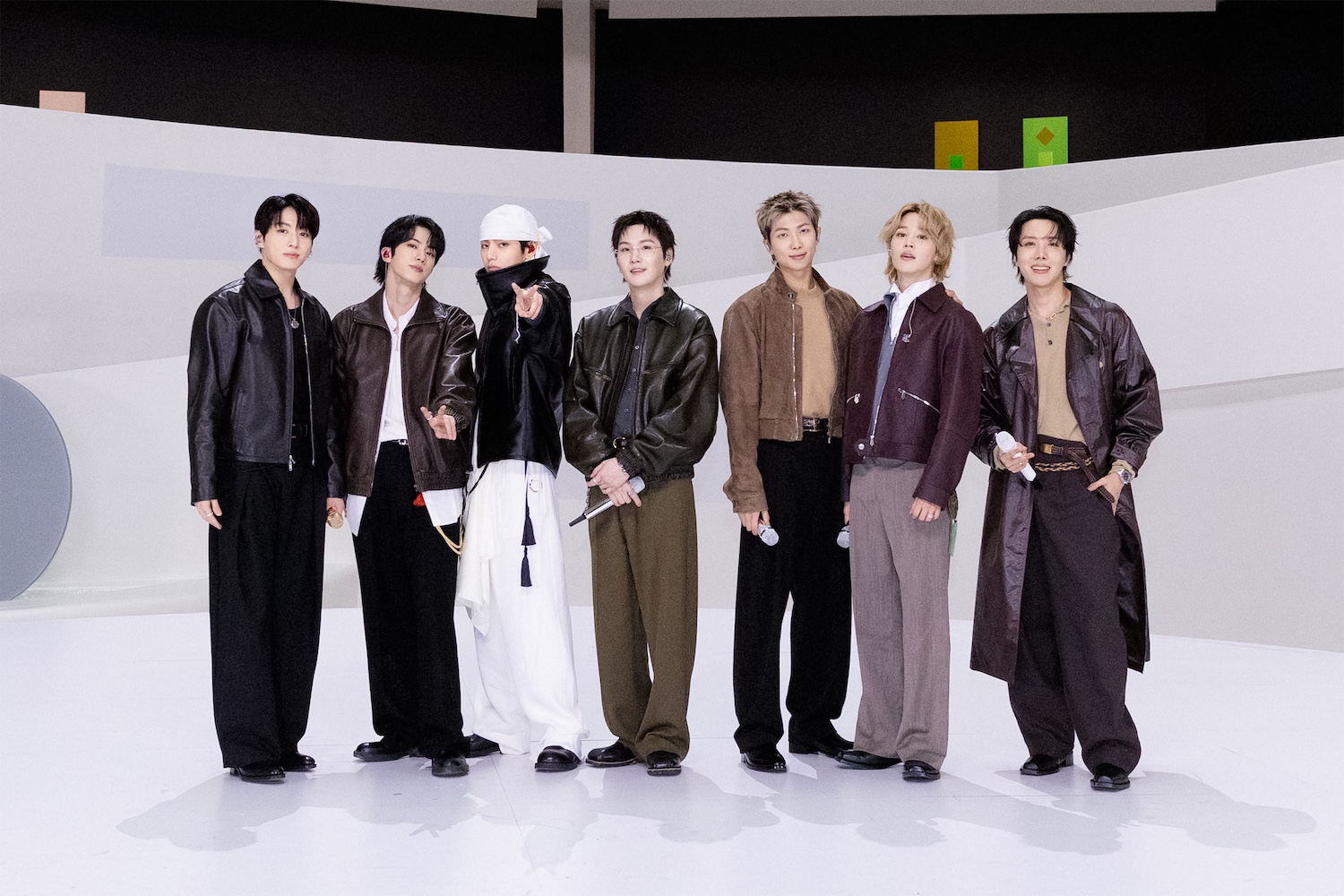
Where do you feel ARIRANG sits in the pantheon of BTS’ discography?
Jada: I feel ARIRANG sits among the top of a very strong discography that the group has had their entire career. Again each album has their own unique vibe, but ARIRANG sits beside “Dark and Wild” as it’s more mature, and confident older sister. ARIRANG is an album filled with the blood, sweat, and tears of a group with the world on their shoulders, who returned from the military more renewed and triumphant than ever.
Roisin: ARIRANG sits in an interesting place in the discography that’s not quite at the summit, but far from the bottom. Where BE felt intimate and vulnerable, born out of extraordinary circumstances, ARIRANG is expansive and outward-facing, very aware of its own significance.
What stops it from sitting alongside their best work is what I mentioned earlier. I feel like there is too much blurring of individual voices, and moments where ambition slightly outpaces execution. But as comeback albums go, especially after a gap this loaded with expectation it’s a serious piece of work.
Dimitra: ARIRANG sits somewhere in the middle for me. It’s not my favorite, because I’m still very attached to the trilogy of The Most Beautiful Moment in Life, Wings, and You Never Walk Alone, but I’d place it above some of their earlier releases. It feels like a transitional album: not quite at the emotional, lyrical or musical peak of their discography, but still a strong and meaningful chapter in their evolution.
Josh: Well, it looks like I have a lot of catching up to do with the BTS discography, as they seem to have released over 10 albums, both in Korean and in Japanese! That said, ARIRANG has been critically acclaimed, earning an 83% average score on Metacritic. So, while I can’t yet accurately say where this album ranks in my overall ranking of BTS’ discography, I’m happy to see that, after all this time and these releases, BTS still have plenty of fresh and successful song ideas in their stash.
— —
:: stream/purchase ARIRANG here ::
:: connect with BTS here ::
— —
Stream: “SWIM” – BTS
— — — —
Connect to BTS on
Facebook, 𝕏, TikTok, Instagram
Discover new music on Atwood Magazine
© John V. Esparza
 © John V. Esparza
ARIRANG
an album by BTS