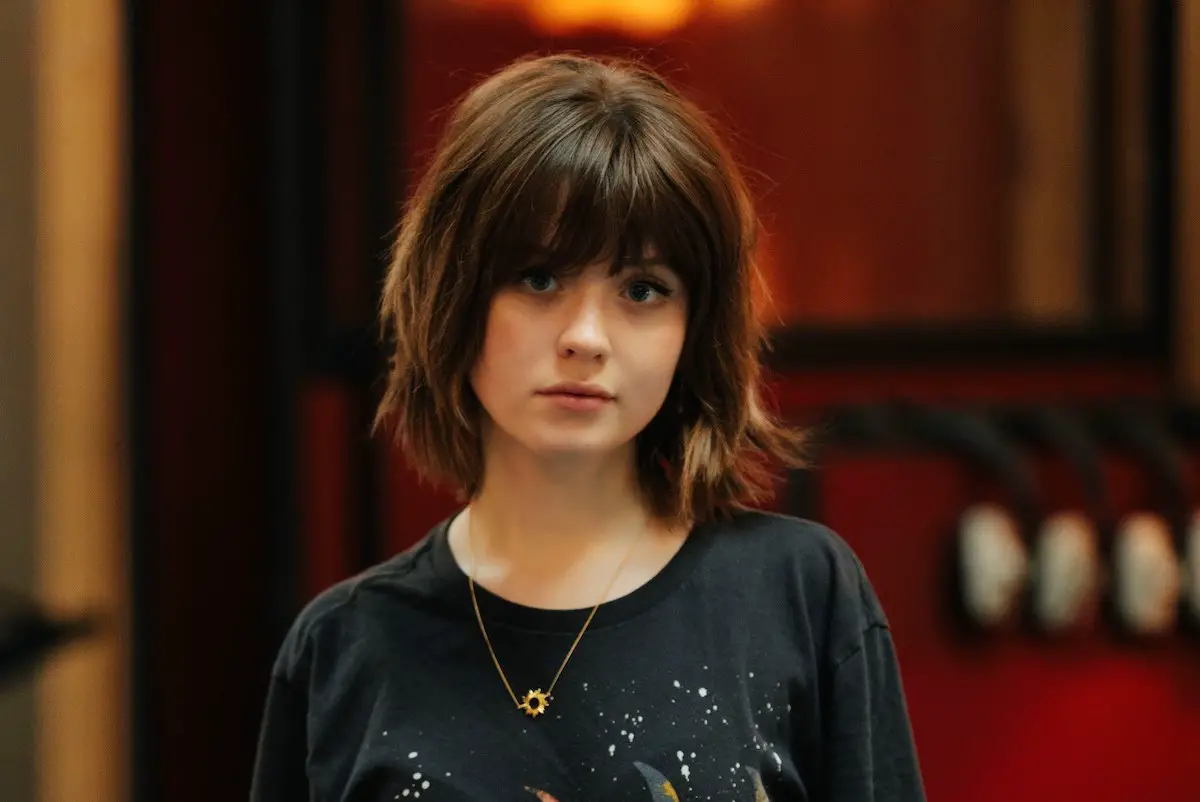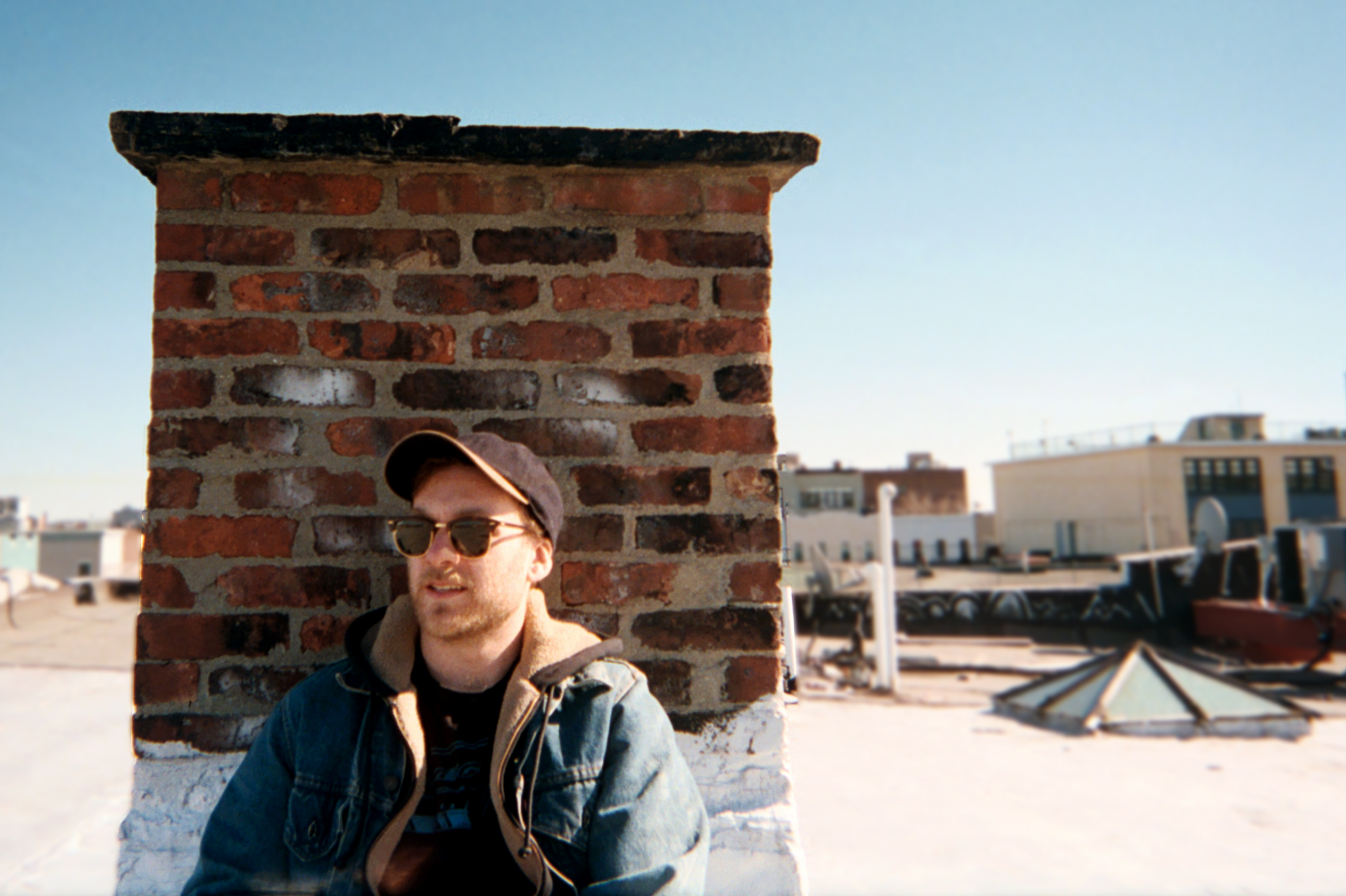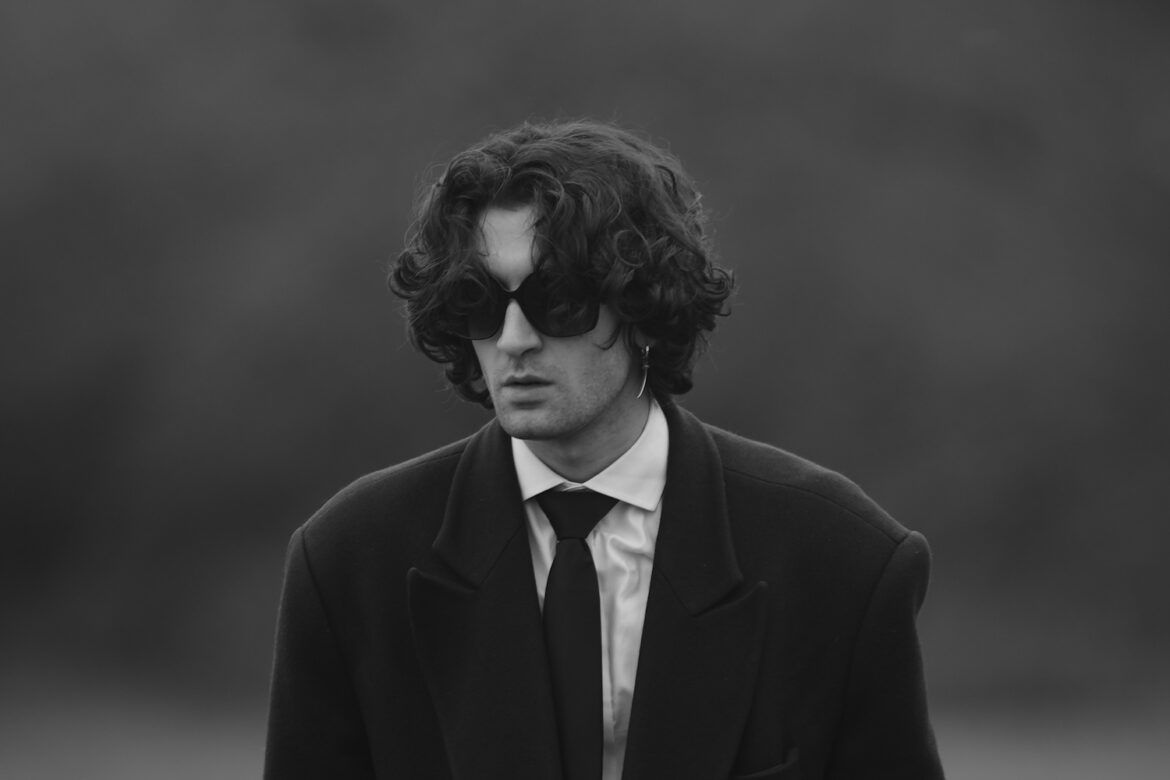
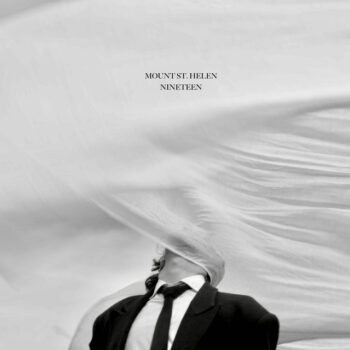
Oxford’s Mount St. Helen channels the emotional limbo of being nineteen into a feverish, full-bodied indie rock eruption, capturing nostalgia, young romance, and the overwhelming rush of trying to hold onto who you were while becoming someone new. “Nineteen” arrives as the latest glimpse into his forthcoming debut EP ‘The Stillness, The Dancing’ – a five-track release that promises to expand Aris Sabetai’s cinematic world with even greater depth, drama, and feeling.
 follow our Today’s Song(s) playlist


Stream: “Nineteen” – Mount St. Helen
Age nineteen is a fuzzy, undefined nexus – not quite adulthood, not quite youth, but a strange, fleeting threshold in-between where everything feels heightened, uncertain, and on the verge of slipping away.
Mount St. Helen captures that emotional limbo with unrelenting intensity on his latest single, turning nostalgia, longing, and young romance into a feverish, full-body experience. “Nineteen” packs every punch it can, refusing to hold back; it’s a song about standing at the edge of who you were and who you’re becoming all at once – and the overwhelming rush of trying to hold onto both.
I saw the news today
You still look the same
Heard the pastor say ‘you may’
As you toss the white bouquet
I watch the screen
‘do you remember me
Back from when we were nineteen?’
When we were nineteen
Independently released in mid-February, “Nineteen” is the long-awaited third single from Mount St. Helen – a surging, cataclysmic swell of sound and feeling, where overdriven guitars and pounding drums blur into a cathartic haze of liminal identity, emotional whiplash, and unfiltered urgency. First introduced through 2023’s breathtakingly expansive debut single “Pariahs” and later returning midway through 2025 with the cinematic outpouring “Helpless,” Mount St. Helen is the musical alias of Oxford-based multi-instrumentalist Aris Sabetai, who writes, records, and produces his songs independently, blending a deep love of ‘90s guitar music with dramatic arrangements and radio-ready alt-pop sensibilities. What began as a dorm-room project during lockdown has steadily evolved into a fully realized sonic world – one shaped as much by shoegaze and post-rock textures as it is by widescreen ambition and classical influence.
That world is set to expand this summer with Mount St. Helen’s forthcoming debut EP The Stillness, The Dancing, a five-track release arriving June 5, 2026. If “Pariahs” introduced Sabetai’s appetite for scale, “Helpless” deepened his command of atmosphere, and “Nineteen” blows the doors wide open, then The Stillness, The Dancing promises a fuller portrait of an artist already building his own language in real time – one where the music feels massive, vulnerable, volatile, and alive with possibility.
Part of what makes Mount St. Helen so striking is the way Sabetai refuses to flatten emotion into one shape. His songs don’t simply swell for spectacle; they gather history, grief, romance, faithlessness, hope, and self-mythology, then push them through arrangements that feel carefully composed and violently felt. “Nineteen” is thrilling because it sounds like an artist trusting the size of his own feelings – not sanding them down, not apologizing for them, but letting them flood the frame until every drum hit and guitar surge carries human consequence.
That duality – the soul-stirring collision of scale and intimacy – defines “Nineteen.”
Built on a sweltering wall of overdriven guitars and driving, full-bodied drums, the song roars forward with relentless momentum, its dense, immersive soundscape blurring the line between clarity and chaos. There’s a heat to it – a kind of sonic saturation that feels all-consuming – as if the song itself is caught in the same emotional loop it’s trying to process.
Sabetai describes nineteen as a “twilight zone” age – “not quite eighteen… and not quite in your twenties either” – a strange in-between that looks both backwards and forwards at once. That tension runs through every line of his song, where longing, regret, and fleeting flashes of joy collide in rapid succession. Memories don’t arrive neatly; they flicker, overlap, and distort, pulling the listener deeper into the song’s fevered emotional landscape.
“Musically, I wanted to write a set opener for the live show that pays homage to my musical influences, before embarking on a setlist of originals,” he explains. “Deciding on how to do this, I was faced with a similar ‘twilight zone’ of wanting to say thanks to bands and artists that have preceded Mount St. Helen stylistically, before getting on with our live show. I had just gone through a break-up at the time, and my ex had given me the Patti Smith memoir ‘Just Kids’ as a parting gift. The compound emotions that emanated from the book – especially nostalgia as being both bitter and sweet – seemed to fit with the musical duplex of the song. The original chorus lyric was actually ‘would you remember me from when we were just kids’ in an attempt to further pay homage to Smith and further the song’s dual nature.”
At the heart of it all are the lyrics themselves – direct, disarming, and quietly devastating in their specificity. Sabetai doesn’t hide behind abstraction; he leans into memory, letting small, vivid moments carry the emotional weight. “Do you remember me back from when we were nineteen?” he asks, a question that feels less like a reach outward and more like a confession spoken into the void. Elsewhere, lines like “Sing it louder, they’re playing our song, we danced together” and “Holy father, forgive my sins / I didn’t mean to hurt her or make a scene” blur guilt and tenderness, romance and regret, grounding the song’s swirling soundscape in something achingly human. These aren’t grand declarations – they’re fragments, flashes of feeling that linger just long enough to leave a mark.
Sing it louder
They’re playing our song
We danced together
Holy father
Forgive my sins
I never meant to hurt her
Or make a scene
But I’m on my knees
You break my apathy
Thinking about when we were nineteen
And what could’ve been
That line – “you break my apathy” – is the key that unlocks the song’s emotional force.
“Nineteen” is not nostalgia as decoration, nor memory as a soft-focus escape; it is the past arriving with enough power to shake a person awake. Sabetai writes from the place where recollection becomes physical, where an old feeling can still bend the present out of shape, where a younger self remains close enough to haunt and far enough away to hurt.
What gives “Nineteen” its weight is the way it refuses to settle into a single feeling. One moment it aches with tenderness, the next it surges with urgency – romance giving way to guilt, nostalgia twisting into something sharper and more unsettled. “There’s a whole mix of emotions… ranging from bittersweetness to anger, romance to ecstasy,” Sabetai shares, a reflection that mirrors the song’s restless emotional current.
That volatility finds its release in the chorus, where Sabetai’s voice rises above the distortion, cutting through the haze with a desperate clarity. As the band pushes forward, the track expands outward, transforming its internal tension into something communal and cathartic – a moment built not just for reflection, but for release.
Even within that surge, there’s a lingering sense of fragility. “Nineteen” never fully resolves the feelings it excavates; it lets them exist in their full complexity, murky and muddy and wholly abrasively alive. In doing so, Mount St. Helen turns a deeply personal reflection into a shared experience – a reminder that nostalgia isn’t static, but constantly shifting, reshaping itself as we move further away from who we once were.
By the time the wall of sound subsides, “Nineteen” feels less like a memory revisited and more like a memory relived – vivid, overwhelming, and impossible to hold onto. It’s a wash of fire and feeling, a song that doesn’t just recall the past, but burns through it, leaving only the emotional residue behind.
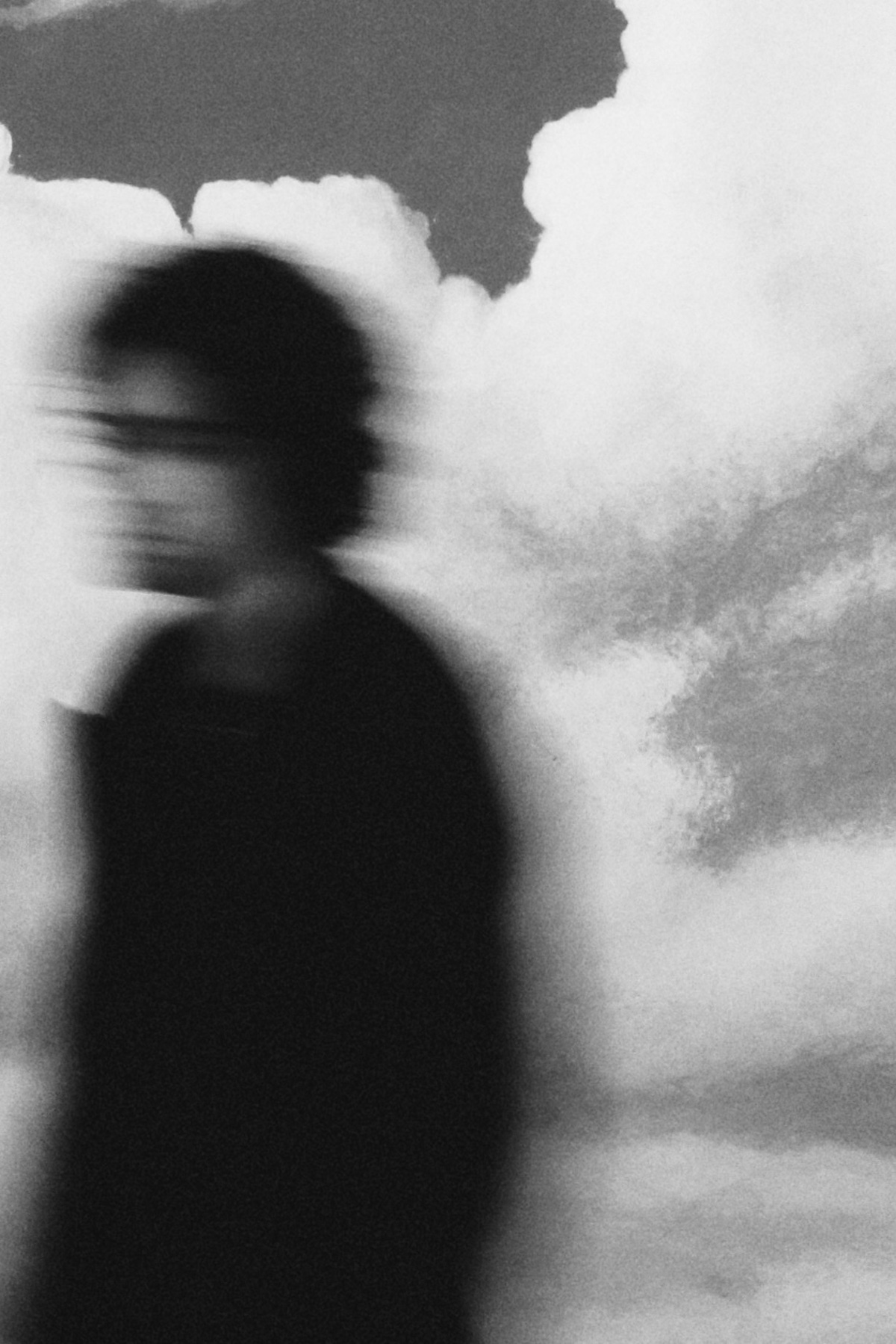
That is why Mount St. Helen feels so worth watching right now.
Sabetai’s music has grandeur without losing its pulse, ambition without sacrificing intimacy, and a clear sense of craft that never dulls the feeling at its center. With The Stillness, The Dancing now on the horizon, “Nineteen” becomes more than a standalone eruption; it becomes a promise of a larger world waiting to be entered, one where stillness and motion, memory and release, ache and electricity all belong to the same charged universe.
Mount St. Helen’s return can’t come soon enough. A cinematic, soul-stirring flicker of light cutting through 2026’s noisy fray, Aris Sabetai’s musical project is a reminder that there are still artists willing to push this far and feel this deeply – to challenge the boundaries of genre and let their humanity shine through. Sabetai recently sat down with Atwood Magazine to discuss the making of “Nineteen,” the Oxford guitar legacy running through his sound, and the strange, charged threshold that inspired his latest single. Read our full conversation below, and step inside Mount St. Helen’s blurry, hazy fever dream.
In my dreams we meet
Reminisce and speak
You look so clear in my sleep
That it feels like just last week
That you kissed me on the cheek
told me I’m unique
Now you’d hardly skip a beat
If you passed me on the street
— —
:: stream/purchase Nineteen here ::
:: connect with Mount St. Helen here ::
— —
Stream: “Nineteen” – Mount St. Helen
A CONVERSATION WITH MOUNT ST. HELEN

Atwood Magazine: Mount St. Helen, for those who are just discovering you today through this writeup, what do you want them to know about you and your music?
Mount St. Helen (Aris Sabetai): Mount St. Helen is the alias of multi-instrumentalist Aris Sabetai. Based in Oxford, the music blends the love of ’90s guitar music with string arrangements and an alt-pop sensibility – all written and self-produced from his dorm-room at university. Although frequently focusing on the themes of nostalgia, faithlessness and loser-dom, the music of Mount St. Helen is a celebration of difference, optimism and hope.
In the live setting Sabetai is accompanied by Francesco Reni (Guitar), Joe Smith (Bass) and Ryan Taylor-Costin (Drums).
I’ve just got to ask: What inspired your alias?
Mount St. Helen: It’s a strange story – in short, I have no idea! Since I was sixteen, I used to collect band names – both funny and serious – and write them down on a list in my Notes app. As I started to write music, it became apparent that I was procrastinating releasing the tracks because I “didn’t have the perfect name,” so one day I scrolled through, placed my finger blindly on one of the names, and there it was.
I can’t remember for the life of me how it got on there – I must’ve seen the name of the Washington volcano Mount Saint Helens on a newspaper on the underground or on a tabloid somewhere, and misspelled it as I wrote it down. I’ve always been a fan of triple-barrel band names – My Chemical Romance, Taking Back Sunday, Grand Funk Railroad – and I think I found its symmetry quite appealing. When also factoring in its general allusions to vastness, I found it fitting for the sound-world I was creating – in essence, the name sounds like the music.
Oxford has a legacy of great musical acts. What is your relationship like with your hometown and surroundings, and do you find your environment has an impact on the kind of music you make?
Mount St. Helen: Definitely. Mount St. Helen is indebted to so many artists and bands from the Oxfordshire and Berkshire region such as Ride, Chapterhouse, and Slowdive to name a few. One of the main motivations of moving to Oxford from my birthplace of London was hearing about the ’90s music heritage of the place, and both “Helpless” and “Nineteen” act as musical homages to the guitar aesthetic that Oxford was instrumental in cultivating. I currently work in The Jericho Tavern, a music venue which is a PRS Heritage Music Site for hosting the first gigs from Oxfordshire acts such as Supergrass and Radiohead. Seeing where these great acts once cut their teeth is regularly inspiring and urges me to keep on going, even if it is when I’m mopping the dance floor or collecting glasses.
In terms of current music, the scene is incredibly active and buzzing with acts of all sorts. It seems that since the ’90s, there is less of a generic stronghold on the city – we play shows and festivals with musicians ranging from ska to metalcore to dark electronic. It’s small enough to retain a strong sense of community, but large enough to see musicians from varying backgrounds and styles go on to do great things.
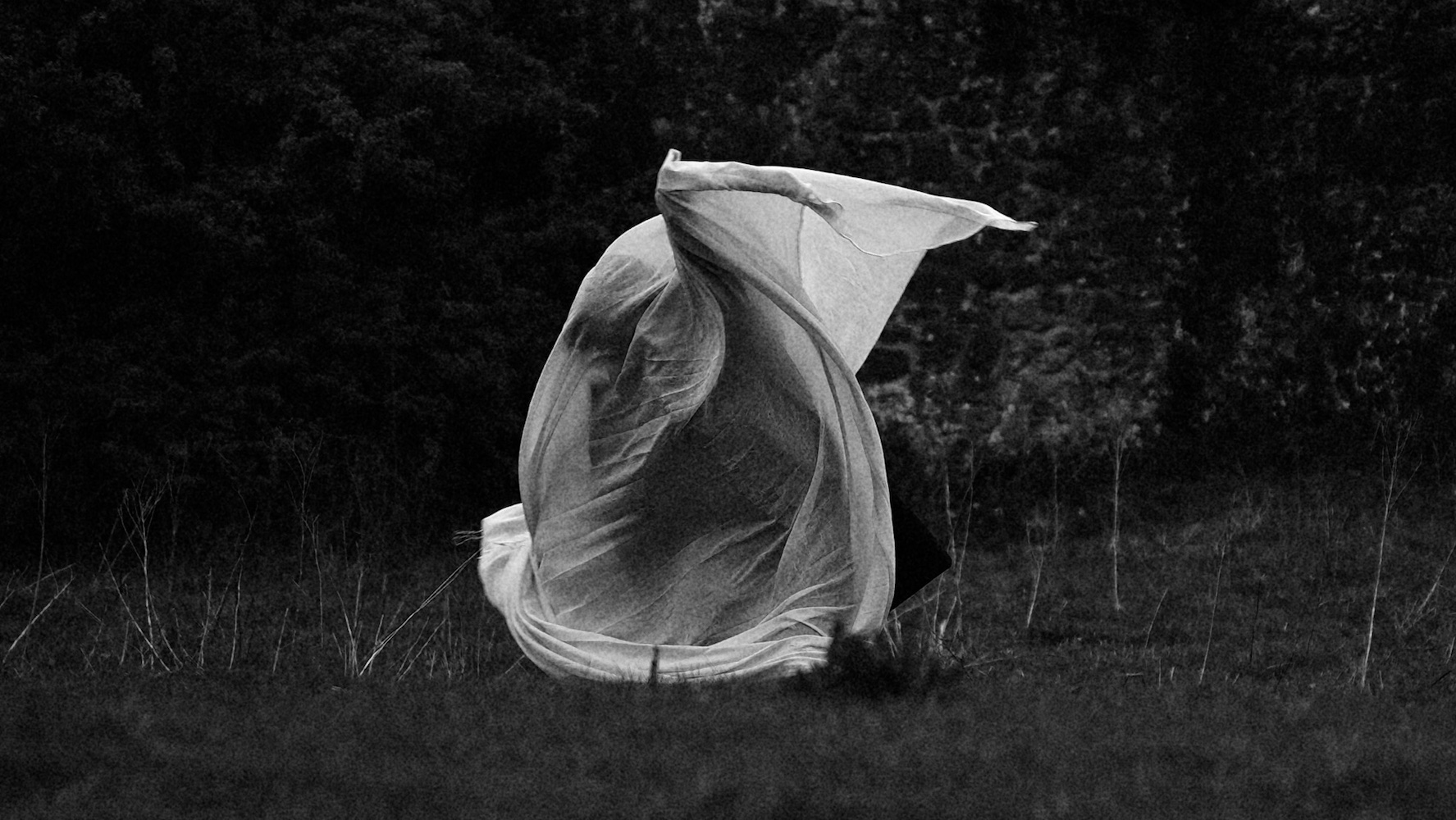
You call your sound “alt-noir.” Who are some of your musical north stars, and what are you most excited about the music you're making today?
Mount St. Helen: Generally speaking, Mount St. Helen’s sound is predominantly derived from combining a love of ’90s guitar music with my orchestral background as a classical cellist. Concerning the former, influences range from Jeff Buckley and The Smashing Pumpkins to the post-hardcore guitar writing of bands such as Mineral, Deftones and Sunny Day Real Estate. On the other side of the spectrum, I’m a big fan of bands and artists who build their aesthetic around ‘de-rocking’ the guitar – essentially music that untethers the instrument from its ’50s / ’60s / ’70s ‘rock ‘n’ roll’ heritage and sound. Post-rock and shoegaze bands such as Sigur Rós, my bloody valentine and MONO are favourites, who all push the limits of what a guitar can sound like. When combining all that with the string arrangement influences of Mahler, Richard Strauss and Max Richter, you get something pretty close to Mount St. Helen.
The term ‘Alt – Noir’ comes from combining the ‘alternative rock’ label with ‘film noir.’ The visual language of Mount St. Helen is heavily informed by cinematic aesthetics, especially the art-house movies of Andrei Tarkovsky, Jim Jarmusch, Theo Angelopoulos and Mathieu Kassovitz. It is this balance of music and a motivated aesthetic approach that excites me about the project to this day.
Aris, you debuted as Mount St. Helen back in 2023 with “Pariahs” - can you talk about those first two releases and your vision for your music?
Mount St. Helen: Of course. “Pariahs” was the first Mount St. Helen song to be written, and has since served as a musical manifesto for all the values I wanted the project to encompass.
My grandmother passed away during COVID. She taught violin in my father’s town in Greece, and besides her, none of my family is particularly musical. After her passing, I took her violin back with me to the UK. Not a violin player myself, I started to tinker about with the instrument and found myself layering a couple of loops in Ableton. Soon after, the track was born.
Lyrically, I wanted something to honour her memory. Conversations with my dad revealed that she was always promoting principles of free thought and individualism, and revered people who – like herself – went against norms or regimes, religions and dogmas. Out of this landscape came three verses centred around politically, religiously, and socially outcast characters – and what would happen if they all met. “Pariahs” thus became a celebration of revolutionaries, free thought, and difference.
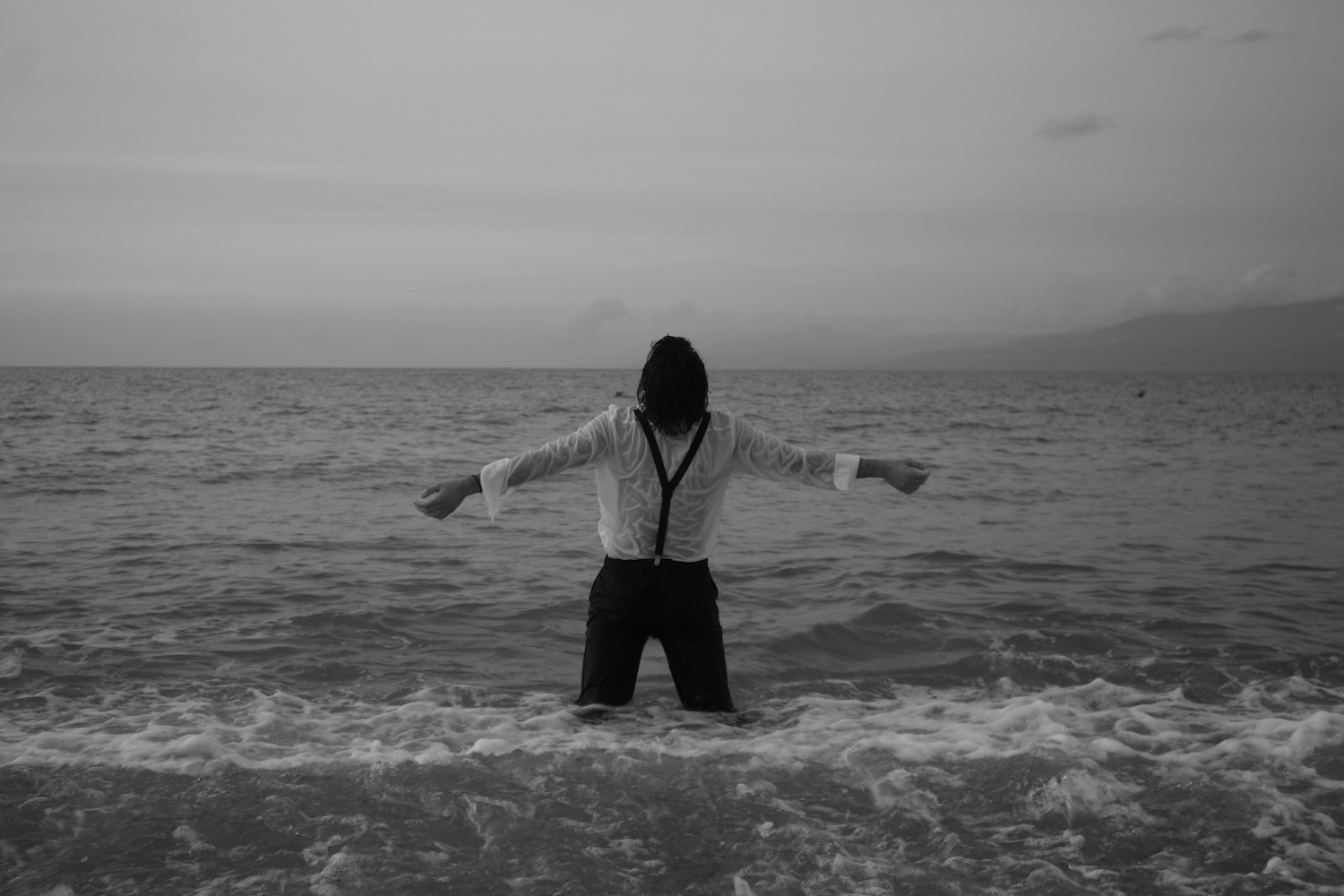
To bolster its release, I decided to shoot a DIY music video along with my good friend and guitarist Francesco Reni. We devised a music video premise where we would shoot the video on a beach, with objects taken out of their original contexts and have them be “pariah-ed” on the seaside. Francesco has a place in southern Italy, and so we shot the video over a couple of days. The video premiered the black and white suit visual that solidified what Mount St. Helen would both look and sound like.
What's the story behind your latest song, “Nineteen”?
Mount St. Helen: Nineteen is an age that feels like a twilight zone – not quite eighteen where you’ve officially made it as an adult, and not quite in your twenties either. It seems to be a strange intermediary age that looks both backwards and forwards.
Musically, I wanted to write a set opener for the live show that pays homage to my musical influences, before embarking on a setlist of originals. Deciding on how to do this, I was faced with a similar ‘twilight zone’ of wanting to say thanks to bands and artists that have preceded Mount St. Helen stylistically, before getting on with our live show. I had just gone through a break-up at the time, and my ex had given me the Patti Smith memoir ‘Just Kids’ as a parting gift. The compound emotions that emanated from the book – especially nostalgia as being both bitter and sweet – seemed to fit with the musical duplex of the song. The original chorus lyric was actually ‘would you remember me from when we were just kids’ in an attempt to further pay homage to Smith and further the song’s dual nature.
Nostalgia and longing are inescapable in this song – from reminiscing on the past, to lyrics like, “Sing it louder. they're playing our song, we danced together / Holy Father, forgive my sins, I didn’t mean to hurt her or make a scene.” Can you share a bit about the emotions you dug into on this song, and what it evokes for you when you listen back to it now?
Mount St. Helen: Actually, that line you’ve highlighted I remember being specifically inspired by a muso-psychological theory called the ‘darling-they’re-playing-our-tune’ (or ‘DTPOT’) phenomenon! There’s a whole mix of emotions as you can probably tell, ranging from bittersweetness to anger, romance to ecstasy. Nostalgia is a relative emotion I feel, so I suppose its emotional capacity will change the older I get – at the moment, the whole experience feels like yesterday!
Sonically – and emotionally, I suppose – “Nineteen” is a fever dream. What was your vision going into it, and how did you go about bringing that to life in the studio?
Mount St. Helen: As is customary for most of the Mount St. Helen music, I write and demo most of the songs by myself, producing and arranging in whatever setting I find myself – be that a dorm room, back at my parent’s house or on the go. As well as writing something to open the live show, I wanted to channel something anthemic, relieving and ethereal that can get a crowd singing from the get-go. I remember Sam Fender’s “Get You Down” being a strong reference for the stadium-feeling vocalisations in the chorus of “Nineteen.”
After the songs are written and arranged, I bring them to my good friend and co-producer Tom Alford, who is based in Poolhouse Studio in Oxfordshire. In the case of “Nineteen,” we recorded drums with the fantastic Ryan Taylor-Costin, and worked on honing more shoegaze-leaning guitar sounds. In this way, the life of the track never had to be conjured in the studio itself, just sustained from the writing process into the studio.
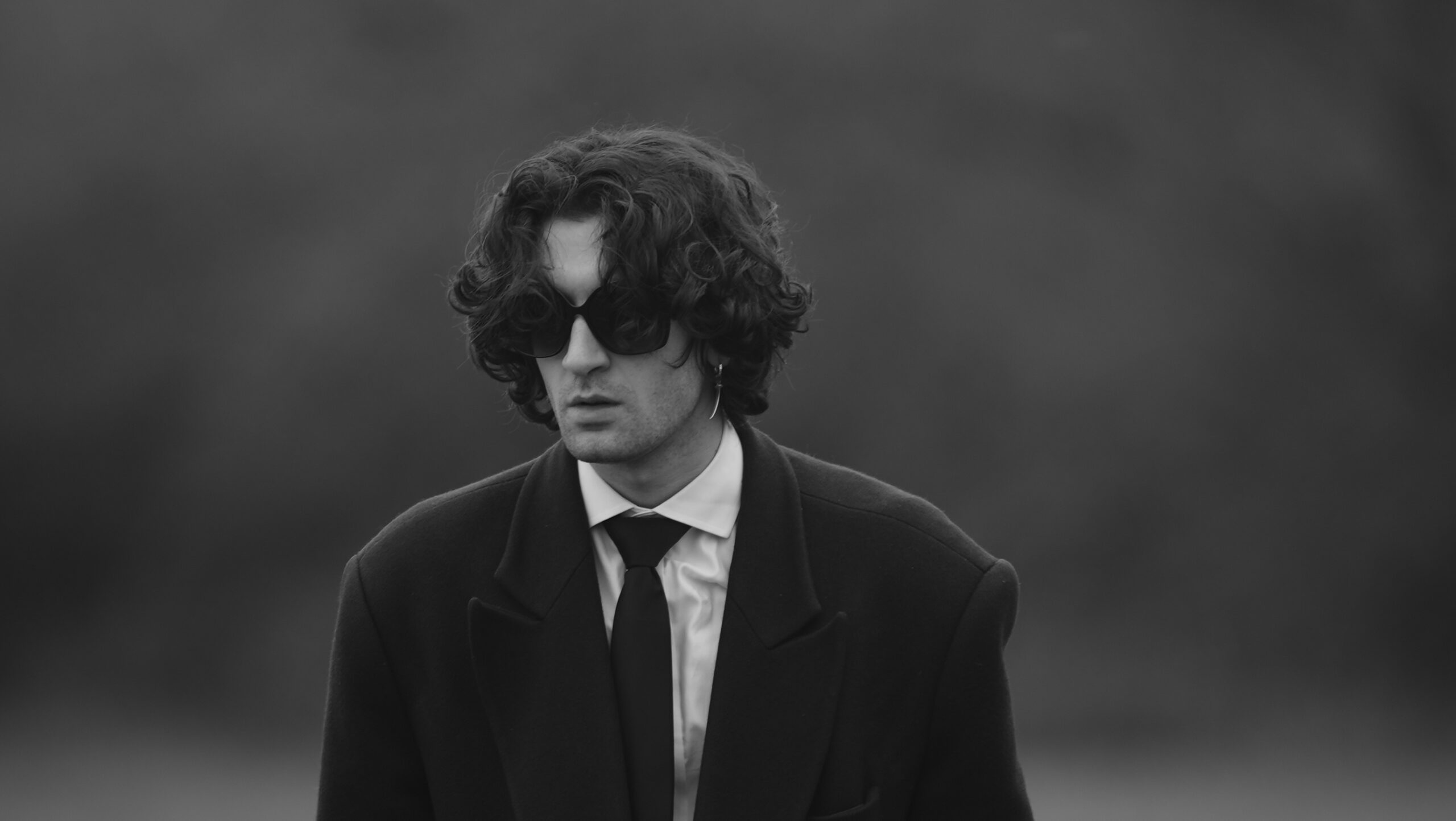
What do you hope listeners take away from “Nineteen,” and what have you taken away from creating it and now putting it out?
Mount St. Helen: Great question – for the listeners, nothing in particular, other than enjoying a song that mediates feelings of ecstasy, young romance and nostalgia. I trust people’s interpretations to be their own, and can (or rather, should be) projected onto whatever memories are conjured up while listening, or whatever relevant experiences they think the song applies to. In short, I’m not precious!
In terms of what I’ve taken away, I would say that it re-installed a confidence in me that I can write something more commercial or ‘radio-leaning’ while still maintaining the Mount St. Helen sound and aesthetic. Getting that balance right can be hard sometimes, and I think ‘Nineteen’ has maintained a nice equilibrium in that regard.
In the spirit of paying it forward, who are you listening to these days that you would recommend to our readers?
Mount St. Helen: My favourite kind of question! So many to choose from. As is quite customary days, the common answer is ‘a bit of everything’, so I’ll try and be more specific. I’m currently enjoying the electronic virtuosity of artists such as Bon Iver, George Daniel, the Dijon-Mk.gee partnership, and Fred again… I think each of their sound crafting is formidable, and especially the gestured approach to writing and painting with a seemingly large brush in Dijon’s latest album Baby is beautiful. In terms of more guitar-oriented musics, Spiritbox’s Tsunami Sea album is a masterful take on modern metal, as is Knocked Loose’s “Blinding Faith.” On a lyrical front, the discography of LA post-hardcore outfit Touché Amoré seems to be an endless source of inspiration. Quite random I’d say, but I promised names, so here they are.
— —
:: stream/purchase Nineteen here ::
:: connect with Mount St. Helen here ::
— —
Stream: “Nineteen” – Mount St. Helen
— — — —
Connect to Mount St. Helen on
TikTok, Instagram
Discover new music on Atwood Magazine
© Finlay Yates
 © Finlay Yates
:: Today’s Song(s) ::
follow our daily playlist on Spotify
:: Stream Mount St. Helen ::