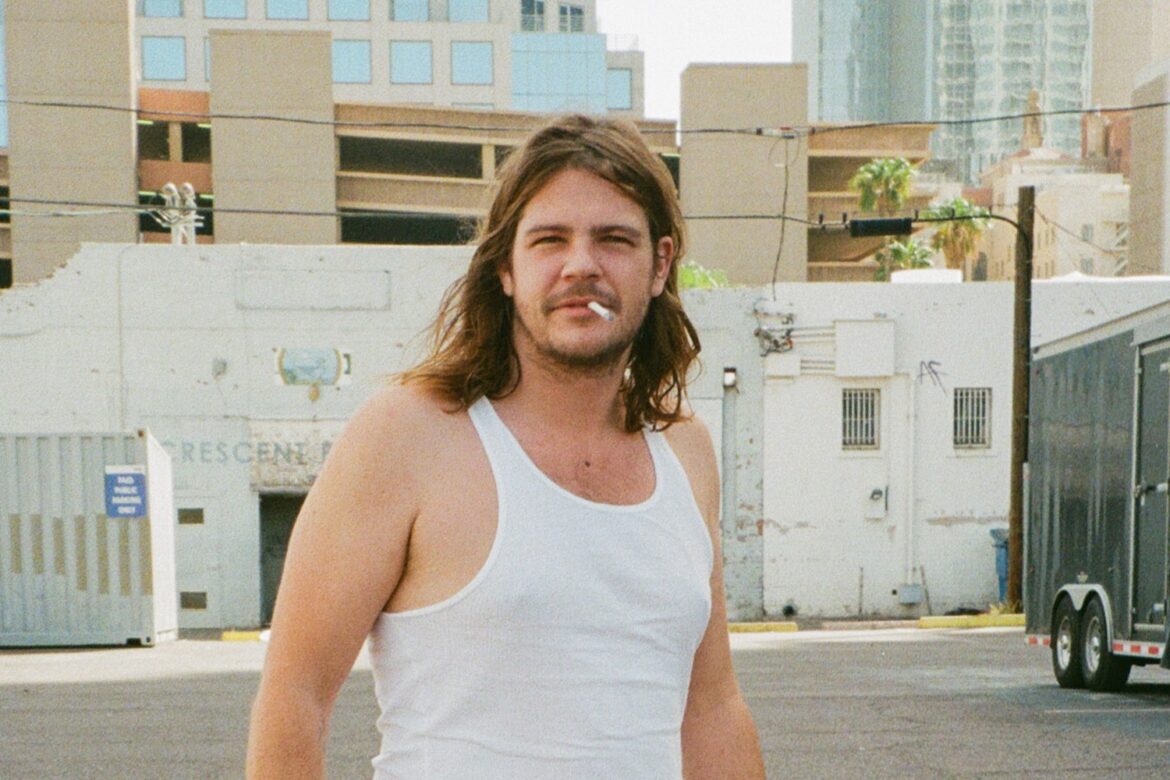
After years at the helm of The Glorious Sons, Brett Emmons steps into the woods – literally and creatively – as John Shambles, crafting a loose, introspective solo record in ‘Cabin Fever’ that’s all his own.
Stream: ‘Cabin Fever’ – John Shambles
Brett Emmons could feel his hands shaking as he gripped the mic at Toronto’s Mod Club. By the second song, even his knees were going.
This wasn’t just another gig. He’s played hundreds of shows with The Glorious Sons in packed rooms across North America. But this felt different. This was his first time performing as John Shambles, a new project, a different energy, and an alter ego that, if anything, made him feel more exposed.
“Before I went out, I kept thinking, ‘What the hell am I doing right now?’” he laughs.
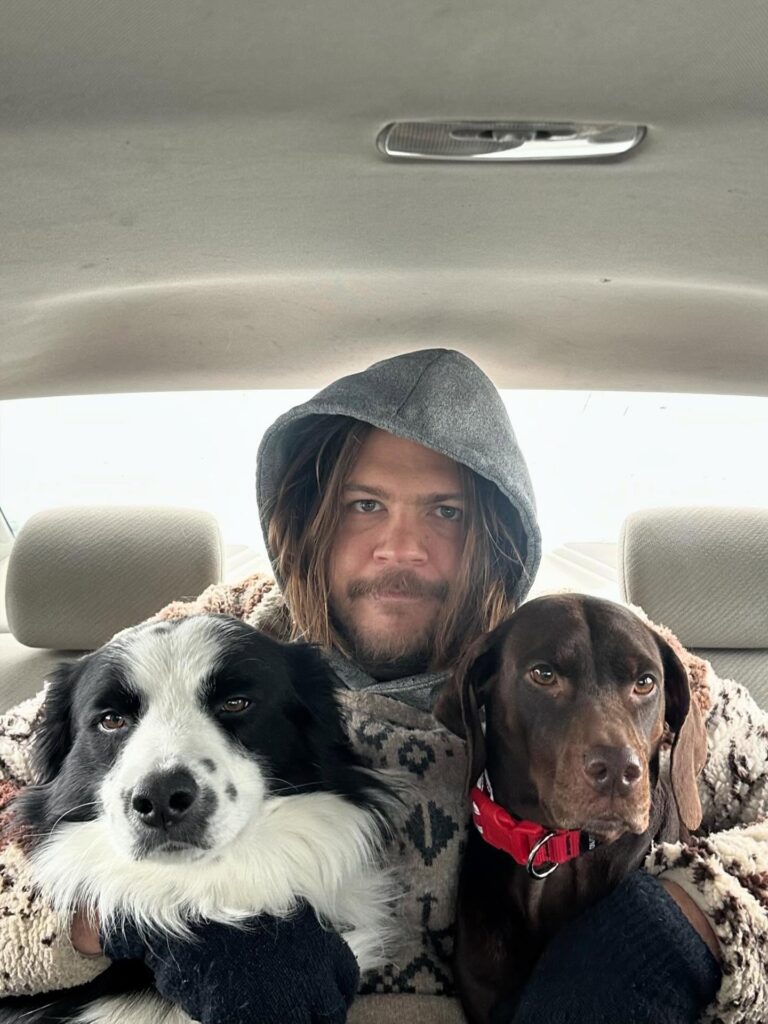
Thinking back on it now, as he’s out walking his dog Shambles (yes, the inspiration behind the name), he’s in a much different place. Life’s quieter now. Fewer people, more space. You can hear that shift in the music.
For more than a decade, Emmons has been best known as the frontman of The Glorious Sons, the Kingston, Ontario rock band he co-founded with his brother Jay Emmons. What started as a small-town project quickly grew into one of Canada’s most reliable rock acts. Their breakout came in the mid-2010s, with gritty, anthemic songs that blended classic rock swagger with sharp, often restless lyricism. Tracks like “S.O.S. (Sawed Off Shotgun),” “Panic Attack,” and “Everything Is Alright” turned into radio staples, earning the band multiple JUNO Awards and a string of No. 1 hits on the Canadian rock charts.
They also built a reputation the old-fashioned way: Onstage. The Glorious Sons became known for relentless touring and unpredictable, high-energy shows where Emmons could swing from introspective to unhinged in the span of a song. It’s a version of him audiences have come to expect: loud, charismatic, and fully committed.
But behind that, things were shifting.

Cabin Fever, his first solo record under the name John Shambles, pulls back from that big, high-energy sound.
There’s folk in the bones of it, along with lo-fi textures and flashes of garage rock, but overall it feels more stripped-down and instinctive.
Songs like “Landmines,” “Try Not to Freak Out,” and “Concrete Cowboy” show a sharp left in his approach. Much of the album took shape organically, working closely with JUNO Award–winning producer Derek Hoffman and following whatever direction felt right in the moment.
The idea of a solo project had been there for years, something Emmons circled but never fully committed to. In part, that’s because The Glorious Sons never really slowed down. Between recording cycles, touring schedules, and the pressure that comes with sustaining momentum in a successful band, there wasn’t much room to step outside of it.
Still, the urge to do something different kept building.
Part of it was musical. While The Glorious Sons leaned into big, driving rock songs, Emmons found himself writing material that didn’t quite fit that mold. It’s quieter, more introspective, often rooted in acoustic guitar. Over time, he started to feel like he was pushing the band in a direction that didn’t fully reflect what it was meant to be.
“I was slowly painting the band into a corner and it was really only my corner,” he says.

Part of it was personal, too.
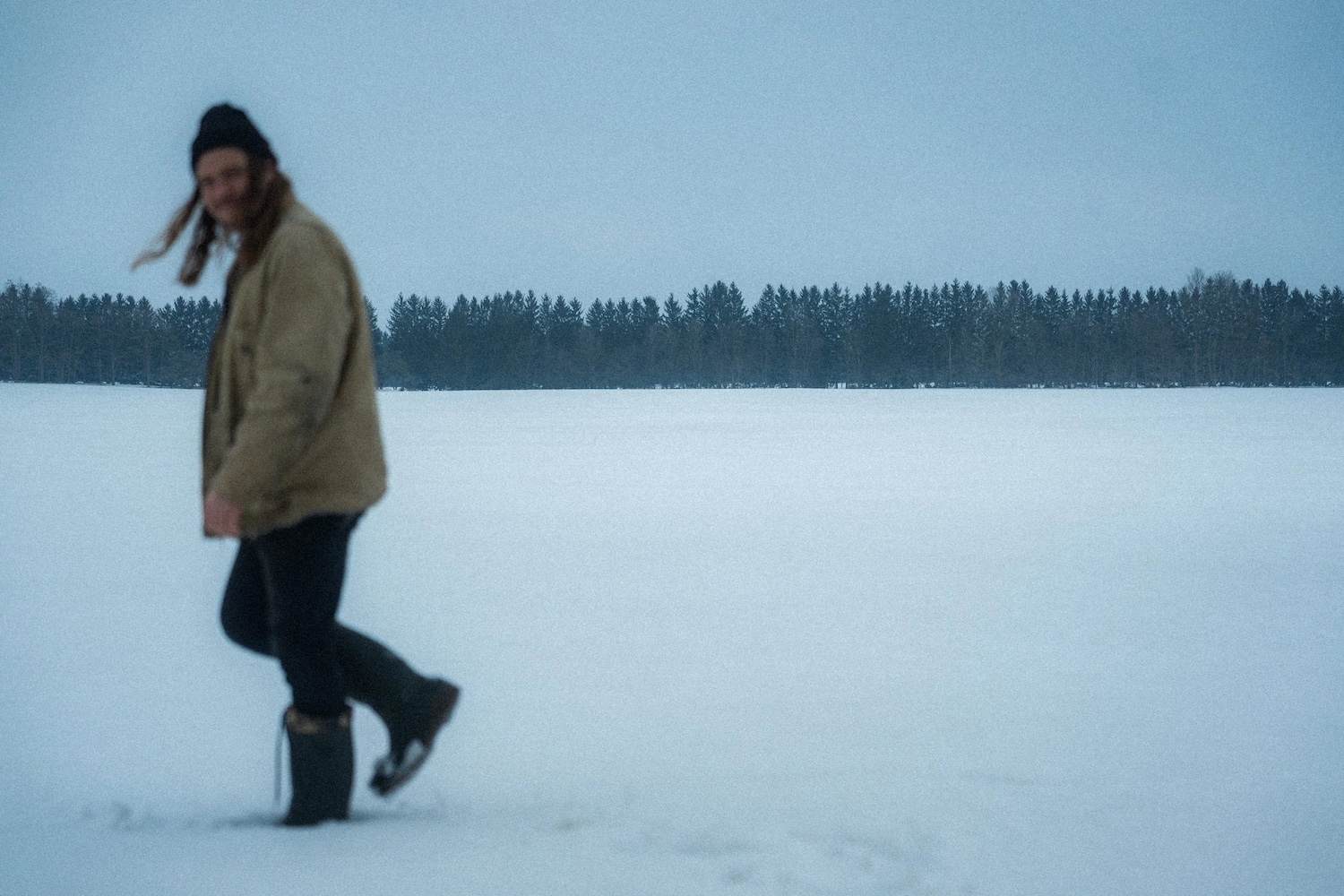
Around the start of the pandemic, Emmons made a major lifestyle shift, moving out of the constant motion of touring and into a more isolated life in the country. One day he was on a tour bus, surrounded by people and noise; the next, he was in the woods, with just a couple of neighbours and long stretches of quiet.
“That kind of silence after being on a bullet train can be a little strange,” he says. “You get used to it, but it changes you.”
You can hear that adjustment across Cabin Fever. There’s more space in the songs, more room for uncertainty, more willingness to sit with a feeling instead of pushing through it. Lyrically, it’s shaped by anxiety, reflection, and the kind of one-sided conversations that tend to happen when there’s no one else around.
The moment that finally pushed the solo project from idea to reality came in an unexpected place: An NHL All-Star Game.
The band had been booked to perform a high-profile, high-energy gig. But somewhere in the middle of it, Emmons felt a disconnect.
“We’re playing ‘Sawed Off Shotgun’ and guys are skating around us,” he recalls. “And I just thought… this doesn’t make sense.”
It wasn’t about the opportunity; it was about the feeling. The song, the setting, the spectacle – something wasn’t lining up anymore.
Not long after, he texted his manager. He wanted to start something of his own.
That decision didn’t mean stepping away from The Glorious Sons, but it did mean carving out a separate space where he could experiment without expectation.
Even the name was part of that reset. He knew he didn’t want to release the music under his own name – it felt too straightforward, too tied to what people already knew. “John Shambles” came later, suggested by his girlfriend, and stuck partly because it felt like something else entirely.
John Shambles isn’t as defined as The Glorious Sons, and it’s not meant to be. The songs are quieter and occasionally unpredictable. They don’t aim for the same kind of release. Instead, they settle into something more personal.
It’s a risk, in a way. Fans who know Emmons for big hooks and louder moments might not find that here. But that’s also the point.
For the first time in a long time, he’s not trying to meet expectations – his own or anyone else’s. He’s just following the work.
Atwood Magazine caught up with Emmons to talk about the shift, the nerves, and what it means to start over… without really starting over at all.
— —
:: stream/purchase Cabin Fever here ::
:: connect with John Shambles here ::
— —
Stream: ‘Cabin Fever’ – John Shambles
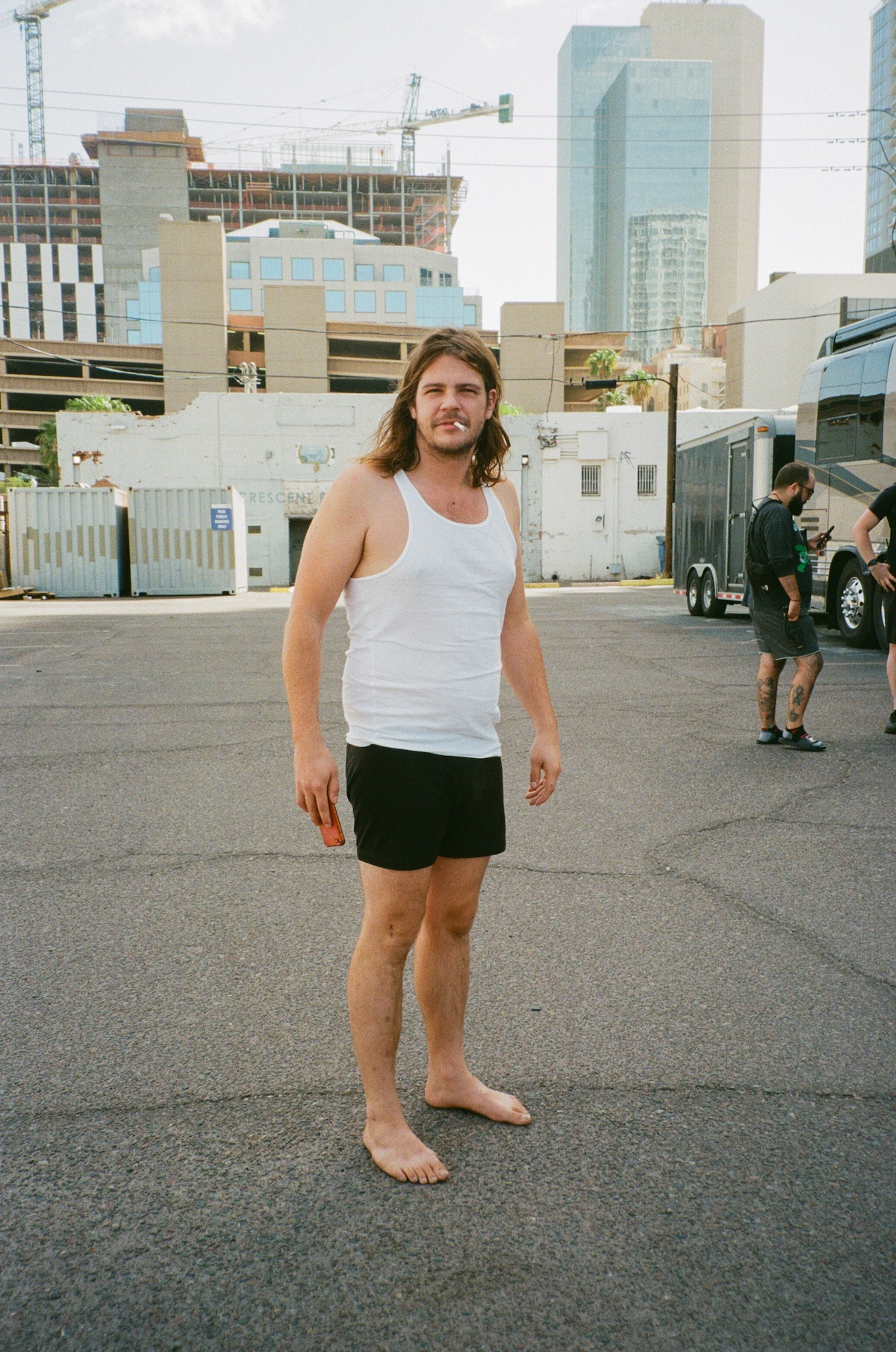
A CONVERSATION WITH BRETT EMMONS (AKA JOHN SHAMBLES)

Atwood Magazine: Let's talk about that sold out show in Toronto – your first as John Shambles. That was pretty awesome! How did that feel?
Brett Emmons: It felt good. It was really nerve-wracking – the first song, my hands started shaking and then the second song my knees started shaking. It was kind of like being on a spaceship, but you don’t really know. It was just kind of like an experience that I had no control over and it was really fun, but weird too.
How did the audience react to this new alter-ego, John Shambles?
Brett Emmons: It was awesome. Everybody came out and supported it; they were doing these John Shambles chants. That was really funny.
Which one were you most excited to play live for the first time?
Brett Emmons: “Landmines” or “Try Not to Freak Out.” Those were, I think, two of my favourites when we were jamming.
There've been other artists who were in bands and went on to do a solo project. Are there some that you think just got it right and you want to sort of emulate?
Brett Emmons: No, not really. I didn’t really have thoughts of trying to be like somebody else, to be honest. Like, I definitely think some people have done it right. Like Cameron Winter’s solo album is pretty amazing, but I don’t think I’m anything like him at all. So no, there’s nothing really for me to compare it to. I just kind of knew I had to do it and my music kind of changes a lot from month to month. I’m just kind of writing songs so I don’t really care about what image that represents or who that’s supposed to sound like or whatever that kind of stuff means.

You said it just felt like something you needed to do. Was there a defining moment where you went, “OK, I need to do something on my own here. I need to take a creative detour?”
Brett Emmons: Yeah, I think probably after we released “Glory,” the band, the Glorious Sons, I felt like I wanted to keep working and we were still kind of living in the hangover of touring that whole record and to be honest, the record came out like a lot less rock ‘n’ roll than I think I expected it to be. And I was writing all these guitar parts and I realized I was slowly painting the band into a corner and it was really only my corner and I was too hands-on. But I knew that I needed to keep on working and I wanted to release stuff that sounded not so balls-to-the wall, not such rock ‘n’ roll. That’s the type of music I listen to, and I love playing the guitar. It’s what I do. I just sit at home and play the guitar all night, and I wanted to express myself a little more in that way.
I was at a hotel after we played this NHL All Star game and I kind of thought to myself “We’re playing Sawed Off Shotgun around these guys that are skating around us and it didn’t make sense to me in any way based on what the song’s about. I texted my manager and said “We gotta start looking towards a solo thing. We gotta make this happen.”
Did releasing it under the name John Shambles give you a cloak of freedom?
Brett Emmons: Well, I was trying to figure out the name, actually, up until basically we started releasing music. I didn’t really so much care – I just didn’t want it to be Brett Emmons. I just felt like that would be so boring. Like you have a chance to do something creative and start a new creative endeavor and you just name it Brett Emmons, you know, doesn’t really make a lot of sense to me. It was going to be Cabin Fever at one point. And then my girlfriend told me that it should be John Shambles, but I thought John Shambles sounded a little too biblical.
Are there any challenges with trying to build your own identity when you've been part of a band that’s so successful?
Brett Emmons: I would say definitely there are. You get a lot of comments about what songs people want to hear. And you know, I think every human kind of changes quite a bit from year to year. And if you’re creative and you’re changing. Some of our songs that I made when I was 20 years old are some of our biggest songs and I don’t know necessarily think that I can get behind those songs as much anymore now that I’m 33. It’s fine. I still enjoy playing them and I’m happy for the success, but I think some people keep an artist in a time capsule and they want them to represent what they represented at a certain point in their life when they needed it. But we always change. That’s what we do. And that’s OK. But it is what it is. You just kind of you don’t really get a say
It's funny – when you were talking about people expecting to hear a band’s hits, even if they’re from what feels like a different lifetime. I think about Glass Tiger and Alan Frew – I just saw him here and everybody still wants to hear “Don't Forget Me,” which is probably 40 years old, and the guy still has to do it at every show. So, I get it.
Brett Emmons: Oh yeah, and it’s a good song. It’s a really good song, I guess there’s no point in really complaining about it, cause it’s the only thing that gave you an ability to keep doing it. I mean, you could be complaining about a whole other set of problems, like nobody ever hearing your music. So yeah, it is what it is. You just keep moving on.
On the flipside, is there also benefit to creating your own identity, like it brings you back to the band with a different perspective or like a stronger version of you?
Brett Emmons: We started recording like that most rockest rock ‘n’ roll album that we made in years about two months ago, and I thought it just opened me up to do this solo thing. I just found that allowing myself to do this other thing and not make the band more soft over time is kind of opening myself up to going and screaming into a mic a little bit more. And it made me less hands-on in the approach. And yeah, I think the two things feed one another, to be honest, and I’m hoping they do. I mean, it’s still early, but that’s what I’ve experienced so far.
How important was it for you to take this sort of creative detour and do your own thing?
Brett Emmons: Really important. I always knew I was gonna do something like this, but when you start to do it, you kind of feel kind of nervous, I guess and you make it more than it has to be. I love folk music and although this album is not just a folk album, I do think it’s definitely rooted in that, and I love lyrics. The other thing about rock ‘n’ roll I found going back with Sons is that sometimes you kind of have to not think so much about the lyrics – you just rip and feel. Doing this thing and getting in the weeds more on introspection allowed me to do the other thing a little bit more freely.

You said that you were a little bit nervous about releasing this solo project. What was the fear about, and have you gotten over it? Was it really as bad as you thought it would be?
Brett Emmons: No, but before I released “Fool in the Woods,” which was the first song I was waking up every morning and thinking to myself “What the hell am I doing right now? It’s kind of weird to say, but I felt really exposed and I thought people were just gonna laugh at it and be like, “OK, dude.”
I think we all walk around with these insecurities, but when you’re starting something new, they tend to show their head a lot more for me. So, it was just really kind of scary, but then the first song came and it’s like classic. Like anybody who doesn’t like it usually isn’t going to say that much to you. You might get like the odd comment, but things really aren’t as big as a deal as we make them. So, there’s definitely some anxiety leading up to it.
Has it passed now that you got that first sold out show out of the way?
Brett Emmons: Yeah, yeah, yeah. You can kind of see a theme here, like the show is anxiety, the releasing the first song anxiety. I mean that there’s a lot of anxiety on the album, you know, it’s just one of those things – you just get nervous and you gotta do it to get it over with.
What do you get out of that, though?
Brett Emmons: It kind of changes from experience to experience. The one thing that you really get out of songwriting, I find it’s just a home to place your thoughts. It’s kind of like having a one-way conversation with somebody. You have the courage to say something and that other person can’t really speak back to you. So, it’s kind of a selfish endeavor in that sense. It’s very hard to describe. I guess when we have a great show and I’m feeling really good about a Glorious Sons show, I don’t think I’ve really ever had a feeling as good as that in my life.
I’m yet to find out what this will feel like as we go along, but I’m pretty sure it’s meant to be kind of imperfect and not so performative. We’ll see what happens.
But it’s an interesting question because what you get out of releasing music is you get to release more music and that’s pretty much all you get because as soon as you set the marker here, you want to be there, and it keeps going like that. And that’s really hard. That’s been the hardest thing I’ve found lately to grapple with – you should be able to be happy with your success and you should be proud of yourself, but at some point that becomes a little bit of a dangerous game and you turn inward on yourself while doing that. So, that’s something that I just grapple with on a daily basis.
And I was out with a couple of friends last night and we were talking about being thankful and how you get to that state. I mean this guy was like the “band guy” in high school and he works for the government now and he thinks to himself, “would the younger version of me hate that I do this now?” But he’s still happy and he doesn’t really care what the younger version of himself thinks because it’s kind of a stupid way to think. And so it reminded me that I have to find a way to be thankful on a daily basis.
I imagine the kid version of you who first realized this is what he wanted to do must be thrilled; he must be thankful…
Brett Emmons: I think so. When I finish a show and I’m really happy, I’m definitely thankful in that sense, but sometimes it just feels like this kind of wild ride toward nothing. And that’s OK. It’s just kind of part of what we’re doing here – it’s not such a bad thing, but it’s kind of what we all deal with, I think.
Does that make you appreciate “the now” a little bit more instead of focusing on the end goal?
Brett Emmons: Yeah, that’s what I’m working on. I don’t really know if I’m there yet in a way, but this is what I love to do and what takes up my time. And obviously I’m thankful for that, but at the same time I think I should be more thankful.
What else did you learn about yourself while you were writing and recording this album?
Brett Emmons: One thing I learned is that I think I work best with a partner: Derek, who produced the thing. I love that feedback loop that you get into with somebody in the studio. There’s just a certain energy that comes from that that is incredible. Number two, I learned that it’s not that important – like you go do this thing and you build yourself up and you get excited to do it. And then you have all these insecurities. But in the end, you’re recording and then you’re going to record another song afterward. And after that you’re going to record another song and all these kind of traits that you attach to the song or these fears or whatever, they pass and you go and find a way to do it again.
Does the name of the album, Cabin Fever, have a deeper meaning – was there a sense of cabin fever being part of a band? Like you just needed that sort of creative escape?
Brett Emmons: I think honestly, I don’t actually know. I guess maybe, but I think cabin fever kind of relates to moving to the country during COVID. An interesting thing happened: I got off a tour bus and basically moved to the woods. So you’re constantly surrounded by people and you’re on the road 2/3 of the year and then you move to a place where you have two neighbours – and they’re beautiful people, but they’re 70 years old and you’re not allowed to talk to anybody or see anybody for the first two years or however long it lasted. That kind of stillness and silence after being on a bullet train can be a little unique. But I’ve been here six years now and that kind of isolation characterized my life and you grow more comfortable with it over time, but you can get weird. Like you get stoned and your dogs are staring at you like, what the f*** is going on right now?

I bet. So, you don't do impromptu concerts for your 70-year-old neighbours. Is that what you're saying? I would love to see that.
Brett Emmons: [laughs] No, they actually just moved to the Dominican Republic last year, but Ron liked pop music only. Janice would have listened to my tunes, but no, I get kind of embarrassed.
I want to go back to something you said about songs being like one-way conversations. Is there a song on this album – without naming names – that's about a conversation you wanted to have with someone? Or things we needed to say to someone.
Brett Emmons: I think there’s so many of those, to be honest. There’s not one song I could pinpoint – it’s all over the album. It’s not like shower thoughts where you’re like fighting with somebody in your head, but I think it comes naturally. Like you have people in mind when you’re writing a song and naturally it’s a selfish endeavour because they don’t get to say anything back so you can you can hammer home exactly what you want to say and sometimes those are really, really nice things and sometimes those are lukewarm things and sometimes they can be kind of mean but that’s just kind of… that’s a gift.
If someone hasn’t heard you before, which song on Cabin Fever would win them over?
Brett Emmons: What do you think?
I love “Concrete Cowboy.”
Brett Emmons: I love that one. It was one of the first ones I recorded. I really love that song. I think it could win over a specific type of person. But I also feel like there’s a lot of different kinds of, I don’t want to say genres, but different styles on the album. Sometimes when you get space from a song, you just kind of don’t love it anymore as much, but people still want to hear it.
Are you telling me you have a “Don't Forget Me” of your own?
Brett Emmons: Oh yeah. Well, OK, put it this way: if you listen to U2 or Springsteen or any of these greats, think about how many corny songs they have and how many great songs they have. Like, part of your job is to take chances. And sometimes you can look back on those things really kindly. Like I still love “Sawed Off Shotgun,” but when I look back on “Heavy,” I think to myself and I go, like, what the f*** was that?
And I get reminded that’s what helps build your career and people are right. It was one step toward another step. But if you’re a thinking person, you’re not going to love everything that you’ve ever done. And I think you can look back on it fondly, but that doesn’t mean you’re gonna get jacked up when you hear it, or you want to play it every single night. You just get tired of shit.
Are there any stories about recording, like a moment you'll never forget?
Brett Emmons: The outro in “Concrete Cowboys” – that came by accident. We just started playing and I don’t know why I started kind of playing that acoustic riff. And then it just kind of went like a light bulb and we were like, “that’s gotta be at the end of this song.” And magic like that happens in the studio all the time. The whole thing was amazing.
What do you most want people to know about this project? Is there anything we haven’t talked about that you really wanted to talk about?
Brett Emmons: What do I want people to know about the project? Let me just think here for a second. I mean, my dream is that I can just keep on creating freely with my music and that I get rewarded just enough for it that I can keep on doing it. That’s the key I think to this whole thing because it is different than the Sons, I think. And I think I’m probably gonna go through another musical phase in another year or fall in love with some other style or whatever. And I do think that it is asking a lot of people to wrap their heads around two worlds that are so closely linked but so different. But that’s really all you can ask for out of what we’re doing here – to be able to express yourself freely and get rewarded enough that you have the money basically to keep on expressing yourself. It’s pretty simple when you get down to it like.
I don’t think most people are going to change the world. I think very few are. I don’t think number one hits come very often and I don’t even know how people are gonna consume music in five to ten years, but I think that the main gift of it is that you get to speak freely and you get to keep on working on your craft and finding ways to make it fun in that sense. So yeah, I guess that’s the key for me – that people know it’s kind of f***ing weird, but I’m gonna keep on throwing curveballs and trying to explore.
I love that. Does that mean there will be a John Shambles Part 2?
Brett Emmons: So there’s Cabin Fever, and then there’s Cabin Fervor, and then there’ll be Cabin Forever. I know you can really like annoy people and oversaturate their brains, but I just want to keep on dumping stuff out into the world and returning to the home ship of the Glorious Sons and just keep on releasing at a rate that I can fulfill myself.
— —
:: stream/purchase Cabin Fever here ::
:: connect with John Shambles here ::
— —
— — — —
Connect to John Shambles on
Facebook, TikTok, Instagram
Discover new music on Atwood Magazine
© Alexander Sworik
 © Alexander Sworik
Cabin Fever
an album by John Shambles