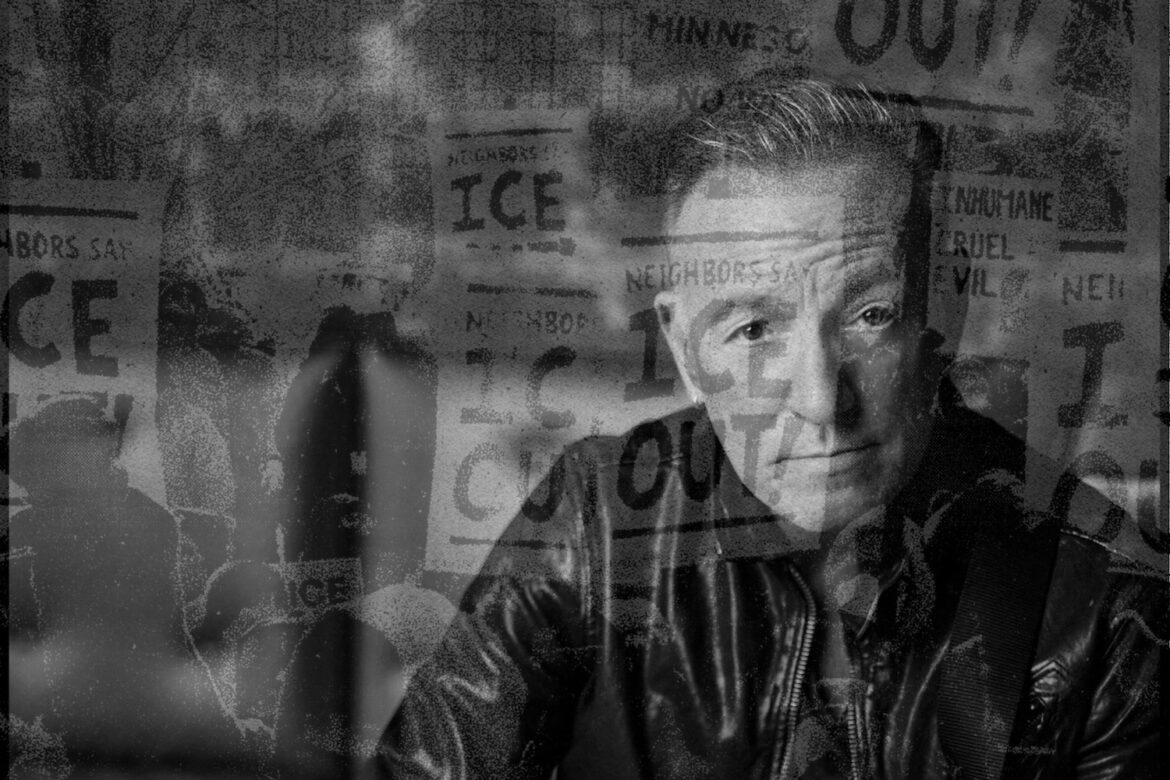
In “Streets of Minneapolis,” Bruce Springsteen records a dark moment in American history, just days after the murders of two American citizens by immigration enforcement agents.
This review has been published anonymously to protect its author.
 follow our Today’s Song(s) playlist


“Streets of Minneapolis” – Bruce Springsteen
I wrote this song on Saturday, recorded it yesterday and released it to you today in response to the state terror being visited on the city of Minneapolis. It’s dedicated to the people of Minneapolis, our innocent immigrant neighbors and in memory of Alex Pretti and Renee Good.
Stay free, Bruce Springsteen
* * *
Protest music has long functioned as a shadow history of the United States.
Where textbooks keep register of dates and legislation, the folk tradition has traditionally transcribed the feeling of smoke and bloodshed that accompanies social strife. Woody Guthrie gave us the faceless “deportees” of Los Gatos Canyon; Bob Dylan burned the “lonesome death” of Hattie Carroll into the American conscience. Nina Simone sang of racial murders in Mississippi and the South, and Crosby, Stills, and Nash elegized four dead in Ohio.
In “Streets of Minneapolis,” Bruce Springsteen adds two more entries to this grim ledger: Alex Pretti and Renee Good. The song is a distant bookend to his 1993 “Streets of Philadelphia,” about the personal devastation and deterioration of AIDS, catalyzed by a government that ignored those who suffered. In “Streets of Minneapolis,” Springsteen responds to the ongoing crisis of state violence and deportations.
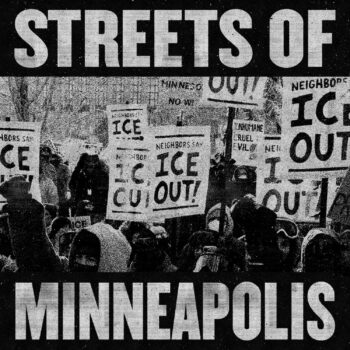
Through the winter’s ice and cold
Down Nicollet Avenue
A city aflame fought fire and ice
‘Neath an occupier’s boots
King Trump’s private army from the DHS
Guns belted to their coats
Came to Minneapolis to enforce the law
Or so their story goes
Against smoke and rubber bullets
By the dawn’s early light
Citizens stood for justice
Their voices ringing through the night
And there were bloody footprints
Where mercy should have stood
And two dead left to die on snow-filled streets
Alex Pretti and Renee Good
The song’s weight is rooted in literalism and repetition of fact. When the facts are this strikingly grim, there’s not much need for poetic flourish. Springsteen grounds the narrative in the specific geography of Nicollet Avenue and the “Winter of ’26.” The first couple verses tell the story of the murders of Alex Pretti and Renee Good, two Minneapolites that were gunned down by Immigrations and Customs Enforcement agents.
Oh our Minneapolis, I hear your voice
Singing through the bloody mist
We’ll take our stand for this land
And the stranger in our midst
Here in our home they killed and roamed
In the winter of ’26
We’ll remember the names of those who died
On the streets of Minneapolis
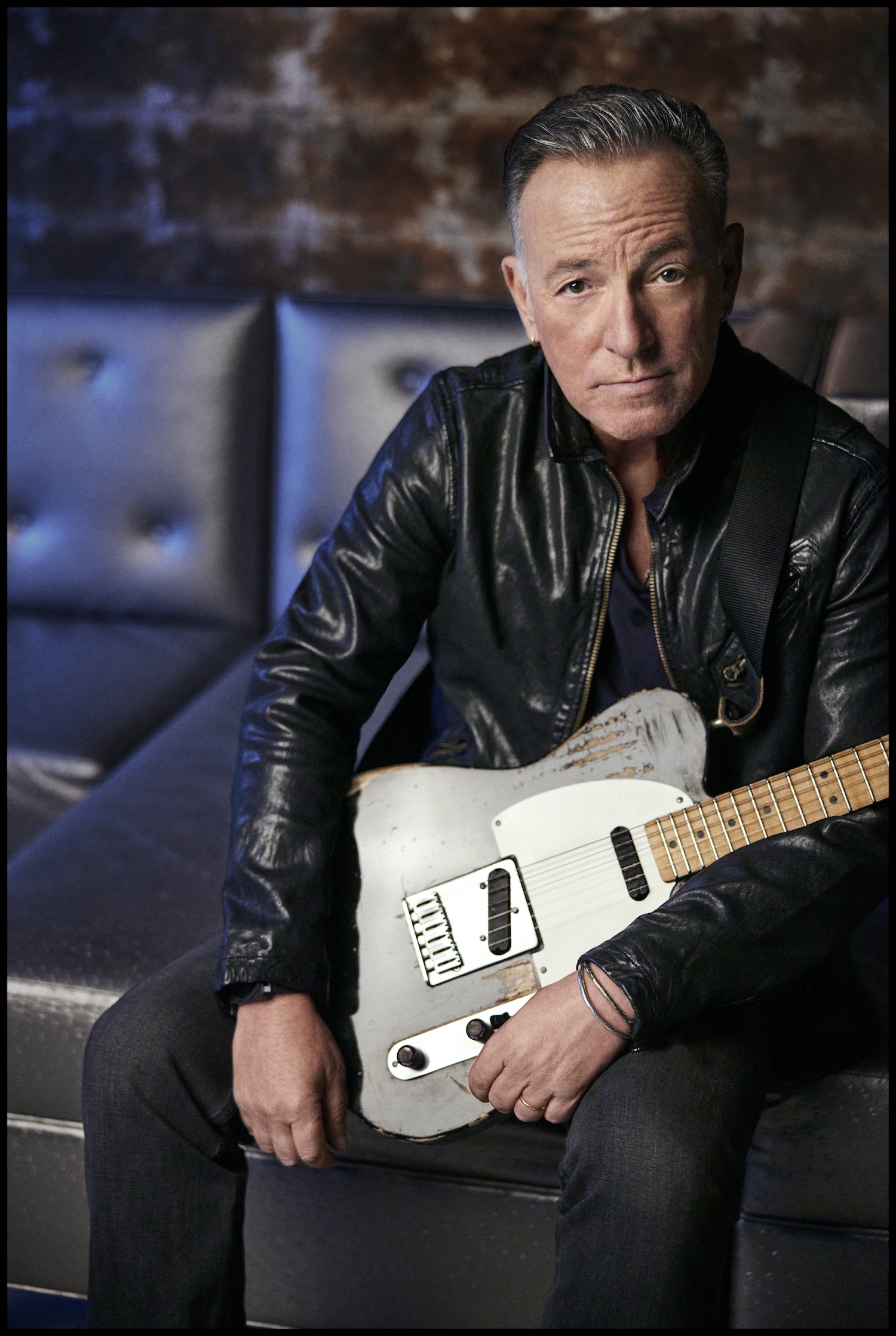
Throughout the song, Springsteen includes the listener in his use of “we,” implicitly folding them into the cause.
He leans, somewhat ironically, on sources of moral authority that are at least nominally important to the political right. “We’ll take our stand for this land / And the stranger in our midst” references a biblical law commanding the faithful to show love and mercy towards strangers in their country, a phrase which was incidentally bastardized recently by anti-immigrant political philosopher David Miller. Springsteen reclaims the phrase “stranger in our midst” as something said with kindness and love towards the stranger, not fear. He pushes back on the popular sentiment that immigrants are strangers whose fates have nothing to do with our own, and that they deserve dignity and welcome.
Springsteen also places “smoke and rubber bullets” in the “dawn’s early light,” juxtaposing the image of lethal state violence on its own citizens with the nationally inherited image of the American flag in “The Star-Spangled Banner,” once symbolizing glory and unity. We’re now accustomed to a fractured country, where the ‘truest’ Americans are often the ones that hold the most contempt for the values that, two hundred years ago, galvanized the grand, romantic project of America.
Springsteen also captures the tension between the digital witness and lethal violence. He identifies that, after the gun, the state’s best weapon is the negation of reality itself. “Their claim was self-defense, sir / Just don’t believe your eyes” acknowledges our post-truth mediascape where even video evidence is rendered powerless against state-led gaslighting (the “dirty lies” of Miller and Noem). Springsteen documents a new world where the whole world at large has the greatest access they’ve ever had to behold the “bloody mist” but remains unable to meaningfully intervene.
Trump’s federal thugs beat up on
His face and his chest
Then we heard the gunshots
And Alex Pretti lay in the snow, dead
Their claim was self defense, sir
Just don’t believe your eyes
It’s our blood and bones
And these whistles and phones
Against Miller and Noem’s dirty lies
Oh our Minneapolis, I hear your voice
Crying through the bloody mist
We’ll remember the names of those who died
On the streets of Minneapolis
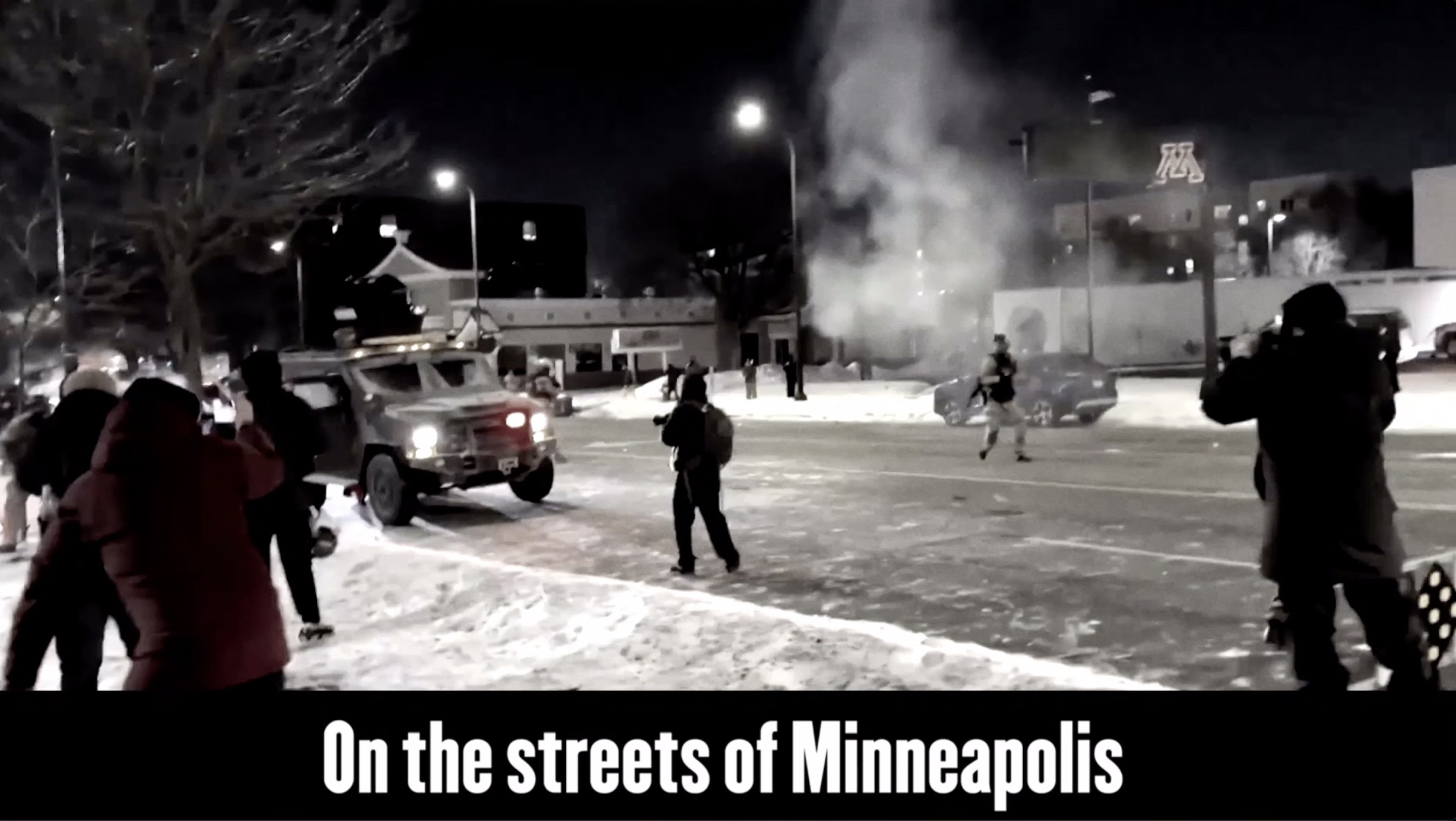
Sonically, “Streets of Minneapolis” is a Trojan horse.
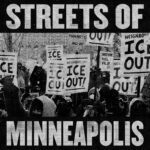
Springsteen’s voice is cynical and worn, and defiantly impassioned. He sings powerfully, and the simple melody and repetitive structure is conducive to singing along, as most effective protest music is. The instrumentation is distinctly heartland and a chorus of voices accents Springsteen’s refrains. This anthemic quality creates a somewhat unsettling tension with the dark subject matter. The song ends with a recording of a crowd yelling “ICE out” protest chants.
Springsteen is a now-old white rock musician working within a tradition that has always been better at naming injustice than directly dismantling it. In this sense, Springsteen models a kind of limited, imperfect resistance. He doesn’t claim proximity to the worst of the violence he describes but he does document it, name it, and implicate himself as a witness shaped by distance. In this moment, the Twin Cities have offered a counterexample to digital paralysis, with neighbors showing up for one another in ways that carry real risk. Springsteen gestures toward this; taking “a stand for our land” can take many forms – for some it’s writing a song that may touch hearts, and for those who can, it’s taking direct action.
Now they say they’re here to uphold the law
But they trample on our rights
If your skin is black or brown my friend
You can be questioned or deported on sight
In chants of ICE out now
Our city’s heart and soul persists
Through broken glass and bloody tears
On the streets of Minneapolis
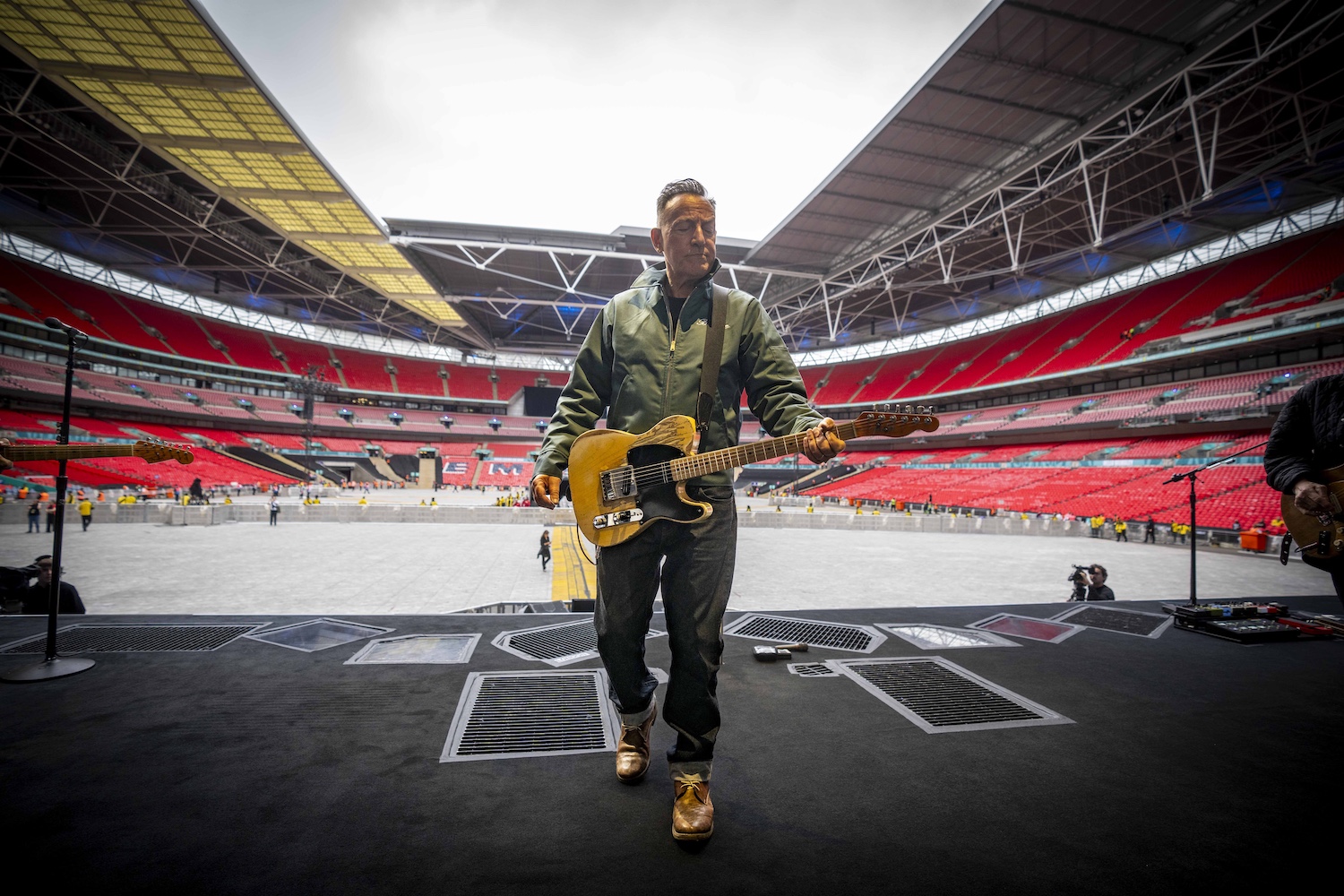
“Streets of Minneapolis” clearly does not resolve the asymmetry of the Black and Brown people’s suffering that is most routinely erased.
Alex Pretti and Renee Good suffered very visible deaths, and are two entries on a long list of people that have suffered and will suffer at the hands of the deportation machine. But the truth is that the great majority of the names on that list are those of the deportees themselves, names that, in ultimate injustice, will likely never make it into the papers or our national consciousness. So we must do what we can to exercise our own limited, imperfect resistances and not grow numb to the disappearances and brutality.
We are in a global winter of spectacular disdain for goodness and virtue, and the average person is all but forced by circumstance to become numb to protect themself. In writing “Streets of Minneapolis,” Bruce Springsteen reminds us that numbness is the greatest ally of violence. To feel the hurt is to stay human.
Oh our Minneapolis, I hear your voice
Singing through the bloody mist
Here in our home they killed and roamed
In the winter of ’26
We’ll take our stand for this land
And the stranger in our midst
We’ll remember the names of those who died
On the streets of Minneapolis
We’ll remember the names of those who died
On the streets of Minneapolis
— —
:: stream/purchase Streets of Minneapolis here ::
:: connect with Bruce Springsteen here ::
— —
“Streets of Minneapolis” – Bruce Springsteen
— — — —
Connect to Bruce Springsteen on
Facebook, 𝕏, TikTok, Instagram
Discover new music on Atwood Magazine
© Bruce Springsteen
 © Bruce Springsteen
:: Today’s Song(s) ::
follow our daily playlist on Spotify
:: Stream Bruce Springsteen ::