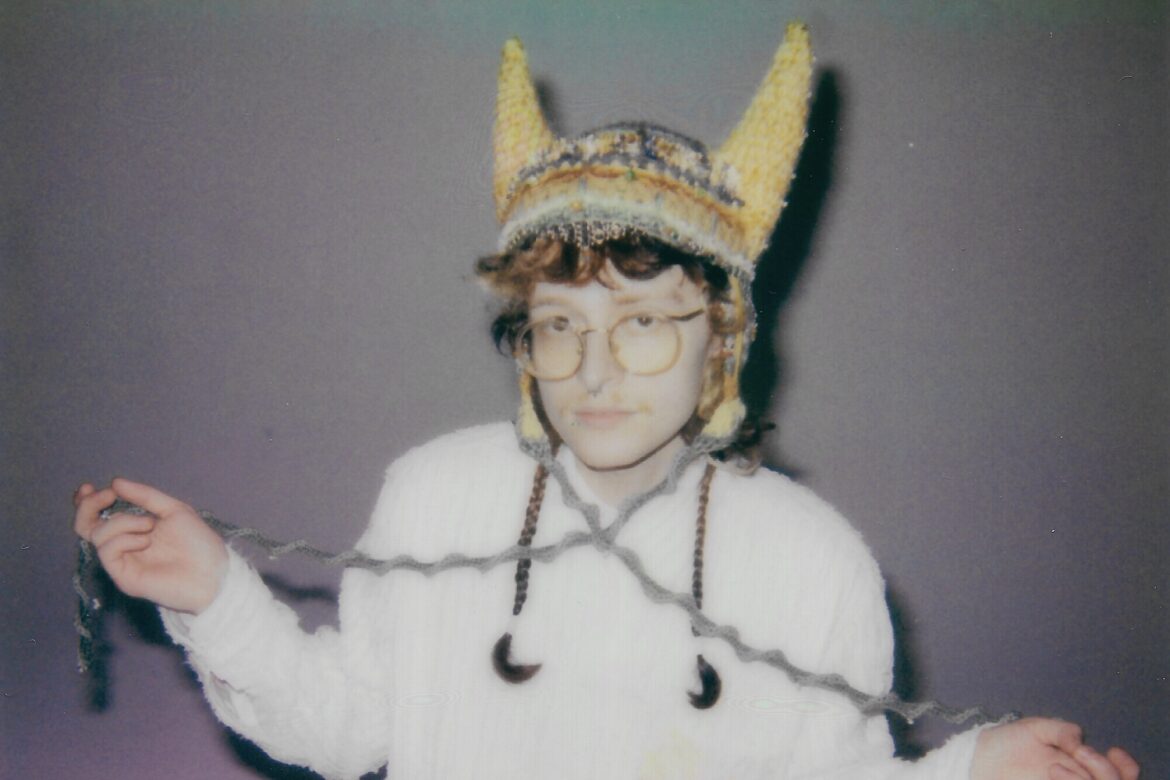
Cavetown’s Robin Skinner lays a false self to rest on “Big Strong Man,” a feverish alt rock reckoning with teenage masculinity, queer adolescence, and the pain of being loved for someone you never were. Speaking with Atwood Magazine, the British artist reflects on revisiting his early teens with new clarity, releasing long-held guilt, and reclaiming vulnerability as a form of strength.
 follow our Today’s Song(s) playlist


Stream: “Big Strong Man” – Cavetown
If you think you’re already being vulnerable enough with yourself, go deeper.
* * *
“My best friend fell in love with a girl and I killed her.”
Cavetown opens “Big Strong Man” with a murder – and slowly reveals the body as a version of Robin Skinner that never felt true. Looking back at teenage masculinity from the other side of that confusion, Skinner revisits the guilt, anger, and alienation of being young and queer while trying to understand what strength was supposed to look like. The song carries that reckoning with extraordinary force. What begins as a tender alt rock reverie gradually swells into a feverish pop rock burn, guitars thickening and churning around Skinner’s steady, spellbinding voice until the whole arrangement seems to buckle under the weight of what he is finally able to name.
My best friend fell in love
with a girl and I killed her
She lies by the tree in the graveyard
where we built a swing in the summer
You looked at me like a stranger
You looked at me like someone you don’t know
You looked at me like a lover
You looked at me like someone you couldn’t let go
You couldn’t let go ohohhohhhhh
“‘Big Strong Man’ – based on a similar time in my life as ‘Boys Will Be Bugs’ – is about my struggles with the confusing world of teenage masculinity as a young queer person, and how it sucks to feel loved for a version of yourself that isn’t true,” Skinner tells Atwood Magazine.
For more than a decade, Skinner has built Cavetown into one of alternative music’s most recognizable homes for emotionally candid songwriting, first finding an audience through self-recorded music online before songs like “Boys Will Be Bugs,” “Devil Town,” “Home,” and “Juliet” became touchstones for a generation of young listeners. Now 27 and living in New York, the non-binary singer/songwriter and producer describes his work as a place to write through life as a neurodivergent trans person – a practice that has repeatedly shown them the value of authenticity. “Big Strong Man” arrives shortly after this year’s Running With Scissors, an album Skinner still calls the work he is proudest of, and reaches backward toward an earlier adolescence with a clarity he did not have while living through it.
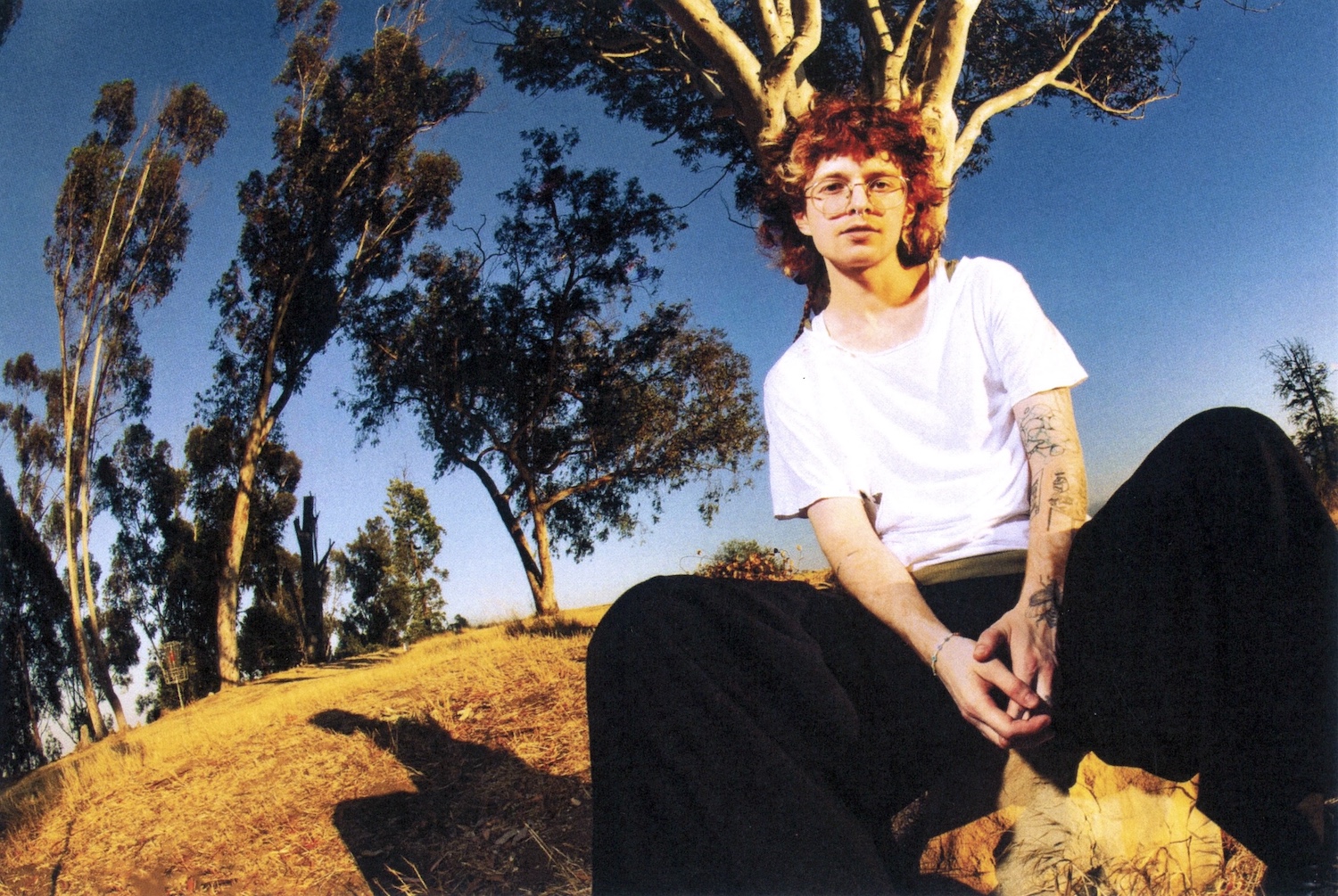
The music follows that retrospective unraveling in real time.
Skinner starts close to the listener, his voice almost eerily composed against a gentler guitar bed, while the lyrics sketch scenes of romantic confusion and emotional dislocation. Then the pressure mounts. Distortion gathers at the edges, the guitars begin to roar, and the track rises into a dense, charged wall of sound that keeps pushing forward instead of offering easy release. Skinner never has to overpower it. His vocal stays dreamy and controlled while the band burns hotter underneath him, creating an intoxicating tension between the person remembering and the memory itself.
I never told him I liked him like that
Stuck straight through my heart
and fell right out the back
He had me in his palm
but I crumbled like sand
Did that make you feel
like a big strong man?
Did that make you feel
like a big strong man?
The title question grows sharper every time Skinner repeats it. “Big strong man” carries all the old assumptions he was trying to decipher as a teenager – toughness, dominance, emotional distance, the performance of certainty – and the song gradually strips their authority away. Its most devastating line comes later: “You loved somebody who never existed.” Love becomes almost impossible to separate from erasure when affection is directed toward a self you know is false, and Skinner writes from the painful space between being wanted and being known. The chorus does not ask for an explanation so much as expose the weakness hiding inside the performance.
Around the time he wrote “Big Strong Man,” Skinner says he was finally “beginning to tie some loose ends together” around difficult experiences from his early teens. Distance gave him a different vocabulary for what had happened – and, crucially, permission to stop carrying responsibility that never belonged to him.
“The moments of realization felt validating and empowering,” Skinner explains. “I felt able to release a weird guilt I had carried for a long time. It felt healing to write about my experience retrospectively with this new context.”
“I think I wanted to release some anger through it,” he adds. “Maybe send some love and validation back to my past self going through the confusion.”
I couldn’t move but sometimes I still miss it
You felt it too but I held your resistance
Lay in my room like I don’t feel the distance
I always knew but I thought that I didn’t
We’re face to face on the floor of my kitchen
You won’t shut up ’bout the girl you’ve been kissing
But you’re holding my hand
like you don’t know the difference
I always knew but you told me I didn’t
You always knew I’m not part of your plan
You loved somebody who never existed
Did that make you feel like a big strong man?
That compassion changes the song’s center of gravity. “Big Strong Man” can rage at the people and expectations that helped create that confusion, but Skinner’s gaze ultimately lands on the younger version of himself who had to survive it. The song’s feverish escalation becomes a form of reclamation: Every guitar that surges harder around his voice gives that buried anger somewhere to go, while his restraint keeps the person beneath it visible. By the final refrain, the title no longer sounds like a standard Skinner is measuring himself against. It sounds hollowed out.
“That strength doesn’t look how I thought it did,” Skinner says. “And if you think you’re already being vulnerable enough with yourself, go deeper.”
“Big Strong Man” does exactly that. Cavetown digs beneath the costume of teenage masculinity and reaches the harder truth underneath it: Strength can mean looking directly at the self you were forced to perform, grieving the love that landed on that false image, and choosing to offer your younger self the recognition you needed then. The guitars may eventually burn at full force, but Skinner’s clearest act of power is quieter and far more lasting – finally seeing that younger person clearly, and loving them as they actually were.
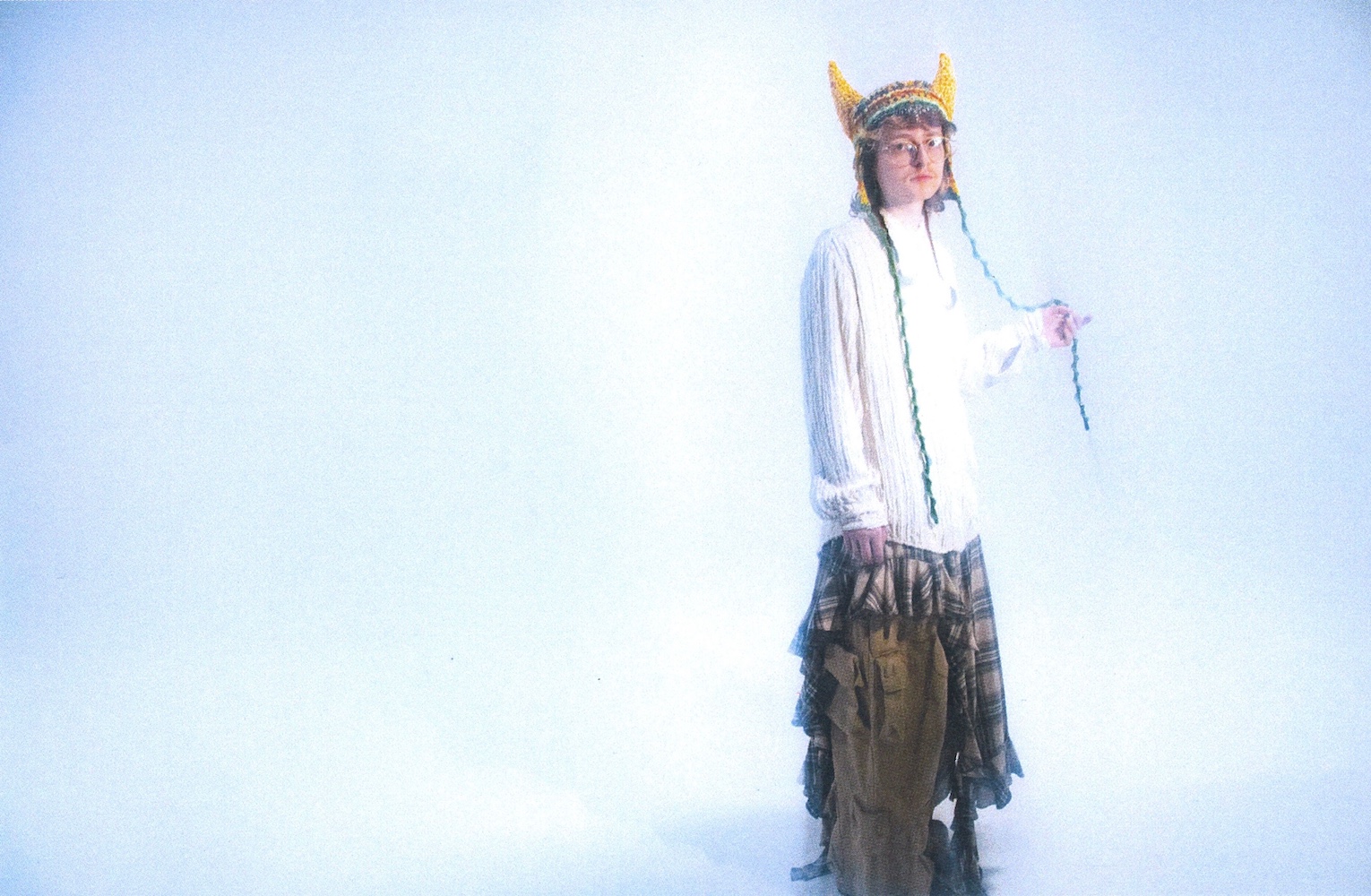
The “girl” buried in the song’s opening was never Skinner’s truth to begin with; “Big Strong Man” gives him the space to finally lay that false version of himself to rest.
Speaking with Atwood Magazine, Skinner reflects on returning to the confusion of his early teens with the clarity he has now – releasing the guilt he carried from that time, reclaiming vulnerability as a form of strength, and sending love and validation back to the younger version of himself at the center of “Big Strong Man.”
Read our full conversation with Cavetown below, where Skinner follows his latest single back to the teenager who inspired it – and the version of himself he finally gets to bury for good.
I never told him I liked him like that
Stuck straight through my heart
and fell right out the back
He had me in his palm but I crumbled like sand
(I always knew but you told me I didn’t)
Did that make you feel like a big strong man?
(You always knew I’m not part of your plan)
(I always knew)
Did that make you feel like a big strong man?
(You loved somebody who never existed)
(I always do)
— —
:: stream/purchase Big Strong Man here ::
:: connect with Cavetown here ::
— —
Stream: “Big Strong Man” – Cavetown
A CONVERSATION WITH CAVETOWN

Atwood Magazine: Robin, hello and thank you for your time! For those who are just discovering Cavetown today, what do you want them to know about you and your music?
Cavetown (Robin Skinner): Hi!! To anyone discovering me literally right now, or recently I guess: I’m a 27-year-old non-binary musician living in New York with the love of my life and my cat daughter. I like to write about my experiences as a neurodivergent trans person. It helps to get it out, and over the years has shown me how welcomed it is to be authentic. I’m in a semi-turbulent time in my life at the moment (/positive for the most part) and thankfully that makes for some really interesting music. I’d love for you to hear it!
With us being so many years into your career, can you recommend a couple deeper cuts or personal highlights from the Cavetown catalog for Atwood’s crate-digging audience to sink their teeth into?
Cavetown: There’s some really old songs I buried in a secret bandcamp called brother. It’s a handful of rough sloppy songs which I didn’t feel like polishing but still wanted to post somewhere. Some of my favourites to listen to from there are “Hate” and the original version of “I want to meet your dog.”
Who are some of your musical north stars, and what are you most excited about the music you’re making now?
Cavetown: I do not really idolize any like, celebrity musicians. I feel most inspired by my friends – the artists I’ve worked and performed with. I think knowing someone is a genuinely lovely person is essential for me to look up to them. My band are some of my best friends ever and watching them do their craft inspires me to learn more and expand myself. Speaking of which, I’m excited to be learning new ways to use my voice! I’ve been working to strengthen my vocal agility and access new registers like screams and stuff. What I’m learning is coming into the new music I’m working on, and I feel really proud of what I’ve made!!
Your latest album Running With Scissors came out earlier this year. What is your relationship with that record and its songs today?
Cavetown: I still am the most proud of this album than I am of anything else I’ve released. Every song is so fun and challenging to perform and doing so sometimes helps me feel confident. A lot of the songs came from a very positive and driven time in my life where I felt that I was coming into myself. I experienced a dip shortly after finishing the album which made it difficult to connect with the songs and talk about them. I think I’m still kind of heaving myself out of that dip, but working on the new songs for the deluxe album has reminded me that it’s possible for me to feel confident again because I’ve done it before.
“Big Strong Man” comes from a similar time in your life as “Boys Will Be Bugs.” What brought you back to that period, and what felt different about writing from that place now?
Cavetown: Around the time I wrote “Big Strong Man,” I was beginning to tie some loose ends together in my head about some bad experiences I’d had in my social life as a young teenager. The moments of realization felt validating and empowering. I felt able to release a weird guilt I had carried for a long time. It felt healing to write about my experience retrospectively with this new context.
You’ve said “Big Strong Man” is about the confusing world of teenage masculinity as a young queer person, and how much it hurts to feel loved for a version of yourself that isn’t true. What did you want to understand or let out through this song?
Cavetown: I think I wanted to release some anger through it. Maybe send some love and validation back to my past self going through the confusion.
The phrase “big strong man” is so… packed with feeling. There’s a lot behind those three words. What did that title evoke for you now?
Cavetown: That strength doesn’t look how I thought it did. And if you think you’re already being vulnerable enough with yourself, go deeper.
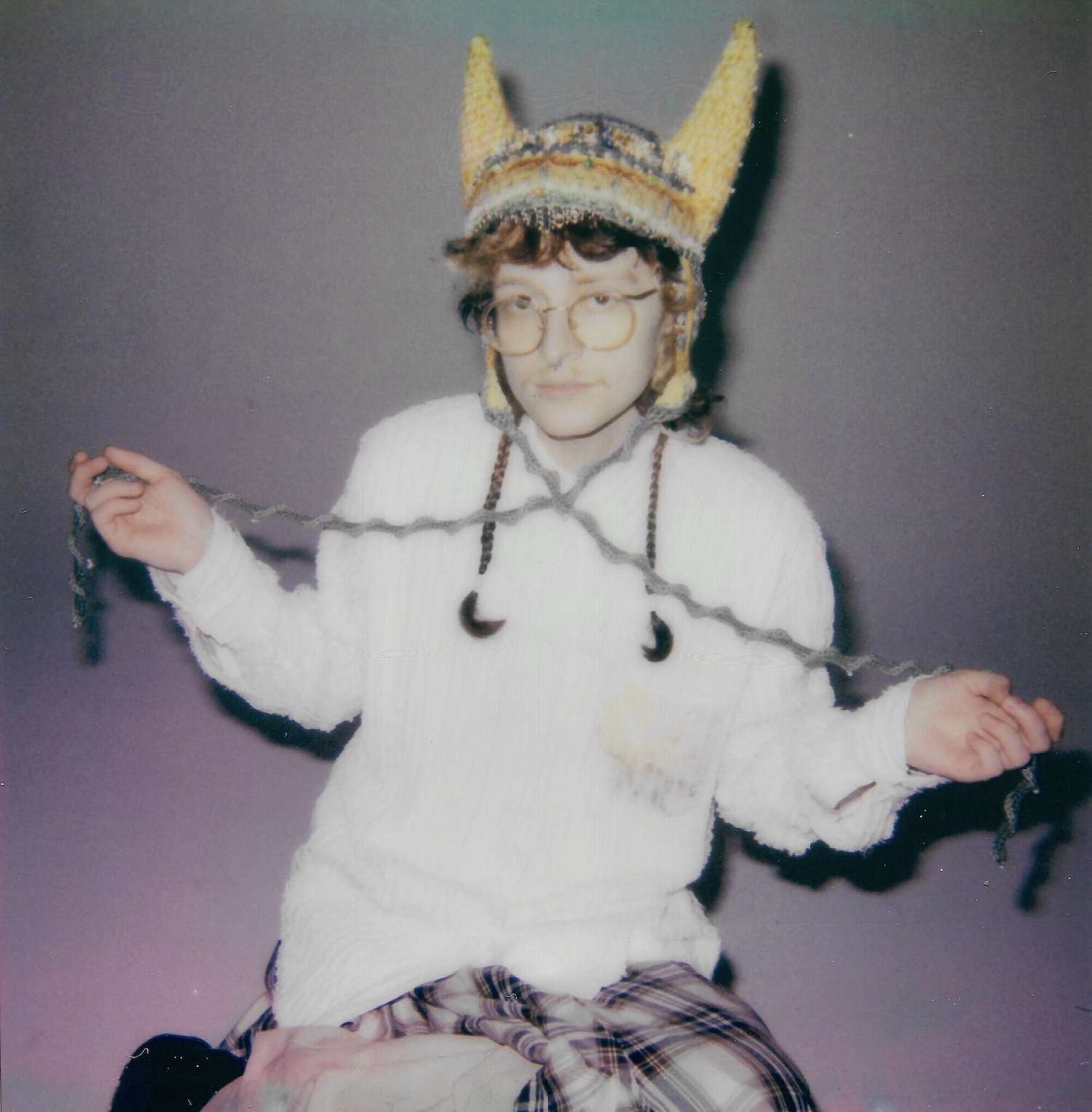
What do you hope listeners take away from “Big Strong Man,” and what have you taken away from creating this music and now putting it out?
Cavetown: A feeling I’ve tried to evoke across all of “Running With Scissors” is empowerment. That’s what the song gives me and I hope it resonates with people who recognise their own experiences in the lyrics.
In the spirit of paying it forward, who are you listening to these days that you’d recommend to our readers?
Cavetown: I hate to say it… but I’m quite literally listening to nothing right now. When I’m working on my own music and stuff for other artists that’s all that my ears can take. But you should definitely check out my bandmates’ music projects: Willoughby J Morse / Good Baby, Nick Johnston / The Pressure Kids / Mr Manager, and my guitarist James hasn’t released anything yet, but he WILL or so help me.
I also have to mention my ex-guitarist’s music project Spookyghostboy, who no longer makes music, but has shaped me and my career since I was 13 years old. I have also made some new friends recently who are insanely talented musicians – check out Dreamer Isioma and Um Jennifer!
— —
:: stream/purchase Big Strong Man here ::
:: connect with Cavetown here ::
— —
Stream: “Big Strong Man” – Cavetown
— — — —
Connect to Cavetown on
Facebook, 𝕏, TikTok, Instagram
Discover new music on Atwood Magazine
© Jaxon Whittington
 © Jaxon Whittington
:: Today’s Song(s) ::
follow our daily playlist on Spotify
:: Stream Cavetown ::