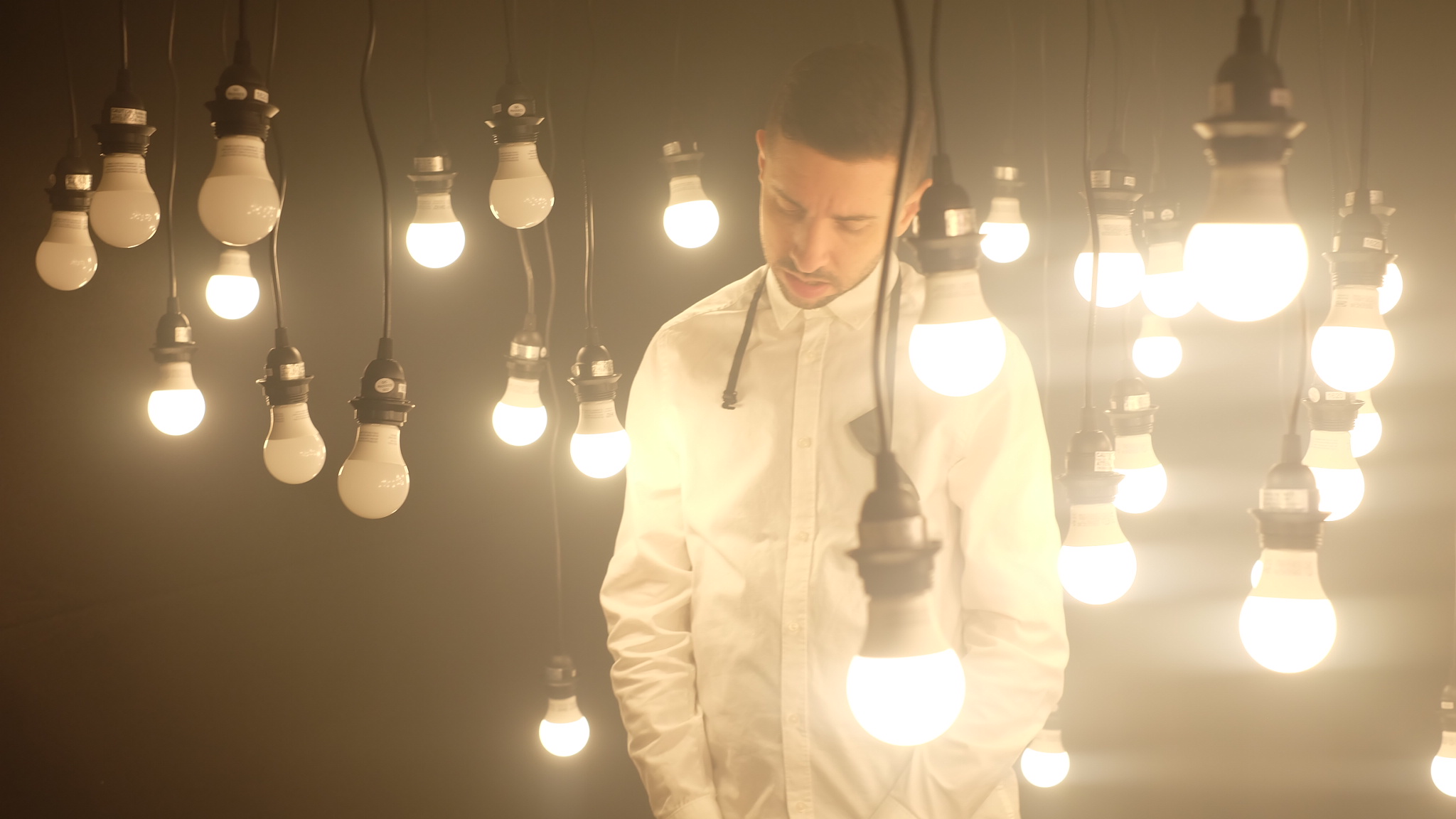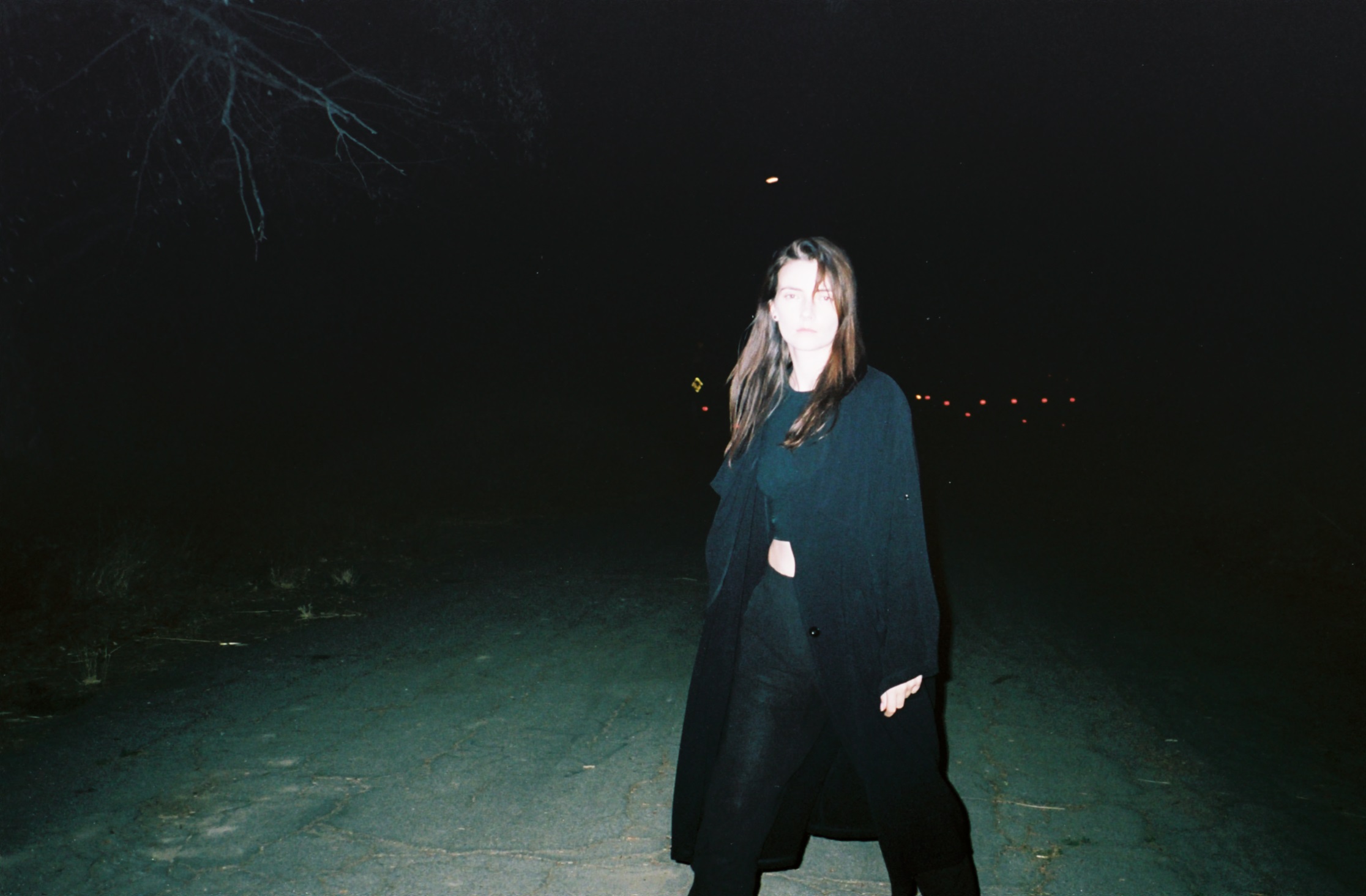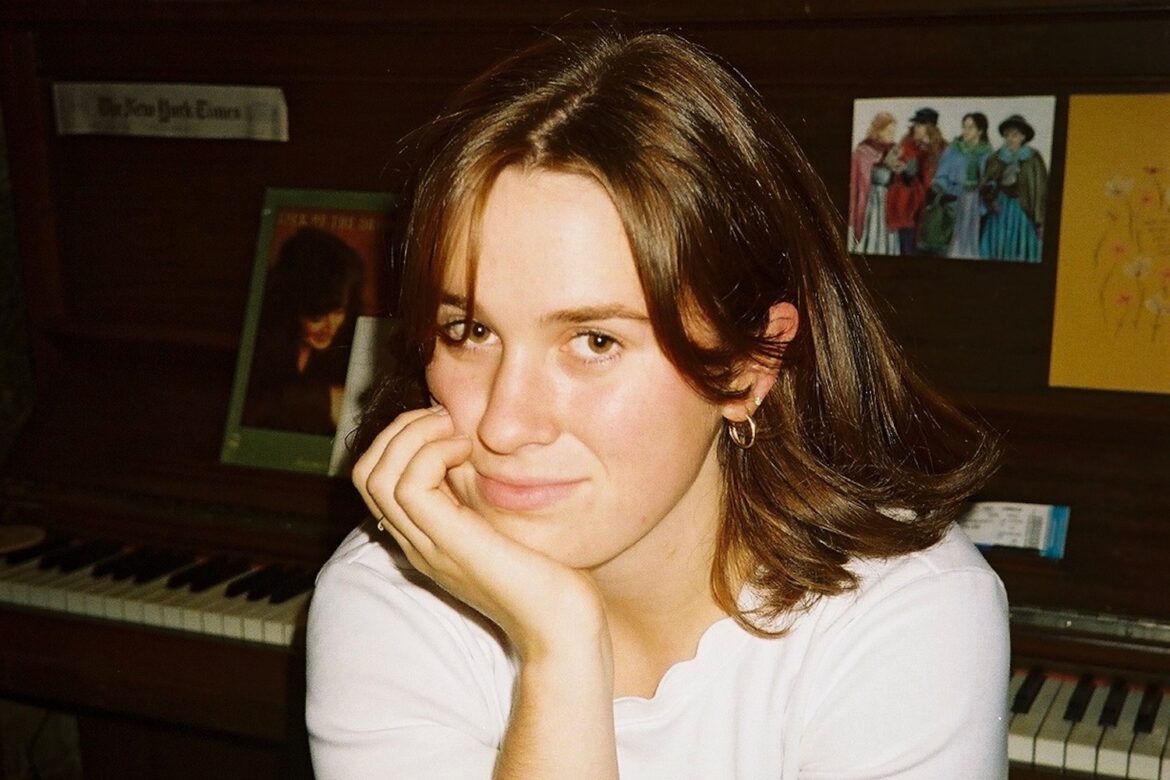
In an age where AI doomerism abounds, Marie Dresselhuis proves herself to be a more-than-worthy combatant in “Leave the Music,” a resplendent track informed by Dresselhuis’ lively candor and honorable conviction.
Stream: “Leave the Music” – Marie Dresselhuis
It’s an innately rebellious thing to create.
* * *
The Turing Test, developed by English Mathematician Alan Turing, was created with the intent to scale machine learning capabilities, insofar that said machines closely replicate – or appear to replicate – human intelligence via dialogue.
The test apparatus is set up thusly: A person (i.e., the interrogator) converses with a human conspirator and a machine via text, with the interrogator then attempting to discern who is the human and who is the machine. While the test was first introduced in 1950, this new epoch of marked technological innovation has ushered in deep apprehension surrounding computer-generated emotional simulacra.
The timeline we are living in is one driven by the notion of optimization being the ideal. Tech wiz-kids at brand new start-ups spend day in and day out circling like buzzards around a central question: How can artificial intelligence as a tool help reduce friction in human lives?
This question is seemingly an innocent one; posed out of good faith with humanitarian interests in mind. People have toiled for millennia, so why shouldn’t our generation be the one to reap the benefits of past struggle? Do we not deserve a hard earned break?
Vancouver-based musician and AI-contester Marie Dresselhuis begs to differ: “[AI gets wrong] that humans are averse to hard things, and that the ideal of the modern man is to streamline every single part of our existence,” she shares.
“Leave the Music,” released today (November 13), is Dresselhuis’ invigorated dissertation on the beauty – and importance – of human creation. In a world where polished, tech-driven art is proposing itself to become the new status-quo, creation shaped by human hands and minds is becoming ever-more sacred. Within the three minutes of the track, Dresselhuis’ thesis rings clear, most evidently lying within the title of the song and its emphatic lyrics. She does not mince words, singing: “Leave the music for the people / Leave the chords to miss their mark / Leave the singing out of tune and out of time.” Ergo, let the arbitration begin.
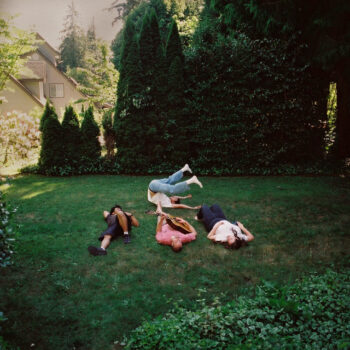
“For me, boiled down, humanity is our ability to connect and love and create and be in tune with those things,” Dresselhuis attests. As her formal introduction to music came by way of church choir, music has always been something informed and shaped by the presence of others. Consequently, she is never sparing in her admiration for those who exist in her creative ecosystem, and in her willingness to incorporate new people into the fray. Upon speaking to her, it is more than evident that Dresselhuis’ artist project, and life as a whole, is anchored by a fierce yet humble dedication to the people around her.
“I really love bringing people alongside, and in that I’m able to kind of disappear a little bit, and it’s less so about me and working toward this one thing. It’s like we’re all just a team here,” she imparts.
Moving through the world as a solo artist is sometimes comparable to being the last remaining animal of a species that is mostly extinct: you are one of one, and no one will ever let you live that down. The sisyphean task of one-upping your past self’s accomplishments is a mammoth one, positioning many artists at odds with the person they were just yesterday. You become a monolith unto yourself. “Pursuing an artist’s career is very insular and very isolating, just to be thinking about, […] your image and you as a brand,” Dresselhuis admits. “It can get so exhausting to think that every single thing you’re doing in your career is a stepping stone to something else […] because there’s no contentment in that at any point.”
Intentionally wading through imperfection and moments of stagnancy instead of seeking to bypass them via algorithm, Dresselhuis asserts: “I’m here to show you that I’m a person in my own becoming.”
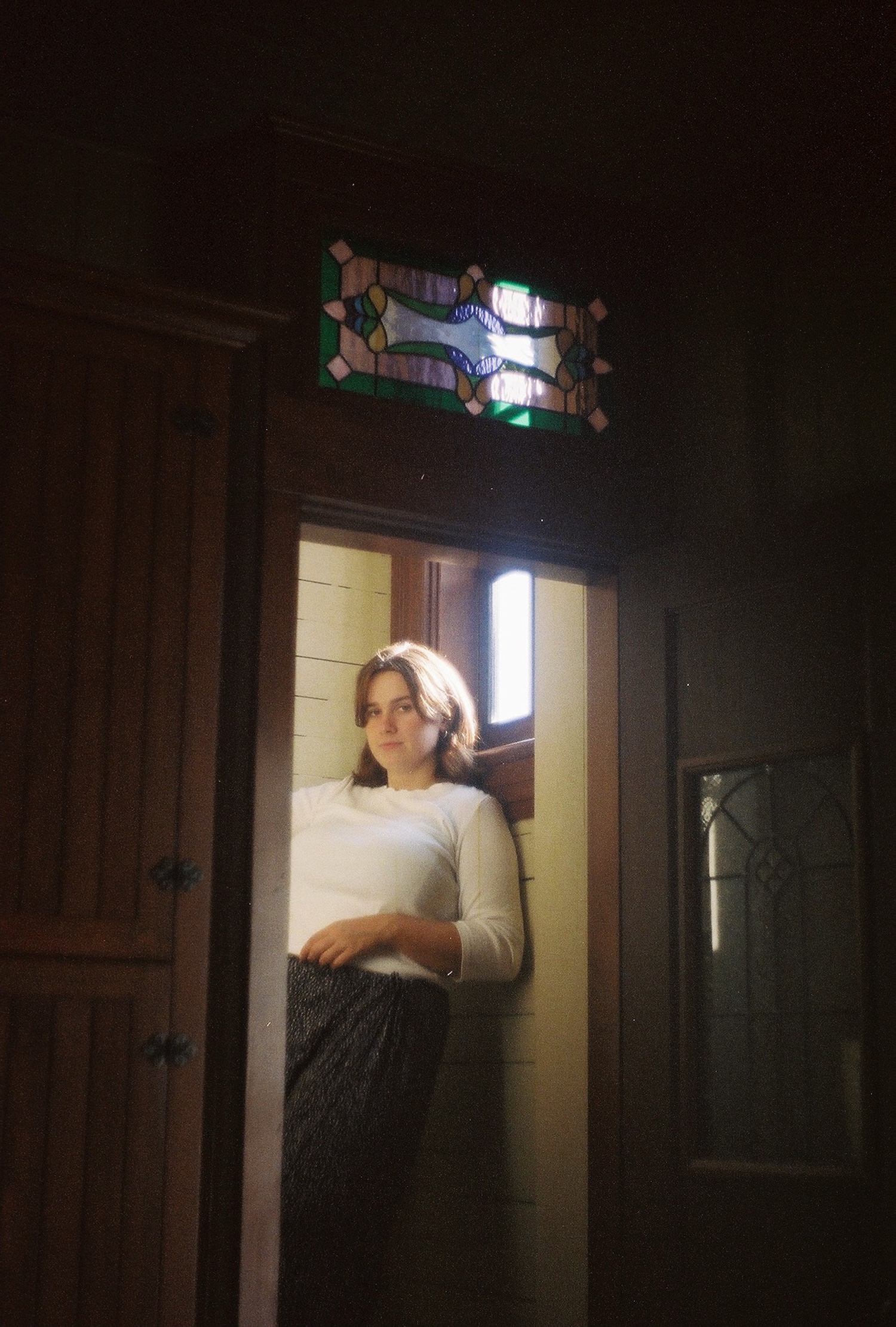
Boiled down, humanity is our ability to connect and love and create and be in tune with those things.
* * *
“Leave The Music” came to fruition via a challenge Dresselhuis’ created for herself last November, where she wrote one song per each day of the month and shared them online, regardless of how “good” or “complete” they felt.
“That whole challenge and practice felt very good and human,” she adds. “Leaning into that side of creation where you’re not curating your artistic image and you’re just saying ‘I’m going to post something every single day, something that I wrote and it might not be the best thing I’ve ever written.’”
This particular track found its origin in a sense of deep disappointment with the increasingly AI-riddled world, coming to fruition after Dresselhuis heard news of several AI songs reaching the billboard charts.
“I don’t trust and I’m not convinced by any work that’s created by Suno AI,” Dresselhuis challenges. “A platform that has never had the experience of singing in a choir. That never went to an open mic for the first time and had its voice shake, that has never sat in its room writing songs that were objectively not very good and hoping one day that their parents will let them have a YouTube channel and then they can upload their songs. That’s what music is. That’s what art is. It’s the story behind all of these people.”
Disillusioned, Dresselhuis took a lap around the block and returned to write this tune. When she debuted the track via socials, some fans imagined its studio recording counterpart manifesting as a mournful piano ballad, but Dresselhuis had a different kind of energy in mind. She called upon friends to record the track in a live jam-band-esque fashion, occupying a space of hope, rather than surrendering to a morose future.
Created in alignment with the ethos of the song, the live recording process left no room to pore over every sonic blemish. “I have a lot of perfectionism issues, as singers often do with recording, and when you’re recording live with a drummer and guitarist […], it’s really hard to tune your vocals because of the lead,” Dresselhuis concedes. “That was a good moment to give myself no excuses; to just let it be what it was.”
Muddling through the moments of pause and frustration that occur during the creative process and falling back on community is Dresselhuis’ form of dissent against the AI-driven “need” for urgency and rapid product turnover.
“It’s an innately rebellious thing to create, especially now when we’re being fed this notion that no one really wants to create anymore and that it’s hard to create […]. It’s a rebellious thing to blindly believe that [creation] matters and it matters on an individual scale.” Dresselhuis asserts.
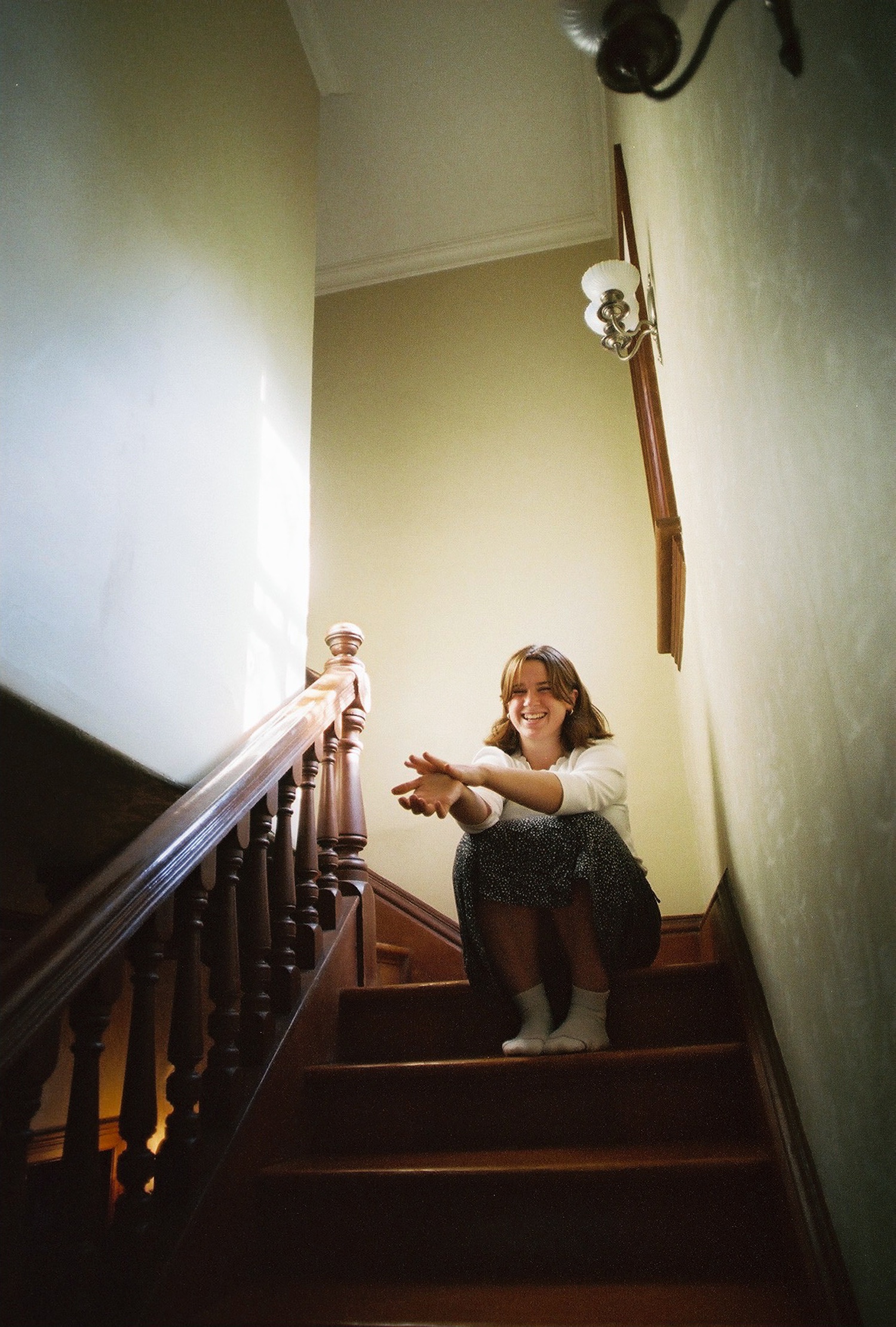
It’s a rebellious thing to blindly believe that creation matters and it matters on an individual scale.
* * *
The rhetoric surrounding AI tools at present is that they are something we will soon come to require; something we will not be able to live without in the near future.
You either ride the wave or you drown. But Dresselhuis asks: do we truly need AI, or was it imposed on us? What good is efficiency for efficiency’s sake? After all, life without any sort of friction isn’t really ‘living’ at all, is it?
Escape from the ennui of everyday life can be found in ways that don’t involve prompting generative AI with questions that sap the world of its water, that don’t reinforce an omnipotent surveillance state or contribute to the advancement of defense technology used to murder innocent people every day. Our queries and need for assistance can instead be deferred to the people who surround us, the people who not only are able to help us, but who sincerely want to help us.
“I think if our lives were easy and perfect,” Dresselhuis adds. “We wouldn’t need these wonderful, inexplicable, magical forces of creativity and also love and connection.”
She maintains that fighting the intellectual and social numbness plaguing society as a result of the predominance of AI “comes down to consumers and people making choices to not use [AI], and that’s the ultimate thing to think about when we feel all this doom about it. It’s actually within our power.”
Fueled by collaboration and a respect for every step of the creative process, “Leave The Music” is an ode to creating for creating’s sake, and a powerful call to action in its own right.
Continue reading below to learn more about Marie Dresselhuis and the conceptualization of “Leave The Music,” along with her relationship with struggle and adoration for all things autumnal.
— —
:: stream/purchase Leave the Music here ::
:: connect with Marie Dresselhuis here ::
— —
Stream: “Leave the Music” – Marie Dresselhuis
A CONVERSATION WITH MARIE DRESSELHUIS

Atwood Magazine: What's going on in your world? How are things minus the norovirus?
Marie Dresselhuis: I’m doing quite well. I leave for tour with Tiny Habits in a week, and I’m feeling very in myself. I’ve had a lot of good time this summer and fall to reconnect with playing for the sake of playing. This last tour I did in the spring, you kind of get into the rhythm of you’re just playing and singing because you know you’re going to be singing to other people. It’s been good to reconnect with the part of me that just loves to play. And it’ll just so happen that I’ll be playing to a bunch of people every night. But I’m incredibly, incredibly excited, and very excited to meet the team. I’m also just such a big fan of Tiny Habits, so I feel like I won a fan contest. We’ll just be having a blast every night getting to listen to them. Weary today, but I’m excited.
Oh, that's amazing. I think that that's going to be so special. It's such a brilliant pairing of all of you guys together. I think that you all live in the same world of intention and care. Those shows are just going to be very, very special.
Marie Dresselhuis: Yeah, it’s been fun to also curate a set around the last album that they put out, which energy-wise is quite different from the average thing that I put out. It’s been fun to reimagine and rethink different songs – not to completely change the energy that I bring – because I know that I was asked because I’m Marie and not someone else. But that’s a really fun part about opening, to kind of curate sets for different openers. It keeps it exciting.
I love that. It must be such a fun challenge to retool your pre-existing material – not to cater to someone else's audience, but more so to reach them and really resonate.
Marie Dresselhuis: I’m just in service of their act. I’m there to make music. But at the end of the day, it’s not really about me. In a bigger sense, it’s just about music and us all being there and not necessarily the individuals. That’s kind of how I think about performing. But especially in this case as an opener, my job is to respectfully be kind of a bit forgettable in a respectful way. I do hope that people are like, “Oh, I feel inspired by that opener’s performance” – but I just want to honor their work. The best I can do is show up as myself and singing covers that resonate with me. It’s going to be really lovely, I’m excited to honor them. I think I can do a good job.
I love what you said about being a little bit forgettable. I think that that is such a humble way to put it. I'm going to think about that for a while.
Marie Dresselhuis: It’s just kind of been my own journey with being perceived at shows. I work through a lot of anxiety around performing and being perceived. It’s been very freeing and helpful to remember that I don’t have to posture myself for shows to be impressive or to convince people that I am worth thinking about or to convince people that I’m cool. If that happens to be a byproduct, cool, but it’s not necessarily the impressive part. But if people do think about my music as a byproduct, I hope it’s that they’re taking away that they can feel the fact that I feel very warm and connected to what I’m playing. Because I’m just up there, and I am loving it. And that’s been very, very freeing to know that, yes, there’s pressure to do a good job as an opener so that people feel settled and not unsettled, but I can just show up and enjoy playing. That’s the best I can do at the end of the day.
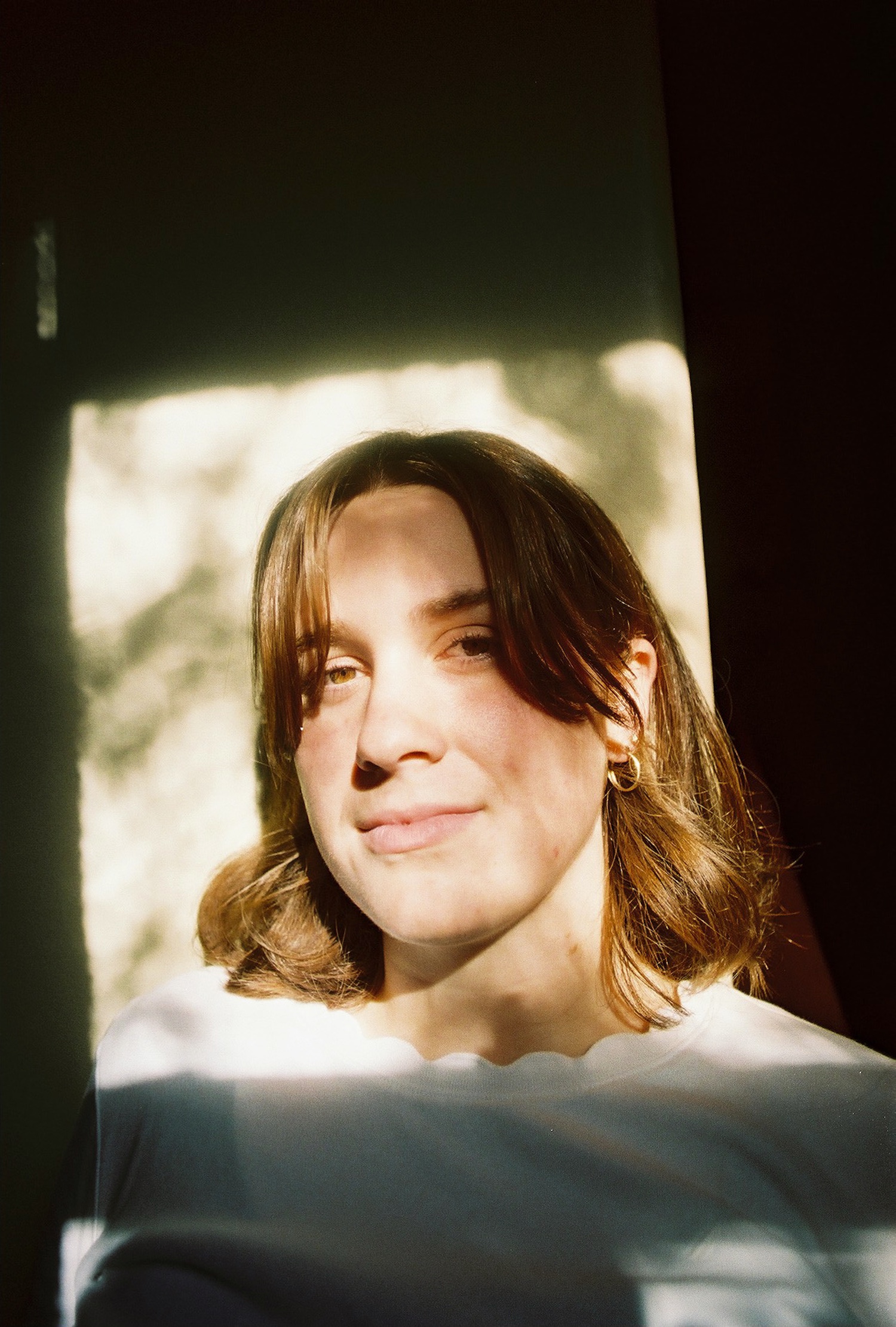
The industry centers this concept of being this ‘artist’ and presenting as this ‘artist’ at all times. You almost have to live up to the pedestal that you have put yourself on. So I think it’s really beautiful at the end of the day to connect with that innate sense of wanting to make music and share it with people. The personhood is so at the forefront of it – or the idolization of the personhood, I guess – is so much at the forefront of music nowadays that it can feel so complicated to just show up and be like, “Hey, I'm just like you guys, except I'm on a stage and playing music for you.”
Marie Dresselhuis: Yeah. I feel quite settled because I think that I’m probably not on a ‘pop star’ trajectory, and that’s totally fine with me. It’s definitely taken a lot to get to that place where I can feel at peace with being fulfilled by what I’m doing now; I love to teach and host events and song write and record my music and honestly do smaller house shows, not thinking of those things as stepping stones in any way, because it can get so exhausting to think that every single thing you’re doing in your career is a stepping stone to something else. Everything in your career is something that in 10 years, you’ll look back and be like, “Yeah, one time I was doing this, now I’m here.”
That’s an exhausting and unrealistic way to think about things because there’s no contentment in that at any point. The biggest journey for me is sitting in my commitments now and showing up for them the best that I can and not feeling like I am lacking because I am not selling out shows yet.
That's so beautiful and so wise. I think that something I've always really admired about you and the way you show up is the emphasis you place on community and these organic spaces. You are always in this state of uplifting people, whether it's another musician or a friend or a cause that you truly believe in. This notion of community and having this village to fall back on is so powerful and needed in art today. What role does community play in your life and your career?
Marie Dresselhuis: It’s definitely a really good grounding reminder that it’s so much bigger than me. Going back to that point and remembering that I exist in this much bigger context than I usually think I do. Pursuing an artist’s career is very insular and very isolating, just to be thinking about, as you were saying, your image and you as a brand and how are we pushing you and your image, da, da, da.
That’s also tied to my own issues with being perceived and having a spotlight on me. I much prefer existing alongside community as I’m making music, especially because that was the core, the heart of music for me, and I’m sure for so many people as well. I’m just trying to remember, the heart of music for me growing up was singing with other people.
I grew up in church, so my first exposure to music was singing with other people and also singing as this form of worship and singing as this form of recognizing that we are all contributing our voices for something much bigger, and that music and art is not this very definable product or thing. It’s this process of people coming together and everyone fitting in each other’s lives. And it’s very, very connecting and very, very natural.
I think that I cling to the community side because it kind of gives it purpose and meaning, because I’m gonna stop making music if it’s only for me.
Totally. Yeah, it has to exist in some way outside of yourself. I think it's really hard to be caught up in the ‘me, me, me’ of it all, as you were saying. You do such a good job at continually involving other people in your work and being willing to rely on people and ask for help. I think to truly recognize that and realize that you're being hoisted on the shoulders of others is really meaningful and powerful in this day and age.
Marie Dresselhuis: Yeah. I really enjoy bringing in my audience as part of the artistic journey. It’s so awesome to get to hire designers and creative people and people to work alongside you and help with marketing and find those people from within your fan base or your audience or the people that find you online – because people wanna be more involved with it.
There’s definitely a fine line with parasocial relationships. But I feel like I set a pretty firm boundary. If anything, I feel like it quells any possibility of parasocial relationships because it’s just about all of us working together and working alongside each other and then connecting with me as a person and me connecting with them as a person.
It’s not just this artist-fan relationship. Something that really excites me and gets me going and keeps me going with making music and pursuing it on an industry scale, I suppose, is wanting to give people opportunities and being careful and intentional about who gets to have access to opportunities.
There’s so many people within any person’s audience or fan base that love music and love creation or love music business that are looking for a way in. And it’s so hard to find a way in when you don’t have any experience. I really love bringing people alongside, and in that I’m able to kind of disappear a little bit, and it’s less so about me and working toward this one thing. It’s like we’re all just a team here.
It’s nice to give other people a stake in something. That actually perfectly segues into “Leave The Music” and the whole ethos of the song. I'd love to hear about the song and the inspiration behind the track.
Marie Dresselhuis: I wrote it as part of this challenge that I did last November, where I was writing a song every day. That whole challenge and practice felt very good and human, leaning into that side of creation where you’re not curating your artistic image and you’re just saying “I’m going to post something every single day, something that I wrote and it might not be the best thing I’ve ever written.” It’s probably not gonna be the best, but I’m here to show you that I’m a person in my own becoming.”
That’s something that isn’t really given a lot of space online. If something isn’t fine-tuned or curated online, it’s just not as valid to the algorithm, which in turn makes it hard for people to feel like they can try publicly and therefore try privately in their own lives. And so that was a cool challenge.
This was a song that I wrote as part of that. It was around that time where there were some AI artists that were on the billboard charts. And I was like, “Oh, interesting, okay. Bleak.”
I put my phone down and took a turn around the block, just being like, “What the hell?” – and wrote the song as a response to it. I remember people having ideas about production as people online often do, talking about strings and how it’s kind of ballady. There’s definitely a world where it was like that, but I wanted it to feel like a jam session and not this fine-tuned product, because that’s not what art is and that’s not what music is.
The idea of music as this thing that you can pinpoint in time or space is such a Western ideal of thinking about art. There’s so many indigenous languages that don’t even have words for music, because it’s part of this ever unfolding process. I wanted it to feel like I was capturing a jam –which it was – it was me and my friends who were all in a room at the same time.
I have a lot of perfectionism issues as singers often do with recording, and when you’re recording live with a drummer and guitarist and la la la, it’s really hard to tune your vocals because of the lead. That was a good moment to give myself no excuses; to just let it be what it was. Then we added some things around it.
That’s just something that AI gets wrong right off the bat – Suno AI and all those platforms are thinking about music as this single product. That’s just definitionally incorrect. It’s not art and you can’t have art without having a story behind it and without having an arc behind it.
I don’t trust and I’m not convinced by any work that’s created by Suno AI; a platform that has never had the experience of singing in a choir. That never went to an open mic for the first time and had its voice shake, that has never sat in its room writing songs that were objectively not very good and hoping one day that their parents will let them have a YouTube channel and then they can upload their songs. That’s what music is.
That’s what art is. It’s the story behind all of these people. And those platforms get that wrong right off the bat.
And also, they get wrong that humans are averse to hard things, and that the ideal of the modern man is to streamline every single part of our existence, which is why we’re seeing with this AI wave, it feels like there’s kind of like a mini extinction of our species. We talk about a mass extinction – the robots, they’re gonna get into the nuclear codes we’re all gonna blow up and then we’re gonna be extinct – but it’s already kind of happening on a small scale if we think about how we let it infiltrate our ability to critically think and creatively think and our ability to connect. It’s so worrying to me. Music is the best way that I know how to stay sane as I worry about that.
It’s the best way that I know how to hope for the world because it’s an innately rebellious thing to create, especially now when we’re being fed this notion that no one really wants to create anymore and that it’s hard to create – and so therefore no one really wants to do it. It’s a rebellious thing to blindly believe that it matters and it matters on an individual scale.
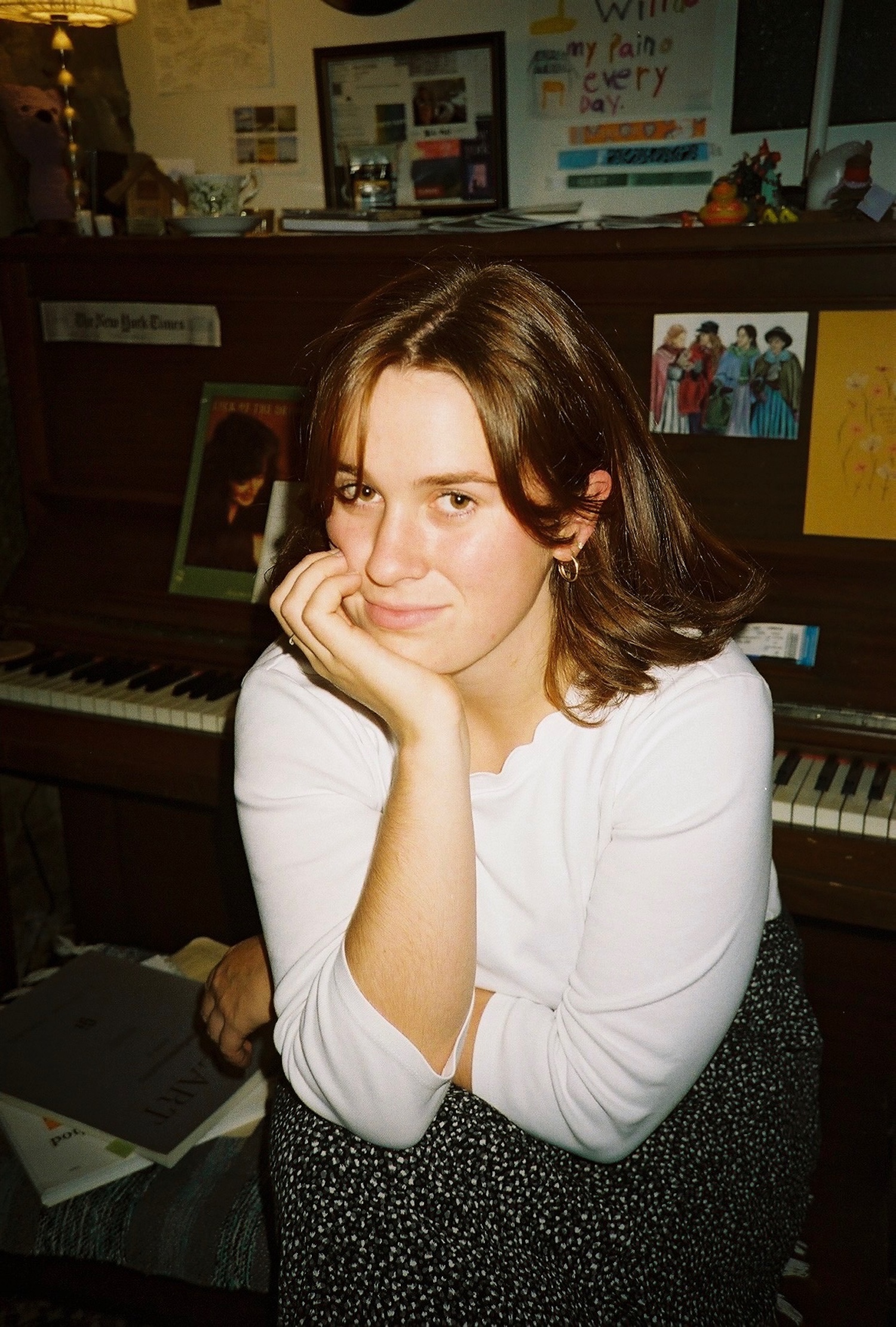
I think the way that AI is being framed now is so much about optimization and ridding us of the struggles of everyday life. People are really letting that eclipse them from the humanness of experiencing struggle and how struggle really informs us and makes us human. It’s not reflected in this ‘perfectly created’ AI music. I guess it is reaching people unfortunately. When you encounter struggle and maybe writer's block or career choices that temporarily stop you in your path, how do you go about moving around them and using them as building blocks instead of something to avoid? Where does struggle help us as humans work toward creation?
I think if our lives were easy and perfect, we wouldn’t need these wonderful, inexplicable, magical forces of creativity and also love and connection. For me, boiled down, humanity is our ability to connect and love and create and be in tune with those things. It’s the whole weird conversation around “Why do we need suffering?” I don’t know. Those are not the answers that I have.
I don’t think anyone really has the answers, but the fact is that there is suffering, that’s just something that exists. But it also just so happens that that is what can connect us the most, and that’s what enables our creativity the most.
The struggle and doubt just remind me that I’m human. It reminds me that I need community. It reminds me that I need to connect with the local park and I need to connect with my creativity.
Struggle does a very good job of reminding me that I can’t do this by myself. It’s isolating when you try to fix all your problems, because then you stop relying on the things that make us human. Even down to washing your dishes.
I was talking about it with my dad the other day. He was talking about when his family would finish dinner while he was growing up. That was a moment pre-dish washer.
It was a moment for all of them to connect and chat about the week, talk about dinner, talk about plans for the rest of the week as they were all washing, and everyone had their role in the dish washing. The idea of making our lives more efficient in those menial tasks is well-meaning until you get to this point where it’s like now we’re actually just trying to outsource the things that you said you wanted to replace so that we could have time to do those things, if that makes sense. I’m sure it was all marketed as “Let’s make it easy so that you can connect with your family and you can connect with creativity.
It’s clear that that’s either never been the dream or it’s just gone too far with no self-regulation and mass regulations. Now you have Sam Altman being like, “Put your kids’ calendar into whatever program and then it’ll just spew it out for you and replace you talking with your kids.” And obviously people creating art, music, essays – whatever it may be – outsourcing that. These things that we should be having more time to do because we have dishwashers and we don’t have to hand wash our clothes.
I came across this writing recently, I can’t remember exactly where it was from, but it was this idea that the question is less so, “How can I make my life harder,” but more so “What parts of my life have gotten so easy that it no longer moves me?” That’s something that I try to think about every day; what parts of my day have I mapped out and scheduled that I’m just trying to be more efficient with, just for efficiency’s sake, to get to another point where I can be more efficient.
It’s like, “Oh, let’s make a quick meal so that I can have more time to do this thing. And then I’ll do that thing quicker.” And then the day just ends and I’m like, how moved was I and how connected was I to what I was doing?
I say all of these things, and also have so much hope, at least in the greatest spheres that I get to exist in, seeing a really significant return and desire in our generation to make things again and have hobbies and be intentional about screen time and device usage.
I hope that that’s what we continue to do. I hope we continue to insist on inefficiency because that’s what enables our humanity. We need to be inefficient in the way that we grieve and heal and work so that we can rely on each other. And so that we can have space and the need to create.
I think that the point you left off on where our generation is being more intentional about the time we spend and recognizing the kind of unhealthy habits we have around tech and optimization is such a good one for you to have left off on, because so many of these conversations about AI involve doomerism. But it's so important to remember that we retain this sense of humanity. And even though this weird techie future is kind of looming and is also kind of here or whatever, it's so important to have that constant reminder that we're still able to practice creativity and practice living in uncomfortable moments and really letting that sit with us instead of falling victim to the idea that it's inevitable. I think that that is really what comes through in this track. There's so much palpable energy in this track. I think you did exactly what you said you set off to do with this, and I think that it's going to reach people in ways that they need.
Marie Dresselhuis: I appreciate that thought. It obviously feels so impossible to face this looming threat if we think about it as this massive, big thing that’s going to affect us and take over at a certain time. It can be terrifying to think about, but it’s also very freeing to recognize that it’s actually taking over in a micro scale, and so therefore our actions as individuals are micro in this bigger system, and so we have control over it. It comes down to consumers and people making choices to not use it, and that’s the ultimate thing to think about when we feel all this doom about it. It’s actually within our power. At the end of the day, people don’t really want to listen to AI music. People only do it because they don’t realize and they don’t have the tools to recognize AI music. I really do believe in the good in people and that people want to try. Sometimes there are people in situations where it really destructs my hope, but I do want to believe, and I kind of have to blindly believe that people want to embrace and keep a hold on our humanity. It’s within our power, you guys. It’s literally within our power.
Totally, yeah. It's so important to remember. We can get so bogged down by all of the news about kids asking ChatGPT for therapy advice or the terrible things that defense companies are using AI for, but it's always good to remember that we can take action – the power lies with us, like you were saying. That is refreshing and always an answer that lies in having these conversations, and why it's so important to just not be like, “Hey guys, it's inevitable. I'm gonna go chat use ChatGPT now and drain the earth of its water.”
Marie Dresselhuis: It’s not inevitable. We’ve gotten along without using Chat GPT for a long time. We’re gonna be fine. You just need to choose a little bit of inconvenience.
What a joy inconvenience is! What a gift it is to be inconvenienced in a world where so many people are struggling.
Marie Dresselhuis: Yeah, yeah, that’s a big thing as well.
So many big things. So many big things. When I was a young journalist, I always ended my interviews with very cheeky questions, and one of my favorite ones to use was, “What has been giving you joy lately?” It can be just anything in the world, not even music-related. Just anything that exists in the ether of this grand, terrible, fantastic world.
Marie Dresselhuis: Oh, there’s so many things. It’s good to think about because you realize that there’s actually so many things that bring me joy. Oh, there’s actually so many things.
I just love autumn so much. I just noticed the transition season more this year where the leaves are half green, half red, and or half orange. It’s so exciting to look at. There’s definitely parts of me that go “Oh, it’s so true. It’s like the human transition and we’re all just these things.” We can totally assign meaning to it, but also it just looks so good. The contrast of the red and the green, they’re just on fire. I also love collecting leaves, and then I send them to friends in the mail, being like “from my leaf walk to yours,” and then maybe some people send the leaves back. Yeah, the trees. The trees are always a big joy.
I love the notion of sending leaves to people. I took a walk in Central Park last year when my phone broke, and I was just picking up leaves, and I used them to decorate my door.
Marie Dresselhuis: Absolutely, phoneless walks, very obsessed with those. They bring me a lot of joy. Then you’re just raving at everyone and petting the dogs.
I love it. There's such joy in being present.
Marie Dresselhuis: Yeah, and we can choose it. Well, what’s bringing you joy these days? That’s my final question.
Oh thank you so much. What a wonderful interviewer you are. Let me think. Hmm, I am really loving a warm blanket. Honestly, my apartment is a pretty old, pre-war building. So, they kind of decide when to turn the radiators on at will. There’s this one blanket that my Mom had made for me, and it has a giant picture of one of my cats on it. It’s a lifesaver, honestly. It's not a heated blanket or anything. It's just a regular blanket. But you know what? It is perfect.
Marie Dresselhuis: That’s wonderful. I have a pillow of my late dog. We need to be printing our pets on bedding more. So I’m really glad that you and your cat have some good snuggles.
Exactly.
Marie Dresselhuis: Yeah, very autumnal. Very autumnal answers.
— —
:: stream/purchase Leave the Music here ::
:: connect with Marie Dresselhuis here ::
— —
Stream: “Leave the Music” – Marie Dresselhuis
— — — —
Connect to Marie Dresselhuis on
TikTok, Instagram
Discover new music on Atwood Magazine
© Raunie Mae
 © Raunie Mae
:: Stream Marie Dresselhuis ::