Throughout the year, Atwood Magazine invites members of the music industry to participate in a series of essays reflecting on art, identity, culture, inclusion, and more.
•• •• •• ••
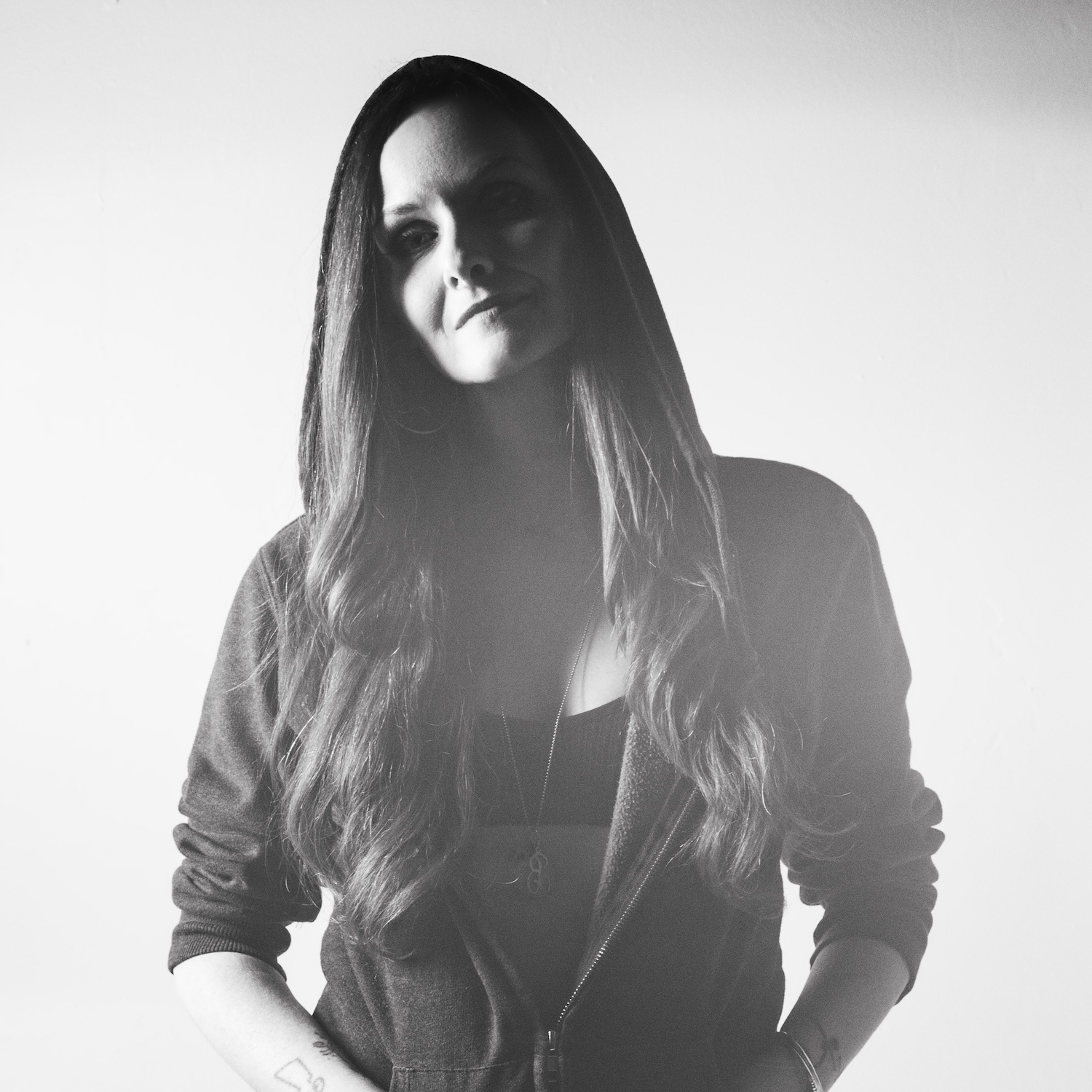
Today, Buick Audra of Friendship Commanders traces the painful legacies of girlhood, exclusion, and the “other girls” we fail to protect in “It’s Not Mine I Carry Around: On Being Outside of Womanhood, But Still Looking Out for the Girls,” a searing reflection that intertwines her own survival with the haunting story of Reena Virk, as part of Atwood Magazine’s special essay series. In honoring Reena’s memory and confronting the cycles of harm that shape girlhood and womanhood, Audra calls for a deeper, harder empathy – one that listens to the marginalized, protects the vulnerable, and refuses to let “other girls” be forgotten.
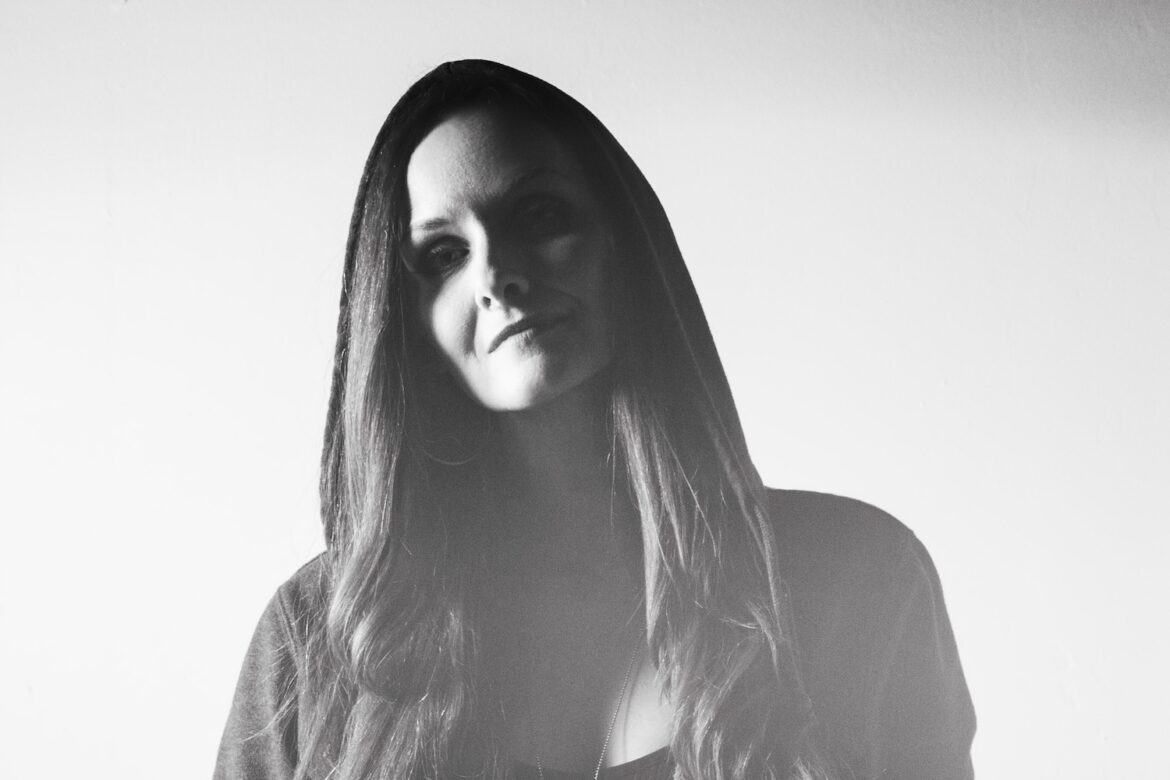
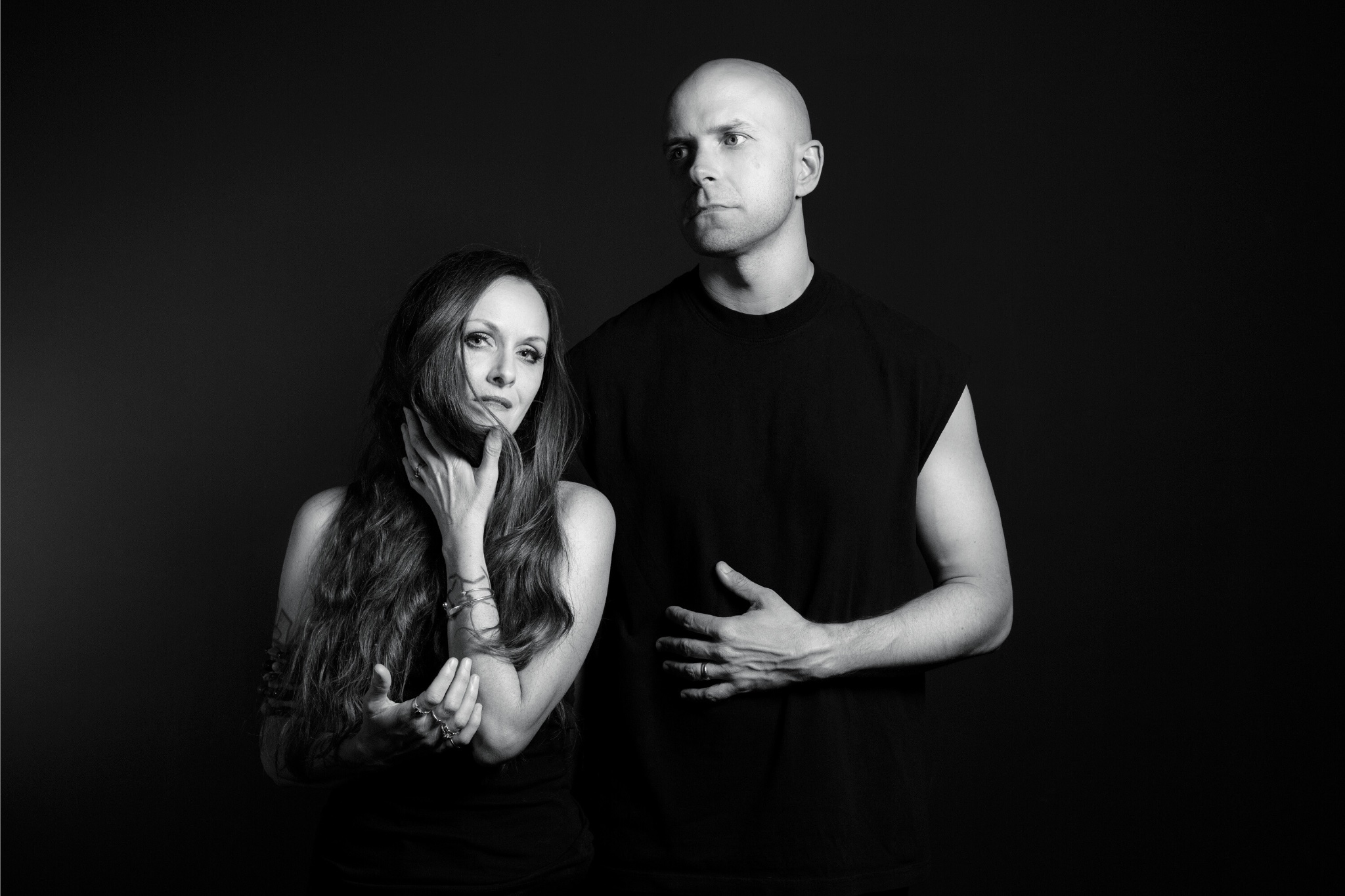
Comprised of Buick Audra and Jerry Roe, Friendship Commanders are a Nashville-based heavy melodic duo crafting blistering rock music that fuses heavy, hard-hitting sound with moments of stark, vulnerable clarity. Their fourth studio album, ‘BEAR,’ is out now via Magnetic Eye Records. Co-produced with longtime collaborator Kurt Ballou, the record explores the ever-elusive idea of belonging – where it forms, where it fractures, and who gets shut out. Written in the wake of Audra realizing she had been “kicked out of womanhood,” the album moves through art, outsider culture, and dark rock spaces as sites where empathy and identity take shape, pairing massive force with stretches of spacious lightness across ten tracks.
Throughout ‘BEAR,’ Audra examines the harmful behaviors, expectations, and hierarchies that shape girlhood and womanhood, opening with “KEEPING SCORE,” a searing confrontation of how women harm girls in the same ways she was hurt as a child, and closing with “DEAD & DISCARDED GIRLS,” inspired in part by the 1997 murder of Reena Virk. The album threads her personal history as an outsider with larger cultural critiques – from women co-opting others’ identities (“DRAIN”) to the toxic optimism imposed on those who don’t fit traditional molds (“DRIPPING SILVER”) to the solace found in art and expressive communities (“FOUND”). ‘BEAR’ stands as both a reckoning and an invitation: a challenge to the harmful patterns among women and girls, and a beacon for all the “bad daughters” and outsiders searching for a place to belong.
— —
:: connect with Friendship Commanders here ::
— —
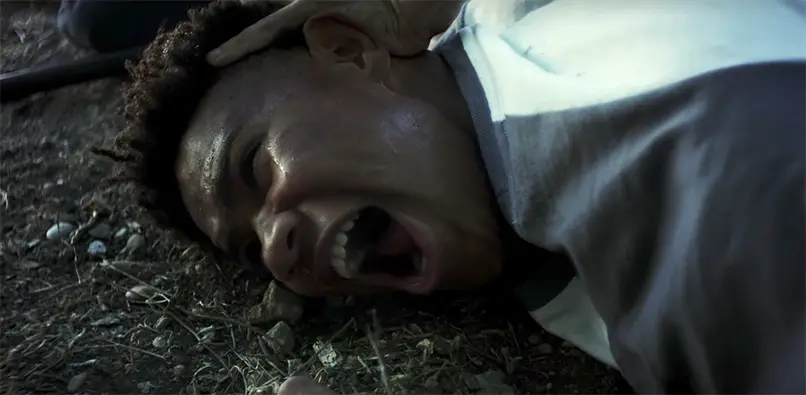
“DEAD & DISCARDED GIRLS” – Friendship Commanders
•• ••
IT’S NOT MINE I CARRY AROUND
On Being Outside of Womanhood, But Still Looking Out for the Girls

by Buick Audra
In January of 2020, I set about reading all of Nora Ephron’s books.
I had long been aware of her work as a filmmaker and all-around public figure, but her writing first came to me by way of quotes in books by other women; Viv Albertine’s among them. Right away, I loved her prose, not just because it was funny, sharp, and observant, but because it was honest about womankind. One quote in particular has stayed with me:
“Like all things about liberation, sisterhood is difficult.” (Crazy Salad, 1975)
She also wrote:
“I had long since ceased to believe in the existence of that mystical sisterly loyalty women are alleged to feel toward one another.” (Heartburn, 1983)
Ephron identified as a feminist, but she also told the truth about women. Up to that season, I had lived a life mostly outside of my own gender, though I had spent decades trying to integrate myself into the fold. Maybe, I thought, being on the outside is the vantage point from which you can see in. It had been true in other areas of my life, like not being from Massachusetts but spending large chunks of my adolescence and young adulthood there. It had granted me a different lens, one which saw imbalance and felt compelled to share it. I did so on an album called MASS that my band Friendship Commanders released in 2023. Just a month ago, we released our most recent record, BEAR. And on this one, I’m talking about what I’ve seen as a woman. But before I was a woman, I was a girl. And that was worse.
Girlhood, for me, looked like navigating the multiple households I was moved between, dropping into new schools and social settings almost every year, and hauling around a first name that was as cumbersome as the car most people assumed I was named for. I sustained physical and emotional injuries at the hands of the adults tasked with raising me, but that’s not what stands out to me now. It’s the other damage I scrutinize from here, like the behavior of the mothers of my guy friends when I was thirteen; the sheer absence of empathy they had for the kid I was then; and how I see that same deficit in my women peers today. They have exactly enough concern to cover their own children, but no others. What once made me feel defective as a child now makes me suspicious. And the more I talk about it, the quieter they get. So, I’ll proceed.
I didn’t always talk about being a survivor of childhood abuse. It’s relatively new for me. The first public-facing statements I made on the subject were in tandem with a body of work Friendship Commanders released in 2020 called HOLD ON TO YOURSELF. The songs outline my experiences with navigating life as an adult survivor. When I spoke to the women in my life about the project, they brushed past my story and jumped right to how my work could help their daughters. It struck me as odd then, but it’s happened many times since. Women rarely have anything to say to me about my own life; it’s simply about what I can do for others – preferably, their kids. But their kids aren’t the ones I’m worried about. It’s the ones whose parents don’t care for them and them alone. It’s the girls who, for whatever collection of reasons, aren’t cared for enough. It’s the ones who become true crime stories, cautionary tales, and if they’re lucky enough to survive, women like me: On the outside, but still upright. Frankly, I don’t want any of us to be assigned as helpers by other women. I want us to be heard.
I was late to Reena Virk’s story, first hearing about it from a TV show loosely based on a more accurate literary depiction of the tale penned by Rebecca Godfrey. I didn’t know about Reena when she was brutally beaten by a group of her peers – all adolescent girls – or even when she was murdered by one of them later that night in 1997. But when I did learn about her, I could feel the horror in my own body. The fear. The abject loneliness of trying to be part of a group that would never have you. The shame of everything you attempted. The cold. She died in the water. And they left her there. There was a boy, too. I don’t want to shift the blame away from him. But it was the girls who chased her, burned a cigarette butt into her forehead, and then laughed.
Girls laugh at each other. Women do, too. It makes me so afraid.
I was in the middle of writing BEAR when Reena’s story made its way into my life. It felt correct somehow. Timely. The first song written for the project had been KEEPING SCORE, a track about watching women favor boys over girls, something I experienced ad nauseam in my youth and still witness all around me. As I wrote my way through the songs of the project, sharing my feelings of rejection and differentness, Reena stayed with me. Her painted blue fingernails that her mother hated. Her oversized black t-shirts. Her love of Rap and Hip-Hop. Her Steve Madden shoes. I share all of those things. I know those loves. The other girls were mean to her, and she wanted to be mean back. I know that, too. Sometimes you want to be the Rap song. The cerulean polish. The platform sole. I know.
None of that should kill you. But sometimes it does.
I didn’t know what to do with Reena. I read the book. I read some paragraphs five times, poring over the descriptions of what happened. The search for her body. How late law enforcement had been to begin said search. How two kids had to walk into the police station and encourage them to look for Reena, saying they heard she’d been killed days earlier. No one outside of her family looked. Girls still got up and went to school, wore cheap eyeliner and dark lipstick, talked shit, flirted with boys. I read every word. Where do you put all of that?
There’s no one in my life I can call and say, “I just learned of a fourteen-year-old Indian girl who was murdered by her peers in Canada in 1997, and I can’t get over it.” The people around me don’t have the capacity for that. They have overdue taxes to file, studios to paint, sessions to play, kids of their own to worry about. I have some of those things, too. But I still had Reena. What’s it about, I’d ask myself. Why does this live with you now?
Because it should live somewhere, is one of the answers. Because she was imperfect and messy and should have survived it, is another. And because I’m afraid of who we are and how little we care about the Other Girls, is the last one. By Other Girls, I mean the ones who aren’t on the team. Who didn’t follow the script. Who don’t always get it right. I was and am one of those bad daughters, but leave me out of it. I’m still alive.
The culmination of these awarenesses gave way to one last composition for BEAR, a musical poem called “DEAD & DISCARDED GIRLS.” It’s where I put the horror, the grief, Reena’s nails, and my fear of my own kind. There is also a wish: A place for girls like us, with drier shores and less distrust. It is an honest wish, if not a fanciful one. It relies on seismic shifts in perspective, effort, and concern of any kind. It relies on others caring about people they don’t have to. And I think it relies on telling the truth about women. Uncaring girls grow into uncaring women, and the cycle continues from there. I may not be part of the fold, but I still speak the language. This is what I’ve seen.
On November 14th, 2024, I tracked the vocals for “DEAD & DISCARDED GIRLS.” It was the anniversary of Reena Virk’s death, the only correct day to perform the work. I lit every candle I owned, sang until I sobbed, and then sang some more. And every November 14th from here on out, I’m sure I’ll think of her. I have a thing for dates, and for girls who didn’t get their shot. I carry them around. It’s imperfect, as am I, but it’s something.
Ephron said, “Sisterhood is difficult,” and she was right. It’s nearly impossible, I’ve found. But I’m doing what I can now, even if I’m late.
I’m here. – Buick Audra
•• ••
:: connect with Friendship Commanders here ::
•• ••
“DEAD & DISCARDED GIRLS” – Friendship Commanders
•• •• •• ••
Connect to Friendship Commanders on
Instagram, Bluesky, TikTok, Facebook
Discover new music on Atwood Magazine
📸 © Anna Haas
:: Stream Friendship Commanders ::