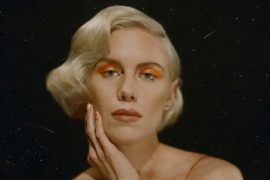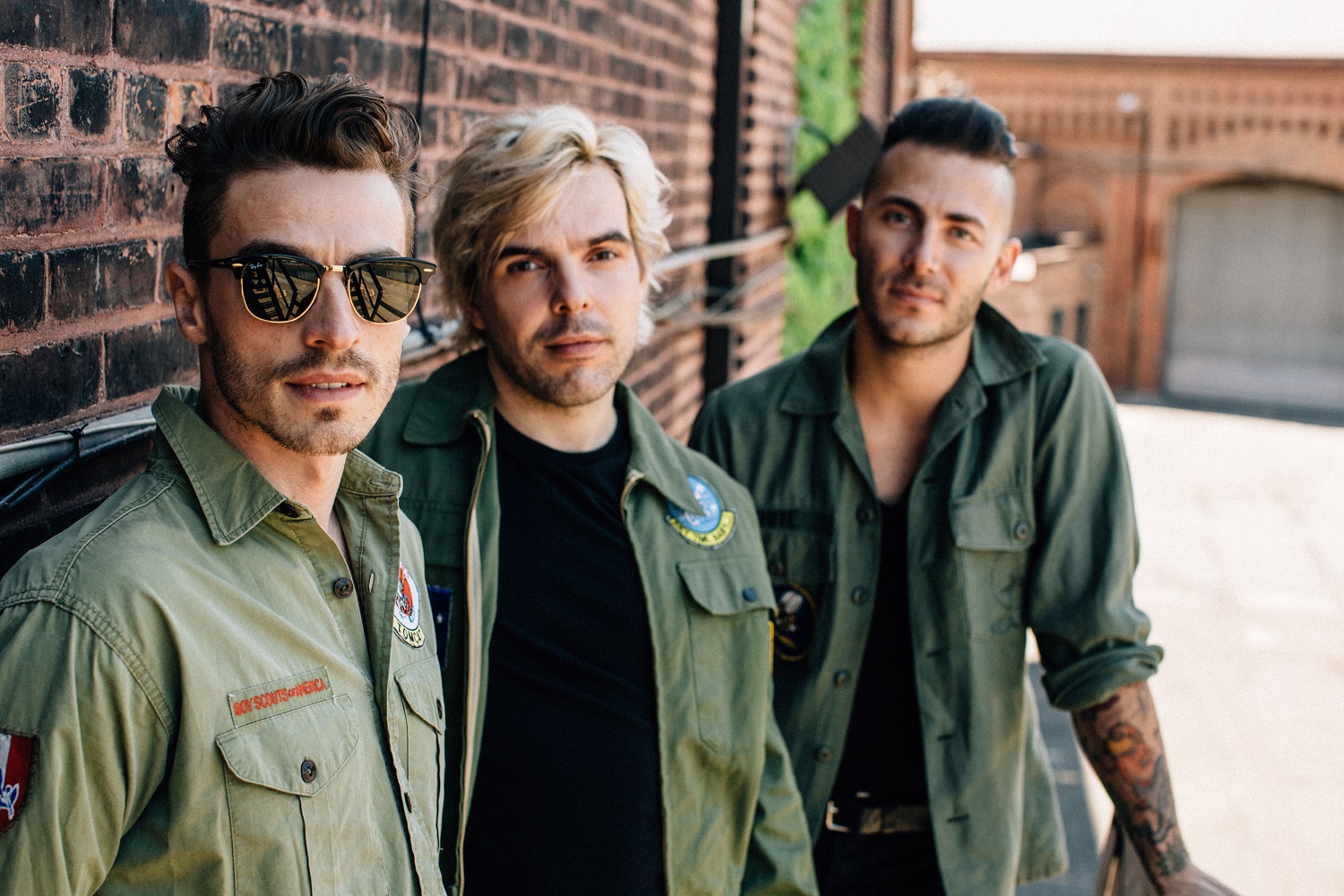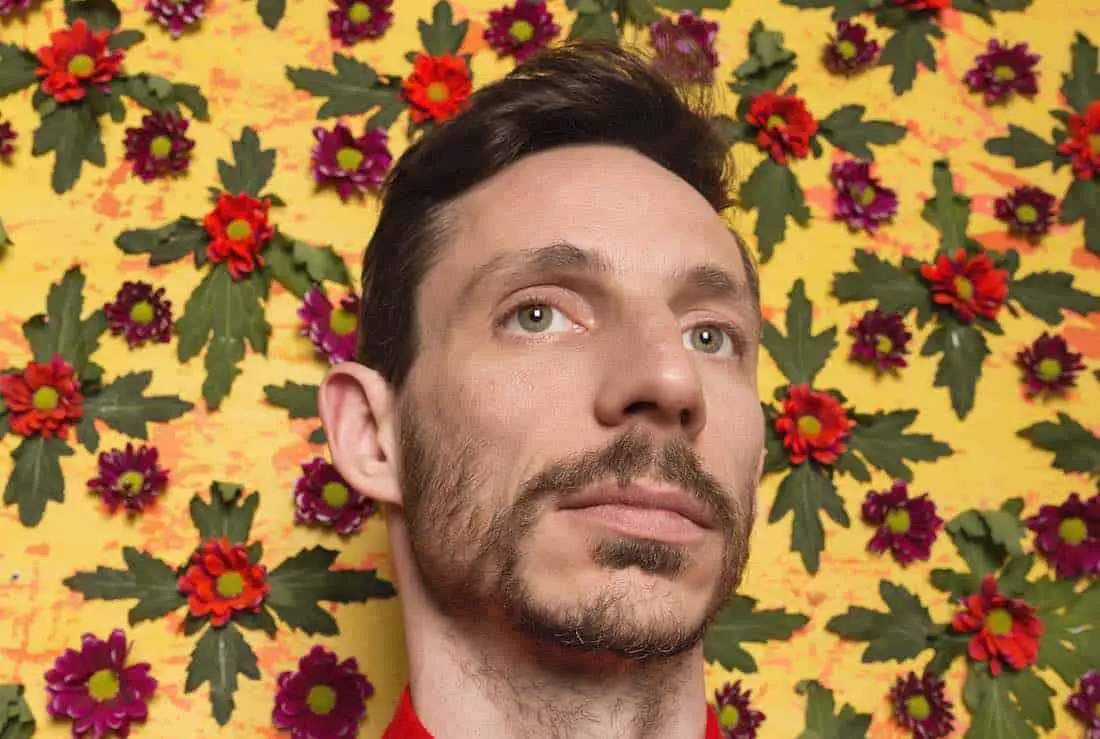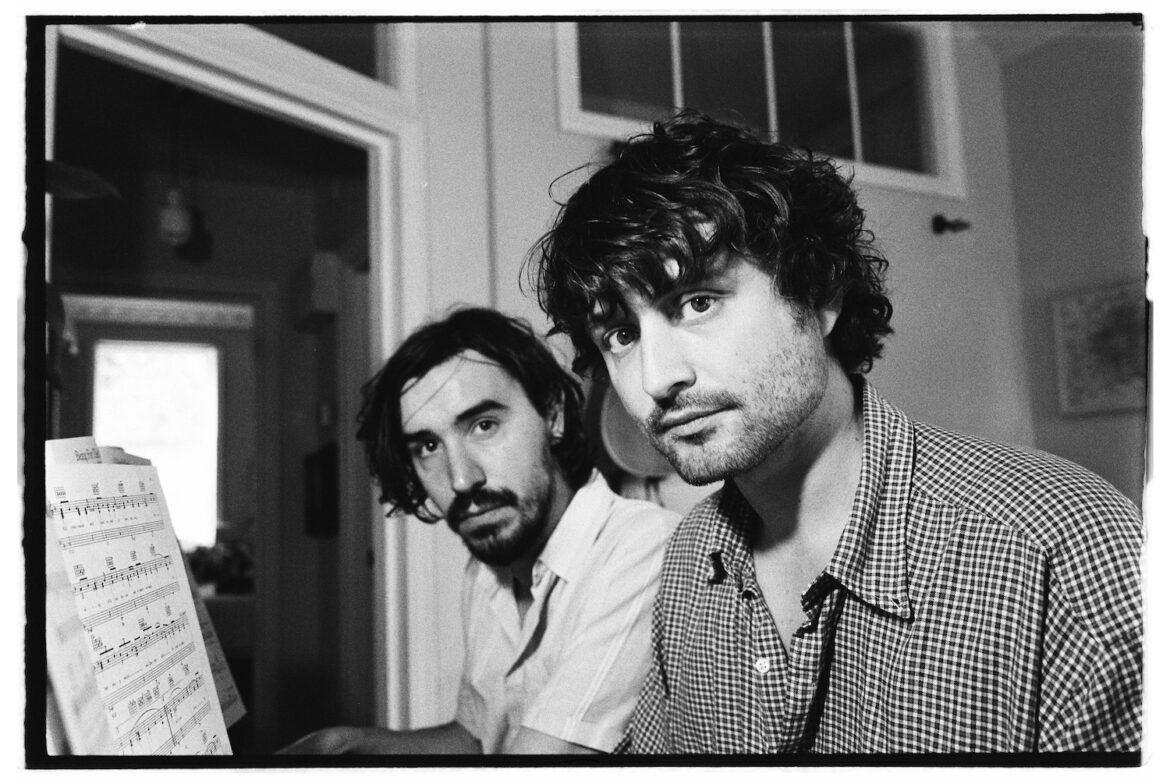
British duo Flyte are stripped of their bells and whistles, bound by a time constraint, and left to the devices of producing legend Ethan Johns in their latest work, ‘Between You and Me.’
Stream: ‘Between You and Me’ – Flyte
You are hearing humans humaning and musicians musicianing.
* * *
The protagonist of “Alabaster” should be cleaning out the canned food aisle at the grocery store, collecting heirloom seeds, and investing in an emergency crank radio.
Instead, he is pawing at the door of his lover, suggesting they “light a candle” during the apocalypse.
Luckily, he and his lover, narrated by the incomparable Aimee Mann, have found each other among the flames. Together, they plead, “Maybe just one last time,” and resolve, between kisses, to “fix it after.”
Flyte’s latest record, Between You and Me, investigates how denial and vulnerability are intertwined in each track. Whether it be via an apocalyptic love, a 12-step meeting, or a drive through Laurel Canyon, the duo pursue honesty, patience, and being present.

Nick Hill and Will Taylor are stripped of their bells and whistles, bound by a time constraint, and left to the devices of producing legend Ethan Johns.
They describe the experience as a “fugue state,” marked by repetitive poetry and heartfelt acousticism. Take, for instance, “If You Can’t Be Happy.” The track strums with blind optimism, and begs its listener to compartmentalize and stay awhile. “I’m Not There” emphasizes detachment, only speaking with urgency amidst the harmony of the chorus, another hallmark of the duo.
Finally, in “Hello Sunshine,” Taylor sings, “Let me write on you, throw my light on you, every word will be good as gold, good as gold.” In the same vein, he says during our interview: “We wanted things to be visible to us while we were writing, to trick ourselves into truth.” In conversation with Atwood Magazine, Flyte reflect on the gentle power of vulnerability and the liberation that comes with truth.
— —
:: stream/purchase Between You and Me here ::
:: connect with Flyte here ::
— —
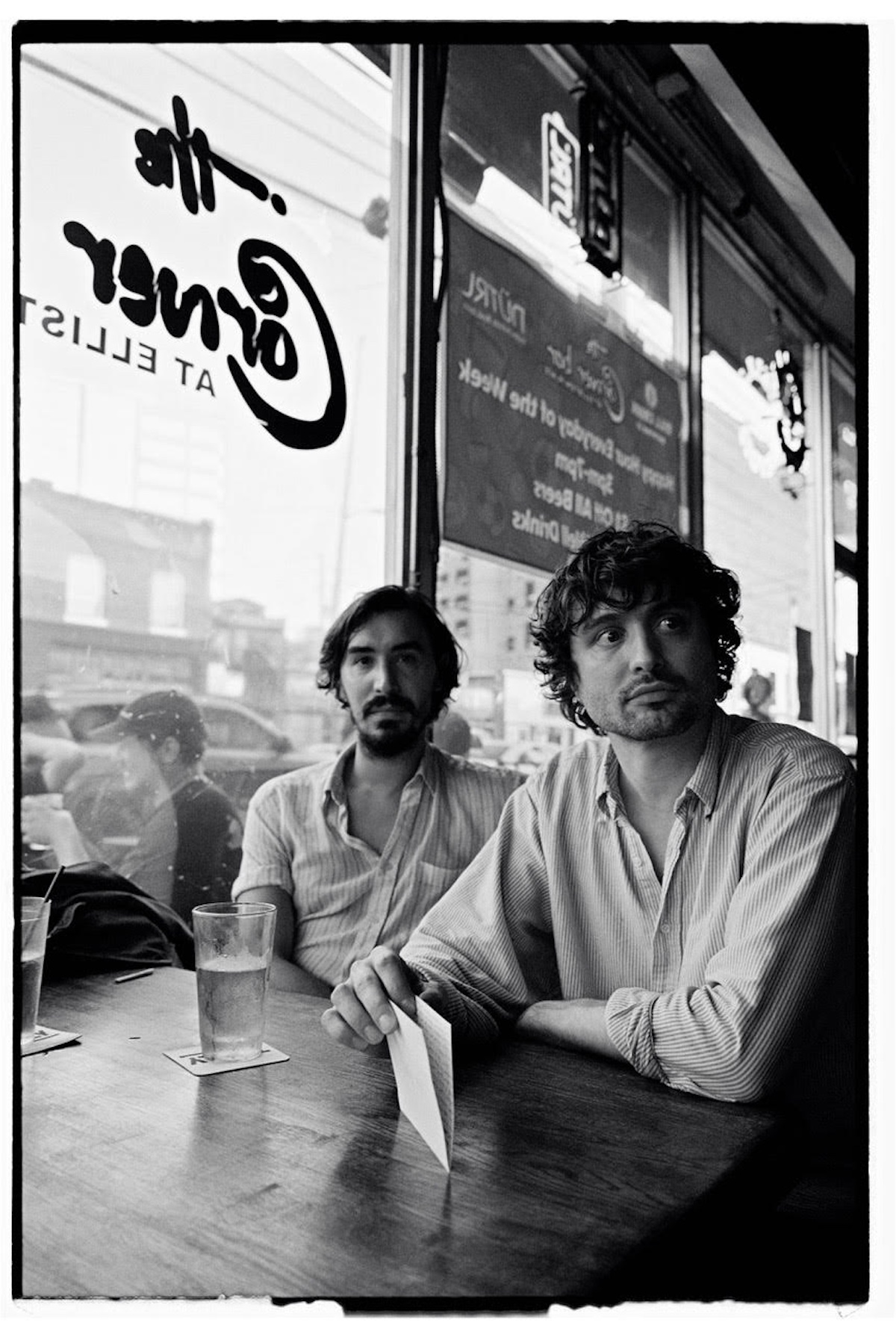
A CONVERSATION WITH FLYTE

Atwood Magazine: I read that you guys knew exactly what you wanted to do with this record.
Will Taylor: Not in terms of the minutia. We knew exactly what we wanted to do in terms of the process. We wanted things to be visible to us while we were writing, to trick ourselves into truth.
Nick Hill: We also knew exactly what we wanted it to sound like. We were working with a producer we had listened to all of our lives. We wanted to make an album that sounds like what we were listening to while growing up. Pure, simple, and ‘90s.
Will Taylor: A Laura Marling record and an early Kings of Leon record are two very different things. He [Ethan Johns] brings out the most brutally honest version of whatever artist he’s working with. Whether it’s Billie Marten’s second record or Ray LaMontagne’s first record, brutally honest is what you want. You want to hear how brilliant these people are. We wrote it in the way we did to parallel that. We wanted to present ourselves in the least vain way possible. There is a certain type of navel gazing that can occur if you give yourself too much time. We were listening back to stuff, and Ethan said, “This is it, guys!” And you’re thinking, “What about all my warts?” But later, you listen back and it’s smooth.
How did you decide a song was done with this method?
Will Taylor: You can see Flyte being made on YouTube, there’s an hour-long documentary. We were staying up until one in the morning finishing that record. With “Tough Love” for example, we were multi-tracking. In this one, it was the complete opposite. These two albums can sit quite comfortably with each other. The drums, the bass, were happening all at once. Each part was informing what was happening.
Nick Hill: It was all improvised. You are hearing humans humaning and musicians musicianing.
How did that feel?
Nick Hill: It was liberating. You don’t have to sweat the details. When you zoom out and be yourself, it’s the best thing.
Taylor: For instance, I was playing mostly acoustic and electric guitars. I knew what I was playing. Nick had been writing it on the guitar. But once we were in the studio, Nick picked up a bass, which he hadn’t done in two months. He was fully improvising. On the first take, the bass was always the best. The random, chaotic fear was awesome.
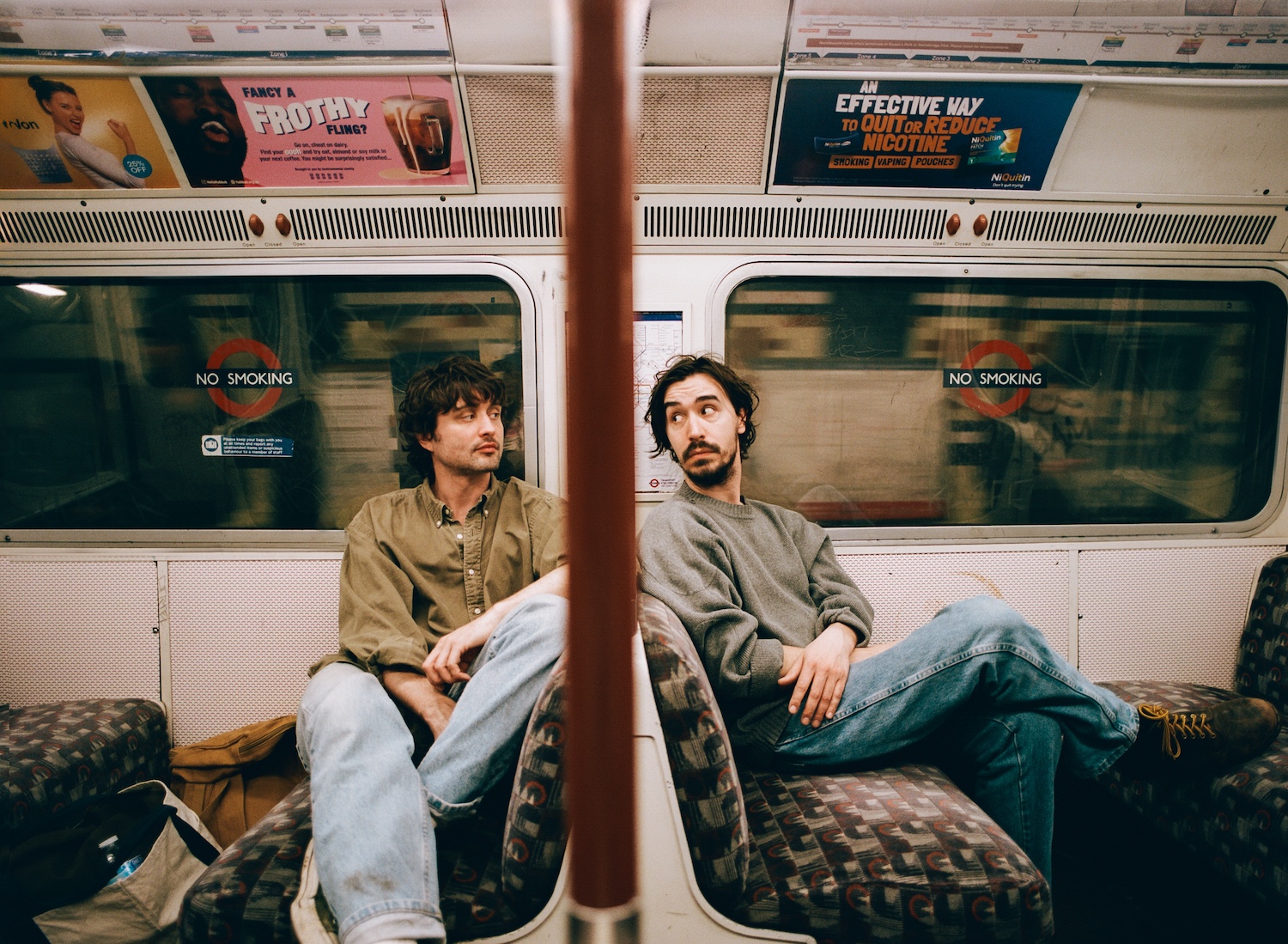
On this project, I can clearly hear the folk influences. What drove you to this sound?
Will Taylor: It was influenced by the kind of artists that we had been echoing in our very early childhood. For me, it was mid-90s to mid-2000s, stuff my mum was listening to in the car. Artists like Lucinda Williams, Aimee Mann, REM. Their writing style is very simple. In the past, we were known to be colorful with our chord choices, taking cues from Paul Simon and Paul McCartney. There’s a certain Englishness in that. We were also in the midst of writing a musical. We used the more traditional Flyte style in that project. In this project, we were inspired by the idea of writing with the I-IV-V and relative minor. Folk is one way to put it, but it was also more classic rock writing. We were testing how effective we could be while staying as simple as possible.
Does it annoy you that it’s effective?
Will Taylor: Yes, it annoys me when it goes well. You can make complicated work, but to do that, you need to make complicated seem simple. Writing cheap pop songs is often the hardest work.
That’s the interesting thing about folk music. I think it can take some time to resonate with people.
Will Taylor: I’m not sure I fully agree. There is something about organic music, the kind of records that people like Ethan Johns produce, that ascends people’s genre taste. There is always room in people’s musical taste to deliver a simple song. It stops being genre music.
Nick Hill: It’s just the truth.
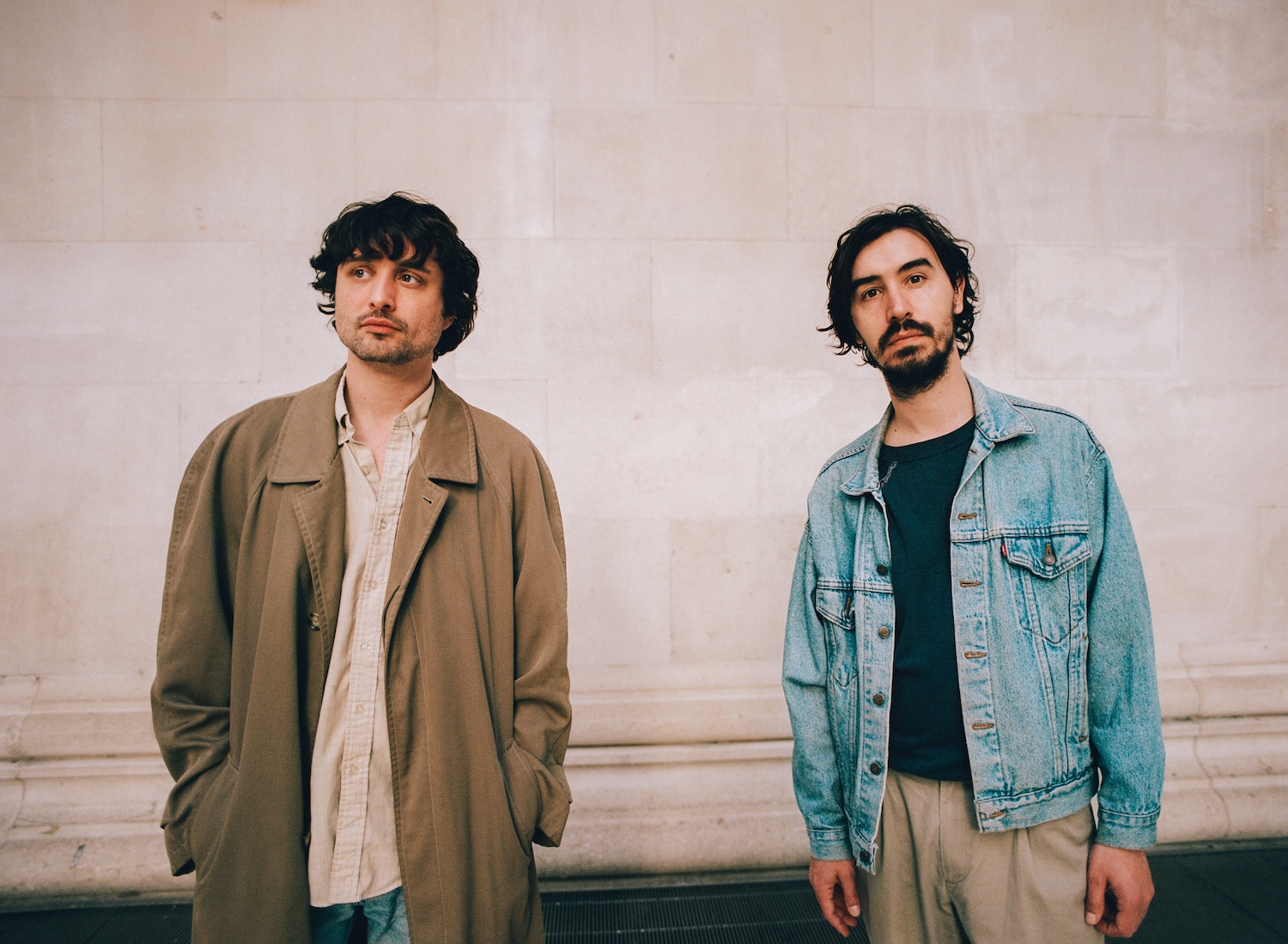
I just worry that pretty things go over people’s heads.
Will Taylor: The right things go over most people’s heads every day. The most reassuring thing you can tell yourself when trying to make something, is that if you do it well it can become timeless. I think people will discover Big Thief and Laura Marling for as long as they are discovering music.
I love the unexpected placement of “Alabaster” on the record. How did you get Aimee involved?
Will Taylor: Someone on our team said, Laura Marling on the last record was great, we should do that again. Nick and I wanted this one to be anti-collaborative because the last one was based on the people who were coming in and out of the room. We had Bombay Bicycle Club, Memorial, and Florence Pugh. If we did that again, we thought people would think we’re “that” band. We asked Aimee Mann, thinking it would never happen and it would appease our team. She agreed and we were thrilled. In terms of putting it second on the record, it felt like a funny place to put it. There is something pop-radio about “Hurt People.” To go from that to a fuzz guitar-driven track, we successfully surprised people.
Nick Hill: The track listing for this record was definitely different. This one was more bombastic. We didn’t overthink it.
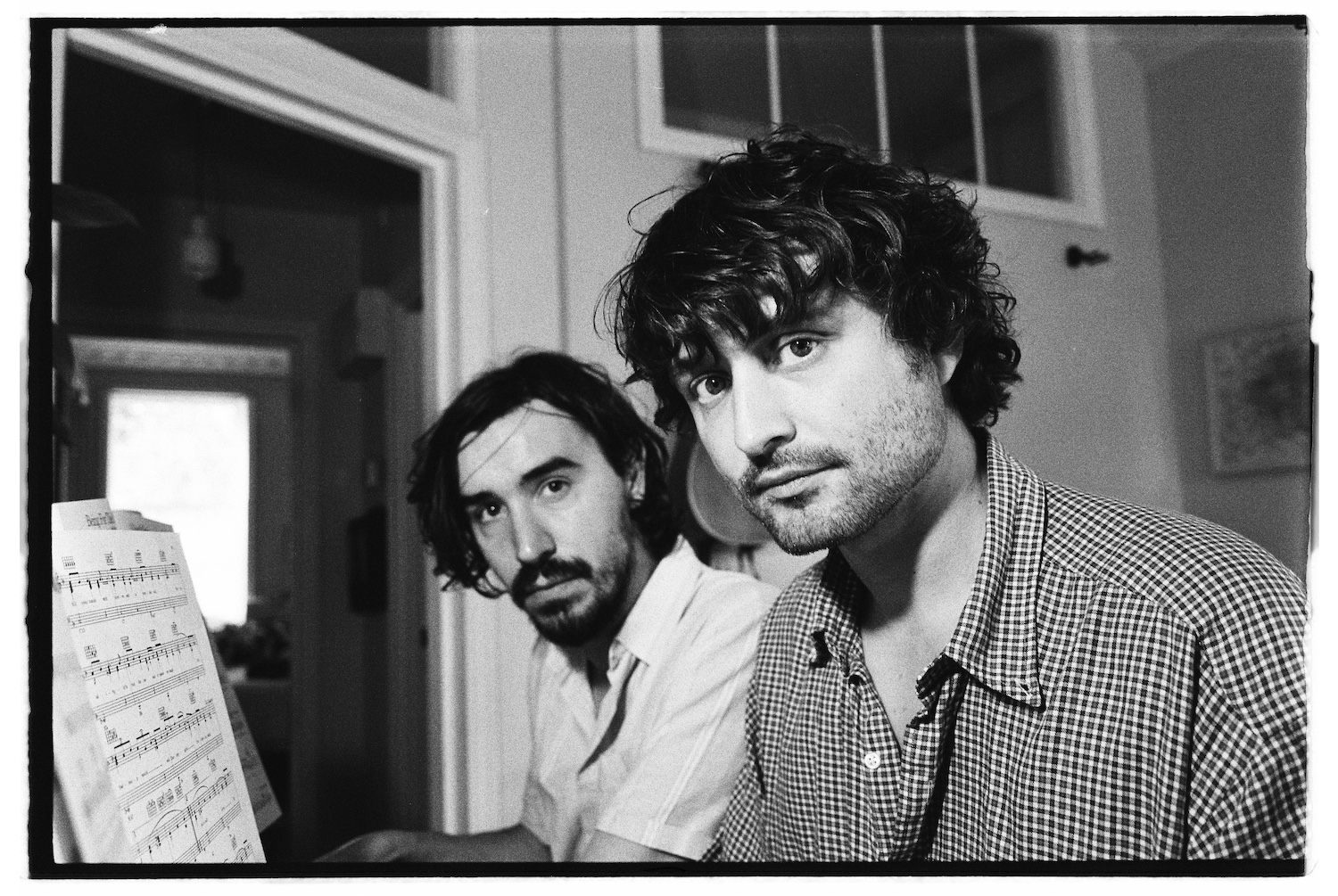
The most reassuring thing you can tell yourself when trying to make something, is that if you do it well it can become timeless
Did you recognize different parts of yourself via this new process?
Nick Hill: For me, it was a very calm experience. There was no friction or trying to justify yourself.
Will Taylor: Throughout our career, one of the themes has been that we are slow. On this record, there was a startling degree of vulnerability.
Your lyricism also seems more bare. I associate your songwriting with analogies and stories, but I didn’t hear that this time around.
Will Taylor: We are very on the nose. It was difficult to experience things that led to those lyrics. Creative exorcism is never a difficult thing to experience. We were in a fugue state and experiencing quite a bit of denial.
Nick Hill: We were thinking, “This is all quite abstract.” But it wasn’t at all.
Will Taylor: “I’m So Down” was a fun pun about being up for something. We wanted it to have nothing to do with sadness. But there is an inevitable sadness about the song, which was not intentional. I think the best thing that comes out of revelatory songwriting is that nothing you intend to happen actually happens. All the things that are supposed to happen come out, whether you like it or not.
— —
:: stream/purchase Between You and Me here ::
:: connect with Flyte here ::
— —
— — — —
Connect to Flyte on
Facebook, 𝕏, TikTok, Instagram
Discover new music on Atwood Magazine
© Madison Rensing
 © Madison Rensing
:: Stream Flyte ::