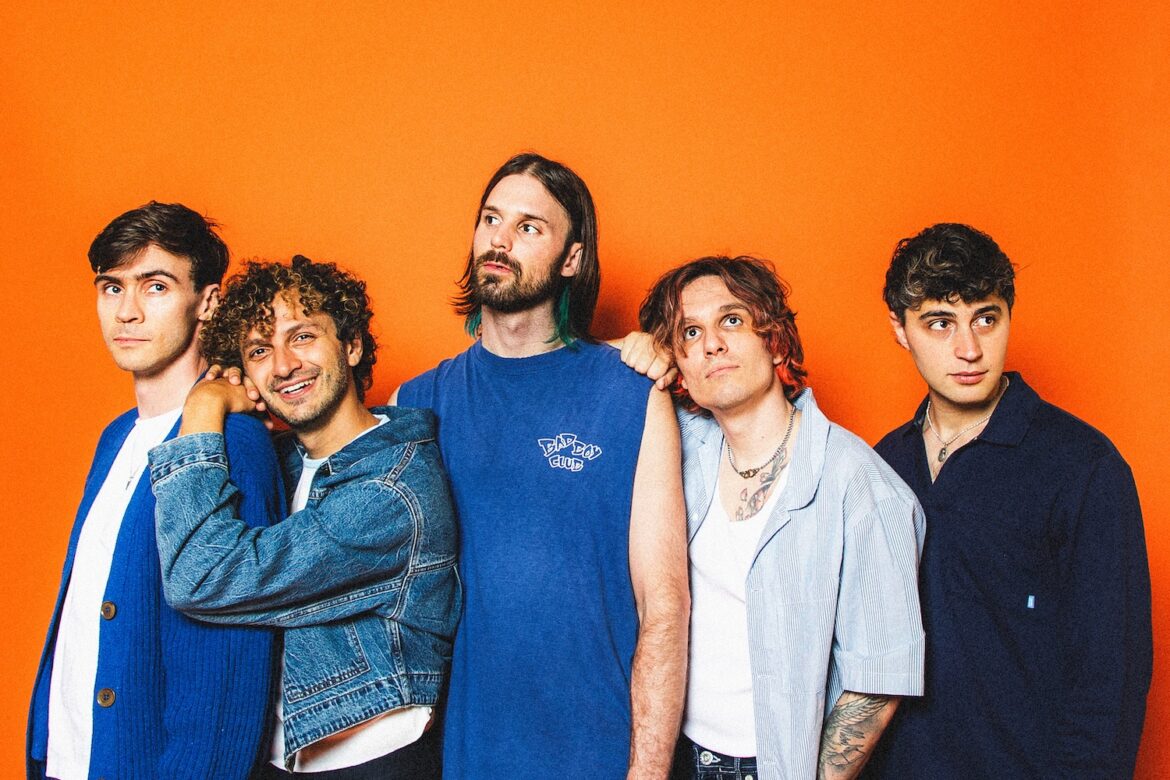
Toronto indie rockers Good Kid are on a steady climb, bringing ambition and a clearer creative direction than ever before with their unapologetically vulnerable single “Wall.”
 follow our Today’s Song(s) playlist


Stream: “Wall” – Good Kid
Good Kid’s latest track “Wall” arrives as a prelude for their year to come.
Based on a true story, the opening lines to the song are, “I guess I should know that / I’m never going to see you again / at a place that sells vintage clothes.” Leading with witty lyricism and hearts on their sleeves, the song tells the story of running into the ex at a vintage shop. The all-too familiar feeling of trying to brush it off and feign nonchalance was the driving sentiment behind “Wall.” The band’s ability to relay nuanced feelings in a playful way is what makes Good Kid so relatable, fostering a tight-knit community of fans and fellow creatives.
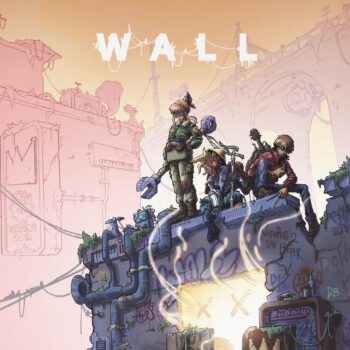
Whether it’s through their signature animated music videos, or the community they’ve built on Discord – the band generously welcomes all kinds of collaboration and connection when it comes to their craft. David Wood (guitar) shared, “My favorite moment was going onto Discord one night, and seeing that people were just hanging out in a voice chat. I was like, ‘you guys aren’t even here for us, you’re just hanging out’. That’s when I realised that the community that we had were more than just us. People were here because they met people they really liked hanging out with.”
The boys are more than happy that their music is the soundtrack to so many streamers, and they don’t hesitate to involve fans in their own creative processes. They’ve made their entire discography Content ID-free and DMCA-free, allowing creators to use their music without fear of takedowns. The music video for “Wall” saw collaboration with Xray Alpha Charlie on the visual storytelling, inspired by the opening sequences typical of anime shows. As a fan looking in, and a journalist hearing about it firsthand, this care-centric community is something I find truly heartwarming and meaningful in an age of disconnected connectivity.
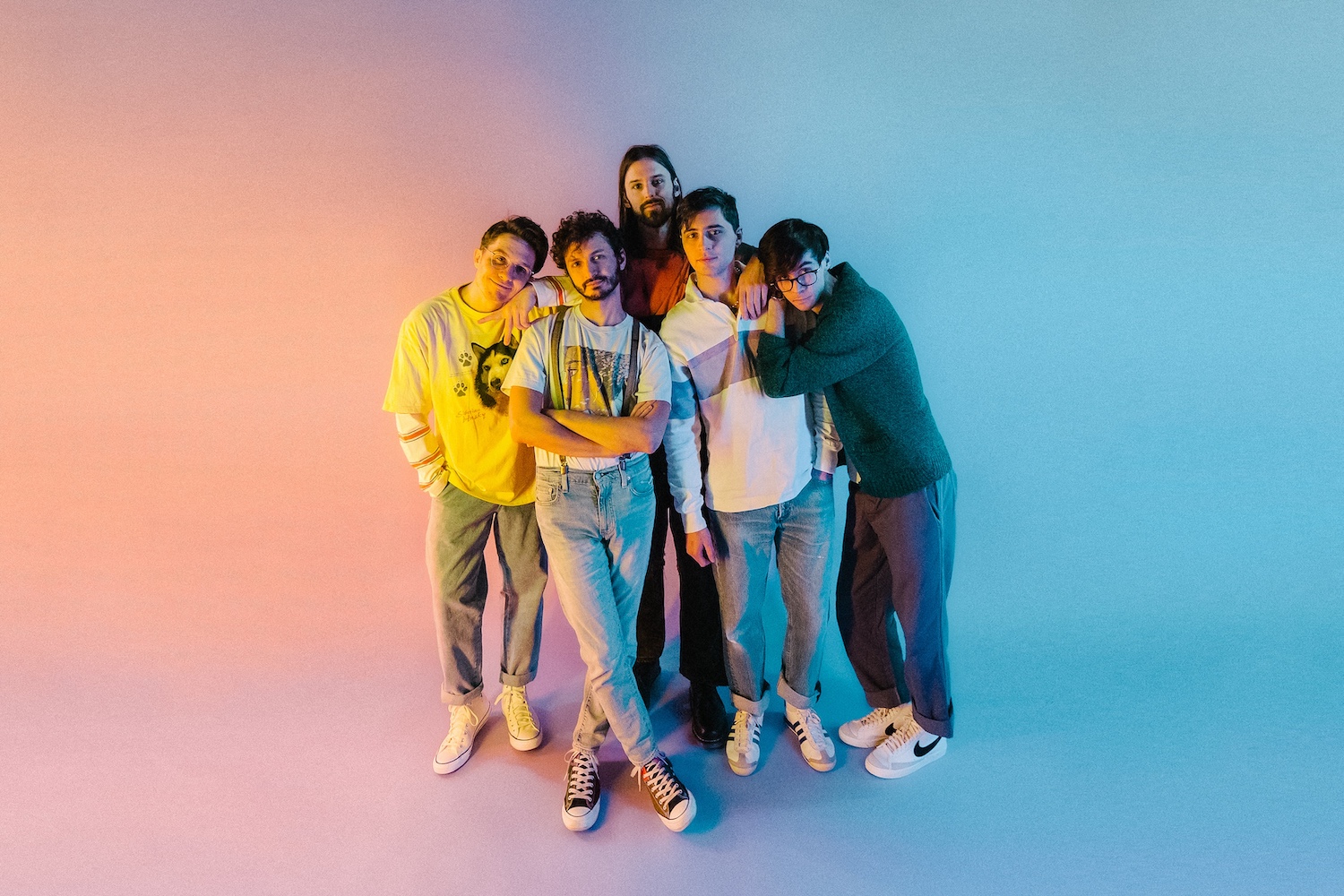
Atwood Magazine sat down with David Wood and Jacob Tsafatinos from Good Kid just a little after their song “Wall” dropped.
I laughed a lot during our conversation, and their down to earth relatability was something that instantly bridged the gap between screens. It’s not hard to see why they’ve developed such a close community over the years, and they also credit their artistic independence for all of it. From the sonic and visual conception behind “Wall” to their journey so far – what’s to come can only be even greater from here.
— —
:: stream/purchase Wall here ::
:: connect with Good Kid here ::
— —
Stream: “Wall” – Good Kid
A CONVERSATION WITH GOOD KID

Atwood Magazine: First of all, congratulations on the new song. How does it feel now that it’s finally out?
Jacob Tsafatinos: It feels great. This is a song we’ve been working on for a very long time. The music video too, we worked on it for around four months or something like that. It definitely feels like the accumulation of so much work over such a long period of time. This is the most delayed gratification for us, finally getting to see it out and seeing all the amazing reactions, especially to the music video that Xray Alpha Charlie did.
David Wood: I got lucky because I was able to disengage from the video during the last bit. Xierra would send us updates like, “Here’s what I have so far,” and we’d watch the video come together. You’d see the storyboarding, then suddenly the coloring, and all these little details fall into place. I stopped watching updates in the last two weeks, so when the video came out, everyone was seeing it for the first time, and I was too. It was really special to experience it that way.
I’ve never thought about it that way. You don’t really get to hear your music for the first time.
Jacob: We stop listening to our music for about a year, and then when we go back to release, we’re like, wait a second, this is actually pretty good. It happens to me because I stream a lot, and recently my mods got annoyed with me. They were like, “You need to stop listening to copyrighted music on stream because the reuploads are getting taken down and muted.” I asked, “Well, what can I listen to then?” and they said, “You’re basically one of the only DMCA-free bands out there.” So the only answer was to listen to my own music on stream. I don’t usually go back to our old stuff because I’m always looking for new music, but recently I’ve been listening to our songs on stream and I’m like, wait, this is great. It’s really fun to hit play and vibe to it. I get it now. I understand why a lot of streamers are using our music.
David: We do like our music. One thing I’m really happy about that Jake put together was a cover song contest for our cassettes. We put out a limited-time run of Walkmans and cassettes that had our four EPs on them, and at the end, they included a few demos we’d recorded individually. Each member of the band started recording their own demos for the cassette, but we also had extra space for other songs. Jake thought it would be a great idea to have fans submit covers of our tracks. We ended up listening to a shortlist of hundreds. There are even more on Discord that we still go back to. Listening to those was the closest thing to hearing our songs for the first time. Some of them were incredible, our fans are really talented.
That’s so true. It kind of takes you out of it and forces you to look at it in a different way, because people will sing it in a totally different context from what you were writing about. Do you feel like your relationship with your music changes then?
David: For me, it gives me extreme FOMO. I’ll hear someone cover a song and they’ll add a part, and I’m like, that’s cool, why didn’t we do that? Someone did a screamo version of one of our songs and I was like, damn it, can’t Nick do that?
Jacob: It’s a mix of appreciation and a mix of like, wow, we suck.
David: And then I start spiraling into imposter syndrome. I’m like, everyone’s so talented, why can’t I do that? Why can’t I screamo my own song?
One of the first lines is, “I’m gonna see you again in a place that sells vintage clothes,” which I just love because it’s so specific and kind of symbolic too. Was that based on a true story?
David: Yes, I mentioned the word imposter before, and that kind of ties in, because the song is about putting up this metaphorical wall of pretending – saying you’re totally fine and everything’s okay, when in reality you’re crumbling and insecure. The story came from running into an ex-girlfriend of mine who was a really important ex. I was trying so hard to act cool, like, oh yeah, I’m fine, life’s great. But it was such a meaningful relationship that by the end of the conversation, as I walked away, I was just like, that was so stupid. I could’ve said something funnier, I could’ve been more relaxed. It’s that feeling of pretending you’re okay when you’re totally not. That’s why the chorus is like, I don’t even care, I don’t even care that it’s over, I don’t even care if there’s a wall. It’s all about that false confidence.
It’s funny because originally the lyric was “Never gonna see you again in a place that sells vintage clothes, I guess you should know that it hasn’t been the easiest year for a band all wearing vintage clothes.” We were literally going to rhyme vintage clothes with vintage clothes. I remember explaining it to the band like, “Yeah, it’s meta because you’re rhyming something with itself, like borrowing the same idea, it’s a statement about repetition.” And Michael just looked at me and went, “David, it’s not that deep. You can’t rhyme clothes with clothes.”
Haha! Do you have a favourite lyric in the track, or maybe more broadly, one you’ve written ever?
Jacob: I think for me it’s the one right after that. I think it’s the second verse, “It hasn’t been the easiest year for a life that hasn’t let you go.” I like that one a lot. I think that one’s nice.
David: Yeah, I think I’m torn between “There’s the beautiful ghost caught in a saving throw.” I really like that line. It’s this idea of, like, in D&D, when you do a saving throw to see if someone will live or die, but they’re a ghost. So it’s about someone who hasn’t accepted loss, if that makes sense. But then there’s also the line later that kind of reflects that, “Rhyming flannel shirts with well-worn dirt.” The idea there is that someone in the song has passed, and I like how those two verses mirror each other. The imagery of mourning a relationship, but also maybe mourning a person.
Jacob: You’re kind of insinuating that it could be either.
David: Yeah, it’s kind of both. It connects the end of a relationship with the loss of someone, and I like how those two verses reflect that dual meaning.
I love the references you make, which leads into my next question about building that visual world. What is that like?
Jacob: Yeah, I mean, for the video, that was very much a labour of love. Xierra and I sat down and watched pretty much every single anime opening we could find. We really wanted to make a music video that felt like the start of something, because even though we’ve been a band for a while, this was our most ambitious music video – at least in terms of animation. We knew we wanted to go big. For anyone new coming in, we wanted it to feel like, oh, this is my introduction to their world. And we thought, what better way to do that than through an anime opening? The role of an opening sequence in anime is to give you, in a minute, everything you need to know about the story and its characters.
We pulled a lot of references from all kinds of openings. One thing we love about them is how they’re always full of Easter eggs and little hints about what’s going to happen in the story, all packed into that short sequence. That’s where the inspiration came from. The “Wall” music video is jam-packed with references that most people will probably never find, to be honest, but there’s so much hidden in there.
David: I think my favourite part, tying it back to the lyrics, is the end of the song – “It’s coming to a close, it’s coming to a close.” I like that it’s sort of how we’re also introducing this new chapter for the band, the next year or two of our music. It’s like an ending that’s also a beginning, which feels kind of fun.
So, leading on from that, what would you say this project represents for you in the trajectory of Good Kid as a band?
Jacob: That’s a good question. I think it represents the start of us being a bit more ambitious across the board, with songwriting, storytelling, music videos, everything. Going forward, even with any future music video, we always want to feel like we’re growing artistically and creatively. So this project kind of sets the tone, like, this is the standard people should expect from us now.
David: This song specifically was exciting because we got to work with a different producer, John Congleton. We recorded with him in a way we hadn’t before, and I think people have already noticed there’s a slightly different sound and production style compared to what we’ve done on our previous EPs. Maybe we’ll explore more of that.
Jacob: Yeah, working with John Congleton was a totally different experience. In the past, we’ve been really meticulous, every single note, every little detail had to line up perfectly. John’s approach is a bit looser, but in a really intentional way. His ethos is that he wants bands to sound like bands, if that makes sense. He studied under Steve Albini, who produced Nirvana and a lot of those grungier, raw-sounding bands. And John’s worked with pretty much everyone, St. Vincent, Wallows, Explosions in the Sky, he’s done everything.
David: He really met us halfway on a lot of things, which we appreciated. There were versions of “Walls,” for example, that sounded completely different from what we were used to, but instead of reverting to our usual sound, we found this sweet spot between the two approaches.
Jacob: I think some of that rawness, or vulnerability, comes through in the production. It doesn’t necessarily sound as polished in the traditional sense, but that’s what gives it character. “Walls” still feels like a Good Kid song, it’s still tight and polished, but there’s this intangible quality to it. You can hear it in the vocals, the performance, little moments that make it feel more alive.
Yeah, I think it’s that almost live quality it has. There’s something about that.
Jacob: I think it will feel a bit more live than our usual stuff. Some of our friends, whose main experience of our music is live, like family or even our photographer and visual director Evie, who helps us out with a lot of stuff, have said, “Oh, this album feels more like the Good Kid that I know.” Most of her experience with our music is on tour, so it’s kind of cool to hear that.
I love that. Okay, so we spoke about this briefly, but I know the music video was done by a fan?
Jacob: Her name is Xray Alpha Charlie, she’s an animator from Winnipeg, Canada. She started off as a fan, making fan animations using our music. We saw a really awesome short she made with two of her characters set to one of our songs. It was so well done that we reached out to her, like, “Hey, do you want to do something official? Can we pay you to animate for us?” She said yes.
Initially, she started with just her characters and her world paired with our music. We did a couple of videos like that – they weren’t full music videos, more like mini ones. She’s very young, just out of high school, and hadn’t done much work like this before, mostly short animations for school projects. But she killed it on those mini videos, so we kept going. Then she asked, “Can I actually do a full-fledged music video for you guys?” We said yes, and that’s how we got the video for “Mimi Delivery’s Service.” It was amazing, so much fun, fans loved it, we loved it, and she loved it. This is actually her fourth music video with us. She’s become one of our main, most important collaborators, and we’ll probably keep working with her forever if we can.
What does it mean for you to have such an engaged community and that kind of relationship with them?
David: It’s awesome, it’s done really well. For us, a lot of the fan engagement happens through Discord. Originally, we created a server to communicate with fans and thought it would be a good way to reach people if we were playing shows in different cities, maybe even ask them to help us with things. Early on, it was small stuff, like putting up posters at school, but it grew into something much bigger – a real community. People started making friendships on the server, and it just kept expanding. There were more channels, more interests, and people would meet up at concerts. What started as an online community bridged into the real world.
Jacob: Yeah, it’s really awesome because we’re all nerds, and there are different versions of this from when we were kids, whether it was a magic club, a forum, or a fan group for another band. What we love most is how much our community supports each other. They go to shows together, make sure people aren’t getting scammed on tickets, and share useful info. When we post a tour, they’ll list all the venues, accessibility info, and so on. Some fans create incredible artwork inspired by our music or characters, and that’s amazing. For us, it’s so validating and rewarding to see. We’re lucky we get to engage with that.
David: My favourite moment was going onto Discord a few years ago and seeing people hanging out in a voice chat playing, I think it was Scribble. They weren’t even there for us, they were just hanging out. That’s when I realised the community created friendships that were more than just listening to Good Kid. People were there because they genuinely enjoyed each other’s company. We also do movie nights, and I love popping in sometimes. We’ll watch a movie or an animated series, and people will comment on it live.
I love that. Yeah, and we also spoke about music videos being kind of like anime intros, and the music often being a backdrop for people playing video games. What are some of your inspirations right now?
Jacob: In general, I don’t focus too much on lyrics. As a songwriter, I mostly concentrate on melodies, chords, and structures. That lets me draw inspiration from all over, because lyrics aren’t the bottleneck for me. Lately, I’ve been listening to a lot of Korean rock. I’ve always listened to J-rock and anime opening songs, but what I love about anime openings is how diverse they are, not tied to one genre. There’s an artist called Creepy Nuts, a DJ-rapper combo, and they’ve done two of my favourite openings ever. Both songs are crazy, but somehow it works. Those artists have been a big inspiration recently. Not that we’re going to do rap, but from a melodic and song-structure perspective, I find them super creative.
David: Lately I’ve been listening to a band from Chicago called Deep Bird. Someone on our Discord recommended them about a year ago, and I’ve been listening ever since. I’ve been trying to listen to music that’s not Good Kid-themed, so things like noise rock. There’s a band called Gillaban from back in the day, an Irish noise band, and I’ve been really into them. I probably listen to too much noise rock, it gets kind of existential sometimes, but yeah, that’s my current kick.
Another thing I love is that you guys as a band have stayed independent throughout your journey. That’s really cool. Was that something intentional, or has it become important to you over time?
Jacob: Yeah, it’s very important for a lot of reasons. It’s definitely a conscious choice. We’re at a scale now where a lot of labels have approached us, and we’ve even reached out to see what’s out there. But honestly, nothing has ever felt too compelling. Being independent gives us a lot of freedom. It means we can make all of our music DMCA-free and allow content to be free for creators and fans to use. That’s not really an option if you’re on a label. I don’t think any label would allow that.
David: Another big factor is feeling like a priority. We are our own number one priority as a band, and that never changes. That’s a really nice privilege. With a label, you could be releasing music, but if someone like Sabrina Carpenter is also releasing at the same time, the label won’t care about your release as much.
Yeah, I think so. Do you think music is something that should be shared openly? Obviously, you make yours available for people to collaborate with, but is that important to you in terms of how you want your music to exist for others?
Jacob: Yeah, I think so. Ideally, all our music would be free for creators to use. In an ideal world, for the health of the music industry and for musicians making money, there could be tools where, for example, YouTube would let creators use a song and automatically allocate a small percentage of ad revenue to the musician. That way, creators could share revenue fairly, and everyone benefits. Right now, it’s all or nothing. If you use a song, all the revenue goes to the rights holder and none to the creator. That doesn’t make sense. I’m not saying all music should be free, musicians still need to earn a living, but our approach is that music shouldn’t be paywalled. Even on Bandcamp, our music is pay-what-you-can. Art, in general, shouldn’t be gated behind a paywall.
Looking back at when you first started making music, is there anything you wish you could tell yourselves?
Jacob: I’d say write more music early on, don’t be so precious. Just put stuff out and get into the habit of creating constantly. Also, learn some music theory. It would have been helpful.
David: I’d tell myself not to worry so much about what might not work. We missed out on opportunities early on by not asking. For example, when The Strokes were in town, we asked our manager, Crispin, if we could open for them. He thought it was a crazy ask, but he sent the email anyway. We didn’t get it, but that’s the point. You just have to try. So many things, like getting into Fortnite, only happened because our fans wrote in. If we hadn’t, it never would have happened.
How do you want your fans to feel when they engage with your music and the world you’ve built?
Jacob: I want them to feel entertained, and to feel something, whether that’s happiness, sadness, excitement, or whatever. Our role as musicians is to create experiences. We write music for ourselves, but when we share it – with animation, live shows, everything – that’s about entertaining. I want fans to feel and experience that.
David: I want our fans to feel seen. Sometimes I struggle with that, or like I’m not good enough. We write songs, like “Bubbly,” about anxiety and hiding yourself away. Those feelings are valid. A lot of our songs address insecurities and doubt. I want fans to know that feeling insecure or anxious is normal and completely valid. We feel it, they feel it, and that’s okay.
— —
:: stream/purchase Wall here ::
:: connect with Good Kid here ::
— —
Stream: “Wall” – Good Kid
— — — —
Connect to Good Kid on
Facebook, 𝕏, TikTok, Instagram
Discover new music on Atwood Magazine
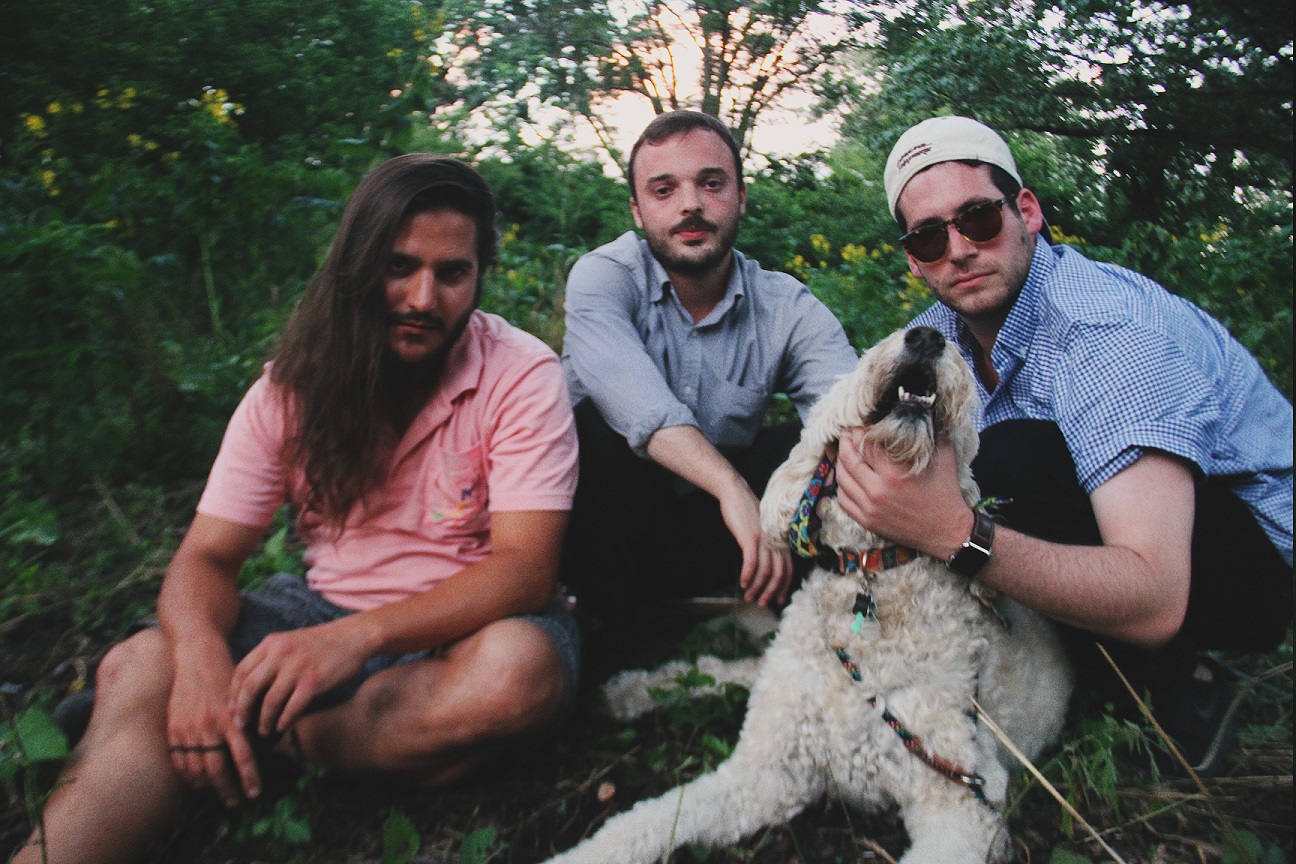
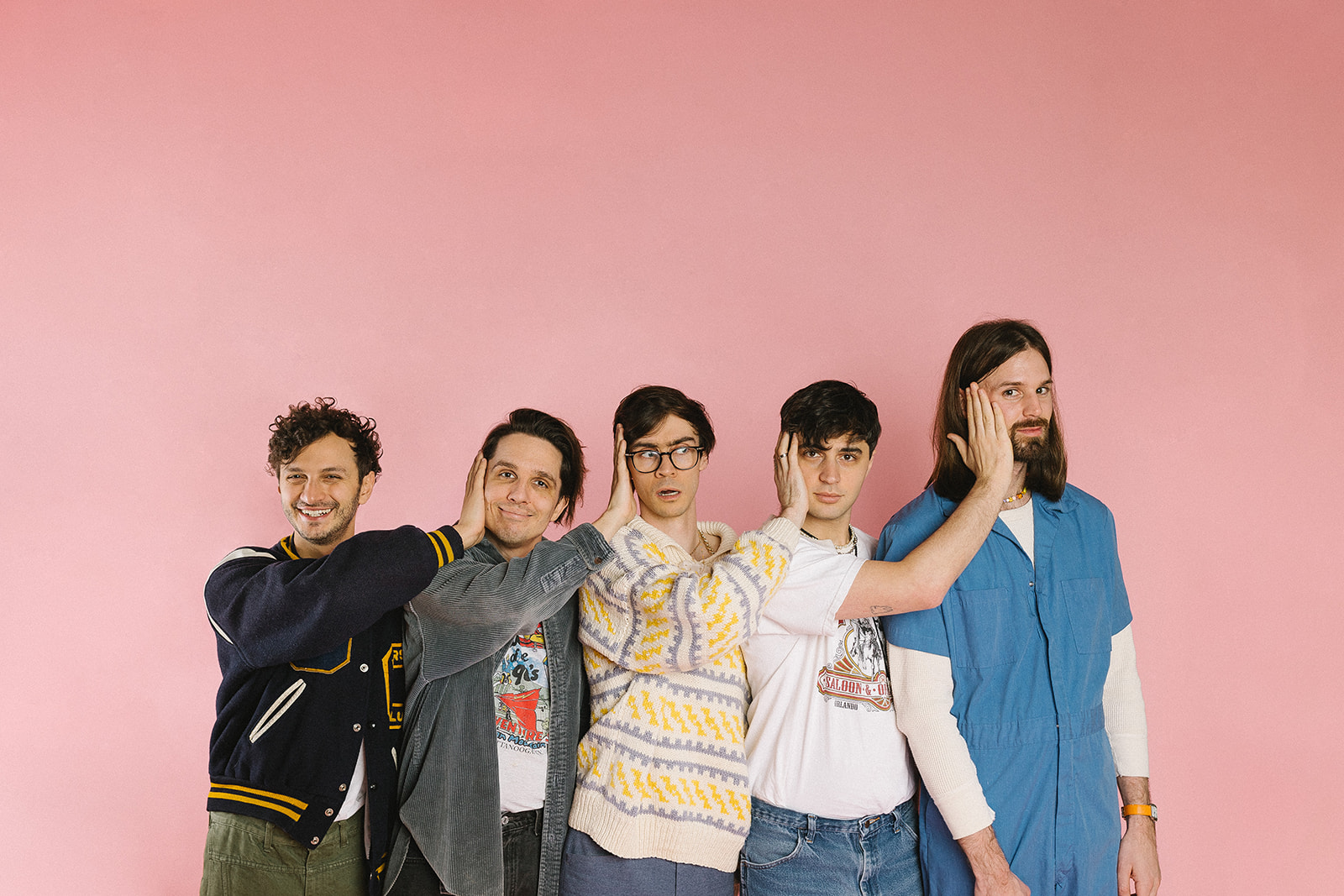
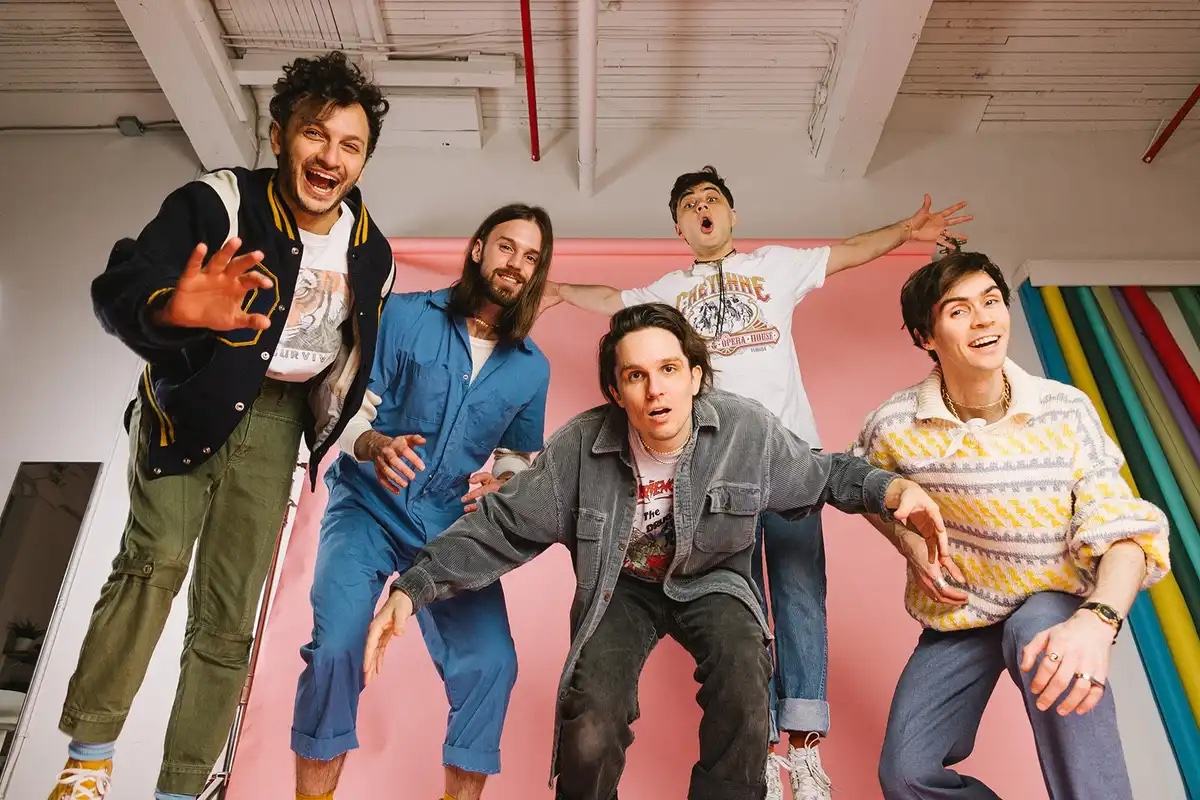
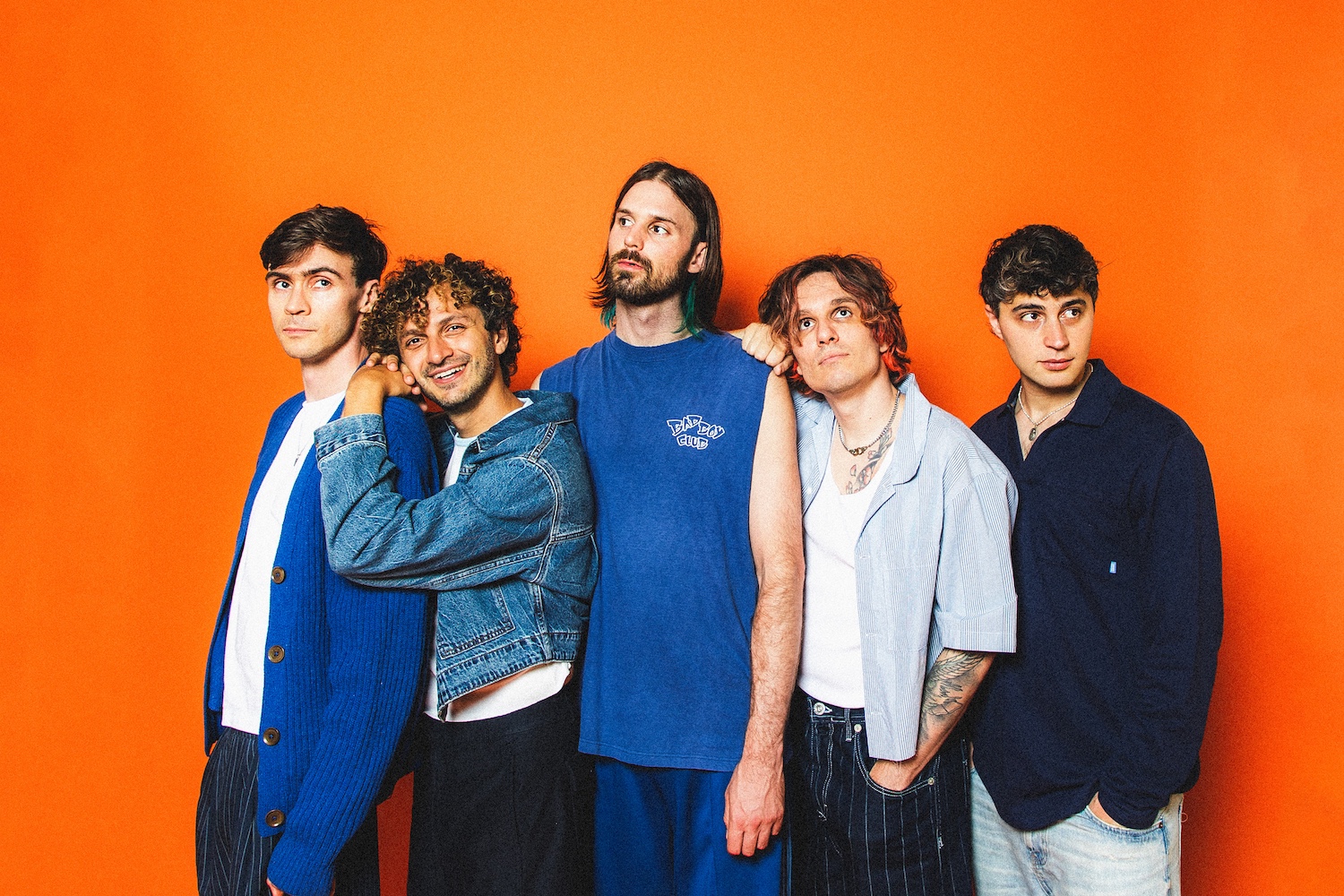
© Evie Maynes
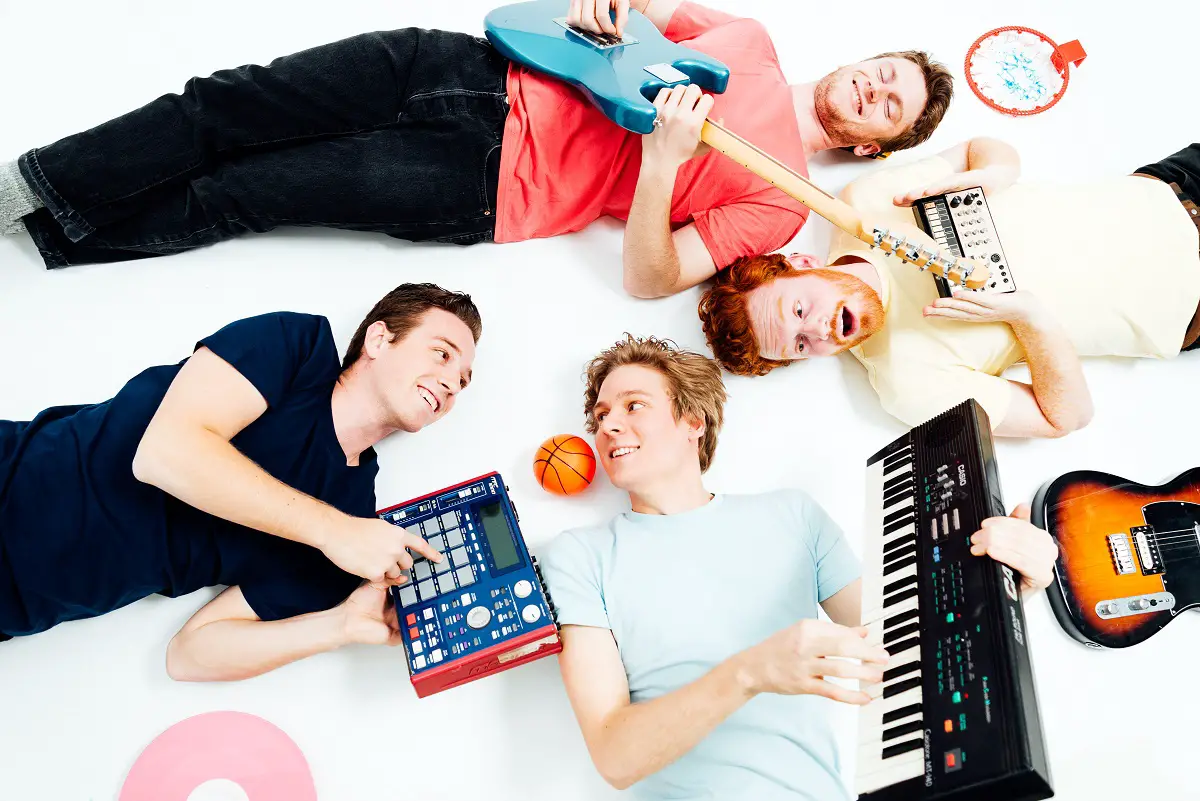
 © Evie Maynes
:: Today’s Song(s) ::
follow our daily playlist on Spotify
:: Stream Good Kid ::