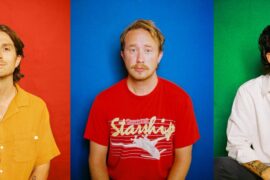
From quiet towns to mountaintop views, the Hudson Valley has long been a haven for artists seeking space, inspiration, and community. There’s something in the water, something in the air, and as a recent Hudson Valley resident myself, I’ve experienced this magic firsthand. Each week, I’ll speak with a different artist about what keeps them rooted here – and how this singular region continues to shape their lives and their art.
This interview was originally published in a special physical edition of Nourish in collaboration with Atwood Magazine on June 13, 2025. Dive into the physical edition of that zine and learn more about Nourish at howdoyounourish.com!
•• •• •• ••
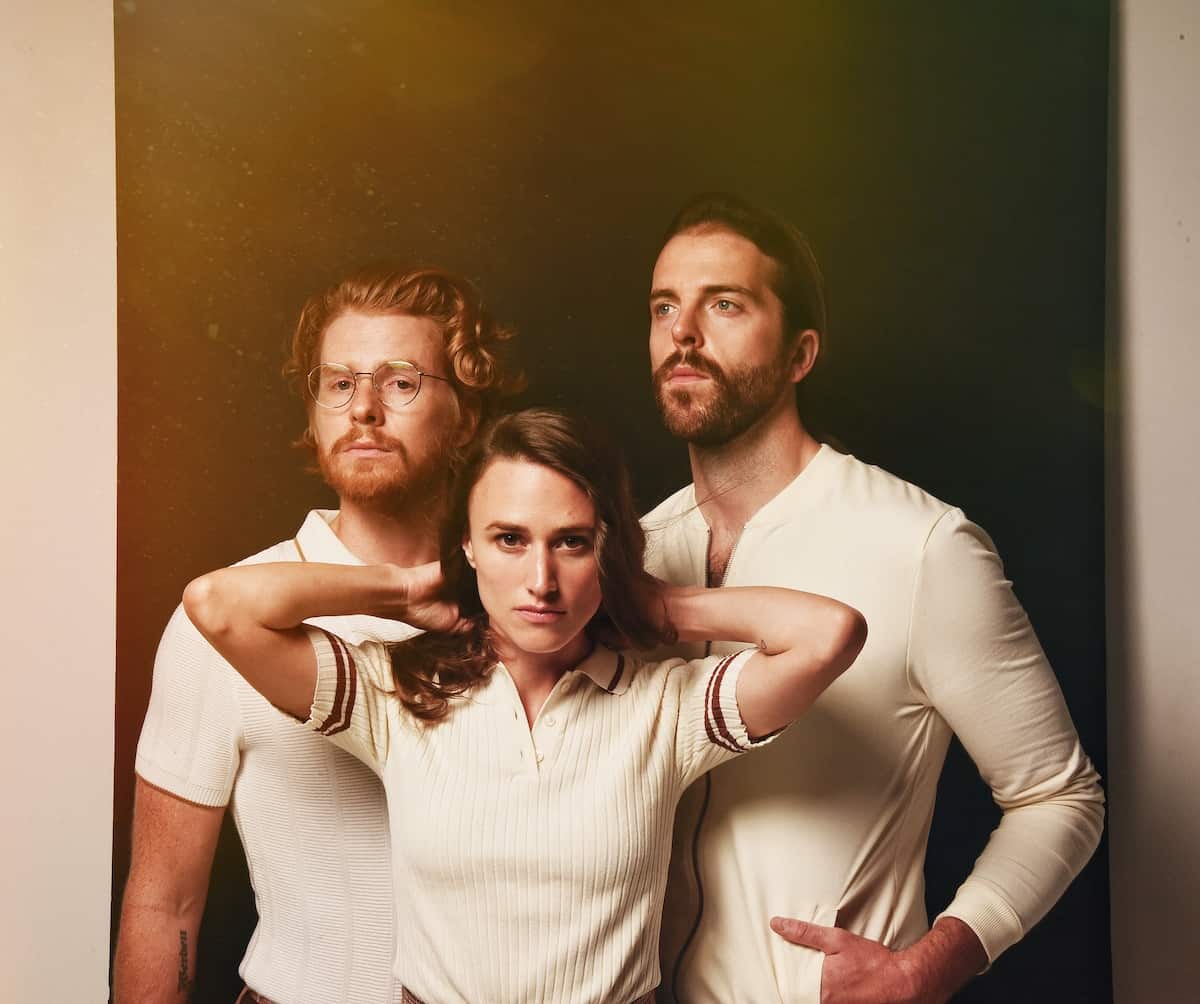
Today, Harry D’Agostino of folk band Upstate reflects on his experiences as an artist living in and inspired by the Hudson Valley. Blending folk, pop, and soul elements into a wonderful smorgasbord of radiant sonic light, Upstate are one of the area’s brightest musical exports, having garnered a local and national following for their heartrending, stirring, and smile-inducing songs. Originally founded at SUNY New Paltz, the band – today comprised of Mary Webster, Melanie Glenn, Harry D’Agostino, and Dylan McKinstry – have released three studio albums over the past decade: ‘A Remedy’ (2015), ‘Healing’ (2019), and most recently, ‘You Only Get a Few’ (2023).
“Folk is (and has always been) an inherently intimate genre, but few contemporary folk records dive quite as deep into the raw human experience as Upstate’s You Only Get a Few,” Atwood Magazine wrote in an artist feature published in 2023. “… [The] album is filled with moment of intimacy, inner reckoning, self-reflection, discovery, and most of all, connection: Both connection to ourselves, and connection to our surroundings.”
•• ••
Upstate
Atwood Magazine: What originally drew you to the Hudson Valley – or kept you here, or brought you back – and how has this place shaped the way you live, create, and connect with others?
Harry D’Agostino: The sort of easy answer is that the original band members met here in the Hudson Valley as students at SUNY New Paltz. I think the beauty of the Hudson Valley is that it both has such a recognizable and distinctive sound, or array of sounds, from Dylan and The Band on the West side of the river to Pete Seeger’s enduring legacy on the East side. But a neat thing is that none of those sounds really come from there or originate there, they’re all sort of “fed” on other places and arrive in the Hudson Valley secondhand among a culture of musicians.
So it’s a great place to make into a musical home as an arrival from somewhere else, which is true for all of us who grew up in other places. It’s also a great place for people who are formed authentically by a variety of American traditions but who are keen to draw porous boundaries between them and borrow generously from whatever seems to serve a song. Maybe a way to put it is that some places in America are like “good dirt” with their musical histories for the flowers to grow, and the Hudson Valley is like a land of musical florists.
There’s something undeniably special about the Hudson Valley – from its epic mountains and lush forests to its winding rivers, rolling hills, and vibrant, tight-knit creative communities. What do you love most about living here, and how does the region influence your art, your mindset, or your sense of home?
Harry D’Agostino: We should admit at the outset that after many years, as of a month ago none of the four of us remain living in the Hudson Valley: I’m in Troy, Dylan’s in Brooklyn, and Melanie and Mary are in southern Vermont. But despite that the Hudson Valley has remained our implicit “center” and it probably will remain that way. One of the big reasons the valley became such a home for the band was honestly the patronage and support of the late Tony Falco and his venue The Falcon in Marlboro.
It was a place right in our backyard that would always host us for the best sort of audience, the sort that’s attentive and gratuitous, challenging in their high expectations but gracious in their patience when we’d try new things. Over the years we also got to hear so much other amazing music there, we got to be paired for opening slots with musicians we really admired in a pretty intimate setting, and the whole thing ran on the charity and good will of everyone involved. With Lee now, it still very much feels that way in keeping with his dad’s legacy, so it’ll always feel like home to us.
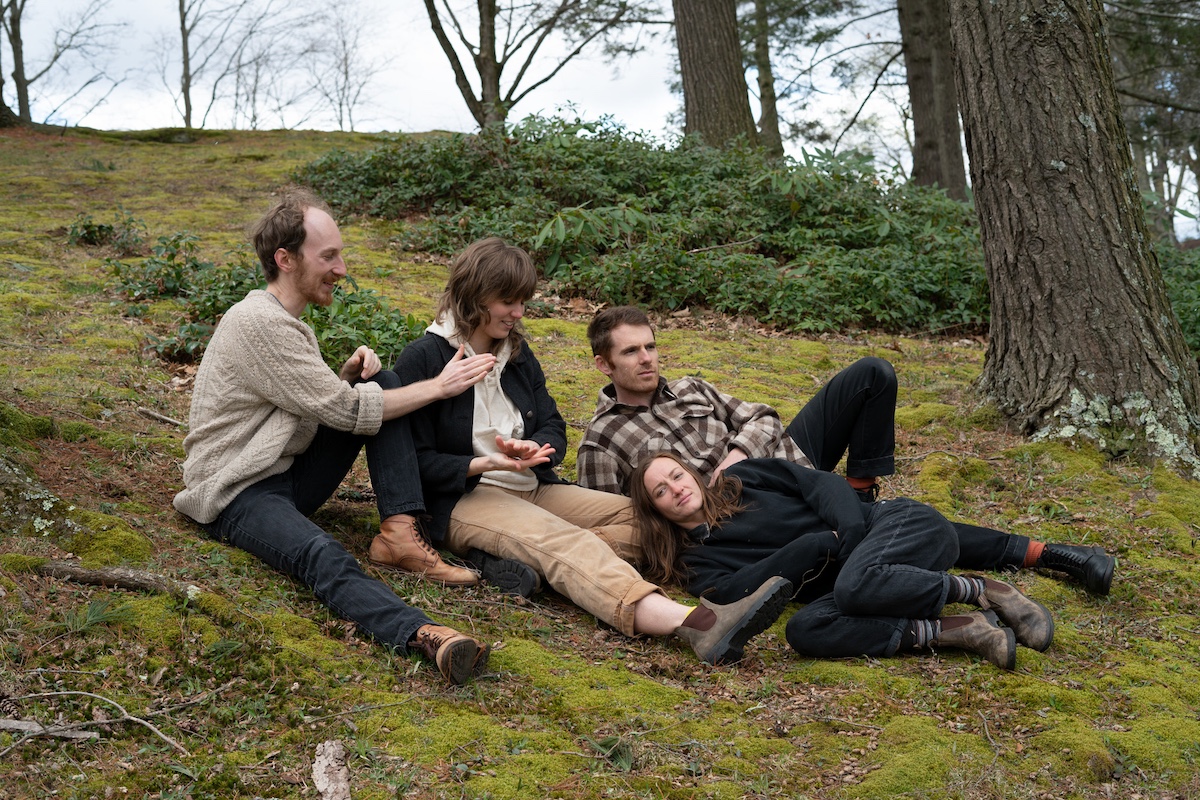
Tucked between New York City and Albany, the Hudson Valley can feel like both a retreat and a crossroads. How does being in this unique, multi-faceted space inform your identity as an artist, and what has it allowed you to tap into that you might not have found elsewhere?
Harry D’Agostino: There’s a lot to be made of how in-between the valley is. You can be in one place and feel very plugged in to the city, just a short ride away from anything going on, and then drive twenty minutes and feel like you’ve left the world behind. It’s rare to find a place that’s situated like that anywhere, and both sides of that spectrum can be really necessary to feed an artistic spirit, so it’s nice to be able to reach in either direction without going far.
— —
This was originally published in a special physical edition of Nourish in collaboration with Atwood Magazine on June 13, 2025. Dive into the physical edition of that zine and learn more about Nourish at howdoyounourish.com!
— —
:: stream/purchase Valley of Abandoned Songs here ::
:: connect with The Felice Brothers here ::
— — — —
Connect to Upstate on
Facebook, 𝕏, Instagram
Discover new music on Atwood Magazine
© Bridget Badore
 © Bridget Badore
:: Stream Upstate ::