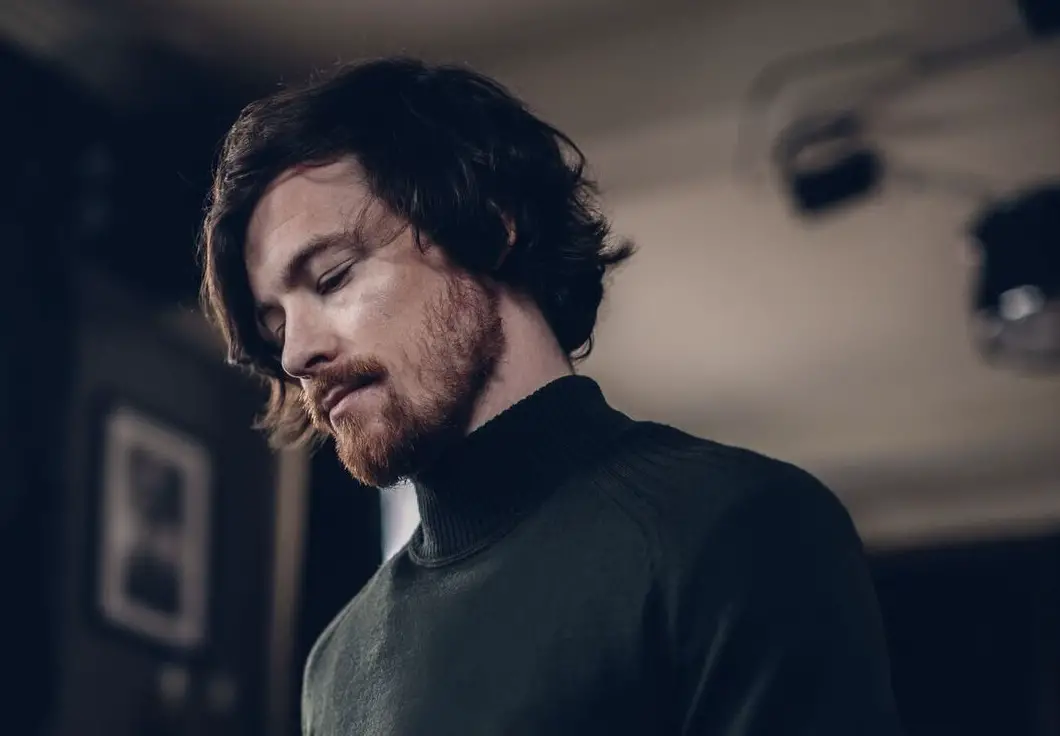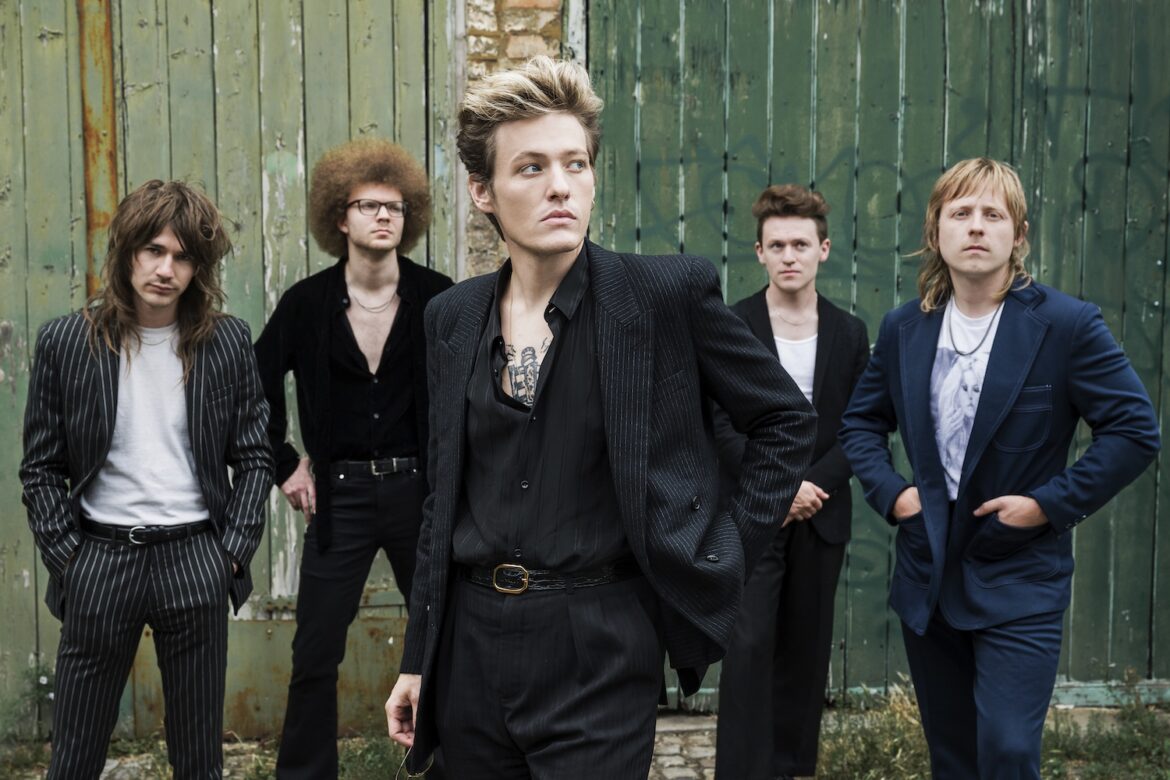
Chicago’s Brigitte Calls Me Baby didn’t tiptoe into the modern rock landscape – their debut ‘The Future Is Our Way Out’ arrived loud, dramatic, and fully committed, introducing a band unafraid of theatricality, vulnerability, and big existential questions delivered with chest-hitting force. Here, vocalist Wes Leavins reflects on making a record built to sound exactly like the band does onstage, unpacking the fears and hopes that shaped the songs, the confidence gained working with Dave Cobb, and what it means to put something honest into the world as Brigitte Calls Me Baby look toward the future.
* * *
Editor’s note: This interview was conducted in August 2024, shortly after the release of Brigitte Calls Me Baby’s debut album, ‘The Future Is Our Way Out.’ With new music now on the horizon, we’re publishing this conversation as a snapshot of the band’s foundation – and a record of the ideas shaping what comes next!
* * *
Stream: “Too Easy” – Brigitte Calls Me Baby
Brigitte Calls Me Baby didn’t arrive quietly – they arrived certain.
Certain in the way a great live band is certain: five bodies in a room, no tricks, no smoke, no safety net, just the full-force conviction that what you hear on record should be what hits you in the chest when the lights go down. It’s a rare kind of self-assurance for a young band – and it’s exactly what made their debut feel like more than a first impression. It felt like a mission statement.
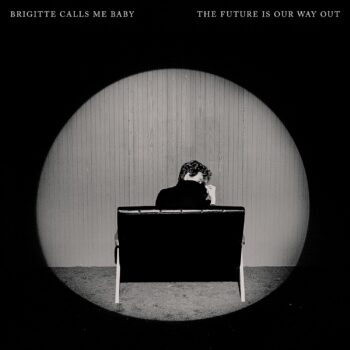
Released August 2, 2024 via ATO Records, The Future Is Our Way Out is equal parts elegant time warp and modern-day nervous system – a sleek collision of mid-century romanticism and early-millennium indie rock intensity, anchored by Wes Leavins’ hypnotic croon and a band that knows how to make drama feel physical. Recorded in part at RCA Studio A in Nashville with nine-time Grammy-winning producer Dave Cobb and in part self-produced by the band, the album moves with jittery post-punk bite, new-wave majesty, and stark balladry – from the spiky rush of “Fine Dining” to the sleepy serenity of closer “Always Be Fine.”
Comprised of vocalist Wes Leavins, guitarists Jack Fluegel and Trevor Lynch, bassist Devin Wessels, and drummer Jeremy Benshish, Brigitte Calls Me Baby operate with the chemistry of a band that learned itself onstage first — building trust, tension, and muscle memory long before committing anything to tape. From the start, the Chicago-based five-piece have been circling questions of mortality, impermanence, fear, and hope. On their 2023 debut EP This House Is Made of Corners, Wes Leavins sang of endings that felt like beginnings – of doubt tucked into quiet spaces where uncertainty likes to hide.
That tension sharpened with the arrival of “We Were Never Alive,” a dramatic, existential anthem that found the band staring straight at the brevity of existence and asking what it means to matter at all. If those early releases introduced Brigitte Calls Me Baby as a group unafraid of big feelings and bigger questions, The Future Is Our Way Out – which combines all of the aforementioned tunes with newer songs to form a fully realized 11-track experience – feels like the moment those ideas truly cohered: Louder, bolder, and more self-assured, but still haunted by the same restless search for meaning.
Have you ever felt you were dreamin’
And life was just something
that you never could believe in?
The travel of night
The tunnel of light
A feeling you were never meant to feel again
Standing on the side,
you’re walking on the water
The closer that I get,
the more I know I wanna
This life could feed a dream,
the waves will take you under
If I wake up, I won’t feel this again
We werе never alive
Howеver real it seemed, it was just a dream
We don’t go and we never arrived
However real it seemed, it was just a dream
Until the end, it’s you and me
I look to you as long as I have eyes that see
And it’s the end for you and me
I wanna stay forever in the in-between
That tension between intimacy and enormity sits at the heart of The Future Is Our Way Out, a quarter-life crisis brought to life through song.
For Leavins, the album wasn’t born from a grand concept so much as a period of isolation – the kind that leaves you alone with your own thoughts long enough that they start demanding shape. These songs, he explains, spawned from many of his innermost fears and questions.
“It was written in a pretty isolating time in my life,” he tells Atwood Magazine. “When I’m alone, I think too much, and I was constantly in thought about all of my concerns and fears and hopes and desires. All of that came out as the songs we have here. Largely, it’s a fear of death, a hope for something beyond life, a hope for something real in life, and grappling with the impermanence of everything – the idea that everything you do have can be really beautiful, but eventually will have an end. That’s the mindset I was in when working on this stuff.”
Taken together, Brigitte Calls Me Baby’s songs don’t chase easy resolution – they sit with uncertainty, honoring both the anxiety of impermanence and the fragile hope that meaning can still be found within it. It’s that willingness to stare directly at life’s limits, without flinching or softening the edges, that gives The Future Is Our Way Out its emotional weight – and makes it feel less like a debut than a document of someone learning how to live with life’s big questions.
Everyone said this is how it would be
I’m sorry I can’t help but cry
And wonder, was the joke on me?
I said it long ago, I said it long ago…
There is a place
Where I want to be
But I don’t know where it is…
Oh, there is a place
Where I will be happy
Oh, there must be…
– “The Future Is Our Way Out,” Brigitte Calls Me Baby
What makes Brigitte Calls Me Baby feel vital isn’t nostalgia or aesthetic – it’s commitment.
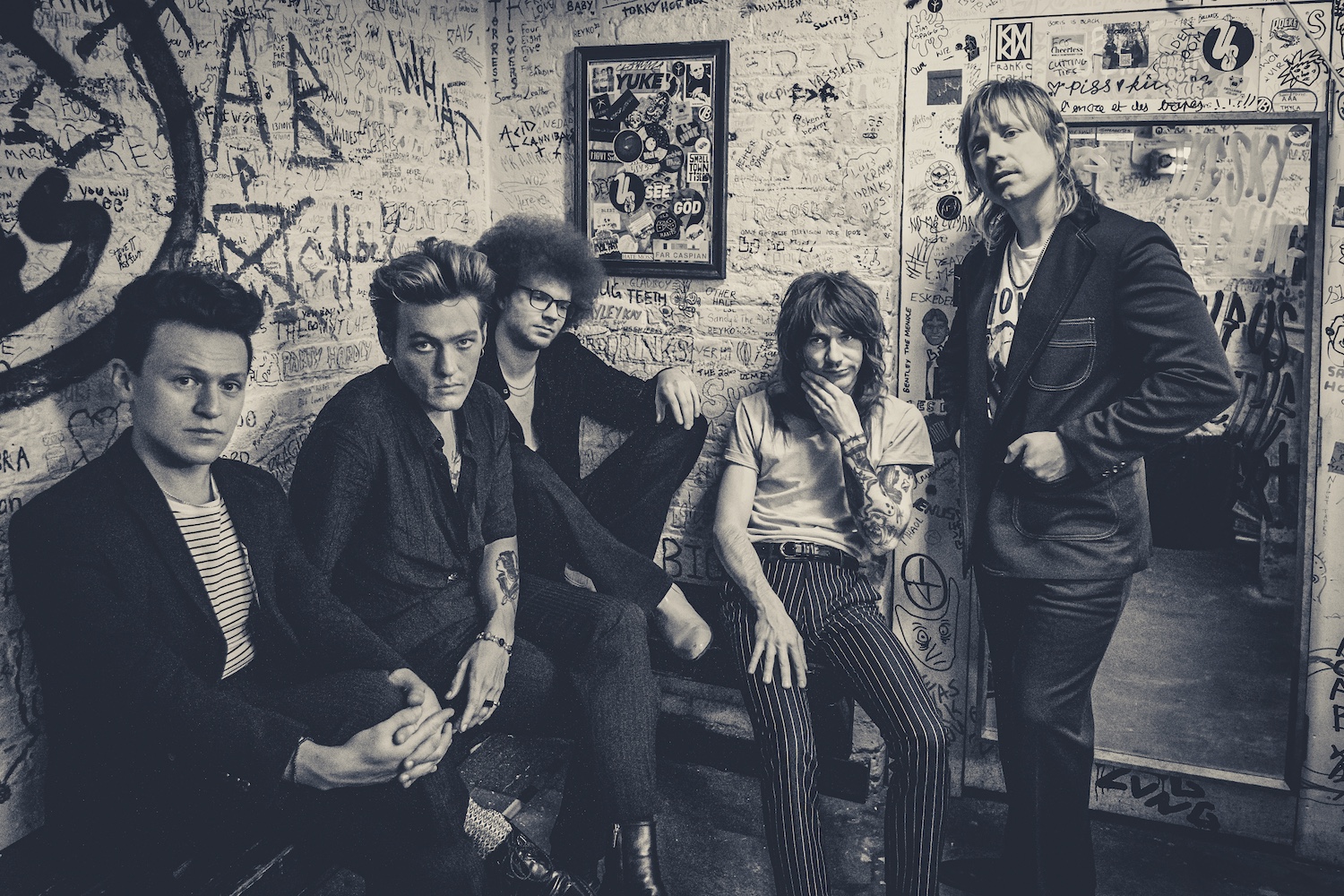
Commitment to craft over convenience. To emotional directness over irony. To the belief that rock music can still be theatrical, vulnerable, and physically felt without hiding behind studio tricks or detachment. Their lyrics wrestle with big, timeless questions: Desire, anxiety, impermanence, the fear of death, and the stubborn hope that something softer and sweeter might exist on the other side of all this. Their music is refreshingly fearless, unapologetic, and uncompromising – and with a powerhouse voice like Leavins’, even the smallest exhale feels earth-shattering. In a landscape where so much modern guitar music is flattened or self-conscious, Brigitte Calls Me Baby stand apart by leaning all the way in – trusting their songs, their voice, and their live energy to do the work. It’s that sincerity, paired with ambition, that makes them more than a revivalist band – and why their next chapter feels worth paying attention to.
In the time since their debut album’s release, the band’s commitment has only been validated – through late-night television performances, relentless touring, and a growing reputation as a must-see live act. It’s increasingly clear that The Future Is Our Way Out wasn’t an arrival so much as a declaration of intent that continues to ripple forward. And while moments like these can invite a certain kind of pressure, they also tend to reveal who’s built to carry it.
Brigitte Calls Me Baby’s Wes Leavins sat down with Atwood Magazine in August 2024 to discuss the ins and outs of The Future Is Our Way Out, working with Dave Cobb, building a record without studio “smoke and mirrors,” and writing songs that hold fear and hope in the same hand. What follows is a conversation that captures the band’s clarity of purpose in real time – before momentum hardened into mythology. Now, as Brigitte Calls Me Baby begin teasing what comes next, this interview reads not just as a debut-era reflection, but as a blueprint for the band’s future – and why we’re calling them an Atwood Artist to Watch in the year ahead.
Brigitte Calls Me Baby will release “Slumber Party,” their first single of 2026 and the dawn of a new era for the band, on Tuesday, January 13. Pre-save it here.
— —
:: stream/purchase The Future Is Our Way Out here ::
:: connect with Brigitte Calls Me Baby here ::
— —
Stream: ‘The Future Is Our Way Out’ – Brigitte Calls Me Baby
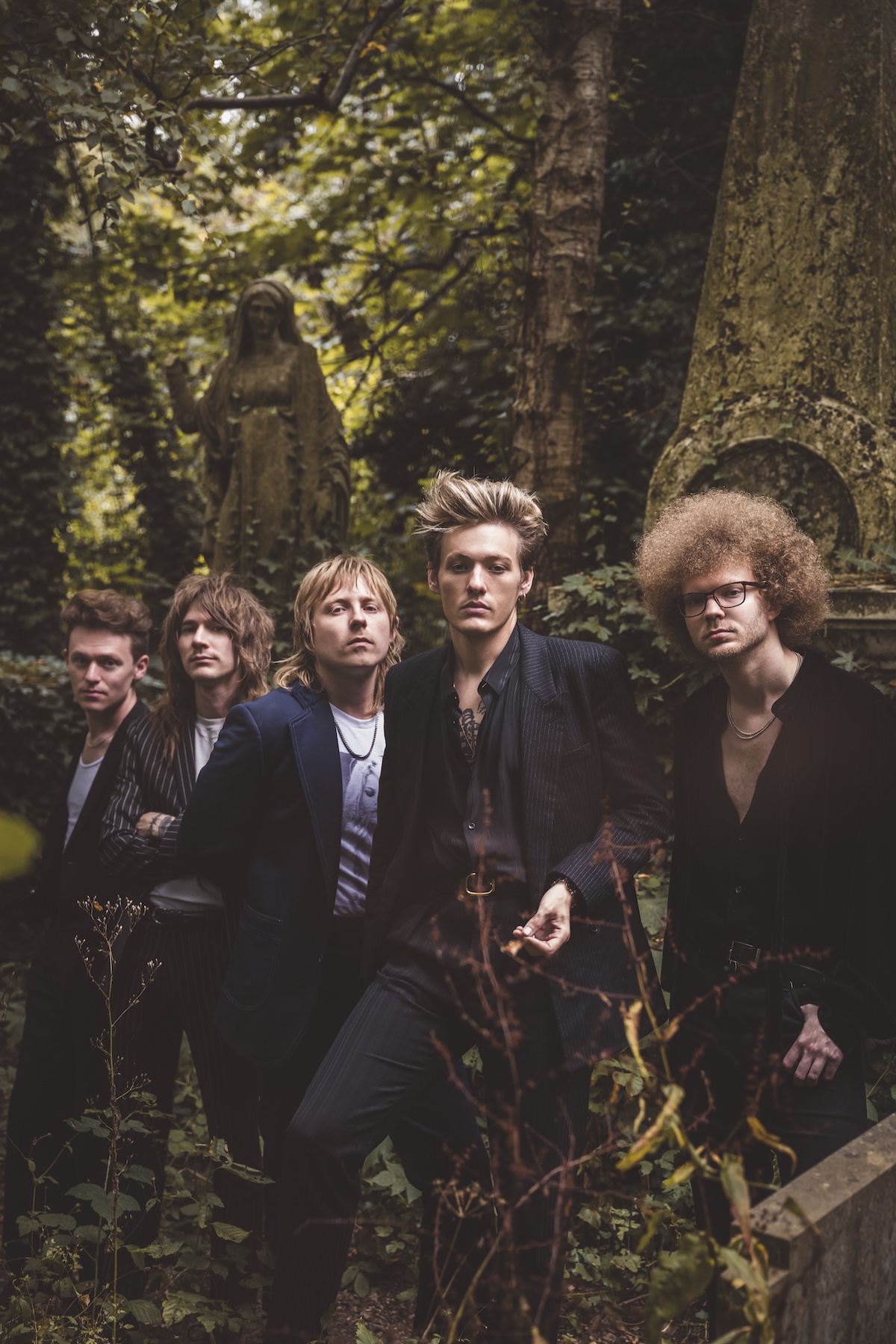
A CONVERSATION WITH BRIGITTE CALLS ME BABY

Atwood Magazine: Brigitte Calls Me Baby’s debut album has been out for, what…
Wes Leavins: Almost two weeks.
This is such a long time coming. What’s it been like to finally have this record out in the world?
Wes Leavins: You’re right. It has been a long time coming. It’s just nice to know, should something happen to me or the band, we have this out – at the very least to say, “Here’s what we were all about at this period in time.”
So there’s something about legacy there. You’ve put something of yourself into the world that can just be there.
Wes Leavins: Yeah, absolutely.
That's great. Half the record was made up of songs on the EP, and half of it is new material. When I listen to this, I hear it as capturing who this band has been from the start. What’s the story of this record for you?
Wes Leavins: Well, it did truly start off one way. There were about 11 or 12 songs that were initially recorded for the album, and then we just entered a very prolific period of the band’s songwriting, and we’d written about 15 or 20 more. Eventually, we came to the conclusion that we were just going to record the best songs, and that would be the first album.
So it changed over the course of two years, and half of the songs we initially recorded with Dave Cobb are not on the album. The songwriting just continued and continued, and we were interested in releasing a strong debut. It was very hard to narrow down those choices, but there’s a lot of music that didn’t make the cut and will probably find its way out at some point.
That's crazy about not even the Dave Cobb ones making the cut.
Wes Leavins: It was mainly for the identity of the band. We were trying to inject variety into the debut that really showed the different elements of what we do. That was the incentive there.
You only introduced yourselves to the world in early 2023 with “Eddie My Love.” What spurred the decision to debut with that song, of all the tracks that you had in your arsenal?
Wes Leavins: Honestly, it was one that received a pretty good response when we would play live, so it made sense.
Because you guys had been playing live for a little while before you put out anything, right?
Wes Leavins: Yeah, our first show was July of 2022, so we just came up on about two years as a band.
It really didn't take long.
Wes Leavins: No, we’ve been so very lucky and grateful, but there’ve been times where it felt like a struggle. We’ve been lucky for sure.
You guys started on stage, then went into the studio – almost the more traditional route. When you set out to make this debut, was the goal to capture what you sound like live? Do you feel like you have two identities – one on record and one in concert?
Wes Leavins: No, it was very much one and the same. We had been playing for a good bit before we ever released or recorded anything, and a lot of the record was recorded live. We figured that if we made this as authentic as possible – if we didn’t use any tricks or rely on any studio smoke and mirrors – then the transition would be pretty seamless. People would be surprised, because what they see and hear live would be pretty much what they hear on the recording.
There are certain gymnastics that requires – singing a lot, keeping the voice in check, things like that – but we didn’t want it to feel like, sometimes you see a band and it’s just obvious that the studio recordings were manipulated to make them sound better than they actually are. We wanted to put in the work and actually show up and be able to do what people are used to hearing when it comes to us.
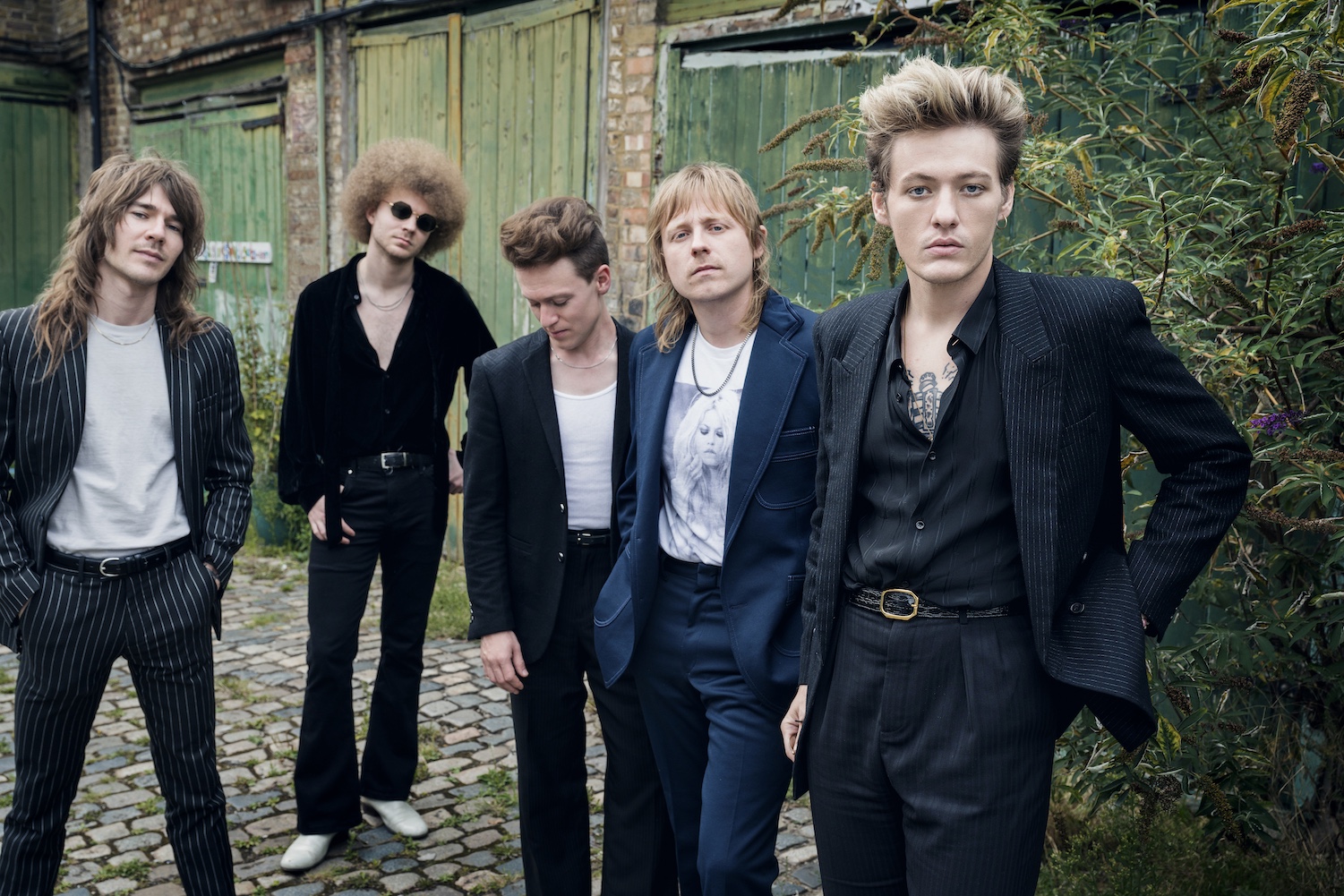
To say you started your recording career working with Dave Cobb is wild. What was that experience like – and what did you take from it into the rest of making this album?
Wes Leavins: Yeah, he’s brilliant, and I think his brilliance comes with confidence and ease. He’s not intimidated by the journey that recording, writing, producing, and all of those things encompass – just a confidence that, upon our first bit in the studio, maybe we didn’t have as much of.
He very quickly injected us with that confidence, this ability to access parts of ourselves that we weren’t even aware of. He’s so laid back with it and seems to just have good ideas all the time. There’s no panic. It’s just like, “Hey, I was thinking we should try this.” It’s very casual, and you hear it and you’re like, you should sound a bit more excited than you do, because you’re just so confident. That’s the way I would describe it, and that’s rubbed off on us and our work in the studio, I think.
Would you describe yourselves as a band as confident as well, in terms of going into the studio at this point in time?
Wes Leavins: Yes. And a lot of that is thanks to Dave, because it can be intimidating sometimes, but he’s just such an easy person to work with. For me personally, it taught me how to access things that maybe I wasn’t in touch with before meeting him.
Let’s talk about the album itself. Did you have a specific vision for what you wanted this debut to capture?
Wes Leavins: Definitely. Really, it was just marrying my voice – which maybe isn’t common in alternative rock or pop – and bridging the gap for us, creating something that could have a more, I use this term loosely, but a more sophisticated vocal style in a setting that’s less sophisticated, more electric and edgy. That was the intention here: bridging the gap.
Because I love so much music, and I could sing Sinatra stuff all day and be very happy, but that’s not really where – when I create, when I write – I tend to go. I write in a fashion that wouldn’t necessarily just include horns and strings and things like that. It was always that conscious awareness of the different parts of myself and wanting to show that on this album.
Who did you listen to growing up? Who were your North Stars when it comes to music that really influenced you that you also try to then make?
Wes Leavins: Everyone from Sinatra and Dean Martin to Radiohead, Strokes, Depeche Mode, Jeff Buckley. It’s pretty all over the place, but I think the common denominator is passionate, great singers with moody instruments.
Did you grow up singing? When did you discover your voice?
Wes Leavins: Yeah, I always enjoyed singing and I feel like from about the age of 12, I knew I wanted to express myself musically. It kind of manifested in the voice, rather than playing an instrument really well or something.
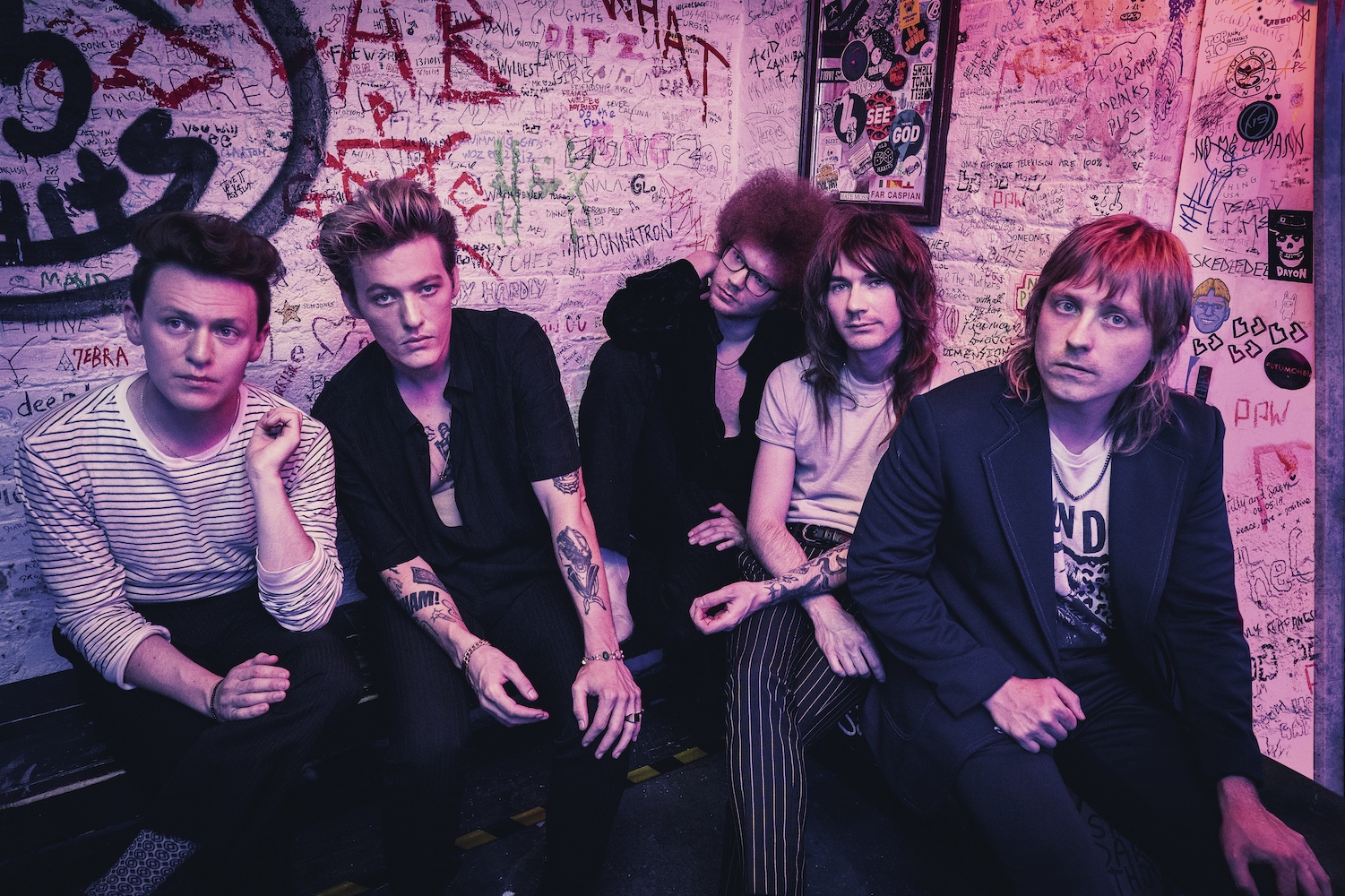
You talked about not hearing a lot of voices like yours in the kind of music you wanted to make. Was there someone who made you feel like, “I can do this”?
Wes Leavins: Yeah, I think Jeff Buckley would be the big one because he, too, could have pretty much sang anything he wanted to. He shows a very specific style and sound, or maybe it shows him, but he’s someone who I also could hear singing some classic Sinatra song or something. I looked to him as an example of how you really can bridge the gap and create something that’s authentic and unique to your identity.
Let’s dig into the title track, “The Future Is Our Way Out.” It's a striking statement and a big, bold opener. Why put that song first?
Wes Leavins: That is a good question. I think just because it’s so obnoxiously long that if people could get through it and had the interest of getting through it, then maybe they’d listen to the whole record. [laughs]
No, honestly I feel like it just kind of captures everything that the album’s about, lyrically and sonically. And I liked how the lyric, “now the end is here,” is the first thing you hear when you put on the record. It’s a bit tongue-in-cheek, like, this is actually the beginning of the record, but it starts with ‘now the end’ is here and that’s kind of dramatic. It just felt like it was the right one.
And you feel like it also captures the spirit of the record lyrically. Can we talk a little bit about that? What's the spirit of the record when it comes to the songwriting?
Wes Leavins: In this particular instance, I think it’s a few things – mainly, a lot of my fears and questions and it was written in a pretty, isolating time in my life. And when I’m alone, I think too much. I was just constantly in thought about all of my questions and concerns and fears and hopes and desires, and all that just came out as the songs we have here.
But largely it’s a fear of death, a hope for something beyond life, a hope for something real in life and grappling with the impermanence of everything and the idea that everything that you do have can be really beautiful, but eventually will have an end. So it’s, I don’t know, maybe too broad, but that’s kind of the mindset I was in when working on this stuff.
It sounds like a quarter-life crisis put into songs when you say that.
Wes Leavins: You know what, that’s fair enough, yeah.
I think there's nothing wrong with having a little bit of an existential crisis every now and then. Better to put a panic attack or something like that into music and to have something that you can refer back to, as in, ‘this is the physical manifestation of my anxiety,’ than to just bottle it all up.
Wes Leavins: Yes, but at the end of the day, and I think in every song, there is hope. It’s not just loss or anxiety or dread. It’s certainly in there, but there is a hope that someday and somewhere there will be a place where you can rest your spirit, whether it be in life or in death. I don’t necessarily believe in anything, but I do hope for many things. So that’s baked into the album, too, is a lot of hope.
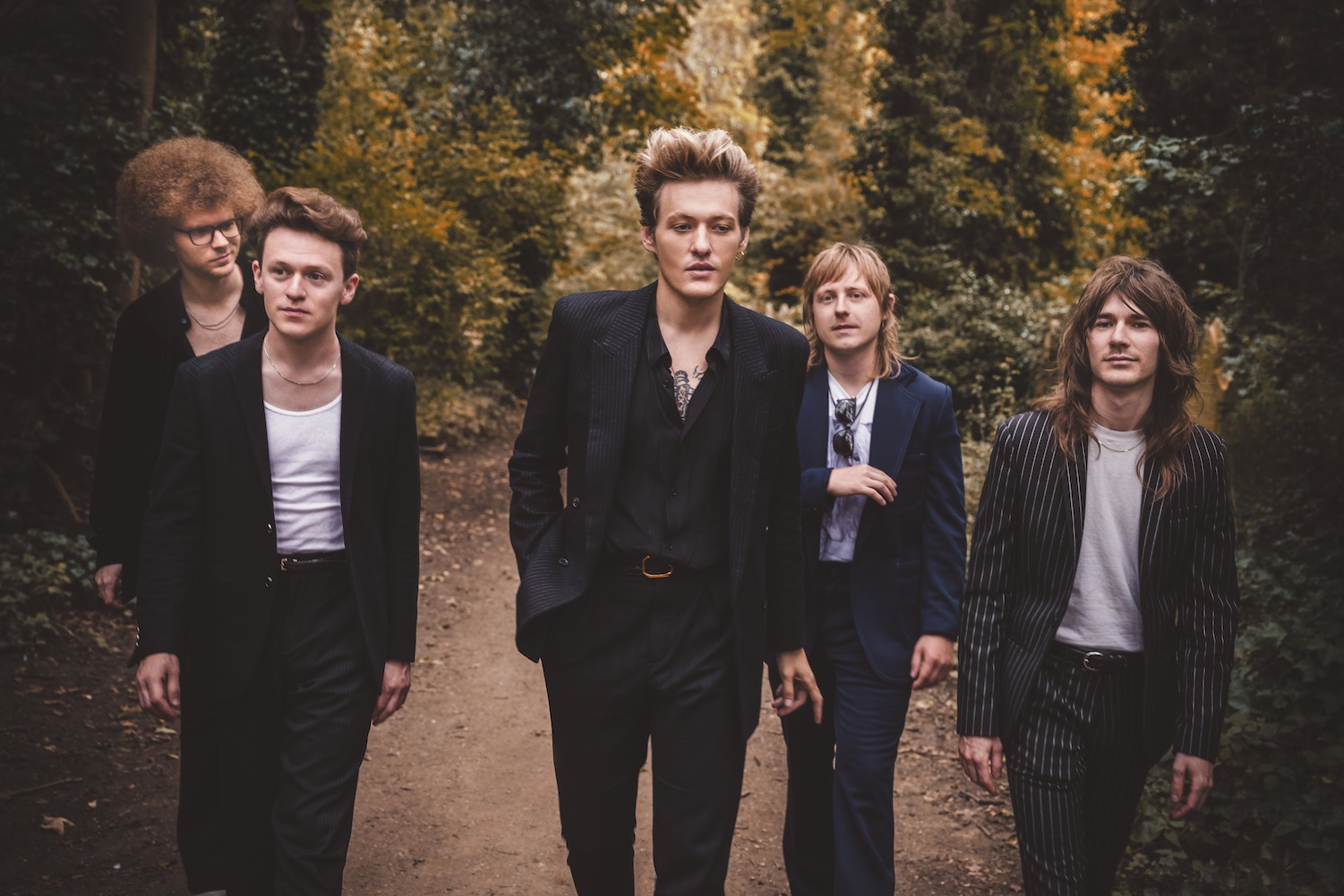
Is songwriting a form of therapy for you? What are your biggest drives when you're sitting down to write a song?
Wes Leavins: Well, I think – in a lot of ways – it just comes, and it can’t be avoided. It’s more like a nuisance sometimes. Like, well, now I have to go do this. I have to go. The song demanded to be born, and so I have to do it.
I don’t regret it. I don’t consider it a nuisance once it’s finished, and I don’t regret the attention that it demands. But yeah, it often comes at the most inconvenient times. Then I look like a freak, trying to scramble and get out of whatever situation I’m in so I can write the song. But I’m fine with that – whatever way, as long as they keep coming.
Writing is intimate, and performing is the opposite. How do you bridge those worlds?
Wes Leavins: I feel so comfortable on stage – I enjoy that more than anything. So it’s part of the reward, I think, to have these thoughts and then to have an opportunity to express them. And then people have interest in hearing your thoughts. And so that’s very rewarding. We put so much into writing and recording and that exhausting journey, and then here’s the reward. Now you can share it with people in public and receive something and give something.
It ultimately sounds like your goal with songwriting, and with this record, is to just be able to keep going up on stage and singing your songs for people.
Wes Leavins: 100%. I don’t think I could actually live without the stage, because there is something I receive from it that I cannot receive from anything else. And I hope to give that back in the largest way that I can.
I want to ask about a couple songs, firstly “Pink Palace” – there's something deeply romantic about this song. “You're saying decapitation and masturbation don't go hand in hand. Few things are sadder than the tragic death of a woman and her man.” As vivid and as provocative as those lyrics are – and they are – at the end of the day, the message feels timeless.
Wes Leavins: I hope so. Yeah. I like those lyrics too.
It's a catchy line. It's probably one of the standouts for me on the record.
Wes Leavins: Well, thank you for saying that. It was originally ejaculation instead of masturbation, but we decided that that was too graphic…
The other one that really struck me was “I Wanna Die In the Suburbs.” Can you tell me where that song came from?
Wes Leavins: Yeah. When you’re out of the race and you’re in a very quiet, sometimes mundane place, you can find yourself not wanting to leave. That was just a song that came from… I’d be on the road, we’d be touring, and I’d be like, okay, I can do this forever. Let’s just go all the time, every day. And then when it slows down and you’re at home, you kind of dread it for a week. And then slowly you get used to the reality of, well, I could do this forever. I could do nothing forever and just bum around and sleep all day. And just when you get comfortable in that, oh! It’s time to tour again. So it was just a conversation with myself about the back and forth.
What really struck me about this record was actually the finale. We talked earlier about you growing up on Sinatra and Dean Martin… Of all things, you chose to end on a ballad, which I thought was a very elegant way to close any record. What inspired the choice to include “Always Be Fine” on the album, and to make it the last track?
Wes Leavins: Another good question. Although it’s occurred somewhat, we don’t want to fit one box, really, and there’s a lot of facets to what we want to do and can do. And there’s a lot of songs recorded now, so obviously all that the public has is this debut album to sort of define us, but ending the album with that and starting the album with “The Future Is Our Way Out,” I just liked how it felt like a question mark. Okay, here’s what we thought the album was, and now there’s this, and where does that mean they’re going next?
That’s something I’m excited for people to hear, because I don’t wanna ever become predictable or do anything, do one thing like I really admire bands that have a sound and can write so many songs within that sound. I would say like the first Strokes album, one of my favorites from the era, every song sounds like The Strokes and very specifically them. I don’t know that I’d want to make an album like that personally; I think that album’s fantastic, but I feel like there’s a lot more variety. I would like to offer another – ‘Cigarettes After Sex.’ Great, love it, but I think for us, we just are really, really, really interested in finding ways to express ourselves that are not necessarily consistent, and yet still feel like the band.
I like that. Let the album sound cohesive, but don't make every song fit into the same box.
Wes Leavins: Yeah. I feel like my favorite bands and favorite artists, they can go into so many different spaces. An example would be David Bowie. He could do anything, and it would still be David Bowie. I admire that a lot. I don’t know if it’s a formula or if it’s just that you’re so unique and authentic that anything he touched just became his own. But I admire that.
So the goal right out the gate was, let's get people to know what these songs are. Let's get people to actually listen, and if they want to know what Brigitte Calls Me Baby is all about, they're gonna know it’s more than one thing.
Wes Leavins: Exactly. That was the goal. And we will see if it’s successful or not, but that was the goal.
You can't ask for anything more. Seeing as so much of this album is about getting to go on stage, what can people expect at a Brigitte Calls Me Baby concert?
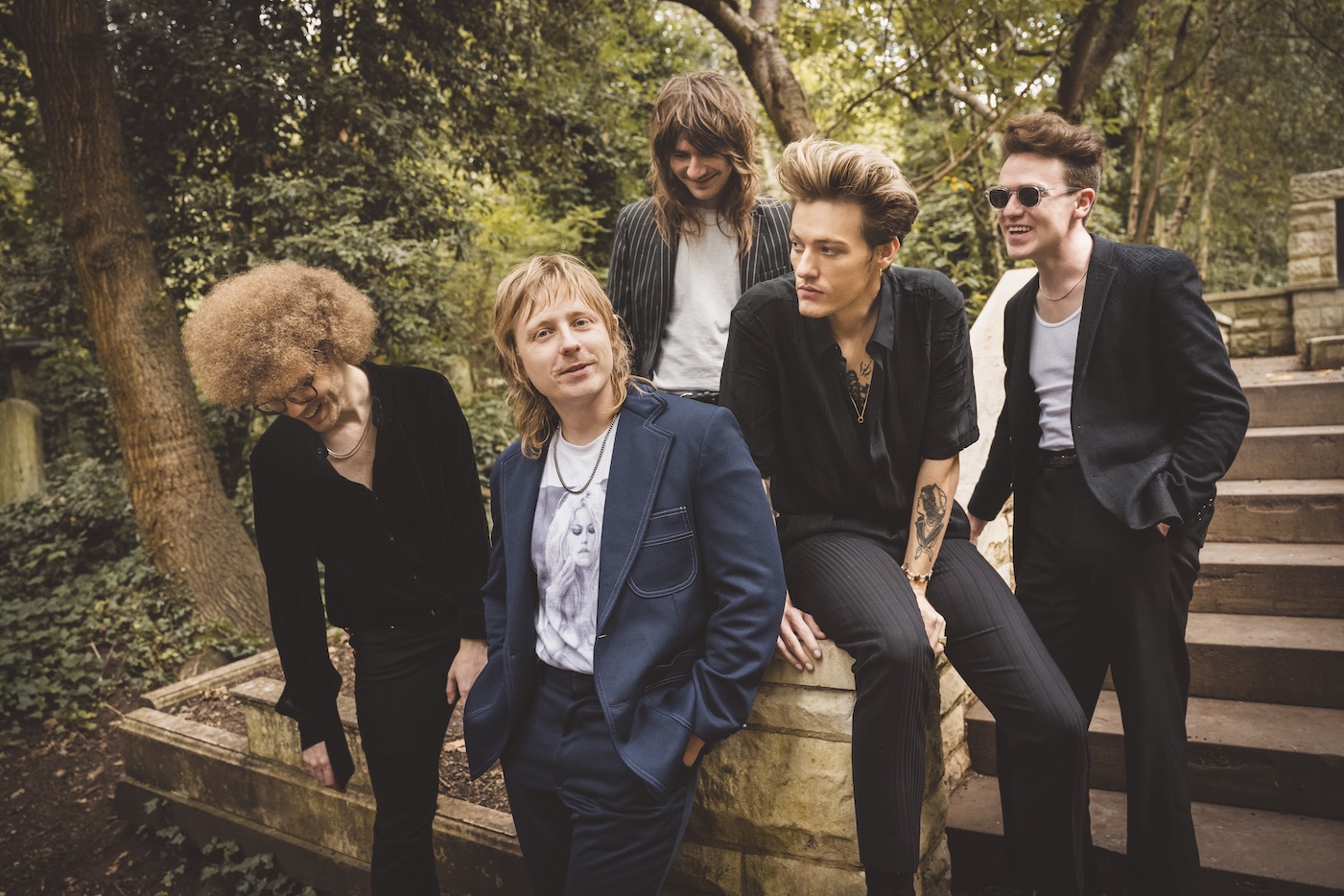
Wes Leavins: They can expect everything that I have and that the band has to be left on the stage. They can expect to see five people who would rather do what they’re doing in that moment than anything else they could possibly do. And really and truly it’s just about the expression and the connection and really creating an energy that requires me giving and receiving because of that filling each other with the magic that music can, and that sounds really corny, but it’s true. You go to a great show and you should walk out of that show feeling slightly changed or altered or like something happened there, That’s what we strive to do as well. The 1975 is a great example. That’s a band who, every show I’ve seen, it feels like a moment, it feels very special. And I don’t know what it is. I think it’s just the magic, for lack of a better word.
Do you have any definitive favorites or personal highlights that you really love and cherish from this first record?
Wes Leavins: Yes. “Too Easy” and “Palm Of Your Hand” – when I think of them, I was in a good place when they were written or I don’t know what it is about them, but in my mind, when I think of them and when I hear them, I get a good feeling. And so those would be my two personal favorites. There is just something special about them, we feel, and they came so quick that it’s hard to deny them. Things like that.
To the reader who is reading this interview today and just discovering Brigitte Calls Me Baby, what song do you hope they listen to first as they dive down the rabbit hole?
Wes Leavins: “Too Easy.” Either that or “Impressively Average.” I would say one of those two.
What do you hope listeners take away from The Future Is Our Way Out, and what have you taken away from creating it and now putting this album out into the world?
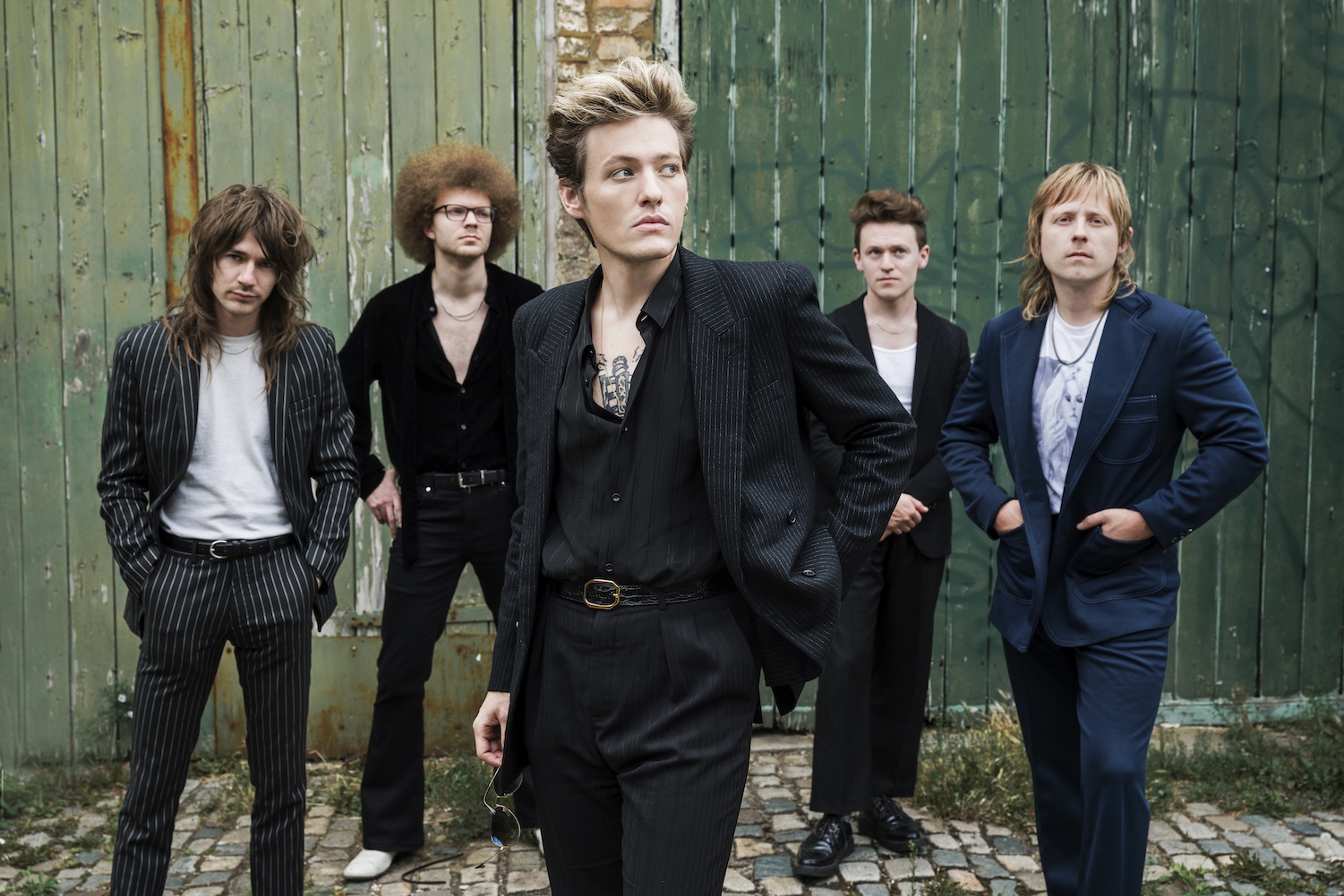
Wes Leavins: Well, I hope that they take away, if you feel these things that I’m talking about, then there is also someone who does as well. And maybe if we get together, we can try and achieve some kind of permanence, or at the very least continue to try until we realize that it’s not possible. That’s what I hope is taken away from the album. And then what I’ve taken from it is, I feel like what I wanted to do was done. And that’s fulfilling, that’s rewarding to have an idea, create, bring to fruition, and put it in the world and have people give a shit about it – you really can’t ask for anything else.
In the spirit of paying it forward who are you listening to these days that you would recommend to our readers?
Wes Leavins: Yes, there are a few that I would mention. There is a band in Chicago called Smut. There is The Beaches have we’ve enjoyed, and Teezo Touchdown from my hometown – we grew up maybe like 10 minutes from each other in Texas and he’s very special. Her’s is another band, but I don’t know if they can benefit much from me speaking about them, unfortunately. But I love Her’s. That would be off the top of my head who we’ve been listening to.
— —
:: stream/purchase The Future Is Our Way Out here ::
:: connect with Brigitte Calls Me Baby here ::
— —
— — — —
Connect to Brigitte Calls Me Baby on
Facebook, 𝕏, TikTok, Instagram
Discover new music on Atwood Magazine
© Scarlet Page
 © Scarlet Page
:: Stream Brigitte Calls Me Baby ::