
Raye returns with a cinematic masterclass in hope, heartbreak, and big-band bravado; her sophomore album ‘THIS MUSIC MAY CONTAIN HOPE.’ turns personal turmoil into pop theatre for the modern age.
‘THIS MUSIC MAY CONTAIN HOPE.’ – Raye
Finding out that Raye is the same age as me was a shocking moment.
Somehow, this South London dynamo, already a Brit Awards legend, an Ivor Novello winner, and a global hitmaker with over 10 billion streams under her belt, still manages to feel impossibly youthful while delivering music of staggering emotional depth. With her sophomore album, THIS MUSIC MAY CONTAIN HOPE., released independently through Human Re Sources, Raye stakes an audacious claim as one of pop’s most fearless visionaries. Clocking in at 73 minutes and 30 seconds, the 17-track behemoth is a genre-defying, cinematic journey that moves from darkness to light, heartbreak to hope, and introspection to grandiose show-stopping spectacle.
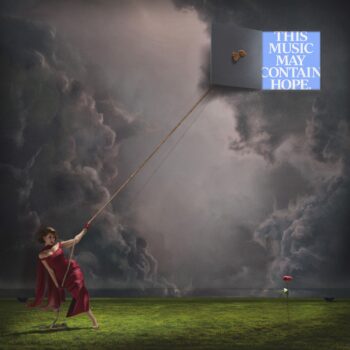
The album opens with “Intro: Girl Under the Grey Cloud,” a delicate meditation on the concept of sonder, the awareness that every passerby has a life as vivid and complex as our own. Here, Raye sets the tone for an album that is as much about personal catharsis as it is about universal empathy. The track feels like a curtain being drawn on a theater stage, ushering listeners into a world where every nuance of human emotion is amplified. It’s a bold choice for an opener: reflective, gentle, and hinting at the musical audacity to come.
From there, the record erupts into “Joy.,” a track built around a vocal loop sampled from James Brown. The choice is cheekily literal, the Godfather of Soul himself calls out “Miss Ray,” yet it underscores Raye’s knack for blending past and present, reverence and reinvention. Big band flourishes mingle with modern R&B production, while her vocals glide effortlessly between exuberance and vulnerability. This duality, showmanship tempered by intimate confession, is emblematic of the album as a whole.
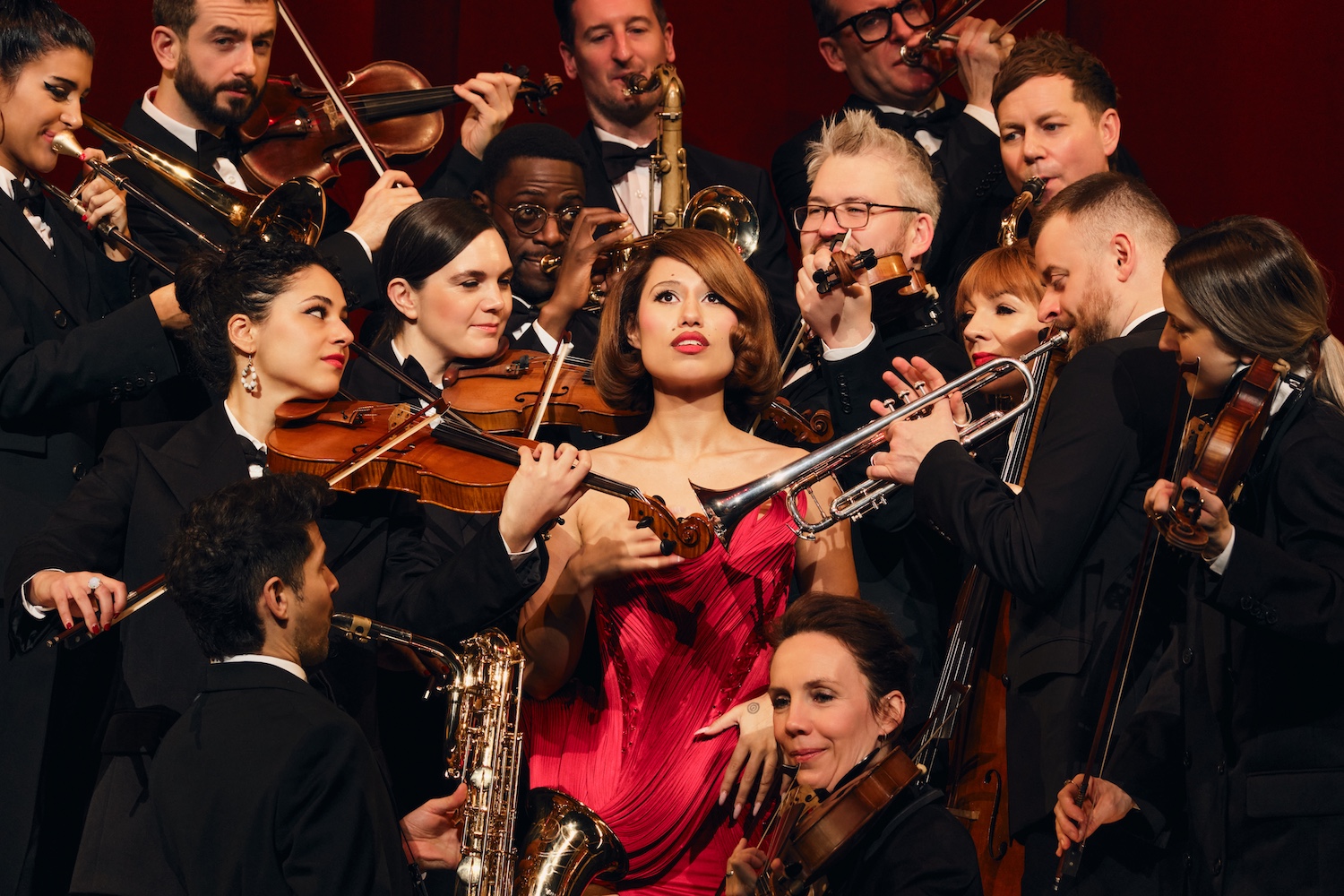
“I Will Overcome” is perhaps the most pointedly personal moment here, addressing the comparisons to Amy Winehouse that Raye has encountered throughout her career. Lines like “And it’s funny, some people say I remind them of Amy / Some spit through their keyboards, I’ll never amount” hit with a rare frankness, confronting the cruelty of public scrutiny while asserting resilience. Musically, the song combines orchestral pop with soul-inflected vocals, crafting a sound both grand and tender. The result is an anthem that feels both cathartic and cinematic, simultaneously acknowledging the ghosts of the past and staking Raye’s claim to her own legacy.
The album’s midsection is where its theatricality truly takes flight. Tracks like “Beware… The South London Lover Boy,” “The WhatsApp Shakespeare,” and “Winter Woman” showcase Raye’s penchant for playful, almost absurdist storytelling. Meanwhile, “Click Clack Symphony.,” featuring Hans Zimmer, pushes the envelope further: Zimmer’s orchestral gravitas blends seamlessly with Raye’s modern pop sensibilities, creating a track that could comfortably exist in a stadium, a movie, or both. These moments, lavish and larger-than-life, contrast beautifully with the tender introspection elsewhere, proving Raye’s ability to balance spectacle and intimacy without ever losing her artistic voice.
One of the album’s most affecting pieces, “I Know You’re Hurting.,” has a story as moving as the song itself. Written on Raye’s 26th birthday during a conversation about mental health, it began as a spontaneous piano demo that grew into a 12-minute opus. Presented as a letter to a friend, it tackles grief, vulnerability, and empathy with a raw, unvarnished honesty. The track unfolds slowly, allowing space for reflection, and feels like a masterclass in emotional storytelling, a reminder that pop can be both deeply personal and universally resonant.
Elsewhere, Raye’s collaborative instincts shine. “Goodbye Henry.” enlists soul legend Al Green, whose presence imbues the track with a timeless warmth, while “Fields.” sees Raye teaming up with her grandfather, Michael, a long-overlooked songwriter, to honour familial legacy and musical heritage. Tracks featuring her sisters, Amma and Absolutely, further reinforce the sense of intimacy and community that permeates the album. The collaborative DNA here is rich and varied, yet Raye’s vision remains cohesive, steering each song toward the larger narrative of hope, resilience, and self-affirmation.
The album’s lyrics are unflinchingly contemporary yet timeless. “WHERE IS MY HUSBAND!” is a buoyant, unapologetically playful highlight that demonstrates Raye’s ability to write infectious, radio-ready pop without sacrificing depth or personality. Meanwhile, “Life Boat.,” “I Hate The Way I Look Today.,” and “Skin & Bones.” explore self-image, relational turbulence, and emotional fragility with sharp, confessional lyricism. The sequencing is meticulously crafted: moments of exuberant showmanship are counterbalanced by intimate balladry, creating an ebb and flow that mirrors the human emotional experience.
The production is nothing short of spectacular. Co-producers Mike Sabath, Tom Richards, Chris Hill, and Punctual help Raye fuse a dizzying array of genres, jazz, soul, orchestral pop, big band, and electropop, into a soundscape that is at once grand and detailed. There’s a cinematic sweep to many tracks, but also room for subtlety: a whispered lyric, a piano flourish, or a barely-there percussion hit can carry emotional weight comparable to the bombastic moments. The album is dense, but never indulgent; each stylistic pivot serves the narrative arc, never feeling gratuitous.
Perhaps most impressive is how Raye balances the grandeur of her musical vision with accessibility. THIS MUSIC MAY CONTAIN HOPE. is ambitious, but never alienating. The hooks land effortlessly, the choruses soar, and the emotional stakes are high, but always relatable. There’s a sense of theatricality reminiscent of classic show tunes or Sixties R&B, yet it’s filtered through a contemporary, boundary-pushing lens that makes the album feel utterly of its time.

THIS MUSIC MAY CONTAIN HOPE. is a triumph.
It is Raye at her most fearless, her most vulnerable, and her most cinematic. It is an album that wears its heart on its sleeve while dazzling with technical brilliance and genre-fluid inventiveness. Raye transforms heartbreak, self-doubt, and personal turmoil into something universal, a testament to resilience, empathy, and the messy, beautiful complexity of life. Hope, in her hands, is not naïve; it is hard-earned, fragile, and luminous.
By the time the record closes with “Fin.,” listeners are left with a sense of catharsis akin to the final act of a great film. There is darkness, yes, but also triumph. Pain, certainly, but also joy. Ambition without arrogance. And above all, a profound, unshakable humanity. Raye has made an album that is daring, deeply personal, and utterly unmissable, a statement of identity, artistry, and, fittingly, hope.
— —
:: stream/purchase THIS MUSIC MAY CONTAIN HOPE. here ::
:: connect with Raye here ::
— —
— — — —

Connect to Raye on
Facebook, 𝕏, TikTok, Instagram
Discover new music on Atwood Magazine
© Aliyah Otchere
 © Aliyah Otchere
:: Stream Raye ::