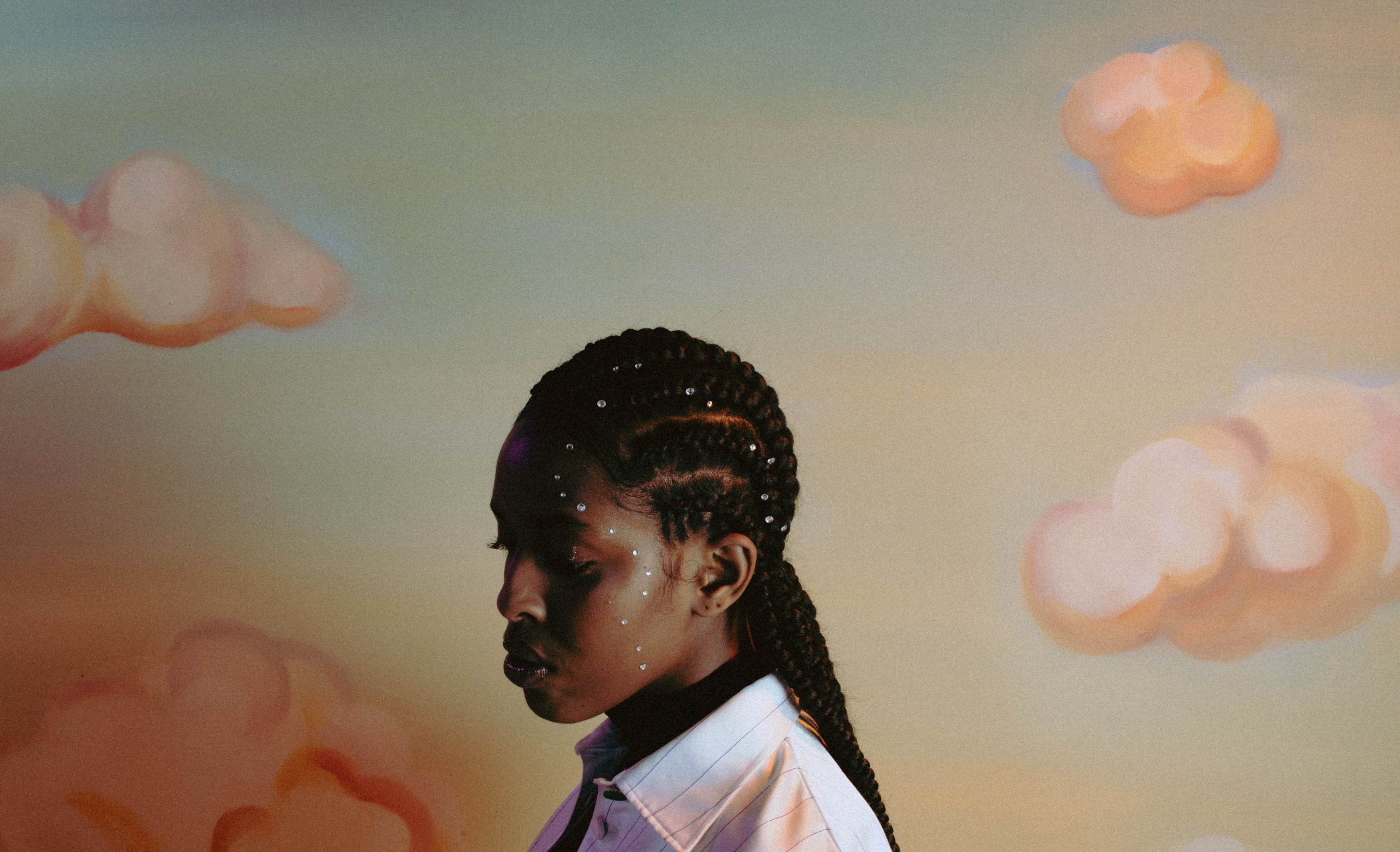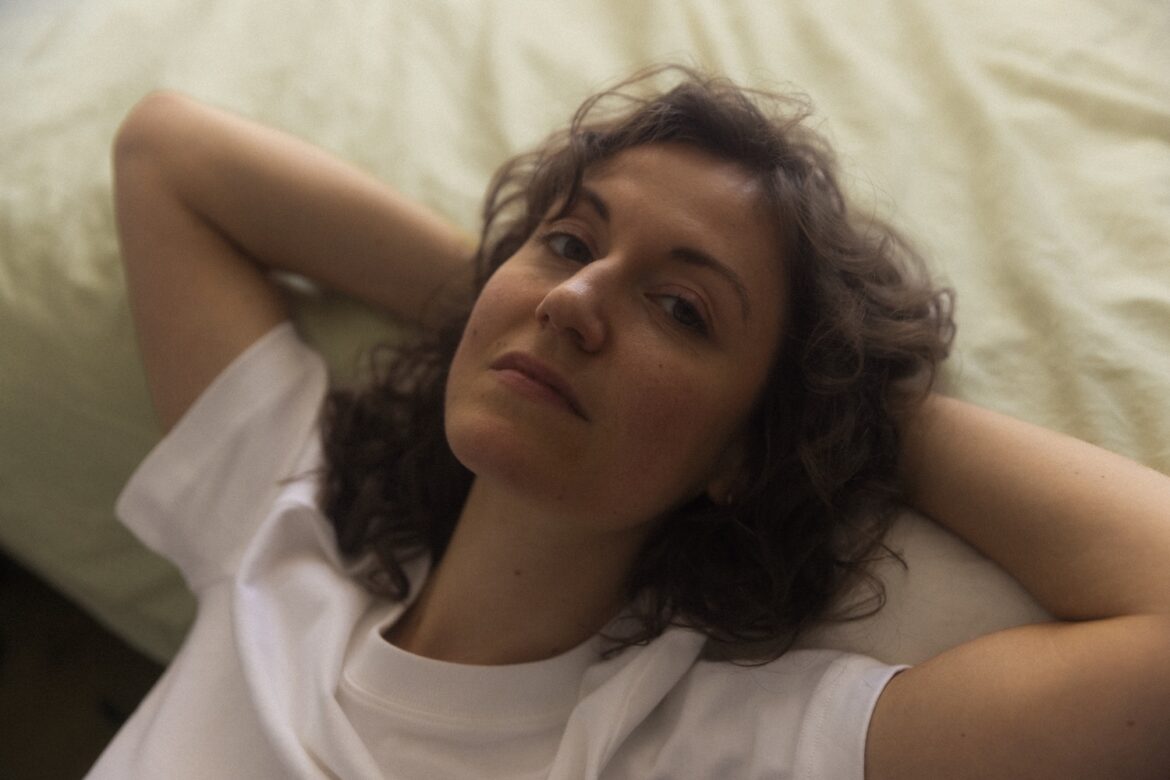
Dutch-British songwriter Tessa Rose Jackson returns under her own name with ‘The Lighthouse,’ a reflective new album she’s actively bringing to audiences on a March tour across the UK and Europe.
Stream: ‘The Lighthouse’ – Tessa Rose Jackson
Tessa Rose Jackson leans forward, resting her chin on her hand as she listens.
There’s a genuine curiosity in the way she absorbs a question – as if she’s methodically turning it over, searching for something hidden inside the words.
Behind her, the wall of her office is lined with neatly framed posters from the video games she has composed music for – a reminder that alongside her songwriting, Jackson has built a parallel career creating atmospheric scores for interactive worlds.
It’s the same thoughtful, introspective approach that runs through her latest album, The Lighthouse. The songs move through some dense, dark emotional territory – grief, aging, expectations and hypothetical futures – always circling the idea that clarity eventually appears, even if it takes time. And that’s exactly what makes The Lighthouse so appealing – especially during this timeline.
“The lighthouse is that moment where everything feels fuzzy and foggy and unclear, and you don’t know what direction you’re going in.”
The metaphor clearly carries deeper meaning for Jackson, who at 33 says she finds herself thinking more about the passage of time, and how life and priorities shift beyond your twenties.
“You start thinking about where you are in life, what society expects from you,” she says. “I’m a very emotional person, so I go through a lot in my mind. Sometimes you feel lost, like, ‘Oh my God, I don’t know if I’m ever going to write another album or feel joy again.’ But the power is trusting that there will be a light; that you’ll find your way, even if it’s not straight away.”
The Lighthouse also marks a personal turning point for Jackson. It’s the first album she has released under her own name in years.
For more than a decade, she recorded under the deliberately anonymous pseudonym “Someone,” an experimental project she created after releasing her early music as a teenager. She released her 2013 debut (Songs From) The Sandbox when she was just 19, which was a breakthrough that brought attention, but also expectations she wasn’t ready to carry.
“I had this very pretty name – Tessa Rose Jackson – and I felt like people had already decided who I was before meeting me,” she says. “It felt uncomfortable, so I wanted to get rid of that expectation.”
The alias Someone gave her freedom to explore and create freely. Through a series of EPs and albums blending dream pop, psychedelic textures and immersive visuals, the project became a space for experimentation, without the weight of identity attached.
But over time, the distance started to feel strange.
“All the music I loved the most wasn’t connected to my own name,” she explains. “And if something wasn’t really my thing, sometimes it would be under my own name instead. Psychologically that’s a really weird place to be.”
Returning to Tessa Rose Jackson, she says, feels like coming home.
“The truthfulness of it just makes sense. Pretending otherwise would feel like wearing a mask, and that mask cracks eventually.”
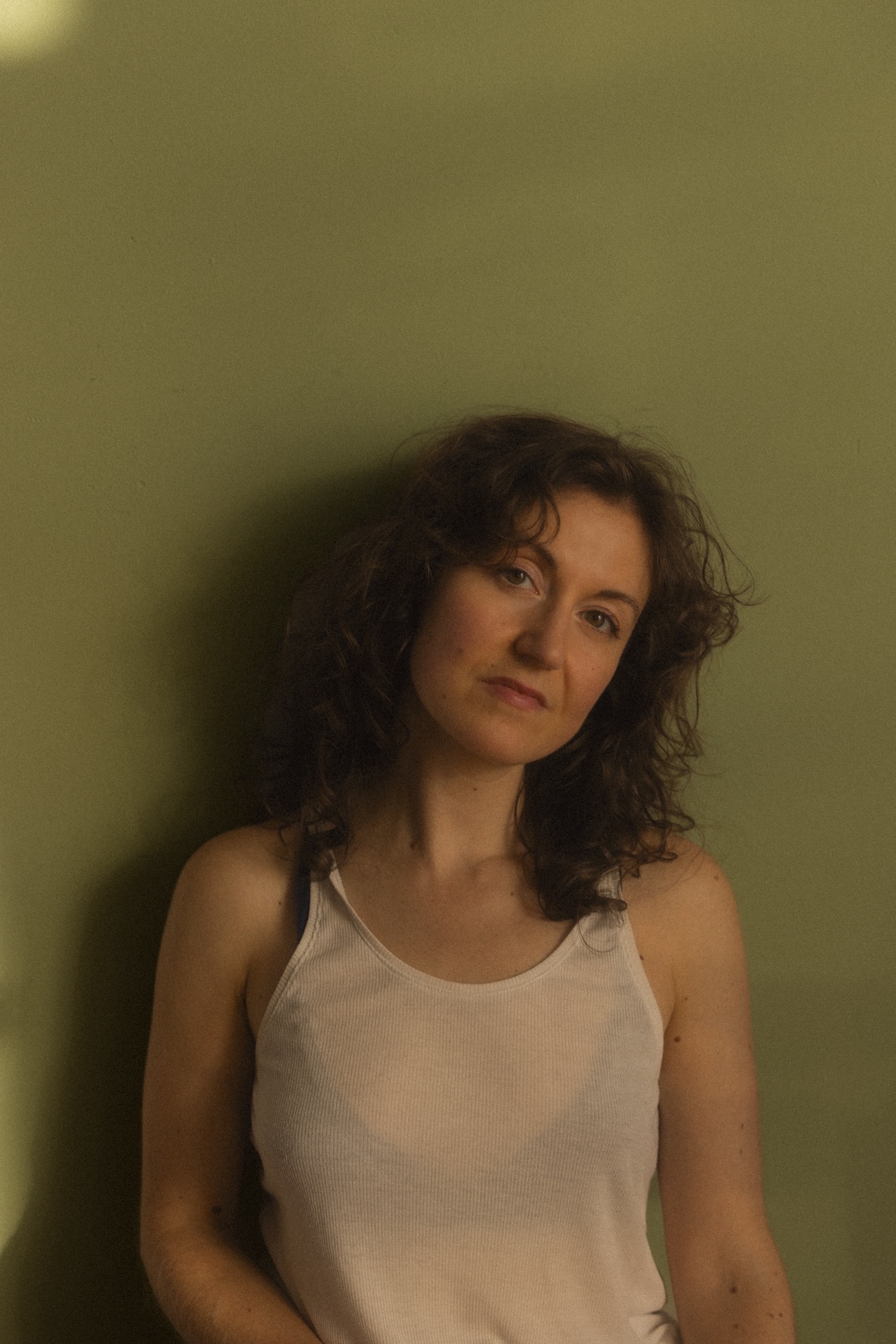
That honesty runs through the album’s themes as well. Much of the record was written during a self-imposed retreat at a family home in rural France. Jackson deliberately removed herself from her usual studio environment, which is a notable challenge for someone who also produces much of her own work.
“I wanted to take myself out of my comfort zone,” she says. “At home I’m surrounded by all my equipment, and I know exactly how to make things sound a certain way. So, I went somewhere without that.”
When she arrived, she realized the house was just steps away from a graveyard.
“It was foggy and spooky,” she says. “I thought, ‘OK, that’s perfect.’”
The setting ended up shaping the album in subtle ways. Sitting outside with a guitar, writing near gravestones, Jackson found the themes of mortality that had already been lingering in her mind becoming more present in her lyrics.
Part of that awareness comes from personal history. Raised in Amsterdam by two mothers, Jackson lost one of them at a young age – an experience that made the concept of death feel less abstract and more like an inevitable part of life.
“It’s always been something that was kind of there in my mind,” she says. “When you’ve lost someone early, the subject of death isn’t abstract anymore.”
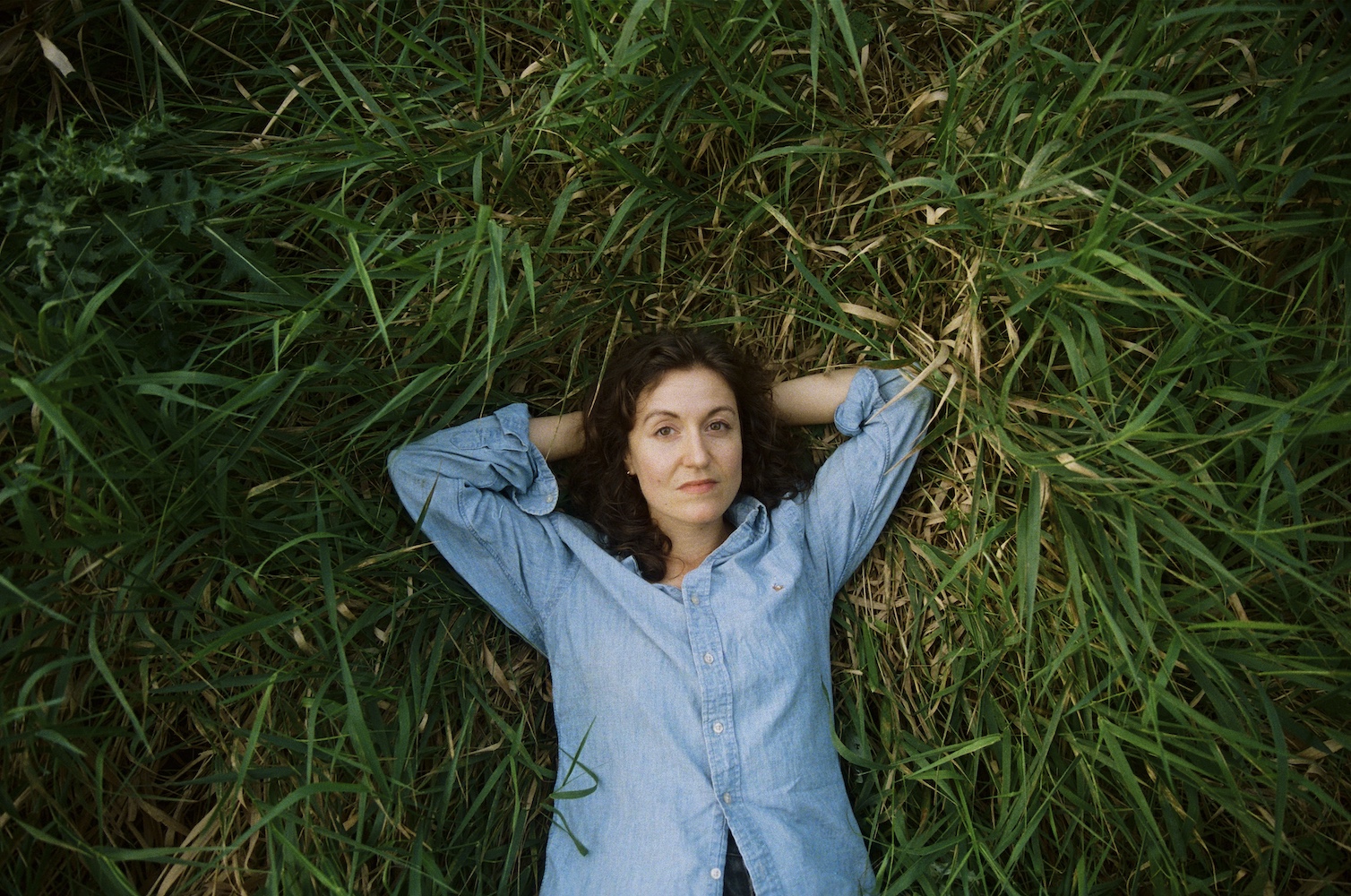
Rather than avoiding the topic, Jackson believes confronting it can deepen the experience of living.
“If you’re not a little bit afraid of losing life, are you appreciating that you have it?” she asks. “A lot of people avoid the subject completely, but it’s definitely going to happen. Thinking about it actually makes life simpler and more beautiful and more cherished.”
That perspective ripples through the album’s songwriting. Some tracks dig into the pressure of “what ifs,” while others explore the process of learning to accept yourself as you grow older.
“The Man Who Wasn’t There,” for example, looks at the trap of hypothetical lives – the endless loop of wondering what might have happened if different choices had been made.
“We carry around these imaginary versions of our lives,” Jackson says. “Like, ‘If I had done that thing, maybe everything would be different.’ But those lives don’t exist. So why carry the weight of them?”
Another track, “Grace Notes,” leans into self-compassion as a quiet reminder that growth rarely happens without mistakes.
“As you get older you realize you’re still going to make the same mistakes,” she says. “Maybe just with a little more experience.”
Despite the deeply personal nature of the songs, Jackson says performing them live has been surprisingly uplifting.
Fans often approach her after shows to share their own stories, particularly around themes like identity, expectations and womanhood.
She’s currently experiencing that connection firsthand while touring the UK and Europe throughout March in support of The Lighthouse.
“It’s funny how songwriting works,” she says. “You can write lines you’d never have the courage to say directly to someone. But if you put them in a melody, suddenly you can.”
On stage, those confessions turn into something communal.
“In the world right now there’s a lot of distance between people,” she says. “But sharing music and emotion and space with an audience is amazing.”
Jackson pauses, then smiles as she describes the atmosphere she hopes to create during her shows.
“Everything just feels very calm,” she says. “I feel like I can bring a gentleness and kindness into the room. And if that’s something people need right now, that’s amazing. Seeing that – seeing people feel peaceful for a moment – that feels like a superpower.”
— —
:: stream/purchase The Lighthouse here ::
:: connect with Tessa Rose Jackson here ::
— —
— — — —
Connect to Tessa Rose Jackson on
Facebook, 𝕏, TikTok, Instagram
Discover new music on Atwood Magazine
© Bibian Bingen
 © Bibian Bingen
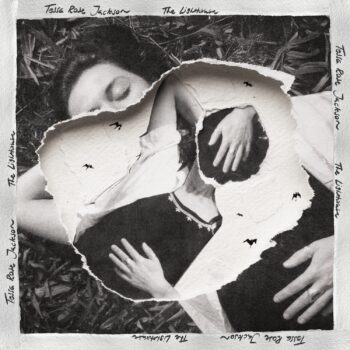
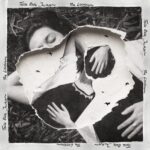
The Lighthouse
an album by Tessa Rose Jackson