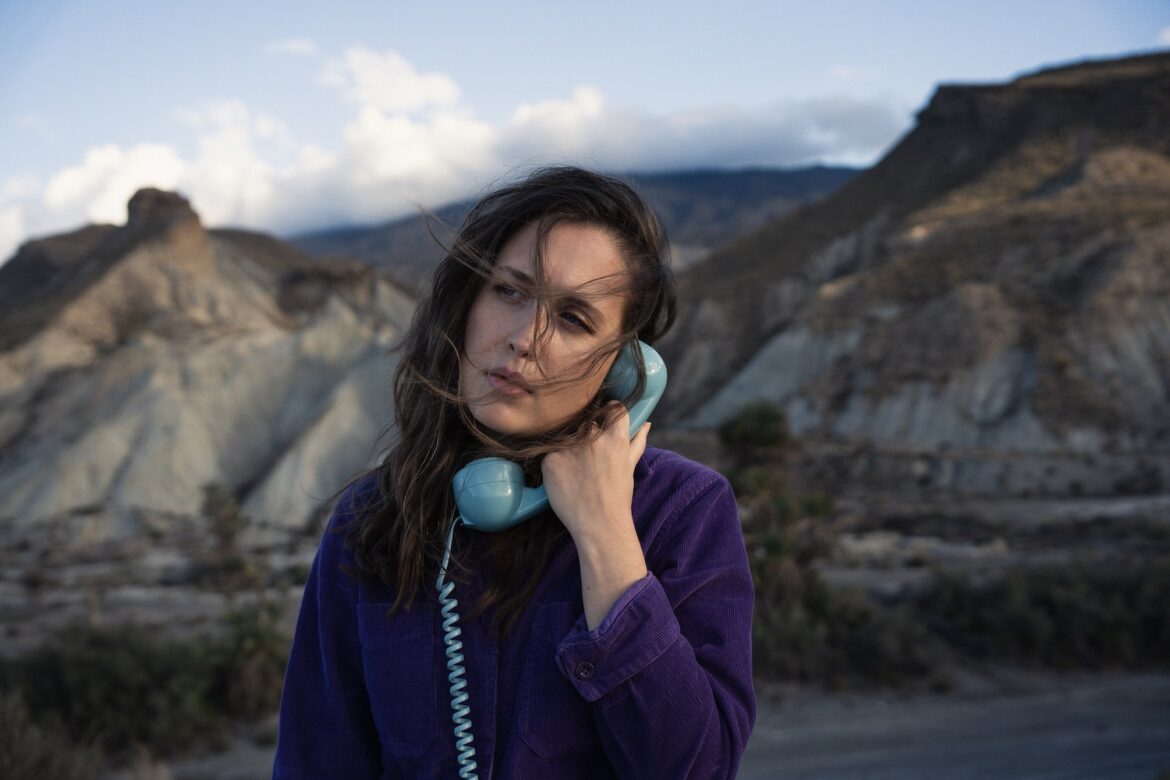
Alice Merton’s defiant and freeing third album ‘Visions’ is an inspiring portrait of belief under pressure – an empowering, unapologetic pop record about trusting your instincts in moments when doubt, misunderstanding, and external voices threaten to drown them out. Across the record, Merton reckons with the emotional cost of blind faith and conviction – the exhaustion, isolation, and vulnerability that surface when you stop asking for permission – and makes the case for certainty as something you learn to carry, not prove.
Stream: ‘Visions’ – Alice Merton
Life is a porcelain teacup, I’m trying my best not to drop it / I read yesterday someone was being quite reckless, they ended up smashed on the carpet…
* * *
Alice Merton doesn’t write around the hard conversations – she writes through them, and turns the resulting friction into something you can move to.
On Visions, the German singer/songwriter’s third studio album, that push-pull between doubt and devotion becomes the engine: Dynamic, sharp-edged pop built for the stage, humming with urgency, swagger, and the kind of clarity that only arrives after you’ve spent a week staring at the ceiling, convinced you’ve lost the plot. Sonically, the record thrives on tension and propulsion – taut drums, pulsing low-end, and hook-forward melodies that hit with physical immediacy, designed as much for sweat-soaked rooms and festival stages as for solitary late-night listening. But what makes Visions land isn’t just its force – it’s its argument: That the things people dismiss as “too much” (the obsession, the stubbornness, the unshakable inner pull) are often the very qualities that keep you alive inside your own life. This is Merton turning self-doubt into doctrine – a radiant, empowering, and unapologetic pop record that doesn’t ask permission to exist, and doesn’t soften its edges to earn understanding.

Released January 16 via Merton’s own label Paper Plane Records Int. (FUGA), Visions is an album about choosing your inner compass even when it feels like you’re the only one who can see what you’re chasing. It’s a conviction hard-earned by an artist whose career has long been shaped by motion – geographic, emotional, and creative – and by the challenge of building a sense of home wherever she lands.
London-based and German-born, Alice Merton first broke through with 2017’s global hit “No Roots,” a song that didn’t just introduce her sound, but articulated a worldview – one defined by self-reliance, restlessness, and the refusal to be pinned down. What followed was a rare kind of independent success story: Billions of streams, multi-platinum certifications, major stages around the world, and a catalog built largely outside traditional industry pathways. Rather than anchoring herself to a single scene or system, Merton learned to create her own infrastructure – connecting, collaborating, and carving out space wherever she found herself.
That theme doesn’t come out of nowhere – it’s the clearest through-line in the Alice Merton story we’ve been telling at Atwood for years, each release capturing a different chapter of becoming.
2019’s debut album MINT expanded her restless ethos into a bold statement of identity, all dramatic hooks and lived-in feeling – proof that a pop song could still carry real weight. On 2022’s sophomore LP S.I.D.E.S., she turned inward, delivering a pandemic-era “momentaufnahme,” in her words, where anxiety, panic, and private reckoning became the raw material. Then came 2024’s Heron – a five-song pivot toward transformation and reorientation, and the moment she began planting roots of her own while asking, with disarming clarity, “how well do you know your feelings?”
If those records were snapshots of who Alice Merton was, Visions is the manual for why she keeps going – and why she refuses to let anyone else steer.
The title track crystallizes that isolating conviction with the refrain, “I see the visions on the screen / But it only plays for me.” It’s also an album with a point to prove: “Ignorance Is Bliss” kicks the door down with a mission statement that reads like a dare – “If ignorance is bliss and all I get is this, then I’m standing here right now where I wanna be.”
For Merton, that line isn’t flippant – it’s foundational. “I wanted to lead with ‘Ignorance Is Bliss,’ because for me, it shows the beginning of following any vision,” she explains. “You have to be ignorant to other people’s ideas and feedback. On the one hand, yes, people say you have to get feedback, but on the other hand, if it’s not matching what you feel, there’s really no point in taking it. If all I’m getting is this, if this is my outcome, then I’m happy with it.” The song doesn’t reject doubt – it names the cost of letting it run the show.
When we caught up just days into the new year, Merton framed that defiance as survival as much as artistry – the moment you stop trying to translate your instincts for people who’ve already decided they don’t believe you. Merton traced Visions back to a familiar kind of heartbreak for any artist: Being misunderstood by people close enough to have opinions, but not close enough to see the full picture. “They listened to a bunch of songs and they just kind of, rather than giving constructive criticism, it was very much like, don’t like it, don’t get it,” she told Atwood, describing the spiral that followed – and the moment it snapped into resolve. “And then I woke up and I wrote the song in the studio, and I started feeling inspired again because I realized this is like a ship, and if I’m not steering the ship, no one else is steering the ship… And I said, you know what? I’m just going to steer the ship and not care what everyone else thinks.”
That resolve, though, doesn’t arrive without consequence – Visions also documents the physical and emotional toll of holding your ground this firmly, the nervous energy, exhaustion, and vulnerability that surface when belief becomes something you have to defend day after day.
Defiance isn’t abstract on Visions – it’s practical, lived-in, and often painfully specific.
It’s the refusal to be reduced to a formula on “Jane Street.” It’s the decision to stop litigating your intentions on “Cruel Intentions.” It’s the tender gut-punch of “Landline,” a song she says still makes her cry when she plays it. And it’s the way she treats the album almost like a field guide for the people who keep asking the same questions – “It’s like a manual,” she laughs, describing a career-long instinct to translate exhaustion into song and let the music do the explaining.
To bring that “manual” to life, Merton took Visions on the road before it ever hit the road – building it across London, Los Angeles, and Iceland, where seven of the record’s thirteen tracks came together in the remote quiet of Floki Studios. “Floki Studios was the perfect way to focus on the vision for this album,” she says. “It was so remote, with the most stunning landscape I have ever seen. The magic of the studio was felt everywhere you went. It was such a privilege to work with amazing people in such inspiring surroundings.”
That sense of scale and intention carries into the album’s collaborators, too – with writing and production across the project involving Dan Smith, Jenn Decilveo, Paul Whalley, James Dring, and Rich Cooper – and into the way Merton approaches these songs less as fixed objects than as experiences she wants to set in motion, share, and let evolve once they leave her hands.
That openness extends to the album’s very origin, which grew out of a moment of being fundamentally misunderstood. “This album was inspired by a conversation I had with someone close to me,” Merton recalls. “They didn’t understand what I was seeing and why I was doing things a certain way, so I started to think a lot about the concept of visions and being able to see things others can’t. The blind faith involved in truly trusting your instinct and having nothing else to go by – the obstacles along the way of trying to get your vision past the finish line, all the moments you ask yourself why you keep doing what you do – were all swarming around in my head. So naturally, I wrote an album about it.”

Taken together, these songs don’t arrive as static statements so much as pressure points – built to be felt in motion.
Visions lives in the body as much as the head: Propulsive, percussive pop that tightens and releases, designed for movement, confrontation, and catharsis rather than quiet resolution.
Across Visions, the tension between belief and doubt unfolds as a progression rather than a standoff – each song tracing a different stage of what it costs to trust your instincts in a world that keeps asking for proof, circling similar questions from different emotional altitudes. The album opens boldly with “Ignorance Is Bliss,” a blunt, kinetic declaration that doubles as a manifesto. “If ignorance is bliss and all I get is this, then I’m standing here right now where I wanna be,” Merton asserts, reframing certainty not as arrogance, but as a necessary blindness – the kind that allows you to move forward without collapsing under every outside opinion. It’s not denial; it’s boundary-setting.
That philosophy immediately runs into friction. “Coasting” captures the early erosion of that resolve – the visceral, spiraling discomfort of realizing you’re moving at a different pace than everyone around you. “All of my friends are collecting debts while I’m running in circles,” Merton admits, the song unfolding like a private reckoning with comparison, stagnation, and the creeping fear of falling behind. Where “Ignorance Is Bliss” insists on forward motion, “Coasting” asks what happens when momentum stalls – and whether belief can survive the waiting.
The title track, “Visions,” sits at the album’s center of gravity, where doubt and obsession collapse into each other. Built around repetition and pressure rather than release, the song turns conviction into something almost compulsive – a looping confrontation with the loneliness of seeing a future no one else can access. The refrain, “I see the visions on the screen, but it only plays for me” isn’t offered as triumph; it’s a mantra Merton repeats because she has to, stacking insistence, frustration, and blind faith until believing becomes the only way through.
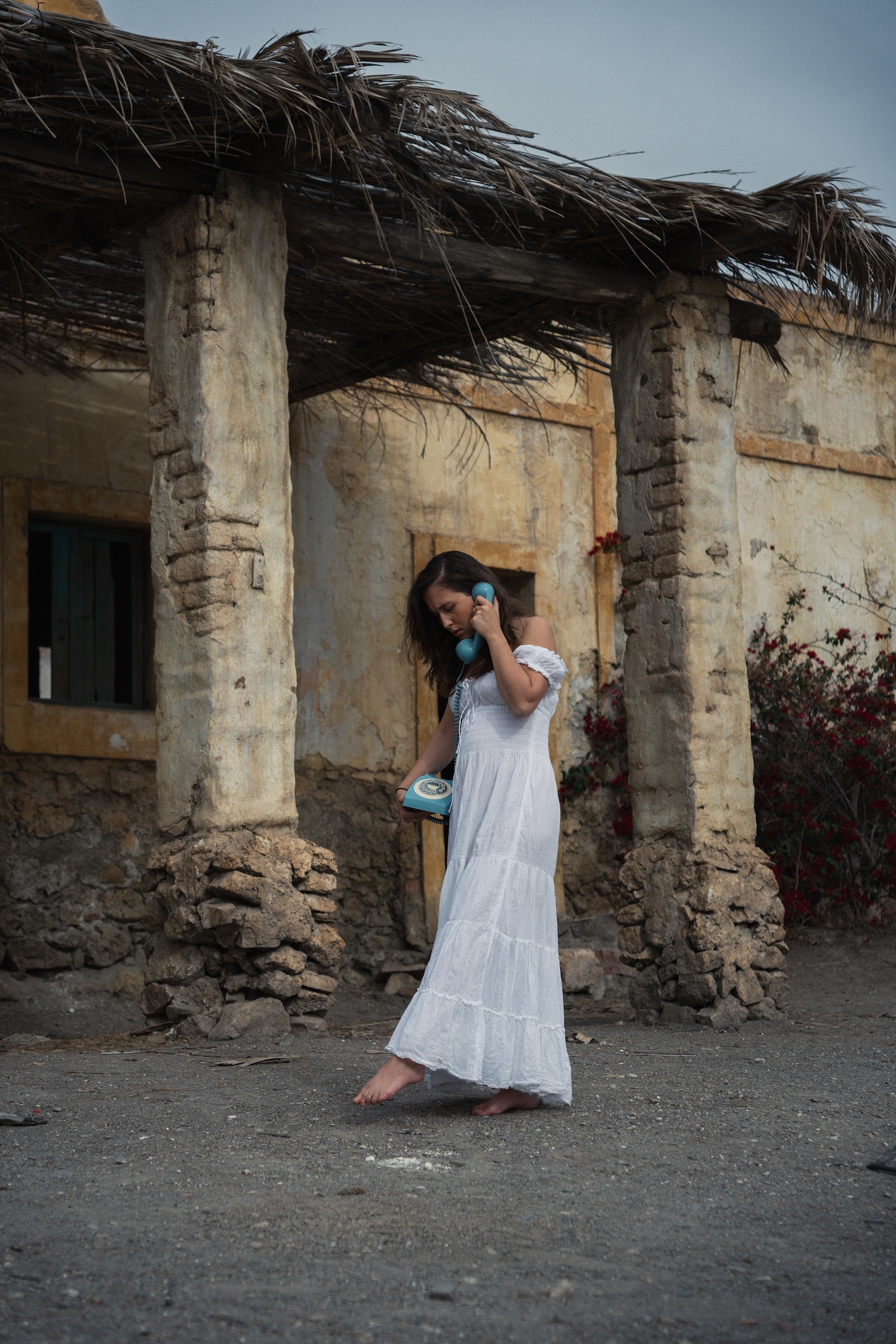
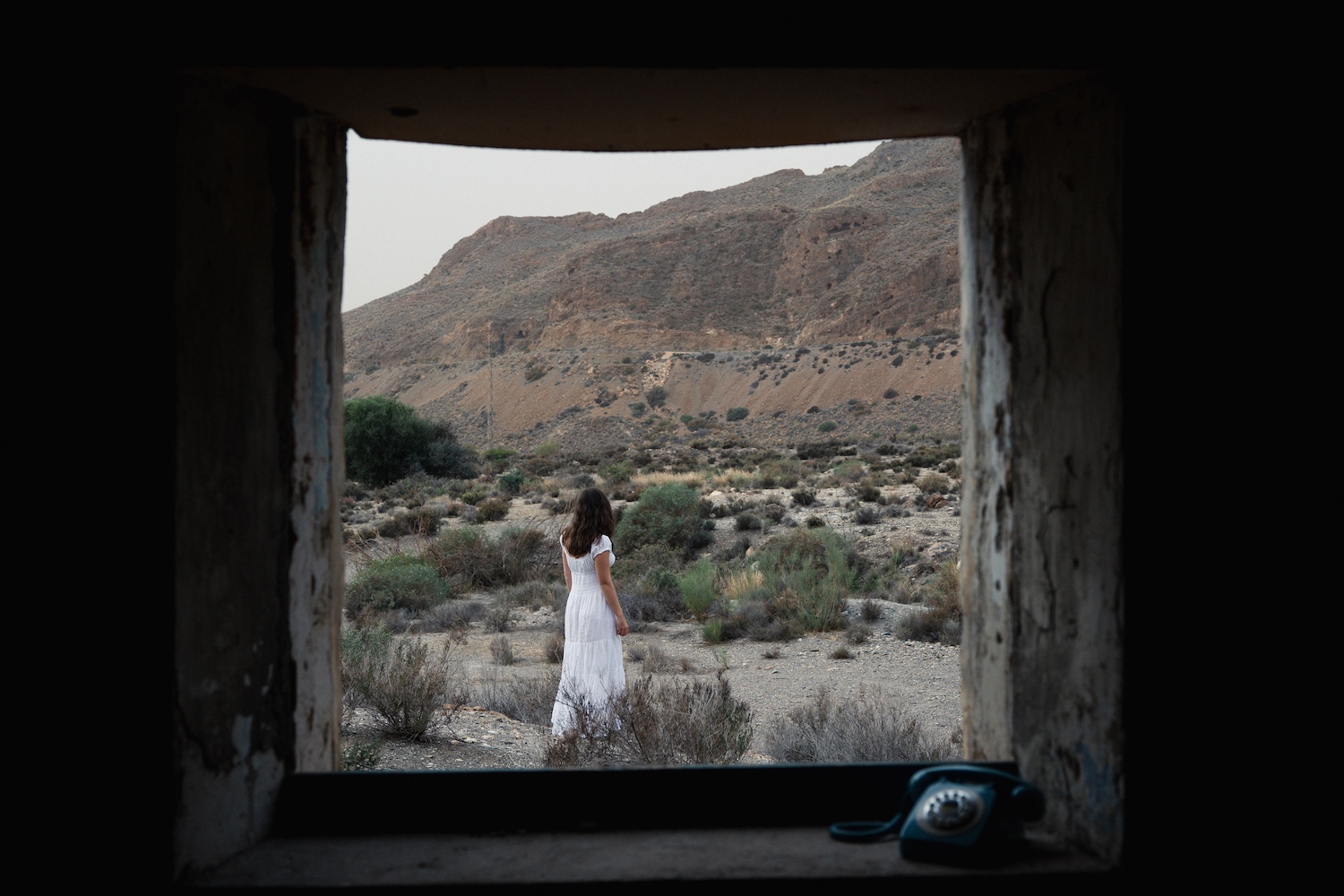
That insistence sharpens elsewhere on the record. “Cruel Intentions” leans into confrontation with a wry, almost theatrical swagger, embodying the villain others project onto her – “I got cruel intentions, come and get them” – and opting out of the endless labor of self-explanation. “Jane Street” pushes that resistance further, rejecting the idea that success must follow a sanctioned ladder or a recognizable script. On “Landline,” one of the album’s most exposed moments, Merton delivers a hushed, devastating ballad that strips away defiance entirely, leaving only memory, regret, and the physical toll of holding something in too long.
The record closes with “Treasure Island,” a fragile comedown that reframes the album’s urgency into something quieter and more precarious. “Life is a porcelain teacup / I’m trying my best not to drop it,” Merton sings, ending the album not with resolution, but with awareness – a reminder that after all the striving, chasing, and insisting, everything still remains breakable: “I read yesterday someone was being quite reckless. They ended up smashed on the carpet.”
“I really like that line because it just shows the fragility of life, and how we don’t always realize how fragile our lives are,” Merton shares. “Sometimes you think you have so much to gain in life, but actually you just have a lot to lose.”
Crucially, “Treasure Island” functions as the album’s widest lens – a moment of perspective where conviction and certainty give way to awareness and care, and belief is held tenderly rather than forcefully. As a closer, the song encapsulates everything that came before it. After an album driven by insistence, motion, and conviction, Merton ends by acknowledging what’s at stake when you choose to keep going anyway. The song doesn’t undo the album’s defiance; it contextualizes it, reminding us that belief isn’t fearless so much as fragile – something you carry carefully, aware of how easily it can shatter. In that sense, Visions doesn’t conclude with certainty, but with attentiveness: An intimate insistence on paying closer attention to the life you’re already living.
Taken as a whole, Visions is an album about choosing belief over explanation – about trusting an internal signal even when the external noise gets loud.
It’s pop music that doesn’t dilute its intelligence or its edge, that refuses to smooth itself out for easier understanding – built for movement but rooted in conviction. Where doubt is often framed as something to conquer or overcome, Merton treats it as part of the terrain – something you move through, live with, and occasionally learn from, without letting it decide for you. In a moment when certainty is often treated as arrogance, and external validation is mistaken for truth, Visions argues forcefully for something rarer: The right to trust yourself without needing to explain why. In that way, Merton reframes certainty not as some rebellious act, but as survival.
For Merton herself, Visions captures a moment where instinct finally outruns fear. It’s the sound of an artist no longer waiting for consensus before moving forward – someone who knows what she’s chasing, even if she can’t always justify it in tidy terms, and even if her loved ones disagree or don’t see what she sees. After years of motion, self-definition, and recalibration, this record documents a quieter kind of arrival: not at an answer, but at a way of listening to herself that feels sustainable. It’s less about proving a point than about protecting one.
As she puts it, “I want people to take away that they can be proud of their own visions. They can be proud of what they see and what they feel, and that it’s a difficult journey and that they’re not alone with the doubts and with the feelings of giving up, because it’s all just part of the process. And that’s what I’ve learned as well.”
Visions arrives with a European tour slated for March 2026, but Merton’s real destination here is emotional – reaching the place where belief stops needing permission. In our candid, intimate conversation, she opens up about the pressure behind “blind faith,” the exhaustion of defending your choices to people who don’t understand the work, and the strange, freeing peace that comes when you decide to steer anyway.
Read our interview below, and get lost in the fever dream that is Alice Merton’s Visions.
— —
:: stream/purchase Visions here ::
:: connect with Alice Merton here ::
— —
Stream: ‘Visions’ – Alice Merton
A CONVERSATION WITH ALICE MERTON

Atwood Magazine: Alice, we are talking only a few days into January, so I feel like the first place to start is, do you have any New Year's resolutions?
Alice Merton: Ooh, I kind of gave up with New Year’s resolutions. I feel like if I want to do something, if I want to change something, I just want to do it now. I don’t want to wait for the new year. So I’d say a big one is working out regularly. I did like a bio age test thing where it tests what your body age is and what your flexibility… And mine came out as 48, so I think I need to change some things in my life. It is quite terrifying.
It's been a couple years since we caught up like this. When we talked about your sophomore album, S.I.D.E.S., in 2023, you spoke candidly about the vulnerability and introspection that went into that work. What is your relationship like with that album and its songs today?
Alice Merton: Oh, gosh. What is my relationship to that album? For me, it was very much an album that reflected just the time I was going through in COVID, because I guess it was like a COVID album. I look back on it and it feels quite strange, I’d say. I feel like there’s definitely a lot of growing I’ve done in the meantime. Yeah, I’d say a lot of that album was based on fears and emotional fears and fears of being in a relationship and realizing there’s kind of a separation that needs to happen and it’s killing me to have this separation. Whereas with this album, I’d say, weirdly enough, it was inspired by a lot of conversations within my friendship group and within my family. I’d say it really came about because I was basically being criticized for something. And I felt like it was not fair to be criticized for this. And I felt like if that person wasn’t in my shoes, they really have no place to place judgment. And that’s how the song, actually, “Visions” came about. I received some criticism for a bunch of songs I wrote, and then I just stayed in bed for like a week, because I was depressed. I was like, everything I’m doing is shit. [laughs]
And then I woke up and I wrote the song in the studio, and I started feeling inspired again because I realized this is like a ship, and if I’m not steering the ship, no one else is steering the ship. And it gave me purpose. It gave me all this responsibility that I felt very connected to. And I said, you know what? Yeah, I’m just going to steer the ship and not care what everyone else thinks.
I appreciate that. Leading up to this album this year, you also put out the Heron EP in 2024, which really took on a life of its own and got unique remix treatments and everything else. I feel like that marked a bit of a transition between the albums that came before it and this new record – not to mention, the EP itself was all about change. Tell me about that time, and the transition from Heron to these new songs. just love to hear you talk about the past couple of years for you as a songwriter.
Alice Merton: It’s so interesting looking back on albums, because sometimes they just feel… Like, even though it was only a year ago or like a year and a half ago that it was put out, it just feels like an eternity. And so, yeah, I view albums like chapters or EPs like a chapter of my life, and with Heron… I just think, as humans, we’re just constantly growing. We’re constantly learning things about ourselves and about other people. And I’d say, in Heron, it was learning about how I want to be perceived and how I want to see myself and where I want to go. Especially with, like, “Runaway Girl,” realizing that I just have no idea who I want to be in life sometimes, and that it keeps me up at night. And it’s all these questions you’re asking yourself, like, how well do you know your feelings? And, I don’t know, between the lines, I feel like there was just so many questions that were aimed towards myself, of like, who am I? What do I want? What do I need? And I think this album… Or I think there was a lot of growing that happened.
I think there was also a lot of pushback from myself where I was saying, you know what? I know I’m not doing everything right, but I feel like I’m trying. And I guess this album is me trying. This is me explaining to you why I do what I do. This is me trying to explain to you the process I go through when I’m trying to create something…
An entrepreneur, whether you’re a musician or something else, you’re always going to have so many people that just don’t get it, that just don’t understand what you’re seeing or why you’re doing what you’re doing. I’d say in the last year, I came across a lot of those moments, whether it was within my family, because I also come from a family that’s not a musical family. So people don’t always get what I do or why I do it, or why you spend money on a music video, or all these things. And they’re discussions that I have to have. And at some point, I was like, I’m so tired of having these discussions, I’m just going to write music about it. And there you go. And then we don’t have to have the discussion! [laughs]

“If you bring this up, please see track three. If you bring that up, please see track six.”
Alice Merton: Exactly. Honestly, I think that’s been my life, no offense to myself. But really, even with “No Roots,” I was so tired of getting asked, where are you from? Where are you from? You’re English, but you sound Canadian. Are you American? I was just so tired of it. I was like, you know what? I’m just going to write a song, and just listen to the song. You’ll understand when you listen to the song. That’s what this album was as well. It’s like a manual.
Before we dive into your new music, last year, you sued the artist formerly known as Kanye West. What was that experience like for you?
Alice Merton: It was a whirlwind of emotions because it started off with me thinking, ‘Wow, someone wants to use my music.’ And originally, I’d say way back I was a fan of Kanye West, before he kind of turned into an anti-Semite… But honestly, I’d say the whole process was just so confusing and frustrating because all you want as an artist is just someone to ask, hey, can I use this? I think it’s really great, and can I have permission? It’s really not difficult to ask for permission. And to be fair, when they had already put it out, I don’t know if it leaked or if they meant to put it out on all streaming and on YouTube and whatever, they didn’t ask for permission, they asked then a few months later. And I said no because, first of all, I wasn’t asked. Second of all, I just didn’t feel comfortable. Obviously, as someone… I know the producer I did it with, he’s like, oh, it’s fine. It’s such a great opportunity. And I’d say like 80% of the people I talked to were like, wow, this is a great opportunity. And I just said, you know what? I feel uncomfortable because I don’t like what he’s saying about Jewish people or the way he’s treating Jewish people. And my whole family is Jewish. We don’t practice the Jewish religion because… I mean, it’s a very long story, but basically after World War II, when my family then escaped from Germany to the UK, we kind of… I guess my great-granddad basically said, we’re not Jewish anymore because the Jewish community in London didn’t want them either.
They were kind of like just thrown out. It was almost as if within the religion there were groups already. They were like, no, you’re the German Jews, and we don’t want you in… Like, it’s you guys’ fault that you got into what you did, so we don’t want anything to do with that. And I’m not saying every group did that, but it was the case with my family. And I think as of that point, religion for our family has been very much like, well, what’s the point if this isn’t some kind of communal thing where we’re going to be there for each other, and if a whole country kind of gangs up and says, no, we don’t want you, and then half your family ends up in concentration camps. I think we just all gave up on religion, or at least, sorry, my family gave up on religion.
I can’t say we, because I don’t have a religion. But, sorry, back to… [chuckle] I’m drifting. I just said I don’t feel comfortable. I don’t want to do it. And I think that’s when the difficulty began, because he then just put it out on his own website. And that’s when I was like, okay, I’m going to take legal action because this is ridiculous. And they kept wanting to know why we wouldn’t give it to them and stuff. And I was like, well, it’s kind of obvious. And it just wasn’t enough for them. And yeah, that was the moment I was like, yeah, I don’t want this. And I was advised then to say, you know what, Alice, then you can sue them. Which is also a very difficult and tedious process. But at the end of the day, if he’d just asked on time, beforehand, and if he had accepted my answer of no, and not gone behind my back… And he does that all the time with artists. I’m not the only artist he does it with. But I also just don’t want to be part of someone’s music catalog just because they’re a famous name.
You didn't even speak out, you just said no.
Alice Merton: Exactly. I just said no. I said, I don’t want this. And then suddenly all his fans came after me and were like… Oh, man, the things they said. I was so scared to even then go to… Because this was the time we were actually doing a tour in America. And I was just so scared one of his crazy fans was going to come and just, I don’t know, get me. Just be like, ‘f you.’ I was terrified, I’m not going to lie. I was truly, really scared to do the tour in America. I did it anyway. Nothing happened, which was great. But still, all these people online saying these hate comments and that your music is shit and that Kanye West is the best and that if I don’t free the sample, they’re going to come after me. I don’t know, it was terrifying for a while, but it’s just…
I'm so sorry for that experience, Alice. It's a cruel rite of passage in today's hate-fueled internet age to experience any lick of that. What a ridiculous thing to have to go through, and what a scary thing to have to go through as well. I’m glad you're okay.
Alice Merton: Thank you for saying that, Mitch. That’s really kind. It was scary, and I’m just glad that’s kind of over now and that I can just focus on my music without having his crazy fans come after me. [laughs]
You were talking earlier about how Visions was this culmination of difficult conversations and trying to find ways to express yourself in words that just really came easily through song. Did these experiences at all inform the music that we're hearing today?
Alice Merton: Oh, 100%. There’s a song called “Jane Street” on this album, and I just thought… I love the name, Jane Street. I think it’s such a cool name, but it’s actually a really successful trading company, which is probably really boring. Basically what I was trying to say with this is that I don’t want to be Jane Street. I don’t want to be, like, super successful with this. I just want to… And it’s something that you always have to explain to people in the industry or explain to even people that are close to me. They’re like, well, do you earn money from this? And like, yeah, I earn money from it. But I think I’m always having to justify why I do music. And yeah, this was the perfect way of saying like, this isn’t Jane Street. I’m not a formula. This ain’t a Silicon Valley utopia. I don’t want to climb that ladder. Not everyone is born and is like, I need to climb the ladder of success. I just really, really love making songs, and I’m really excited when a song then gets picked up, whether it’s from a rap artist, or just gets used in a film, or…
I just love watching the journey of songs. And I guess it’s something similar as people could describe to, like, children, putting out children in the world and watching them take different paths and stuff. And for me, I really enjoy that with songs. I love creating them and I love watching how they grow. And I love also learning from the process, like sometimes thinking like, oh, man, maybe this didn’t do as well, I’ll try the next thing. There’s never a part of me that’s like, oh man, I should stop now. It’s more like, I can’t wait to try the next EP or the next album. And at some point, maybe no one’s going to listen anymore, but I guess I don’t really care about that either. If I run out of money at some point, then maybe I’ll start caring. But right now, I’m fine. [laughs]
Part of the reason I love talking with artists is that the act of creating can be just as exciting as the final product – and it's hard, if you're a consumer of music, to get that. You're unearthing something, you're discovering something about yourself in the process. And there are those “eureka” moments when you get a good line, when it all suddenly fits together, when you play it for the first time, where that process can be so rewarding in itself. What I'm hearing from you is that, that's a big part of what makes this so gratifying as well, is that you putting the puzzle together.
Alice Merton: Oh, 100%. Being in a studio and cracking the puzzle or whatever, or finding the final puzzle piece to something, or sitting down and actually taking the time to understand yourself and understand what you’re writing about, why is it you’re writing about that? Most artists will… I’d say all artists would say it’s so therapeutic. It’s so cathartic to go through that process, because how often… Other than when you go to therapy, how often do you just sit down with yourself and say, okay, I’m going to write down what’s actually going on in my life and try and figure this out? And often, I’ll only figure it out months after it’s happened, where I’m then reflecting on it in the song. So I guess it’s like a double whammy where I get to go to therapy at the same time as actually really enjoy therapy in that sense. [chuckle] Because I personally don’t enjoy normal therapy, but I love this kind of therapy, like writing songs and figuring out what’s going on in my life.
Let's talk about Visions. How do you feel on the precipice of your third studio album’s release?
Alice Merton: Gosh, I feel nervous. I always feel so nervous. I think it’s also just terrifying to think about something you’ve worked on for so long and it just being out within a day, and then the emptiness you feel sometimes, or the anticipation of, like, man, is it gonna resonate? Are people gonna like it? Is it gonna be well received? And I think with this one, the weird thing is… I mean, it’s not weird. I love it so much, this album. I love so many of the songs, and I loved the process of making the album, so even if no one liked it or no one listened to it, I probably wouldn’t care. But I guess you still have this… As an artist, you want people to still enjoy it. You don’t want them to put the song on and be like, ugh, I don’t get it. I don’t relate to it. And so I guess, yeah, I’m feeling anxious a little bit, but I’m always feeling anxious towards an album. I look forward to the day where you and I have a conversation and I’m super chill. I’m like, oh, yeah, done this now 10 times.
The very first time we ever met was actually in a studio space in downtown New York City, after your debut album, MINT, had come out.
Alice Merton: If it was around the MINT time, Mitch, it was definitely me shitting my pants and trying to stay cool.
Fake it ‘til you make it.
Alice Merton: Exactly, that’s exactly it.
Love that. Can you share a little about the story behind your new record, and what it means to you?
Alice Merton: Sure. I’d say the inspiration came from a conversation I had with a family member where they listened to a bunch of songs and they just kind of, rather than giving constructive criticism, it was very much like, don’t like it, don’t get it. And it made me feel very depressed and it made me think that what I was seeing was so rare, or was something that no one else could understand. And I just started questioning everything. So you go into, like, a spiral of doubt, that doom spiral, where you just think everything you do is not great. And then as I mentioned before, after a week of self-pity and just sadness, I was like, you know what? I see the vision. I see this whole thing in front of me. I see what the album could be, what it could sound like live, and I’m gonna do it. I’m gonna do it even if you don’t understand it. And I think that’s what makes a musician or an artist, is just following your gut and being like, I don’t know if this is right right now, and it might not be the best thing ever, but I just have to keep following it.
It’s like that open door, that tunnel at the end, or, sorry, the open door, that light at the end of the tunnel. It’s like, all I feel like I do is just follow it. I can’t explain why. And that’s what this whole album is about, is trying to explain through songs like “Mirage,” that you have this love for something, this passion, and you can’t really explain it to everyone else sometimes because it’s not always easy to explain, but it’s like, yeah, I see it, I hear it, I feel it, I’m going for it, and I’m sorry that you don’t understand it, but I see it, and that’s all that matters.
And I think it was that conversation I had with myself where I was like, if I stop, then everything stops, then there’s no… Paul doesn’t have to do anything, and everyone can basically just go on vacation then, which is probably also really nice as well. Maybe after this album, I’ll be like, you know what? I’m just gonna stop for a while. But I don’t know, I keep following this thing, this inner light. And that’s why I also felt like these… Or visions in general, they just feel like a religion sometimes. They feel like you’re just following something, you’re believing something, and that something is deep within you. It’s rooted deep within your body. It just feels natural. It feels like something you have to do. And I’m the kind of person that’s like, follow that then. See where it takes you. And that’s what this whole album is about, is that journey and what’s involved in getting there and what it feels like and why it feels like that.
It's tough to feel like you're on your own island when you believe in something and you're the only one believing in it, or it feels like you're the only one believing in it, even if it's not true. It's isolating. It certainly makes you second guess and self-doubt. It can breed some imposter syndrome, like, do I deserve to be here? Should I really keep doing this?
Alice Merton: 100%, yeah.
And so the act of continuing to do that in the face of pushback is itself an act of defiance. A lot of songs throughout Visions seem to carry a defiant tone.
Alice Merton: If that comes through, that’s great, because that’s exactly what is supposed to come through.
Is this a situation where these kinds of conversations are happening, and a lot of songs that end up having a similar through line? Or is this a collection that came to light over the past couple of years, and you found the through line after the fact?
Alice Merton: Ooh, that’s a good question. Maybe a bit of both, I’d say. I’d say it got to the highest point last year in 2025, where I couldn’t stand it anymore. I just felt like… Yeah, certain people in my life just didn’t get it. And I feel like sometimes it’s really hard to fight against a wave, like really try and defy someone because you use up so much energy, you know?
And I also, in a song called, “Cruel Intentions,” I realize I need to save my energy. It’s valuable. And I’m tired of wasting energy on things that I can’t change. I can’t change your opinion of this. I obviously can’t change your mindset, so I’m just… If you think I have these intentions, fine. I don’t care.
I really appreciate how this album stands in defiance and speaks for all of us. It's a very personal thing: This is you reacting to your relatives. I think a lot of us have people in our lives who try to delegitimize the things that we do and the choices that we make. Saying, “I'm going to do me and I'm not going to let you make me feel otherwise about it” is itself a powerful thing and a worthwhile thing to do.
Alice Merton: Thank you for saying that. I’m really happy if it resonates with you or with anyone who feels that, because, yeah, there’s so much of that nowadays as well, I feel, where everyone’s trying to make you feel bad for something or make you feel like it’s idiotic what you’re trying to achieve, and it’s… Yeah, it’s just really nice when you can reach a point where you’re like, whatever. [laughs]
Yeah, I believe the term for that is ‘gaslighting.’ So I guess we can call this an anti-gaslighting album.
Alice Merton: I’d say so, yeah. I’d say it’s an anti-gaslighting album, yeah. That’s great. [laughs]
You kicked off the album rollout with “Ignorance Is Bliss,” which is also the first track on Visions. In the chorus, you sing, “If ignorance is bliss and all I get is this, then I'm standing here right now where I want to be.” It's an inspiring line that speaks to everything we just talked about and sets the tone for all that's to come. Why did you lead with this song, and what does it mean for you?
Alice Merton: I wanted to lead with “Ignorance Is Bliss,” because for me, it shows the beginning of following any vision is you have to be ignorant to other people’s ideas and feedback. On the one hand, yes, people say you have to get feedback and stuff, but on the other hand, if it’s not matching what you feel, there’s really no point in taking it. I needed to set the scene and say, you know what? If all I’m getting is this, if this is my outcome, then I’m happy with it. I’m okay with that. And if it means that I have to shut you out of my life, close the doors, and not take your advice or your feedback, that’s just the way it is then. I have to accept that.
Would you agree that this song sets the tone for the album? There's so many tracks that could have kicked this off. So for me, the choice of “Ignorance Is Bliss” was really dramatic in the best possible way.
Alice Merton: Yeah. I’d say it was a dramatic choice, but I am a very dramatic person in the sense that I love, like, opera, and I love having something in the beginning to be like, bam. This is why I wrote the album. This is the beginning. And then it kind of softens into “Coasting,” which is, you have these angelic voices starting the song. And that’s kind of where I then take a step back, and I’m like, actually, I’m trying to explain a little bit from where I’m coming from. Like, why do I feel this way? Because in “Coasting,” it just feels like I’m being left… I don’t want to say I’m being left behind, but I feel like I’m not where everyone else is.
We’re always comparing lives and stuff and whatever. And people are having babies and houses and doing all that, and I’m just coasting on an open highway, which is basically the lyric of the line. And I’m being criticized as well. That’s what I’m saying in the chorus. Like, “You called me a pain and a backseat driver.” And that’s why I’m kind of taking the listener through each step that I go through in my mind, where it’s like, yes, ignorance is bliss, but let me try and explain where I’m coming from, why it feels like I need to be ignorant, you know? Let me explain why I’m going through what I’m going through right now, why I feel left out, why I feel like my life isn’t developing, why I feel like I’m just stagnating sometimes. And so that’s what I’d say each song kind of shows you in the album.
Yeah, you do set the tone. You give this very strong opening, and I think we start to see tendrils go off in a lot of different directions as the record unfolds. You mentioned the second track, “Coasting.” It's followed by “Visions,” where you declare, “I see the visions on the screen, but it only plays for me.” In this song, you sing about blind faith and trust, about ambition and doubt. I've seen you talk about blind faith, which is a lyric in this song as well. I can tell that phrase means a lot to you, and I'd love to hear you cook. Can you tell me a little bit more about the title track, blind faith, and this theme of trusting your gut?
Alice Merton: Sure. I’d say this track comes from a space of desperation. It’s almost like I see the figure in the first verse cursing the gods and saying, why am I like this? Why do I see this? Why can no one else see this? Why am I being given this blind faith that I just have to cope with? And in the chorus, I basically am screaming, I only see… Why am I the only one that can see this vision? And for me, I think it goes back to then that thing of trying to convince myself that it’s okay, that I’m the only one that’s ever going to see this vision. That’s why I really wanted to just repeat the chorus over and over again, almost like a mantra, because I, at some point, want to just be okay with that idea that it might just be me, that it might not ever be anyone else seeing it. And I think that’s why I really wanted to bring that song at the beginning, to make people understand quickly what the whole point is of this album, and what desperation looks like.
I think there’s so many songs that are so… I don’t want to say fake, but like, you can do this and life is great. And I really also just want… I love singing about desperation and actually showing the flaws in humans and showing those sides where we’re not all positive that what we’re doing is great, but we’re actually showing the sadness and we’re showing the fear and showing that it’s really difficult sometimes to follow your gut. Because people are always like, oh, just listen to your gut. Just do what your heart says. But that’s really difficult. It’s not easy to just switch off everything else and just focus on what your gut is saying, and then to actually follow through with that, knowing what that means for everyone else around you and for yourself.
Some people are always like, wow, it’s so interesting that for you it looks so easy to just follow your gut, your instinct of starting a record label and putting out the EP without any kind of help. And I think about it a lot, and I think, you know what, yes. On the one hand, it was brave, but there was a lot of doubt that I had. There was so much doubt, and I was terrified. I wasn’t sleeping, I [chuckle] was shitting my pants. I had, like… Not a tumor, but like an abscess growing in me ’cause of being stressed at the time. And people always just assume, like, oh yeah, it just came to her. It just happened and the success came overnight, or whatever. And with this album, I just really want to explain to people the self-doubt, the desperation, the fear, the sweat, the countless nights you just lie awake and think, what am I doing? I’d say that was important to clarify in this album, that it’s not easy always just following your gut. It takes a lot of courage.
This is a peek beneath the curtain. Your songs have a lot of energy and emotion and even sometimes some sass, but it takes a lot of courage to show up like that in the first place. And you're not operating at that 8, 9, 10 level every second of the day. That's exhausting. You mentioned “Cruel Intentions” in passing earlier. I thought it was a great second single. You say, “I got cruel intentions, come and get them.” There's some sass, and I like how you embody a little bit the ‘bad guy’ in the back and forth. Can you tell me a little bit about that track?
Alice Merton: That track was inspired by an email I received from someone who was upset with me. And I felt like it was just unjustified, because I was always very open and transparent. And it’s what I was saying earlier on, is like, you have to pick your battles and you also have to choose who you spend your energy on trying to convince you of something that you know you are, but they perhaps think you’re something else. And I just have learned that I can’t waste energy on that anymore. I can’t always care what everyone else is going to think, and it’s not in my power sometimes. Some people are just not going to be happy with me for a decision I make, and I have to live with that. And it sucks. But if you want to see me as the bad guy, fine. See me as the bad guy. It is what it is. I can’t win every battle and I can’t change who I am, or… I can’t. I’m not going to try and convince you of something that I know I’m not.
I know we have a couple minutes left, so I want to do kind of like a speed round with you. Let's talk about “Landline,” because I love this song. To me, this is a great pop song.
Alice Merton: Thank you so much. That’s awesome. Thank you so much for saying that. It was a very soft single, because we’re like, ah, at Christmas time, we’ll just put it out as a little Christmas present for some people. But actually, weirdly enough, it’s like the resonation… Resonation, is that a word? The resonating of it has been really interesting. People really have said, like, wow, this is their favorite song on the album. And it really surprised me because I don’t really do that many ballads. I only put, like, one or two ballads on an album. And I have to admit playing this song makes me cry every time. So I guess there was a big part of me that’s like, man, I hope this doesn’t really become that big because I don’t know if I can cry every time I play it. [chuckle] And so I guess we’ll see. We’ll see what happens with it. We’ll see how it grows. But it really, I felt so sick after writing this, or sorry, while I wrote this.
I was having a full-on panic attack. I felt like I was about to throw up. There was, like, all this stuff inside of me that came out with this song and I just couldn’t stop crying. And this is about someone I knew 10 years ago. And yeah, I don’t know, I’m so happy that it resonates with people, but it was a hard one to write. As in, it wasn’t hard, but when it came out, it was difficult experiencing that.
What are some of your other favorite tracks off this album? What are the deep cuts that you really hope people listen to?
Alice Merton: Oh, I mean, I have to say I love “Jane Street.” I just love that song, I don’t know why. I also love… “On the Wire” was a grower for me. I wasn’t sure about it in the beginning, and then I have phase where I’m like, “I’m walking on the wire.” Just, like, dancing around my apartment, singing that. I have to admit though, one of my all-time favorites is “Treasure Island,” the one at the very end, because it’s so creepy, the production. And I love the message of it, of saying, “you know what, sometimes you think you have so much to gain in life, but actually you just have a lot to lose. So be really happy with everything you have, because… we always think the grass is greener, or this love is going to be a better love.”
I’m definitely a victim of that thinking as well, but I wanted to write a song that reminded me that actually, the way everything is right now, that’s your Treasure Island. Don’t forget that that’s really special, because when something then is missing, when it’s gone, you’re going to feel it and it’s going to hurt and you’re not going to realize that until it actually happens. So I really like “Treasure Island.”
Do you have any favorite lyrics that really resonate with you? I can only imagine... You've talked about how much emotion and how many fraught feelings were behind this record. I can imagine that there's a couple lines that might really stick with you.
Alice Merton: I’d say, for me, in “Treasure Island,” I say, “Life is a porcelain teacup. I’m trying my best not to drop it. I read yesterday someone was being quite reckless. They ended up smashed on the carpet.” I really like that line because it just shows the fragility of life and how we don’t always realize how fragile our lives are. And I basically feel like I’m spending my life trying not to drop this teacup, because I’m reminding myself of how delicate this porcelain teacup is.
Can you describe this record in just three words?
Alice Merton: Freeing, Defiance, and Realizations. I really feel like I’ve realized for myself a lot through this album, and I’ve come to terms with a lot as well. That makes me feel good, and that makes me feel excited about music and albums and stuff.
Tell me a little bit about the plan post-album release. Any plans for a larger scale tour?
Alice Merton: Our European tour is in March. We have a European tour lined up in March. An American tour, we’re not 100% sure yet. It really depends, I guess, on if it resonates in America. We haven’t been as lucky this time with American playlists because it’s been much more difficult with this album getting American playlists. Actually, most of them have been European or Asian. So, it’ll be interesting to see. I don’t know. Maybe no one in America will stream it from the playlists, at least.
Ultimately, what do you hope listeners take away from Visions, from this new album? And what have you taken away from creating it and now putting it out in the world?
Alice Merton: I want people to take away that they can be proud of their own visions. They can be proud of what they see and what they feel, and that it’s a difficult journey and that they’re not alone with the doubts and with the feelings of giving up, because it’s all just part of the process. And that’s what I’ve learned as well.
— —
:: read more about Alice Merton here ::
— —
:: stream/purchase Visions here ::
:: connect with Alice Merton here ::
— —
— — — —
Connect to Alice Merton on
Facebook, 𝕏, TikTok, Instagram
Discover new music on Atwood Magazine
© Elias Köhler
 © Elias Köhler
Visions
an album by Alice Merton