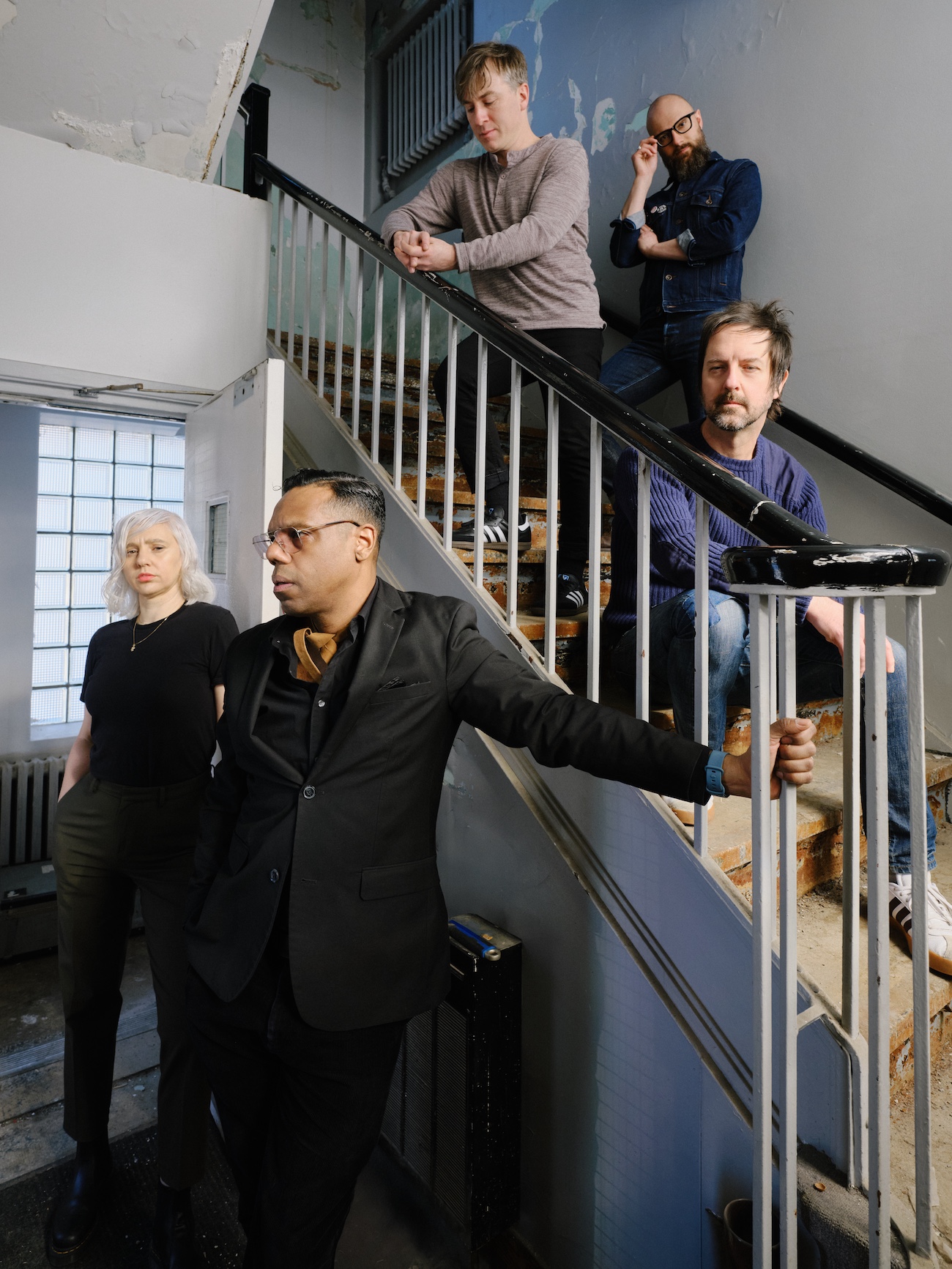
‘Life Is Beautiful! Life Is Beautiful! Life Is Beautiful!,’ The Dears’ first album since 2020’s ‘Lovers Rock,’ finds the Montreal band questioning, and then celebrating, this fleeting time spent on Earth.
by guest writer Damien Joyce
Stream: ‘Life Is Beautiful! Life Is Beautiful! Life Is Beautiful!’ – The Dears
The Dears’ sound and style feels familiar yet innovative, more forward-looking than nostalgic.
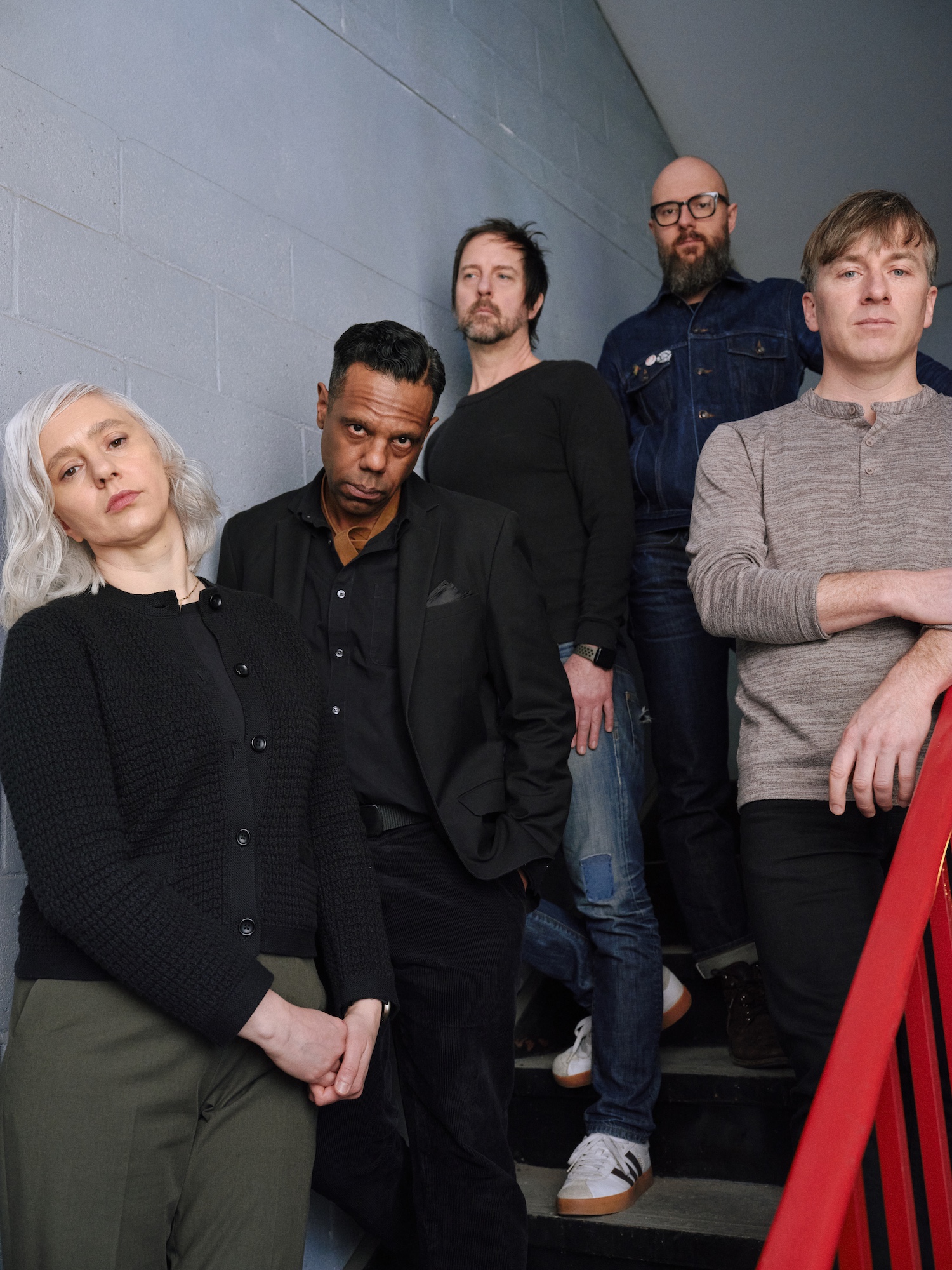
Over their rollercoaster career, the Montreal band have toured the world and shared stages with everyone from Broken Social Scene to Daniel Lanois, Rufus Wainwright, Zemfira, Bloc Party, Keane, Morrissey, and The Tragically Hip.
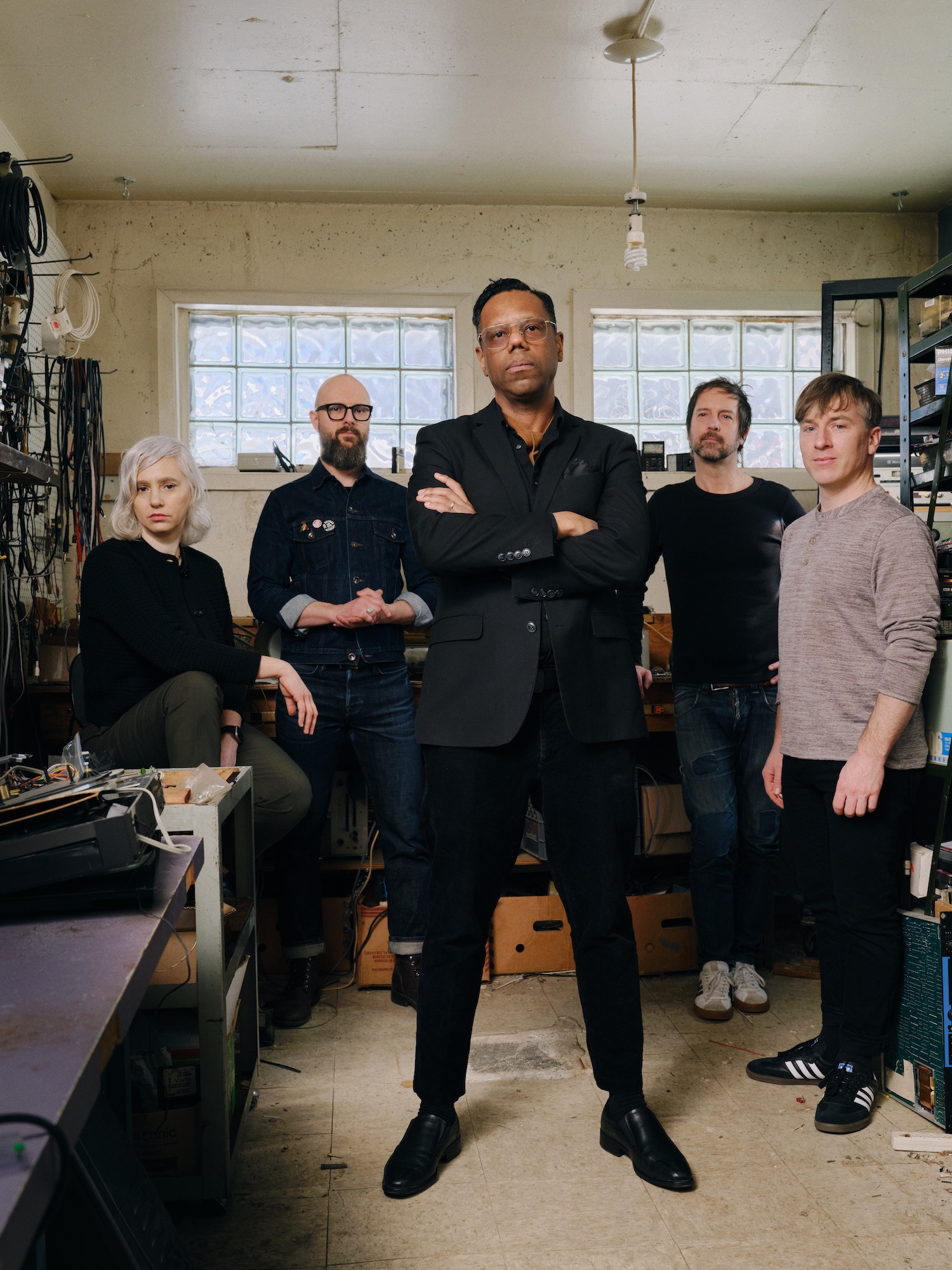
Formed in 1995 and active for the past three decades, The Dears are a gravely underrated band that warrant further attention and listening. Their latest album, Life is Beautiful! Life is Beautiful! Life is Beautiful!, could very well be their best to date.
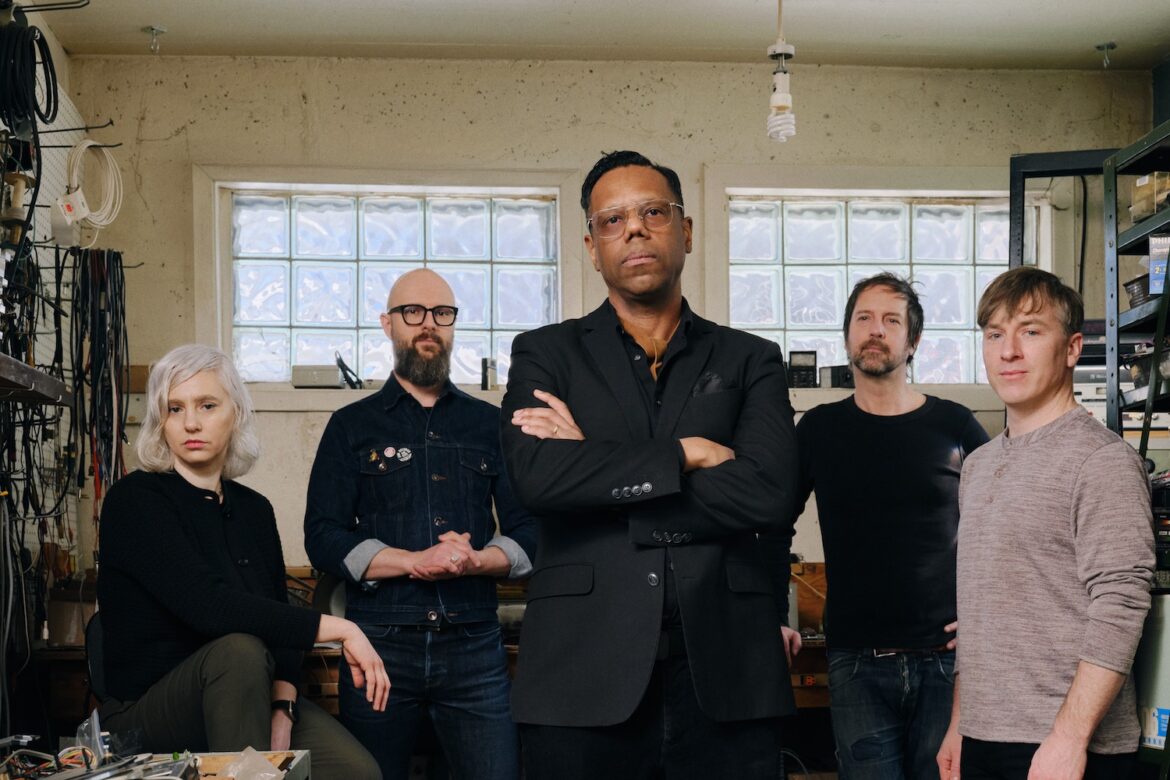
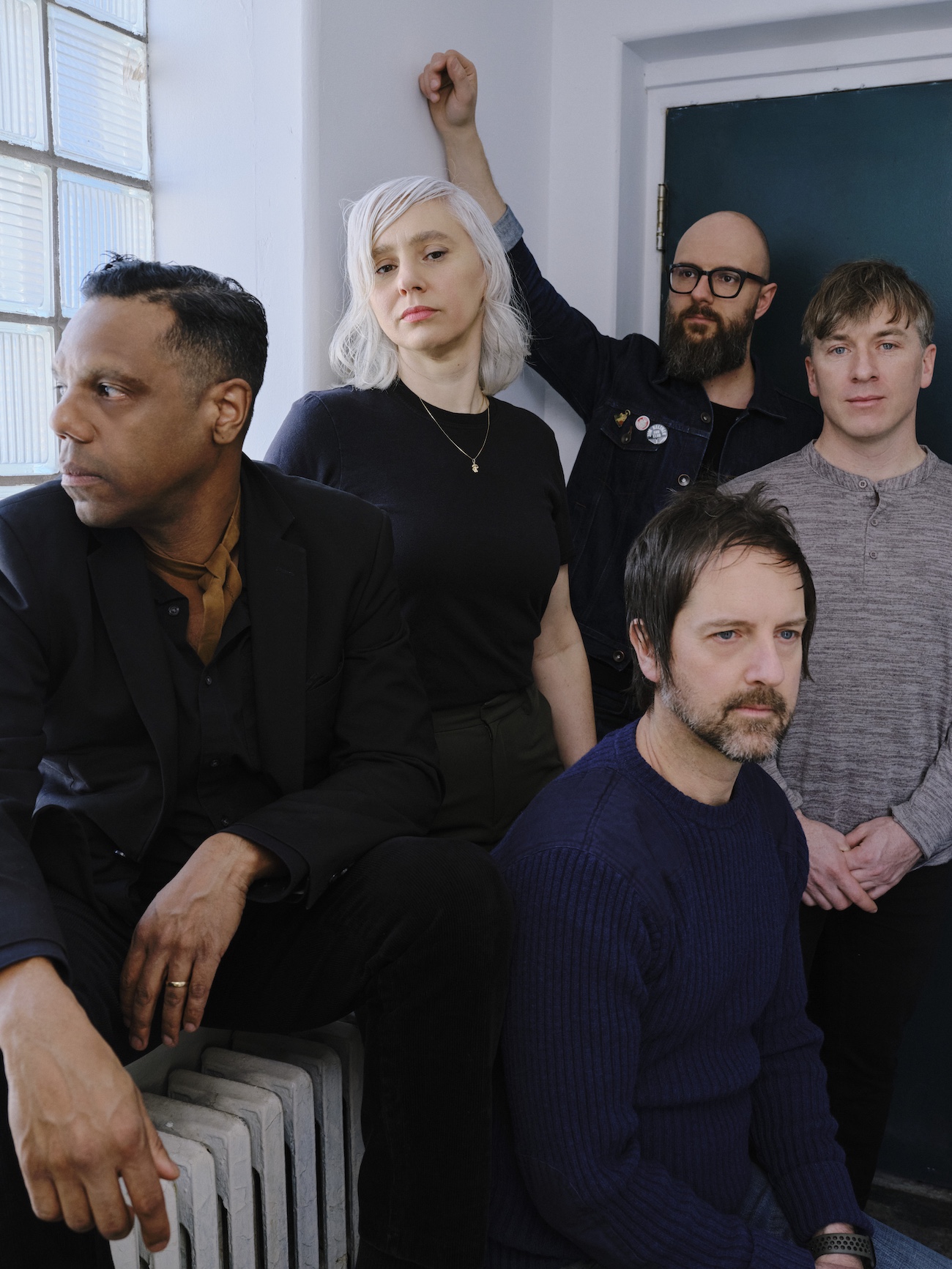
Atwood Magazine recently spoke with Natalia Yanchak, The Dears’ keyboardist and singer, about longevity, creative resilience, and finding meaning in the life lived alongside the music. In addition to her work in the band, she is also a published author, journalist, and blogger, she sits on the Pop Montreal board of directors, and works in video game production.
The Dears will begin their UK and European tour in February in support of Life Is Beautiful! Life Is Beautiful! Life Is Beautiful! Catch them on tour, and dive into our interview below as we trace the ups, the downs, and the in-betweens of The Dears’ remarkable journey.
— —
:: stream/purchase Life is Beautiful!… here ::
:: connect with The Dears here ::
— —
A CONVERSATION WITH THE DEARS
Atwood Magazine: Natalia, when you look back at The Dears’ career, it’s truly amazing – thirty years, nine studio albums, and still going strong! That’s some real longevity.
The Dears: You know, it hasn’t always been easy. Murray and I joke that we’ve both quit several times. But we always come back, we always come back to The Dears.
And you and Murray are a couple that believe in art, music and the power of both?
The Dears: Absolutely. I think for Murray as a composer and a songwriter, it really is like you can’t deny it. The music is going to come, so why deny it?
Definitely, but it’s some body of work. I’m just looking at my notes here. The first album, End of a Hollywood Bedtime Story was released in 2000, then you followed that up with No Cities Left a couple of years later. In between that, you had two EPs. You had Gang of Losers in 2006 and remember seeing you on Letterman at that time. That was such an awesome performance which must have been a blast as well, being on that show?
The Dears: We did Letterman twice, actually. But doing live TV is super stressful, but it’s an experience!
I can imagine. You got shortlisted for the Polaris Music Prize back then, too. You went on in 2008 to release Missiles, followed by Degeneration Street in 2011. Then the two albums I really loved, Times Infinity Volume 1 (2015) and Volume Two (2017). Then Lovers Rock in 2020, and if I’m honest, I missed that record for some reason and I just lost connection with you.
Now five years later, you’re back with what I think even after thirty years, is your best album to date, Life is beautiful! Life is beautiful! Life is beautiful! I’m really enjoying the record so far, it’s all so uplifting and optimistic.
The Dears: Awesome, Thank you so much.
How does this album feel to you looking back, compared to all that’s gone before this?
The Dears: I feel like each album that we release is a reflection of where we are now. So, it’s hard to compare what has come before to what we’re making today or what we’ve just released. But I think I will say that if anything, it is like a document that testifies to being more confident as what we’re making, being confident as artists and musicians. I think that comes across with Life is beautiful!, Life is beautiful! Life is beautiful!
For sure, I think it’s an awesome record. But I guess also, you’ve both matured as individuals and as parents. If we go back, the band started in ‘95 and I think you joined in ‘98? Back then, did you have a notion of a career in music? I know you studied writing in Montreal at Concordia University. Did your trajectory change, or did you have this idea that you’re going to be a musician?
The Dears: How intentional was my career in music? I’m not a songwriter, not a composer, I’m a musician, a great administrator and operations person which is part of what has contributed to the longevity of The Dears existing. I think there’s a lot of factors, if nobody cared about what we were making, about the music, about the shows then I wouldn’t have had a career as a musician. I think those things have to go hand in hand. A lot of people are making music and art, and we were fortunate enough to have a team around us and people supporting us along the way. I just had to run with it, so it’s like the career happened to me.
Some lyrics that Murray wrote on this record particularly resonated with me. I’m a couple of years older than you, but I’m at a similar stage in life where I still call them “kids” even though our two are in college. On “Tomorrow and Tomorrow,” there’s a lovely verse where Murray writes: “And the night falls, and my babies are home, I thank the lord, and I turn off the phone, ‘cause tomorrow is another day.” There are parents all around the world that can testify how accurate that feeling is, and it doesn’t matter what age the “kids” are. But I’ve always thought there should be a word for that contentment, the feeling of relief as a parent when all the family is under one roof, especially around this time of the year. I love the way that he captured that.
With the album as a whole, though, I love how artists, the thought that you put into the sequencing and the emotional arc of the music as well. One of the things I was wondering about, do you still believe the album is the organizing principle for an artist?
The Dears: I think that will vary from artist to artist. I think for us, the album is important. That sequence and the story that we tell within a record, within the eight or ten songs or however many songs, is very important. All the songs have to make sense together, and there has to be a theme. There has to be a statement in a way. Even though that can be a very obscure and nonspecific statement. Everything needs to work together. So, for us, the album is very important.
Something that I came across as well with some other bands, but I know you’ve been doing this over the years. You road test your material before recording. You’ve played a full album live before you’ve recorded it?
The Dears: We did that once; we did that with Degeneration Street. I think for us capturing that, it was a different album. That was the first album where the songwriting task was shared across the band. So, I think we needed to find our footing within that creative process. Playing the songs together as a band live cemented what we were making. It confirmed that what we were making works. Would we ever do that again? No, seems very impractical.
I know you have two children, I think a boy and a girl as well, the same as us. Is it Apollo and Neptune?
The Dears: Exactly. Yes.
And one of them is in a band?
The Dears: Yes, Neptune is an amazing musician, just such a natural and inspiring to watch her play. She’s writing songs, she’s in a band called Melonella.
The name is from a song by The Cocteau Twins?
The Dears: It is, yes! They’re a prog band, they’re amazing. They are between 18 and 20 years old, that’s the age range. They just have this energy playing these super complicated but beautiful songs. I would highly recommend checking them out.
I followed them on Instagram, and I’ve started to listen to their first single. Are there conflicted feelings as a parent (and musician) on Neptune entering this music career?
The Dears: Well, I mean, no. I think as a parent, it’s like what do I want for my children, and what my children want to do with their lives can be very different things. But what ultimately, I want is for my children to lead satisfied and fulfilling existences and to not put pressure on them that it’s all about money and it’s all about material things which is maybe not the greatest. I mean, it’s more philosophically I want them to be fulfilled and be full humans. I don’t think that just grinding for cash is going to do it. Maybe that’s what they want? Our job as parents is to give them guidance and make sure, they’re not jerks, and that they’re kind, thoughtful people. And then whatever they do is fine by me.
For yourself, I know it’s been five years between albums. How do you think as a band you navigated the pandemic? Was it a time to reset?
The Dears: It’s interesting that as you were going through all the albums in our history that when we got to Lovers Rock, you were like, “Oh, for some reason, I missed Lovers Rock.” I found that interesting because that came out at the very beginning of the pandemic. Basically, we had it all lined up, a world tour, and then the pandemic shut everything down. So, we couldn’t tour and we were faced with this decision: Do we put out the album, or do we delay putting out the album until who knows when?
And at that time, we were just 100% – we had to put out the album. If people are dealing with who knows what, they need is music to listen to. So that was important for us to still release that album. At that time, I was doing a lot of the booking, overseeing with our agents, all the booking of the shows as sort of the manager role. We had to reschedule those tour dates three times. By the end of it, I was like this was a waste of my time. I felt very frustrated by that experience, understandably. I was like, I’m quitting music for the sixth time and I’m going to go get a career in video games. And I did that. It was literally, we finished a tour, the last date of our rescheduled COVID tour dates, and then the next day, I started working at a video game studio.
‘Riley and Rochelle’ was your first game video game production?
The Dears: Yes, that was coproduced with a developer who is from the UK. That came out right at the end of that tour before I started working at this other studio. As a writer, that was a very fun project for me to make telling stories about musicians. their careers, the things they have to face and the challenges that musicians face every day, it was a lot of fun.
Writing is something that you’ve been consistent with. You’ve found time for blogging over the years as well and your own writing with published books. Is blogging something that still interests you? I know you have a newsletter on Buttondown.com; I signed up for it. I have a small newsletter on ButtonDown myself; I like the platform and the small team behind it; I find them very supportive.
The Dears: Oh, yeah. It’s great. When I started, I did have a blog for many years when we were first touring. I stopped blogging for a while and started doing sort of more journalism, and then I stopped doing that. Now I was like, I got to bring the blog, the newsletter back. I mean the writing is always there with me. Do I wish I had more time? Yes. But I’m always going to be writing, always going to have ideas. That’s the thing about a creative pursuit is that even though you might not be able to get it out, it’s always going in your mind.
I understand, after twenty-five years working in corporate I.T., I went back to college and was studying music journalism. Something that one of my lecturers mentioned was that as a writer you always have your antenna up for a story or an idea. I think that’s what you’re referring to as well as a creative that your mind is percolating over different thoughts that you consume over the day and week. I find it fulfilling to write something I have to say. Do you still get the same kick out of it?
The Dears: What’s interesting for me about writing is connections. I think that sort of observation of having your antenna up all the time is what are the connections? And so, it could be not just musical connections, but things that are happening in the world or something personal or whatever. I think that’s what makes writing so powerful is it’s a reflection of the world around you. But then it’s how you package that reflection is fun. I can take this idea and this idea and put them together and make a statement that probably nobody else has thought of.
Since being in the band, you have watched the disruption right from the start that came with the Internet and have surfed the wave of all those early technologies and social media. I thought there was a golden age between 2006 and 2012 of music blogs, which I particularly loved. I found a lot of great music through them and lament for those days. Google changed their algorithm back in 2012, which stopped surfacing the smaller boutique type of music blogs and that killed them off in a way.
But newsletters have come back, and I’m wondering how you found the challenge over your career so far, all those changes in technologies, and with the twenty years of digital music. We were promised a democratization of music, but I think we got an oversaturation of music?
The Dears: Our career is interesting in that way, and we both benefit and suffer from that transition. I think I would agree with you that the aspect of music discovery has changed drastically. I always think about how do young people discover music today? And then also, how does a young, new band find an audience?
We came up before social media. Our social media numbers are astonishingly low versus if we’d had the same career maybe ten years later; we would have way better stats. Now label A&R, label discovery; it’s all about stats. It’s all about how many followers do you have? Are people even listening? Or is it just oh, we’re just going where there’s an established audience, so we’ll invest in that whatever it is regardless of what it is, just because we know there’s an audience there, and we can maybe convert that into sales or advertising.
So, I think that’s kind of dystopian a little bit as an artist, but I get it. I think for us, it is challenging because our audience is a different audience from that. Our audience is not just going where the stats are. We have an older audience. That’s our challenge right now. How do we reconnect with these people that came up with us in a very tactile analog time?
When I think about your music, even this album, if there was a shelf with music from the seventies, eighties, nineties, and the noughties, I could pick a couple of tracks, and they would fit comfortably in each decade. But it still sounds fresh, there’s a timeless quality to it!
The Dears: I think that is also part of our mandate; we’re not trendy. In some ways, that makes us a challenging band because we don’t fit into any trend or thing that’s happening sonically. On a production level, we want the production to sound timeless also, that’s important to us. Even a song like “Deep in My Heart,” from this album, that could have come out in 1992! Making great music and inspiring music, capturing complete ideas within a song is absolutely important to us.
I think you have nailed it, especially on this album because whether it’s the Roxy Music type of sax or the added strings or the keys at different points, whether it’s beginning or just as an effect on a song, and that mixture of the post-punk as well as Murray’s soulful vocal range.
It’s lovely reconnecting with a band that I haven’t listened to in a while and then going back over their discography resurfacing feelings and emotional attachments because that’s what music does; it reminds you of where you were.
The Dears: That’s it again, it’s those connections. It connects us to a time. I feel like a song is successful, or an album is successful when it can connect to emotional moments in a person’s life. That just means that you’ve created something that is resonating with people, and I think that’s valuable.
Well, it’s been a pleasure chatting with you, Natalia. I can’t speak highly enough of Life is beautiful! Life is beautiful! Life is beautiful! and I continue to play it on my radio show. I wish you well with the forthcoming tour dates, to yourself and Murray, and may you continue making music well into the future!
The Dears: Awesome, thank you so much!
— —
An indie music writer and music fan, Damien Joyce is host of the Irish college community radio show ‘The Human Recommendation’ on Flirt FM. Find him on 𝕏, Bluesky, and Instagram!
— —
:: stream/purchase Life is Beautiful!… here ::
:: connect with The Dears here ::
— —
— — — —
Connect to The Dears on
Facebook, 𝕏, TikTok, Instagram
Discover new music on Atwood Magazine
© Richmond Lam
 © Richmond Lam
:: Stream The Dears ::