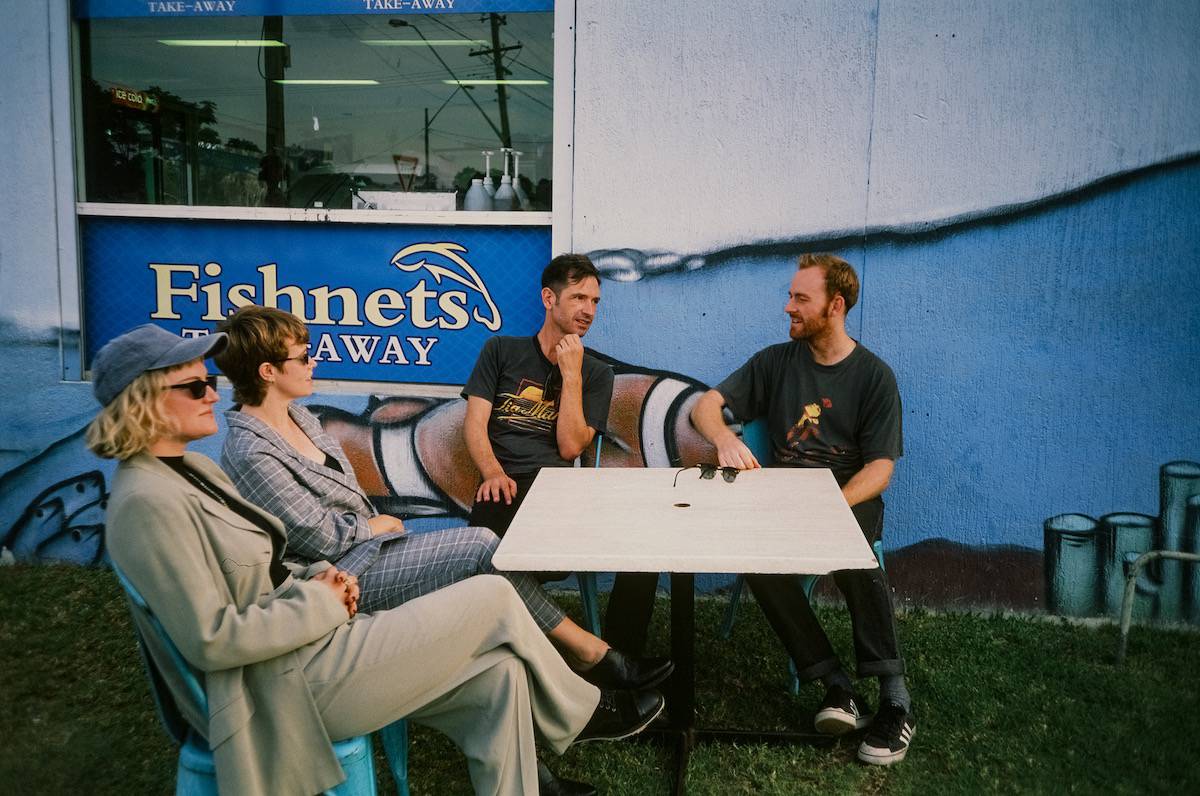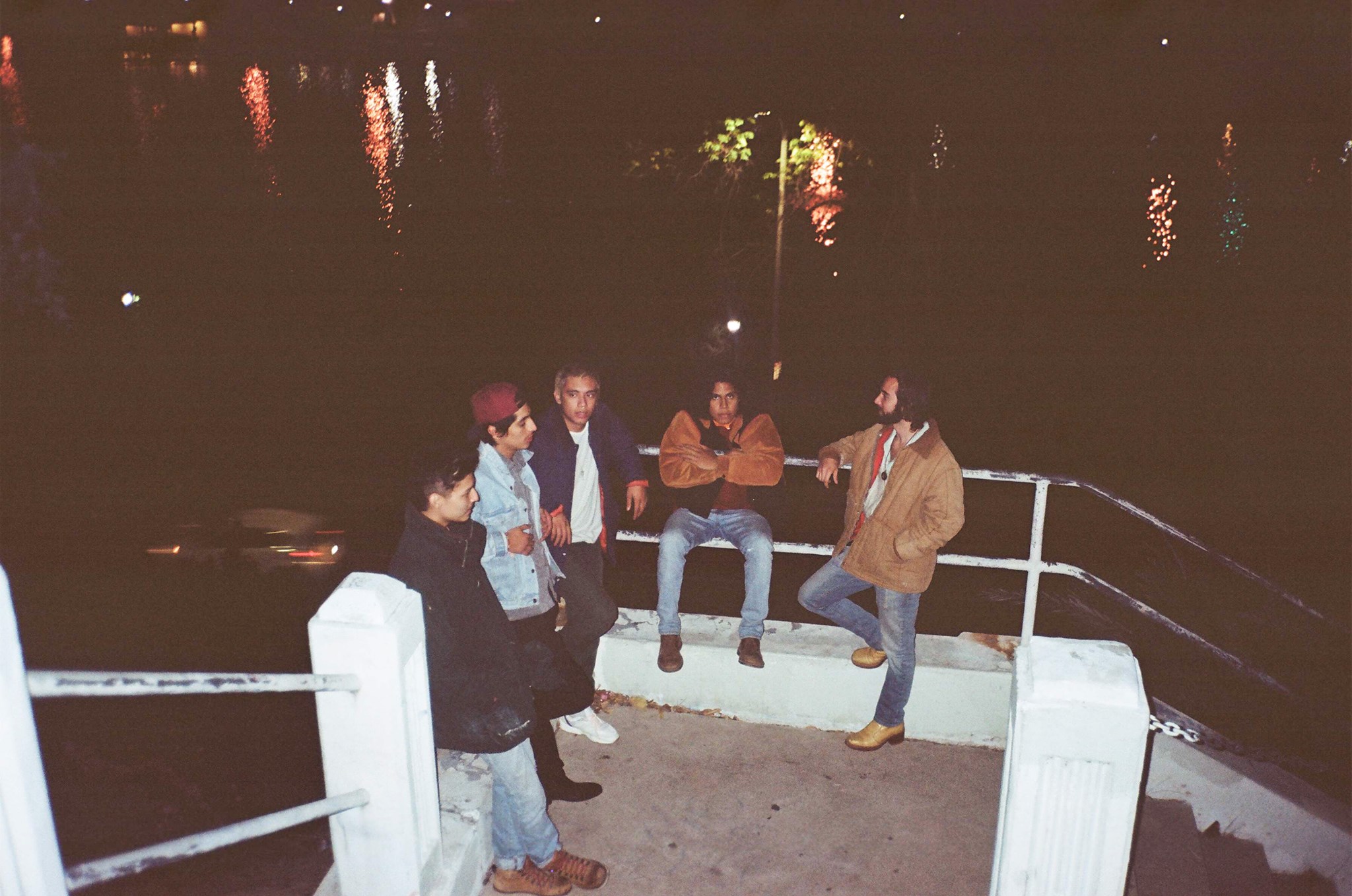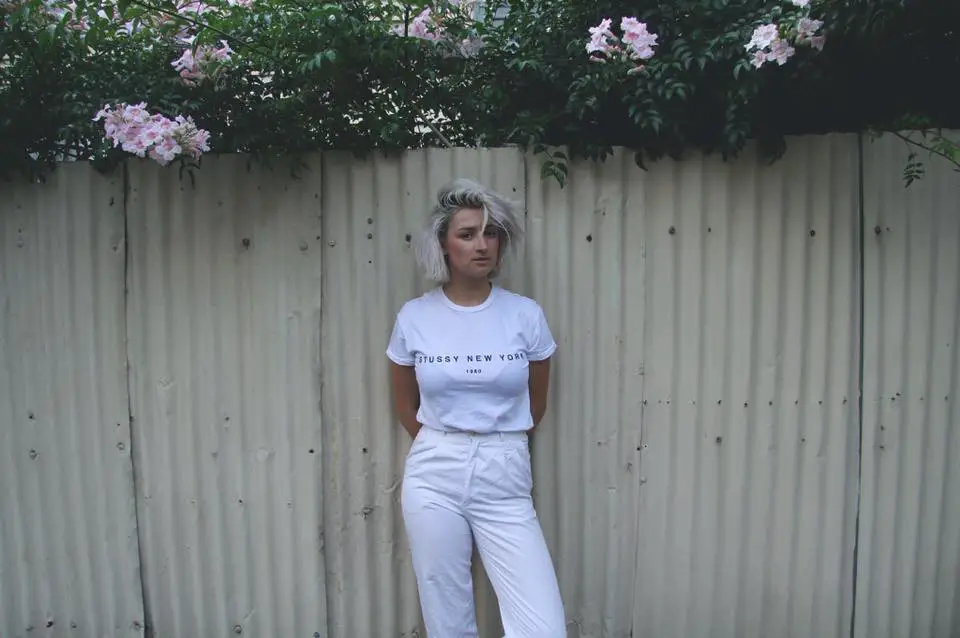
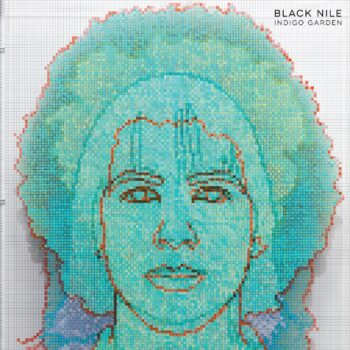
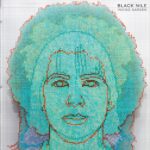
With their fourth album ‘Indigo Garden,’ Black Nile urge fans to abandon every ounce of their anxiety and enjoy a peaceful, immersive overview of the current jazz scene in their native Los Angeles.
Stream: ‘Indigo Garden’ – Black Nile
The saxophone always felt like the closest thing to the human voice. It has this ability to cry, scream, or whisper, and for me, it was the best tool to translate the melodies I was hearing in my head.
* * *
Back in the ’90s, Will Smith left the City of Brotherly Love and headed out to Los Angeles for a series of wild misadventures.
Were the Fresh Prince of Bel-Air to make that same journey today, though, he would find that L.A. is very much a city of brotherly love in its own right, as exemplified by a local star jazz duo, Black Nile.
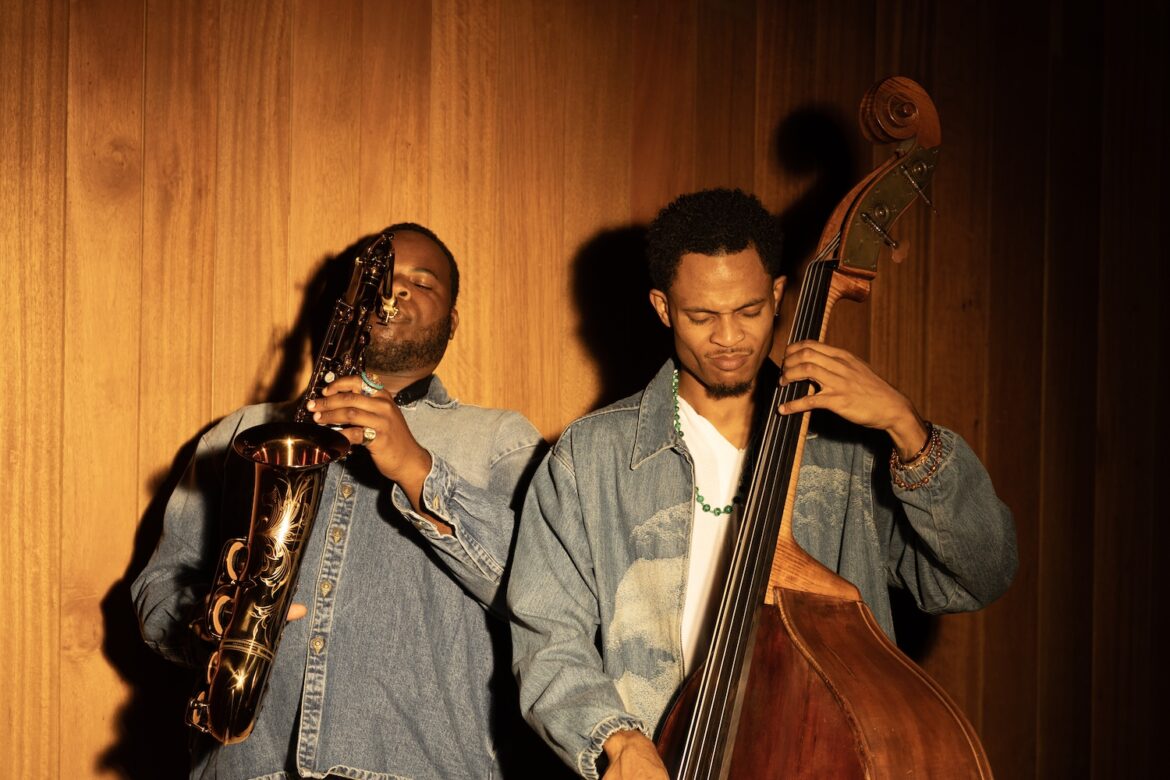
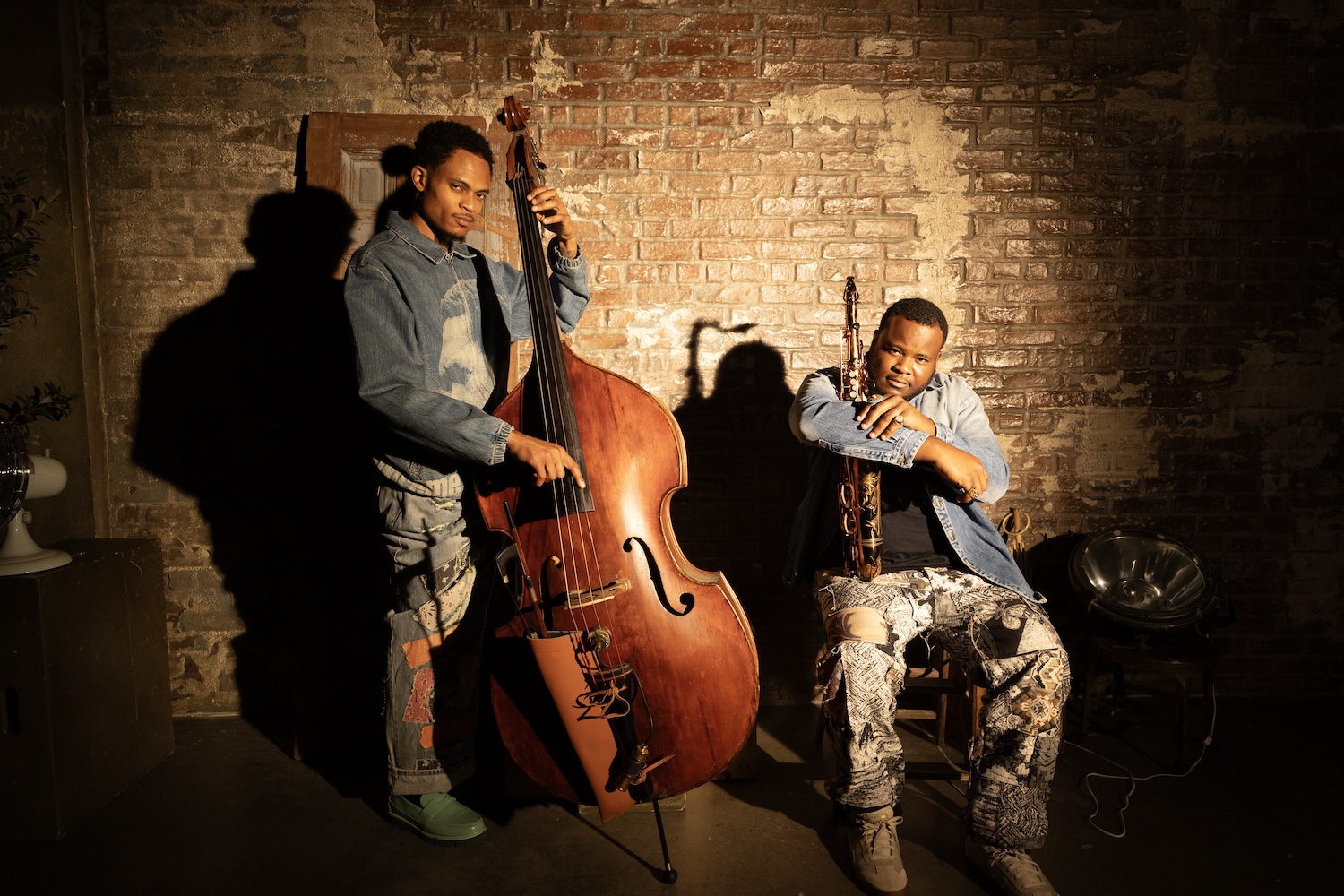
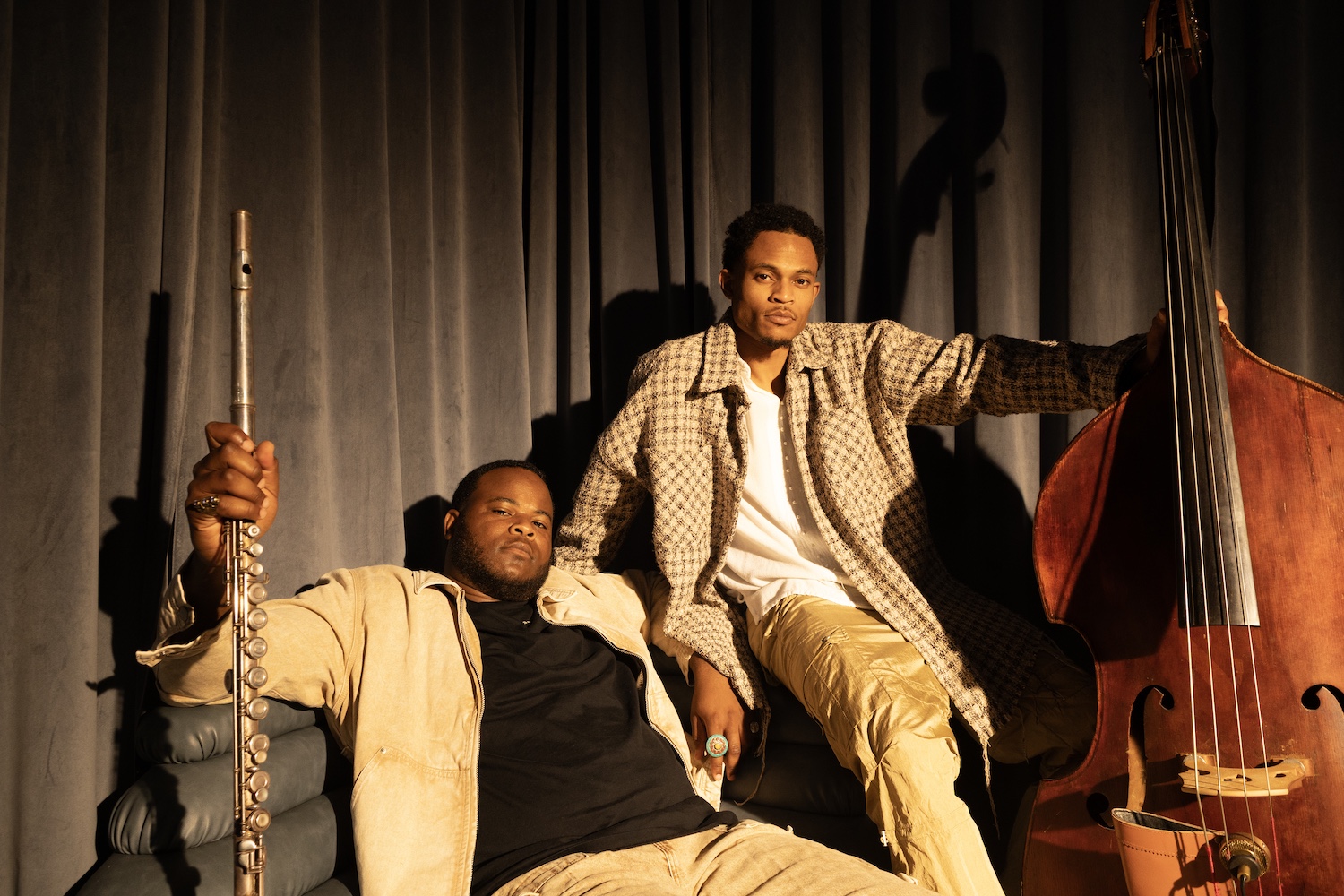
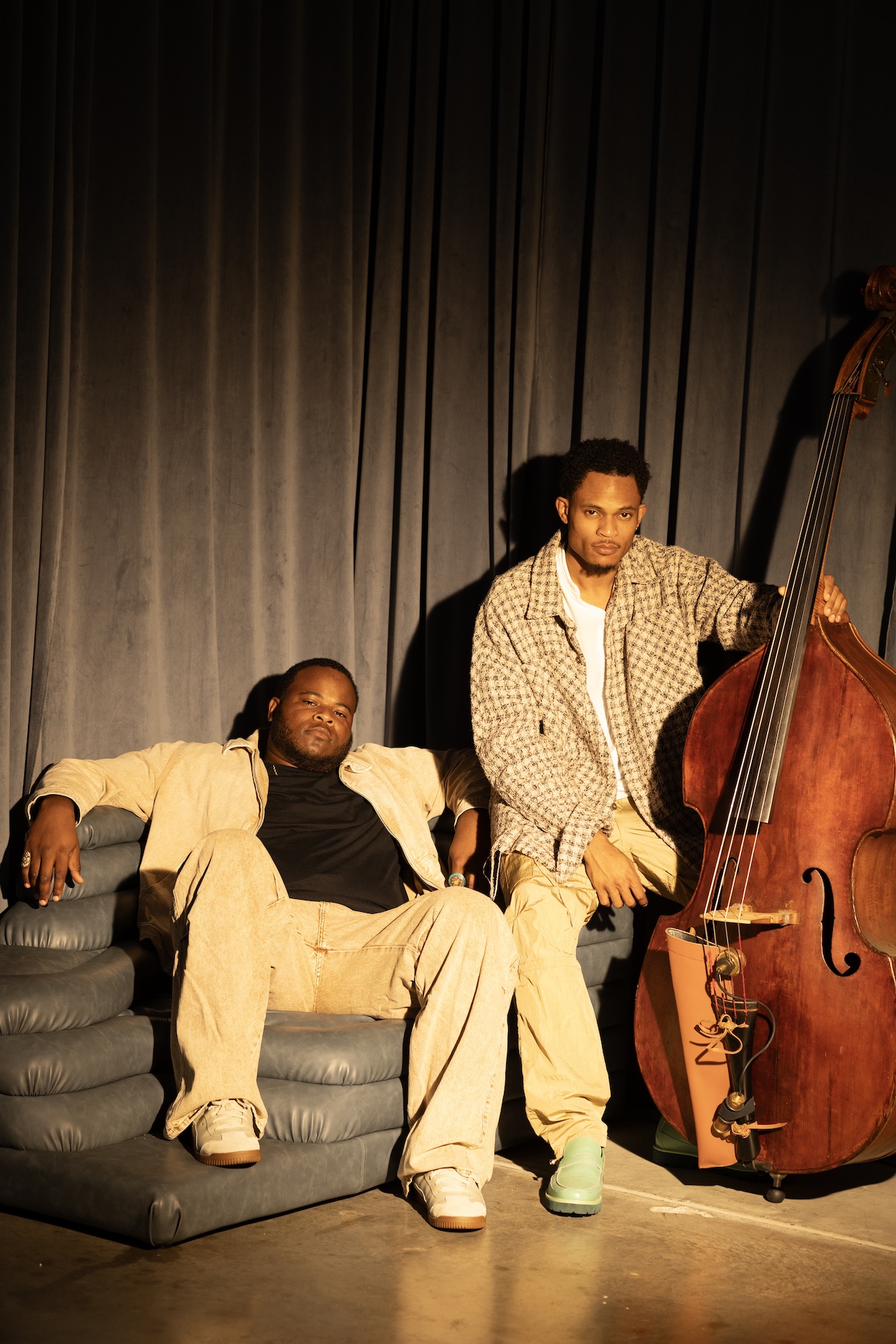
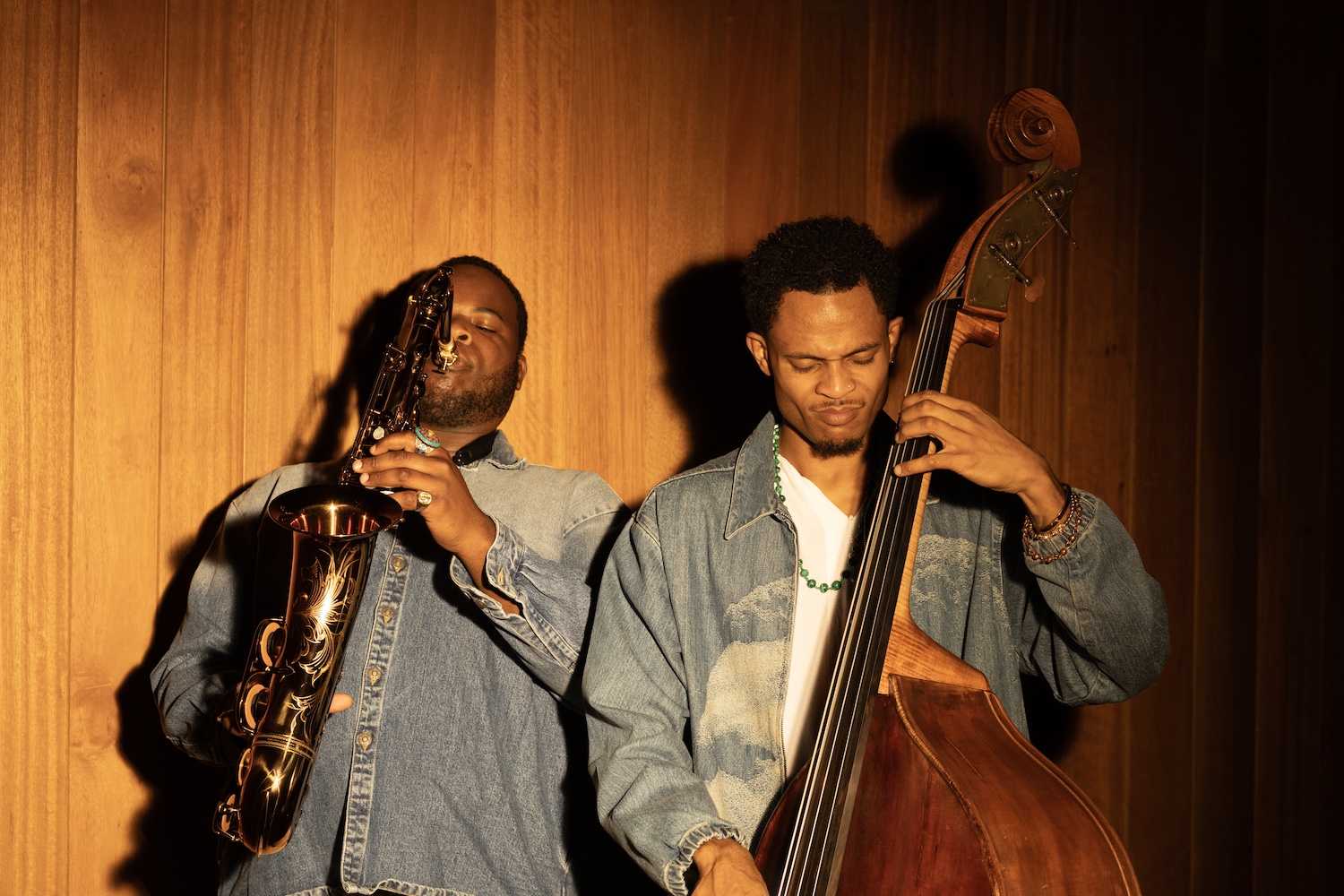
Aaron and Lawrence Shaw of Inglewood, CA grew up in a musical household and naturally gravitated towards playing themselves, with Aaron preferring the saxophone and Lawrence going the way of the bass. Upon combining their talents and visions, as well as selecting the greatly symbolic moniker of “Black Nile,” the brothers released their debut album, Sounds of Color, in 2019 and have made a strong name for themselves in their city’s burgeoning jazz scene ever since.
In making their fourth album, Indigo Garden, Black Nile expanded geographically by heading out to the Massachusetts Museum of Contemporary Art in North Adams, MA. There, they became just the second act, after the Kasambwe Brothers, to be featured on Mass MOCA Records, the museum’s pilot musical project. During their residency there last year, the brothers recorded a good chunk of their new project in “Studio 9” nearby the museum, while also giving several performances and drawing artistic inspiration from the beauty and serenity of the Berkshire region.
We hope people find a sense of peace in these tracks. In a world that is increasingly loud and chaotic, we want fans to take away a sense of “anti-anxiety.”
* * *
Eventually swapping maple trees back for palm trees, Black Nile returned to L.A. and finalized their album at the Hen House Studios in Venice Beach.
The end project features both Shaw brothers in peak performance mode, as well as valuable production from Harlan Steinberger, the owner of Hen House Studios, and meaningful guest contributions from drummer Myles Martin, keyboardists Luca Mendoza and Brian Hargrove, and more.
“It’s a testament to the LA scene’s current chemistry,” Black Nile explains. “We wanted to create an environment where these gifted instrumentalists felt they could truly contribute to the garden.”
For more insight into how that garden manage to bear such luscious veggies for our ears to now feast upon, please read through the following conversation with Atwood Magazine.
— —
:: stream/purchase Indigo Garden here ::
:: connect with Black Nile here ::
— —
A CONVERSATION WITH BLACK NILE
Atwood Magazine: Growing up in Southern California, what sort of contact did you have with jazz and other forms of music in your early years? How did the music scene in that region help shape your musical aspirations?
Black Nile: Growing up in LA, music isn’t just something you hear; it’s the atmosphere. We were surrounded by the legacy of Leimert Park and the deep history of Central Avenue, but we were also coming up in the era of beat-making and West Coast hip-hop. The Southern California scene taught us that jazz isn’t a museum piece – it’s a living, breathing social music. It shaped our aspirations by showing us that you don’t have to choose between technical mastery and a heavy groove; you can have both.
Let's talk about each member's go-to instruments. Aaron, what drew you to the saxophone, and Lawrence, what drew you to the bass?
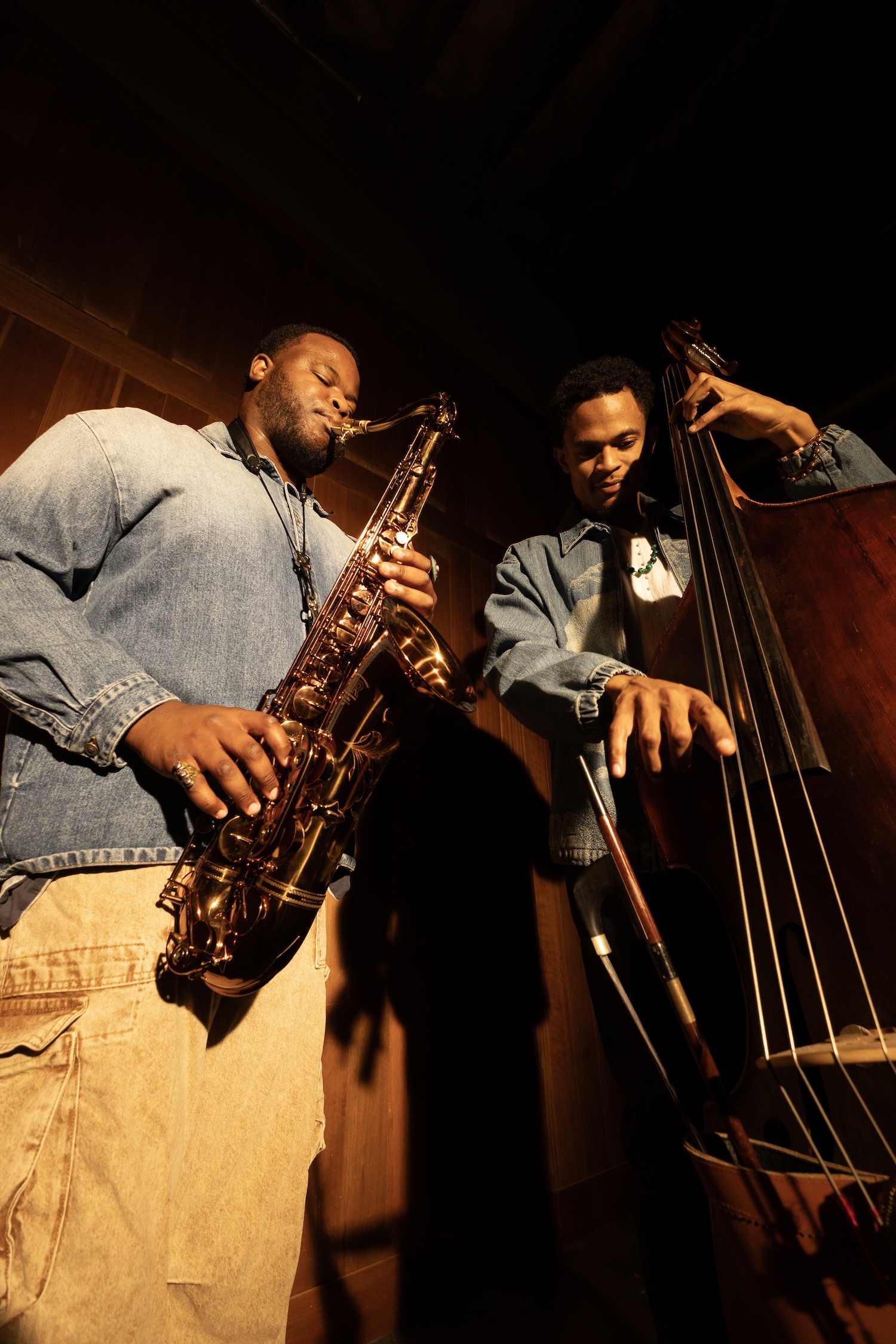
Aaron Shaw: The saxophone always felt like the closest thing to the human voice. It has this ability to cry, scream, or whisper, and for me, it was the best tool to translate the melodies I was hearing in my head.
Lawrence Shaw: For me, the bass is the heartbeat. I was drawn to it because it’s the bridge – it connects the rhythm of the drums to the harmony of the horns. It’s about holding down the foundation while having the freedom to shift the entire mood of the room with just one note.
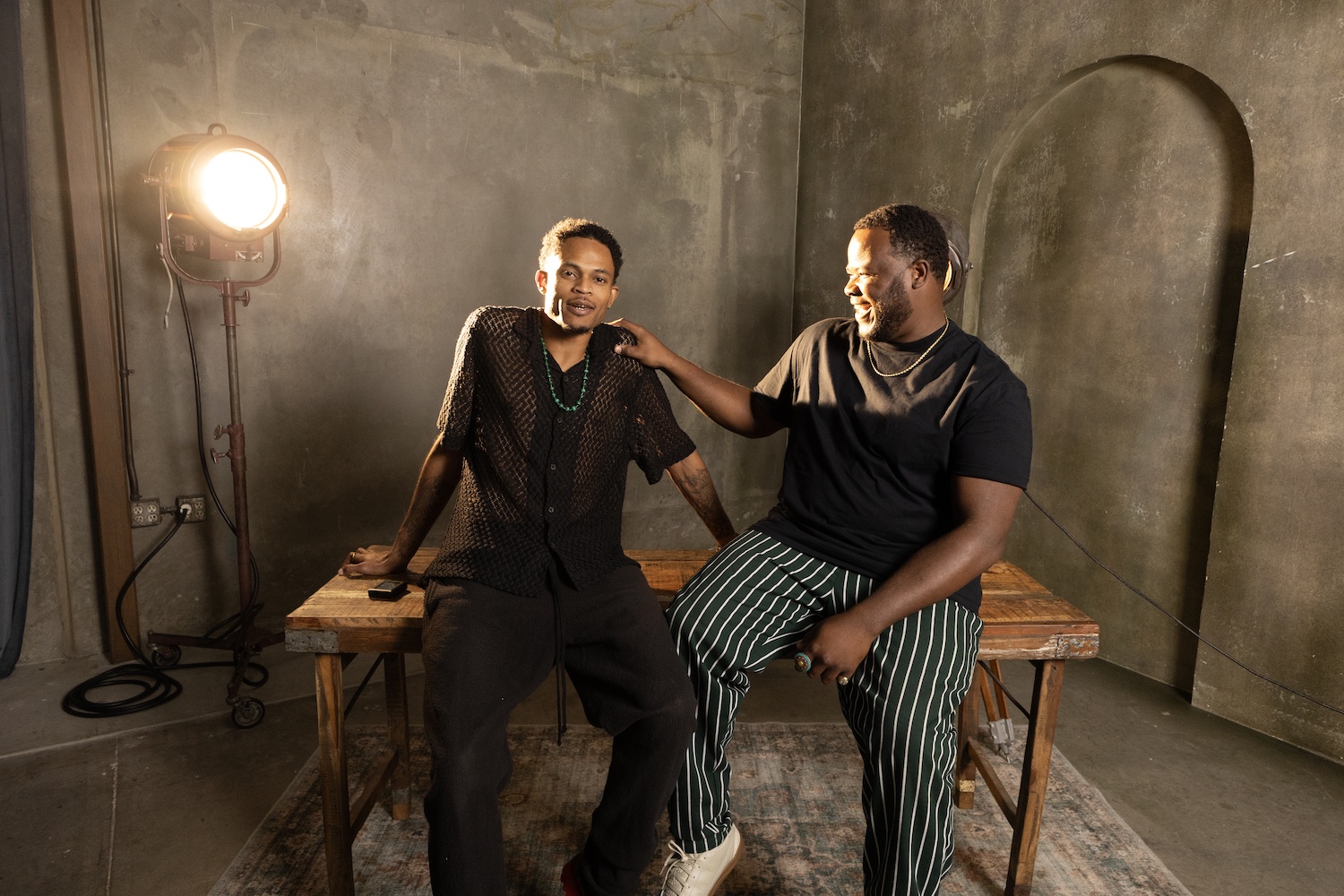
Since Massachusetts is my home state, I'm interested in your residency at Mass MoCA last year. What was it like coming to such a different part of the U.S. and recording on Mass MoCA Records?
Black Nile: Transitioning from the fast-paced energy of LA to the Berkshires was a total reset for our internal clocks. Recording on the brand new Mass MoCA Records allowed us to experiment without the usual “industry” pressure. The region has this stillness and a raw, industrial beauty that forced us to listen differently. We pulled inspiration from that quiet – it allowed the “inner voice” of the collective to become much louder.
How would you summarize the collaborative process that went into making this record, and where do you feel this collaborative spirit shines most brightly?
The process was about “making space.” We didn’t want to just feature guests; we wanted to create an environment where these gifted instrumentalists felt they could truly contribute to the garden. That spirit shines brightest on the tracks where the improvisation feels telepathic – where you can’t tell where one person’s idea ends and the next begins. It’s a testament to the LA scene’s current chemistry.

Indigo Garden is your fourth album overall. What are some key ways in which you've grown as a duo since 2019?
Black Nile: Since 2019, we’ve moved away from trying to prove ourselves through technical virtuosity. We’ve grown into a state of “collective contemplation.” With Indigo Garden, we aren’t just playing songs; we’re building an ecosystem. It’s a major step forward because it’s our most honest work – it’s the sound of us finally being comfortable in the silence between the notes.
How have some of the band's recent live performances gone? Where do you hope to take your live act now?
Black Nile: The recent shows, especially the ones at the museum, have felt transformative. There’s a certain “magic of minds” that happens when we play this material live. Now that the album is out, we want to take this act global. We want to bring the “Indigo Garden” experience to international stages and festivals, showing how the LA sound translates across different cultures and borders.
What inspired the album title, Indigo Garden?
Black Nile: Indigo represents the intuition and the deep, spiritual “third eye” frequency, while the Garden represents a place of intentional growth and patience. The title is a reminder that beautiful things take time to cultivate. It’s about the mental and spiritual landscape we’ve been tending to over the last few years – a place where music is allowed to bloom naturally.
Anything more you'd like to add? What do you hope fans will take away most from this new batch of music?
Black Nile: We hope people find a sense of peace in these tracks. In a world that is increasingly loud and chaotic, we want fans to take away a sense of “anti-anxiety.” If this music can help someone slow down, take a breath, and just be for 45 minutes, then we’ve done our job.
— —
:: stream/purchase Indigo Garden here ::
:: connect with Black Nile here ::
— —
— — — —
Connect to Black Nile on
Facebook, 𝕏, TikTok, Instagram
Discover new music on Atwood Magazine
© Myron Rogan
 © Myron Rogan
Indigo Garden
an album by Black Nile