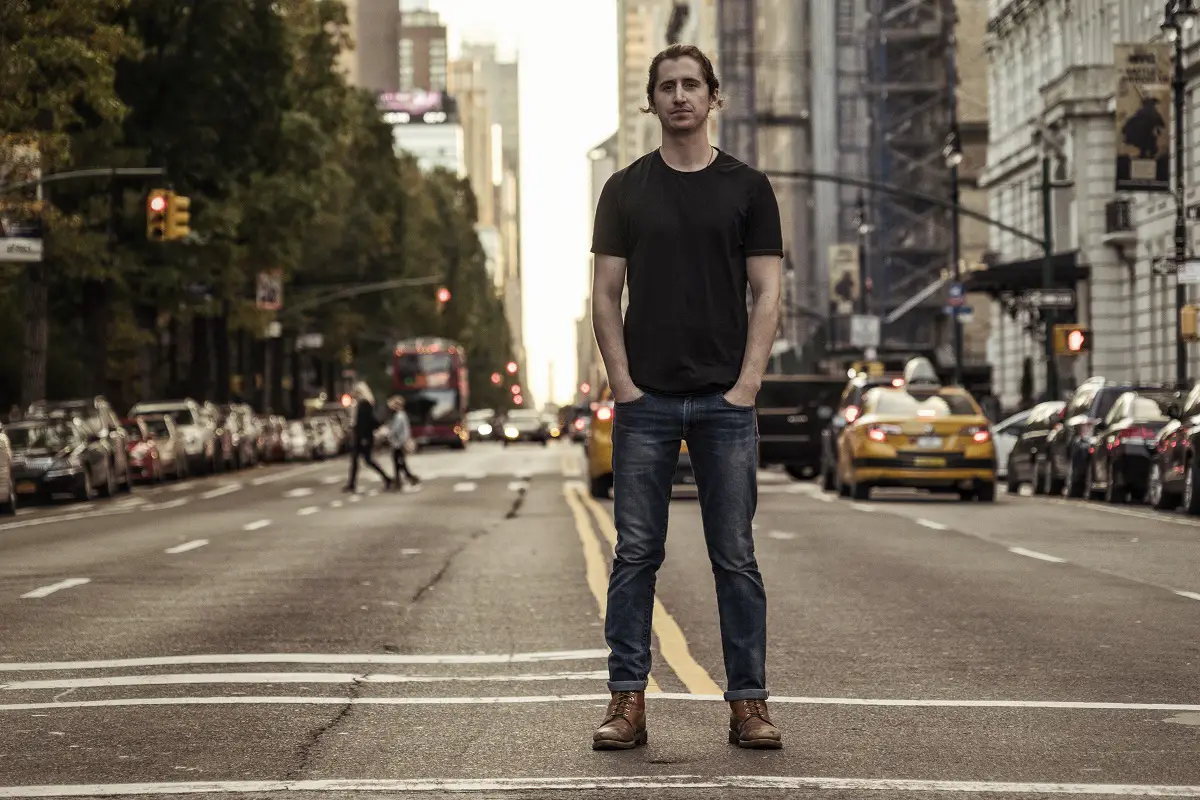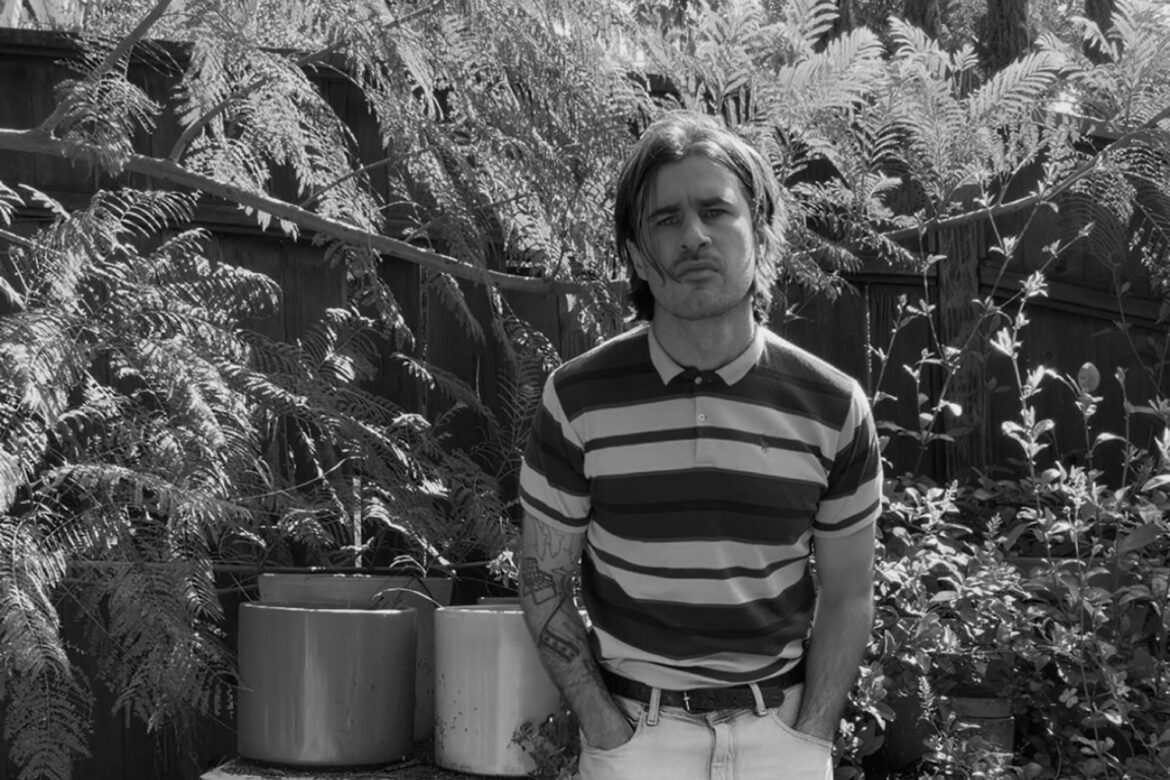
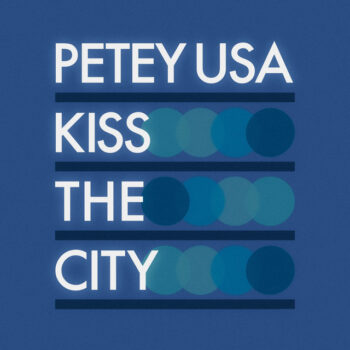
Petey USA channels urban burnout and the fantasy of starting over into “Kiss The City,” a hypnotic indie pop spiral that asks whether making the other mistake is the only way to stop repeating the same life. In conversation with Atwood Magazine, Peter Martin follows that question through hard left turns, the razor’s edge between acceptance and staying stuck, and the creative freedom of producing his own music again – all with the wonderfully sideways humor that makes an existential crisis sound almost survivable.
 follow our Today’s Song(s) playlist


Stream: “Kiss the City” – Petey USA
Petey USA makes burnout sound strangely seductive on “Kiss The City.”
His first single since last year’s The Yips finds Petey moving into a lighter, more hypnotic pocket without losing the raw nerve that makes his songs sting. It churns and glows in equal measure – indie pop with its hands in its pockets and its heart halfway out of its chest, aching with restlessness even as it moves with an intoxicating ease.
A city can make a person feel like they’re failing even when they’ve done everything right – and Petey USA lives in that anxious, fluorescent ache: The rent paid, the check made, the city lights buzzing like an exit sign, and old mistakes starting to feel so unbearable that only a new mistake will do.
I make the check, I pay the rent
Make up my mind, I have regret
The lights, the sound,
the people on the ground
Everybody gets better
if they wait around
Released May 21, “Kiss The City” continues to deepen the world Peter Martin built across The Yips: Characters caught between escape and inertia, men who can name the loop but still can’t quite step out of it, private thoughts presented with just enough humor to keep them from collapsing under their own weight. When we last spoke, Petey described records as snapshots – weird, permanent misrepresentations of whoever made them at the time. This song feels like a new snapshot in motion: Less barstool confession than sidewalk spiral, still unmistakably Petey, but channeled through a sleeker, brighter pulse.
“I think whatever is going on with me right now is allowing me to really clearly make up stories about someone’s life that feel lived in and honest – probably because either I’ve experienced some version of it or aware of my capacity to experience something like it,” Petey tells Atwood Magazine.
That distance suits him. Petey has always written as if autobiography and fiction were two doors into the same messy apartment, and “Kiss The City” thrives on the blur. The song sounds refreshingly open, even breezy at times, but its emotional weather is anything but settled. His voice is visceral and spirited, pressing forward with a familiar mix of exhaustion, curiosity, and half-grinning panic as he leans into the indie pop side of his artistry and spills his soul without making a spectacle of it.
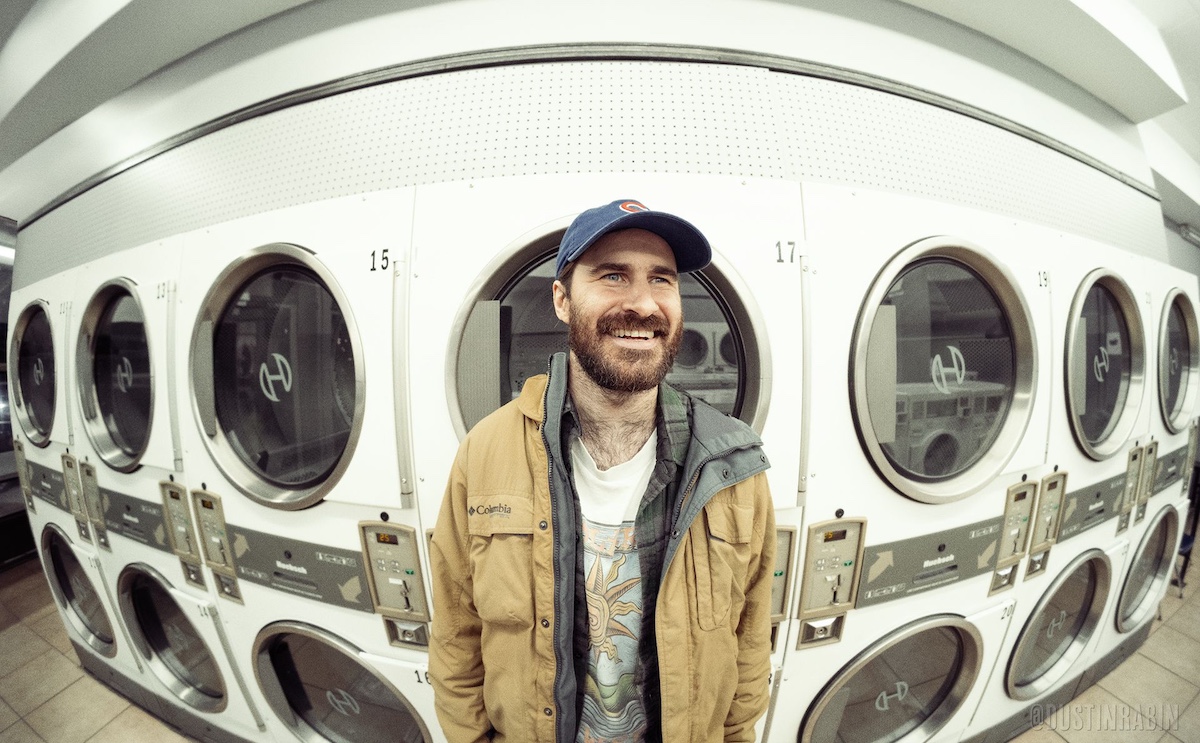
The fictional dive bar of The Yips has spilled out onto the sidewalk.
Its anxious regulars once sat beneath one roof, carrying their private spirals in close quarters; “Kiss The City” lets the same unease roam through rent checks, liquor-store glass, and the promise that a different life might be waiting just beyond the block. The setting has widened, but Petey’s central question remains brutally intimate: What happens when the place built to hold you keeps making you want to leave?
And if the money’s no good
then the money’s not great
When the only kind of money
is the money I make
Black lipstick stains
on the liquor store glass
‘Cause I tried to kiss the city
but the city wouldn’t kiss me back
The title image is classic Petey: Funny until it hurts, romantic until it becomes humiliating, absurd enough to make the heartbreak land harder. “I suppose the ‘kiss’ is things simply working out,” he says. “Life working, in a place that was conceived to support and sustain life for millions of people. You’re conditioned to work for it, so it works for you, but then you work for it and it actually just spits at you.”
There’s the whole city in miniature: Promise, effort, rejection, return. “Kiss The City” understands the seduction of leaving everything behind, but it also understands how quickly fantasy starts asking practical questions. Petey’s vision of escape is not some pristine, pastoral cure-all; it’s a half-serious panic response to modern life, the kind of thought that blooms when the systems meant to support you feel designed to make you late, tired, broke, and weirdly ashamed of needing help.
The recurring phrase “Everybody gets better” is the song’s slyest trap. Petey keeps changing the prescription – wait around, turn on the TV, live off the land – until self-improvement starts sounding like a menu of incompatible lives, each one promising relief at the cost of the last. The narrator can imagine every possible cure except one he can trust long enough to stop searching.
“The same mistake I always make / I need to make the other mistake” may be the song’s sharpest little mantra, and Petey knows it. He says he first heard the phrase from the head of growth at his wife’s company and immediately fell in love with it. “If you are bummed out doing the same thing over and over again you have to try something else, plain and simple,” he explains. “You have to make the other mistake, there is no other choice.”
The same mistake I always make
I need to make the other mistake
Too tired to read, too anxious to sleep
Everybody gets better
if they turn on the TV
What makes the line stick is its refusal to romanticize change. Petey isn’t selling reinvention as salvation; he’s poking at the awful, necessary absurdity of choosing a different failure because the current one has become unbearable. The humor keeps the thought moving, but the feeling underneath is painfully precise: The sense of knowing the loop, hating the loop, and still needing a push – or a joke, or a chorus – to imagine another way through.
The “other mistake” also reads like a creative principle. When Petey spoke with Atwood Magazine about The Yips, he admitted that overthinking had never improved the work: “I realized that none of that overthinking benefited me at all… So I’m just gonna write it and see what happens.” “Kiss The City” carries that lesson forward, trusting instinct before anxiety can assign every choice a meaning.
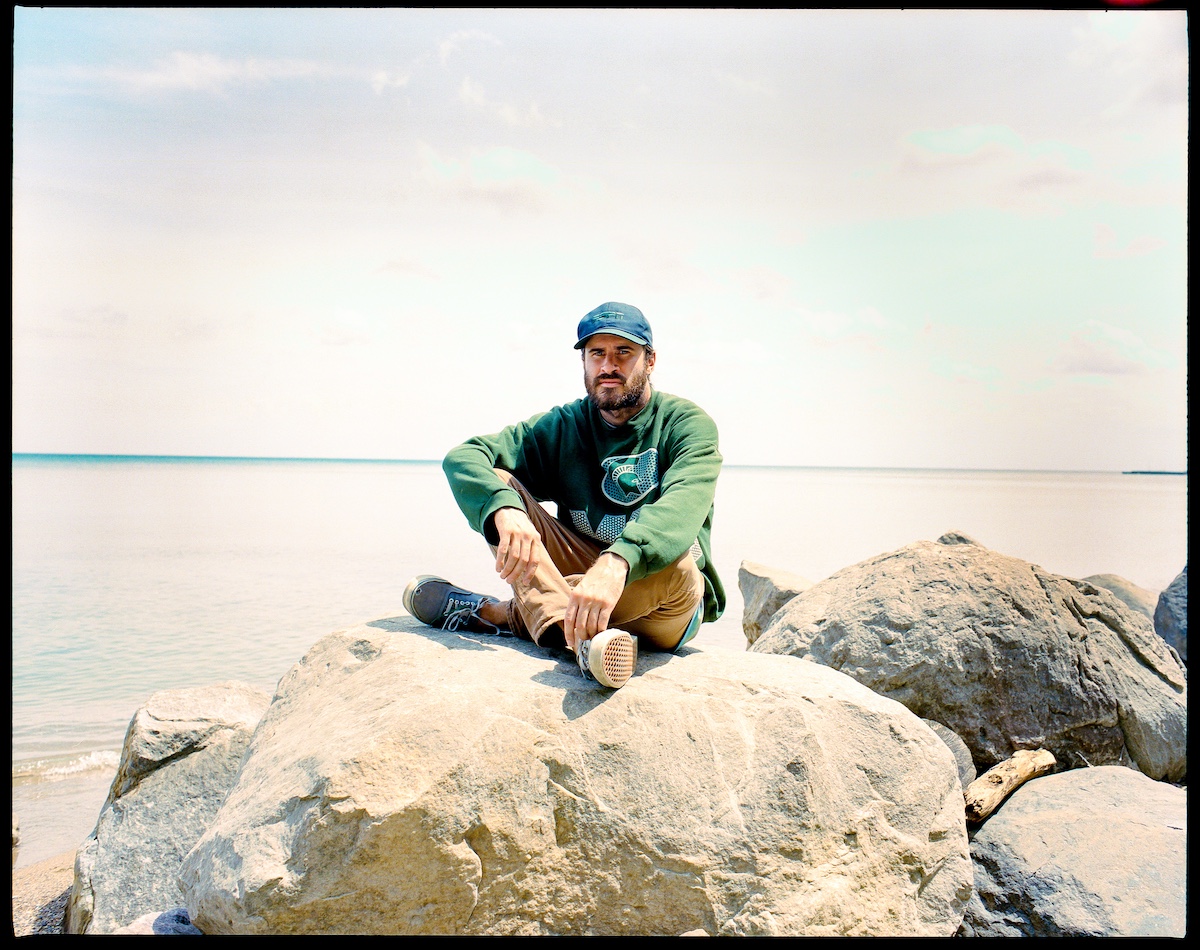
Written and produced entirely by Petey himself, “Kiss The City” carries a looseness that feels central to its charm.
After making The Yips with Chris Walla in a more collaborative, deadline-driven setting, Petey says working alone again feels “looser” and “really fun and light,” like the songs are never quite finished until he decides to let them go. You can hear that freedom in the track’s headlong momentum: Wiry guitars, a pulsing melodic glow, and a vocal performance that feels caught between a sigh, a smirk, and a full-body confession.
A crime, a thought, a thought police
My life is not what I had dreamed
I want to feel the fire with my hands
Everybody gets better
if they live off of the land
By the final stretch, the escape fantasy has started eating itself. “If I never need money then I never need friends,” he sings, before the song snaps back to its real thesis: “Every time I run away I come running right back to it.” For all its visions of land, distance, quiet, and self-sufficiency, “Kiss The City” is ultimately less about escape than attachment – to people, to patterns, to places that disappoint us and still somehow keep pulling us home.
The wire is the song’s final tell. The narrator imagines freedom as a life without money or friends, then admits connection is the one part of the fantasy that won’t cooperate. It breaks rather than bends, leaving the narrator with nowhere to go but back. Running away may change the scenery; it cannot erase the need to belong somewhere.
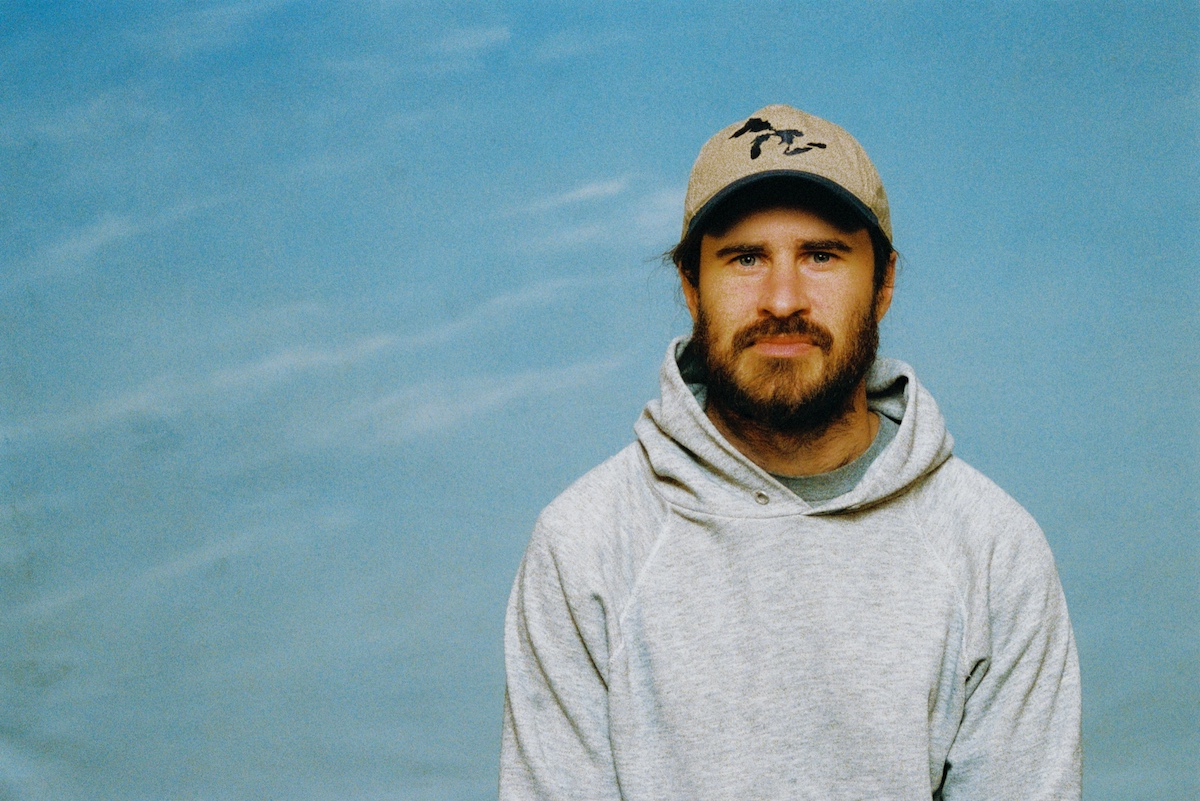
Light but aching, churning yet oddly sweet, “Kiss The City” is Petey USA in a refreshingly hypnotic mode: Spirited, self-aware, and quietly devastating beneath its indie pop shimmer.
It doesn’t try to solve the city, the country, the money, the mistake, or the stubborn human need to believe somewhere else might finally make us feel better. Instead, Petey kisses the city, gets rejected, runs away, comes back, and turns the whole ridiculous cycle into a song that feels as funny, tender, and bruised as trying to live anywhere at all.
In conversation, Petey moves the way his songs do: One thought opens into another until practical frustration, absurd humor, and a genuine existential question are all sharing the same sentence. Ask him about leaving the city and he lands in a Los Angeles hospital parking lot, imagines dying almost immediately off the land, then starts mapping a quieter life in Missoula or Chattanooga. Ask him about making “the other mistake” and he winds up recommending priesthood to depressed people: “What if you just did that? Would be so insane and might be actually awesome. Psychedelic.”
That restless, sideways intelligence stays in motion as Petey USA opens up about his latest songs, the razor’s edge between acceptance and staying stuck, and the looser creative freedom guiding whatever comes next. Read our interview below, and if the city won’t kiss you back, make the other mistake – move to Chattanooga or become a priest.
And if I never need money
then I never need friends
We’re connected by a wire
that breaks, not bends
‘Cause I tried to quit the city
but it wouldn’t let me quit
Every time I run away
I come running right back to it
— —
Stream: “Kiss the City” – Petey USA
A CONVERSATION WITH PETEY USA

Atwood Magazine: Petey, hello and thank you again for your time! When we last spoke around The Yips, you talked about records as snapshots – these weird, permanent misrepresentations of who you were at one moment. Coming off that album, what did “Kiss The City” and “Like A Mantra” allow you to say about where you are now?
Petey USA: Hello thank you for having me again. Kiss the city and Like a Mantra both feel like they are not really about me right now, maybe a past version – I think whatever is going on with me right now is allowing me to really clearly make up stories about someone’s life that feel lived in and honest – probably because either I’ve experienced some version of it or aware of my capacity to experience something like it.
“Kiss The City” feels like it’s chasing escape, but also interrogating it. You’ve described the song as a fantasy of dropping everything to live off the land, only to realize freedom without people just turns into loneliness. Why do you think that fantasy is still so seductive, even when part of you already knows it won’t save you?
Petey USA: Well you have to really work on yourself before you can expect a major location or life switch up is gonna solve all your problems – I love the idea of making hard left turns and really shaking things up, but if you haven’t built a foundation to handle something like that I would say you’re likely to fall into the same patterns that were ailing you before whether your living in the city or living in the country – living off the land is a total fantasy ’cause obviously I would just die immediately; I don’t have the skills to do that, most people don’t – that’s why there’s reality TV shows about it. That’s just where my mind goes when I get frustrated ‘cause I can’t find a PCP in Los Angeles and even when I find one I have to go to an enormous hospital with the biggest parking lot you’ve ever seen and traverse 17 buildings and I’m 20 minutes late and panicking just to have my first physical in 9 years with a doctor who’s younger than me and talks to me for like 2 minutes.
I don’t know about the freedom without people turns into loneliness part – maybe I wrote that about whoever I was writing about, or I was in a rush – I’m really not sure. I really like being by myself and I really like being with my wife and I think it would be really cool to live out in the country somewhere beautiful and obviously have a really nice group of friends. It’s so funny – maybe this is what I was writing about…sometimes when you talk to people in a big city about dreams of moving away to someplace smaller and quieter, they’re like whoa that’s radical, that’s crazy! And I’m like…I’m not talking about moving to a yurt in the middle of the desert – I’m literally just talking about moving to Missoula or Chattanooga or some other 200k person city with plenty of restaurants and bars and easy access to epic mountains and rivers and people.
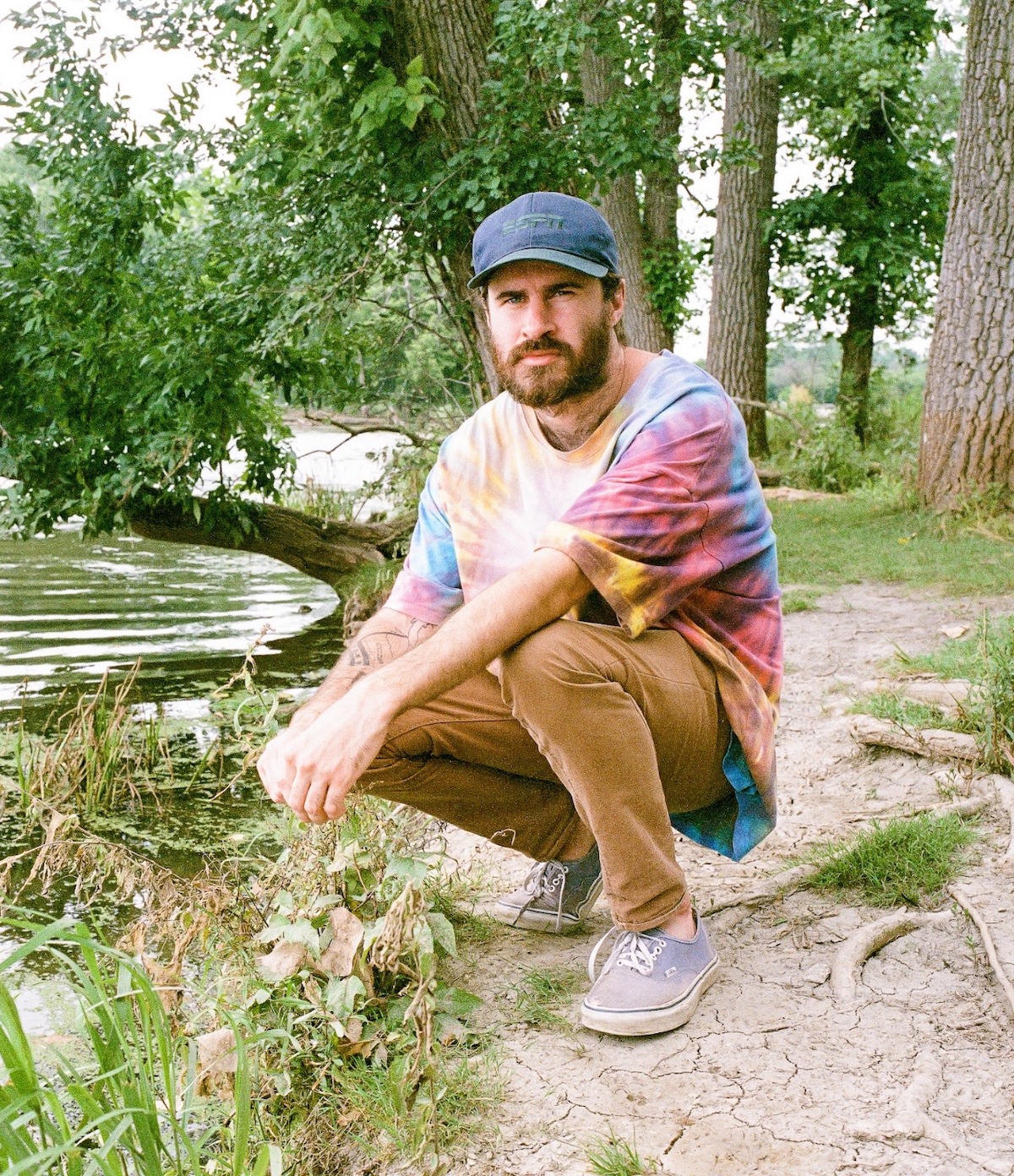
There’s a line in “Kiss The City” that really stuck with me: “The same mistake I always make / I need to make the other mistake.” How do you think about the difference between real change and just finding a new way to run from the same feeling?
Petey USA: The head of growth at my wife’s company says this a lot in their meetings apparently and I heard this and I totally fell in love with it. It reminded me of the I will do the opposite Seinfeld episode. If you are bummed out doing the same thing over and over again you have to try something else, plain and simple, you just gotta, even if it feels like a mistake because what you are doing right now is clearly a mistake ‘cause you’re so bummed out all the time. You have to make the other mistake, there is not other choice – well actually you could completely reframe your thinking about the mistake you’re currently making so it becomes not a mistake, but I feel like that’s harder.
More likely you just need to make the other mistake – if not just to have it be a worse mistake and reframe the mistake you are currently making as a non-mistake. I’ve been telling depressed people to become priests recently – like what if you just did that – would be so insane and might be actually awesome. Psychedelic. It doesn’t sound very hard and from what I understand you get a free house and maybe don’t have to pay taxes. And if you do it in a wealthy community, from what I understand people just hand you a bucket of tax-free cash when you retire. You don’t even have to believe in anything concretely, hopefully no one actually does.
The chorus keeps circling around this failed romance with place: “I tried to kiss the city, but the city wouldn’t kiss me back.” What does that kiss represent for you now?
Petey USA: I suppose the kiss is things simply working out – life working, in a place that was conceived to support and sustain life for millions of people. You’re conditioned to work for it so it works for you, but than you work for it and it actually just spits at you, so you leave the city and return to the land that was literally created by the universe to support and sustain life, and realize you can’t tell the difference between poisonous and edible plants so you have to go back to the city or ur gonna die in an abandoned bus in the middle of the woods without realizing you were only 3 miles from civilization the whole time.
Coming off The Yips, which wrestled with Midwestern suburbia, inherited ideas of stability, and the fear of getting stuck, “Kiss The City” seems to move that same restlessness into a new setting. Does this song feel like an extension of that world to you, or do you view it as something distinct – maybe even a fresh start?
Petey USA: Yeah definitely an extension, I feel like all my songs exist in the same world motivated by the same sorts of characters and feelings.
“Like A Mantra” feels like the other side of that impulse: The escape fantasy falls apart, and suddenly you’re looking at the comforts and insecurities that keep you where you are. What’s the story behind this song, and how did you find your way into it?
Petey USA: Yes exactly, The Mantra in this case is a bad thing – The Mantra ends up being whatever you tell yourself over and over again that prevents you from making the other mistake. It’s the thing that keeps you in a bad place. I have a lot of experience with this, I think most people do, so it was really easy to write about. The lyrics to this song pretty much came to me all at once when I was waking up – life is such a dream for me right now so I think I can write about these things really clearly without the fuzziness of confusion messing with my head.
You sing, “I am king of the weeds, I will become an invasive species,” which is such a funny, bleak, weirdly triumphant image. What does this refrain evoke for you?
Petey USA: I like “king of the weeds” because it’s like someone taking pride in their shitty circumstances but not in a good way. To me there’s such a razor’s edge between accepting things you can’t change and reframing your perspective around them in a positive way – and projecting fake positivity around a shitty situation that obviously needs changing – I’ve spent my whole life trying to figure this out and I think it’s one of the hardest things to figure out – the only solution may be to just keep living longer and figuring things out through experience, but at certain times you have to make the other mistake to realize what mistake you might be currently making, and if you make the other mistake and it turns out to be a way bigger mistake, you may realize that the original mistake was not a mistake at all, and you can reframe your perspective around a circumstance you can’t change.
Both of these songs were written and produced entirely by you, after making The Yips in such a collaborative way with Chris Walla. What changes when you’re back in a room on your own, building the whole thing yourself?
Petey USA: I loved working with Chris so much – that was such an epic experience, he’s the best. When you work with a producer, especially if he’s flying from far away to work on with your record with you, at some point that record has to be done – decisions have to be made based on peoples time and money available – deadlines have to be met and records have to be printed. That’s a great way to get things done, especially for me. That record basically just came out last year and I’m so glad I did it that way.
Now I’m doing another one and I wanna do it differently – when I’m doing things on my own I don’t really have hard deadlines and I don’t spend much money – it’s nice to do it this way too, it feels looser and like every song/the album is never quite finished – really fun and light feeling – I really like it so far. I’m not really sure even what it is but I’m just doing it and not thinking too hard about it. I’m also getting my producer chops up in a huge way which is fun, I haven’t gotten better at music in a while, so it feels good to see progress, each song sounds better than the next which is funny, sometimes I wanna go back and change things on songs that are already out because I learned a new trick but then I’m forced to get all Buddhist about it and not care which is a good practice.
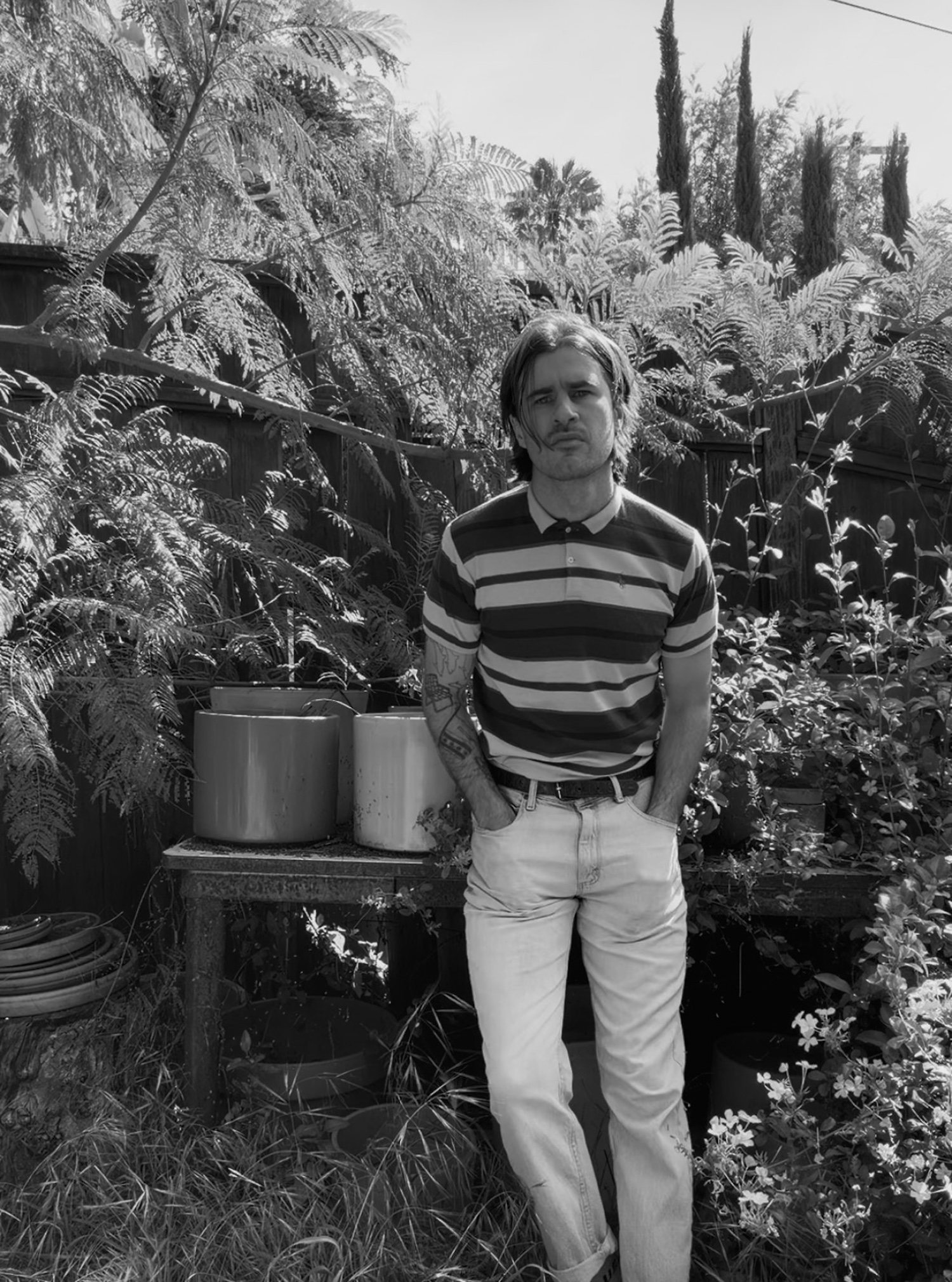
What do you hope listeners take away from your new songs, and what have you taken away from creating them and now putting them out?
Petey USA: I just hope they like them!
In the spirit of paying it forward, who are you listening to these days that you’d recommend to our readers?
Petey USA: Audrey Hobert is my jam – not really paying anything forward ‘cause she’s huge, but that’s the best stuff to me right now.
— —
:: stream/purchase Kiss the City here ::
:: connect with Petey USA here ::
— —
Stream: “Kiss the City” – Petey USA
— — — —
Connect to Petey USA on
Facebook, TikTok, Instagram
Discover new music on Atwood Magazine
© courtesy of the artist
 © courtesy of the artist
:: Today’s Song(s) ::
follow our daily playlist on Spotify
:: Stream Petey USA ::