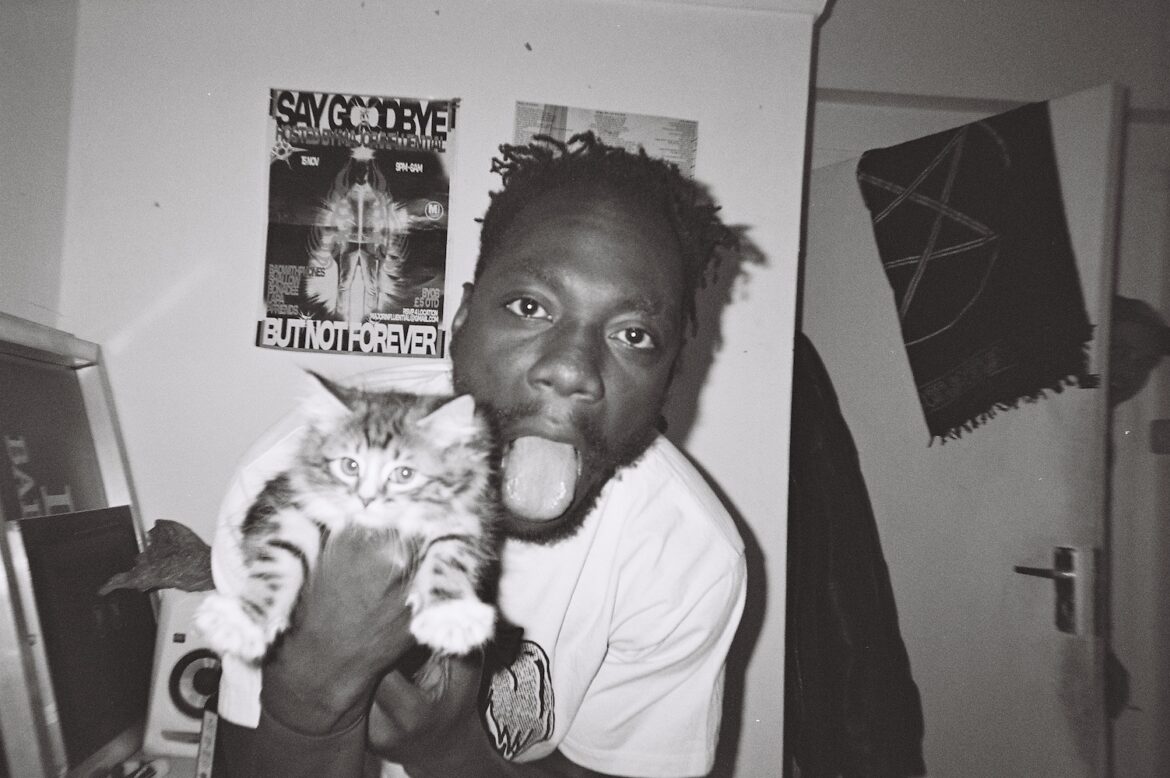
South London-based artist Bad With Phones transforms devastating loss into motion on “Human,” an aching, propulsive celebration of life that carries grief, memory, and hard-won liberation.
Stream: “Human” – Bad With Phones
Grief changes the terms of being alive.
It splits time into a before and after, leaving absence threaded through the routines, relationships, and pleasures that once seemed ordinary. The world keeps moving anyway, and eventually that motion becomes its own question: How do you keep living when life has shown you how quickly it can disappear?
Intimate, aching, and defiantly alive, Bad With Phones’ “Human” answers loss with motion, carrying a story of birth, death, and survival over a buoyant, propulsive pulse that keeps pressing forward. Mourning and celebration share the same bloodstream here, each sharpening the other. By the end, survival itself sounds like liberation.

Walking down the street minding
My own finding my tone when I speak to you
I tell you what bet you’ve been through a-lot
seen the same things I think I’ve seen you before
I tell you what its not what I thought
Been a lot of places it was just next door
(It was just next door)
It wasn’t planned I had her
on her back now she’s telling me
I’m what she’s looking for
Atwood Magazine is proud to be premiering “Human,” the emotionally charged, high-energy new single and video from Bad With Phones. Out everywhere August 21, the song arrives ahead of the Deptford-born, South London-based artist’s forthcoming five-track EP, The man who eats metal meat, due September 25, and follows last month’s lead single “King Yoga.”
Bad With Phones is the ever-evolving musical identity of bassist and producer Manny T Deroy, an artist whose refusal to stay put has become one of his defining traits. Raised by Togolese parents in a gospel-filled household – his father was a preacher, his older brothers played in the church band – Deroy eventually found his way into his brothers’ record collections and toward Wu-Tang Clan, The Notorious B.I.G., TLC, and a wider musical universe. The freedom of those discoveries still echoes through a catalog that moves restlessly between R&B, rap, post-punk, pop, and wherever else his instincts lead him.
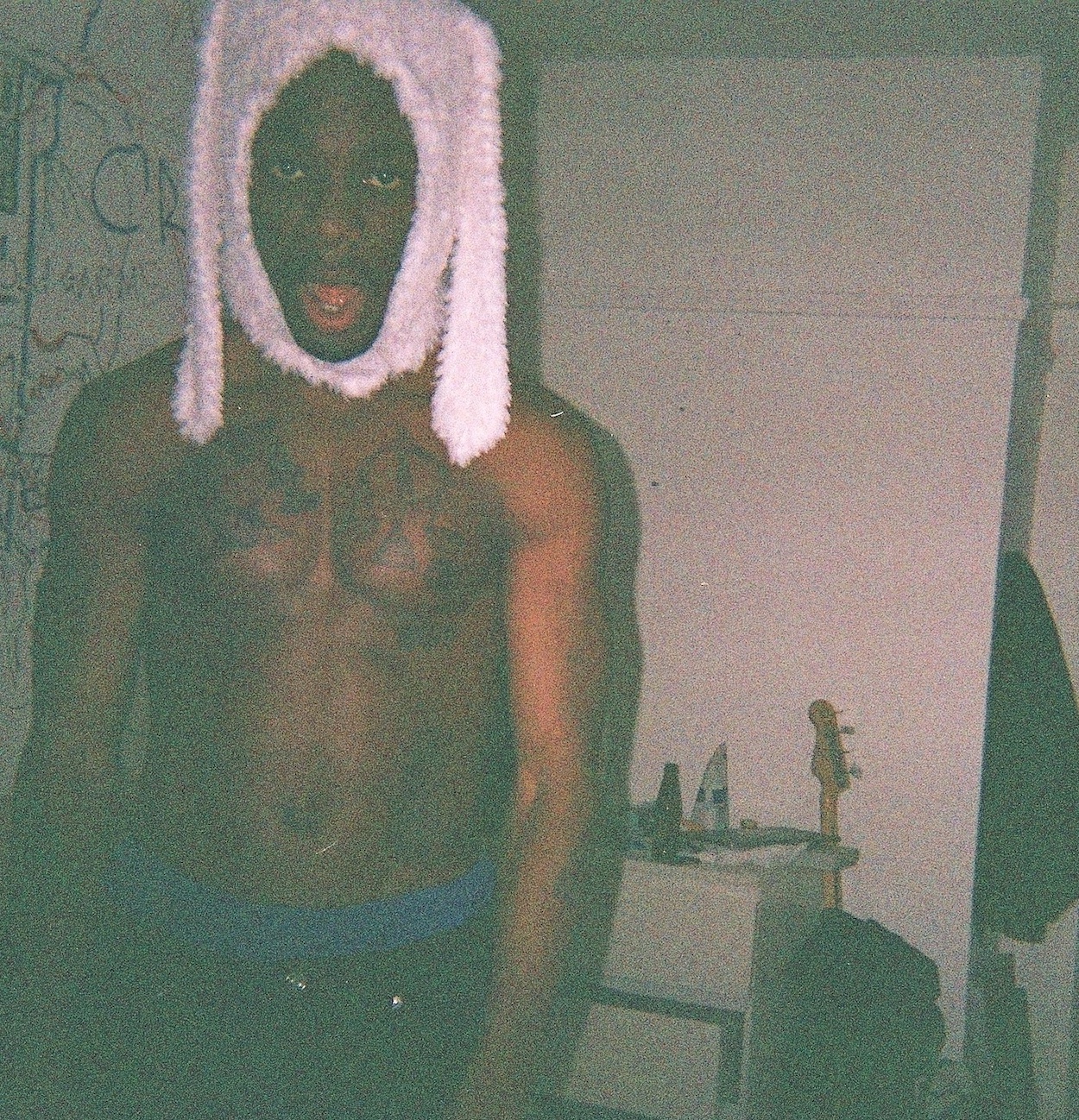
Even his name began as an experiment in living differently. Deroy spent six months without carrying a phone, testing his own dependence on a device that had become nearly impossible to escape; Bad With Phones emerged from that period and grew into an artistic philosophy centered on attention, self-knowledge, and following the voice within. After 2024’s CRASH, he has reemerged with another shift in character: The man who eats metal meat, an alter ego and musical world built around perseverance after personal and creative setbacks. The wig of the CRASH era has literally been retired to a mannequin at home; this new figure arrives in a shirt, tie, boots, suit, and grills, ready for another voyage.
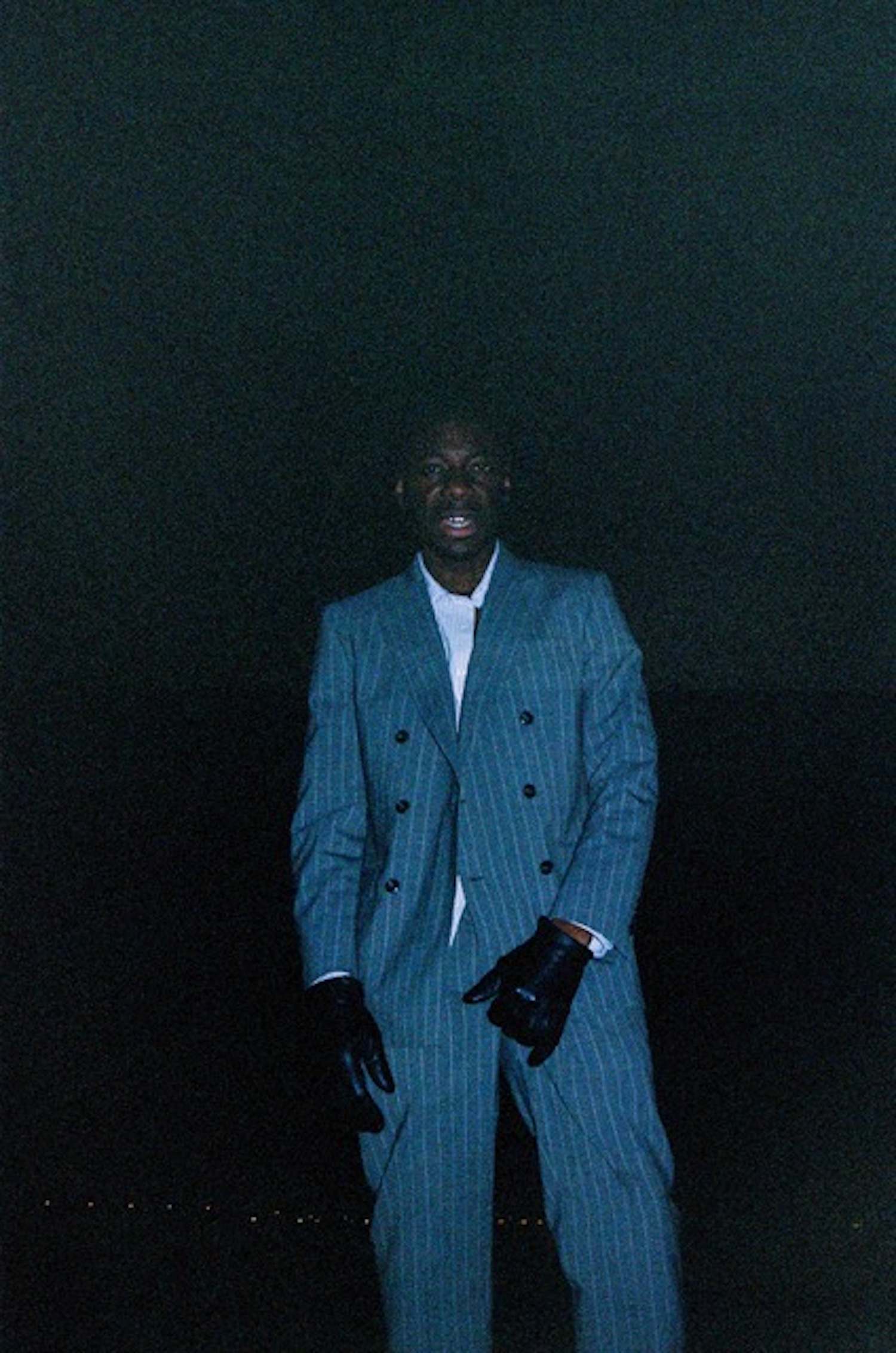
“Human” gives that mythology flesh and blood.
Its restless energy carries a story drawn from one of the most painful experiences of Deroy’s life, and the distance between what happened and the music he made from it is precisely where the song derives its force.
“I wrote ‘Human’ for my son who passed away days after he was born,” Deroy tells Atwood Magazine. “The whole thing felt like an out-of-body experience. ‘Human’ is about birth and death, respecting the way life plays out. I could rationalize that maybe the kid got all they needed from the planet; maybe they thought they didn’t need to experience any more. We all go through things in life; no one’s exempt from a heart break.”
He continues, “I’m glad I was able to express my experience, and I genuinely hope it is a help to anyone who’s experienced something similar. I believe if you have life, you should celebrate it – and ultimately, the song is a celebration of life. It’s my anthem to liberation of all kinds.”
The song’s greatest emotional strength is the way Deroy writes the memory forward, preserving the ordinary details and sudden exhilaration that came before loss. “Human” begins almost casually: A walk down the street, an unexpected connection, a relationship taking shape. Then comes a phone call delivered with almost comic plainness – “A few months on I get a call I’m on the loo / Ring hello hey what’s new / She says we’re having a baby now” – and suddenly an entire future has entered the room.
I few months on I get a call I’m on the loo
(Ring hello hey whats new)
She says were having a baby now
Spoke to the lads they said it wasn’t peak
It’s what your mean to do
it’s what your meant to be
(It what your meant to be)
She gets kicked out her parents ain’t having it
Young black and gifted
but they don’t know the half of it
That conversational language matters. Deroy leaves the messiness of memory intact, allowing humor, disbelief, anxiety, sex, love, and responsibility to sit beside one another without being polished into a cleaner story. His life changes before he has time to narrate the change: His partner is kicked out by her parents, the couple moves in together, and impending parenthood becomes a crash course in growing up.
One line cuts especially deep: “Young black and gifted but they don’t know the half of it.” The lyric widens the song beyond autobiography, placing Deroy’s experience inside a larger tension between the identities imposed upon us and the interior lives no outsider can fully see.
“Those specific lines are about knowing who you are vs being told who you are,” Deroy tells Atwood Magazine. “A tree isn’t just a tree it has so many other functions that we don’t witness with our eyes and so it is true for people there are deeper metaphysical aspects within the community. I’m saying that there’s a-lot more to being black and if you know you know and if you don’t it’s okay too, we live in an age where information is fully accessible.”
By the time the birth arrives, “Human” is racing on pure adrenaline.
“Nine months in her waters just broke,” Deroy recalls before the scene rushes into his bedroom for a home birth. Then comes the line that changes the temperature of everything around it: “It’s the best day of my life.” He pops a Percocet, does a little dance, thinks he might fly. Knowing what followed only makes that joy more precious. Deroy lets the memory remain joyful on its own terms.
Walking down the street minding
My own finding my tone when I speak to you
I tell you what bet you’ve been through a lot
seen the same things I think I’ve seen you before
The music honors that choice. Brooding emotion rides against an elastic, bustling groove, and the song keeps bouncing where its subject matter could easily collapse under its own weight. That friction is the point: “Human” gives grief a body that can still move. Its dancefloor energy doesn’t erase sorrow; it gives sorrow somewhere to go.
Deroy was young when he lived through the loss, and the perspective he brings to it now is strikingly unsentimental. “I don’t really know,” he says when asked how he reached celebration from such pain. “I was young, I had good people around me. I knew it could either make me or break me. I was pretty adamant that it wasn’t going to ruin the rest of my experience. It’s a challenging thing to go through and even now I still have sore spots around the idea, but it’s okay.”
That determination runs straight into the larger language of The man who eats metal meat. For Deroy, liberation is neither escape nor forgetting. It is transformation – the ability to decide what an experience becomes once it belongs to you.
“Liberation to me in the contents of the project is really about alchemy,” he explains. “It’s being able to turn experience into power or whatever you need it for.”
“Human” is that alchemy in action: A devastating memory carried into the present without surrendering the joy that once lived inside it. The loss remains real. So does the love. And somewhere between the two, Bad With Phones keeps dancing.
If the recording keeps pushing forward, its music video holds Deroy in place.
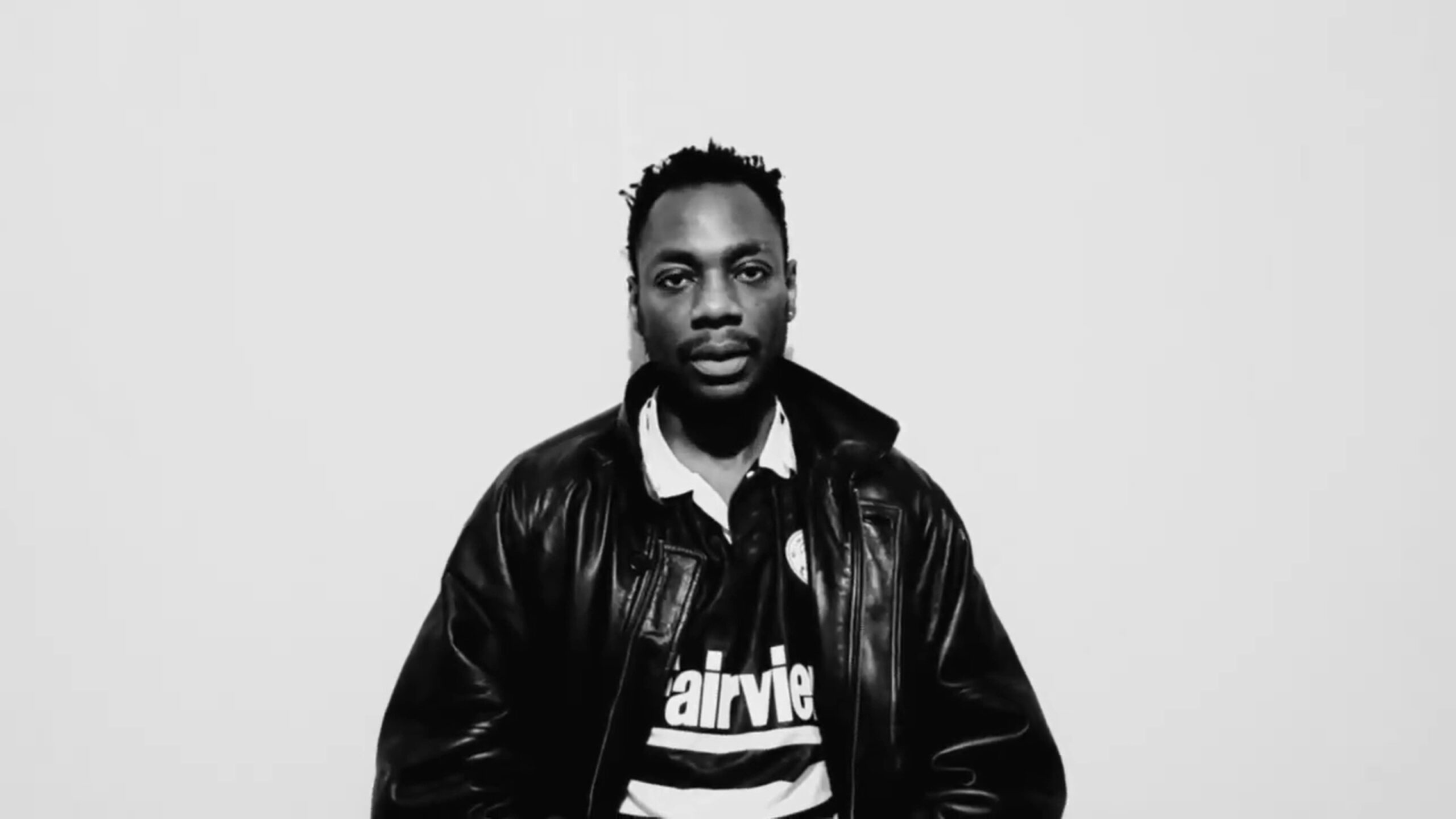
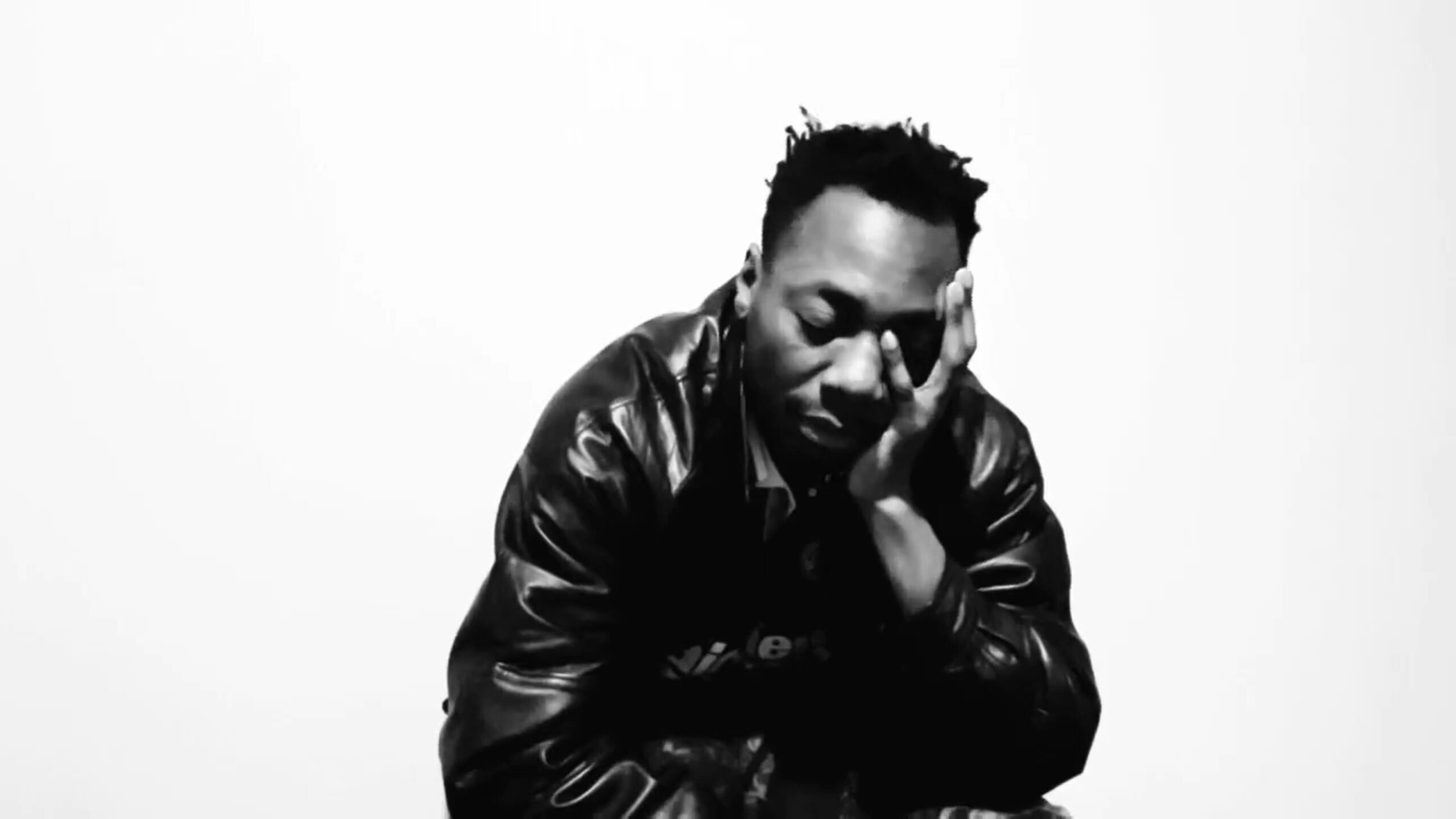
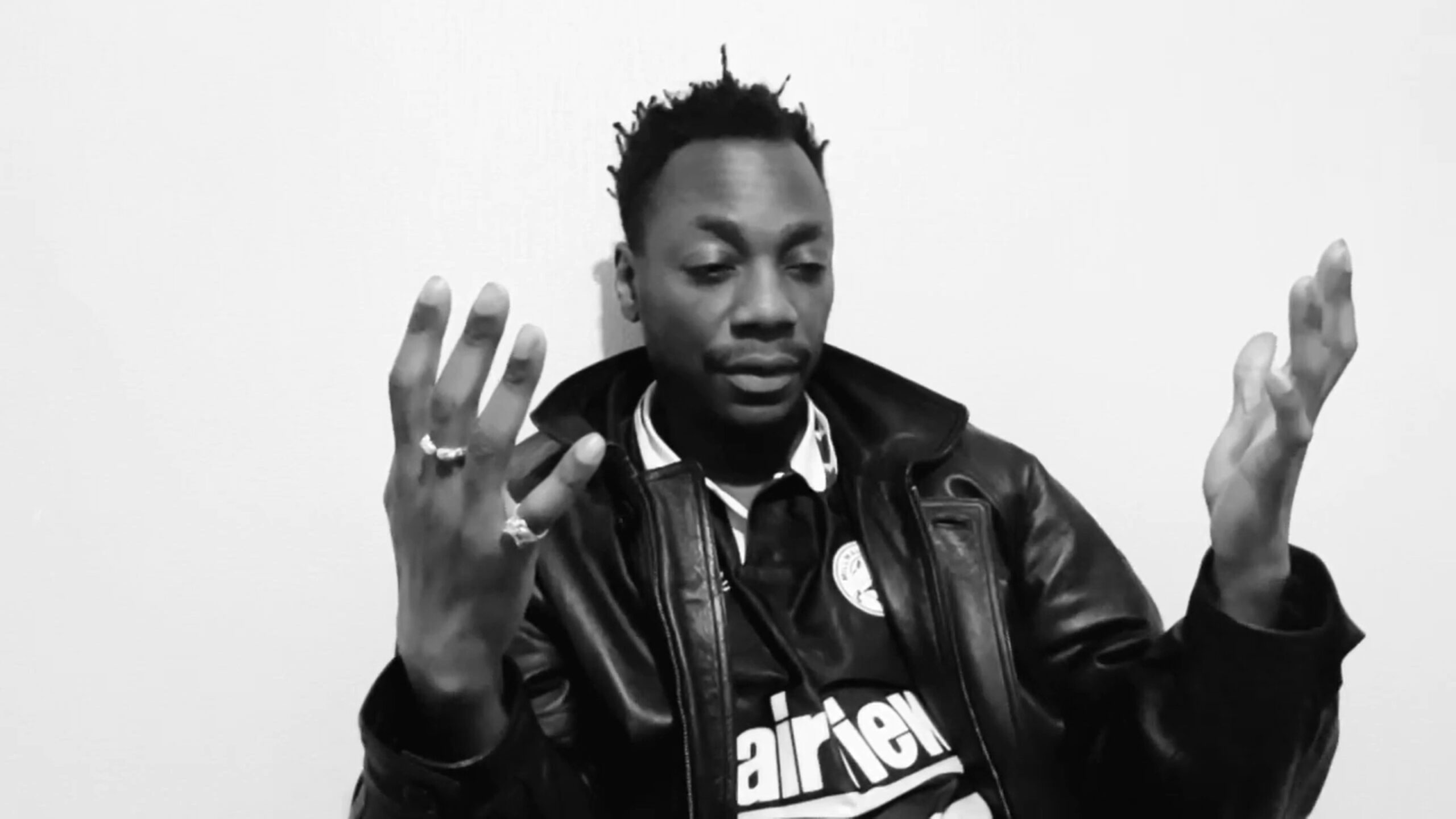
With visuals by Oluwarotimi, “Human” unfolds in stark black and white, reducing the frame to one person alone with the weight of what he is singing. Deroy slumps into his hand, looks straight down the lens, throws his arms open, and lets each expression register without distraction. There is nowhere to hide behind spectacle or narrative distance. The camera stays close, and the performance becomes strikingly unvarnished – a man sitting with memory in real time and allowing us to sit there with him.
The sparseness gives “Human” another kind of force. Its propulsive rhythm can carry the body away, but the visual keeps returning us to the person at the center of it: his face, his gestures, the pauses between them. Deroy described the intention with equal directness in his conversation with Atwood.
“I wanted it to be bold. I want it to show the emotions that I felt at that moment. Being vulnerable isn’t a weakness.”
That willingness to stand exposed before the camera also makes “Human” a fitting entry point into the wider world of The man who eats metal meat. The forthcoming EP expands Bad With Phones into a more fantastical realm, but its central impulse is grounded in survival – giving Deroy a new vessel through which to process this chapter of his life. For him, the character at its center carries a deeply personal significance.
“The man who eats metal meat ep is an alter ego, an embodiment of a version of myself that’s a reminder of my resilience, determination to triumph and bounce back no matter what. The new character rides spaceships and has a crew of other travellers who travel through worlds and observe realities they blend in with the times and sometimes they don’t. In this version of reality there’s not so much blending in.”
There is a wonderful tension between that cosmic mythology and the exposed reality of “Human.” Spaceships, alter egos, and imagined worlds may surround this chapter of Bad With Phones, but here Deroy’s most compelling material comes directly from his own life. The character embodies resilience; “Human” shows us what that resilience has cost, and why it matters.
What makes the song resonate so deeply is Deroy’s refusal to flatten that memory into tragedy.
Beneath its bounce is an unexpected pregnancy, a home birth, the best day of his life, and the devastating loss that followed. He preserves the happiness alongside the pain and lets both remain true. “Human” leaves grief unresolved and gives it rhythm – carrying the past forward without asking Deroy to surrender the love, joy, or person he was before everything changed.
Watch the video for Bad With Phones’ “Human” exclusively on Atwood Magazine, and dive into our conversation with Manny T Deroy below as he opens up about the song’s deeply personal origins, the universe of The man who eats metal meat, liberation through alchemy, and the ever-evolving life behind Bad With Phones.
Loss may redraw the terms of a life. With “Human,” Deroy chooses to keep living inside them – and to celebrate being here while he can.
She moves into the crib where hibernation pigs
Learning new things I feel like I’m doing it
9 months in her water’s just broke
it’s time to lay the egg
it looks like she’s giving birth
We’re doing it at home matter of fact
It’s happening in my room
It’s the best day of my life
I pop a Percocet
I do a little dance
I think I’m going fly
— —
:: stream/purchase Human here ::
:: connect with Bad With Phones here ::
— —
Stream: “Human” – Bad With Phones
A CONVERSATION WITH BAD WITH PHONES

Atwood Magazine: Manny, hello and thank you for your time! For those who are just discovering Bad With Phones today, what do you want them to know about you and your music?
Bad With Phones (Manny T Deroy): I want them to know that it’s okay to be bad with phones. I want to remind them life is for evolution purposes. If you ain’t growing you’re sinking. I want them to know that we are made in God’s image and God is within each and every one of us. I want people to know that they can achieve whatever they put their mind too. I want them to know that life is a vigorous adventure, so get in shape and pull up your pants. I want them now if you don’t try, you’d never know. I want them to know that they are beautiful sexy, fabulous, irresistible. I want them to know that they are seen, they are needed, they are valuable.
With us being a few years into your career, can you recommend a couple deeper cuts or personal highlights from the Bad With Phones catalog for Atwood’s crate-digging audience to sink their teeth into?
Bad With Phones: Marinade. Check out my first album Marinade. I still play that loud! Smash hits like “Needles,” “ON1,” and “Refrigerator.” Also check out “Don’t Talk To Me,” “InAWeek,” and “Emmanuelle.”
Who are some of your musical north stars, and what are you most excited about the music you’re making now?
Bad With Phones: There’s so many influences that inspire me from different eras and disciplines from Prince to Dennis Rodman, The Weeknd, Giggs, Thunder-Cat, Sly and Family Stone, David Bowie, Basquiat and Little Dragon, 50 Cent.
I like all of music, but what really intrigues me is the journey and the process of letting go. Finding the motive in the journey to continue to pursue creative endeavours even when its hard is an extremely nebulous career path to stay on and sustain over a stretch of time. It keeps me on my toes.
The man who eats metal meat is a concept of identity I couldn’t get out of my mind. It symbolises perseverance after heaps of setbacks and struggle both in my personal life and whilst working with music. The project represents being triumphant when things haven’t been going your way for a while.
The name Bad With Phones comes from a six-month stretch where you stopped carrying a phone to see whether you could live in the 21st century without one. How did that experiment shape the artist you became? (And did it work? Is there hope for humanity?)
Bad With Phones: I will say the experiment was successful because it allowed me to find my artist name which I’m always in awe of. I’m the person that God chose to carry the flag of awareness – in a time where phones are the norm and where we are all experimenting with more and more technology in our day to day lives. I can honestly say that although there are many pros and it has added extra convenience to our lives on a global scale, it also has its setbacks. Time alone is valuable, introspection is valuable, listening to the voice within is valuable, silence from outside noise is valuable, nature is valuable. Now I can honestly say that there are perks to being bad with phones. There is plenty of hope for humanity, maybe not all of us, but I truly believe those who seek it out amidst all this confusion in the world can find it.
It’s been two years since CRASH. What’s your relationship with that album today?
Bad With Phones: Wow it hasn’t been that long. I haven’t listened to it since it dropped. I went back into the studio to get to work on this new quest. I love CRASH. It is dear to my heart and the process of getting there made a real impact on my life. The first thing that comes to mind was the car crash myself and my partner survived. It feels surreal like a distant dream. There’s a bunch of songs that I’m so pleased that I got to share with the world and was able to get out of my head and into a recording. I followed my heart and did exactly what I wanted to do and that’s what matters the most.
How do you feel The man who eats metal meat reintroduces you and captures your artistry, especially compared to your past releases?
Bad With Phones: Visually we are pretty much two different characters. I’ve parked the wig, it’s on a glass mannequin at home.
Our new guy is a little more dressed up – shirt, tie, boots, suit and top set grills. He’s a little more underground.
I think CRASH was experimental, but then all my music is experimental. I take each concept as they come and build the musical world around it.
You’ve described The man who eats metal meat as an alter ego – “a reminder of my resilience, determination to triumph and bounce back no matter what.” What does that character mean to you? Why do they matter?
Bad With Phones: It matters because it is a reflection of my resilience.
You debuted lead single “King Yoga” last month. Why did that song feel like the right first introduction to this project?
Bad With Phones: “King Yoga” felt like the right thing to do. You just know what’s right when you roll things out.
Today we’re premiering the video for “Human,” which has this wild duality: On the surface, it’s an energetic, propulsive club track, but underneath, it comes from an incredibly personal place. What’s the story behind this song?
Bad With Phones: Long story short, myself and my ex-girlfriend were expecting a child, we carried the child to term but then a few days after their birth they passed away. The song talks about the process without going into it in detail. It’s a celebration of life and death.
You’ve said “Human” is about birth and death, and ultimately about celebrating life. How did you find your way toward celebration inside such a painful experience?
Bad With Phones: I don’t really know. I was young, I had good people around me. I knew it could either make me or break me. I was pretty adamant that it wasn’t going to ruin the rest of my experience. It’s a challenging thing to go through and even now I still have sore spots around the idea, but it’s okay.
I’m struck by the lyric “Young black and gifted but they don’t know the half of it.” What were you trying to capture in that line?
Bad With Phones: Those specific lines are about knowing who you are vs being told who you are. A tree isn’t just a tree; it has so many other functions that we don’t witness with our eyes and so it is true for people there are deeper metaphysical aspects within the community.
I’m saying that there’s a-lot more to being black and if you know you know and if you don’t it’s okay too, we live in an age where information is fully accessible.
The video for “Human” is vivid, intimate, potentially unsettling, and truly full of its own energy. Just you the audience, locking eyes, together alone. What did you want this visual experience to bring to the song?
Bad With Phones: I wanted it to be bold. I want it to show the emotions that I felt at that moment. Being vulnerable isn’t a weakness.
You’ve called “Human” your “anthem to liberation of all kinds.” What does liberation mean to you in this song, and in the larger world of The man who eats metal meat?
Bad With Phones: Liberation to me in the contents of the project is really about alchemy: It’s being able to turn experience into power or whatever you need it for.
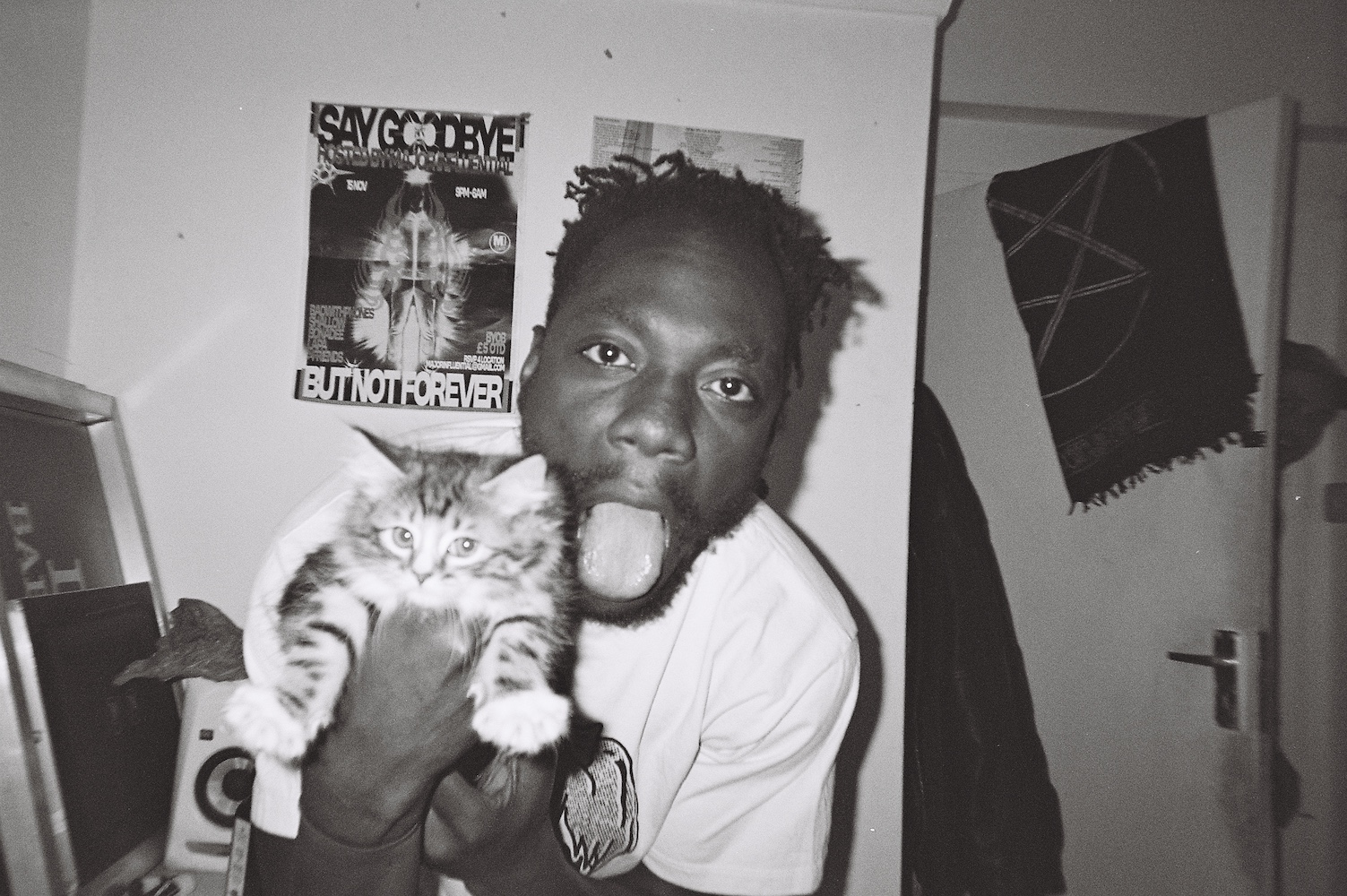
The EP has been described as a five-track voyage through spoken word, soulful alt-pop, cosmic atmospheres, and rebellious genre movement. What was your sonic and musical vision for this record?
Bad With Phones: I didn’t have a vision I had things I wanted to say, and the music came along. I had an intention to just be as authentic as I could be in this moment.
Love it or hate it there’s something we all admire about showing up as your authentic self.
What do you hope listeners take away from “Human” and The man who eats metal meat, and what have you taken away from creating this music and now putting it out?
Bad With Phones: Music has the power to evoke so much emotion I want people to be empowered.
In the spirit of paying it forward, who are you listening to these days that you’d recommend to our readers?
Bad With Phones: Check out The Jupitarians, they’re dope!
— —
:: stream/purchase Human here ::
:: connect with Bad With Phones here ::
— —
Stream: “Human” – Bad With Phones
— — — —
Connect to Bad With Phones on
Facebook, 𝕏, TikTok, Instagram
Discover new music on Atwood Magazine
© Ella King
 © Ella King
:: Stream Bad With Phones ::