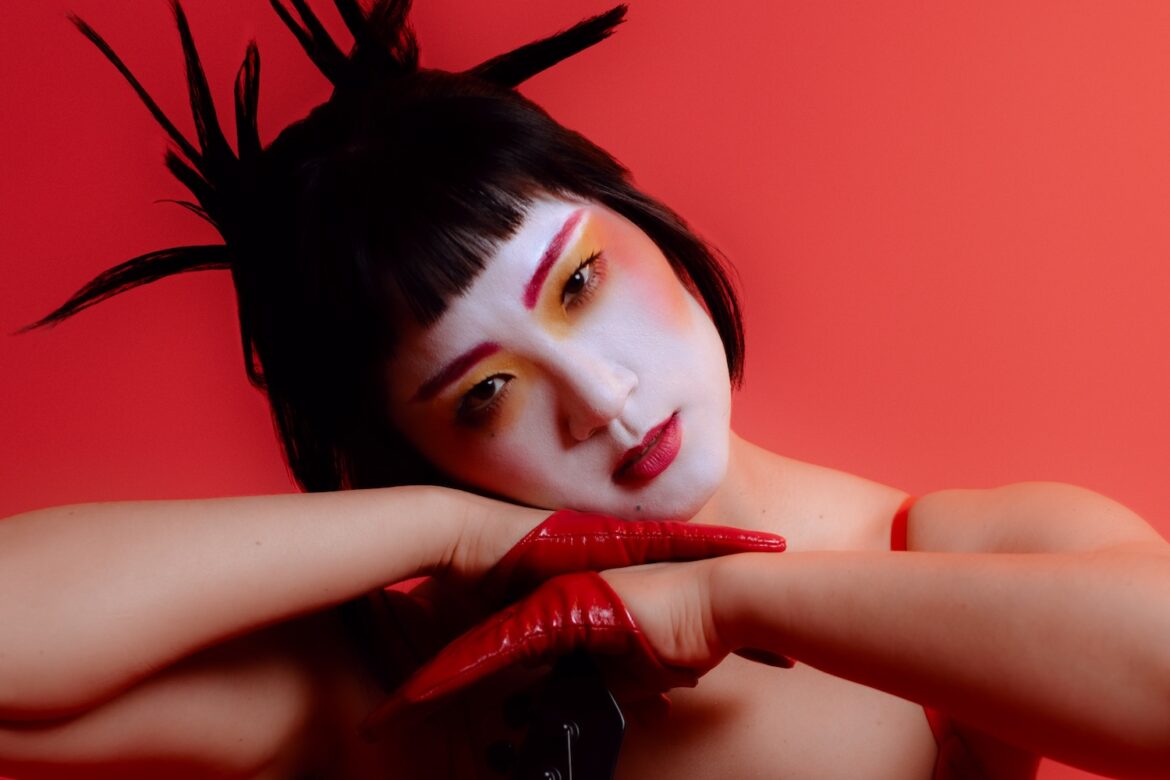
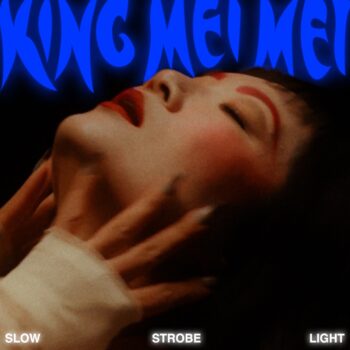
Charlene Kaye makes an explosive musical reintroduction as King Mei Mei with her cinematic, spellbinding debut single “Slow Strobe Light,” a feverish, smoldering alternative rock anthem that channels the heartbreak of walking away from love into a fierce, hard-won celebration of trusting yourself and growing at your own pace. Speaking with Atwood Magazine, Kaye opens up about crowning her younger self, reclaiming music on her own terms after viral comedy success, and the volcanic creative vision behind its breathtaking music video.
Stream: “Slow Strobe Light” – King Mei Mei
I want to love you but I won’t survive / Reaching for me through a slow strobe light…
* * *
Charlene Kaye was shredding guitars long before her comedy made her a viral sensation.
Now she’s reintroducing herself as King Mei Mei – and making one hell of an entrance with a love song about the person she had to leave behind. Her debut single, “Slow Strobe Light,” crashes headlong into that painful contradiction, a feverish, electrifying alternative rock anthem about loving someone deeply while knowing you aren’t ready to let them in. Fueled by explosive guitars and Kaye’s breathtaking voice, the song burns with longing and desperation, yet carries within its turmoil a fiercely empowering revelation: Learning to trust yourself, and the time you need to grow, can be its own profound act of love.
Every night the same dream
White house with black vaulted beams
Spiral staircase that leads
to nowhere
Volcanic cracks in the floors
My cat escapes through the door
Nothing here is secure, I know it
And my guilt takes shape
I cannot escape
I thrash around, try to wake
Then I see
Atwood Magazine is proud to be premiering “Slow Strobe Light,” the explosive debut single and accompanying music video from King Mei Mei. Officially arriving October 16, the song introduces a thrilling new chapter for the acclaimed singer/songwriter, guitarist, and comedian, whose self-titled debut album is slated for release in 2027. Four years in the making, King Mei Mei promises an audacious new musical universe rooted in Charlene Kaye’s irrepressible creativity, theatrical instincts, and fierce commitment to expressing herself on her own terms.
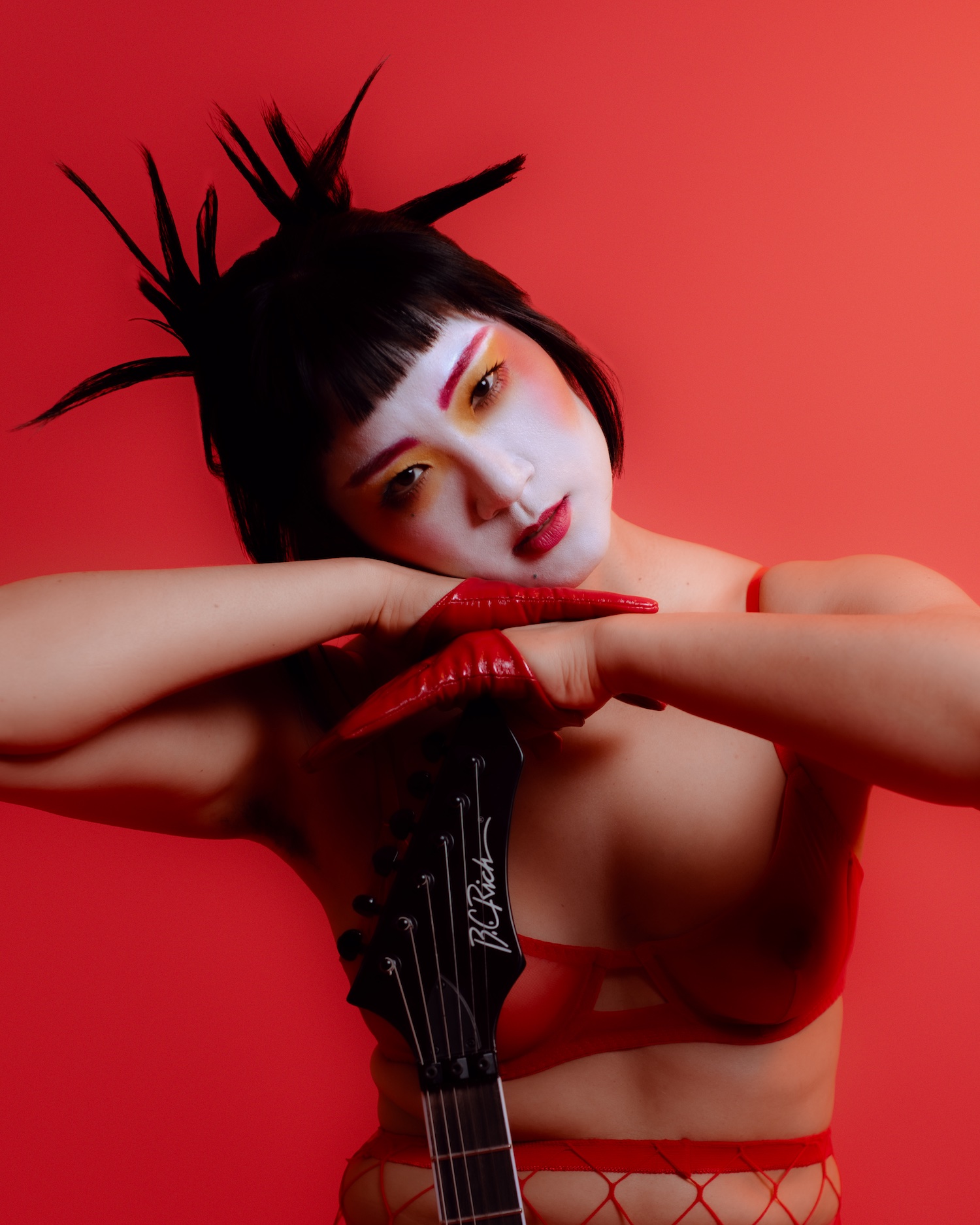
For Kaye, this new beginning has been a long time coming. A performer since 2009, she spent much of her twenties and thirties building a devoted following as a musician, releasing music under her own name and as KAYE while establishing herself as a formidable guitarist and songwriter. Then comedy took off. Her viral videos attracted hundreds of thousands of followers, and before long, she was becoming better known for her humor than her music. The growing distance between those two public identities inspired Kaye to create a new home for her songs – one with room for the flamboyance of glam rock, the freedom of drag, and the fullness of her Chinese heritage and queer identity.
Even the name King Mei Mei carries an intimate declaration of purpose. Beneath its regal swagger lies an affectionate tribute to the person who first dreamed of making art.
“The name King Mei Mei came to me really quickly,” Kaye tells Atwood Magazine. “Mei Mei means ‘little sister’ in Chinese. I love the idea of crowning my younger self, who guides every creative decision I make. And I love that the ‘King’ nods to my queerness and my love of genderbending, drag, and glam rock.”
The music makes good on that promise with extraordinary force. Yet the story behind King Mei Mei’s first release begins in a far more painful place, four years ago, when Kaye was confronting the consequences of a relationship she had ended out of fear. Written in the aftermath of that separation, “Slow Strobe Light” emerged from a period of profound emotional upheaval, when the desire to be loved collided with the terrifying prospect of losing herself.
“I wrote this song from rock bottom,” she explains. “I was lost and unwell. I had met someone who felt like a soul mate, and right as things felt serious, I crashed out and ran away like I ran away from every other person I got close with over the last several years. To my surprise, three years later, time brought us back together and now the song has a completely new meaning to me. It’s a lesson in trusting myself, trusting my pace, and trusting that the real is the right way, even though it might not feel like it at the time. I was so hard on myself – I was impatient to be ‘solved,’ to get my life back on track immediately, and hating my broken parts for being broken. But sometimes only time can do that work for you. Sometimes the only thing you can do is surrender, take it slow and be where you are. I am so grateful for this song for reminding me of that.”
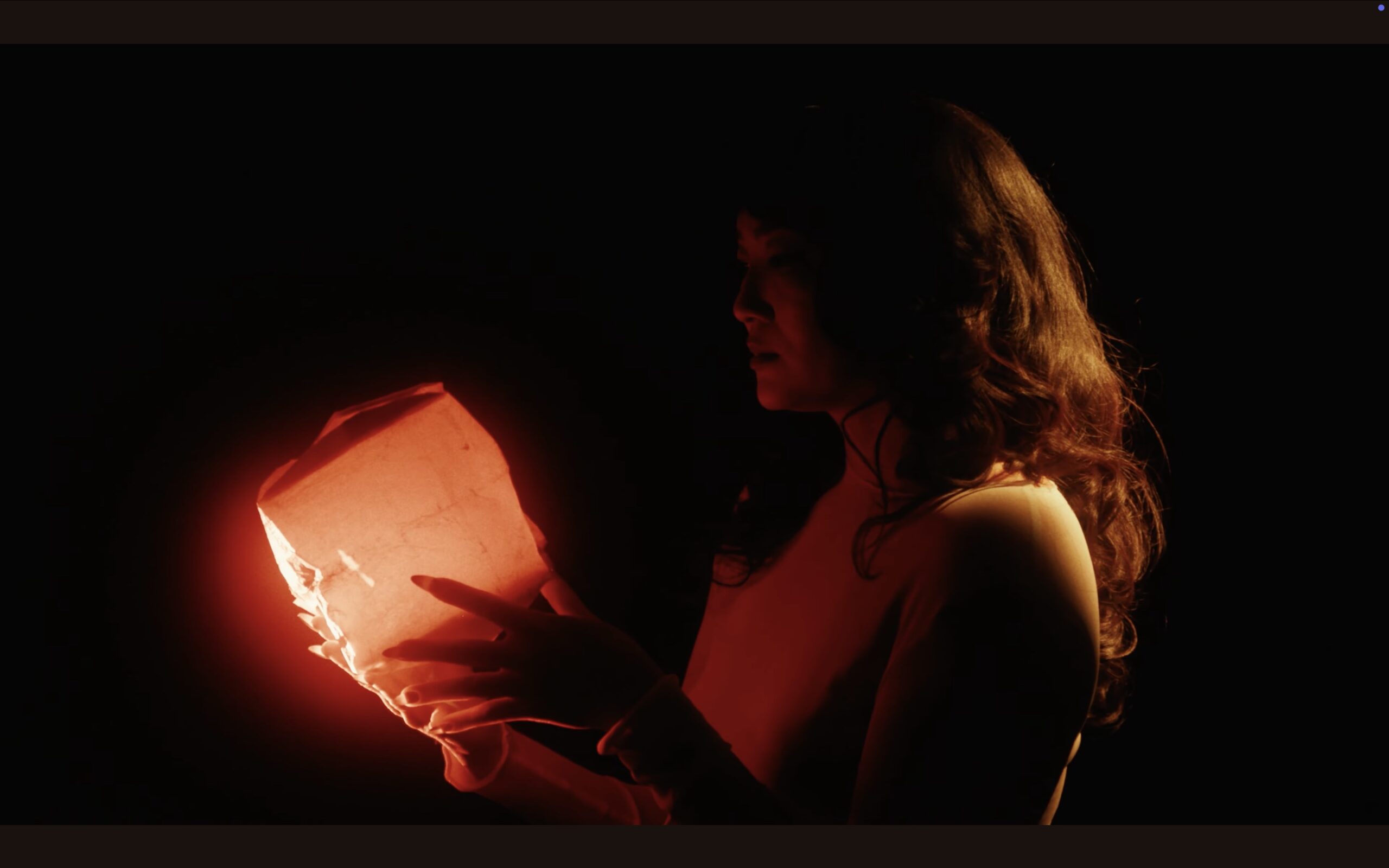
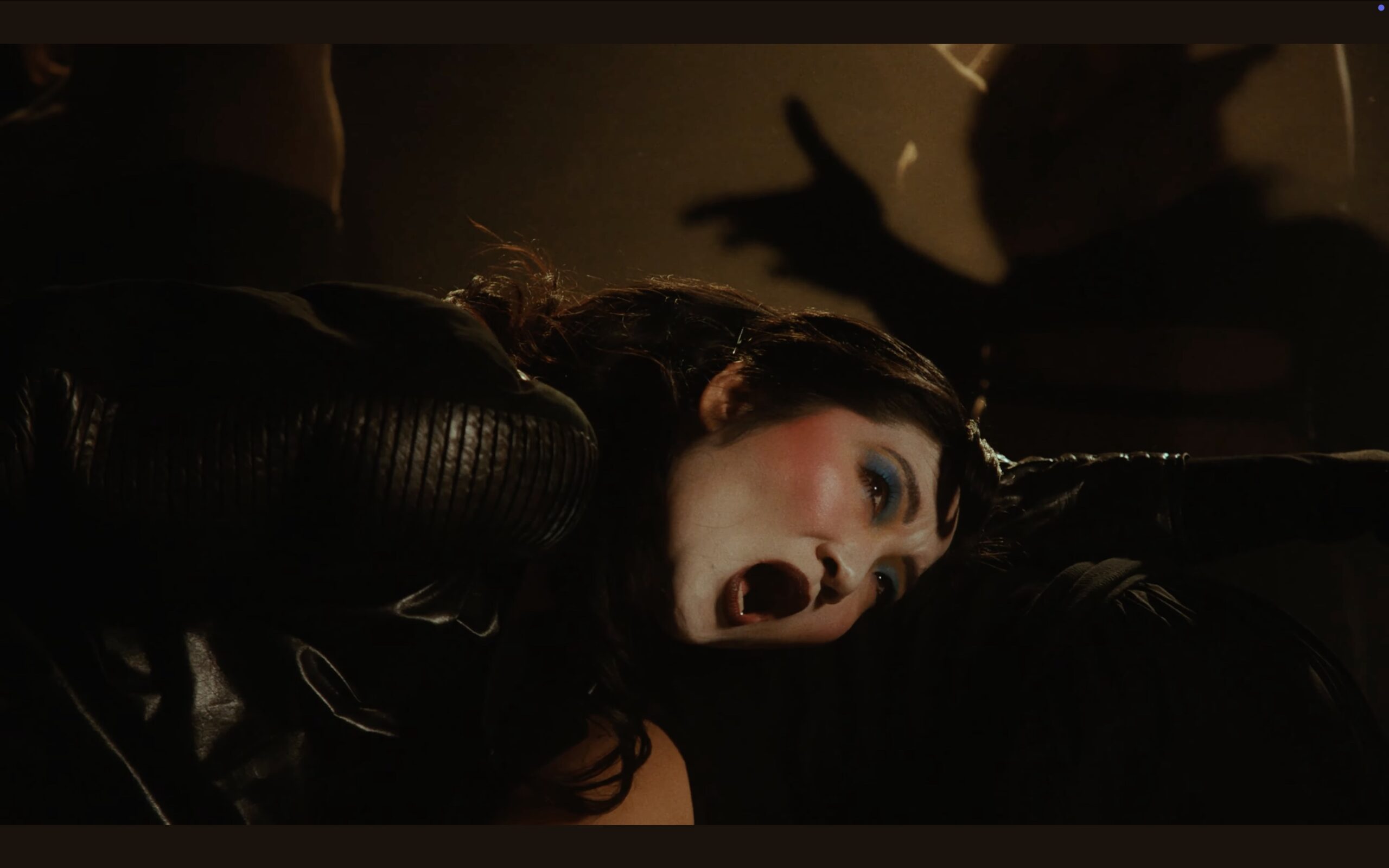
Surreal and combustible, “Slow Strobe Light” gives fear a physical shape, drawing us into a recurring nightmare where even the walls seem ready to give way.
Kaye opens inside a strange white house with black vaulted beams, a spiral staircase leading nowhere, and “volcanic cracks in the floors.” Her cat escapes through the door; guilt becomes an inescapable presence. The imagery is wonderfully unsettling, capturing the helplessness of watching everything familiar become unstable. And into this fractured dreamscape comes the person she longs for, approaching through the flickering light like a vision of salvation.
“You walking to me through a slow strobe light,” she sings, her words suspended between desire and dread. “The most delicious thing to meet my eyes / I want to love you but I won’t survive.” It’s an extraordinary chorus, sensual in its longing and devastating in its admission. The beloved’s arrival promises intimacy, but the prospect of letting him in threatens to overwhelm the fragile sense of self she’s struggling to preserve. Love becomes both the thing she wants most and the thing she cannot yet bear to accept.
You walking to me through a slow strobe light
The most delicious thing to meet my eyes
I want to love you but I won’t survive
Reaching for me through a slow strobe light
The second verse pushes that desperation further, imagining a world in which Kaye has finally been “solved,” her fear killed in cold blood. She digs toward her lover with a spoon, then follows the fearless Virgil across a frozen lake toward paradise, only to discover that the path itself seems haunted. The dream’s impossible geography reflects her frantic desire to find a shortcut through the difficult work of healing. She wants to reach the other side of her pain, to arrive fully formed and ready for love. Yet every imagined escape reveals another uncertainty waiting beneath the surface.
And in my dream, I’ve been solved
Killed my fear in cold blood
Dug with a spoon through a tunnel to you
Virgil, the unafraid
Takes me through the frozen lake
We climb the mountain to paradise
But the way seems wrong
Something here feels haunted
Then I see in the corner of my eye
Musically, Kaye gives this inner turmoil a ferocious life of its own.
Working with producer Lora-Faye Ashuvud (Arthur Moon), she builds a volatile alternative rock spectacle in which smoldering guitars, crashing drums, and atmospheric synths create a constant sense of mounting pressure. The arrangement surges with restless momentum, its layers swelling and colliding as though the song itself were fighting to contain the emotions spilling through it. There’s a tremendous sense of scale here, but also an intimacy that keeps the song grounded in Kaye’s personal experience.
And at the center of it all is Charlene Kaye’s utterly spellbinding voice. Her performance is breathtaking in its command of tension and release, moving from measured, tightly controlled passages into soaring, full-bodied eruptions of anguish and desire. She inhabits every syllable with conviction, allowing the desperation in her lyrics to rise alongside the music’s increasingly feverish intensity. There is tenderness beneath the force of her delivery, a yearning that survives even her most defiant moments. When the guitars swell around her and the drums come crashing down, Kaye rises to meet them, carrying the song forward with the sheer magnitude of her presence.
“For better or for worse, I feel everything extremely intensely and everything is an opera around me,” she says. “It needed to sound like life and death, some real core-of-the-earth shit. So the song sounds like it felt.”
Her words explain the extraordinary emotional scale of the recording, particularly its incendiary guitar solo, performed by her friend SuperKnova. The instrument seems to erupt from the accumulated pressure of everything that precedes it, unleashing a dizzying torrent of sound that channels the song’s frustration into exhilarating release. It’s a spectacular musical moment, capturing both the destructive potential of emotions left unchecked and the liberating rush of finally giving them room to breathe.
The bridge brings the song’s central conflict into especially sharp focus. “And then I run to you and say I’m ready for you now / I’ve fixed everything and I’m ready for you now,” Kaye declares, the repeated insistence carrying an almost frantic urgency. She wants to believe that she has conquered her fear, that she can will herself into readiness through the sheer force of wanting. But the chorus’s devastating admission returns, exposing the distance between the person she wishes she could be and the person she is still learning to become.
And then I run to you
and say I’m ready for you now
I’ve fixed everything
and I’m ready for you now
Let’s run away,
I’ve surrendered all my doubt
You are the one,
and I’m ready for you now
I want to love you
but I won’t survive
Reaching for me through a –
Years later, those words carry an entirely different significance. The relationship that inspired “Slow Strobe Light” eventually found its way back into Kaye’s life, and the time she spent apart from her partner allowed her to confront the wounds she once believed needed immediate repair.
“Now I listen to the song, and it’s weird,” she shares. “I actually was ready for a relationship when we reconnected (after years of solitude, therapy, reflection and growth), but now what I hear is that I needed to be ready for myself, not just him. I love that music has the ability to reach through time and tell you things you need to hear from the past, future, or present.”
What began as an expression of despair has become a reflection of patience and hard-earned self-acceptance. The song preserves the urgency of her younger self while offering her older self the grace to understand why she needed to walk away.
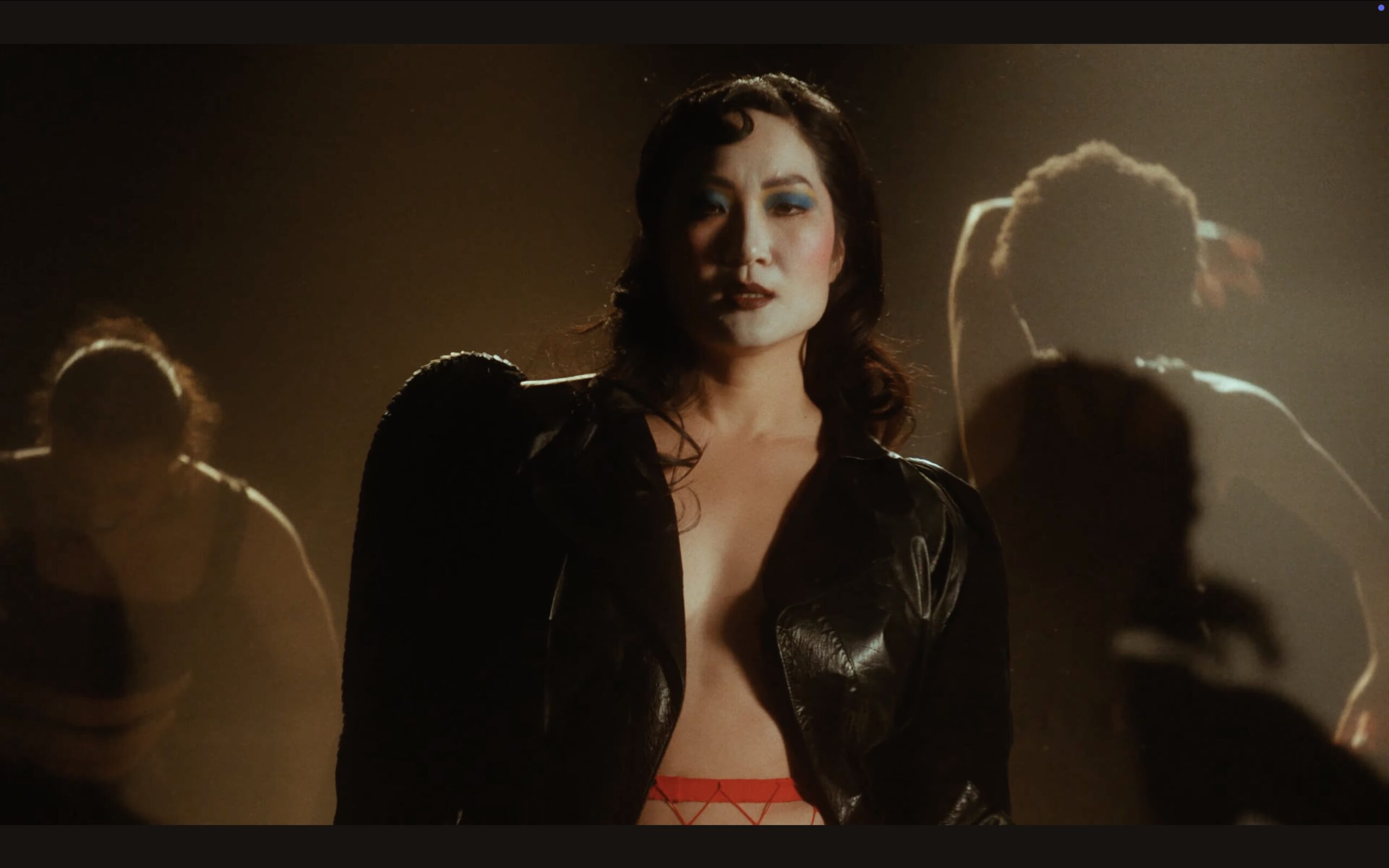
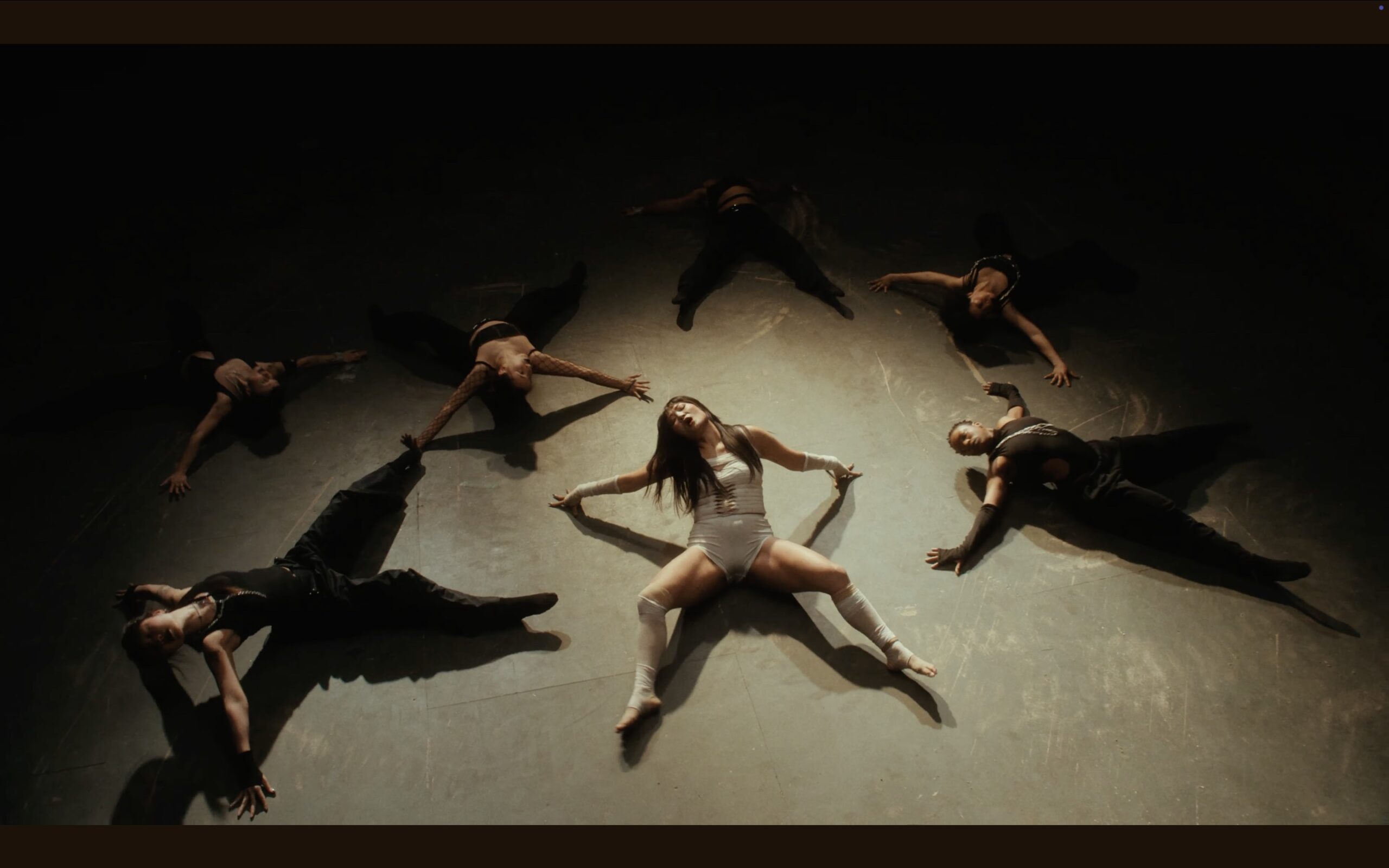
The accompanying music video takes all that emotional turbulence and makes it spectacularly physical.
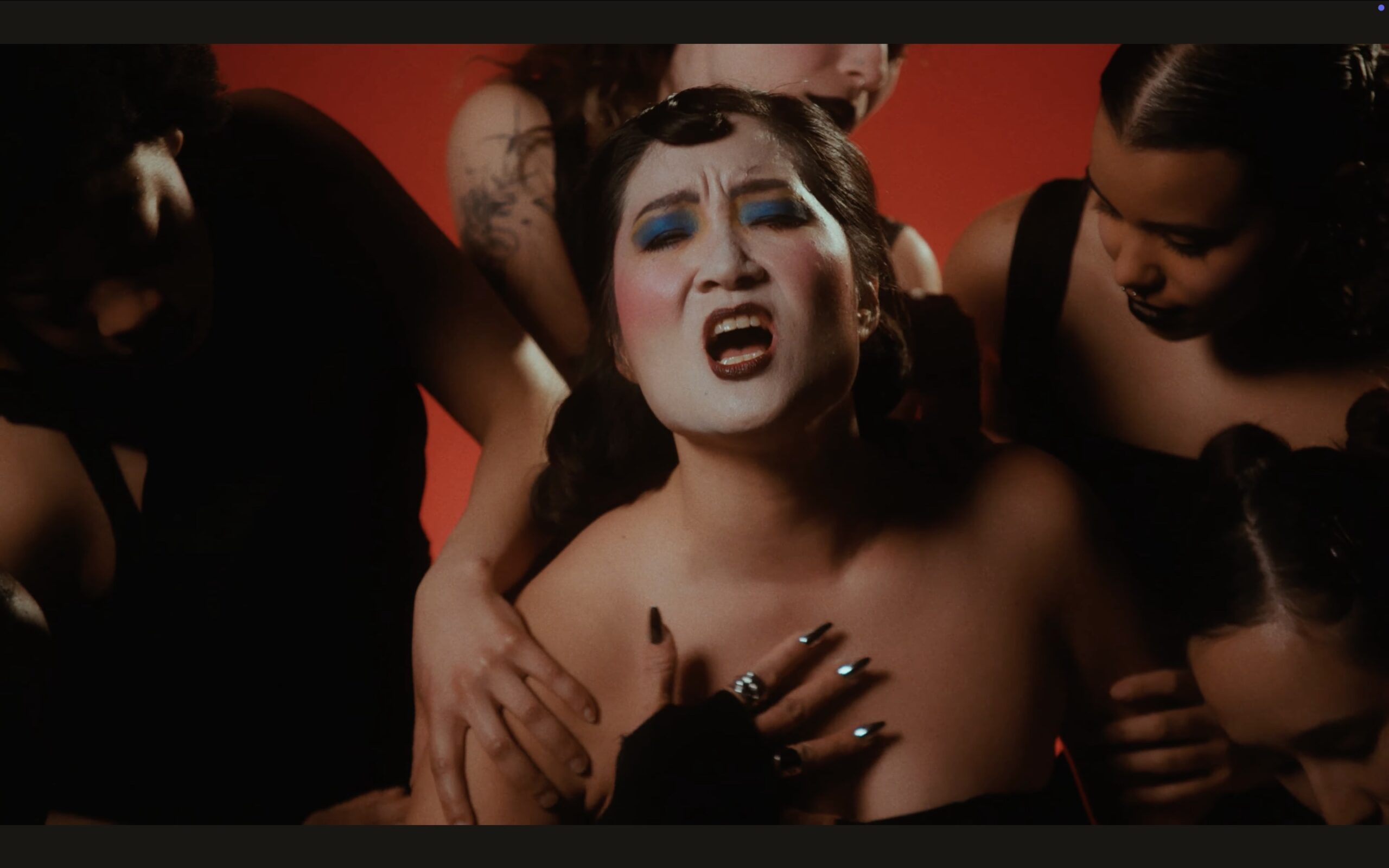
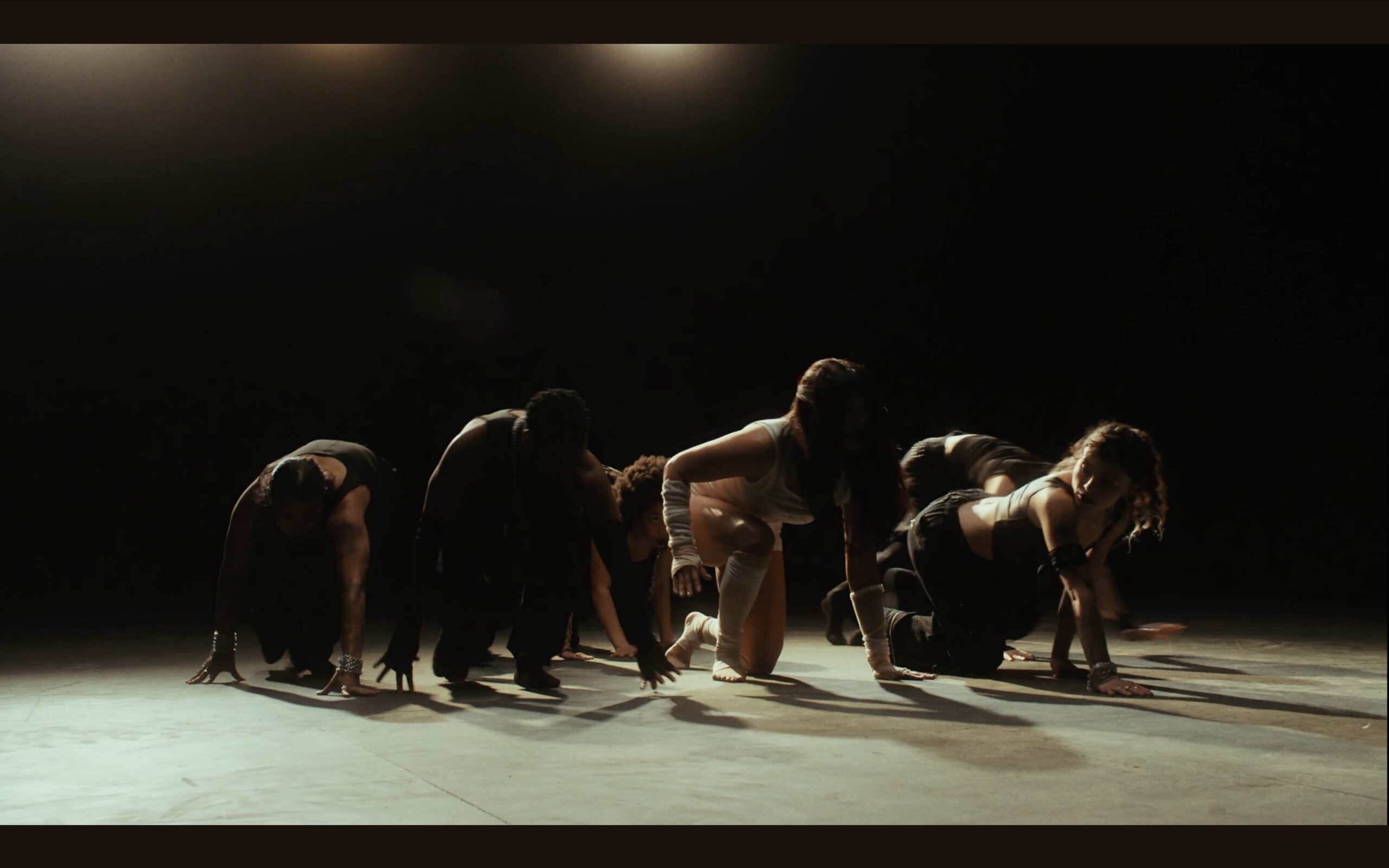
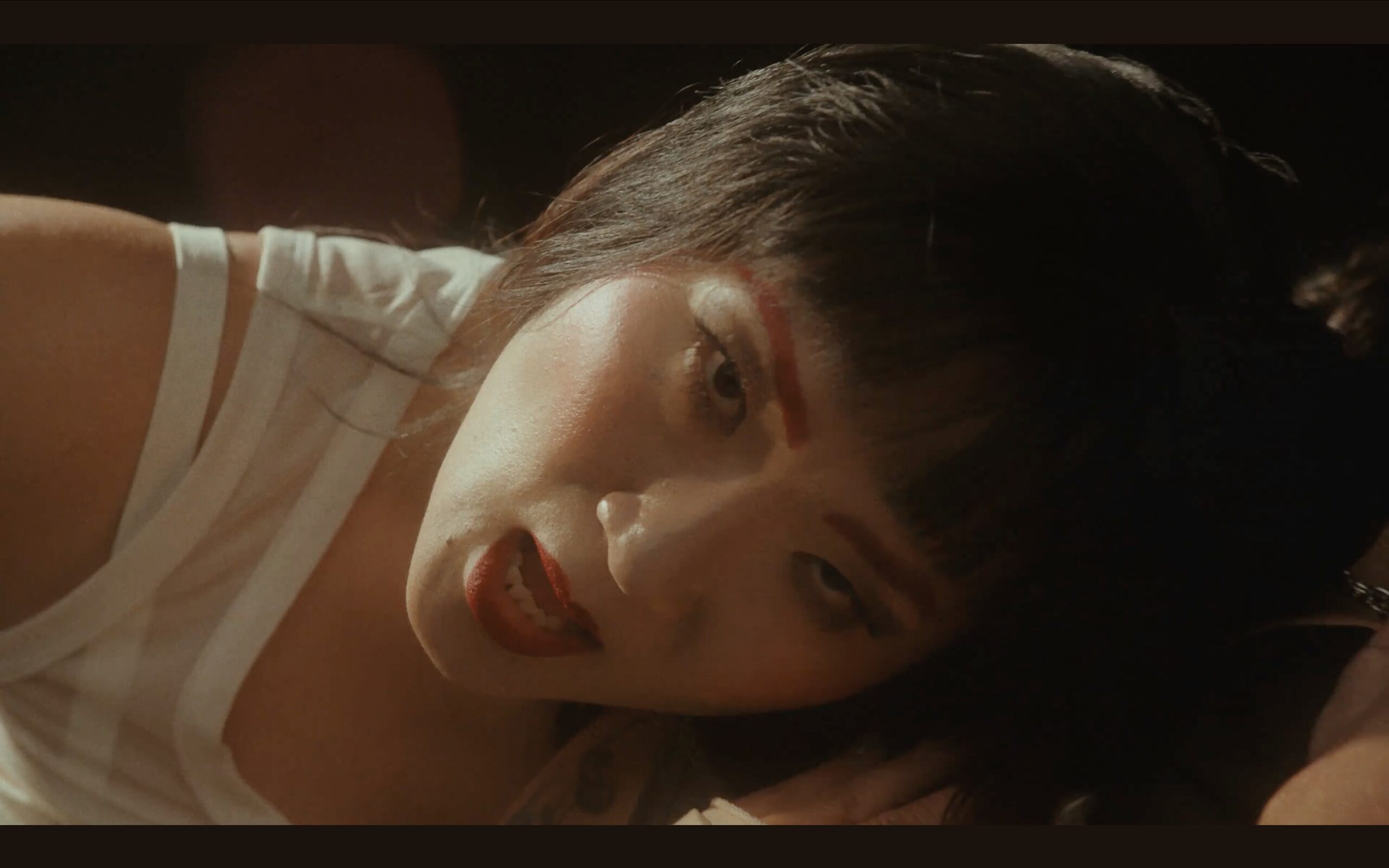
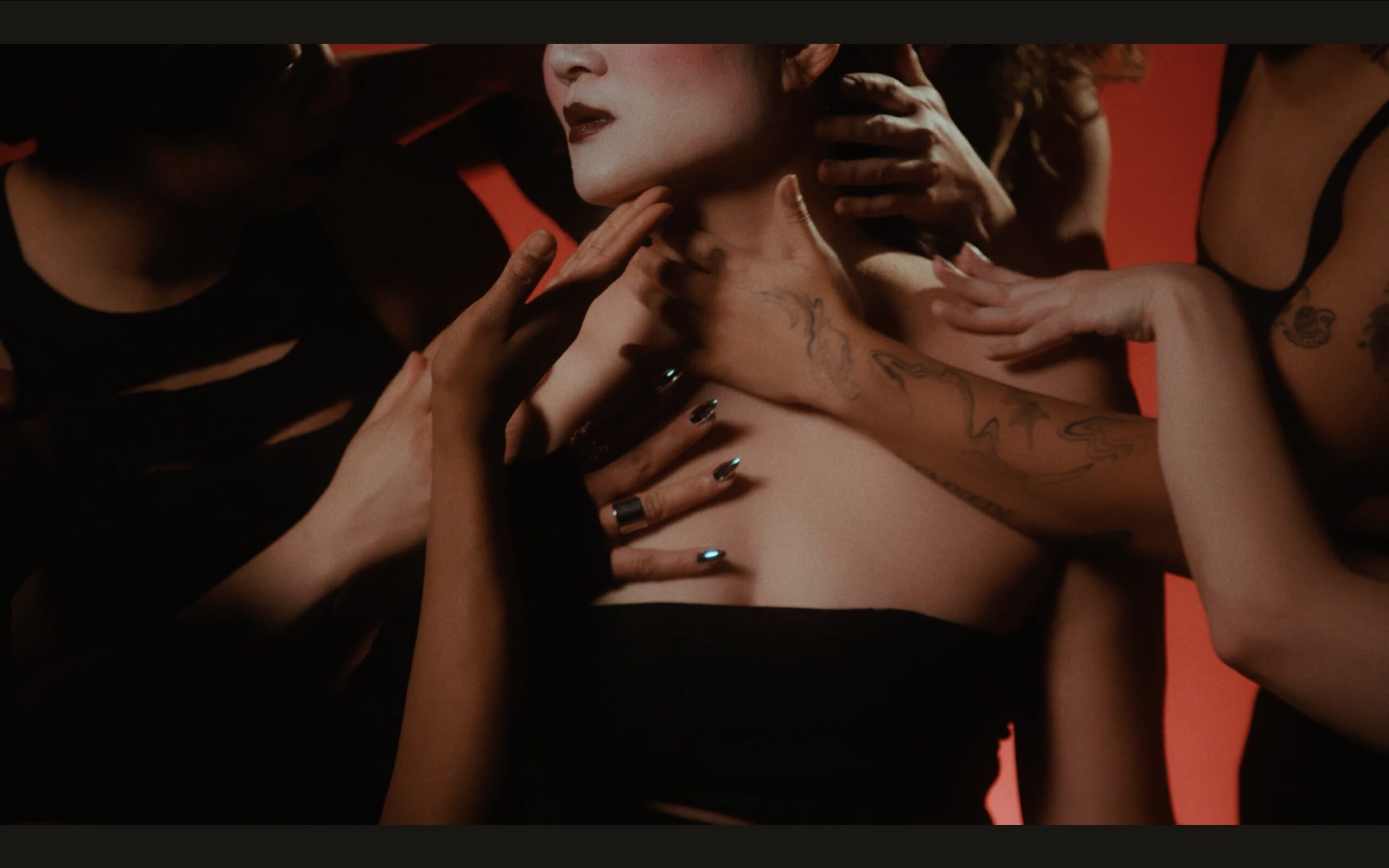
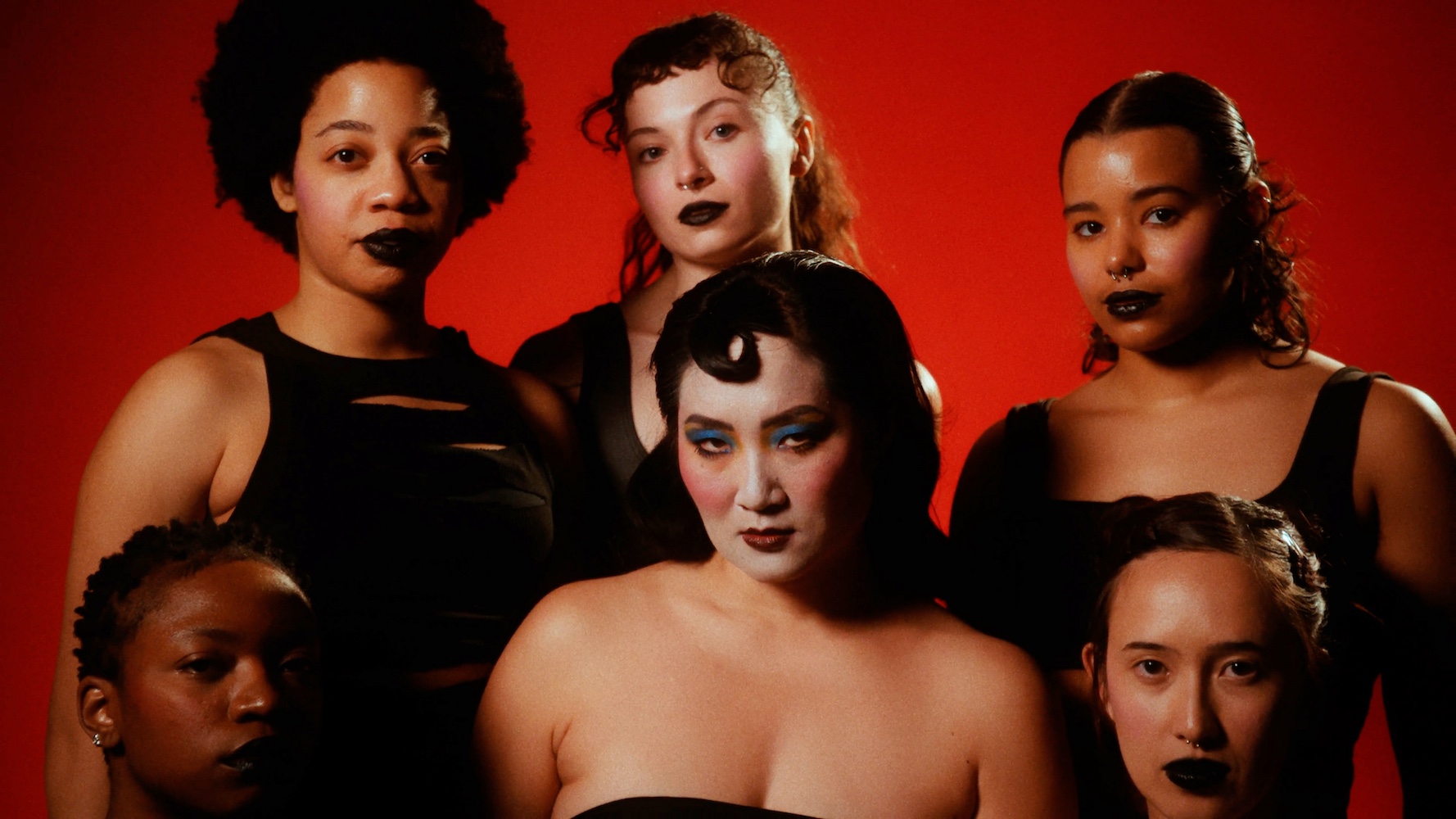
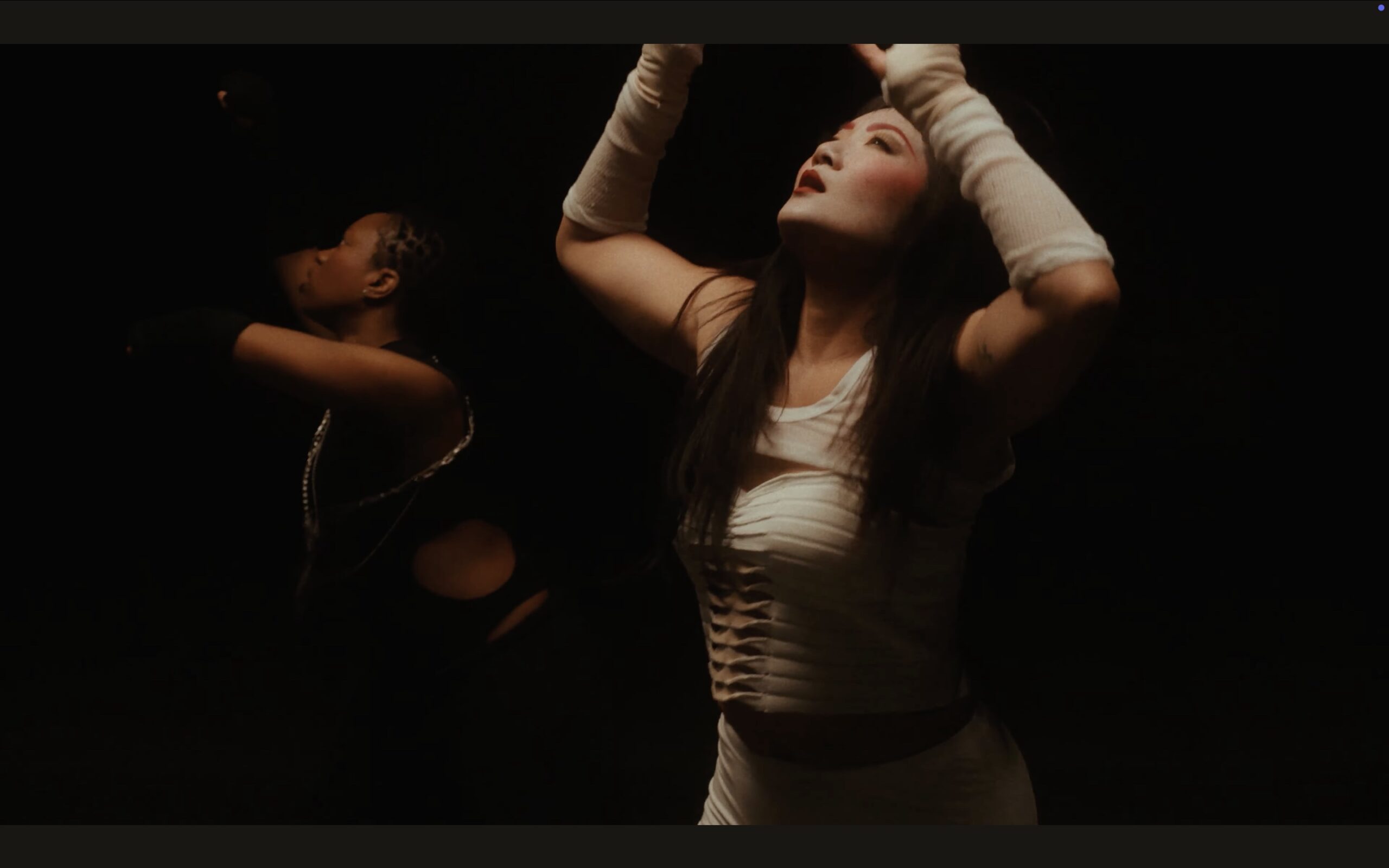
Created with director/cinematographer team Anima Works, the film brings Kaye’s internal conflict to life through visceral choreography, dramatic lighting, and an arresting succession of images that move between psychological distress and theatrical self-expression. Dressed in white, Kaye writhes and reaches alongside an ensemble of dancers whose movements seem to give form to the forces pulling at her from within. Their bodies twist, collapse, and surge across the floor; hands reach toward her face and shoulders, sometimes suggesting comfort, sometimes overwhelming her with their closeness.
The result is mesmerizing in its physicality. Movement becomes a language for emotions too immense to remain contained, while the camera alternates between intimate close-ups and wider scenes of collective motion. Kaye’s expressions shift from anguish to desire to defiance, her body seemingly caught between surrendering to the people around her and reclaiming command of herself. Stark shadows, deep crimson backdrops, and ghostly blue projections heighten the atmosphere, evoking the instability of the dream that inspired the song. The choreography is restless and feverish, carrying the music’s relentless emotional charge into every gesture.
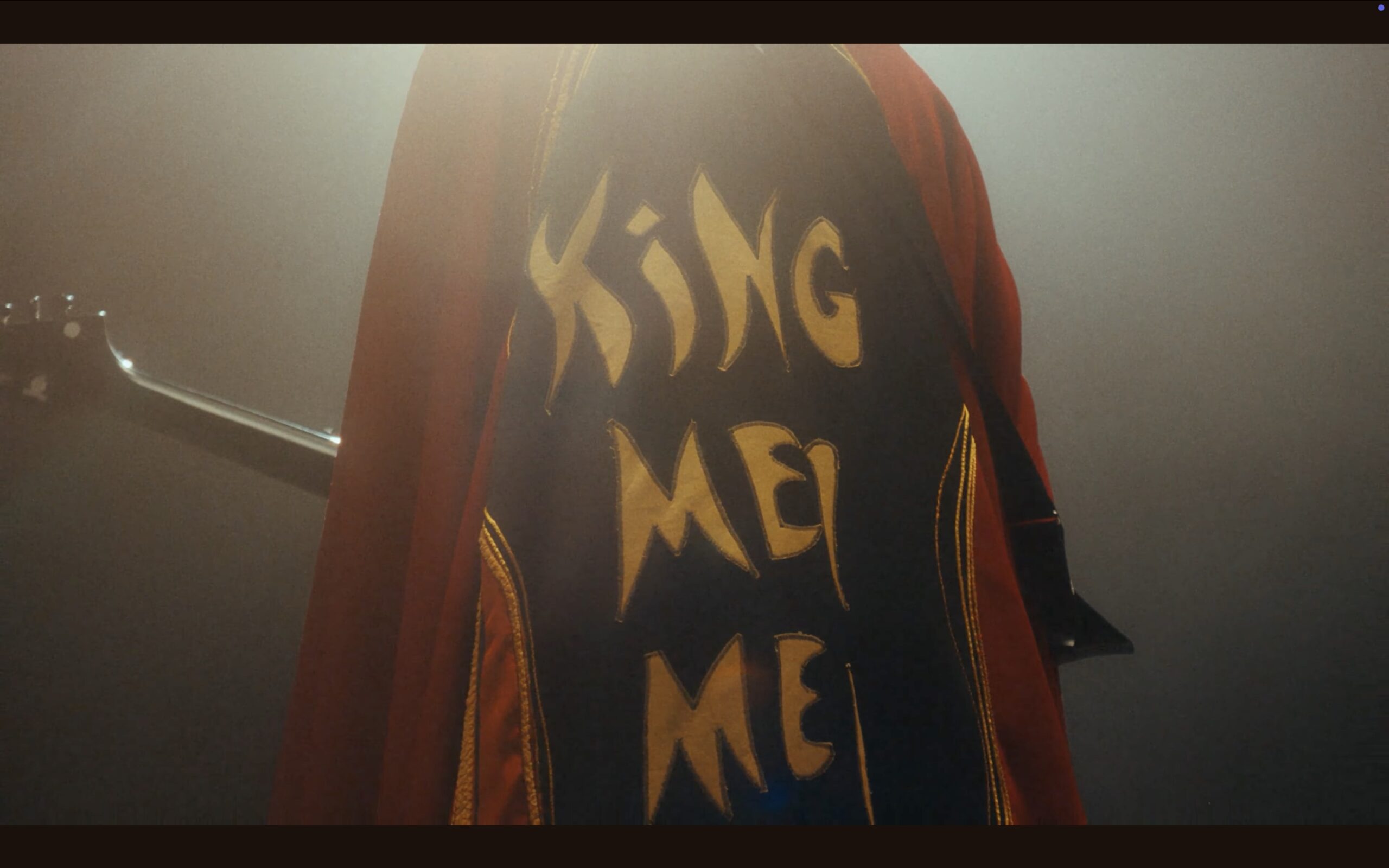
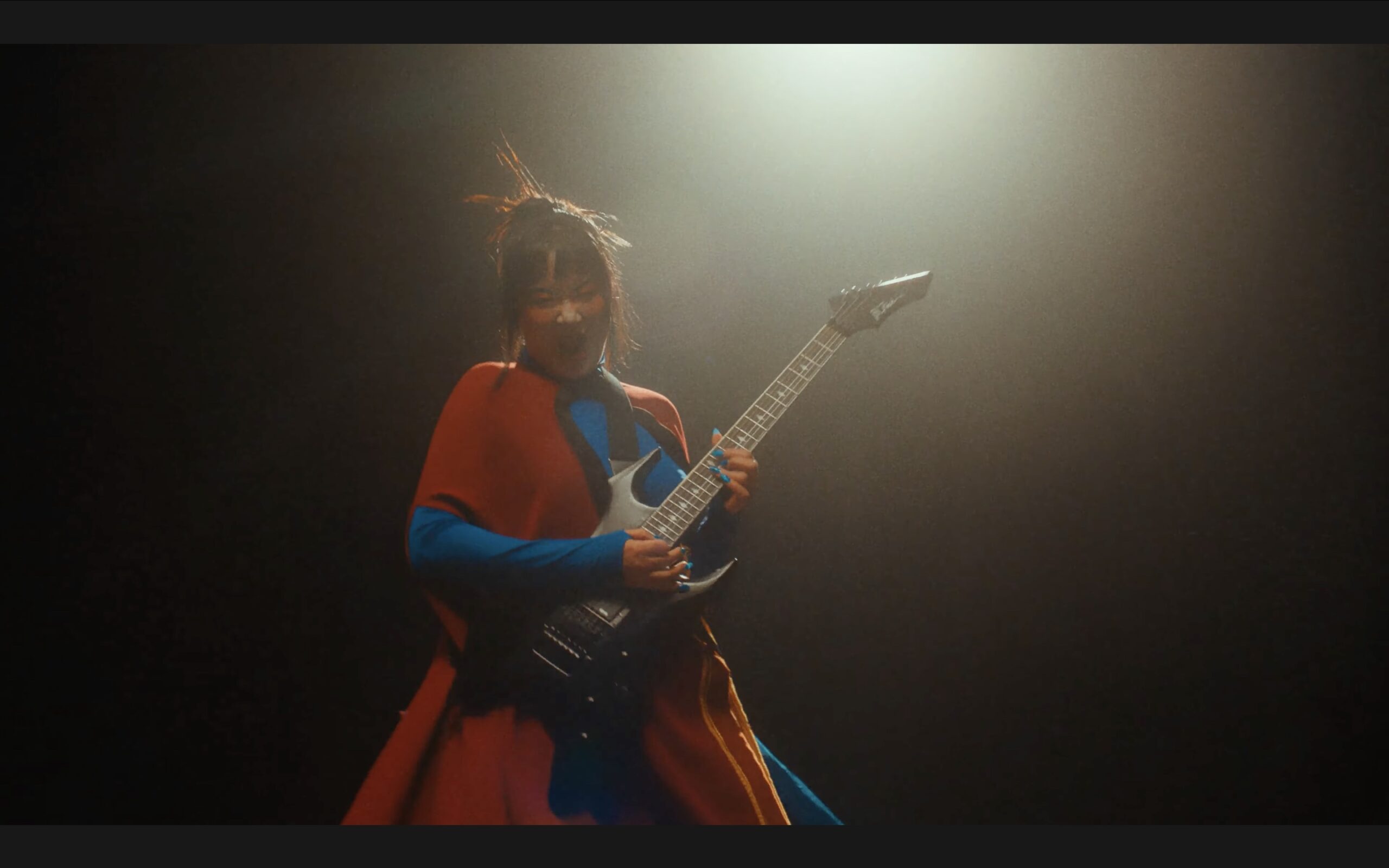
As the visual world grows increasingly intense, its eventual transformation becomes all the more exhilarating. The song’s fiery imagery provides the inspiration for the video’s climactic costume reveal, an unforgettable moment that makes King Mei Mei’s arrival every bit as flamboyant as the music demands.
“When I wrote this, I was in a very volcanic time period in my life,” Kaye explains. “Ancient traumas were bubbling up, I was writhing with ugly feelings all the time, and as an Asian perfectionist eldest daughter, the uncertainty and lack of control made me want to tear my skin off.”
“One of the lyrics in the song describes ‘volcanic cracks in the floors’ from a recurring dream I had, and for this video, I knew I wanted a cape that evoked a volcano. I asked my costume designer of 15 years, Lara de Bruijn, if she would make me that cape, which she did so masterfully, and which is revealed in the video’s climactic moment. I worked with the incredible director/cinematographer team Anima Works, who I’m honored to have created such a beautiful piece of art with.”
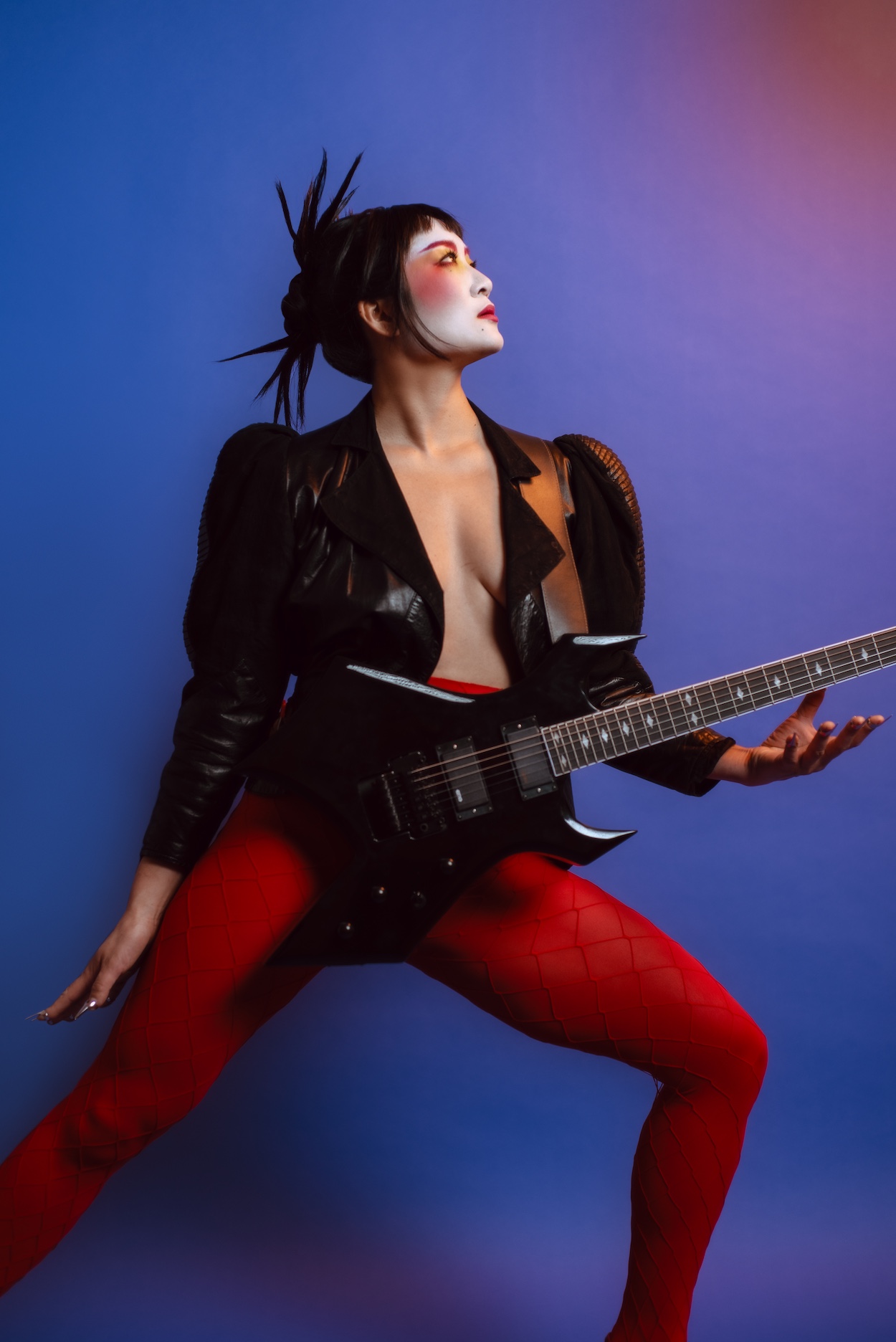
When the guitar solo arrives, Kaye emerges in a striking red-and-blue ensemble, an electric guitar strapped across her body and a magnificent cape announcing KING MEI MEI in bold lettering. It’s a gloriously theatrical reveal, transforming the turmoil of the video’s earlier scenes into an unmistakable statement of artistic identity. The cape, handmade by longtime costume designer Lara de Bruijn, becomes an emblem of the transformation, while stylist Monty Montan’s work helps bring this colorful new world into focus. Kaye stands before us fully inhabiting her new persona, wielding the guitar with the confidence and charisma of an artist who knows exactly who she wants to be.
The image is especially moving in light of everything that brought her here. Four years after writing “Slow Strobe Light” from a place of profound uncertainty, Kaye has arrived at a moment when the song can hold both the pain of her past and the joy of her present. Its original desperation remains intact, but the years have given it a perspective she could never have imagined when she first put those words to music.
“Now, I see it as a love song to that version of myself, a love song to my partner, and a love song to this new version of myself as a musician, at 40, feeling more feral and creative than ever.”
And perhaps that’s the most beautiful part of King Mei Mei’s arrival: The woman who once wanted desperately to be fixed has discovered the freedom of allowing herself to grow.
The guitarist who found a second career making people laugh is stepping back into the musical spotlight with a renewed sense of purpose, embracing the full force of her creativity and the wonderfully complicated person behind it all. Her debut is an explosion of passion and personality, but its greatest triumph lies in the patience that made this moment possible.
“Slow Strobe Light” is a breathtaking first statement from an artist with so much left to say. What began with a painful goodbye has become a celebration of finding your own way forward, of trusting the time it takes to grow into yourself, and of discovering that the most meaningful arrivals happen on their own terms. King Mei Mei is here, guitar in hand and cape flying, ready to make her mark.
Experience King Mei Mei’s debut single and music video “Slow Strobe Light” exclusively on Atwood Magazine, and get to know the artist behind this exhilarating new chapter in our intimate conversation with Charlene Kaye below!
You walking to me through a slow strobe light
The most delicious thing to meet my eyes
I want to love you but I won’t survive
Reaching for me through a slow strobe light
— —
:: stream/purchase Slow Strobe Light here ::
:: connect with King Mei Mei here ::
— —
Stream: “Slow Strobe Light” – King Mei Mei
A CONVERSATION WITH KING MEI MEI

Atwood Magazine: Charlene, hello and thank you for your time! For those who are just discovering King Mei Mei today, what do you want them to know about this new project, and what does the name mean to you?
King Mei Mei (Charlene Kaye): Thank you for having me!
King Mei Mei is my homecoming to music after I accidentally became a comedian 4 years ago. Music is my first love – I was a singer/songwriter and touring guitarist for most of my 20s and 30s. I released music as Charlene Kaye and also as KAYE, but then when I started becoming more known as “Charlene Kaye, the comedian,” I started to want a different container for my music.
The name King Mei Mei came to me really quickly. Mei Mei means “little sister” in Chinese. I love the idea of crowning my younger self, who guides every creative decision I make. And I love that the “King” nods to my queerness and my love of genderbending, drag and glam rock.
“Slow Strobe Light” is the very first King Mei Mei song. What’s the story behind it, and why did this feel like the right song to introduce your new chapter with?
King Mei Mei: I think when I look back on this song when I’m older, I’m going to remember it as the document where I really became myself. When I wrote it 4 years ago, I had just broken up with someone who felt like a soul mate. We only dated for 2 months, and it was magic, but I just couldn’t let my guard down and commit. I wasn’t ready. I was scared and I pushed him away out of self-preservation. I never in a million years could have predicted then that three years later, we would reconnect, and now we are happily together.
Obviously I’m not fixed and I still have LOTS of growing to do, but this song is a reminder that sometimes you have to take the time you need to grow, even though it can be incredibly painful. It’s a reminder that the real is the right way, even though it might not feel like it at the time. Sometimes the best things in life happen excruciatingly slowly, patiently, at nature’s pace. Which is very hard for me because I’m a very intense person and I feel deeply and want to move fast – often at my own expense.
You’ve said you wrote “Slow Strobe Light” from rock bottom, but three years later the circumstances around the song have changed completely. What’s your relationship with this song now, compared to when you first wrote it?
King Mei Mei: The line “I’m ready for you now” always gives me chills because at the time, it was written out of despair – I was like, I’m never going to feel ready for anyone, I’m f***ed up and broken, and I’m the problem. Now I listen to the song, and it’s weird – I actually WAS ready for a relationship when we reconnected (after years of solitude, therapy, reflection and growth) but now what I hear is that I needed to be ready for myself, not just him. I love that music has the ability to reach through time and tell you things you need to hear from the past, future, or present.
The song begins inside this recurring dream – a white house, spiral staircase, volcanic cracks in the floor, your cat escaping through the door. What was happening in your life when those images started showing up in your dreams, and how did they find their way into your music?
King Mei Mei: I was a week out from the breakup, heartbroken, having all these horrible nightmares of being trapped in this creepy house. My cat escaping through the door is a recurring dream I’ve had for years – something about losing control. I was staying with my sister in Michigan, I went out on her porch and I wrote this song in like 20 minutes. It just spilled out of me. And instantly I knew it was going to be the emotional centerpiece of the record.
There’s such an incredible push and pull in the chorus: “I want to love you but I won’t survive.” What does that line evoke for you now?
King Mei Mei: I felt extremely at war with myself during that period of my life. I knew our connection was deeply special. But I also knew I had to do more work on myself and I wasn’t ready for this level of seriousness. So I had to say goodbye and choose myself. It was absolutely devastating, but it was the right thing to do. Now that we’ve been together for a year and a half, it’s obvious how necessary that time apart was. But it was horribly sad and painful when it was happening.
Musically, “Slow Strobe Light” is huge – explosive guitars, massive vocals, and all this tension constantly building underneath it. What was your vision for how this song needed to sound?
King Mei Mei: For better or for worse, I feel everything extremely intensely and everything is an opera around me. It needed to sound like life and death, some real core-of-the-earth shit. So the song sounds like it felt. That guitar solo (performed epically by my friend SuperKnova) feels like falling down a flight of stairs in a high-rise building that’s covered in flames. I love it so much. My producer Lora-Faye Ashuvud (Arthur Moon) is responsible for a lot of the sonics you hear and was my ROCK (both artistically and emotionally) in this process. I have cried on their couch so many times and so much of my healing happened in their basement studio. I’m infinitely grateful for the magic they brought to this song and the record.
The music video seems to take the song’s volcanic imagery and make it physical, right down to that incredible cape in the climax. How do you feel this l adds to the world of “Slow Strobe Light”?
King Mei Mei: For the “Slow Strobe Light” music video, I worked with this incredible director/DP team called Anima Works (Hil Steadman and Jake DeNicola), and we knew that cape reveal needed to be a show stopping moment. The first half of the video is very desolate, dark and moody, and we knew we wanted to signal some kind of transformation into the colorful King Mei Mei world when the guitar solo hits. My stylist, Monty Montan, was such a big part of building that world. My costume designer Lara De Bruijn stitched that cape by hand. It’s one of my most treasured possessions. When we premiered the music video at our debut show in Brooklyn, everyone screamed when the cape flew open. It was so cool to be in the room hearing people’s reactions in real time.
What do you hope listeners take away from “Slow Strobe Light,” and what have you taken away from creating this song and putting it out into the world?
King Mei Mei: I think a lot of people can relate to this idea of meeting the right person at the wrong time, or loving someone but knowing that choosing them would mean losing yourself. It’s one of the hardest things in the world to do. But it’s also a reminder that if it’s meant to be, it will be
Now, I see it as a love song to that version of myself, a love song to my partner, and a love song to this new version of myself as a musician, at 40, feeling more feral and creative than ever.
What’s next for King Mei Mei?
King Mei Mei: This is just the beginning! King Mei Mei is opening for Labiahead (my all-women Radiohead band) this fall/winter all around the country, so come see me then! Then I’ll be releasing the full album in 2027, which I cannot wait for you all to hear.
In the spirit of paying it forward, who are you listening to these days that you’d recommend to our readers?
King Mei Mei: OBSESSED with Victoria Monet’s new album, Frequency of Love. Also, this band called Radiohead is great, they’re a pretty unknown indie band and really need the promo. Just kidding. Some artists I’m currently obsessed with – iconic drag queens Reuben Kaye and Pattie Gonia, Jared Saltiel, Cheeyang Ng, and my shredding feminist rock elders, Heart, Annie Lennox, Bonnie Raitt.
— —
:: stream/purchase Slow Strobe Light here ::
:: connect with King Mei Mei here ::
— —
Stream: “Slow Strobe Light” – King Mei Mei
— — — —
Connect to King Mei Mei on
Instagram
Connect to Charlene Kaye on
Facebook, Instagram
Discover new music on Atwood Magazine
© Liz Fang
 © Liz Fang