Atwood Magazine is excited to share our Editor’s Picks column, written and curated by Editor-in-Chief Mitch Mosk. Every week, Mitch will share a collection of songs, albums, and artists who have caught his ears, eyes, and heart. There is so much incredible music out there just waiting to be heard, and all it takes from us is an open mind and a willingness to listen. Through our Editor’s Picks, we hope to shine a light on our own music discoveries and showcase a diverse array of new and recent releases.
This week’s Editor’s Picks features Spouse, Field Guide, Janet Devlin, Bess Atwell, Angela Autumn, and Bo Staloch!

 follow EDITOR’S PICKS on Spotify

“Wishing on Numbers”
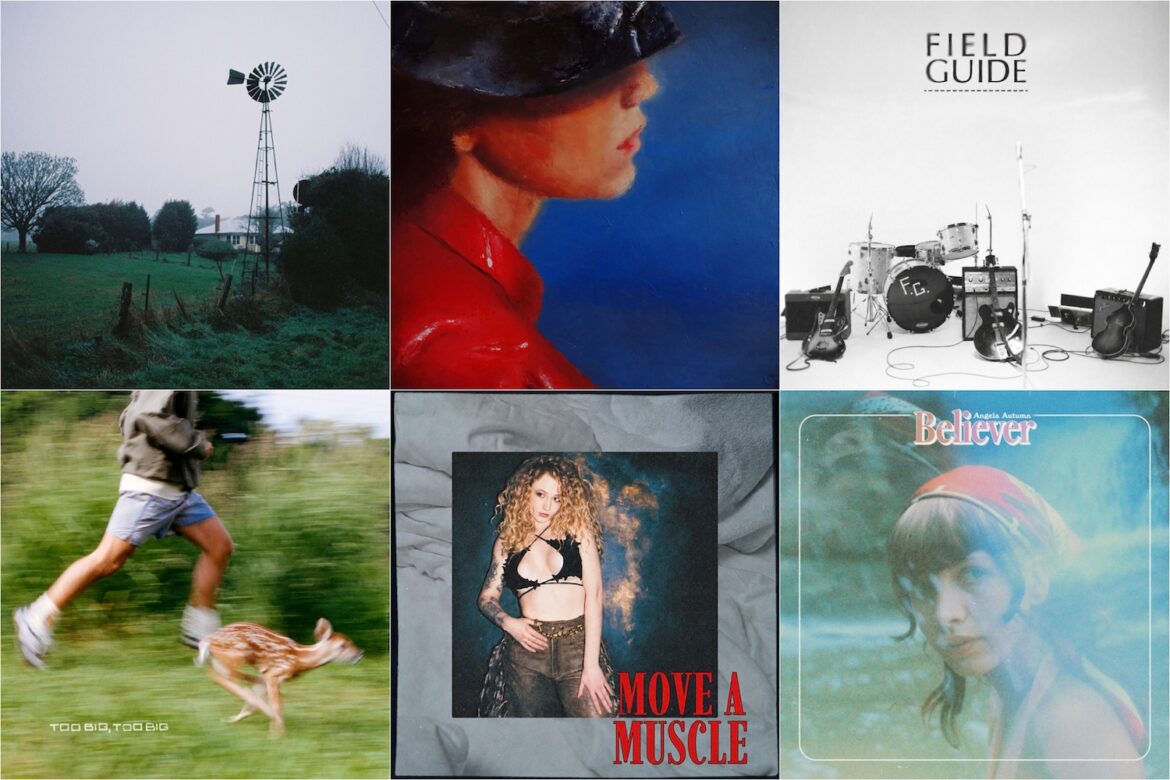
by SpouseThe ache begins with a jar of air.
Taped shut to preserve the warmth of someone who isn’t there, it’s an impossible keepsake – and a devastating image for the kind of longing that refuses to let go. On “Wishing On Numbers,” Canberra’s Spouse make that helpless hope feel almost unbearably real, capturing the desperation of holding on to a connection we’re terrified of losing.
Haunting, feverish, and fiercely cathartic, the Australian five-piece’s song is a visceral collision of emo vulnerability and alternative rock intensity. Em Nonogaki Hunter’s exposed vocals tremble against delicate instrumentation, while a plaintive violin weaves through increasingly distorted guitars. The music swells, retreats, and surges again, building toward an explosive crescendo that seems to tear the whole song wide open. It’s an arresting display of grit and grace, where every moment of fragility carries the threat of eruption – and every eruption feels like the release of feelings held inside for far too long.
I trapped the air,
from your room, in a jar.
Taped around the edge,
to keep your warmth,
Sealed in.
Open, I’m open.
Hopelessly hoping.
Released October 30, “Wishing On Numbers” is the title track off Spouse’s forthcoming debut album, arriving November 27 via Gutwrench Records. The song is a breathtaking introduction to the Canberra quintet’s musical world, one shaped by years of friendship, artistic collaboration, and an abiding love for the emotional extremes of alternative music. Led by vocalist/guitarist Em Nonogaki Hunter, alongside guitarist Ezra Patrick, drummer Daan Steffens, bassist Emmett Gaunt, and synth player Josh Garrard, Spouse have emerged from their hometown’s thriving DIY scene with a sound that draws from shoegaze, emo, and indie rock, yet refuses to settle comfortably into any single identity. There’s a remarkable intimacy to their work, even at its most overwhelming, as though we’re witnessing five people work through their deepest feelings together in real time.
This sense of closeness is essential to understanding “Wishing On Numbers,” whose opening verse finds its narrator attempting to preserve a moment that’s already slipping away. “I trapped the air, from your room, in a jar / Taped around the edge, to keep your warmth / Sealed in,” Hunter sings, giving shape to an almost childlike desire to keep another person’s presence alive. It’s such a peculiar, poignant image, and one that becomes more affecting the longer you sit with it. There’s an extraordinary amount of emotion packed into that tiny container, an entire relationship reduced to the memory of how it felt to share a space with someone. When asked about its origins, Hunter offers an explanation that makes the sentiment even more meaningful.
“Sometimes I feel like I’m clutching my hands together at water, you can hope it doesn’t slip past your fingers if you squeeze tight enough but it does anyway,” they tell Atwood Magazine. “Sometimes I want like a souvenir of someone, to prove that the connection was real.”
The song’s central refrain takes that longing somewhere even more vulnerable. “Open, I’m open / Hopelessly hoping,” Hunter repeats, each return carrying a slightly different weight. At first, the words sound like an invitation, a willingness to remain available to someone despite the uncertainty of their relationship. But as the repetition continues and the arrangement gathers momentum, that openness begins to feel increasingly precarious. The accompanying plea, “We don’t wear out,” hangs in the background like a desperate attempt to deny the passage of time. That tension is deeply moving: The desire to believe a connection can endure forever, even as the fear of its dissolution threatens to consume everything. Spouse transform those few words into a gradually intensifying struggle, allowing the music to express what language alone cannot.
I’m in your room
Studying the walls
I picked a corner,
To put myself back in.
Open, I’m open.
Open, I’m open.
Hopelessly hoping.
(We don’t wear out).
Hopelessly hoping.
(We don’t wear out).
Even the song’s title speaks to the strange rituals we invent when the things we want most lie beyond our control. As Spouse explain, the idea behind “Wishing On Numbers” began with an innocent habit that gradually took on a significance of its own.
“I began making a wish every time I saw 11:11 come up,” they share. “It happens twice a day, but it still felt rare and ‘chance’ enough that I just kept doing it. It wasn’t hurting anyone, and it gave me the chance of putting the blame on my wish coming true or not on something that wasn’t me/the situation. It was just luck at that point, which made it a bit less painful if/when the wish wouldn’t come true.”
There’s a heartbreaking logic to that ritual. Sometimes placing our faith in an arbitrary sign feels safer than confronting the possibility that our efforts may never change the outcome. The numbers become a way of negotiating with uncertainty, of allowing ourselves to continue believing without accepting complete responsibility for what happens next. And that’s what’s so compelling about the song’s central contradiction: Hope is both the thing keeping its narrator afloat and the very thing making it difficult to move forward. The act of wishing becomes a form of emotional survival, even as it leaves the wisher suspended between possibility and disappointment.
Musically, Spouse embody that contradiction with astonishing precision. Rather than following a straightforward progression from restraint to release, the arrangement continually shifts beneath Hunter’s vocals, creating a restless sense of anticipation. The guitars accumulate weight and texture, the rhythm section presses forward with increasing urgency, and the violin introduces an almost spectral counterpoint to the surrounding turbulence. Every time the music draws back, the resulting space feels charged with everything that has come before it. When the full band finally bears down, the impact is tremendous, not simply because of its volume, but because of the pressure that has been building throughout. There’s a nuanced interplay between control and abandon, each musician contributing to a performance that sounds on the verge of collapse while remaining utterly purposeful.
For guitarist Ezra Patrick, that unpredictable movement is a defining part of the band’s creative approach.
“We use the word ‘catharsis’ a lot. That’s often the goal,” Patrick explains. “It comes about in different ways, sometimes it’s that elastic thing, sometimes it’s a slow build. I’m personally inspired a lot by artists like Pile, who’ll have a song which constantly changes musically but revolves around similar themes the whole time, in their case I just find it exciting when something is brought back later but completely recontextualised.”
That philosophy feels particularly apparent in the way “Wishing On Numbers” revisits its central ideas. A phrase that initially sounds uncertain can become almost confrontational when surrounded by a wall of sound, while an earlier melody returns with an entirely altered significance. The band understands how repetition can reveal rather than diminish meaning, allowing familiar sounds to acquire new dimensions as the performance unfolds. It’s a thrilling compositional instinct, and a testament to the trust these musicians have developed through years of playing together. Their contrasting influences and personalities give the song its character, with each instrument introducing a perspective that complicates and enriches the others.
There’s another lyric that gets under my skin: “I am, pathetically connected / To the things I’ve stuck my foot in.” It’s an admission that feels almost painfully self-conscious, as though the narrator is ashamed of being unable to disentangle themselves from their own history. Yet there’s an unexpected tenderness lurking beneath that frustration. Our experiences don’t simply disappear once we’ve decided to move forward; they remain embedded in us, shaping our identities in ways we may never fully understand. Patrick’s explanation for this particular line takes that idea in a fascinating direction.
“I have this image in my head of those sticky hands you buy as a kid, that like slap onto walls and stuff, and inevitably they end up coated in dust,” he recalls. “I just think there’s this constant sensation, which is both beautiful and essential but also kind of horrifying that you can’t help but be connected to everything.”
I love the strange humor of that comparison, and how it reframes a seemingly self-critical lyric as an acknowledgment of what it means to be alive. We collect pieces of every relationship and experience, accumulating memories and attachments that cling to us long after their original circumstances have changed. Some of those connections sustain us; others become burdens we struggle to carry. “Wishing On Numbers” recognizes both possibilities without offering an easy distinction between them. The song’s power lies in its willingness to inhabit that ambiguity, making room for affection and resentment to coexist without requiring either to cancel the other out.
That sensitivity to connection also extends to the circumstances surrounding Spouse themselves. Recorded with engineer Matt Schultz at Interim Studios in Adelaide, following a twelve-hour journey from Canberra, Wishing On Numbers is a record deeply influenced by its physical surroundings and the relationships that sustain the band. Members Hunter and Garrard have since relocated to Melbourne, introducing geographical separation into a creative partnership built on years of shared experiences. Patrick describes the personal toll of those changes with striking candor.
“It’s maybe just an easy way to map an emotional problem into something more physical, the reality is that emotional distance feels just as real as kilometres,” he reflects. “For a solid month after Em moved I couldn’t listen to ‘Long Distance Driver’ by Greg Freeman at all cause it’d make me cry every time.”
That perspective adds another layer to the album’s preoccupation with absence, and helps explain why Spouse’s performances feel so intensely connected to the people and places that shaped them. The band isn’t simply documenting the pain of separation; they’re creating a space in which those experiences can be confronted collectively. Their songs retain the immediacy of musicians occupying a room together, responding to one another’s instincts and allowing the imperfections of that interaction to become part of the finished work. There’s a deep sense of devotion beneath the turbulence, the sound of people who know each other well enough to surrender themselves to the music without fear of being misunderstood.
And perhaps that’s why “Wishing On Numbers” feels so profoundly affecting. Its yearning is intensely private, yet the band’s performance gives it a scale that invites everyone inside. The narrator may be reaching for one particular person, but the emotions behind that desire are far more universal. We’ve all held onto reminders of people we miss, invested meaning in coincidences, or wished for circumstances to resolve themselves in ways we know might never happen. Spouse capture the irrational beauty of those impulses without diminishing their complexity, offering a musical experience that feels as much like an act of recognition as an expression of grief.
When asked what they hoped listeners would take away from their work, Patrick offers a thought that speaks to the larger purpose behind everything Spouse create. “I think one of the nicest thoughts to have when interacting with a piece of art is: ‘Thank god I’m not the only one,’” he shares.
It’s an idea that stays with me long after the final notes fade. “Wishing On Numbers” doesn’t offer certainty or resolution, and its greatest achievement may be the freedom it gives us to acknowledge feelings we would otherwise struggle to express. The jar may never preserve its precious contents, and the numbers on the clock may never deliver what we’ve wished for. But in the act of giving those desires a voice, Spouse make them feel less isolating, transforming their private turmoil into an experience that can be shared.
Tenderness and fury coexist in every corner of this spellbinding song, each amplifying the other until the distinction between pain and release becomes almost impossible to separate. It’s a soul-stirring statement from a band whose debut album promises to be one of the year’s most compelling discoveries, and a reminder of just how much music can accomplish when artists allow themselves to be completely exposed. “Wishing On Numbers” leaves me shaken, exhilarated, and profoundly moved – grateful for the rare feeling of hearing another person’s heart laid bare and recognizing a piece of my own within it.
I am, pathetically connected,
To the things I’ve stuck my foot in.
(Open, i’m open).
I am, pathetically connected,
To the things I’ve stuck my foot in.
(Hopelessly hoping).
“Dance Floor”
by Field GuideThe dance floor can make five hundred strangers disappear.
In the middle of a crowd, it’s a place where you can finally forget who’s watching and simply be yourself. One irresistible song, one outstretched hand, and suddenly a night you almost skipped becomes a night you never want to end.
Raucous, exuberant, and downright exhilarating, Field Guide’s “Dance Floor” is built for exactly that kind of moment – a charged, churning rock song full of swagger and irresistible energy. Electric guitars crunch from the very first second, giving way to a shuffling groove that practically begs you to move. Dylan MacDonald’s captivating vocals bring an infectious playfulness to the performance, riding the band’s dynamic momentum with unabashed enthusiasm. It’s invigorating, utterly charming, and bursting with the sheer joy of letting yourself get swept up in the music.
Someone’s getting married,
someone I barely know
Five hundred people staring,
wearing their finest clothes
I feel a little out of place
But find the dancefloor
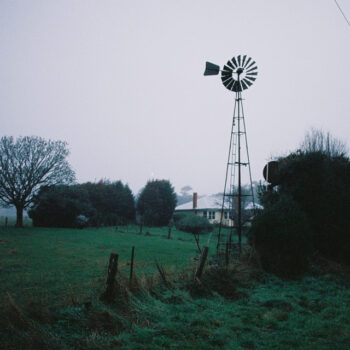
Released October 9 via Cloverdale Records, “Dance Floor” is the lead single off Field Guide’s forthcoming fourth album, Sometimes A Day Can Last All Night, out March 12, 2027. The Winnipeg-based singer/songwriter has spent years crafting an intimate, deeply affecting catalog that moves between dreamy indie folk and alternative rock, exploring the complications of love and the messy business of being alive. A longtime Atwood Magazine favorite, MacDonald first appeared in our Editor’s Picks with 2022’s “You Could Be Free,” a moving reflection on personal darkness and the toll it takes on those closest to us. In our subsequent feature on his self-titled album, I described his music as inviting listeners into “an inner sanctum that has known loneliness and isolation.” Four years later, following 2024’s Rootin For Ya, it’s especially exciting to hear him stepping out into the crowd and embracing the sheer pleasure of letting go.
The story behind “Dance Floor” is every bit as delightful as the song itself. MacDonald was having a difficult day when he decided, almost on a whim, to attend a Manitoba wedding social – a famously spirited local tradition where hundreds of people gather to celebrate and raise money for an engaged couple. Arriving to find an enormous party already in full swing, he felt painfully out of place among the revelers. Then the DJ played Robyn’s “Dancing On My Own,” his girlfriend grabbed his hand, and the night took an unforgettable turn. MacDonald wrote “Dance Floor” later that evening and finished it the following day, capturing the rush of an experience that stayed with him long after the music stopped.
“I just remember my whole body relaxing and letting go,” MacDonald tells Atwood Magazine. “It was one of those moments when it kinda hits you how powerful music is, which sounds sorta cheesy but is just actually true.”
That liberation comes alive in the song’s wonderfully playful chorus. “Now I’ve had a little / But not quite enough to let it all go,” MacDonald admits, still caught between his inhibitions and the desire to join in. But then comes the invitation, and with it, a delicious change in perspective: “But I’ll be your fool / I’ll be your fool on the dancefloor.” It’s a charmingly unguarded declaration of devotion, made all the sweeter by its simplicity. There’s a world of difference between feeling foolish in front of strangers and happily being a fool for someone you love. MacDonald captures the freedom of choosing the latter – of trading self-consciousness for connection and discovering how wonderful it can be to stop worrying about how you look.
Now I’ve had a little
But not quite enough to let it all go
But I’ll be your fool
I’ll be your fool on the dancefloor
The recording’s rollicking energy carries that emotional release into the music itself. MacDonald initially wrote “Dance Floor” as a much more laid-back composition after learning Andy Shauf’s “Martha Sways” in an unusual low guitar tuning, but the song took on a different personality when he brought it to his bandmates. Drummer Brodie Parachoniak’s swinging beat helped unlock its rock ‘n’ roll spirit, while the interplay between MacDonald, guitarist Dylan Burchell, and bassist Kris Ulrich gives the performance its restless, full-bodied momentum. That chemistry also reflects the making of Sometimes A Day Can Last All Night: After developing the songs together at MacDonald’s family cabin in Manitoba, the musicians recorded at Vancouver’s Monarch Studios, ultimately rearranging their setup so they could perform together in the same room.
“When I brought the song to the band it pretty quickly turned into a bit of a barnburner,” MacDonald shares. “Brodie played this rockin shuffly beat that reminded me of a KOL thing, and it came together pretty quickly from there.” As a Kings of Leon fan myself, I see the resemblance – and I’m all in.
Take me by the hand, take me all the way
Spin me round in circles,
baby don’t make me wait
I feel like we could teach a class
Here on the dancefloor
Now I’ve had a little
But not quite enough to let it all go
But I’ll be your fool
I’ll be your fool just tell where to go
MacDonald calls “Dance Floor” the highest-energy song on his upcoming album, and its unbridled enthusiasm offers a thrilling glimpse into a new chapter for an artist whose music has so often dwelled in melancholy. Yet the song’s greatest triumph is how effortlessly it communicates the power of a shared experience. A night that began with discomfort became an unexpected celebration of love, music, and the simple pleasure of being present. Field Guide have bottled that magic in two minutes and forty seconds of pure rock ‘n’ roll joy, creating an anthem that invites us to leave our worries at the edge of the room and join the party.
Robyn gave MacDonald a night worth remembering. Now, with “Dance Floor,” he’s made a song that might do the same for someone else.
Oh I’ve had a little
But not quite enough to let it all go
But I’ll be your fool
I’ll be your fool on the dancefloor
“Move a Muscle”
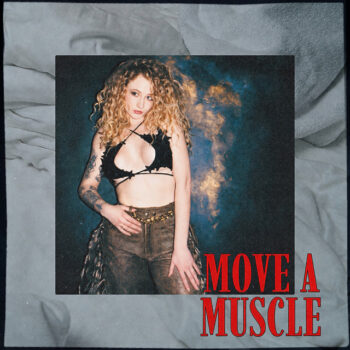
by Janet DevlinThe best kind of love makes doing absolutely nothing feel like everything – and on “Move A Muscle,” Janet Devlin luxuriates in that rare, delicious state of complete contentment. It’s a love letter to the exquisite freedom of letting everything else wait – when a whole day can disappear beneath the sheets and not a second of it feels wasted.
Smoldering, soulful, and impossibly seductive, the Irish singer/songwriter’s single is an instant classic, a bluesy, slow-burning country love song whose effortless groove and irresistible melodies make falling in love sound like the easiest thing in the world. A slinky guitar riff curls around Devlin’s honeyed vocals, her voice dripping with affection and desire as she savors every delicious second. There’s an extraordinary intimacy to the performance, a sense of complete satisfaction that seems to radiate from every note. Released August 14, “Move A Muscle” captures the bliss of a perfect morning spent wrapped up in the person you love – when the whole world is waiting outside, but everything you could possibly want is already right there beside you.
The only thing I’m wearing is your arms
The arms that pull my body through the bedroom door
Set my mind on being your alarm
We’ve still got the morning of the night before
The thought of morning kissing
tasting sweeter than the sipping of a coffee cup
And I don’t wanna interrupt the duvet
wrapped around the two of us, no
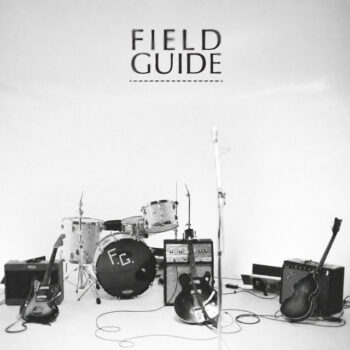
For Devlin, that happiness represents an exciting new chapter in a career defined by bold emotional candor. The County Tyrone native has spent much of her musical life laying herself bare, confronting painful experiences and complicated relationships on records like 2020’s Confessional before embracing her longtime love of country music on Emotional Rodeo and its deluxe follow-up, Not My First Emotional Rodeo. That Nashville-inspired reinvention brought a fresh sense of freedom to her songwriting, but “Move A Muscle” ventures into territory that, until recently, had remained surprisingly unfamiliar: The sensual, almost overwhelming bliss of being truly happy in love. It’s a different kind of confession, and perhaps her sweetest yet.
Written with longtime collaborator and producer Angus Parkin just 15 days before Devlin headed to Nashville’s famed Blackbird Studios, “Move A Muscle” began with a deceptively simple idea. She wanted to capture the delicious temptation of staying in bed with someone you love, even when life is calling you elsewhere. The distinction is crucial here: There’s a particular thrill in stealing time from the responsibilities waiting outside, knowing full well that you should be getting on with your day.
“The story is more of a feeling,” Devlin tells Atwood Magazine. “I wanted to capture the lazy Sunday morning feeling of being in bed with the one you love, tangled up on the sheets while the world passes you by… but it’s not a Sunday. It’s a weekday. You’ve places to be, jobs to do – but you just don’t want to break the bliss of the moment.”
That feeling courses through every irresistible line, beginning with the delightfully suggestive “The only thing I’m wearing is your arms.” It’s an opening that immediately draws us into Devlin’s private world, where intimacy is its own kind of luxury and the smallest gestures carry tremendous meaning. By the time she reaches the chorus, there’s a wonderful push and pull between obligation and desire: “I should go, should leave I know / But I don’t wanna move a muscle, babe.” The melody practically melts around those words, making her reluctance contagious. Devlin isn’t merely singing about wanting to stay in bed; she’s savoring the pleasure of having someone worth staying for. That distinction gives the song its emotional richness, transforming a flirtatious little fantasy into a celebration of love’s simplest, most satisfying pleasures.
I should go, should leave I know
But I don’t wanna move a muscle, babe
I’m already late, should be on my way
But I don’t wanna move a muscle, babe
No, I don’t wanna move a muscle, babe
Musically, the magic lies in how little “Move A Muscle” needs to make such a lasting impression. Parkin and Devlin build the recording around an intoxicating, blues-soaked guitar riff that seems to have existed forever, its easygoing swagger lending the song an unmistakable sense of familiarity. The groove is relaxed but deeply infectious, the instrumentation leaving just enough space for every note to breathe. Even the guitar solo feels like a lingering caress, unfolding with the same unhurried confidence that makes Devlin’s performance so captivating. There’s a little John Mayer in that beautiful blend of blues, country, and soul – a comparison that, wonderfully enough, turns out to be exactly what Devlin had in mind.
“I wanted that effortless groove and minimal instrumentation,” she explains. “Like if John Mayer did a country love song. Keeping it simple and allowing the song to speak for itself.”
And yet, for all its playful sensuality, “Move A Muscle” contains a moment of unexpected poignancy. “We’re not as young as we once were / But we’re younger than we’ll ever be,” Devlin sings, offering a reminder that even the happiest moments exist within the passage of time. There’s no sadness in her delivery, only the gentle awareness that youth is fleeting and the opportunities we take for granted today won’t always be ours to enjoy. Asked about the lyric, Devlin explains that it’s about embracing “the little freedoms you have right now.” Suddenly, doing nothing feels like an act of appreciation. The morning becomes precious not because anything exceptional happens, but because two people have the chance to be together, entirely present, without asking for anything more.
We’re not as young as we once were
But we’re younger than we’ll ever be
Thought I was done with wanting more
Not spent this long in bed since I was 17
The thought of morning kissing tasting
sweeter than the sipping of a coffee cup
(You don’t taste like gettin’ up)
And I don’t wanna interrupt the duvet
wrapped around the two of us, no
Perhaps the most revealing part of “Move A Muscle,” however, is what it took for Devlin to write it. Having built a career on sharing her struggles, she found that exposing her sensual side required a vulnerability she hadn’t anticipated. For years, she’d attempted to write love songs, only to find that they lacked the emotional truth she brought so naturally to darker subjects. The difference, she now recognizes, was the nature of the relationships themselves.
“I’ve also tried writing love songs a million times over my 15 years but they’ve all sucked,” Devlin admits. “Lacking something I couldn’t quite put my finger on… turns out, it’s authenticity. Up until recently, all of my previous relationships weren’t healthy. Toxic, if I’m frank. So we may be at the beginning of a new chapter for me and my music… we’ll have to wait and see!”
There’s a remarkable beauty in that realization. Devlin has always known how to write from a place of pain, but here she discovers the creative possibilities of peace. Happiness brings its own kind of exposure, asking us to trust that the love we’ve found is real and that we’re worthy of receiving it. Her willingness to share that experience gives “Move A Muscle” a sincerity that elevates its sultry melodies and seductive groove into a genuinely moving expression of fulfillment. And with a forthcoming album promising to bring more of her Irish heritage and family history into conversation with Nashville’s country traditions, this song offers an enticing glimpse of where her artistry might go next.
I keep coming back to how effortlessly “Move A Muscle” settles into the heart. Its melody feels like an old companion, its bluesy refrain lingering long after the music stops, and its message resonates with a simplicity that needs no embellishment. Devlin has captured the magic of those ordinary, unforgettable days when the hours slip away and being beside the person you love feels like the greatest luxury in the world. It’s a rare love song that makes contentment sound every bit as intoxicating as longing – and an instant classic that reminds us just how extraordinary it can be to have everything we need, exactly where we are.
I should go, should leave I know
But I don’t wanna move a muscle, babe
I’m already late, should be on my way
But I don’t wanna move a muscle, babe
No, I don’t wanna move a muscle, babe
“The Act”
by Bess AtwellFinding your footing has never sounded so beautifully weightless – as if stepping into the unknown could feel more like flying than falling.
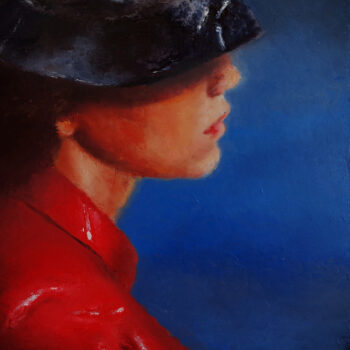
On her enchantingly hypnotic single “The Act,” Bess Atwell glides through the uncertainty of starting over, transforming the ache of friendships left behind into the exhilarating possibility of life on her own terms. It’s a bittersweet celebration of independence, of learning to trust yourself even when the prospect of standing on your own feels impossibly daunting.
Dreamy, mesmerizing, and beautifully defiant, the English singer/songwriter’s return is a spellbinding indie pop reverie that wraps a deeply personal declaration of self-reliance in shimmering melodies and lush electronic textures. Graceful and quietly triumphant, it’s an intoxicating introduction to a new era for Atwell – one that finds her embracing change, reclaiming her independence, and discovering just how much she’s capable of on her own.
So it hit me in the snow
I used an ocean as a wall
I know nothing about love
Except it feels impossible
You’ve been working on the shame
I told you it’s somebody else’s stain
And their pleasure is my pain
Released September 28 via Nettwerk, “The Act” offers the first glimpse into Atwell’s fourth studio album, Cut a Figure, arriving February 5, 2027. It’s an exciting evolution for an artist whose music has long explored the complexities of connection and the difficult work of understanding ourselves. Five years ago, in our deep dive into 2021’s Already, Always, Atwell identified “existential loneliness” as a defining theme of that record. Her acclaimed 2024 follow-up, Light Sleeper, produced by The National’s Aaron Dessner, continued that journey through intimate, emotionally searching songwriting. Now, with a newfound appetite for experimentation and a growing willingness to confront uncomfortable truths, Atwell is approaching those familiar questions from an entirely different perspective. What happens when the people we depend on are no longer part of our lives? And what might we discover about ourselves in their absence?
Those questions followed Atwell across the Atlantic when she relocated to Quebec, Canada, for nine months. The move offered a fresh vantage point on the life she’d left behind, giving her the distance to examine relationships that had become increasingly difficult to navigate. Yet physical separation could only accomplish so much. Some feelings demanded more attention than she had previously allowed herself to give them, and confronting those emotions became an important part of her personal growth.
“The heartbreak of losing friends is very real, and something I think I take even more personally than romantic break ups,” Atwell tells Atwood Magazine. “I was learning to be angry, which I think was actually quite healthy. The song acknowledges the loneliness I felt, but also that parting was for the best.”
This complicated emotional reckoning gives “The Act” its remarkable depth. “So it hit me in the snow / I used an ocean as a wall,” Atwell sings, painting a vivid picture of geographical distance becoming an emotional boundary. There’s resignation in those words, but also an emerging sense of control. Later, “You’ve been working on the shame / I told you it’s somebody else’s stain” suggests the exhaustion of carrying emotional burdens that were never entirely hers to bear. Atwell’s writing is wonderfully precise, finding a way to acknowledge hurt without surrendering to it. Even the song’s central refrain, “I was alone in the act,” feels deliberately ambiguous, hovering somewhere between abandonment and the realization that she had been performing a role she no longer wished to play. With every repetition of “I work alone,” that painful recognition begins to sound increasingly like a declaration of strength.
And then there’s the song’s captivating centerpiece: “I am an outdoor house cat / Watch me as the high line goes slack / I work alone.” It’s a compelling metaphor for an experience that can be anything but comfortable, bringing a flash of personality and mischief to an otherwise emotionally searching song. Its inspiration, as Atwell reveals, is just as charming.
But I was alone in the act
I am an outdoor house cat
Watch me as the high line goes slack
I work alone
“I had this image of a cat walking the lines in my head while I was looking out of the window, writing,” Atwell recalls. “I liked the idea of likening myself to a cat who isn’t used to going outside but miraculously and naturally adept at it.”
That little revelation captures the song’s emotional breakthrough with surprising tenderness. Sometimes we don’t know what we’re capable of until circumstances force us beyond the boundaries of our own expectations. Atwell’s metaphor acknowledges the uncertainty of that experience while embracing its potential for discovery. There’s also a delightful sense of humor woven throughout the song, particularly when she moves from “You wanted me to go solo” to “I found someone who deserves me.” The apparent contradiction between independence and romantic attachment is entirely intentional, and Atwell has a cheeky response to the assumptions that inspired it.
“Turns out, I can be alone but I prefer being in love, sue me!” she laughs.
You wanted me to go solo
You set a fire to my toes
To make me dance for you, I promise
You’d be dancing too
So use your magic on the worthy
I found someone who deserves me
And I can’t help but take the bait
(Take the bait, take the bait, take the bait)
It’s a deliciously refreshing distinction, and an important one. Self-reliance doesn’t have to mean emotional isolation, nor does wanting companionship diminish our ability to stand on our own. What matters is having the freedom to choose our relationships without allowing them to determine our worth. Atwell embraces that autonomy with a wink, finding room for affection and playfulness alongside her newfound resolve.
That spirit of liberation extends into the recording itself. Working with acclaimed producer Chris Coady, whose credits include Beach House and Yeah Yeah Yeahs, Atwell has broadened her sonic palette considerably, embracing a more electronic approach that feels perfectly suited to the song’s buoyant confidence. Her vocals float above the arrangement with an almost effortless grace, while the synth-laden production gives the music a captivating sense of movement. There’s an intriguing contrast between the intricacies of her lyrics and the relative ease of the listening experience, with each refrain becoming more entrancing as the song unfolds. Where her earlier work often drew its strength from earthy acoustic textures, “The Act” revels in the possibilities of a more imaginative, atmospheric sound.
“I wrote and arranged this new music mostly on my computer, not worrying about how to play it live, which is the opposite of what I did for Light Sleeper,” Atwell explains. “That record was mostly written on the guitar, and I was pretty concerned with being able to pull it all off live. This time, I wanted to see what happened when I stopped worrying about that. Chris is Mr-Synth so he was the perfect guy.”
The results are liberating. Atwell has cited The Blue Nile’s Hats as an inspiration for the darker, rain-soaked world of her forthcoming album, and there’s a similarly transportive quality to the musical landscape she’s beginning to unveil. The atmosphere feels spacious enough to accommodate both longing and exhilaration, allowing the song’s deeper emotional conflicts to coexist with its playful melodic charm. What’s especially exciting is how naturally this aesthetic shift complements her personal transformation. By giving herself permission to explore unfamiliar creative territory, Atwell has found another way of expressing the courage and curiosity at the heart of “The Act.” The music itself becomes an act of self-discovery, an invitation to loosen our expectations and see what might happen when we stop holding ourselves back.
And perhaps that’s what makes this song so moving. Atwell hasn’t arrived at some perfect, uncomplicated understanding of herself or the relationships that have shaped her life. She’s still figuring things out, still making sense of the past, and still discovering what she wants from the future. But there’s an unmistakable sense of possibility in the way she carries herself through “The Act,” a recognition that uncertainty needn’t prevent us from moving forward.
For an artist whose music has so often examined the ache of disconnection, this dreamy, irresistibly melodic reverie represents a particularly meaningful breakthrough. Bess Atwell has created a song that celebrates the extraordinary courage hidden within the ordinary act of beginning again, reminding us that we can miss the people we’ve lost, cherish the people we’ve found, and still belong entirely to ourselves. The world beyond the window might be unfamiliar, and the high line might go slack, but there’s a thrilling freedom in discovering that we already know how to walk it.
‘Cause I was alone in the act
I am an outdoor house cat
Watch me as the high line goes slack
I work alone
“Mountain Stream”
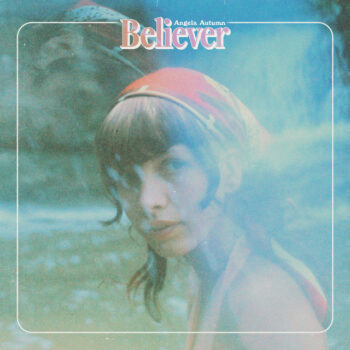
by Angela AutumnThe mountain promises peace: A place where the world loosens its grip, where rushing water washes away the weight of everything you’ve been carrying.
The hunger for that peace can be fierce – and Angela Autumn makes the search for it sound like a beautiful storm. On her towering song “Mountain Stream,” the longing for escape takes on a life of its own: Wild, urgent, and almost impossible to resist.
The Appalachian-born singer/songwriter delivers a riveting collision of old-world mountain music and restless rock ‘n’ roll spirit. Guitars churn, drums pulse, and Autumn’s captivating, rough-edged voice rises above it all, riding a melody that burrows straight into your bones. There’s a primal power behind her deceptively simple refrain, as though a few words sung with enough conviction might carry you all the way to the water’s edge.
Good luck getting back to me
I’ll go with the dead
Way down where the water’s deep
Way over your head
I’ve been everywhere on a mean old streak
All I need is a mountain stream
All I need is a mountain stream
All I need is the mountain
Released June 29 as the lead single off Autumn’s sophomore album, Believer, which arrived September 11 via Gar Hole Records, “Mountain Stream” is a thrilling expression of an artist coming into her own. Raised among the Allegheny Mountains of western Pennsylvania and now based in Nashville, Autumn has long drawn inspiration from the natural world, weaving Appalachian folk traditions and old-time country influences into her deeply personal songwriting. Her 2021 debut, Frontiers Woman, introduced a restless storyteller with an appetite for adventure and a fierce determination to survive. Five years later, Believer finds her venturing into more unruly territory, embracing the psychedelic and alternative edges of her artistry while retaining the earthy foundations that first shaped her sound. There’s a striking sense of purpose to this evolution, born of an artist discovering how much further she can push herself without losing sight of where she comes from.
For Autumn, the success of her 2023 single “Electric Lizard” helped open the door to a different kind of creative ambition – one that would fundamentally change her relationship with the music she wanted to make.
“After ‘Electric Lizard’ caught so much traction, I had the gumption to make a rock n roll record,” Autumn tells Atwood Magazine. “I told all of my friends, ‘You’ll take action with this music.’ I am so tired of draining, sad reflective writing, because I write those songs, but they aren’t my edge.”
The desire for action is written all over “Mountain Stream.” There’s a thrilling immediacy to the performance, an almost physical momentum that makes its melodic hooks feel especially potent. Autumn’s vocals are a revelation, her distinctive Appalachian drawl cutting through the arrangement with an arresting combination of grit and grace. She stretches and bends her phrases, giving the impression that she’s reaching for something just beyond her grasp, while the instruments surge around her. Yet for all the intensity coursing through the recording, its central melody remains deliciously accessible, the kind of refrain that lodges itself in your head and refuses to leave. It’s an exhilarating balancing act between untamed musical expression and pure, undeniable catchiness.
Beneath that addictive surface lies a stirring meditation on what it means to seek refuge when life has worn you down. “Good luck getting back to me / I’ll go with the dead,” Autumn sings, immediately establishing a sense of withdrawal from the world around her. Later, “I’ve been everywhere on a mean old streak” hints at the exhaustion of a life spent wandering through difficult circumstances. But the song’s most fascinating image may be its suggestion of transformation through erosion: “Worn down by the water’s edge / Has made me right with time.” Here, nature becomes an active participant in the healing process, its relentless movement gradually reshaping what it touches. The water doesn’t simply offer somewhere to hide; it holds the possibility of emerging from hardship as someone changed.
This gives the song’s insistent chorus an especially intriguing dimension. Each repetition seems to draw Autumn closer to an answer, as though the act of singing might itself bridge the distance between where she stands and where she needs to be. But her understanding of that destination reaches far beyond the physical landscape.
“That repetition is a mantra, I suppose, with a lot of subtext,” Autumn explains. “If you don’t need a person, but you need a mountain, then what you mean is really ‘I need this challenge, what is in front of me, this journey, this ancient thing’ and it’s at once recognizing and negating materialism.”
You might be staring in disbelief
That I could be refined
Worn down by the water’s edge
Has made me right with time
All I need is a mountain stream
All I need is a mountain stream
Tuck me in and say goodnight to
Tuck me in and say goodnight
Goodnight, goodnight
I understand that pull on a deeply personal level. Living in the valley of a mountain in upstate New York, I’ve long felt a particular comfort in its presence, in knowing that something so vast and enduring exists beyond the complications of everyday life. One look at my mountain, and I’m recentered, renewed – at peace. And that’s part of what makes “Mountain Stream” resonate so strongly with me. Autumn gives musical expression to an instinct that can be difficult to articulate: The desire to leave behind the noise of our lives and reconnect with something greater than ourselves. There’s humility in standing before a landscape that has existed for millennia, but there’s also a profound sense of perspective in recognizing how much life continues to move and change around us. Autumn captures that paradox beautifully, finding strength in surrender and possibility in the unknown.
The recording itself has an exhilarating spontaneity that feels essential to its impact. Working with producer and multi-instrumentalist Isaiah Beard, known as Baerd, Autumn assembled a performance that favors instinct and chemistry over meticulous polish. The bass gives the arrangement a muscular undercurrent, while the drums attack their rhythms with an almost breathless determination. Even as the guitars twist and collide, the song maintains an irresistible forward motion, its rougher edges lending the music a sense of danger. Listening, I can practically feel the musicians feeding off one another’s energy, pushing the performance toward its breaking point without ever letting it unravel. As Autumn recalls, the circumstances surrounding its creation were every bit as vivid as the finished recording.
“Two words: Fire and water. Super elemental. Industrial. Under the cover of darkness. The rain on the roof, and determined recording style (1-2 takes only) and the direction of Baerd and Ross McReynolds on drums, and Rhees Williams on bass, made my vision burn like fire and went straight to the recording software.”
There’s another dimension to “Mountain Stream” that deserves attention, too. Its accompanying music video, directed by Ash Wright and creatively directed and choreographed by Autumn herself, features members of her community, including dancers, sex workers, and other performers. Their presence adds an unexpected visual language to the recording, bringing its restless musical character into the physical world and expanding the possibilities of what its message might mean.
“My dream is to normalize sensual movement, and strippers are a prime example of the joy and celebration of the body,” Autumn shares. “People often need permission to move their bodies sensually, so I invited them to this music.”
It’s a striking extension of the song’s spirit. The same fierce independence that sends Autumn searching for the mountain also animates this celebration of self-expression, inviting listeners to experience music through movement rather than observation alone. The video gives the recording another avenue for release, suggesting that liberation can be found in the act of reclaiming our bodies and inhabiting them without apology. There’s a beautiful continuity between the freedom of the natural world and the freedom of physical expression, both offering a way to reconnect with parts of ourselves that everyday life can leave neglected.
This sense of possibility lies at the heart of Believer, an album Autumn created in the aftermath of a breakup and a difficult period of personal upheaval. Its title feels particularly apt here. To believe in a brighter future requires a willingness to venture beyond the familiar, to trust that the experiences awaiting us might be worth the uncertainty of getting there. “Mountain Stream” embodies that courage with remarkable force, channeling a desire for restoration into music that practically demands to be played at full volume. Even after the final notes fade, its chorus seems to keep moving, carrying the listener along on the strength of its melody.
And maybe that’s the most affecting thing about Angela Autumn’s song: The mountain isn’t a promise that life’s troubles will disappear, nor is the water a guarantee that everything will be made right. What they offer is a place to begin again, a reminder that renewal often requires us to confront the very forces that threaten to overwhelm us. Mesmerizing, meditative, and utterly intoxicating, “Mountain Stream” captures that journey in all its turbulent beauty, transforming a deceptively simple longing into an unforgettable expression of resilience and release. It’s wild, magnetic, and gloriously alive – a song that reminds us that sometimes the path toward peace is anything but peaceful.
All I need is a mountain stream
All I need is a mountain stream
All I need is a mountain stream
All I need is the mountain
“From a Different Age”
by Bo StalochA whisper can only hold so much heartbreak before it becomes a roar.
On his achingly beautiful song “From a Different Age,” Bo Staloch confronts the painful realization that even the friendships we thought would last forever can slip away, giving that grief a musical expression as gentle as it is ferocious.
Tender, impassioned, and breathtakingly dynamic, the Austin-born, Nashville-based singer/songwriter’s folk rock stunner builds from delicate acoustic intimacy into a sweeping, full-band release. At the center is Staloch’s captivating voice, carrying every rise and fall with the bittersweet understanding that outgrowing a friendship doesn’t make losing it any easier.
Laugh it off
Put the mask back on
It’s time to take the stage
Time to go
There’s ice upon the roads
And it’s not safe

Released July 3 via Capitol Records, “From a Different Age” is the charged and churning introduction to Staloch’s eight-song coming-of-age EP Too Big, Too Big, which arrived November 6. It’s a stirring return for an artist we’ve been championing at Atwood Magazine since his early singles, including 2024’s “Santa Fe” and last year’s explosive Editor’s Pick “Give It a Break.” I had the pleasure of catching Staloch live at Rolling Stone’s Stateside festival in Kingston this summer, and his performance only reaffirmed what I’ve felt about his music for years: Few emerging singer/songwriters possess such a natural ability to make their most personal emotions feel enormous. Now 21, Staloch has grown increasingly comfortable exploring the full breadth of his artistry, and this song feels like a particularly powerful realization of everything that makes him special.
The stakes are established immediately, in an opening that feels almost painfully exposed: “Laugh it off / Put the mask back on / It’s time to take the stage.” There’s a devastating familiarity to that image, the suggestion of a person preparing to face the world while privately struggling to keep himself together. The words arrive with an almost conversational closeness, as if we’re overhearing a confession he hasn’t quite worked up the courage to share. And rather than introducing an imaginary character, Staloch is drawing from a difficult chapter of his own life, one whose emotional contradictions found their way into several songs across the EP.
“I feel like in this season of my life, where I felt like I was losing my friends, I was putting on this mask of confidence and happiness, when in reality I was feeling really low and lonely,” Staloch tells Atwood Magazine.
The tension between appearance and reality is reflected brilliantly in the arrangement. The opening’s acoustic guitar and plinking piano establish a fragile sense of composure, every carefully placed note heightening the anticipation of what might come next. Then the chorus arrives, and the whole recording seems to burst at the seams. Drummer Matt McCaughan’s insistent percussion gives the music its tremendous momentum, while Libby Rodenbough’s violin cuts through the swelling instrumentation with a piercing emotional intensity. Staloch, meanwhile, unleashes a vocal performance that feels almost impossibly expansive, rising from a delicate croon into an all-consuming cry. The impact comes from more than sheer volume: The eruption reveals just how much feeling was waiting beneath the surface all along.
“Quiet is the thinking man / I fear I’m losing all my friends,” Staloch sings, his desperation becoming impossible to contain. The chorus reaches for a painful explanation: “We’re from a different age / We don’t act the same.” Later, a subtle lyrical shift changes everything, with the thinking man becoming “the lonely man.” It’s a small distinction with enormous implications. What begins as introspection has become isolation, and the space between those two states can be frighteningly difficult to navigate. I love how Staloch gives that realization such an expansive musical backdrop. The band’s surging performance makes the fear palpable, allowing listeners to experience the emotional magnitude of a loss that might otherwise be difficult to put into words.
Quiet is the thinking man
I fear I’m losing all my friends
We’re from a different age
We don’t act the same
Friendship occupies a particularly significant place in Too Big, Too Big, an EP born from the dizzying transitions of early adulthood. Written while Staloch was 20, its songs grapple with the upheaval of leaving home, pursuing dreams, and watching familiar relationships change shape. There’s an almost cruel irony to this period of life: Just as we’re beginning to discover who we might become, the people who helped define who we’ve always been can begin to drift away. “From a Different Age” captures that disorientation with remarkable sensitivity, recognizing the grief that accompanies personal growth without pretending that moving forward makes saying goodbye any easier. When I asked Staloch about the larger pressures informing this chapter of his songwriting, he offered a perspective that extends well beyond his own generation.
“I feel like we’re weirdly expected to know who we are, what we’re doing, where we’re going, yet no one really does when you’re 20. No one really does ever,” he shares.
Perhaps that’s part of what gives Staloch’s music its unmistakable old-soul character. His songs draw from experiences that are intensely specific to his life, yet the questions he raises remain relevant long after the uncertainty of our twenties has passed. When do we stop fighting to preserve a friendship that’s no longer working? How do we accept that growing apart doesn’t invalidate the years we spent together? And how do we keep our sense of self intact when the people who once knew us best are no longer around? “From a Different Age” offers no easy answers, but its willingness to sit with those questions is deeply affecting. Staloch understands that even necessary endings can leave us feeling utterly unmoored.
Grab my bags
Put ’em on the porch
It’s time for me to leave
Stab my back
As I’m walking out the door
With words you know hurt me
This emotional candor is matched by the extraordinary musicianship surrounding him. Recorded at producer Brad Cook’s Puff City studio in Durham, North Carolina, the song features an accomplished ensemble that also includes multi-instrumentalist Phil Cook and guitarist Colin Croom. Their playing has a beautiful sense of restraint, allowing the quieter passages to breathe before giving way to the song’s tremendous peaks. More than a display of technical skill, the performance feels like an extension of Staloch’s emotional world, its shifting dynamics mirroring the exhausting movement between holding ourselves together and finally letting everything spill out. It’s a testament to his musical vision that the softest moments feel every bit as powerful as the fiercest, with each extreme giving the other greater meaning.
And then comes the outro, where all that upheaval gives way to a final, heartbreaking admission: “Silent is the man / Who has everything / Slipping through his hands.” After the song’s dramatic crescendos, those words land with an almost unbearable sense of helplessness. The imagery is particularly striking because it suggests a loss that cannot be reversed through determination alone. The more desperately we try to hold on, the more painfully aware we become of what we’re losing. Yet Staloch’s relationship with that ending has evolved since he first wrote it, and the perspective he’s gained gives the song an additional layer of meaning.
“I felt like I was losing pieces of myself in these friendships that were fading, and there was just no way of stopping it. It sucked,” Staloch admits. “But now I know that it was all just a very important phase of ‘weeding out’ the people in my life that are really supposed to be there.”
There’s a profound difference between recognizing that truth in hindsight and finding the strength to believe it while you’re still in the middle of the experience. Staloch doesn’t force the song toward a reassuring resolution, and I think that’s one of its greatest strengths. The ending preserves the uncertainty of the moment, honoring the version of himself who hadn’t yet discovered what those losses might eventually make possible. That vulnerability also speaks to the larger purpose behind Too Big, Too Big: Learning that even the most overwhelming emotions become easier to carry when we allow ourselves to share them. As Staloch reflects elsewhere in our conversation, “I’ve learned that you can’t beat these types of changes by yourself.” It’s a lesson that gives the song’s struggle an unexpectedly hopeful dimension, even as its final notes leave us suspended in sorrow.
“From a Different Age” is an unflinching portrait of growing up and growing apart, an emotionally charged folk rock triumph whose beauty lies in its refusal to separate strength from vulnerability. Bo Staloch has always possessed a gift for making deeply personal music resonate far beyond his own experiences, but here that ability feels especially profound. His voice can break your heart in a whisper and leave you breathless with a shout, and the distance between those extremes contains an entire world of feeling. It’s a reminder that losing people can be part of discovering ourselves, even when the process hurts more than we know how to express – and that sometimes the bravest thing we can do is finally let the world hear what we’ve been holding inside.
Quiet is the lonely man
I fear I’m losing all my friends
We’re from a different age
We don’t act thе same
Silent is the man
Who has еverything
Slipping through his hands
Oh-ooh, ooh-ooh
Ooh-ooh, ooh, ooh
Ooh-ooh, oh-ooh
— — — —

Connect to us on
Facebook, 𝕏, Instagram
Discover new music on Atwood Magazine
Editor’s Picks
follow EDITOR’S PICKS on Spotify