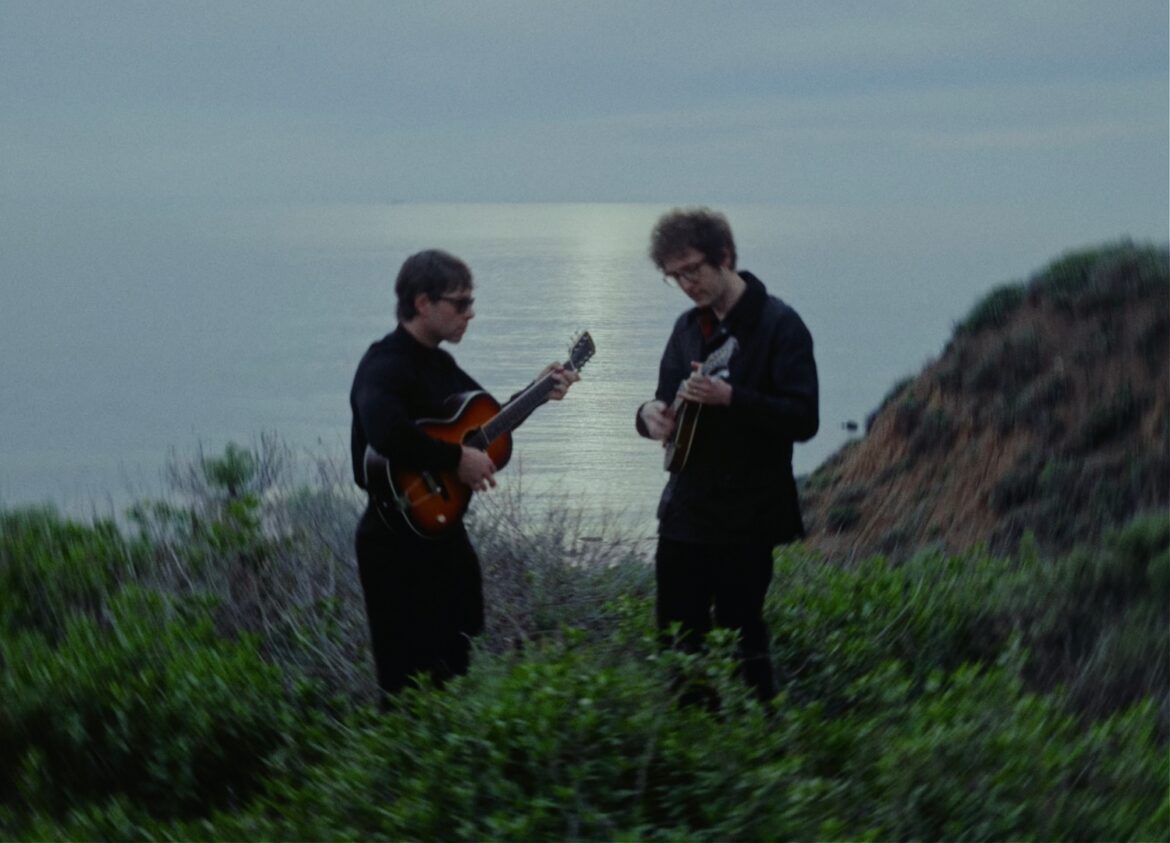
Acclaimed musician Rob Moose sits down with Atwood Magazine to discuss ‘Put Wind in My Sails,’ his latest album with Thomas Powers, the influences behind the record, and the thrill of composing music entirely his own.
Stream: “Alice” – Rob Moose & Thomas Powers
I try to unearth the deepest feelings in people’s songs and help them get across what they dreamed of saying.
* * *
Having grown up playing classical music, I have long been skeptical of the labels assigned to music without words. The most interesting of them is “ambient.”
I punched this term into the Spotify search bar, and dozens of adjectives were reflected back at me: Sad, relaxed, chill, romantic.
Brian Eno coined and defined the term decades ago: “Ambient Music must be able to accommodate many levels of listening attention without enforcing one in particular; it must be as ignorable as it is interesting.”
Simply put, ambient music does not describe the music itself. Rather, it is an instruction manual for how the music should behave and under what circumstances it should be consumed. I have always known music without words to ask something of the listener. It has asked me to hear its many voices and accompany each of them somewhere, sometimes separately, sometimes together, into a memory, a color, a season, an emotion.
Rob Moose, it seems, has approached music in the same way. Called “one of the most recorded musicians of his day,” Moose has worked with Paul Simon, Taylor Swift, Sufjan Stevens, Miley Cyrus, among others. He has also released his own EPs with contributions from Sara Bareilles, Bon Iver, and Brittany Howard.
The multi-instrumentalist is used to stepping into a song that already has not just words, but an established character, sound, story, and personality. Over the last twenty years, Moose has nestled into a comfortable corner of the music world, one that gives him more than enough elbow room as the “secret weapon” of pop and indie arrangements.
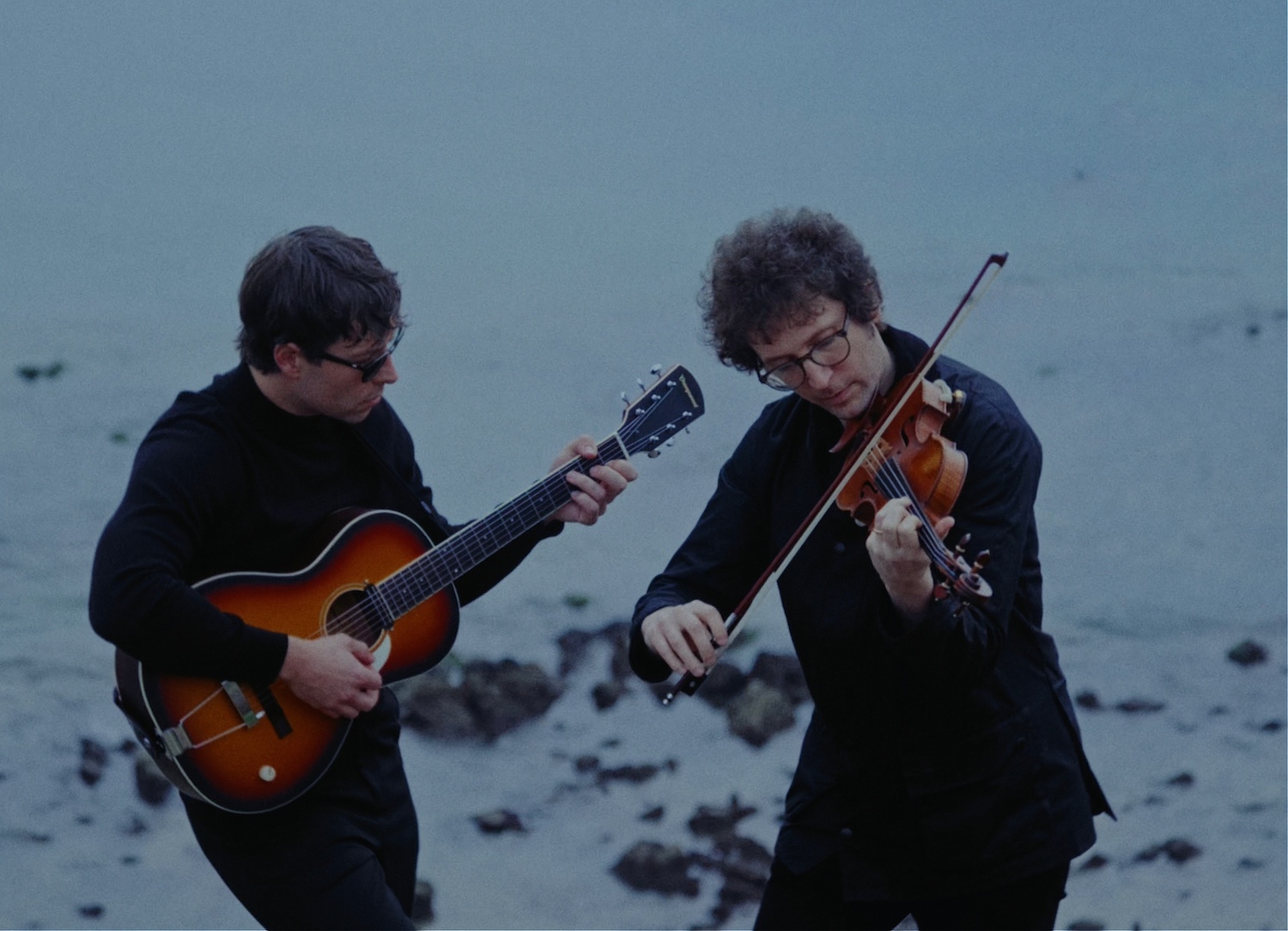
For years, Rob Moose has been helping other people tell their stories.
Now, he is giving in to a desire to construct a world of his own. In 2024, Moose found a kindred ear in Thomas Powers of The Naked & Famous while working on Powers’ solo record A Tyrant Crying in Private. The two connected over their shared love of the electronica and ‘90s alternative music that had captivated them in their twenties. Together, they made Put Wind in My Sails, a project that marries their influences with what Moose calls “cinematic music.” During our conversation, Moose reflected on the limitations of music designed to accompany everyday life: “Because it is meant to serve a certain purpose and lend emotion to your life, it often does not feel challenging enough to me. We wanted to be a little more dangerous, offering moments of contemplation and not just wallpaper,” he muses.
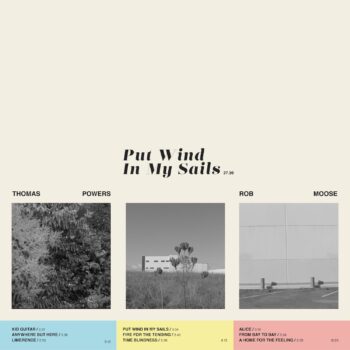
The sense of danger lies in what Moose calls a “two-part thesis statement,” found both within individual tracks and across the entire record. Album opener “Kid Guitar” offers an early glimpse. A jaunty bass line bounces between a contemplative alto melody; the two voices dance around each other without fully settling into harmony. Moose is perhaps most proud of “Limerence,” a piano-led track he calls the highlight of his career.
Piano and strings trade voices, weaving together in a sweet, forlorn melody The arrangement swells to a crest before gently collapsing inward. The record is full of these evocative moments, whether in the pleading desperation of “Put Wind In My Sails” or the hazier Alice in Chains-inspired “Alice.” In the absence of lyrics, the instruments themselves carry the story, their melodies unfolding through lush arrangements and moments of both quiet intimacy and dramatic contrast.
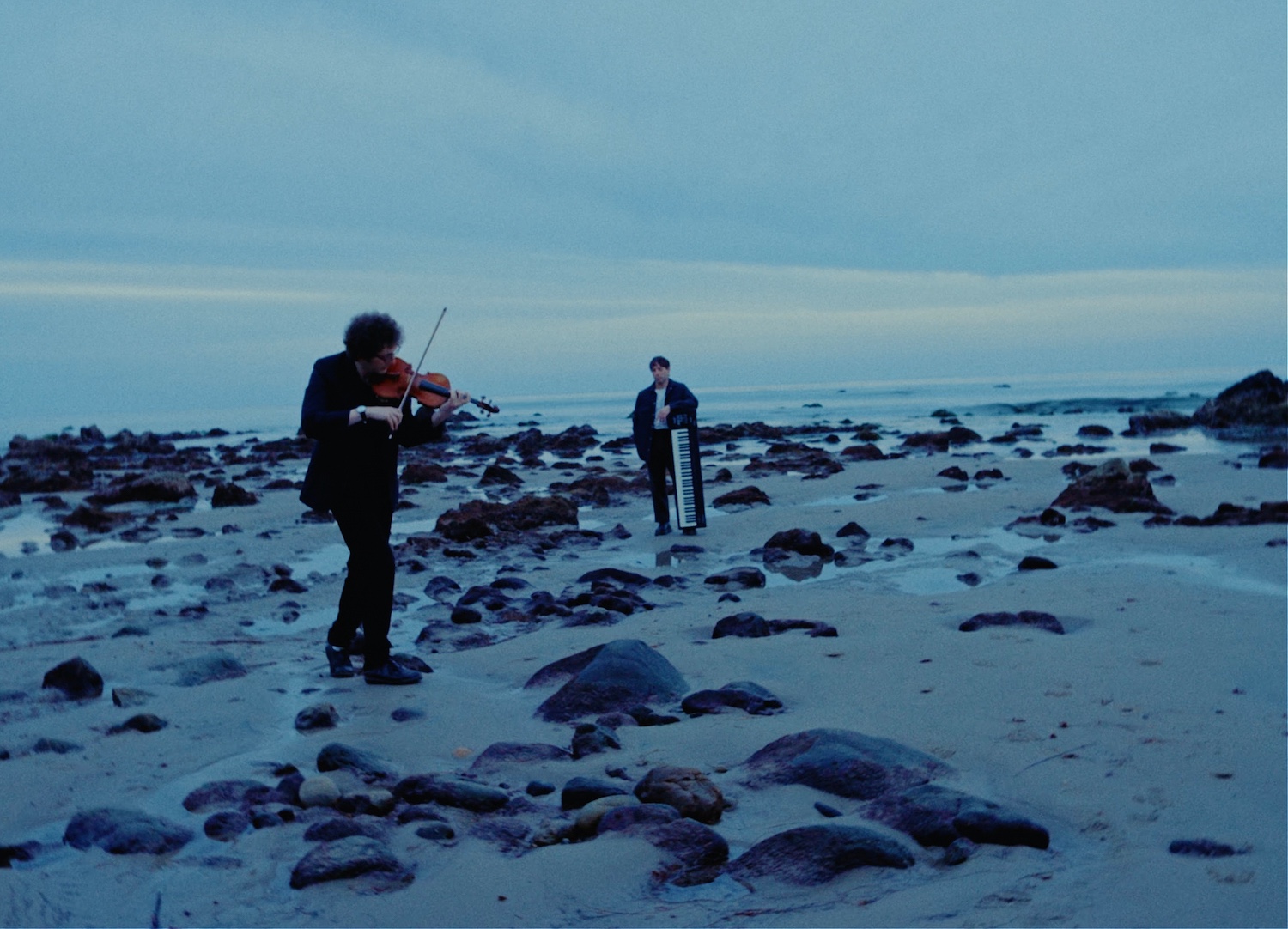
For Moose, this record represents more than a departure from the work that has defined much of his career.
It gives the acclaimed musician room to shape the musical identity that has existed alongside his collaborative work. “This is the first time in a project I have been a part of that I feel like it has been all about that,” Moose tells me. “It was so rewarding to represent this part of who I am.”
In an interview with Atwood Magazine, Moose discusses the creative partnership with Thomas Powers, the influences that shaped the record, and the thrill of composing music entirely his own.
— —
:: stream/purchase Put Wind in My Sails here ::
:: connect with Rob Moose here ::
— —
A CONVERSATION WITH ROB MOOSE
Atwood Magazine: As a huge fan, I am delighted that you are so busy, because it means more music!
Rob Moose: I was just telling my studio neighbor that I can’t keep track of anything. This year has asked so much of me creatively that I feel like I am on an assembly line. Something goes out, I go blank again, and I am ready for the next one. I have to find some time to scrapbook or journal later this year. But it has been overwhelming in a good way!
As someone who is constantly swimming in work, can you describe what your day-to-day looks like?
Rob Moose: My son goes to school ten minutes away. I drop him off and begin recording in my studio by 8:30 a.m. It’s been awesome to use this flexibility to create the kind of family life I didn’t grow up with. On days when I spend time with him and work later, I gain both inspiration from his world and a longing to practice my craft. It doesn’t feel like work to me, which is such a cliché.
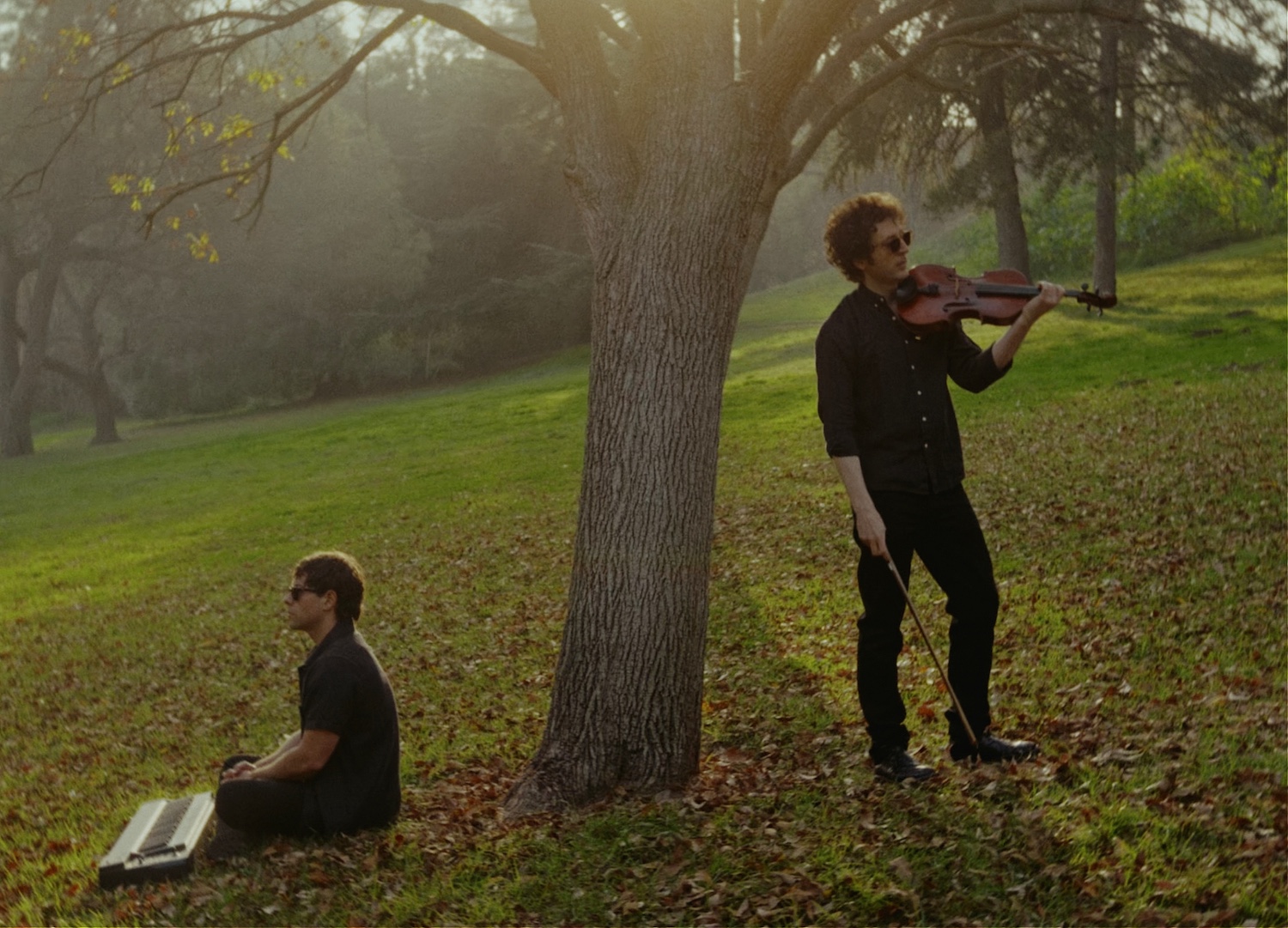
You said that after twenty years as a musician, this record feels like “a true new beginning.” What is this the beginning of?
Rob Moose: For the last few years, I have wanted to put myself in situations where I am a composer. Tom and I made this music in so many different ways. It was a big game of leapfrog via email. We identified a two-part thesis statement in the music early on. We wanted to present emotional renderings of the listener’s life alongside this element of slightly electronica/’90s alt that references our childhood. I had only participated in that world as a fan, never as a professional musician. I love how those voices interact with each other. It helps me make sense of my history as a listener.
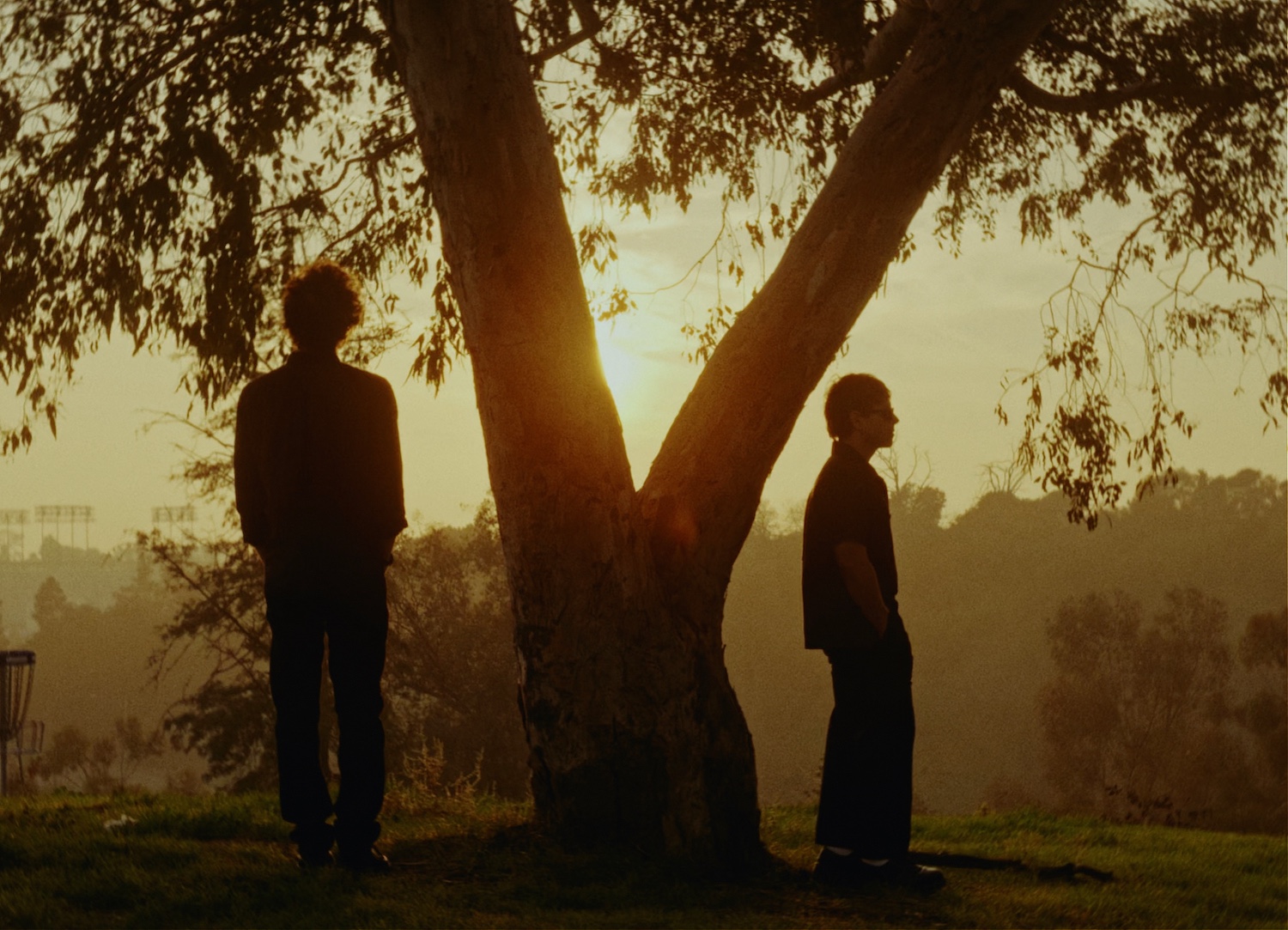
I hear that two-part thesis in both individual songs and throughout the record. The sweeping, cinematic melody and the underlying electronic pitter-patter of “Kid Guitar” come to mind.
Rob Moose: I feel like the kind of music that is more playlist-y and cinematic can feel compressed or flat, to me. Because it is meant to serve a certain purpose and lend emotion to your life, it often does not feel challenging enough to me. We wanted to be a little more dangerous, offering moments of contemplation and not just wallpaper.
The dynamic nature of the music reminds me of Radiohead and Massive Attack, groups that broadened the landscape of electronica. Do those comparisons seem accurate to you?
Rob Moose: Totally. “Alice” is named after Alice in Chains. I remember practicing violin in orchestra as a kid and hearing music like that on the radio. It reminded me of what I was practicing, but I didn’t know what to do with it. I feel like my whole career has been trying to meld those interests. This is the first time in a project I have been a part of that I feel like it has been all about that. It was so rewarding to represent this part of who I am.
How do you compare the experience of being a composer with the experience of being a collaborator?
Rob Moose: It is interesting to find your space in something that has already been constructed. I love the unpredictability of collaborating. Bouncing from project to project is awesome because the experience I have on one song will unexpectedly inform what I do next. I like bringing my unique, signature voice to it. I try to unearth the deepest feeling in people’s songs and help them get across what they dreamed of saying.
As a composer, I think it is important to prioritize my expressions and practice starting from a blank page. It’s a completely different muscle. I feel like I should do this every year.
How did you and Tom complement each other as collaborators?
Rob Moose: He is very, “Yes, and.” He is incredibly quick at making something sound like something. We have things in common, but we can complete each other’s ideas in really nice ways.
Was there a song on this album that you guys had different outlooks on in the beginning?
Rob Moose: When I sent “Limerence” to Tom, he made this dark, cool instrumental that would be awesome for someone to sing or rap over. It was a fragment he wanted to pursue, but I was really attached to my hope for the song. He immediately agreed, leaving the vision and the hours of work he had invested behind. This led to one of the string arrangements I am most proud of in my career. It’s one of the first things I would point to in my career if someone asked what I can do.
Which songs have lent emotion to your life?
Rob Moose: I have been lucky to work with Justin Vernon for four albums. Before I knew him, the song “Re:Stacks” was a major part of my life.
I also discovered Medium Build while playing with Mumford and Sons. I put on his album, and in the middle of “J&L,” I started weeping. As someone who contributes instrumentally to music, lyrics are a big driver for me. When the lyrics really move me, it’s such a special thing. Bob Dylan was one of my obsessions. I also think of Blood on the Tracks, which is full of devastating, one-to-one performances.
That reminds me of “Mama, You’ve Been on My Mind.”
Rob Moose: Yeah, that’s a great early one. One of my favorites that was never really released is “Up to Me,” an outtake from Blood on the Tracks. For anyone else, it would be the best song they had ever written, but he never even put it on the album. I think “Shelter from the Storm” was an alternate to that, which made it onto the record.
How did you guys outline the trajectory of the album without vocals or lyrics?
Rob Moose: Tom and I always had a strong definition of what the song was going to be before we began it. We began to accrue and carve from there. I feel like the contributions I made probably ended up being more forward, since there were no vocals. I think if there aren’t vocals, strings become the main thing.
Did you find it difficult to start from scratch on these songs, as opposed to peppering in things at the end?
Rob Moose: Sometimes I try to protect myself so I can continue to hear my inner ideas. Sometimes I think I shouldn’t even know what people are up to. I have worked on thousands of songs, so there is no reason for me to fear that paralysis. When someone references a song, I rarely go back and listen to it. I just pretend that I know and draw on what it feels like. Memory is so distorted anyway. Finding stuff to listen to that feels different enough from what I do is where I like to put my energy.
I think a lot about the fact that when you remember something, your brain draws on the last time you remembered it, not the actual moment. I can easily lose two weeks of sleep over that.
Rob Moose: Right. I am trying to use that for good. If someone mentions The Beatles, it can mean the low, weird cello stuff on “Strawberry Fields Forever” or it can mean the impeccable arrangement of “Something.”
— —
:: stream/purchase Put Wind in My Sails here ::
:: connect with Rob Moose here ::
— —
— — — —
Connect to Rob Moose on Instagram
Discover new music on Atwood Magazine
© Nettwerk Music Group
 © Nettwerk Music Group
:: Stream Rob Moose ::