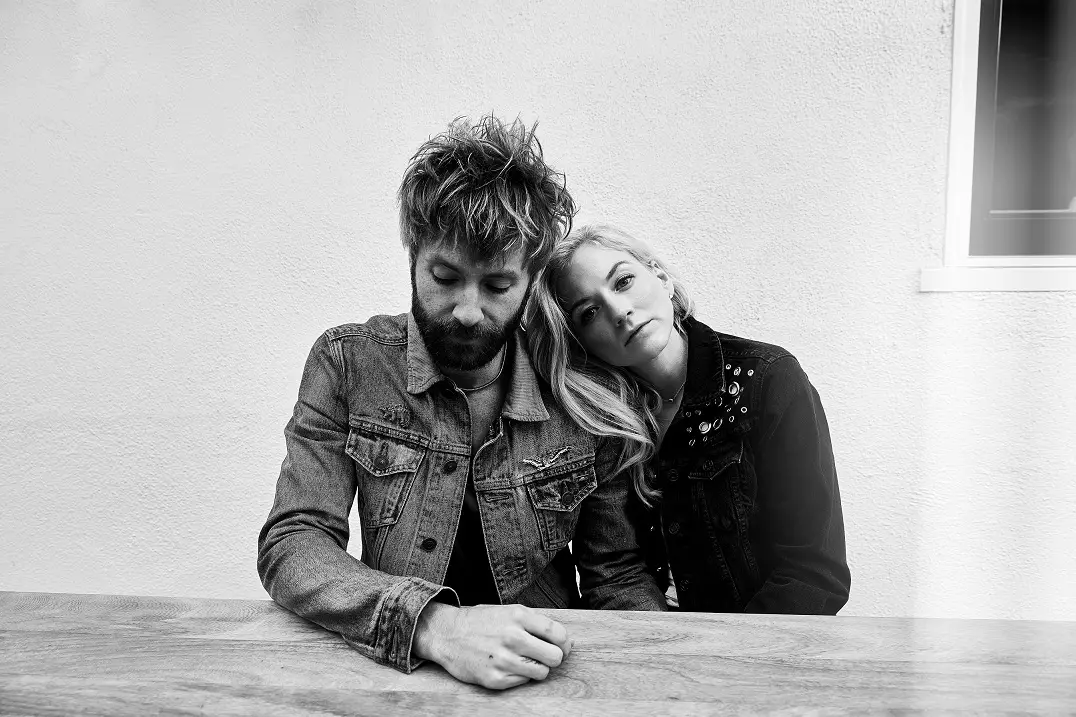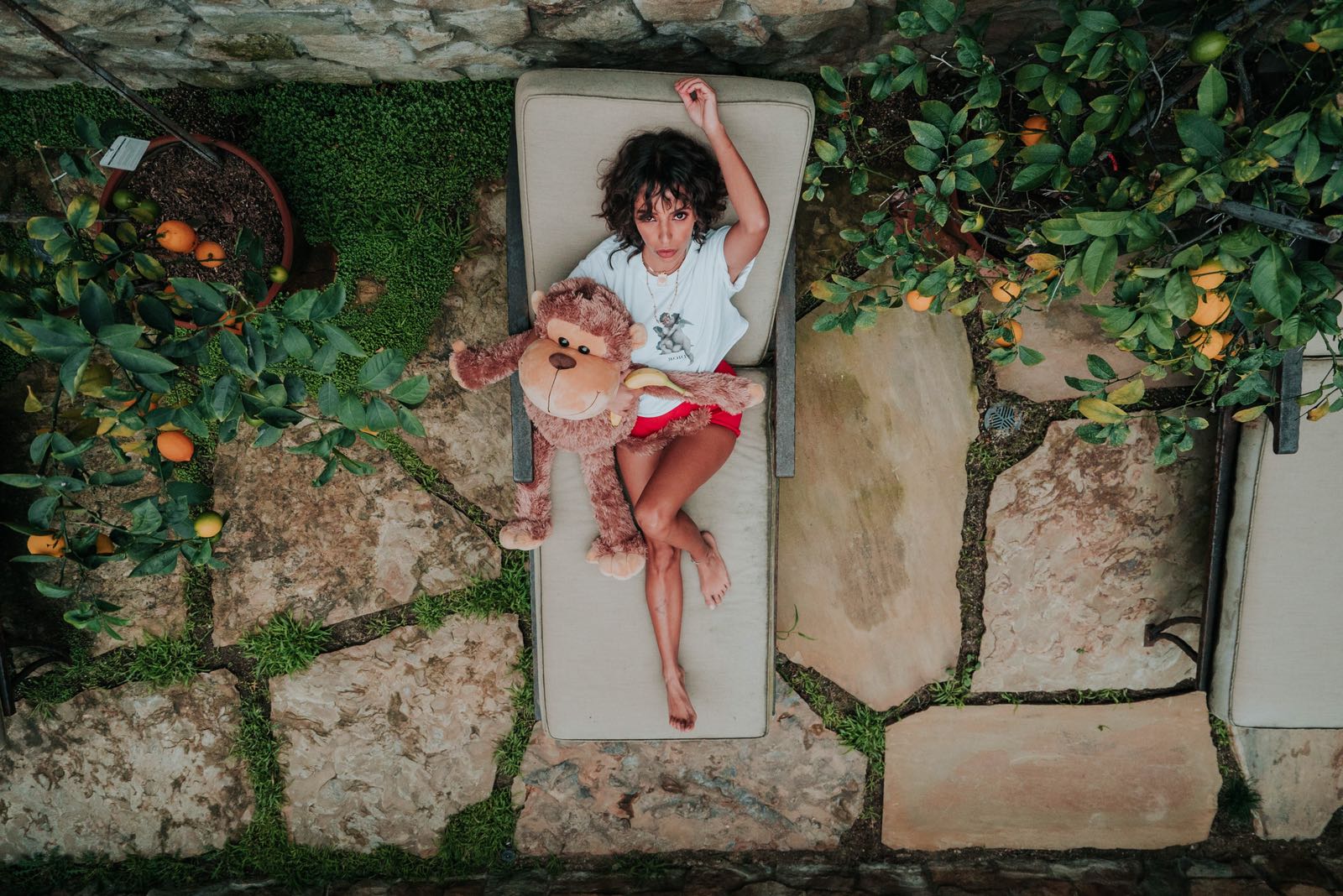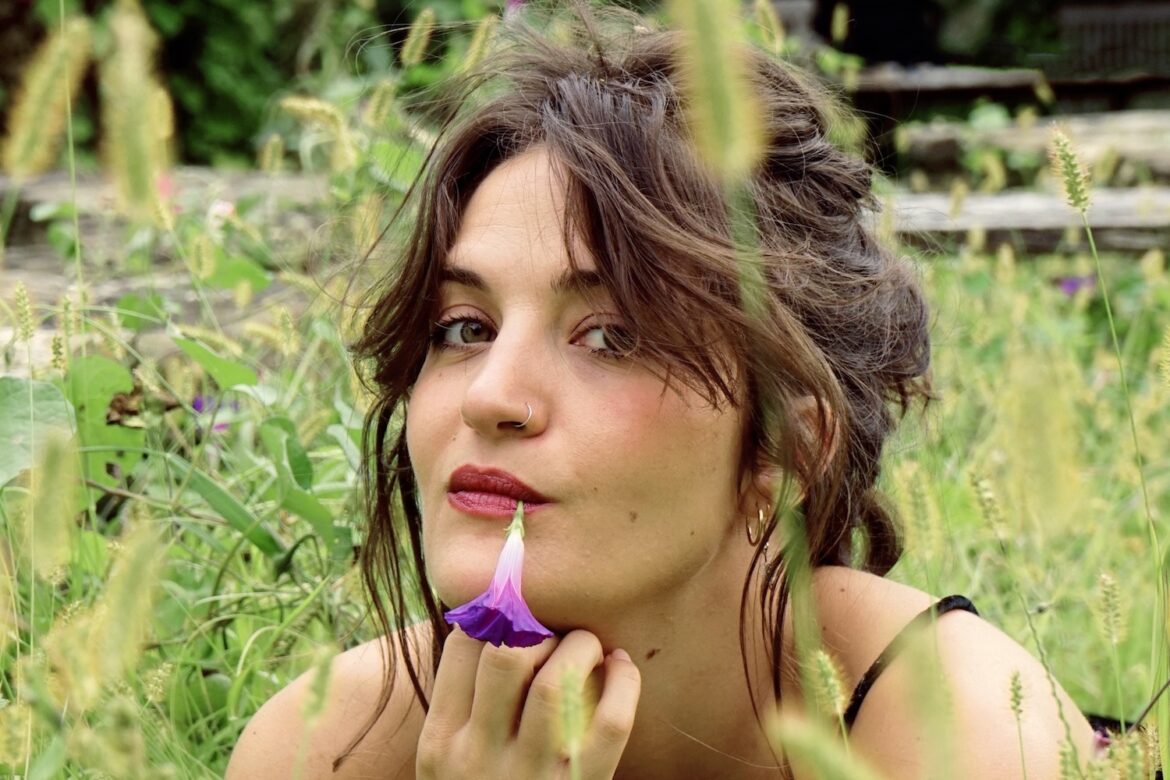
Parisian singer/songwriter Gabi Hartmann invites listeners into the sweeping, borderless world of her enchanting sophomore album ‘La femme aux yeux de sel,’ a cinematic tale of innocence, disillusionment, and healing guided by her breathtaking voice and a rich tapestry of jazz, folk, and world-spanning instrumentation. Among its most spellbinding moments is “Fall Down,” a smoky meditation on fragility that finds beauty not in holding steady, but in learning how to let go.
“Fall Down” – Gabi Hartmann ft. Erik Truffaz
I like my songs to remain spaces for listening and breathing, where fragility and silence are as important as the notes themselves
* * *
Gabi Hartmann sings the way travelers tell stories – slowly, intimately, and with the sense that every note has crossed an ocean to reach you.
Her voice moves with a rare kind of grace: Warm, smoky, and impossibly delicate, as if every phrase carries both a memory and a secret waiting to be discovered. Listening to her feels less like hearing a performance and more like stepping into a dreamscape where languages, cultures, and emotions blur together, guided by an unwavering sense of curiosity.
That spirit flows through La femme aux yeux de sel (Le long voyage), the newly expanded edition of Hartmann’s sweeping sophomore album – a cinematic, borderless 22-song journey that deepens the spell of her original 2025 release. The deluxe edition expands the record’s original 14-song run into a sweeping 73-minute experience, revealing new shades of Hartmann’s sonic imagination along the way. Blending jazz, chanson, folk, soul, and global influences with effortless fluidity, Hartmann creates a musical universe that refuses confinement, drawing listeners across continents and inner landscapes alike as she traces a story of innocence, disillusionment, and self-discovery.
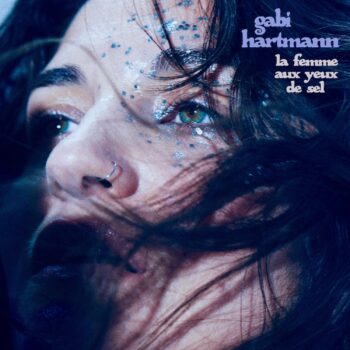
Born and raised in Paris, Hartmann has steadily carved out a distinctive space within contemporary music, blending a dazzling array of local and global influences into a singular sound that feels both timeless and quietly adventurous. Since releasing her acclaimed self-titled debut in 2023, she has captivated audiences around the world, performing at major festivals and collaborating with artists including Jesse Harris, Julian Lage, and Oan Kim. Yet even as her audience grows, Hartmann’s music remains deeply intimate – guided less by genre than by emotion, curiosity, and a desire to follow sound wherever it leads.
Hartmann sees La femme aux yeux de sel as something deeply personal – a story rooted in vulnerability, imagination, and emotional sensitivity. The album traces the journey of Salinda, a fictional woman searching for answers to a mysterious condition, but beneath that narrative lies something more intimate: Hartmann’s own reflections on fragility, melancholy, and creative openness. As she tells Atwood Magazine, the record continues to evolve alongside her.
“It’s an autobiographical album, telling the story of a woman on a journey to find answers to her eye disease. With every tear she sheds, she loses a part of her view and searches for a cure,” Hartmann explains. “It’s a kind of philosophical tale I wrote to share a part of my story and to elevate themes of melancholy and sensitivity.”
“I cry a lot, and this sensitivity can sometimes be painful, but it’s also a vital source of creativity for me. I still love all the songs on this album, but some resonate more than others depending on my mood or what I’m experiencing at a given moment. It’s a living album, evolving with me and with the listeners.”
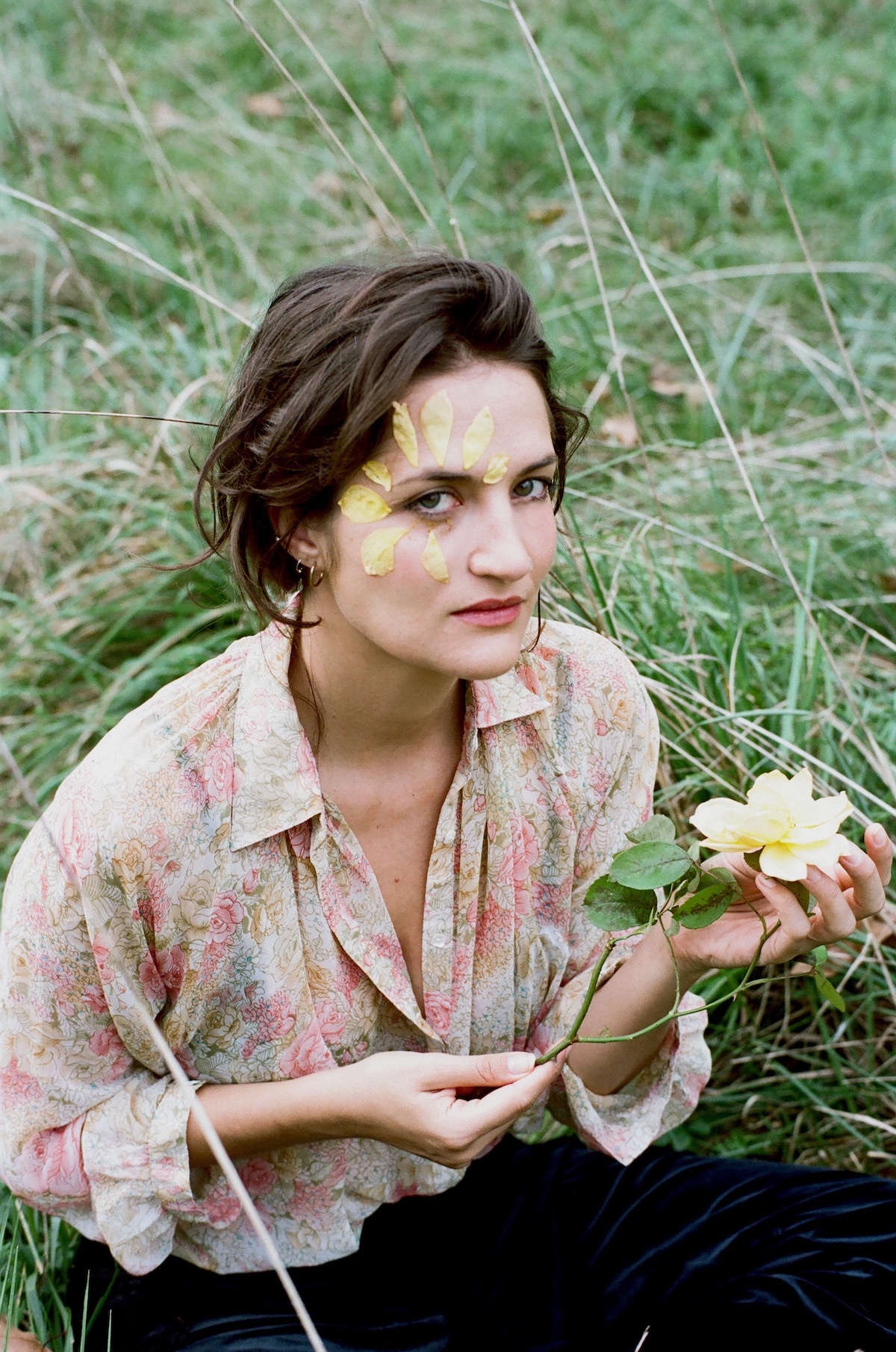
Across its 22 tracks, La femme aux yeux de sel (Le long voyage) unfolds like a living soundscape – an intricate weave of jazz, chanson, folk, and global traditions that moves fluidly between continents and moods.
Acoustic guitars ripple beneath drifting piano lines, strings bloom and recede like tidewater, and woodwinds slip in and out of the arrangements with painterly precision. Flutes flutter above warm basslines, saxophones and horns stretch melodies into open air, and percussion pulses gently beneath it all, giving the record a tactile sense of motion. The orchestration is itself a marvel: A carefully assembled tapestry shaped by collaborators ranging from saxophonist Laurent Bardainne and flutist Naïssam Jalal to composer–producer Jesse Harris and multi-instrumentalist Oan Kim. At every turn, the album reveals another color – a violin phrase here, a whisper of theremin there, a brush of hand percussion or a swelling string arrangement – each element contributing to a sonic landscape that feels lush, transportive, and deeply intentional.
At the center of it all stands Hartmann’s voice, the guiding force that binds this vast musical palette into something unmistakably her own. She sings with a rare command of tone and atmosphere, able to shift emotional temperature in an instant. A line can arrive warm and tender, only to cool into longing moments later; love can curdle into heartbreak with the turn of a phrase. Her delivery carries a spellbinding elasticity, capable of evoking joy, vulnerability, or saudade with equal conviction. Even surrounded by elaborate instrumentation, Hartmann remains the gravitational core of the record – her phrasing entrancing, her tonal subtleties drawing listeners ever deeper into the album’s emotional terrain.
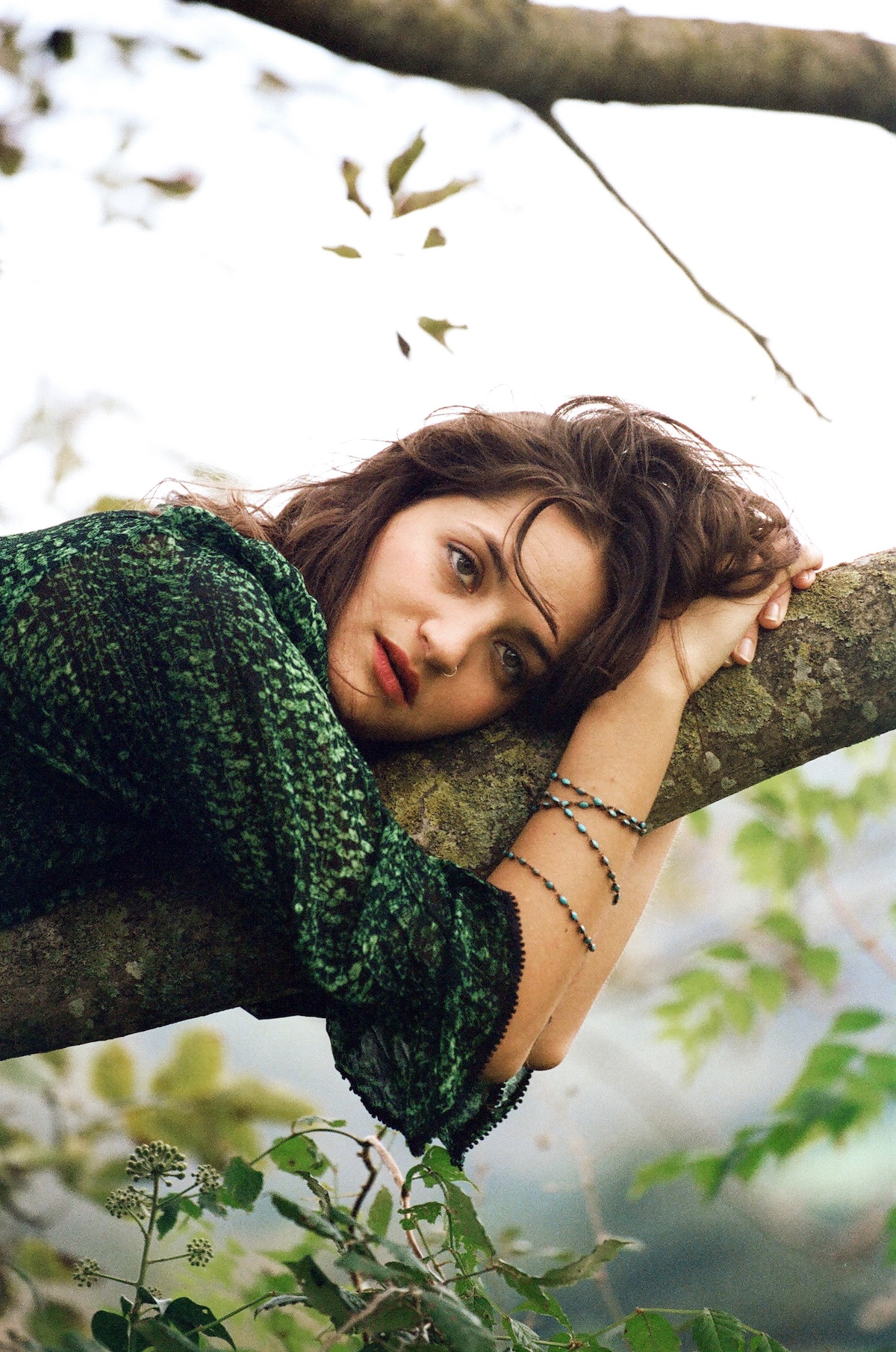
Within that expansive landscape, certain moments rise to the surface again and again.
The intoxicating swell of “Love High,” co-created with Laurent Bardainne, captures the dizzying pull of romance at its most consuming, while “Drink the Ocean,” featuring Julia Johansen of The Oracle Sisters, drifts with a hypnotic sense of surrender and wonder. Elsewhere, “Le lever du soleil” glows with searching urgency as Naïssam Jalal’s flute circles the song’s questioning spirit, and “India Song” offers a haunting reinterpretation steeped in cinematic nostalgia.
The original album’s emotional backbone remains just as powerful in this expanded edition: the aching beauty of “Mélancolie” lingers like a half-remembered dream, “Natureza” shimmers with natural warmth and rhythmic grace, and the sweeping “Les larmes d’un temps passé” unfolds with the kind of reflective grandeur that defines Hartmann’s storytelling.
Each piece adds another shade to the record’s emotional palette – longing, wonder, devotion, heartbreak – until the album feels less like a collection of songs and more like a journey through shifting states of the heart. And within that journey, one of the record’s most spellbinding moments arrives in the form of “Fall Down.”
Slowly I watch the sun go down, go down
Slowly I see myself falling on the ground
Falling on the ground
Falling on the ground
Finally, it’s time for me to realise
That I can tell the truth
It’s too heavy to hear
It’s too hard to hold
‘Cause one day I’ll fall down
Like everyone
“Fall Down” arrives like a suspended moment in time, its slow-burning arrangement unfolding with breathtaking restraint.
Gentle piano figures ripple beneath drifting horns and woodwinds, while Erik Truffaz’s trumpet moves through the song like a plume of smoke, adding depth and air to an already mesmerizing atmosphere. The celebrated Swiss trumpeter, known for his atmospheric blend of jazz and electronica, proves integral to the song’s stunning arrangement. The orchestration feels almost weightless – flutes and brass breathing together in soft tandem, creating a landscape that is at once dreamy and intoxicating. Over it all, Hartmann’s voice glides with luminous vulnerability, tracing the fragile space between reflection and surrender as she sings, “Slowly I watch the sun go down, slowly I see myself falling on the ground… / One day I’ll fall down like everyone.” The song wrestles with the unsettling recognition that time moves forward whether we are ready or not – that dreams sometimes fade, that certainty dissolves – yet it also carries a strange tenderness, as if acceptance itself might offer a kind of grace.
For Hartmann, the song began as an exploration of disillusionment and the uneasy feeling of watching oneself stumble through life’s uncertainties. “‘Fall Down’ is a song I wrote with Oan Kim, a Franco-Korean composer I’ve collaborated with extensively,” she tells Atwood Magazine. “It explores the feeling of falling, the sometimes sad sensation of seeing yourself stumble, and accepting that time passes and some dreams may not come true. It’s a song about disillusionment, but also about how accepting it can help us grow.” That emotional balance – fragility paired with growth – is precisely what gives the song its resonance. Rather than collapsing under the weight of its own melancholy, “Fall Down” breathes with patience and perspective, allowing the act of falling to become something softer, almost comforting.
Slowly I put my ear to the ground, to the ground
Slowly I’ll be hearing that sound
Falling down, falling down
Finally it’s time for me to close my eyes
To all my dreams
It’s better to choosе one than holding them
‘Cause onе day I’ll fall down
Like everyone
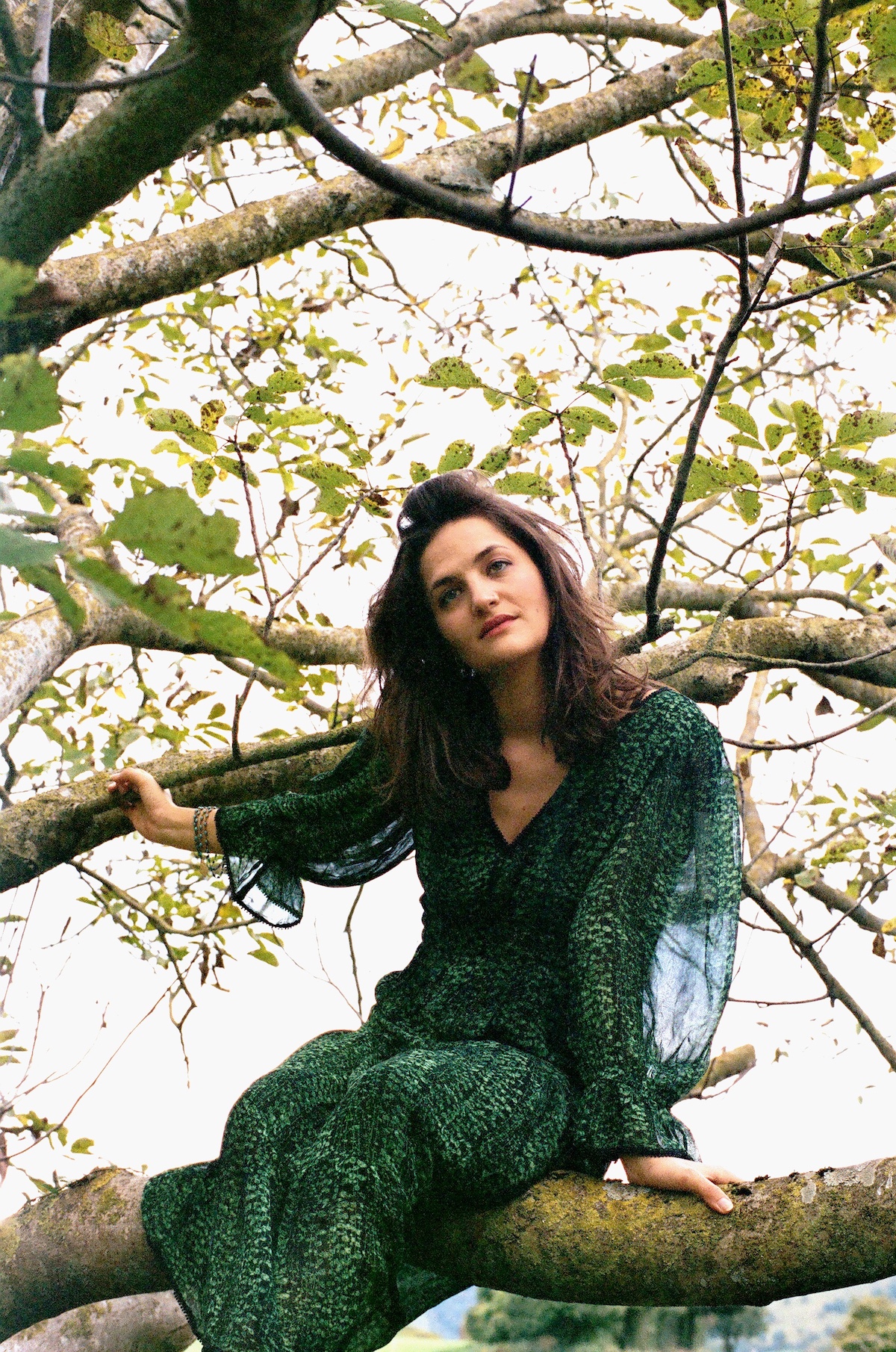
In many ways, “Fall Down” distills the emotional core of La femme aux yeux de sel (Le long voyage) itself.
Throughout the album, Hartmann traces a journey shaped by longing, wonder, vulnerability, and transformation – the same emotional currents that guide Salinda’s fictional voyage across distant landscapes in search of healing. Each song becomes another step along that path, revealing how disillusionment can give way to understanding, how heartbreak can soften into reflection, and how the act of searching can become its own kind of solace. In expanding the album into this sweeping 22-song odyssey, Hartmann deepens that narrative even further, inviting listeners to wander through a richly imagined world where stories, cultures, and emotions intertwine.
What ultimately makes that world so captivating, however, is Hartmann herself. Her voice possesses a rare ability to command attention without ever overwhelming the music around it – supple yet powerful, delicate yet deeply expressive. Every phrase feels considered, every tonal shift purposeful, as if she is guiding listeners through an emotional landscape one breath at a time. In an era often defined by excess and immediacy, Hartmann’s artistry feels refreshingly immersive: music that lingers, that unfolds gradually, that rewards patience and presence. It is a gift to encounter a voice like hers at this moment – one capable of transforming vulnerability into something luminous and shared.
Audiences across North America will soon have the chance to experience that artistry in person as Hartmann embarks on her first tour across the United States and Canada. Beginning in Washington, D.C. and continuing through cities including New York, Boston, Quebec City, Ottawa, Montreal, Toronto, Los Angeles, and San Francisco, the run of performances brings her richly layered music to the live stage, where the intimacy and nuance of her songs can truly come alive.
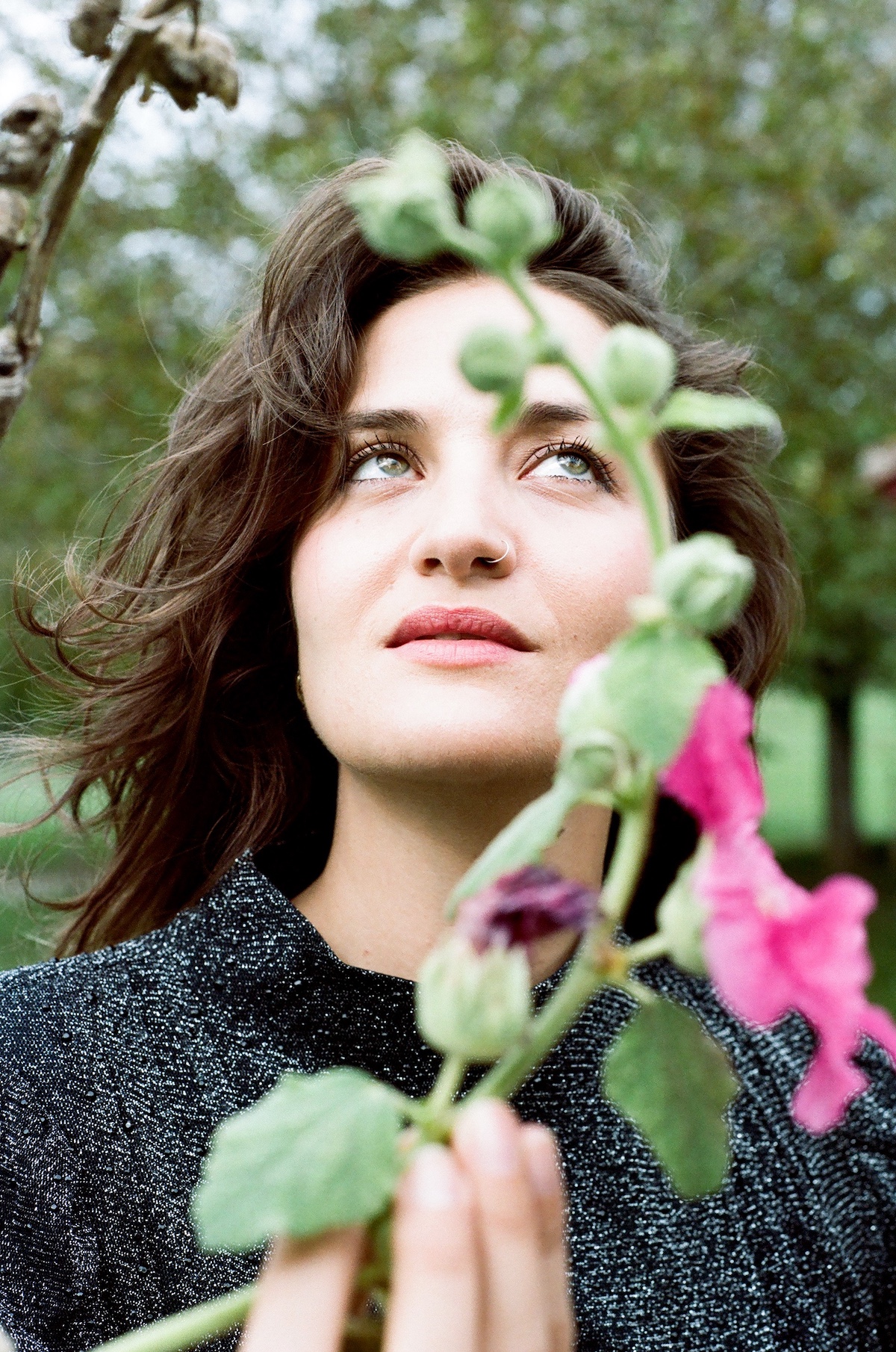
For those who step into Hartmann’s musical world – whether through the expansive storytelling of La femme aux yeux de sel (Le long voyage) or the reflective beauty of songs like “Fall Down” – the experience feels less like listening and more like traveling. Her music moves across emotional and cultural borders with grace, weaving together stories of love, loss, discovery, and resilience into something that feels both deeply personal and universally human.
Curious to learn more about the artist behind this remarkable body of work, Atwood Magazine caught up with Gabi Hartmann to discuss the inspirations behind her music, the evolving story of La femme aux yeux de sel, and the reflective beauty at the heart of “Fall Down.”
— —
:: stream/purchase Fall Down here ::
:: connect with Gabi Hartmann here ::
:: stream/purchase La femme aux yeux de sel here ::
— —
‘La femme aux yeux de sel’ – Gabi Hartmann
A CONVERSATION WITH GABI HARTMANN
Atwood Magazine: Gabi, for those who are just discovering you today through this writeup, what do you want them to know about you and your music?
Gabi Hartmann: I’m first and foremost a traveler, curious about the cultures of the world and the sounds they offer. My music is fueled by this limitless curiosity: I don’t like to restrict myself to one style or influence. I write and sing guided by my emotions, and I like my songs to remain spaces for listening and breathing, where fragility and silence are as important as the notes themselves.
I'm a strong believer that our environments inform the music we make – sometimes directly, sometimes indirectly. There's a London sound, there's a New York sound, and there is most definitely a Parisian sound – and yet, I don't want to assume anything. What is your relationship like with your home city, and how do you feel it impacts and inspires your music and your ‘sound’?
Gabi Hartmann: Paris is an incredibly multicultural city, and this diversity is reflected in my album. There are French musicians, but also African musicians – from Guinea and Congo – and collaborations like with Naïssam Jalal, a Syrian flutist. I love this city for its wide variety of music and cultures, which inspire me and shape my sonic world. This richness is an essential part of my “sound,” built through these encounters and multiple influences.
Your sophomore album La femme aux yeux de sel (“The woman with salty eyes”) is coming up on its first birthday soon! How do these songs resonate with you, all these months after its release?
Gabi Hartmann: It’s an autobiographical album, telling the story of a woman on a journey to find answers to her eye disease. With every tear she sheds, she loses a part of her view and searches for a cure. It’s a kind of philosophical tale I wrote to share a part of my story and to elevate themes of melancholy and sensitivity.
I cry a lot, and this sensitivity can sometimes be painful, but it’s also a vital source of creativity for me.
I still love all the songs on this album, but some resonate more than others depending on my mood or what I’m experiencing at a given moment. It’s a living album, evolving with me and with the listeners.
I have to say, I was stunned to silence when I first heard “Love High” – I find your performance there absolutely breathtaking. Do you mind sharing a bit about that song, and what it means to you?
Gabi Hartmann: “Love High” came together very quickly with saxophonist and composer Laurent Bardainne. The melody and lyrics flowed almost effortlessly, as if the song already existed somewhere and all we had to do was bring it to life. It tells the story of a love so intense that you have no choice but to lose yourself in it, to feel trapped even if you didn’t want to. Love makes you lose your mind, but in a beautiful, exhilarating way that lifts you rather than breaks you. It’s a song that expresses both vulnerability and ecstasy.
Are there any other tracks you hope folks reading our interview today check out, from your last album? Any tracks that mean a lot to you, that you hope keep getting their due?
Gabi Hartmann: Yes, there will soon be a reissue of my album, which includes my cover of a French song I love: “India Song.” But that’s not all – I’ve also prepared some other surprises that I’m excited to share with the public. I like the idea of keeping a bit of mystery and continuing to surprise those who listen to my music.
You're releasing a series of singles this year, starting with “Fall Down,” a beautifully melancholic reverie featuring Erik Truffaz on trumpet. What's the story behind this dreamy, moody song?
Gabi Hartmann: “Fall Down” is a song I wrote with Oan Kim, a Franco-Korean composer I’ve collaborated with extensively. It explores the feeling of falling, the sometimes sad sensation of seeing yourself stumble, and accepting that time passes and some dreams may not come true. It’s a song about disillusionment, but also about how accepting it can help us grow.
I invited Erik Truffaz on this track because his sense of slowness and melancholy fit perfectly with the mood of the song. His trumpet adds depth and breath, enhancing that feeling of suspension and reflection.
“Slowly I watch the sun go down, slowly I see myself falling on the ground...” you sing, going on to declare, “One day I'll fall down like everyone” in the chorus. There's a darkness to this song that I can either take hyper-literally as a reflection on mortality, or less intensely as our inherent fragility and flawedness. What were you thinking about as you wrote this song, and what does this song represent to you now?
Gabi Hartmann: I was thinking both about mortality and human imperfection. Now, I see the song more as a meditation on letting go — accepting that we can’t control everything, that we don’t always have to be solid. Over time, “Fall Down” has become gentler for me, almost soothing.
You've collaborated with some amazing artists over the years – from Julian Lage to Oracle Sisters and beyond! – and Erik Truffaz is no exception; what was it like working with him for this song?
Gabi Hartmann: Erik quickly sent a track he had recorded at home, and then we met in the studio for the mix. He was lovely, humble, and very attentive. Later, for the visuals of my music video, it was amazing to meet him in person and discover the remarkable character he is. His presence adds so much to the song, both musically and personally.
What do you hope listeners take away from “Fall Down,” and what have you taken away from creating it and now putting it out?
Gabi Hartmann: I hope the song creates a space for personal resonance. If it accompanies someone through a moment of doubt or simply offers a pause for reflection, then it has already fulfilled its role. For me, creating it taught me to embrace vulnerability and turn it into a creative strength.
— —
:: stream/purchase Fall Down here ::
:: connect with Gabi Hartmann here ::
:: stream/purchase La femme aux yeux de sel here ::
— —
“Fall Down” – Gabi Hartmann ft. Erik Truffaz
— — — —
Connect to Gabi Hartmann on
Facebook, TikTok, Instagram
Discover new music on Atwood Magazine
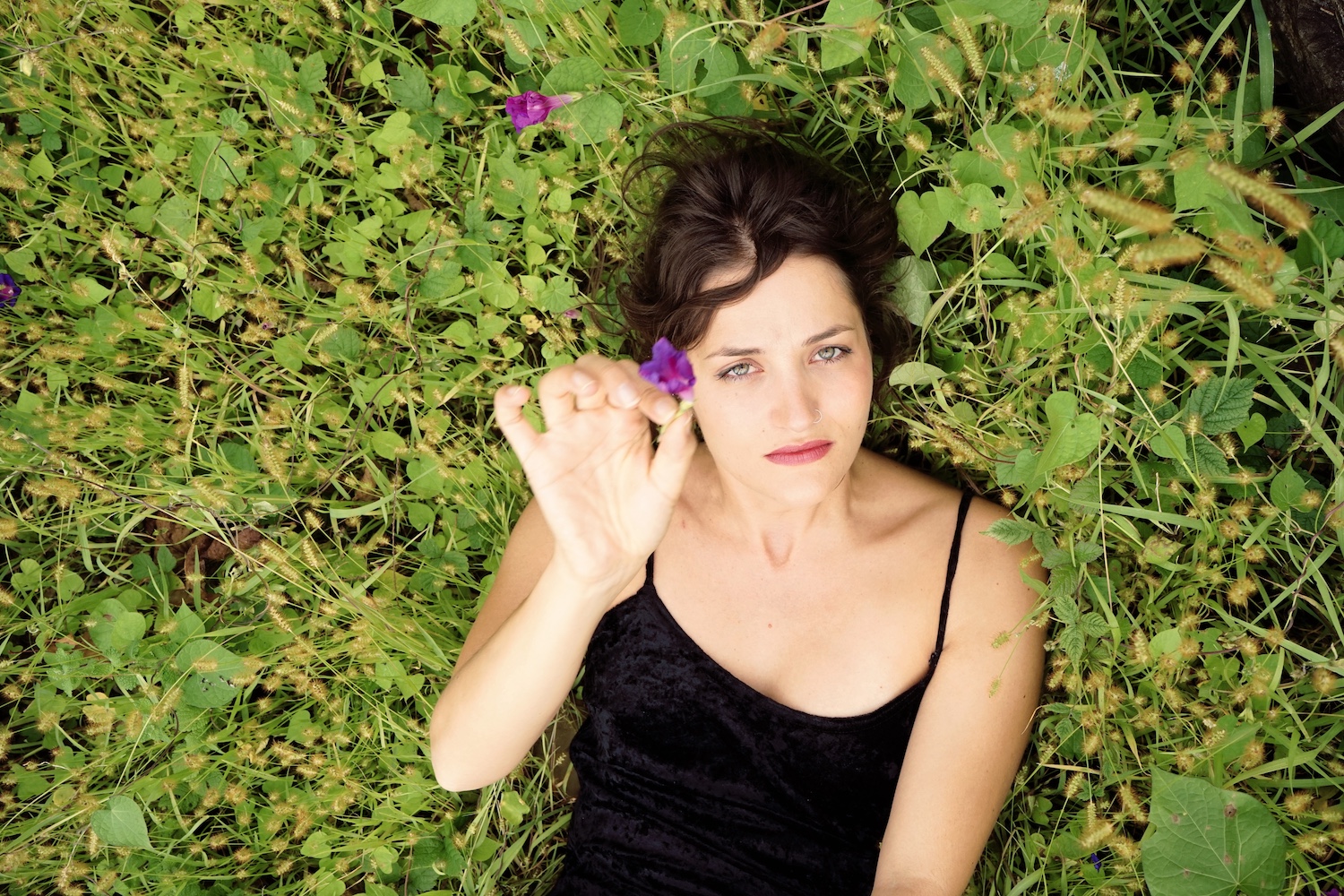
© Elsa Parra
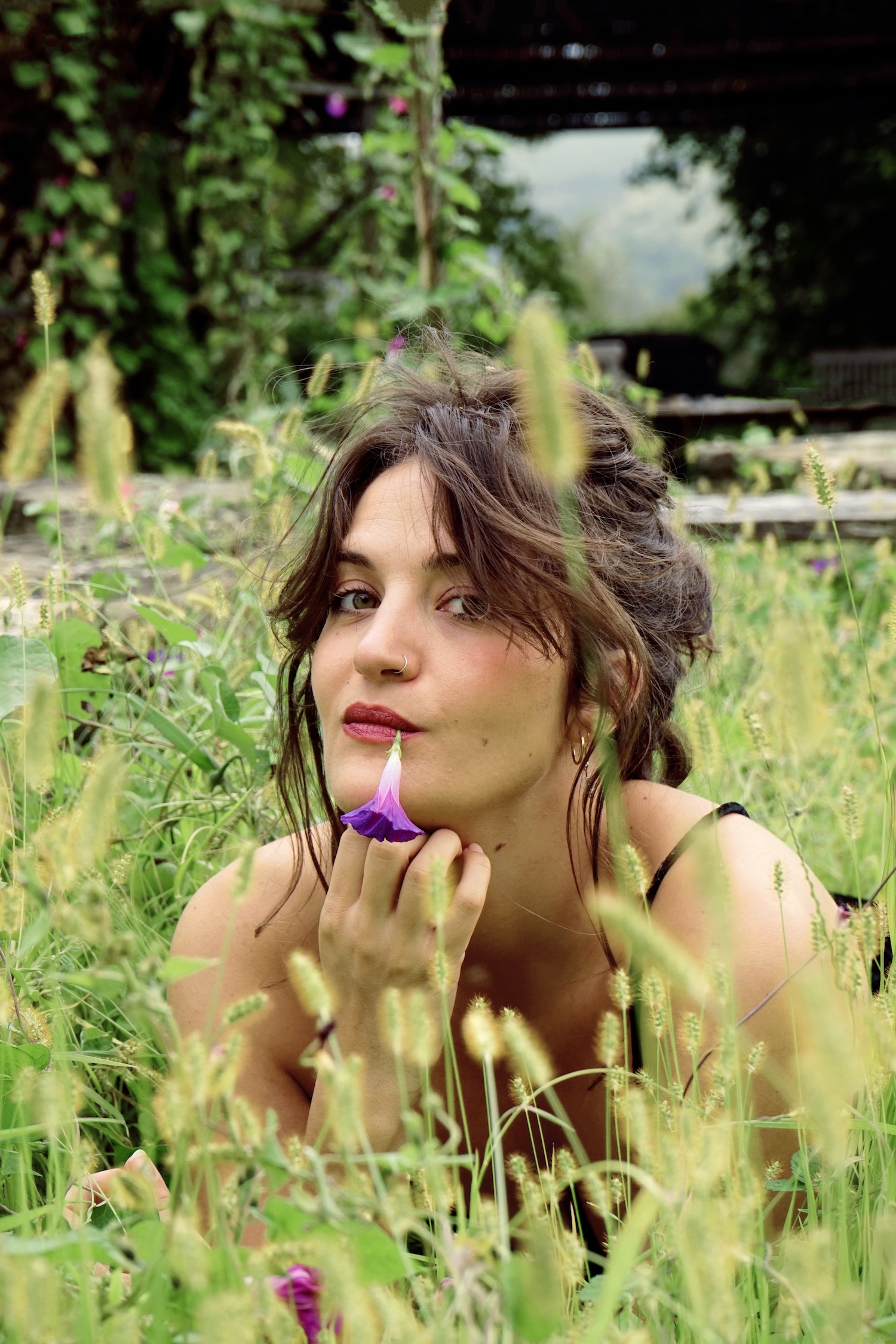
 © Elsa Parra
:: Today’s Song(s) ::

 follow our daily playlist on Spotify

:: Stream Gabi Hartmann ::