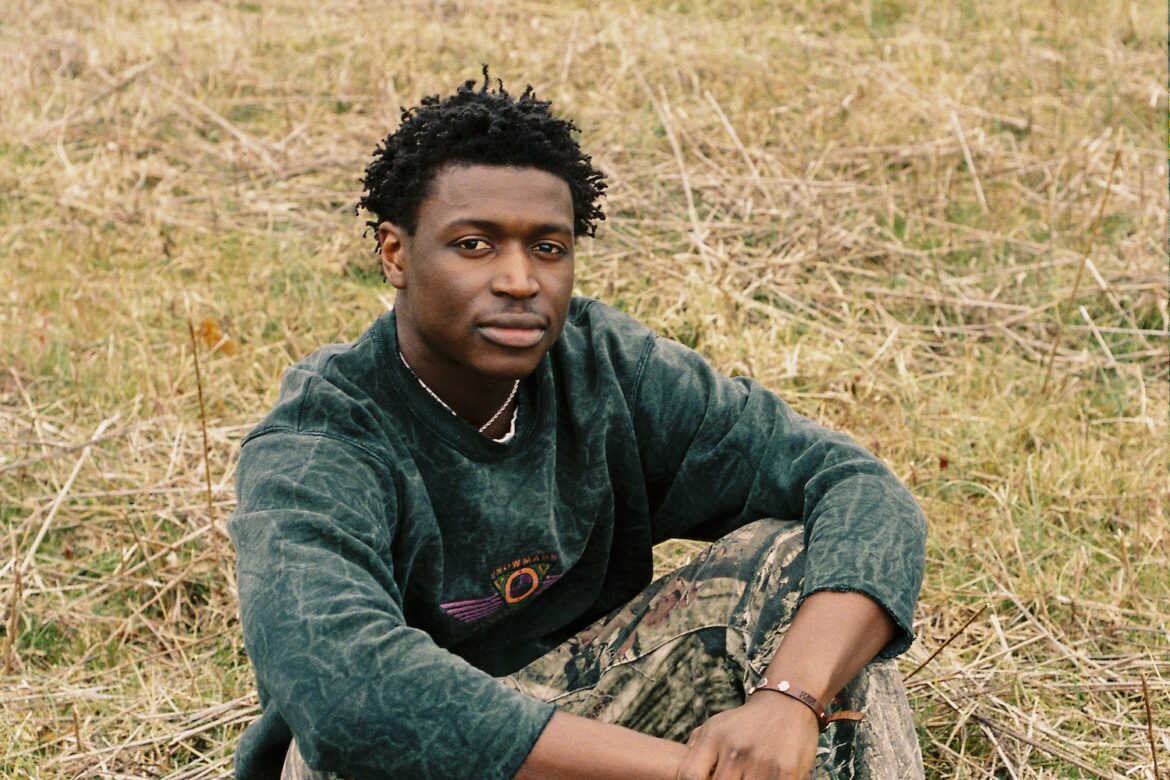
Mon Rovîa is at his most fierce and compassionate on “Heavy Foot,” a warm, pulsing protest song that transforms rage, grief, and everyday injustice into an act of communal healing. Rooted in his Afro Appalachian sound and the life story that shapes his forthcoming debut album ‘Bloodline,’ it signals why the Liberia-born, Tennessee-based singer/songwriter is one of 2026’s essential artists to watch – carrying memory, identity, and responsibility into contemporary folk with fearless clarity and heart.
 follow our Today’s Song(s) playlist


Stream: “Heavy Foot” – Mon Rovîa
It’s about the moment we’re living in – the difficulties Americans face, the people and the government. It’s a song about joy and resistance, telling the truth of the matter, and knowing that together we’re stronger. Together, there’s a way to bring about change.
* * *
Mon Rovîa has always sung from the fire and the fault line, but “Heavy Foot” hits with a different kind of force – a protest song that feels warm, inviting, inspiring, and cathartic even as it stares down the fractures of a country in crisis.
The Liberia-born, Tennessee-based singer/songwriter, one of Atwood’s 2025 Artists to Watch and now a three-time Editor’s Pick, channels both rage and tenderness into a track that urges listeners not just to witness the world’s wounds, but to move toward healing together. It’s heavy but human, political but rooted in hope – the rare protest anthem that lifts as much as it warns.
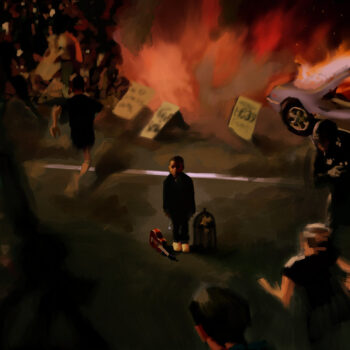
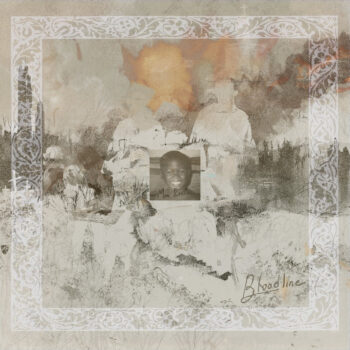
“Heavy Foot” also marks a defining early chapter of Mon Rovîa’s forthcoming debut album Bloodline, a project shaped by resilience, memory, and the ongoing work of confronting the world as it is (out January 9, 2026 via Nettwerk). Built on a steady, pulsing rhythm and his rich, resonant vocals, “Heavy Foot” unfurls like a march through the present moment. It is a portrait of everyday injustice painted in sharp, evocative detail: “Do you hear the sound of the bell… times ain’t the same in the neighborhood… guns keep flying off the shelf,” he sings, his voice steady even as the lyrics crack open fear, grief, and generational pain. The weight of the song is undeniable, but it never buckles under its own intensity. Instead, it holds space – offering solidarity, warmth, and connection in the face of systems that seek to grind people down.
Do you hear the sound of the bell
Did you wish your family well?
Times ain’t the same in the neighborhood
Got the parents all going through hell
Cause the guns keep flying off the shelf
Do you see the man on the street
Just fighting for a meal to eat
You can write him off as a lunatic
But it coulda been you or me
If we didn’t ever find our feet
Born in Monrovia, Liberia during the First Liberian Civil War and now rooted in Chattanooga, Tennessee, Mon Rovîa calls his sound “Afro Appalachian” – songs that live at the crossroads of African and Appalachian folk, carrying the echo of banjos and spirituals alongside the pulse of his own refugee story. Rescued as a child from the life of a soldier and raised across Florida, Montana, the Bahamas, and the American South, he has spent years turning that fractured journey into something generous and whole. For him, music is both memoir and medicine – a way to bear witness to war, exile, and survival while creating a space where others can lay down their own burdens, see themselves in his songs, and, as he’s said, “find their peace.”
For Mon Rovîa, “Heavy Foot” is a necessary reckoning.
“‘Heavy Foot’ lays bare the scars of a broken system, all under the weight of a heavy-footed government,” he tells Atwood Magazine. “Yet, through this gravity, it sings of unbreakable unity – reminding us that in the face of oppression, our love and solidarity can defy the forces that try to hold us down.”
“It’s about the moment we’re living in,” he explains. “The difficulties Americans face, the people and the government. It’s a song about joy and resistance, and telling the truth of the matter, and knowing that together we’re stronger. Together, there’s a way to bring about change.” He takes that responsibility personally. “Whether it’s homelessness, the prison system, or the things happening across the world, it becomes personal because we’re all in this world together.”
That expansive empathy fuels one of the song’s most hard-hitting verses – “Do you see the man on the screen, just a puppet but you never see the strings, calling it a war and not a genocide…” Mon Rovîa doesn’t soften the blow; he refuses to. “The government uses propaganda and different things to pit us against each other,” he says. “A puppet was the best imagery for that. I’m trying to pin together the past and the present. The mirroring is similar.” His voice may be calm, but his conviction cuts straight through.
Still, Mon Rovîa insists that the song’s defiance comes hand-in-hand with compassion. “I want history to remember me as someone who, in the moments that were super difficult, was saying something and standing up for those that didn’t have a voice,” he shares. “If I have mine and my freedom, I want to free other people as well.” That mission threads through every line of the chorus as he repeats “Love me now, hold me down,” anchoring the fight for justice in community, care, and human connection.
Love me now
Hold me down
And the government
Staying on heavy foot
And they tried to keep us all down
No they never gonna keep us all down
“Heavy Foot” also marks a defining moment in Mon Rovîa’s artistic journey – one he sees as a signpost for what comes next.
“This song prepares the way,” he says. “It shows I’m not afraid to talk about the difficult things that may be hush-hush in public spaces. I hope people get comfortable and can accept the tasks I’ve given myself in writing the things of the times.” That courage – and the tenderness beneath it – makes “Heavy Foot” feel less like a performance and more like an act of service.
This path leads directly into Bloodline, his sixteen-track debut album arriving January 9, 2026 via Nettwerk – a landmark project that threads together memory, identity, grief, and resilience. Drawing on his Liberian roots and his American journey, Mon Rovîa turns personal history into collective testimony, confronting the legacies of war, loss, and migration while illuminating everyday acts of love and belonging. Previous singles “Oh Wide World,” “Running Boy,” “Whose face am i,” and “Heavy Foot” sketch its emotional terrain, holding tenderness and protest in the same breath, even as he leans into quieter meditations on lineage, adoption, and what it means to carry a name that almost didn’t survive the war. It is the record he had to grow into – an album-length reckoning with his own bloodline that invites listeners to look more closely at theirs.
“When the name ‘Bloodline’ first came to me in 2022, I recognized it as the title of my debut album,” he explains. “What I didn’t realize then was how long it would take to grow into the story behind that name, the grief, the quiet, and the slow disassembly of a self that resisted its own becoming. Even now, I move through life carefully, as though visibility might undo me, as though being seen might awaken an identity I’m still learning how to carry: Mon Rovîa.”
Do you see the birds in the cage
On the highway working like slaves
It’s a con it’s a rouse it’s a gaslight
Ain’t it funny how far we came
For them to go n change the name
Do you see the man on the screen
Just a puppet but you never see the strings
Calling it a war n not a genocide
Telling us it isn’t what it seems
Man that’s a different kind of greed
If Bloodline is the wide arc of that becoming, then “Heavy Foot” is the moment that brings its themes into sharp, present-tense focus. It’s the song where history meets the headlines, where his lived experience, his empathy, and his willingness to speak plainly converge into something urgent and unshakeably human. Everything the album wrestles with – lineage, responsibility, the weight of being seen, the hope of being understood – takes on a raw immediacy here.
That conviction carries into the final message he shares – a truth that feels like the heartbeat of the song itself: “Boldness is strength upon strength. The love I’ve been given for speaking openly has been super encouraging.” And at the center of it all is his hope for listeners: “For them to realize that they’re here – and living life comes with a responsibility to care for those around you, and to pay attention to the world that can be so fleeting.”
Love me now
Hold me down
And the government
Staying on heavy foot
And they tried to keep us all down
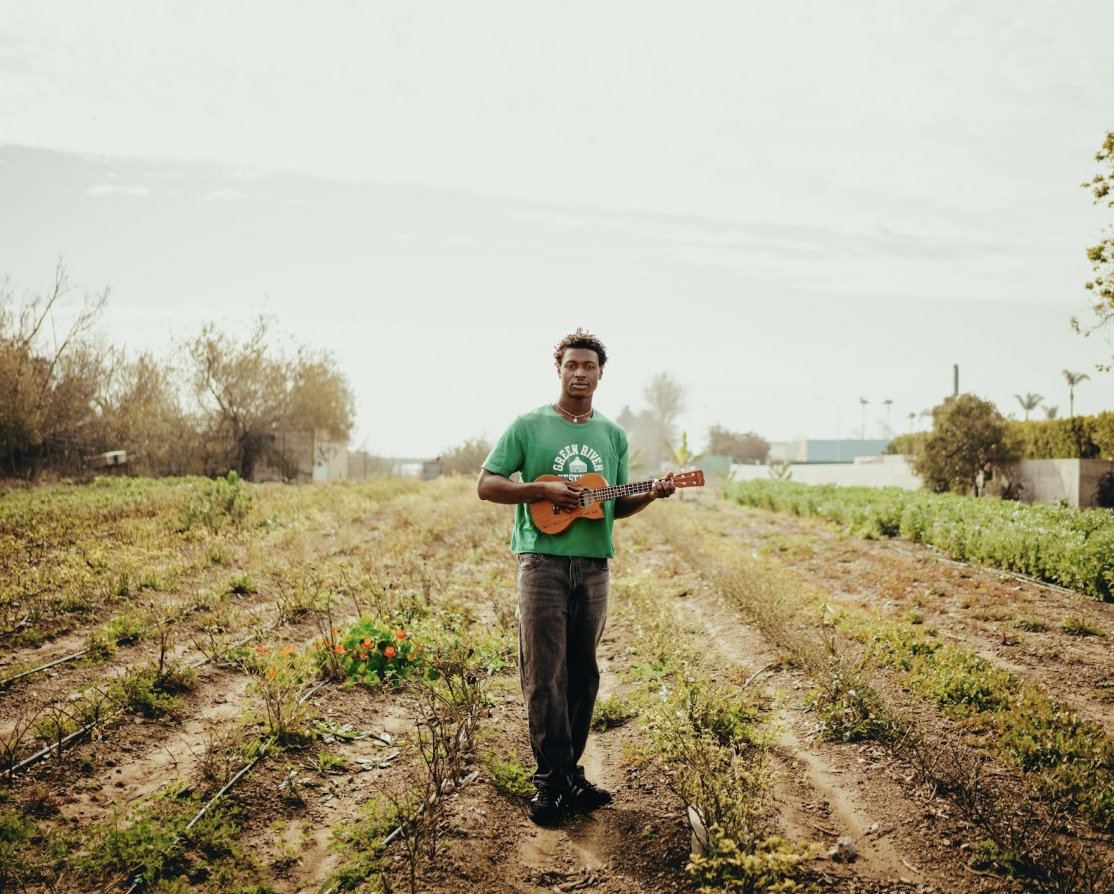
“Heavy Foot” embodies that responsibility with electrifying clarity. Fierce yet compassionate, urgent yet full of hope, this song captures everything that makes Mon Rovîa one of the most compelling rising voices in contemporary folk and indie music. It’s a rallying cry, a lament, a hymn, and a hand outstretched all at once – a protest song made not to divide, but to unite. And in Mon Rovîa’s hands, that unity sounds powerful, fearless, and full of heart. As his debut album Bloodline approaches, his message only grows louder: Love, solidarity, and truth will always break through – and they’re never going to keep us all down.
In conversation, he speaks the same way he sings – with quiet conviction, unflinching honesty, and a deep belief that music can be a meeting place rather than a weapon. Over the course of our interview, Mon Rovîa reflects on the making of “Heavy Foot,” the moment we are all living through, the responsibility he feels to tell the truth, and the long, winding road that brought him to Bloodline – a debut album that turns his own history of war, displacement, and rebirth into a shared map for healing. Read our conversation below as he traces the wounds, the hope, and the hard-won courage at the heart of “Heavy Foot” and Bloodline.
Love me now
Hold me down
And the government
Staying on heavy foot
And they tried to keep us all down
No they never gonna keep us all down
And they tried to keep us all down
No they never gonna keep us all down
— —
:: stream/purchase Heavy Foot here ::
:: connect with Mon Rovîa here ::
:: pre-save Bloodline here ::
— —
Stream: “Heavy Foot” – Mon Rovîa
A CONVERSATION WITH MON ROVÎA

Atwood Magazine: Mon, I feel like I've come to know you fairly well at this point, but for those who are just discovering you today through this writeup, what do you want them to know about you and your music?
Mon Rovîa: I’d like them to know that I have an intricate past, an intricate story. I’ve taken the pieces that have been hard to come through and broken, and made them into something useful. I hope the music and the journey are an example for other people, too – that they can come through. That’s what the music is about. I’ve come a long way, and I’ve got longer still, but I’m trying to encourage others on their journey as well.
What's the story behind your song “Heavy Foot”?
Mon Rovîa: “Heavy Foot” is pretty straightforward. It’s about the moment we’re living in – the difficulties Americans face, the people and the government. It’s a song about joy and resistance, telling the truth of the matter, and knowing that together we’re stronger. Together, there’s a way to bring about change. That’s what “Heavy Foot” is about.
You’ve said this song lays bare the scars of a broken system while calling for unity. Is there a personal significance for you?
Mon Rovîa: The personal significance is for everybody. It’s an experience people see – whether it’s homelessness, the prison system, or things happening across the world. It becomes personal because we’re all in this world together. If you can see that, you want change to happen. But if you think you’re not a part of this experience, it’s easy to ignore. My hope is for people to realize that I am here, and if it affects them, it’ll affect us eventually. Those who think it’s far away will feel it, too. I definitely take it personally in that way.
It's sincerely admirable to hear you singing for love and solidarity in the face of oppression. What inspired you to speak out in your own special way?
Mon Rovîa: It’s all I have. The truth is important. A lot of my life I’ve spent trying to come to terms with my own truth. There are a lot of people not saying anything. History remembers, and I want it to remember me as someone who, in the moments that were super difficult, was saying something and standing up for those who didn’t have a voice. If I have mine and my freedom, I want to free other people as well.
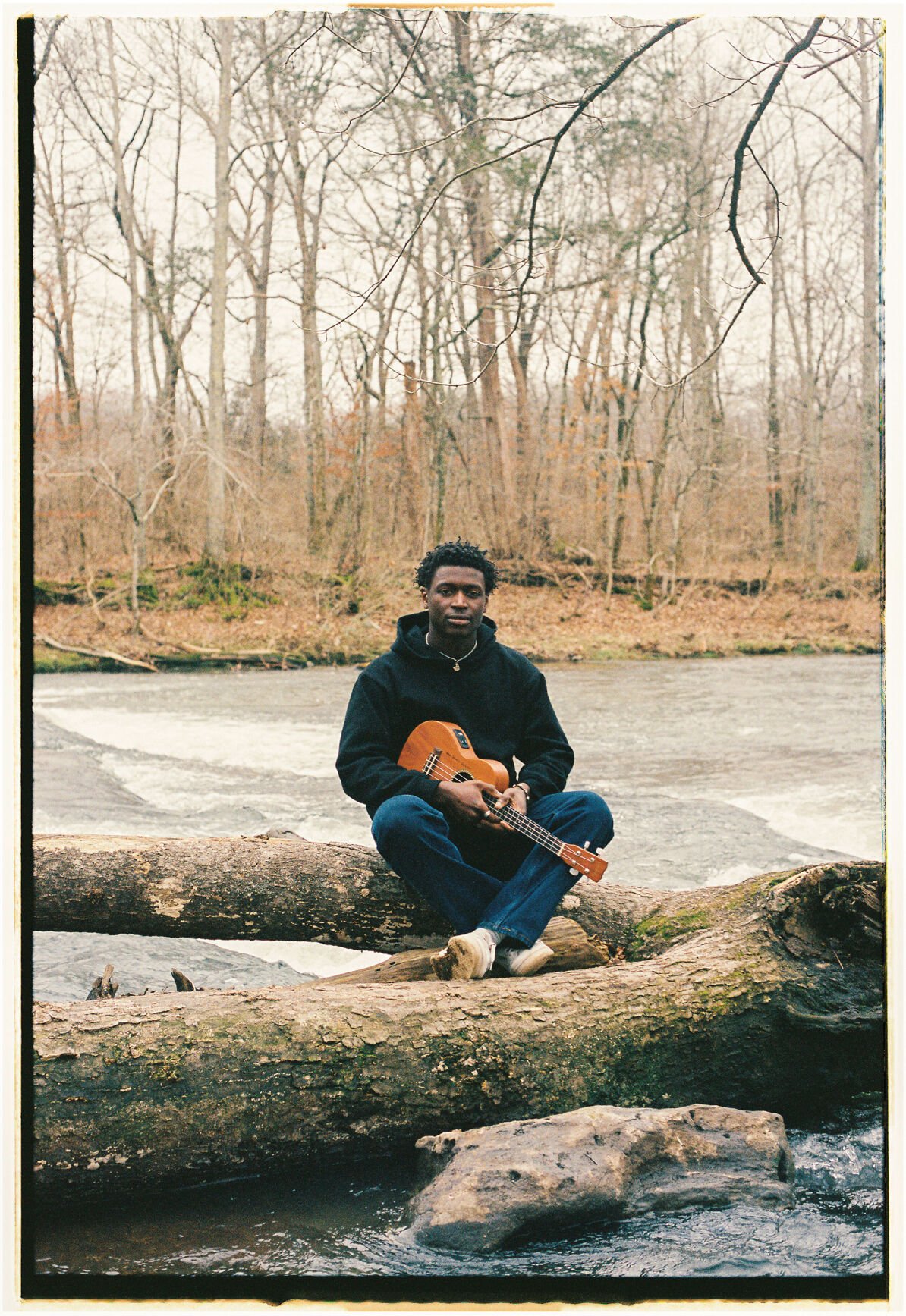
Your third verse is truly one of the most evocative - “do you see the man on the screen? Just a puppet though you never see the stings, calling it a war not a genocide.” How did you go about trying to write something that was both timely for 2025, and also universal, for any day, any age, any era, any people?
Mon Rovîa: The government uses propaganda and different things to pit us against each other. There are things you may not see – blaming things on immigrants, or things happening around the world that aren’t always visible. That line is meant to make you think about that. A puppet was the best imagery. I’m trying to pin together the past and the present. There are intense situations in different parts of the world, and the mirroring of the past is similar. Those things came together in that sequence.
How does this track fit into the overall narrative of Mon Rovîa in 2025?
Mon Rovîa: It prepares the way for what’s ahead. Coming out with this song and being able to put a telescope to the sores of things is important. It encourages the listener to know this is the way I’m going to continue – not being afraid to talk about difficult things that may be hush-hush in public spaces. The awkwardness can be taken away if you can see things and speak about them in a way that isn’t damning to those who may not see yet, but leaves a door open for them to question what reality and truth are. I hope people going forward can accept the tasks I’ve given myself in writing about the times.
What do you hope listeners take away from “Heavy Foot,” and what have you taken away from creating it and now putting it out?
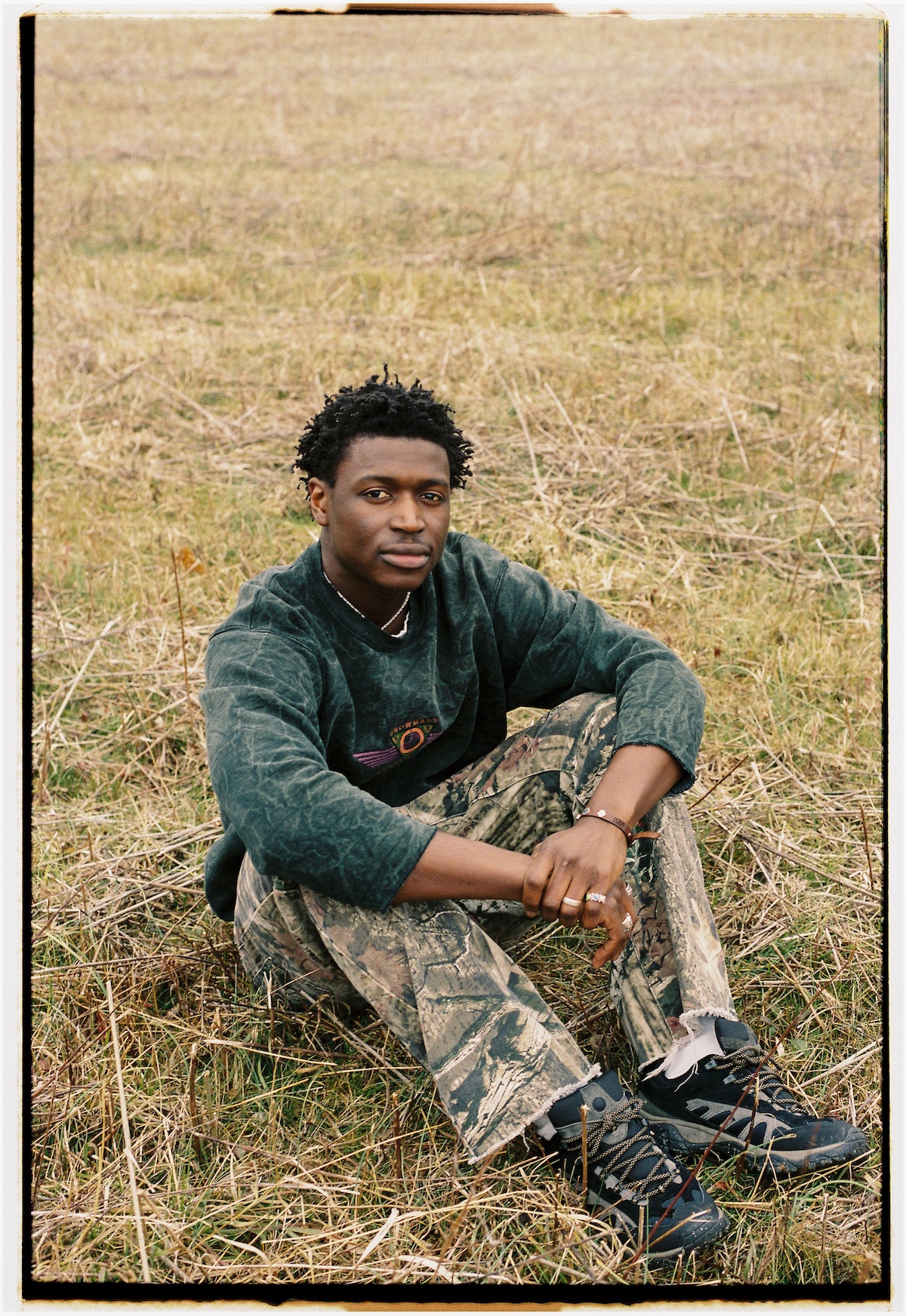
Mon Rovîa: I’ve taken away that boldness is strength upon strength. This was huge for me to put out because of the sensitivity. There are people who aren’t happy about it, of course, but the love I’ve been given for speaking openly has been super encouraging, and I take that with me for the next ones. For the listener, I want them to realize they’re here. Living life comes with a responsibility – to care for those around you, and to pay attention to the world that can be so fleeting. If I’ve done that for some people, that makes me super happy.
— —
:: stream/purchase Heavy Foot here ::
:: connect with Mon Rovîa here ::
:: pre-save Bloodline here ::
— —
Stream: “Heavy Foot” – Mon Rovîa
— — — —
Connect to Mon Rovîa on
Facebook, 𝕏, TikTok, Instagram
Discover new music on Atwood Magazine
© Zayne Isom
 © Zayne Isom
:: Today’s Song(s) ::
follow our daily playlist on Spotify
:: Stream Mon Rovîa ::