In honor of Women’s History Month, Atwood Magazine has invited artists to participate in a series of essays reflecting on identity, music, culture, inclusion, and more.
•• •• •• ••
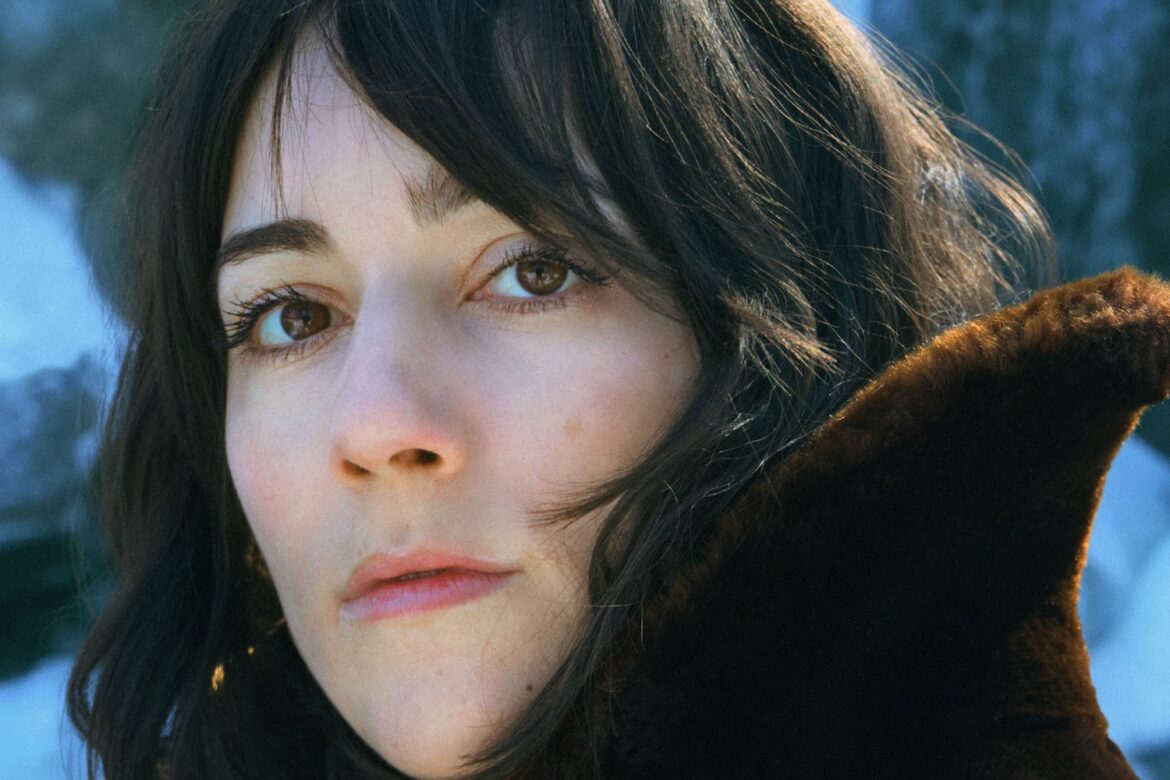
Today, artist and producer BRUX reflects on generational womanhood, inherited resilience, and the power of vulnerability in shaping identity and creative life in a special essay for Atwood Magazine’s Women’s History Month series.
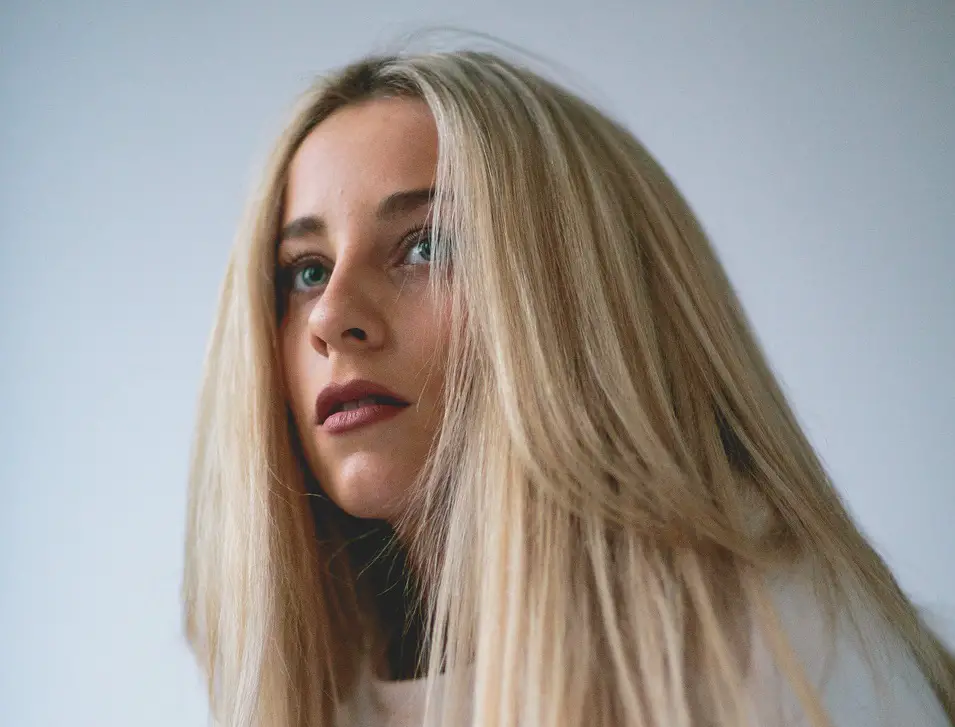
BRUX (Elizabeth Maniscalco) is an Australian-born, New York-based electronic producer, artist and singer/songwriter known for her genre-bending sound that fuses dark, heavy club grooves with hooky pop vocals and analog synths. Releasing music on labels like Future Classic, Fool’s Gold, and LuckyMe, she has gained recognition for her raw, innovative approach and energetic stage presence. Bringing together a myriad of sounds with experimental panache, the boundary-pushing artist has been celebrated in recent years by publications such as DJ Mag, Billboard, and Mixmag. She has also recently performed alongside Fred again.. during his New York residency, appearing across all six shows.
With her cinematic and deeply introspective new. album ‘Halcyon Phase,’ BRUX expands her sonic territory into ambient and meditative spaces while maintaining the emotional depth and innovation that defines her work.
•• ••
FINDING STRENGTH THROUGH GENERATIONAL WOMANHOOD
by BRUX
In 2020, I found myself on the precipice of packing up my life in Australia and moving to New York with my husband after just getting married that March.
We had spent years planning this move, but the pandemic shifted everything and so we moved up to the Blue Mountains of NSW. I faced a daunting reality: no job prospects, no music releases, and no clear path ahead. Mentally, I had hit rock bottom. Club music was the last thing I wanted to make, and so I began to write Halcyon Phase as a means of healing and making sense of my circumstances. I look back now to that extremely vulnerable phase of my life, and see the poeticism in it; the depths I had to reach in order to make this album were critical or this record may not exist today. And this really got me thinking…
I recently learned that a “… female fetus develops all her lifetime supply of eggs by the time she is a four-month-old fetus in her mother’s womb.” Meaning, the egg that eventually became me was present in my mother when she was developing inside my grandmother. It’s been a beautiful puzzle piece in my ongoing journey of self-actualization and discovery. With a Cancer sun and rising, I’m someone who is concerned with emotional connection both with myself and with others. Being this highly sensitive goes hand in hand also with my anxiety disorder – something that’s always been a part of me and I’ve come to realise it’s what helps make me a better artist. To feel so deeply gives me a deeper well to draw from; a silver lining I don’t take for granted anymore.
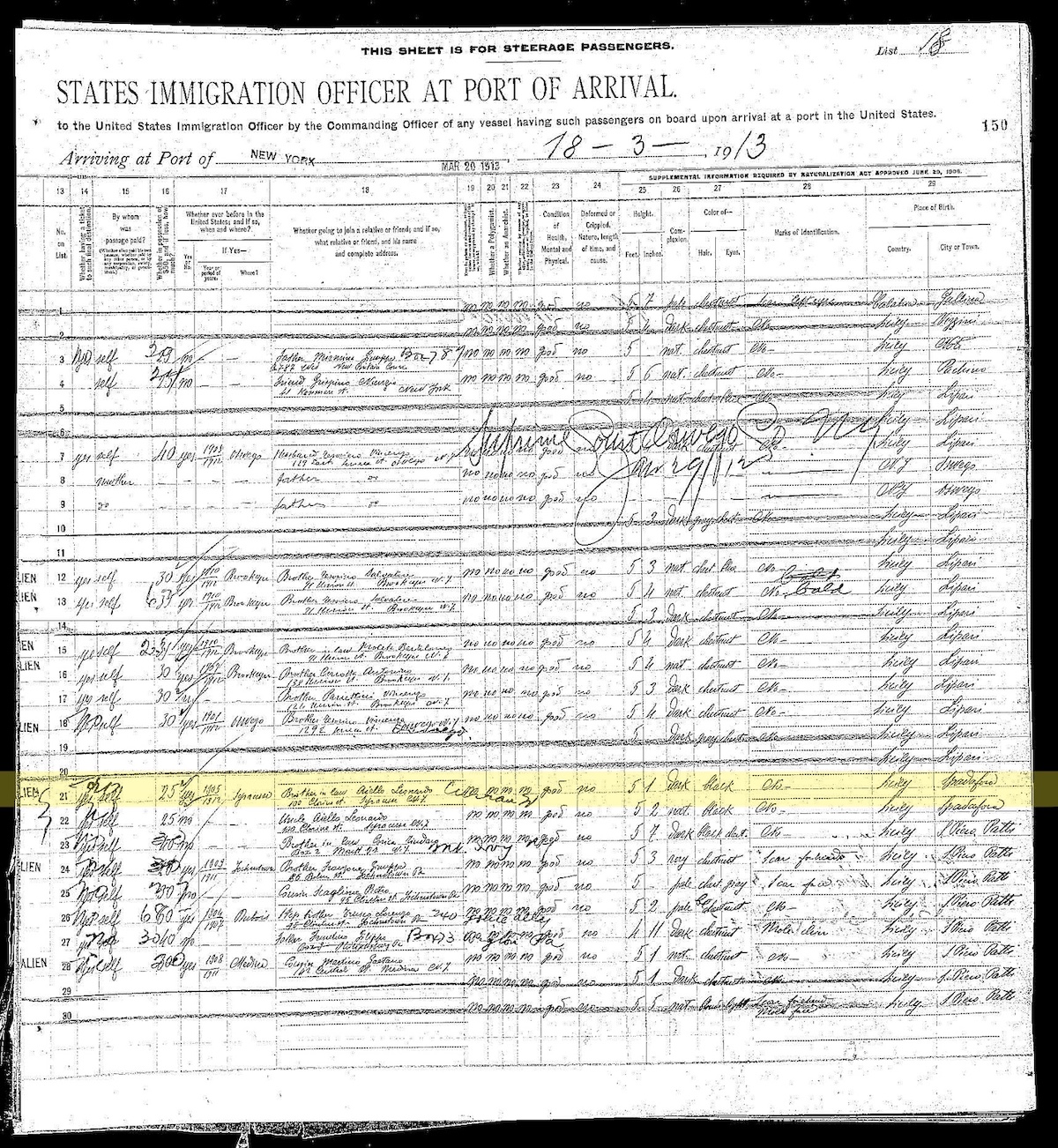
I come from a bloodline of Sicilian women who have built resilience through hardship. My grandmother Angela was born in Syracuse, New York in 1919, after her father Gaetano fled Sicily with just $25 in his pocket, seeking a new life amidst the turmoil of his homeland. Discovering my great-grandfather’s passenger card at Ellis Island in 2021, shortly after moving to NYC, was quite emotional. Although incomparable to the magnitude of their hardships, I was also on some level searching for a bigger life in New York almost exactly a century later. Gaetano and the family stayed for a few years up in Syracuse, New York, and then they moved to Sydney, Australia.
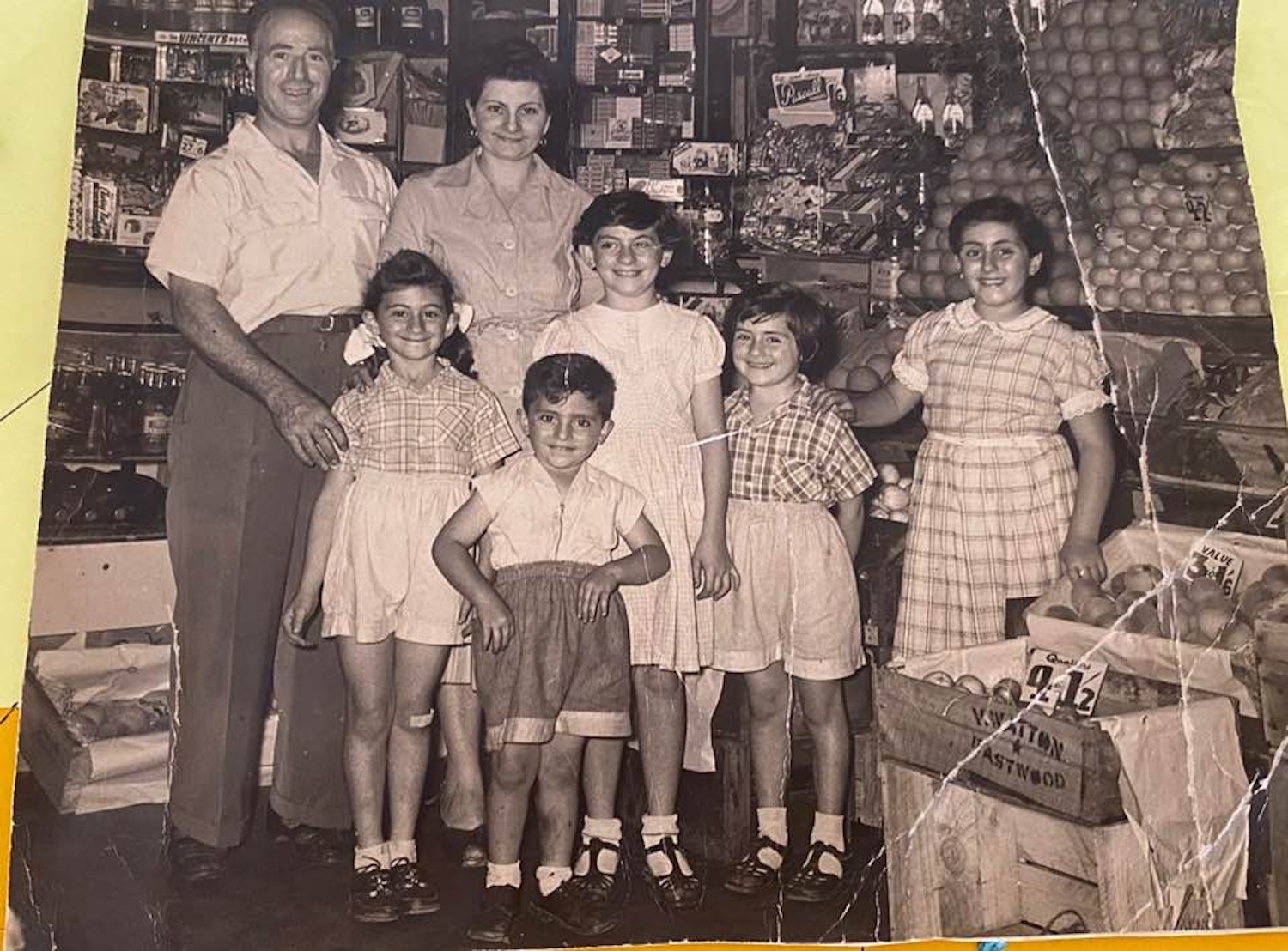
Angela went on to make a life in Sydney, Australia with her husband Peter (also a Sicilian immigrant) – working around the clock in the family-owned fruit shop and providing for 5 young kids, one of which was my mother Josephine.
Tragedy struck during Angela’s sixth pregnancy when Peter unexpectedly died of a heart attack, leaving behind his young family. And Angela, losing her unborn child as a result of the sudden devastation.
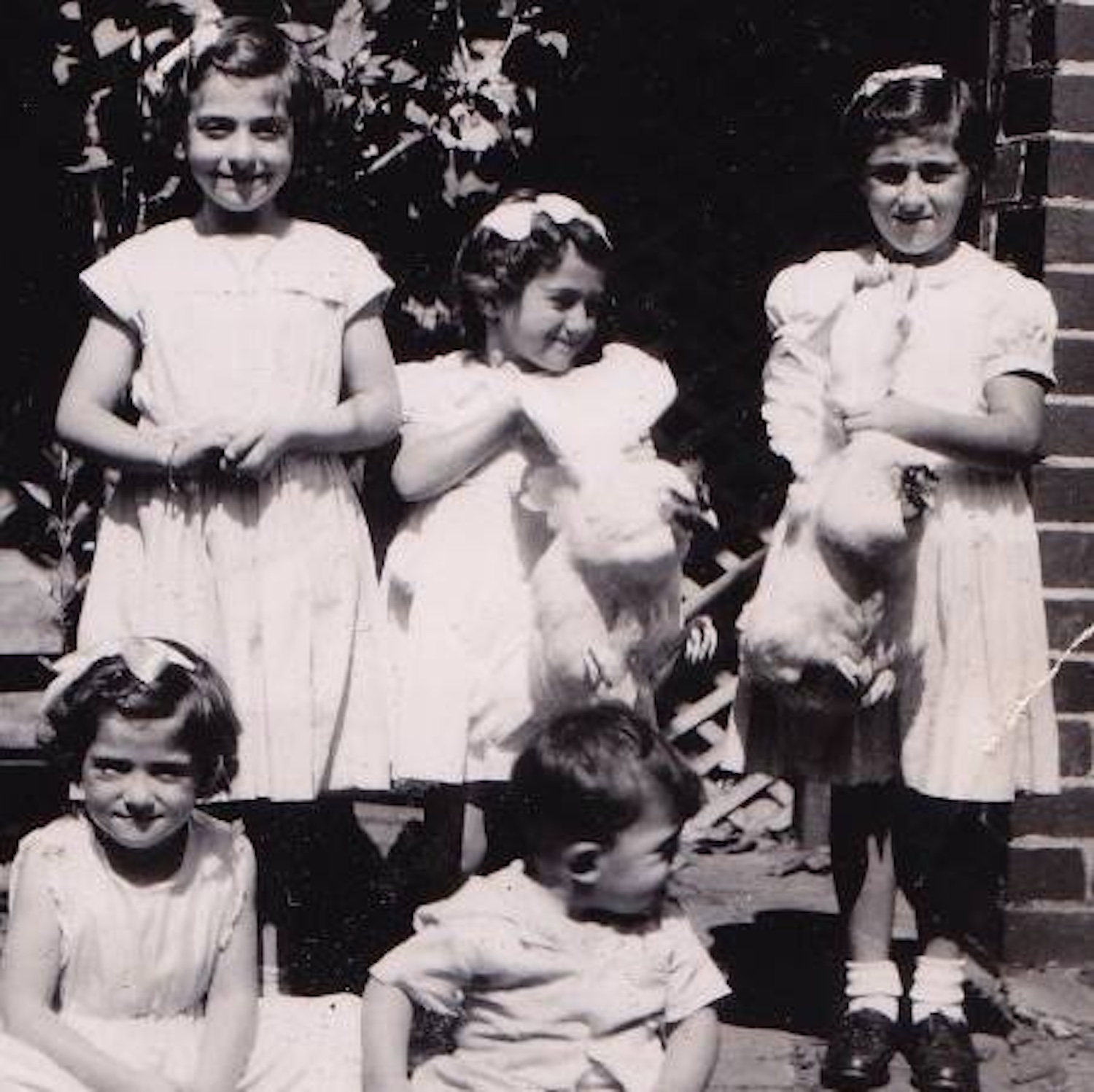
The 5 kids were all split up amongst extended family and friends, and “life was never the same…” my mum tells me.
Growing up in Italian culture, I saw how strength through adversity often came with the belief that vulnerability equates to weakness.
As descendants of Sicilian immigrants, it was learnt not to “air dirty laundry” so to speak, and tough conversations remained mostly unspoken.
I can understand and appreciate the sentiment with its warrior-like attributes and masculine stance. In primitive, survival situations? Sure, it makes sense – natural selection stamps out the “weak.”
But, when I apply this to creative living, I feel a disconnect there. The artist’s life embraces vulnerability, it’s how we access the profound truths of existence. You really get to the good stuff the deeper you go. And so I find myself on this journey at 35 years old, living in New York as an Alien immigrant from Australia and feeling liberated to live without inhibition. Here, it’s the norm to live loudly and openly, there’s no room or time for any masking. Everything is out in the open. It’s a culture of blunt & direct communication and I kinda love it to be honest. The city has some kind of kinetic energy to it, oozing with opportunity and magic juju if you’re brave enough to tag along for the ride.
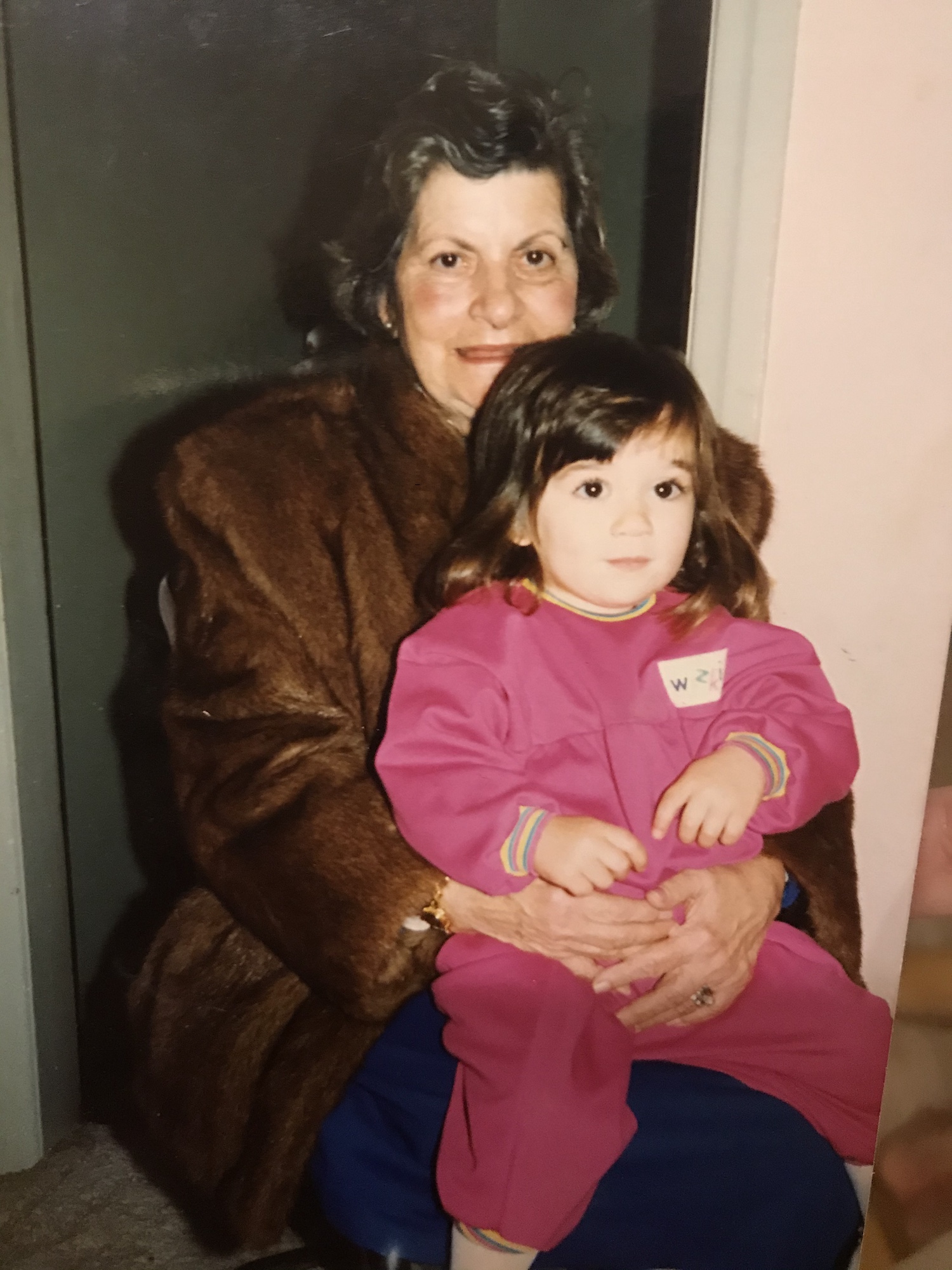
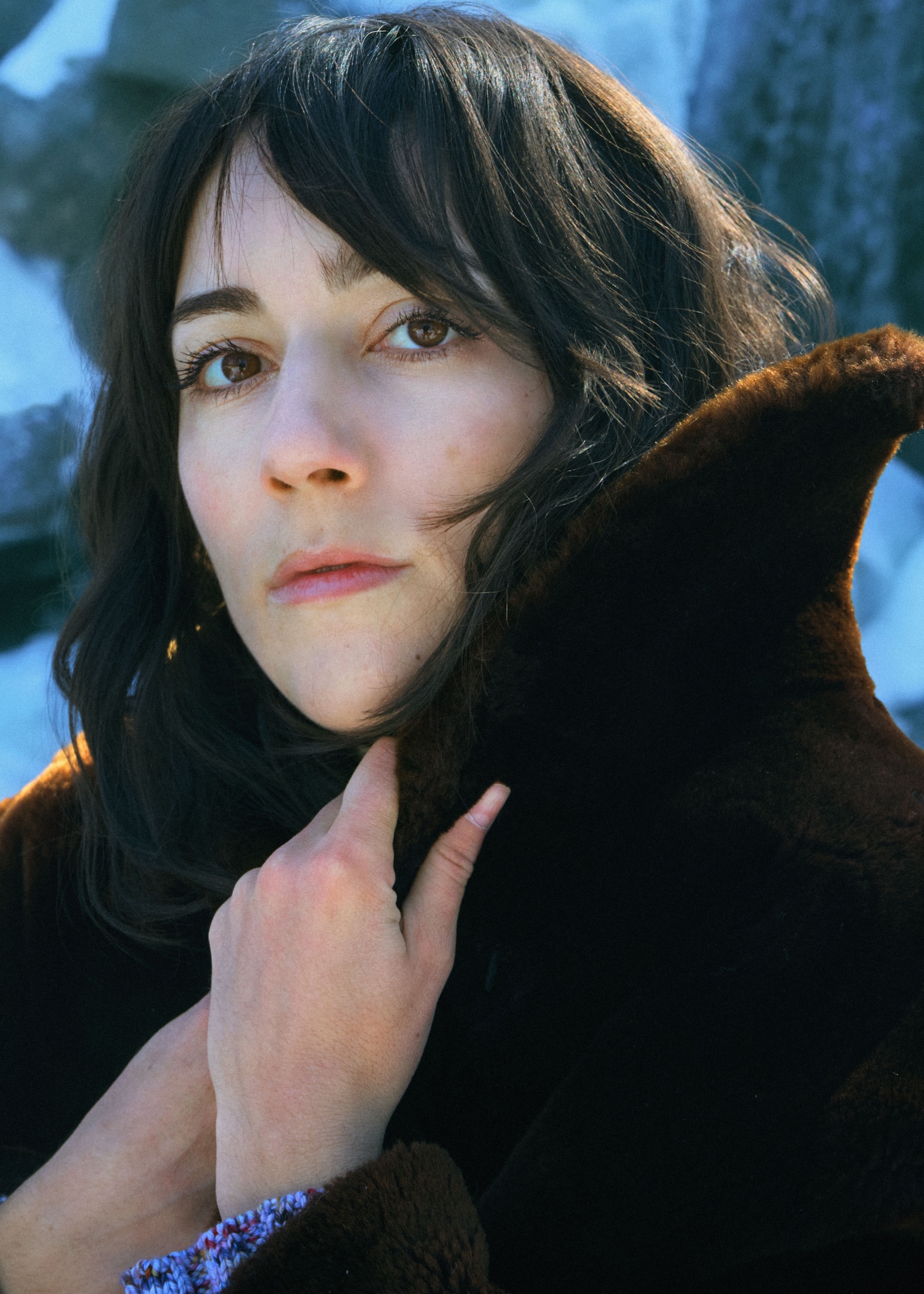
I often wonder if my great-grandfather Gaetano felt this chaotic energy in the city back when he was here a century ago?
Did it influence his decision to leave for Australia? I guess I’ll never really know, but I love to wonder.
But the most pressing question that’s lately top of my mind – can vulnerability be a strength rather than a weakness?
For me, yes it absolutely is. – BRUX
•• ••
:: connect with BRUX here ::
•• ••
•• •• •• ••
Connect to BRUX on
Instagram, TikTok, Facebook
Discover new music on Atwood Magazine
📸 © Eliza Jouin
Stream BRUX