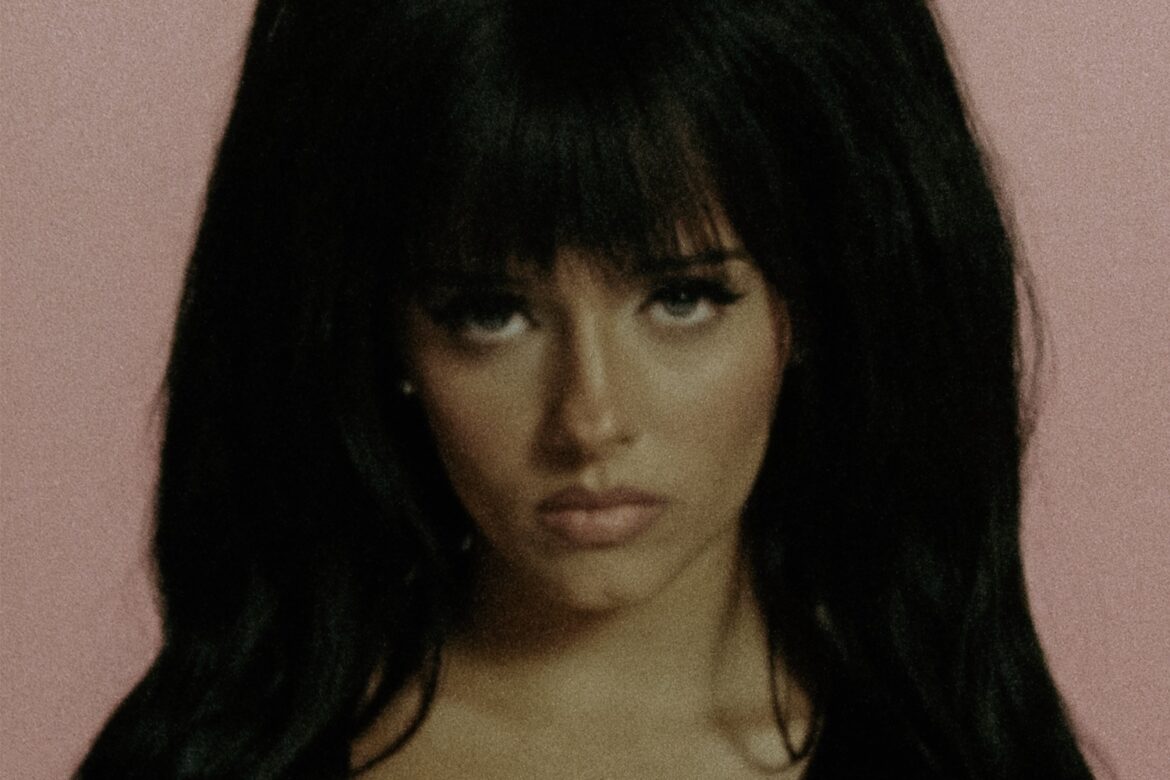
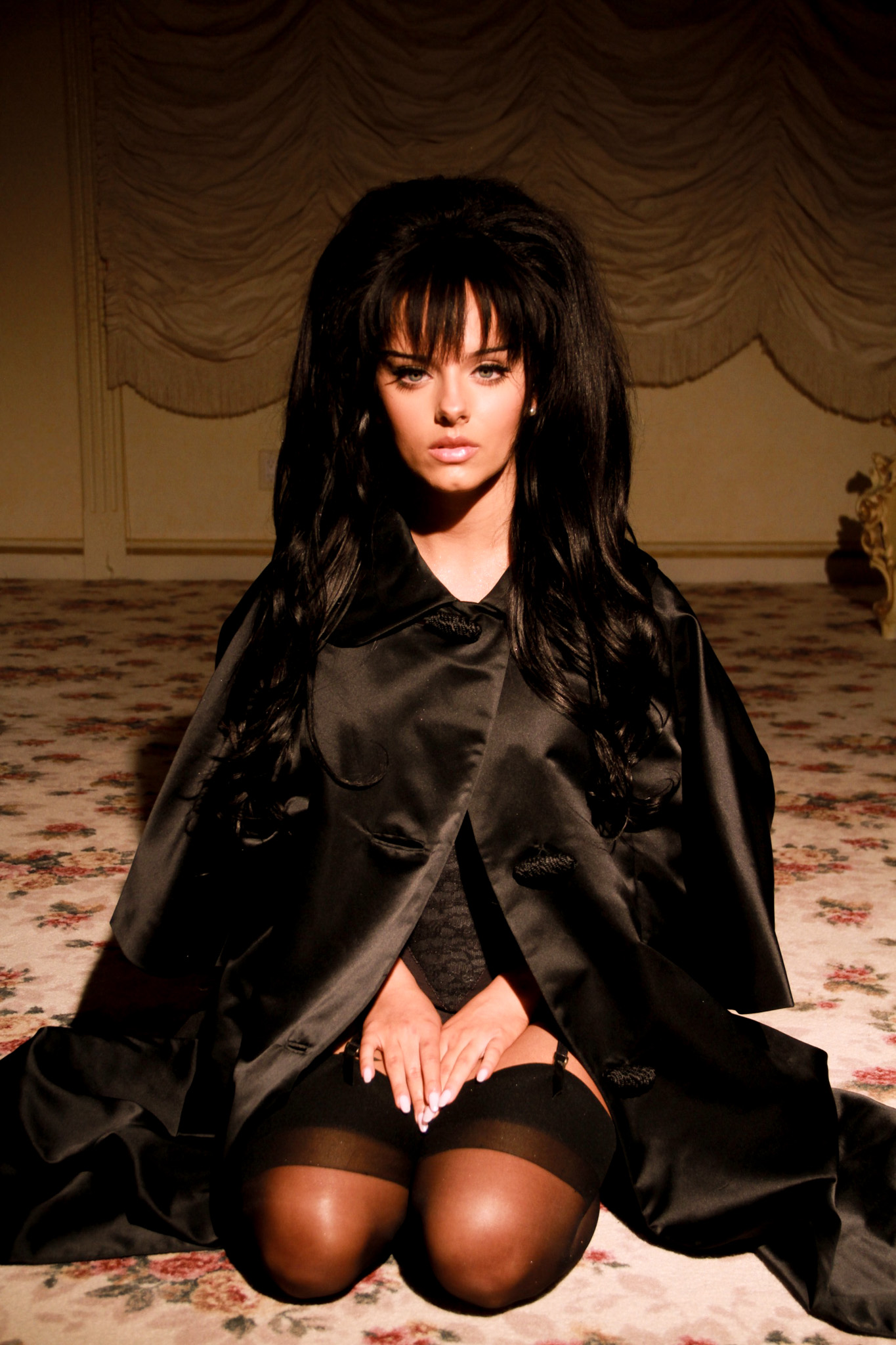
Jessie Murph goes all in on her brilliantly crafted magnum opus of a record, ‘Sex Hysteria.’ The 20-year-old singer/songwriter’s sophomore album does what Amy Winehouse’s ‘Back to Black’ did when it first arrived 19 years ago – resetting both the music industry and our relationship to art.
Stream: ‘Sex Hysteria’ – Jessie Murph
“I’m from Alabama, I’m ’bout 4’11, I’ve got a shitty father and I’d like to go to heaven.”
These are the beginning lines from Jessie Murph’s “Gucci Mane,” the opening to her highly anticipated sophomore album Sex Hysteria (released July 18th via Columbia Records) – a record I have had playing on repeat for weeks and weeks. There is no sanding the rough edges or prettifying the ugly parts of life. Murph goes all in whilst creating a rich and decadent soundscape of 1960s soul, R&B, rap, Americana, folk, singer/songwriter, and pop.
Sex Hysteria is incredibly contemporary and unique. You’d be hard pressed to find a current or recent record that sounds anything like this. The closest comparison is Amy Winehouse’s final record, Back to Black.

20-year-old Murph hails from Alabama, via Nashville, and now lives in Los Angeles. These locations, and their influences, can be felt throughout her music. Her debut LP, 2024’s That Ain’t No Man That’s The Devil, pulled from her southern roots of soul, blues, rock and Americana. Murph has collaborated with artists like Jelly Roll, Maren Morris, and Teddy Swims (among others) on that stunning introduction.
On her new record, she collaborates with rappers Gucci Mane and Lil Baby, both idols of Murph. There is no genre Murph can’t bend to her will and craft poetic, heart-wrenching lyrics to – and no subject she won’t write about. If her song “I Hope It Hurts” off her debut had you in tears, you’ve heard nothing yet. With confessional tracks like “The Man That Came Back,” “Heroin,” and the aforementioned “Gucci Mane,” the complete Jessie Murph is fully in the limelight.

In listening to the record, I would love to pick out a stand-out song – but it’s not possible. The album’s opener will always have a special place in my heart, but the 1960s-inspired “1965” is tragically funny, pitting today’s dating culture against how lovers used to treat each other – or how we think they did.
We go to church on a Sunday,
wake up on Monday
You’d go to work and I’d stay at home
and sing and do fun things
I might get a little slap-slap,
but you wouldn’t hit me on Snapchat
Don’t f*in’ text me at 2AM sayin’,
“Where you at, at?” boy, f* you
You didn’t write me letters
when you went away
You’d make me feel better,
you’d know what to say
And maybe you’d still be a hoe
But if you cheated,
hell, I wouldn’t know
Then there’s the sexually explicit, BDSM positive “Touch Me Like a Gangster,” where Murph cajoles her lover into embracing his kinky side. “I like whips and chains, I like being tied to things, babe, I like some pain, turn me upside down on swings, baby, I’d like to know, how far you gon’ go, How far we gon’ go? Oh, uh.” Murph pulls from the soul of the ‘60s whilst also creating a soundscape that has an edge of honky-tonk and trap beats at the same time.
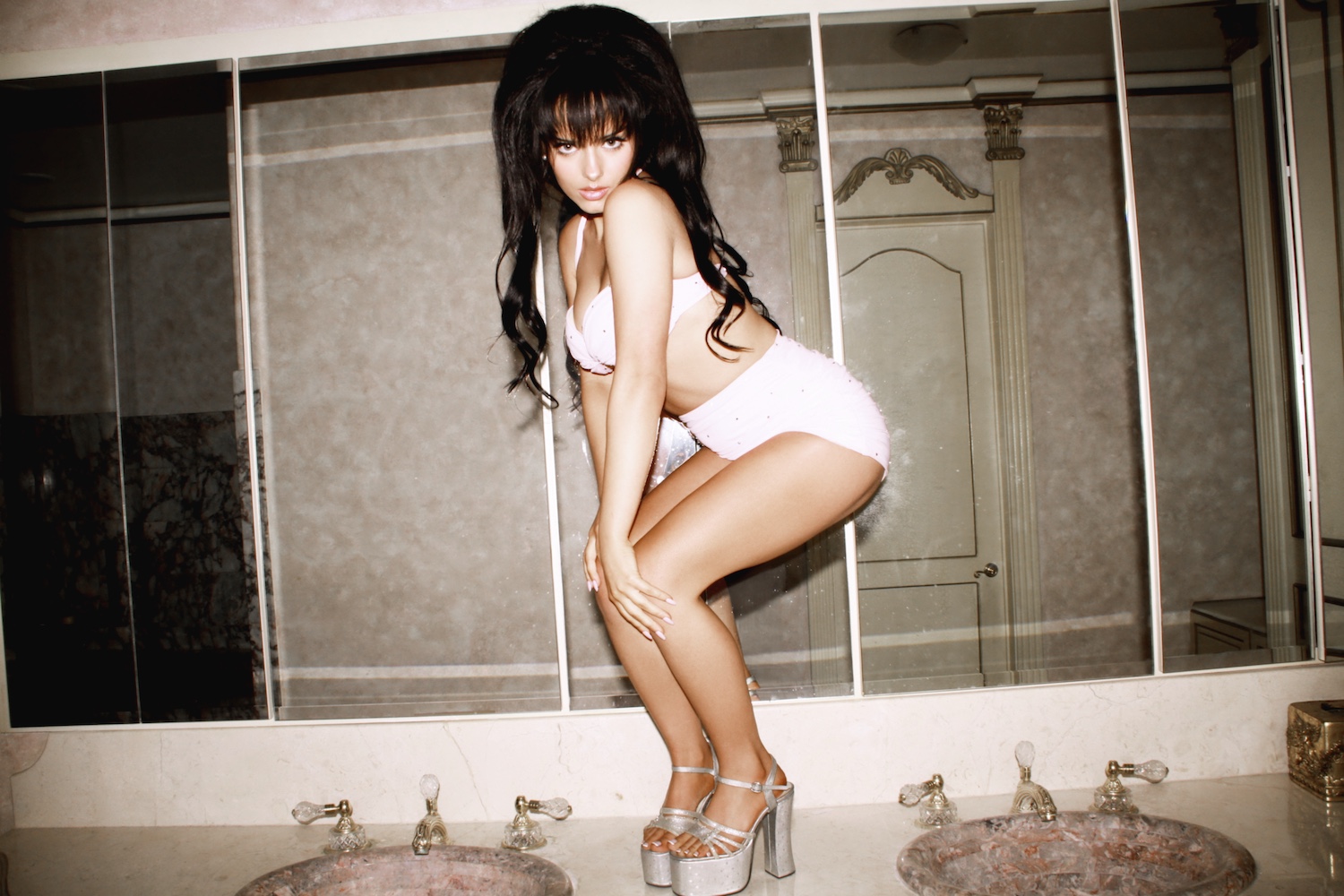
There’s a lot of sex, drugs, and recklessness on this record.
Murph has spoken at length about her hatred of double standards, especially when leveled at young women in society. Growing up in Alabama, she said, “Even when I was very little, in elementary school, I remember always being so pissed off about dress codes. I thought they were so stupid and so catered towards [men].” Murph went onto say that “the Southern, conservative culture she grew up amid was, she felt from an early age, full of hypocrisy and double standards.”
So when I hear songs explicit songs like “Blue Strips” or “I Like How I Look,” I see Murph giving a big middle finger to those f*ed up conservative ideals. Ironically, this song has become her highest-charting song on the Billboard Hot 100, peaking at number 15.
Blue strips, bare tits
In a strip club
Throwing ones
At your bitch
And I know you know
What’s going on
I’m going home
I’mma take it off for him
I’mma strip down
All your wrongs
“I Like How I Look” is sparse, sensual and hypnotic. It’s ultimately about doing unhealthy things – drugs, sex with the wrong guy, getting f*ed up. The song has an atmosphere which Murph has created so brilliantly with her repetitive lyrics, the hazy slightly claustrophobic arrangement and her softly soft vocals.
You, me, the mirror we call it a three way
I like your t-shirt when it’s coming off
When you touch me please keep on your watch
I like what you do when you do what you want
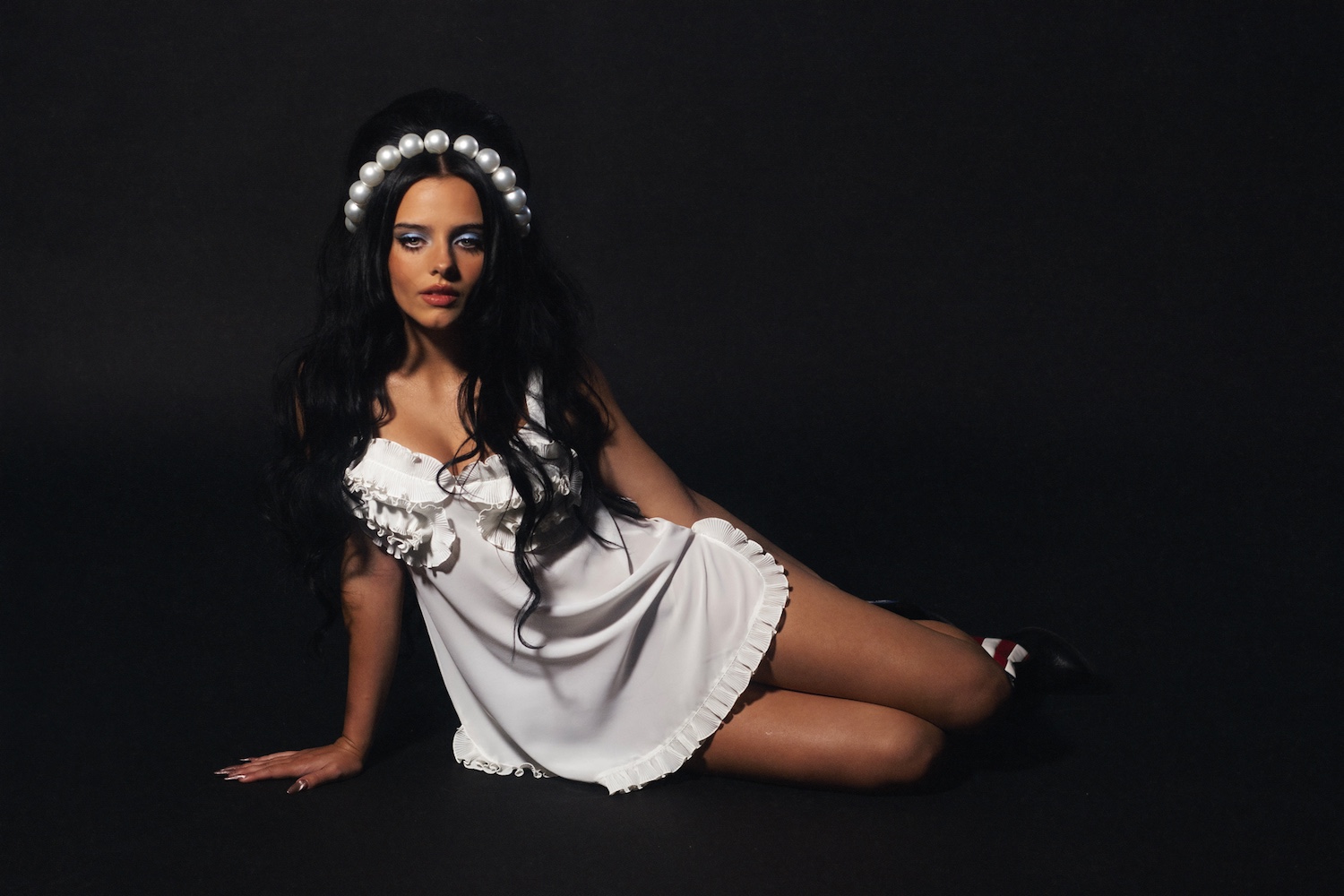
I would be utterly remiss if I didn’t mention Murph’s magnum opus: “The Man That Came Back.” The song wrestles with forgiveness and self-respect, and leaves it up to the listener to decide which one they choose to live with. When I corresponded with Murph I said that children with abusive fathers are going to find a lot of power and solace in this song.
Now you dive in saying you’re a different man
But who you were, it made me who I am
I still remember you blacked out,
face down, asleep in your car
And the violence, the sirens that rang in the dark
And the last straw, the worst of all,
the breaking of my mother’s heart
Now since December
You’ve shown up, say I’ve grown up
You just want to see us
You woke up, sober
Said you found Jesus
You don’t understand why
I still hate the man that came back
But you can talk to God about that
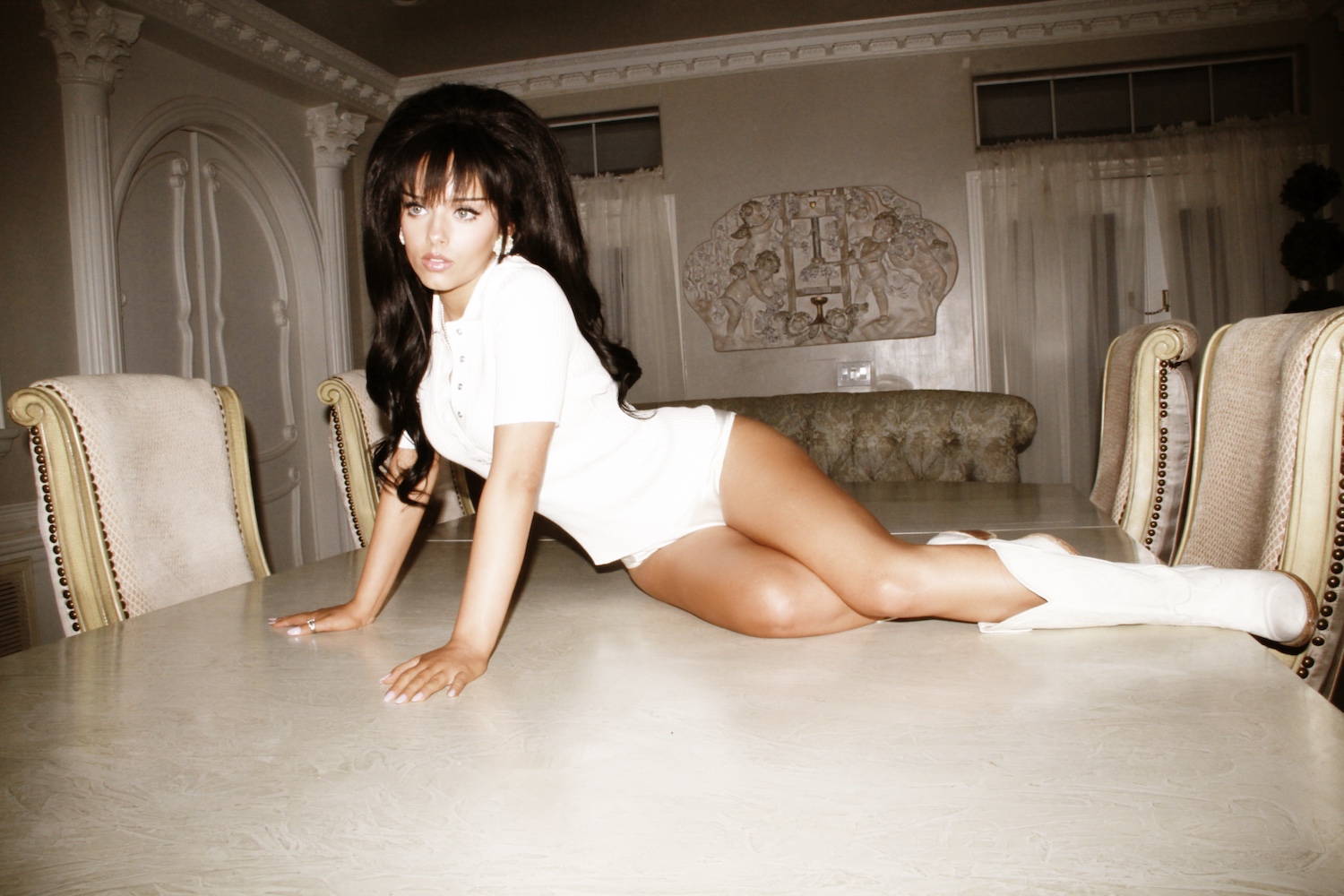
There have been many songs that examine abusive relationships from the abused partners perspective. British singer/songwriter Jamelia wrote the song “Thank You” about the abuse she suffered at the hands of an ex partner, “Shoot” by Sonic Youth has been interpreted to be about leaving a violent relationship, as has “Young Hearts Run Free” by fellow Alabamian, Candi Staton. However, there have been very few songs where the child of the abusive parent is the narrator.
In the current political climate where women’s rights are being ripped apart, violence against women in the United States is on the rise, and services to protect those women are being defunded and shut down, making this song hit harder. Though “The Man That Came Back” is a deeply personal, hyper-specific story to Murph, its those very specific and brutally honest lyrics that are likely to resonate deeply with a section of society who have survived domestic violence and still carry the bruises and scars.
I was 6 years old
Running from the sound
In my nightgown
Screaming through the walls
He was angry
She was trying
I could hear it all
TV up loud as it could go
Just another night at home
If it isn’t already clear, Murph’s music is conduit for all of us who have ever had our heart broken, our confidence shaken, followed the wrong person home to bed, exacted revenge or carried the scars of an abusive parent.
— —
:: stream/purchase Sex Hysteria here ::
:: connect with Jessie Murph here ::
— —
— — — —

Connect to Jessie Murph on
Facebook, 𝕏, TikTok, Instagram
Discover new music on Atwood Magazine
© Dana Trippe
 © Dana Trippe
Sex Hysteria
an album by Jessie Murph