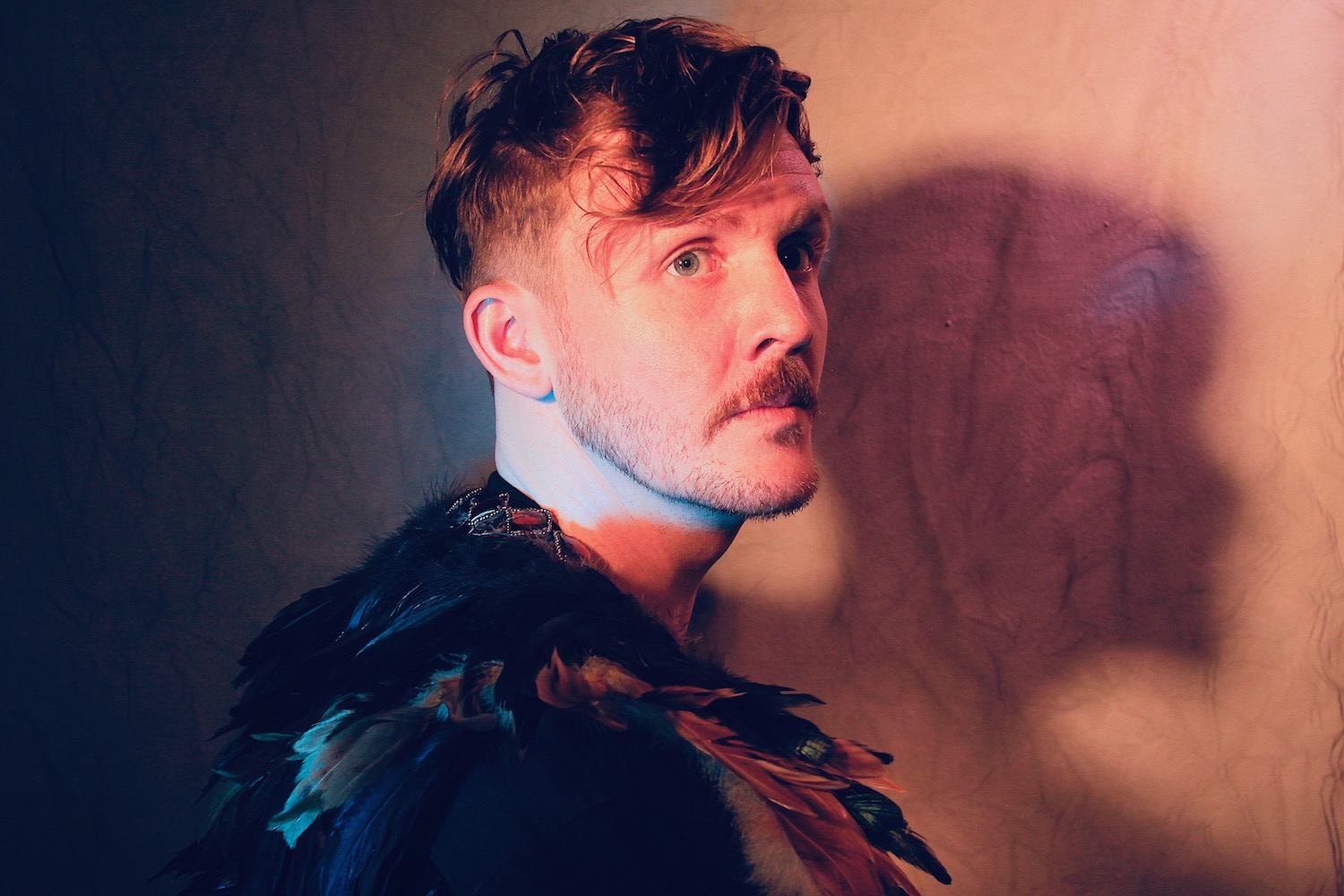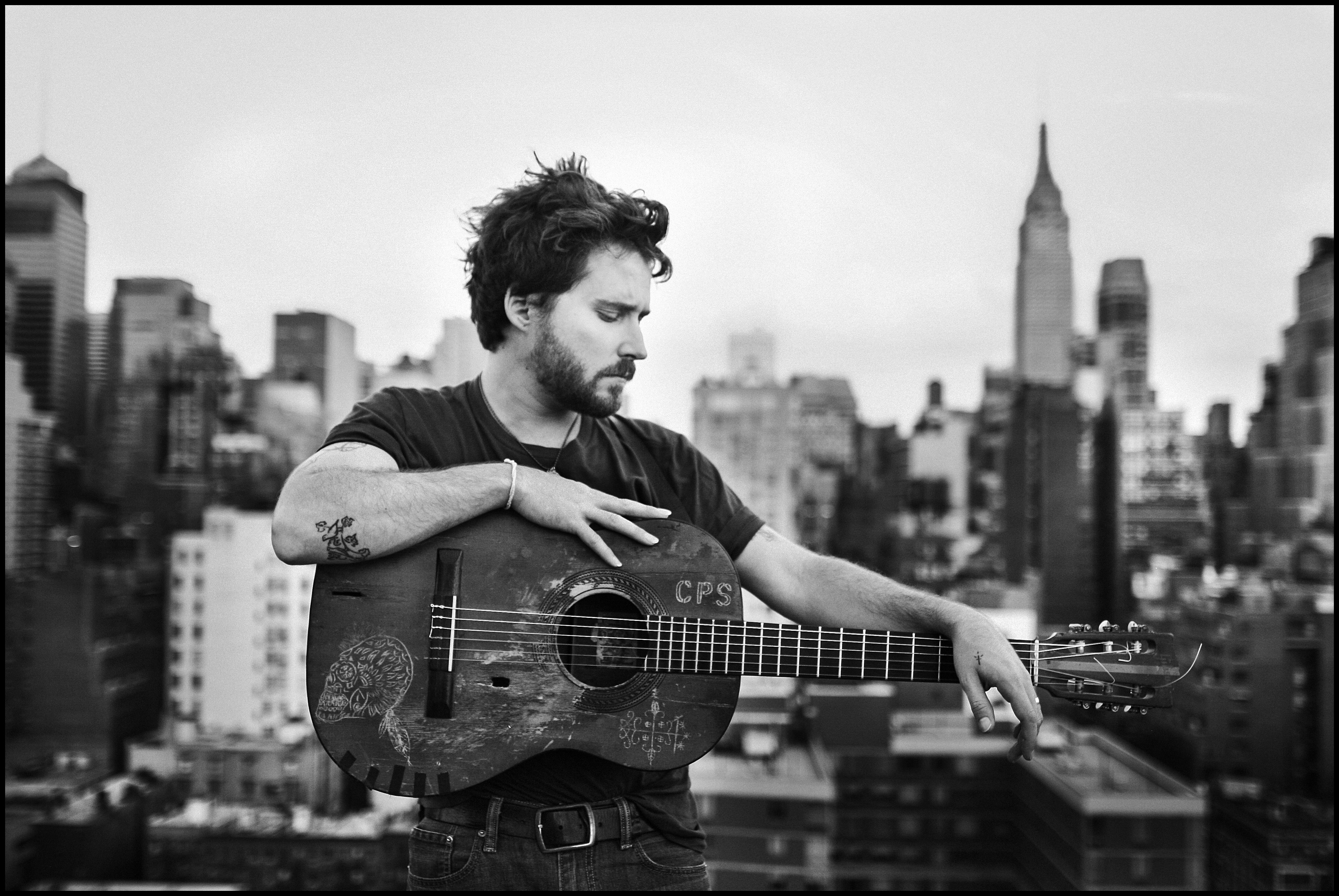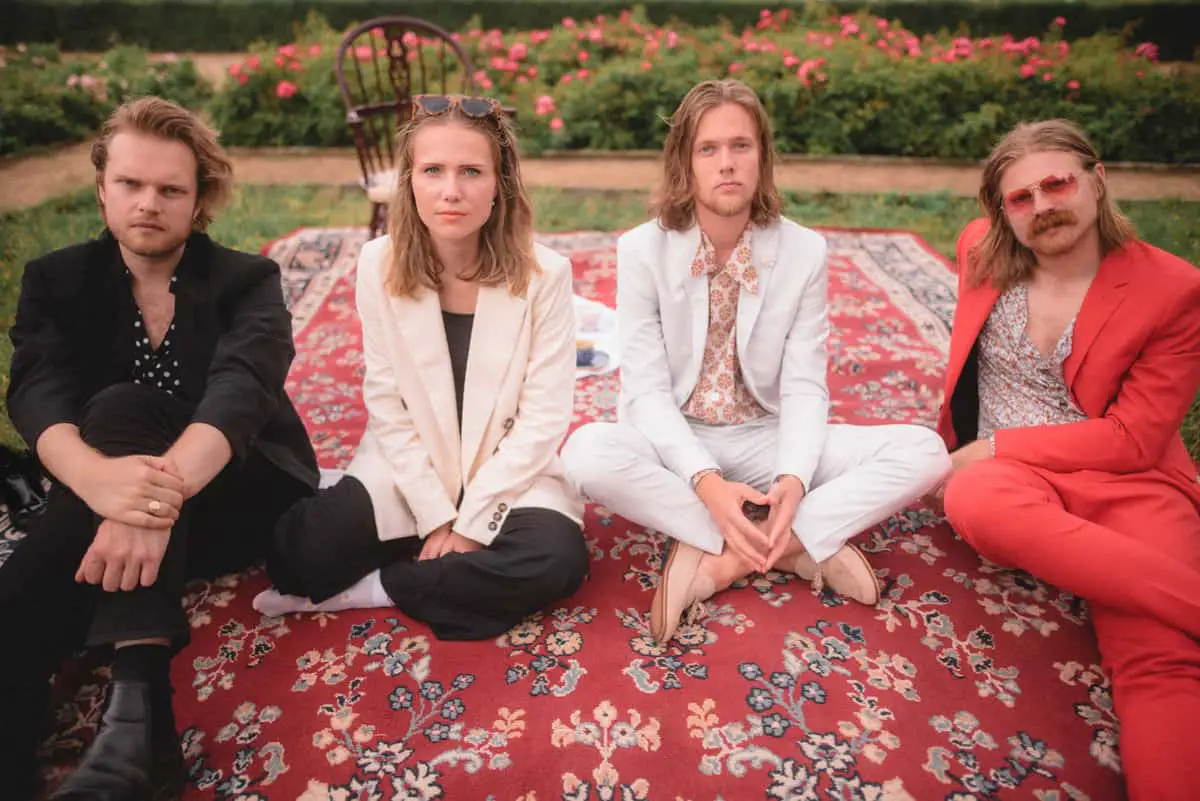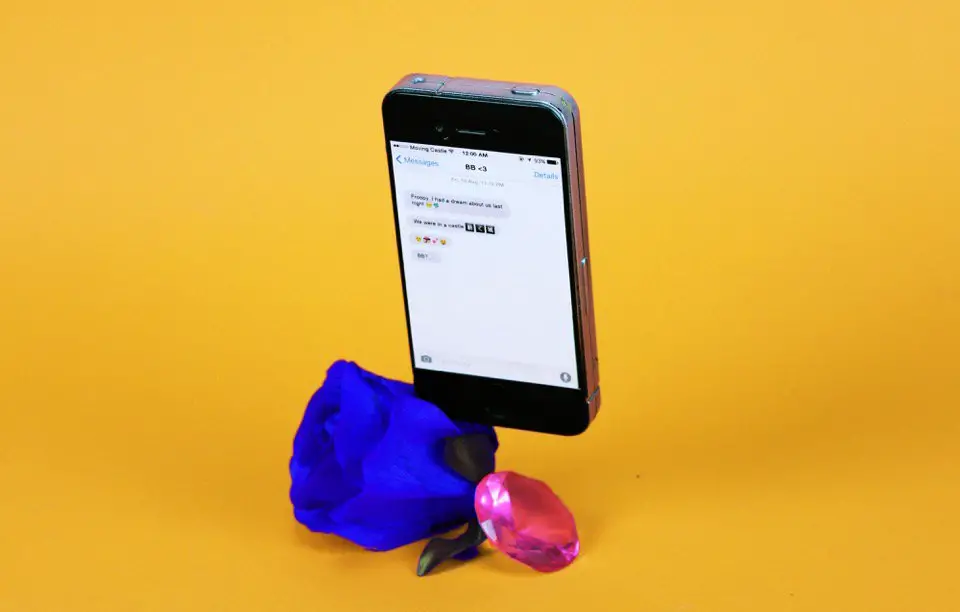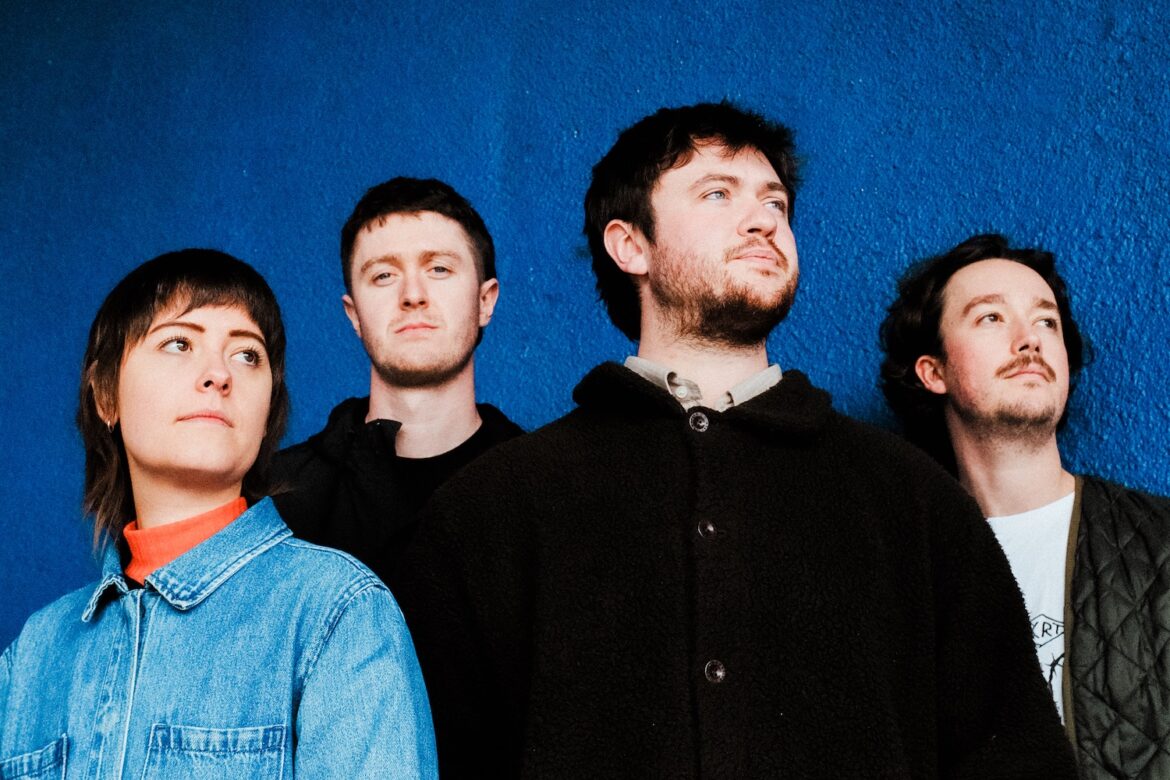
Black Country indie band Chartreuse made ‘Bless You & Be Well’ by leaning into their instruments, intuition, and opening their hearts up wider than ever before.
Stream: ‘Bless You & Be Well’ – Chartreuse
Chartreuse entered Flóki Studios, Iceland, at the edge of the Arctic Circle on a strip of land between the Greenland Sea and Hópsvatn Lake in 2024 not knowing the full shape of their sophomore album, Bless You & Be Well.
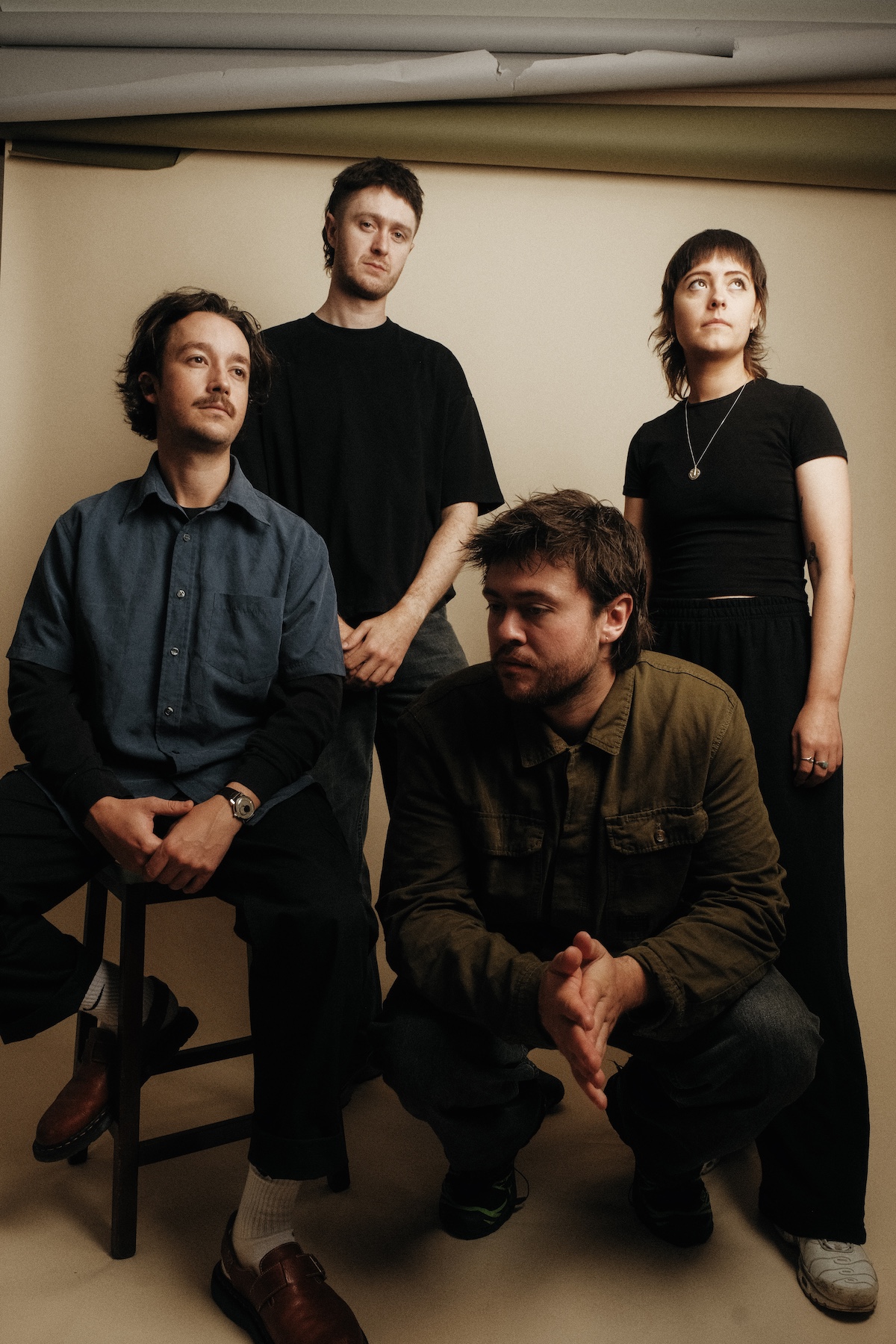
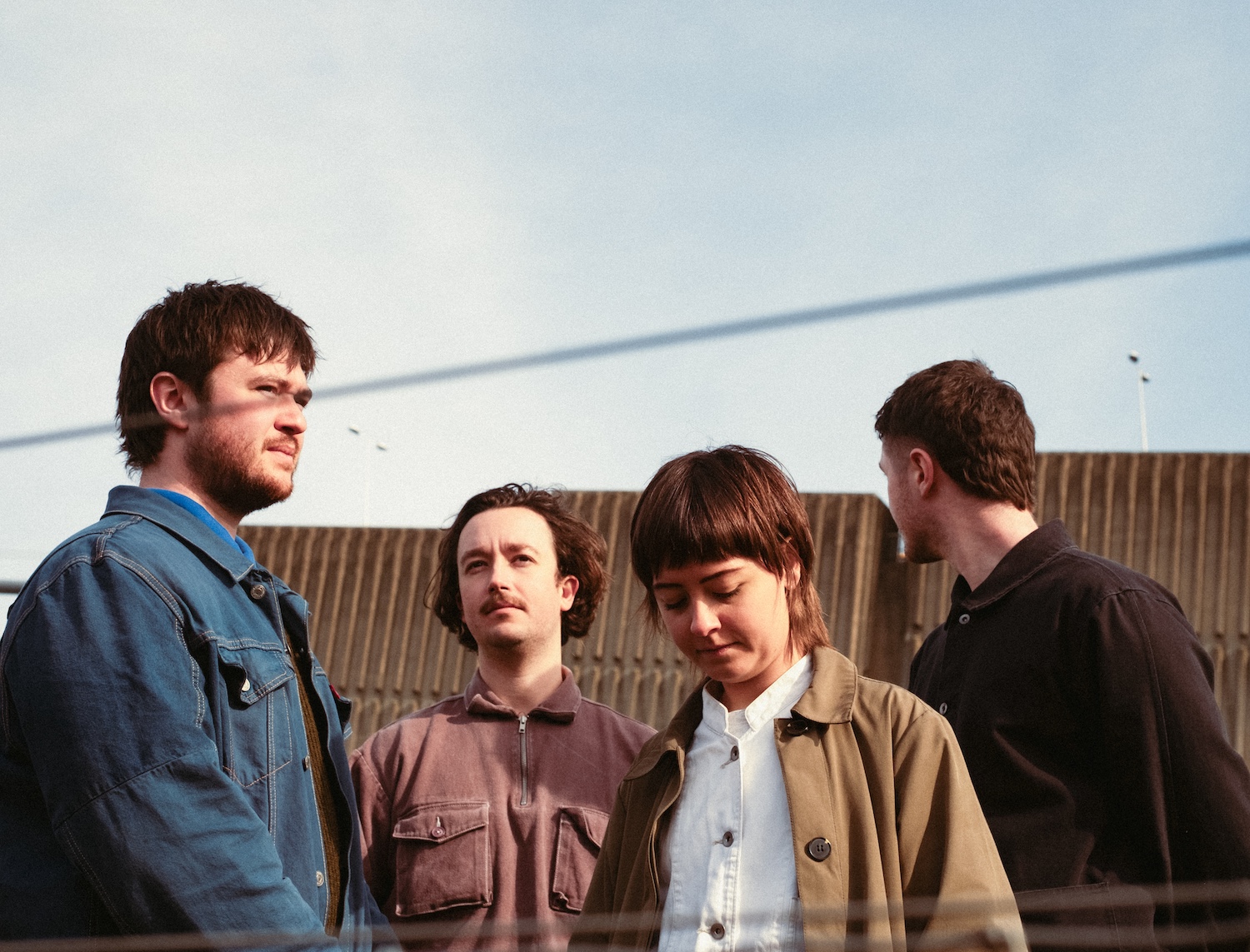
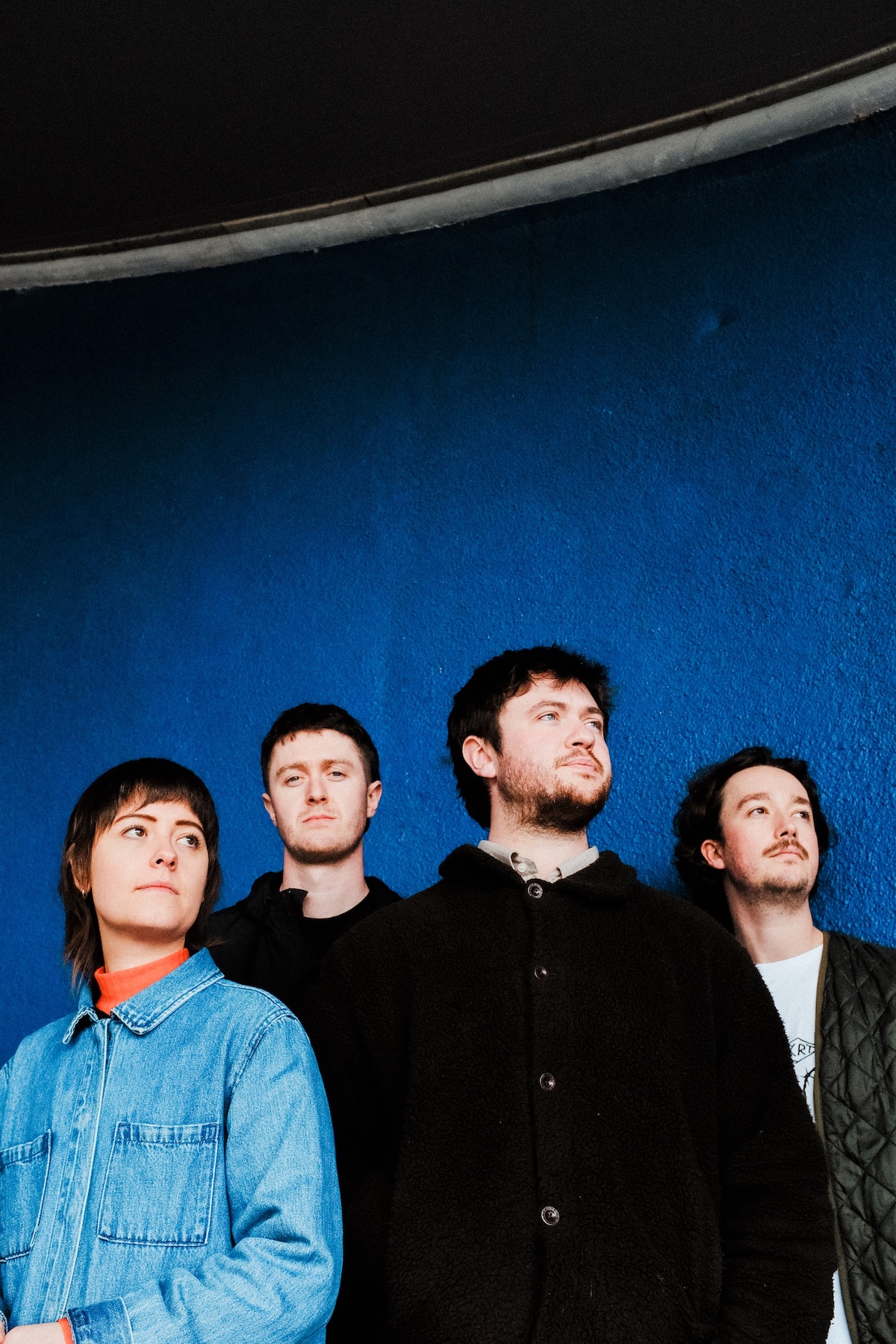
The innovative indie rock band from Black Country, England, consists of brothers Mike (guitar, vocals) and Rory Wagstaff (drums), Rory’s long-term partner Hattie Wilson (piano, vocals), and Hattie’s childhood friend Berry Lovering (bass). The communion is evident as the care and compassion they have for one another saturates their music with a bubbling warmth. So, as they respectively faced the challenges that life had been throwing at them – an impending invasive surgery, familial cancer scare, death, and an existentialism that tends to chase us all – they found refuge in the barren and beautiful land that surrounds the Icelandic recording studio.

The band skirt melancholic tones, while their vocals are always warm, melodic, and harmonic. The drums sometimes echo jazzy or mathy beats, while staying easy on the ears. The bass is often heavy and sulking, though sometimes it can be bright. Their sound feels indie and alternative, while there is also a lot of nuance.
Producer Sam Petts-Davies (The Smile) was at Flóki Studios with Chartreuse and produced Bless You & Be Well. Before this record, the band had an ethos of, “Whenever we hear something that sounds familiar, we try to f* it up in some way,” because they were almost “anti-band.” With Petts-Davies, it’s almost as if they let go of the contort of not trying to sound like someone else, and instead, relied on quick instincts, as to not dwell on any song for too long. They had more freedom, and Petts-Davies told them, “You are a band and this is how you sound, so let’s just run with it.”
In the “Making of ‘Fold’” video on their YouTube channel, there is a part where Wilson realizes she dragged the lyrics out. Petts-Davies said, says, “I really like that, I think it’s quite… ’cause you got this,” and he starts the track again, turns around, looks at her, then raises his hand like a conductor, “Quite a nice contrast.” When “Fold” is played, it’s easy to hear and feel that drag in the words at the end of sentences. It seems like a small thing at the moment, but the texture greatly amplifies the gravity of the song and opens up a larger emotive space.
There’s an acceptance of what music comes out while pushing themselves along with an innate desire to create nuance, but this time, without overthinking it, with a providence of freedom.
These unique contours can be felt throughout the record in different ways. For instance, the amount of velocity with an acoustic guitar that’s rendered in “Sequence of Voices” and “More,” the subtle organ-y sounds and melodic to somber singing in “Offerings” that swells slowly, the fast melodied instruments and a thick bass that softly rattles while punching notes of “Moon Man” which is accompanied by dual singing chorus that burns bright and is filled with a strong sense of hope.
For each of their four singles, Chartreuse posted personal notes of what the songs were about. Hattie Wilson, for “Losing It” and “Fold.” For Mike Wagstaff, “More” and “Sequence of Voices.” For their latest single, “More,” the end of Wagstaff’s note said:
“The Pressure that I put on myself to write this music and make it the best it can be, is totally self-prescribed. All in all, it’s mostly about not really wanting to be seen—to stay in a state of introversion, and just remain there. It’s a feeling that I tried to get across in the song. When I say “they want to see you naked, they want to hear you say it, I don’t want to wear a mask,” it’s kind of self-talk, addressing the duality in my personality, and that I actually don’t wish to feel invisible most of the time.”
There is a noticeable congruence in Chartreuse’s Bless You & Be Well of vulnerability and trust – not just to be open to the slight changing of a sound, but in the content of lyrics, in the sharing of the intimate stories behind them, and in the composition of the record.
It can be strange to think how letting go of something, or of many things, can bring a person closer to themselves.
And it can be strange to let go of control of producing – as Mike Wagstaff had produced much of the band’s work up to this album – and to find a palette of freedom, perhaps a wider swatch of expression through music, and perhaps, come to a lovely surprise.
Read our intimate conversation with Chartreuse below and stream their sophomore album, Bless You & Be Well, wherever you listen to much!
— —
:: stream/purchase Bless You & Be Well here ::
:: connect with Chartreuse here ::
— —
A CONVERSATION WITH CHARTREUSE

Atwood Magazine: What bands have you been listening to, and what are some bands that have influenced you?
Hattie Wilson: I’ve listened to Nilufer Yanya’s My Method Actor album quite a lot over the past few days. It’s a very, very good album. I sort of like missed it when it came out, but yeah, that’s been a real joy to dive into. The string arrangements and everything on that album are just wicked. That’s probably my main one right now.
Mike Wagstaff: I haven’t really been listening to albums, I’ve just sort of been really into making playlists, so I’ve just been kind of like jumping around to different artists, but I think a little guilty pleasure at the moment is Title Fight. It’s good. Other than that, just kind of like just everything, really. I listen to a lot of Sega Bodega. I’ve listened to Billy Martin’s new album, that’s really good.
Wilson: Yeah, it’s a really good album.
Wagstaff: Yeah, not really one genre, but just a bit of everything.
I was wondering if you could tell me about Black Country. What’s the band's relationship to that region of England? How tied do you feel to it? Is there a certain aura that it has?
Wilson: I guess so. I don’t know if it’s directly influenced us in a way, but I mean, we’ve lived here our whole lives, and it’s kind of a strange little place, but it has real quirks about it that, yeah, keeps us here, I suppose. Yeah we’ve not known any different I guess, never moved away and it’s just kind of yeah you go through phases of being like, ‘I absolutely love it here’ and then I’m like, ‘oh it’d be cool to move it away’ and then and then I’m like, ‘nah I kind of love it again.’ There’s some really nice countryside and stuff here. It’s quite beautiful to have on your doorstep, and then you can also, you know, dip into Birmingham whenever you want to, which is cool. I wouldn’t say it’s had an influence on our music, I mean, maybe, I guess we wouldn’t know.
Wagstaff: Yeah, it probably has.
Is it the name, do you think, like people are like, oh, Black Country, that's just like such a distinctive name for a region?
Wilson: I think sometimes when you talk to people who haven’t been here, they’re like, I think it’s a strange mythical place, but it’s real, and it’s alright here. [laughs]
Wagstaff: It’s fine. [laughs]
What did it feel like when you found out you were going to Flóki Studios, a remote part of Iceland, to record your second record?
Wilson: Crazy. Yeah, I mean…
Wagstaff: Completely.
Wilson: Yeah, we’ve only ever done like recording here where we’re talking from right now, or in Tottenham. So yeah, it kind of just presented itself to us, and we were like, okay. We had a lot of conversations about it, and then eventually the wheels were actually in motion, that we were gonna go and record it. Yeah, we just went with it. Like, why wouldn’t you? It was incredible. Really, super exciting to get to go there. We still talk about it now, and we can’t believe we’ve got to go and experience that. Like if we never get to experience Something like that again, I’m really glad we did.
What made that experience so memorable that you're still talking about it?
Wagstaff: It’s just, well, it was just the studio in the middle of nowhere. There was literally nothing around, other than like farms and just people who worked in like the local town, and like the hotels and fishermen and stuff. Like, it was just bizarre, like completely removed from what we used to. It was just…it was so serene and beautiful. But yeah, there was just like a little studio just plonked in the middle of a piece of land in between the sea and a lake. And it was breathtaking and beautiful. And we didn’t really know how it happened, to be honest with you, which is sort of like, we made all these plans and then we kind of looked at photos, but then when we got there, we were like, what have we done? This is kind of nothing like with other experiences
That's cool. When did you find out you were going to work with Sam Petts-Davies? And what was that like knowing that he's worked with a lot with The Smile and Thom York?
Wilson: I don’t know when we found out we were going to work with him, but I think we had chatted to a couple of people, and then we went and met him in London. I think as soon as we met him, we sort of knew that he was the right person to work with. Just the way that he spoke about music and the way that he spoke about his process was very inviting and didn’t feel in any type of way intimidating, which is exactly what we were looking for. We hadn’t worked with the outside producer for ages.
Mike had produced everything for quite a while, so it was nice for you [looks at Mike] to be able to take your hands off the reins and trust somebody to sort of bring our ideas to life. And he works super quick and we have a tendency to dwell on things when we’re writing or recording ourselves. He didn’t allow for that. He was like, let’s move on, we’ll come back to it, like, it will be fine. That was just a refreshing way of working because it just meant that you know we had to just keep going and pushing ourselves forward, which was super important, and you know we didn’t have a ton of time with him, so it was great to just go for it basically.
Did you intentionally listen to some of the records he produced before going into the studio or was that a combination of having the conversation with him and understanding what was going to come out of the record you're going to produce?
Wagstaff: I mean, he had worked on one of our friends’ albums before, so we already knew that he was good to work with and stuff… And obviously we’re big fans of The Smile anyway, obviously. It’s incredible, incredible music. We kind of had a lot of trust in him for sure.
That's awesome. How close to finish were you with the songs before you got to the studio?
Wagstaff: Like some of them were completely done, and some of them were sort of bare bones, to be honest, and that was quite intentional as well. We didn’t go too crazy on demoing, like, if it was working, we laid it down [and] we didn’t add any fancy sounds or anything or even mix it. We tried to keep it as raw as possible. A couple of them I didn’t even have lyrics it was just kind of sending over voice memos of us playing and jamming, kind of like singing nonsensical shit.
Wilson: [laughs]
Wagstaff: Yeah, basically, made up words to just get the melody out, really. And then we just kept it so raw, so when we went in, it was kind of fresh for everybody, like no one had deep attachments to specific unnecessary things. We kept it all quite open and quite malleable.
Is that different from what you guys have done before? You were like “Hey, let's make sure we have space so we can shift when we want to, or when we need to.”
Wagstaff: Honestly, that is the first time we’d done that.
That's cool. How did Sam Petts-Davies push you or collaborate with you in the studio? What was that like for you guys?
Wilson: It was great. There were a couple of moments where he played on the record a tiny bit, and he’d come up with some riffs and stuff, which was cool. And yeah, it was just great. A lot of the time, he was just set up in the live room, and he would just come in and figure stuff out with us. I mean, before we went to the studio, anyway, we did a lot of pre-production with him.
That’s really when he was like, you know, let’s take this down a darker route, or like flip this part and change it in that way. So that was probably the most collaboration we’ve done with an outside person before, you know, never really had the chance to do that. So it was nice. And yeah, he really helped us in that way, which was cool.
That gives you some ideas for future recordings if you're thinking that far ahead of the possibilities of how you can create songs and collaborate with people outside of the band.
Wagstaff: Oh yeah, definitely. We’ve definitely gained some new ideas and tools to use in the songwriting now from working with somebody else. It definitely learned a lot.
Were there any particular sounds or compositions that surprised you looking back at it?
Wagstaff: We walked the route of just leading into more bandy sounds, like a guitar, a drum kit, a keyboard, a bass, locking into that idea. And then whatever production on top was a Brucie bonus. But yeah, that was kind of new for us because we, in the past, we’ve always focused on creating unique sounds that doesn’t sound like your traditional guitar or your traditional piano.
We prioritized that over just becoming a band that sounds like a band playing in a room. So that was quite new for us, which is quite ironic because we’ve been a band for so long. But yeah, that was cool just to sort of unlock that world for us. And we kind of just added all the nice production on top instead of relying on that over the traditional.
I feel like I can feel those layers too in the album, from a fundamental sound of the drums, vocals, and guitars, and the production on top of that. It’s nicely layered.
Wilson: Thank you.
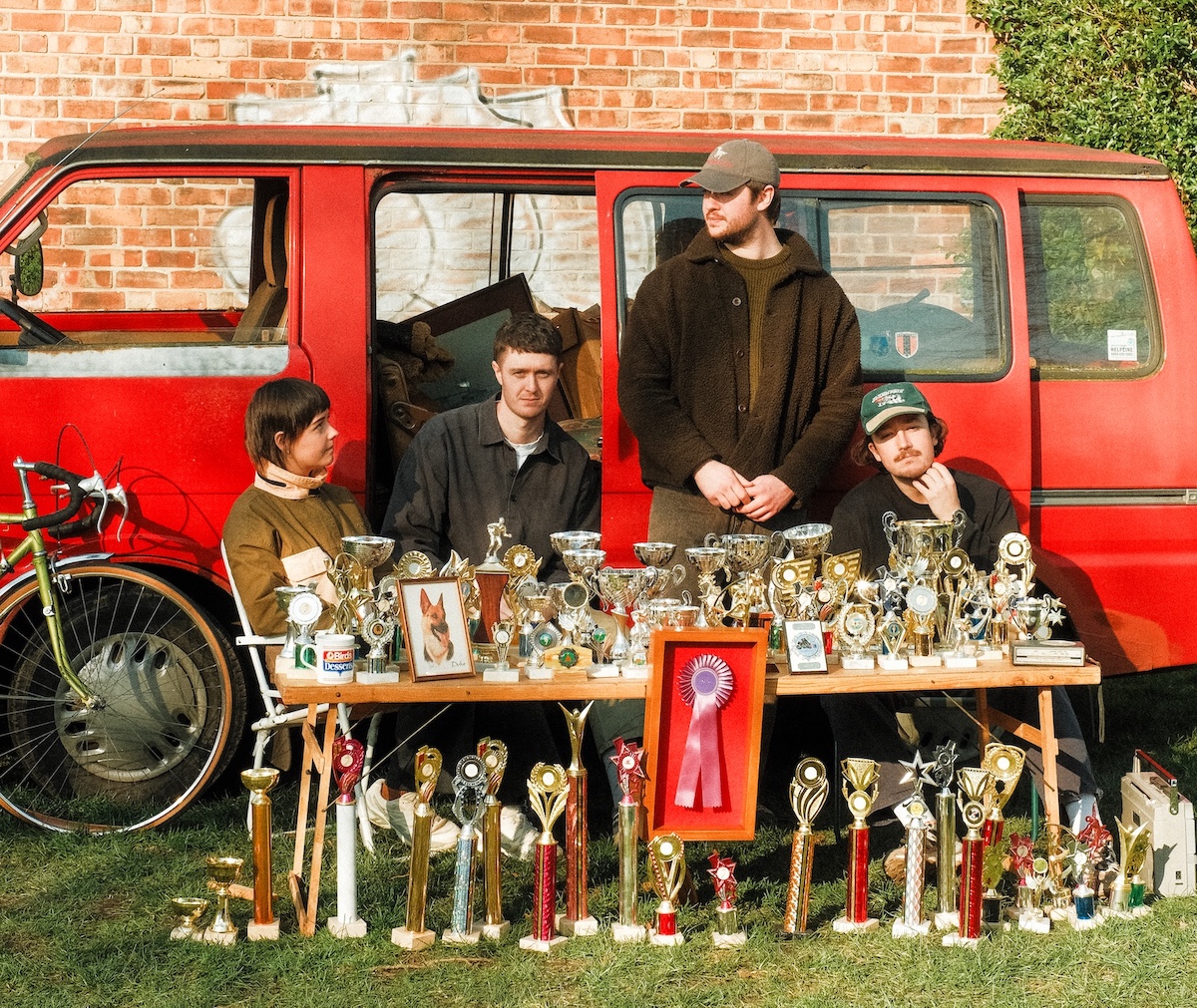
In your four music videos and album cover, there are different colors of award ribbons that take center stage. What's the significance of the colors, and how did you decide which song received which color?
Wilson: To be honest, we ordered a load of them [laughs]. So the guy we worked with, Stuart Baxter, he’s great. And any idea you have, he’ll go in on it in a way that is like any dream you have; he can make it happen. And that’s like, he’s great like that. And Mike had an idea of the rosettes, the award ribbons. We went with it, and yeah, he was like, write an award, read all the colors, and then we’ll sort of give them to each song with whatever makes sense. And the only one we felt really strongly about was obviously the album.
We were all like, it’s gotta be white. It just feels quite removed from our last album and quite a striking image to have that on the record. Yeah, the others, I don’t think we could change the colors of them now. They really suit the song that they’ve been assigned to. But yeah, it probably wasn’t like we knew when we were talking about the songs. We knew which colors we didn’t want for which songs. We were like, oh, that song can’t be blue or whatever, like that, but we didn’t know why. It was quite weird. [laughs]
Wagstaff: Yeah, there was a level of intuition with it.
Wilson: Yeah, there was, wasn’t there?
Wagstaff: It wasn’t random, but I don’t think there was any particular deep thought current or before we ordered them.
Wilson: Yeah.
Flexible, like you went into the studio with to record the album. You decided to feel it out.
Wilson: Yeah, that’s exactly what happened. We just knew what we didn’t want, but [the songs] chose their own colours, I think. [laughs]
Wagstaff: [laughs]
That's cool. They were fated in a way.
Wilson & Wagstaff: Yeah.
Up until today, each single you've released has had a follow-up post sharing personal stories connected to it. Mike for “Sequence of Voices,” partly, you talk about your mother having a cancer scare, and you holding in pressure and anxieties. Hattie, “I'm Losing It,” you talk about the major surgery you had on your femur, having to essentially relearn how to walk again, and the surrounding familial and self-burdens you felt tied to that. What was the decision-making process for sharing these stories with fans and putting them out there, and what does that sharing mean to you as a band?
Wagstaff: I think we’ve spent a lot of time feeling like we undershare and feeling a little bit like maybe we come across like a little bit blank to our audience. So, I guess we wanted to be transparent and share a little bit more about ourselves and kind of connect with people on a more personal way. For me, it’s taken a lot of thought because I don’t particularly like opening up about it. I write these songs, and I’m just kind of thinking like, ‘oh maybe this should be enough’ you know. This is like my upper level of sharing [laughs], so to do that, to explain the songs in detail like that, I do find that quite hard. But, I like the challenge of it, and it’s nice to receive nice feedback from [people] going through similar things. You know, it’s good to connect with people, it’s. You can’t be grumpy forever, so it’s good.
Wilson: I think in the way that I think, I suppose, I’m quite logical, and I think when we’re sharing stuff like this, I don’t necessarily mind that much because I’m like, oh, it’s not really ours anymore, someone can have that. I think it almost helps me to write down the meaning of them and move on from them. I think it’s good to, yeah, it’s good to share. The only thing I do kind of, I guess, [it’s]hard because I like sharing, and I like people sort of knowing what they’re about, [but] then I also love the idea of people listening to the songs and forming their own meaning and their own connection to them. So that’s the only thing I miss about keeping things slightly more to ourselves. It’s like a strange balance of, you know, you’re telling people exactly what they’re about.
Wagstaff: Yeah, like over-explaining kind of ruins the mystery of it.
Wilson: A little bit, yeah, but then we kind of gotta think, not everybody’s going to read those. Like you know, people find you on playlists or they’ll hear your music for the first time and they’re still going to do that. It’s only a small percentage of people that are going to go and listen read the explainer and sort of know exactly what that’s about, and maybe they’re the people that want to find that, so that’s fine. So, I think it’s it’s nice to you know, get it out there and share with people. I think it definitely helps you connect more.
You know, it's interesting too. I had been listening to the song like a bunch before I realized that that post was there, you know, actually a few days ago, and then I read that post, and I listened to it “I’m Losing It,” and it hit different.
Wagstaff: I like that.
Wilson: Yeah.
So what's that journey of vulnerability been like for both of you, and where do you see it leading into your future?
Wagstaff: As in, would we carry on doing that kind of thing? Yeah, I think so.
Wilson: I think so. I think it’s helpful.
Wagstaff: Yeah, as I said, it’s nice to connect with people and show them a different side of us. I’m slowly coming out of my shell [laughs], you know, after 10 years of doing this.
Wilson: [laughs]
That's interesting. I feel like this is connected. It's like the album feels deeply introspective. It's sonically playful, and at the same time, pretty powerful. What was the sensation of listening to it and experiencing the final decision that it was ready to be released in the world?
Wilson: It was interesting. It felt like, like listening to it as a whole, you know, when you’re in the band, you can’t help but pick it apart, you know. Aside from that, listening to the album I think I just felt like like immensely proud. I think doing a second album, that everybody calls a difficult album, and it didn’t feel that way at all for us. It felt easier than the first to be honest. We really knew what we had to do in a way and knew what we wanted to say, you know, not in terms of lyrically, but sonically. We knew we knew how we wanted to frame this record, and I feel you know [as I] I listened to it, I felt like we’d achieved that. And it’s a really nice thing to feel proud of being part of something.
Why ‘Bless You & Be Well’ for an album name? Were there other candidates?
Wilson: I think there was, yeah. I can’t remember them, though. I think we maybe we tried some other lyrics and stuff.
Wagstaff: Fixin’
Wilson: Yeah, Fixin’ was one because that’s something that’s on the record, but I think we have a tendency to pick a name for a day, and we’re all like, ‘yep, that’s it,’ and then we come back to it and someone’s like [laughs], ‘I hate it. That’s not what it should be.’ I don’t know who it was, but somebody suggested Bless You & Be Well because that was already this song title, and all of us were like, ‘yeah, all right, cool, sounds great,’ it’s…
Wagstaff: Quite playful. Quite fun, yeah.
Cool. I don't have any more questions for you guys.
Wilson: Cool. Okay. So yeah, that’s been nice to chat to you.
— —
:: stream/purchase Bless You & Be Well here ::
:: connect with Chartreuse here ::
— —
Stream: “Fold” – Chartreuse
— — — —
Connect to Chartreuse on
Facebook, 𝕏, TikTok, Instagram
Discover new music on Atwood Magazine
© Stewart Baxter
 © Stewart Baxter
:: Stream Chartreuse ::