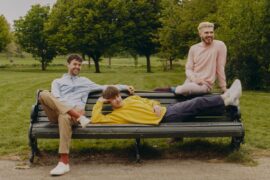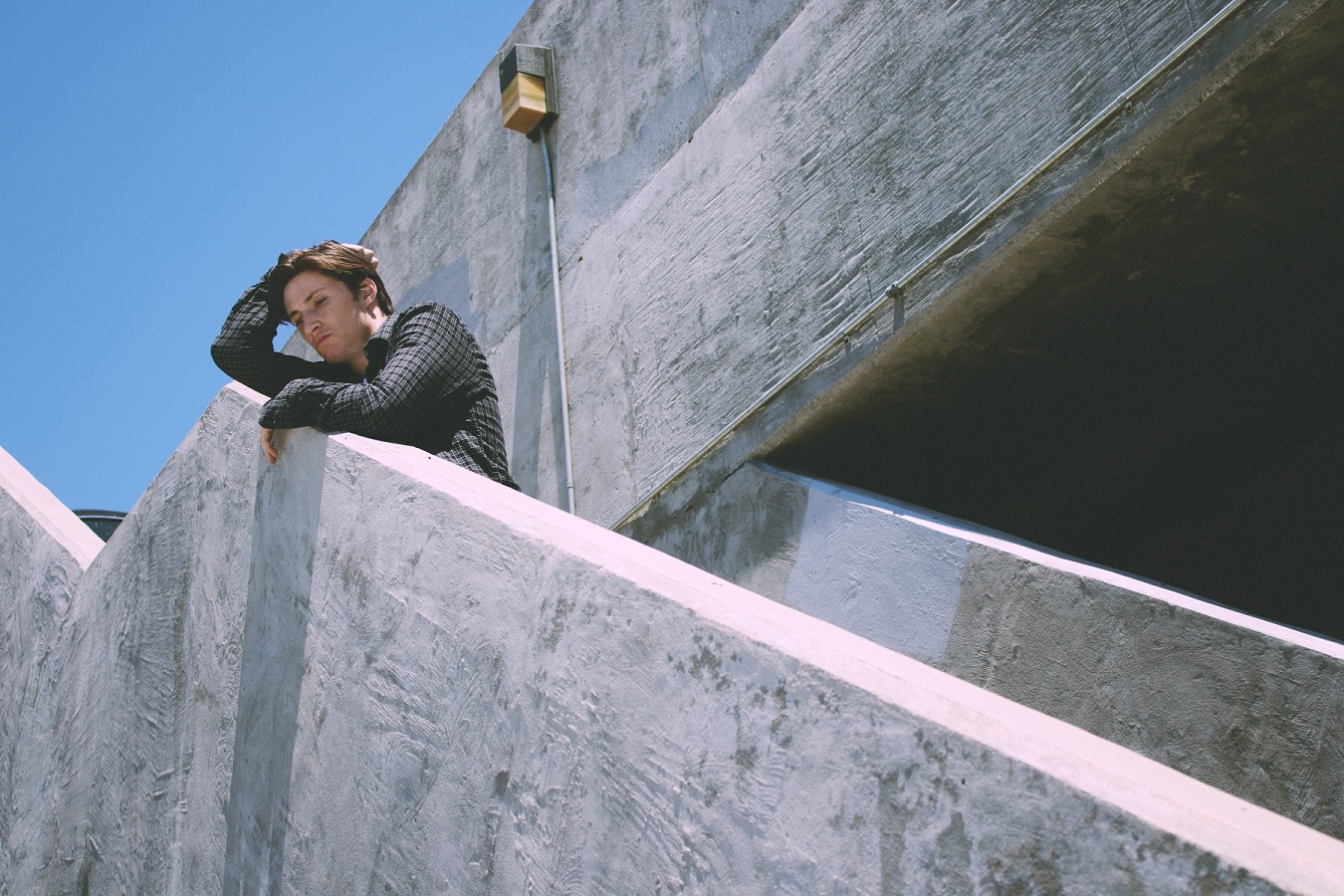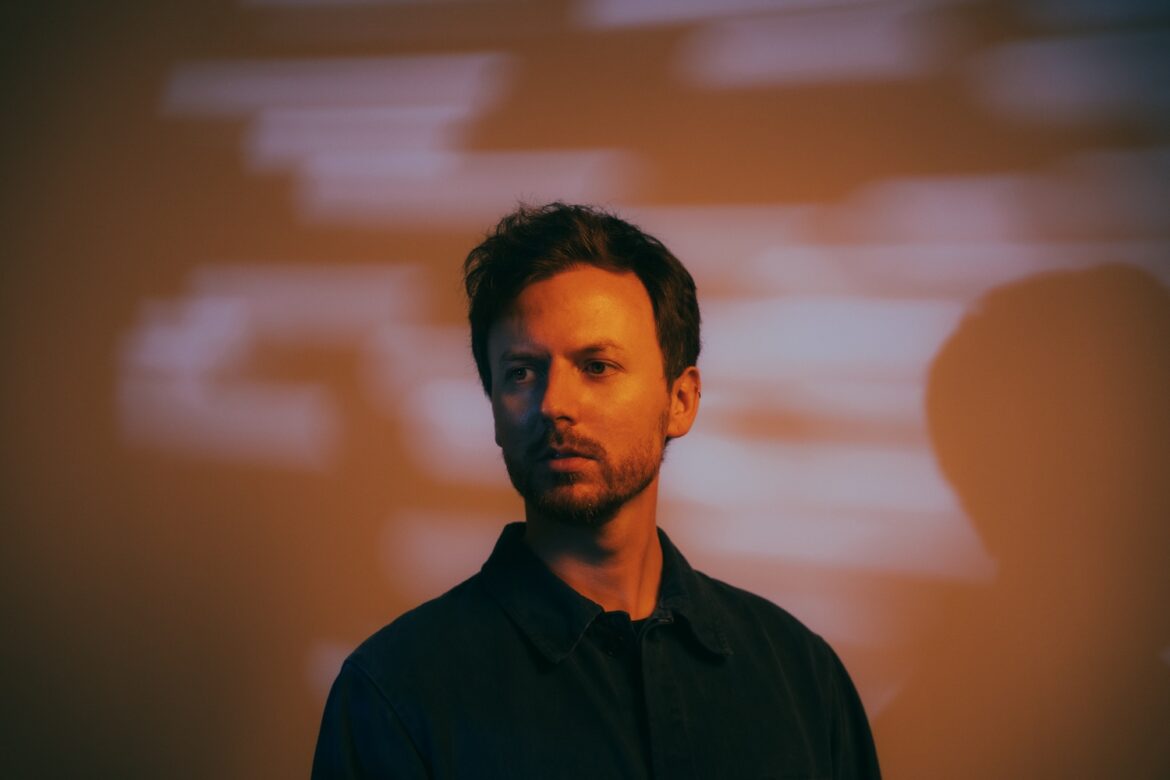
From nearly giving up to embracing a new chapter, British singer/songwriter Joe Hicks’ latest work captures the emotional depth and hope that define his sound.
Stream: “Heart in Two” – Joe Hicks
There was a moment, not long after losing his father, when Joe Hicks almost walked away from music entirely.
The Berkshire, UK-born singer/songwriter found himself questioning everything he’d built. Writing songs had always been how he made sense of the world, but for the first time, even that felt hollow.
“I considered giving up music,” he admits. “I didn’t really feel like there was any point to it anymore, certainly in part because I’d always pictured being able to share it with Dad.”
You can hear it unfold on Hicks’ latest single “Heart in Two,” a song that sounds like a love story at first, but beneath the surface, it reveals something more about the effort it takes to hold on when everything feels heavy.
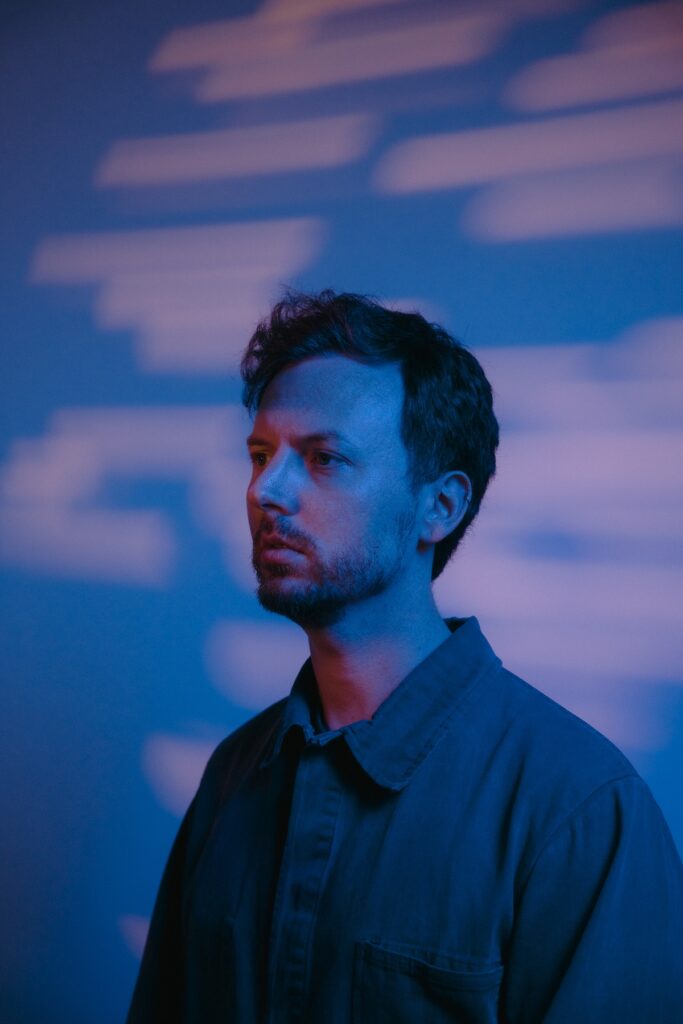
“It was written at probably my lowest point,” Hicks says. “It’s about feeling invisible, like you’re nowhere near where you’re meant to be, but still finding hope in the fact that you’ve chosen your path and you’re sticking to it.”
It’s a more introspective, mature side of Hicks that runs throughout his upcoming sophomore album, Before It Gets Dark, scheduled for release in March 2026. More than new music, it feels like a fresh start.
Produced by longtime collaborators Sam Winfield and Tom Millar, Hicks brings the same mix of pop, blues and folk influences, along with the heartfelt songwriting that fans connected with on his 2022 self-released debut, The Best I Could Do at the Time. But this one digs deeper into the messier emotions that would be easier to leave untouched.

If one thing is clear, Hicks doesn’t shy away from sifting through the debris.
“Over and Out,” with the lyric “Smile on a chain sitting proud on your chest / I got the same one, so I don’t forget,” pays tribute to his late father, while others, like “Time is a Thief,” take a close look at the uncomfortable truths of getting older, watching the world change, and wondering how – and if – you measure up.
“Ultimately,” Hicks says, “the album is about wanting to see the world before it gets dark – about not letting the time we have slip away.”
A familiar face in the UK’s grassroots music scene, Hicks gained wider recognition while touring with Sam Fender and James Walsh. His self-released 2022 debut album, The Best I Could Do at the Time, established him as a songwriter who transforms personal, sometimes painful experiences into moments of solace for listeners. After taking time to reflect and rebuild, Hicks now feels more grounded and ready to share the hard-earned insights behind Before It Gets Dark.
Atwood Magazine spoke with Hicks, who, much like his music, chooses his words with care, weighing each one to ensure it carries the right weight. In our conversation, he opens up about finding inspiration, releasing the pressure of social media comparisons, and finding his way to what he calls his “biggest reset.”
— —
:: stream/purchase Before It Gets Dark here ::
:: connect with Joe Hicks here ::
— —
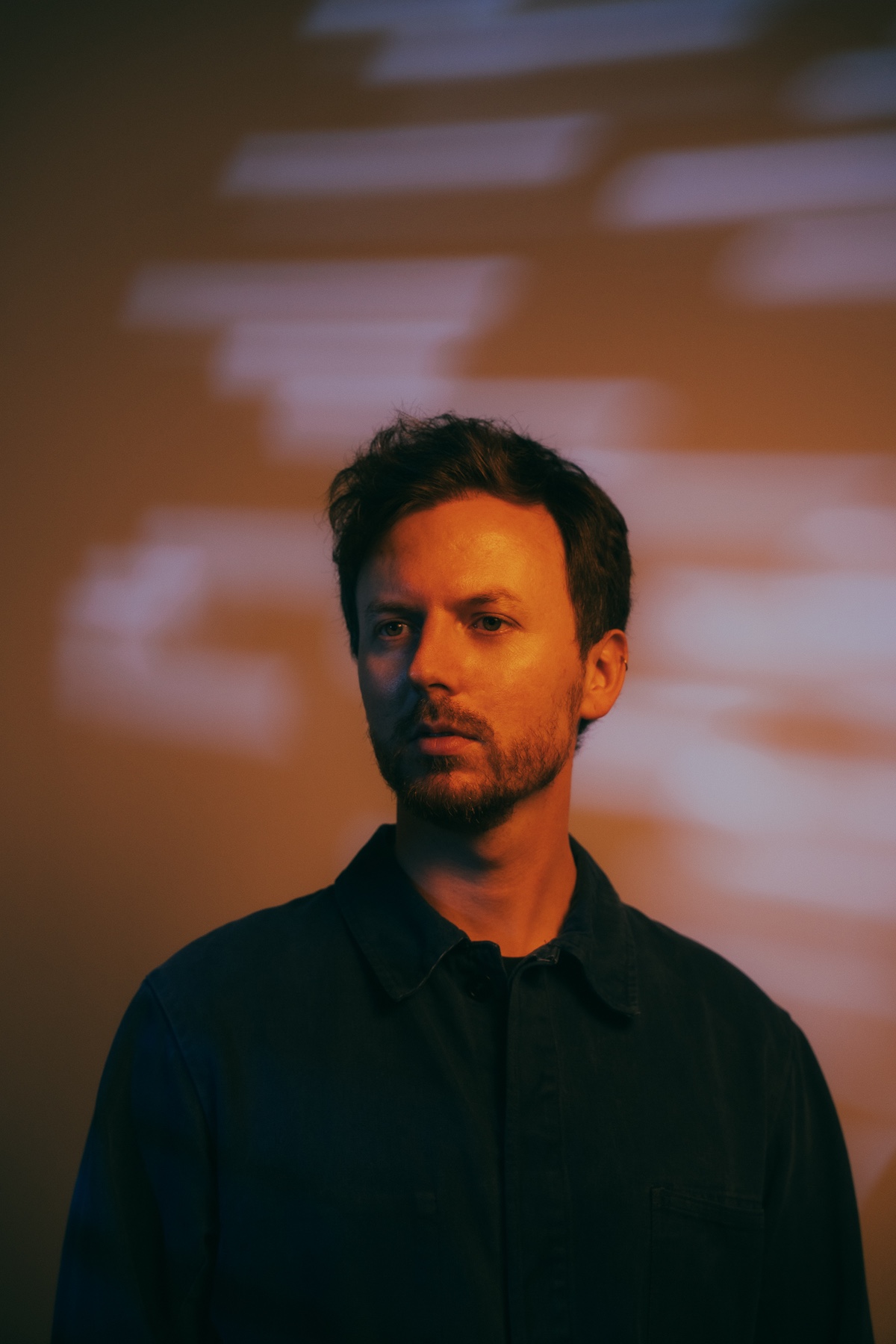
A CONVERSATION WITH JOE HICKS

Atwood Magazine: Huge congrats on the new single “Heart in Two.” It’s beautiful and powerful. Can you tell us the story behind it?
Joe Hicks: Thank you very much! It’s a great feeling seeing it head out into the big wide world. It was written early in the album process and was one of the rare times where most of the song flowed out in one go. The first verse was very much stream-of-consciousness and didn’t change from that initial moment of inspiration. The name suggests it’s about love, but at the time I was probably at my deepest point of the fallout from losing my dad, and at my most frustrated with the world around me.
The lyrics deal with how low you can feel seeing everyone else living these seemingly amazing lives online and the mental health impact of feeling like you are falling behind as you scroll through their polished highlight reels, wondering what might have been if you had made different choices. It’s about committing to something, and all the sacrifices that have come with it that are massively amplified online when you’re seeing everyone seemingly doing everything you could have been doing. It’s feeling invisible. It’s feeling like you’re nowhere near where you’re meant to be and constantly playing catch up.
But there’s also hope and defiance within that, knowing you are dedicated to your path and have made your peace with all that comes with it. Musically it took a while to get right. The core of the arrangement came together quite quickly, but the chorus only really made sense once Ed Broad had added the human element to the groove with his drumming, and I found a way into the lead guitar part. The verses feel quite David Gray to me, so we leant into that with some extra drum layers and the ethereal synth that floats over the top.
You’ve said “Heart in Two” sounds like a love song on the surface, but it’s actually about grief and frustration with the world. How did those feelings shape the rest of the album?
Joe Hicks: A lot of the songs on the album are a way of me trying to articulate and process how I was feeling at the time. It’s strange how numb you can be after something like a loss happens, and maybe at the time I would have said that I didn’t feel like I was grieving the way I expected to after receiving the news.
Listening back to the songs written at the start of 2024, it’s very clear that I was internally, as those lyrics arrived so easily as they were so true to my feelings at the time. That whole period was a big reset. I considered giving up music and didn’t really feel like there was any point to it anymore, certainly in part because I’d always pictured being able to share it with Dad. Fighting on and being able to finish the album was about reframing things and remembering that he wouldn’t have wanted me to stop. His main message to me growing up was always to “think positive,” and so releasing this album is a love letter to that and him in many ways.
Social media plays a part in the song, too - that sense of falling behind while everyone else seems to be thriving. Is that something you still wrestle with?
Joe Hicks: The older I get the better I become at not comparing myself to others, but I certainly still struggle with it. I think comparison is a universal problem that’s made a lot harder when we’re all constantly watching people’s lives through a filter where they pick the best-looking photos, and tend to only share the most positive, enviable parts of their lives. I think in music, as with any career that involves sacrifice, you can easily wonder what it would have been like had you chosen a different path – and that is presented to you every time you go online. It’s amazing how different someone can be doing to how you perceive them to be online.
I’ve spoken to musician friends very recently who, if you were to look at their Instagram, you’d say are absolutely thriving. I quickly realized they are going through all the same worries and doubts as everyone else, and the achievements you think should make them happy quite often make them feel worse, or aren’t all they are cracked up to be.
The title Before It Gets Dark feels pretty loaded, almost like there’s a race against time or a sense of urgency. What does that phrase mean to you personally?
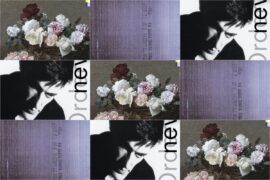
Joe Hicks: It means a lot to me as it came from a conversation I had with one of my parent’s oldest friends Jas Davidson, who’s also the artist responsible for the series of sculptures in the single and album artwork. He was telling me about the naturalist John Muir and how he is quoted as saying “The world’s big and I want to have a good look at it before it gets dark.” That really stuck with me as it represented perfectly how I was feeling about the passing of time following the loss of my dad.
I’ve always been a bit wary of time slipping away, which I think stems from my parents having me quite late, and that feeling came into sharp focus for me at the end of 2023. Ultimately while a lot of the album is about feeling beaten down by modern society, uncertainty, and by the things life can throw at you as you get older – the theme of releasing it is coming through that and looking forward; wanting to see the world before it gets dark.
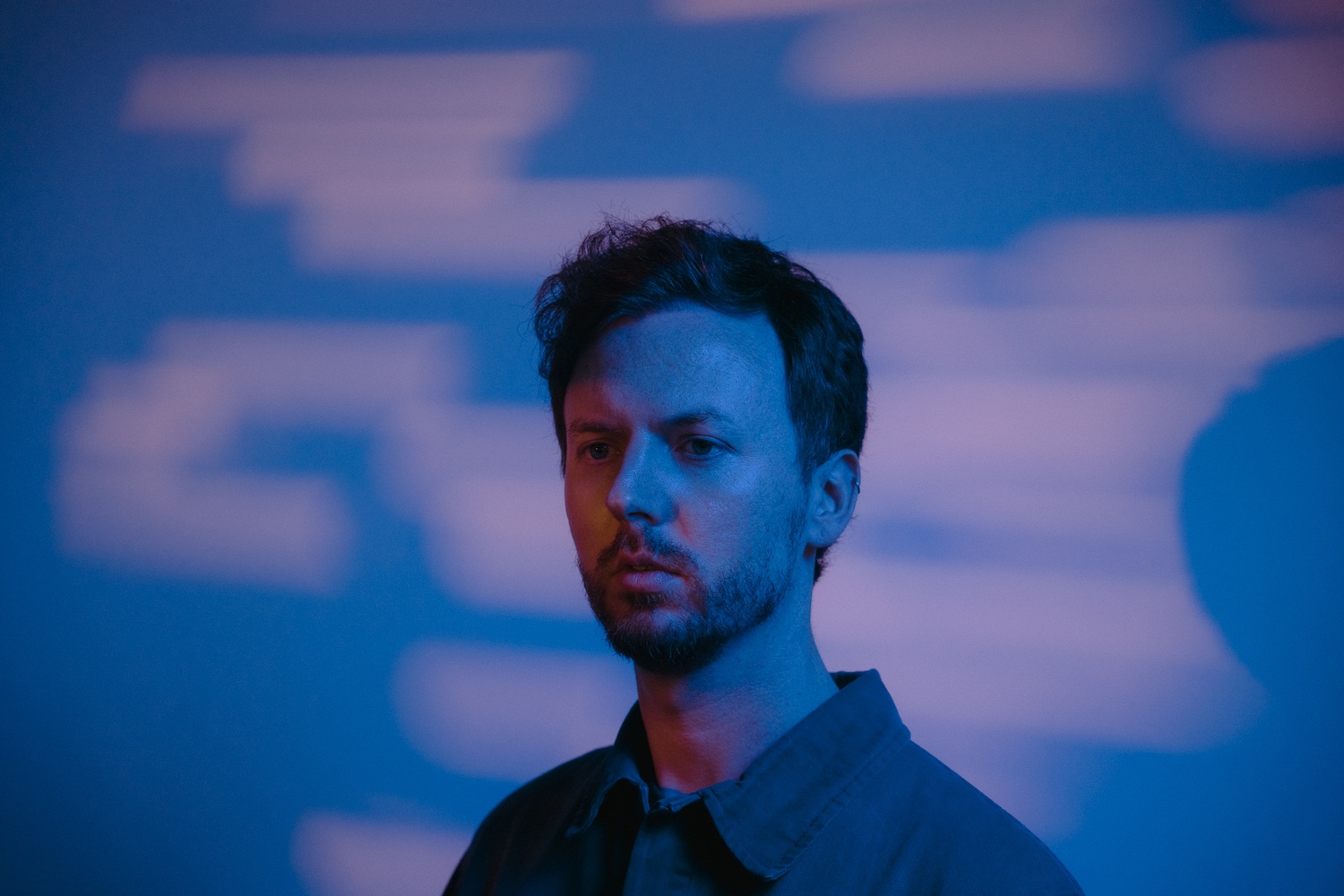
You went through a lot over the last couple of years. It must’ve been a tough headspace to be in while writing, but was there a moment during the album-making process when things started to feel lighter, or like you were turning a corner?
Joe Hicks: I think things started to lighten from the first day in the studio with the guys – my dear friends Sam Winfield and Tom Millar who produced Before It Gets Dark. The album happened because of them. In February ‘24 they sat me down at the studio and basically said, “you’ve got to channel this into new music, and we’re going to start now, whatever it takes.” Ultimately making music is the best therapy for me, and the increased collaboration this time round made me enjoy the process more than ever. The more we worked together the lighter I felt, and it pulled me through what could have been a much rougher time.
Do you feel like the process helped you heal?
Joe Hicks: Absolutely! Getting the lyrics down on paper helped me to make sense of what I was experiencing and learn that it’s fine to sit in those feelings. One of the many things I love about songwriting is that often it comes from quite a subconscious place. Listening back to the songs now, over a year after a lot of them were written, I’ve had quite a few moments of realization – “Oh that’s where my head was at!”
Are there lyrics on the upcoming album that make you smile?
Joe Hicks: With the passing of time, I’ve found I’m able to enjoy both the light and dark songs a lot more. The lyric that comes to mind is in a song called “Over and Out” where I sing about the mask necklace my dad wore. It’s the comedy mask from ‘comedy and tragedy’ that he bought at a market in Greece sometime in the ’80s. When I lived in the USA in 2013, I managed to find one exactly the same on Etsy being sold by someone in Florida who had gone to the very same market. It makes me smile thinking about how proud he was that I wanted to wear the same thing.
“Smile on a chain sitting proud on your chest. I got the same one, so I don’t forget.”
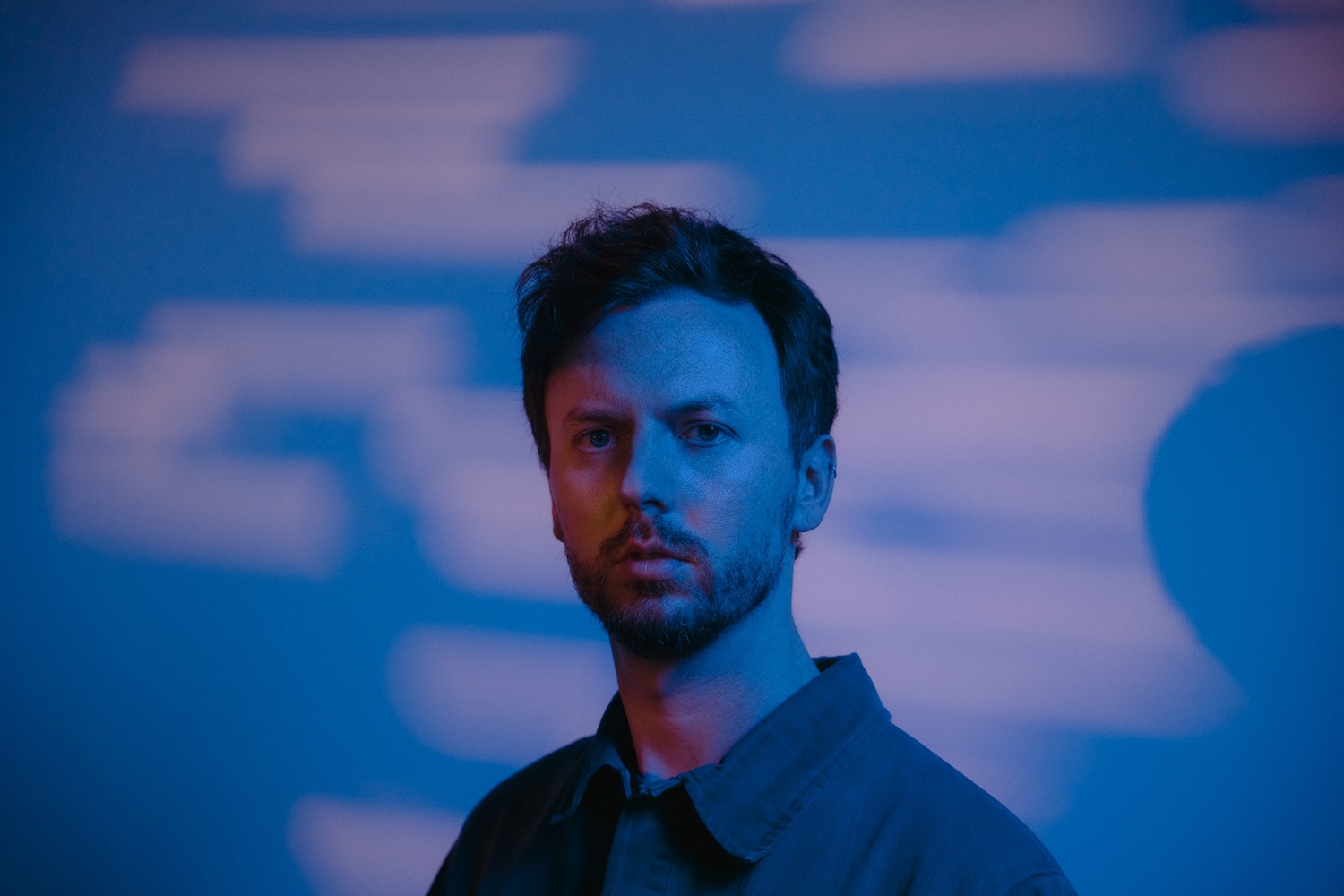
Your debut album got a lot of love, and now with this new one, it feels like you’ve leveled up emotionally and musically. How do you think you’ve grown since The Best I Could Do at the Time?
Joe Hicks: That’s incredibly kind, thank you very much! I think the main thing has been not being afraid to dive deeper. Getting older has certainly made me more aware of myself and how I’m feeling, but I’d attribute a lot of the deeper diving to the encouragement I get from Sam and Tom. They’ve really pushed me to not settle for sitting on the surface of things. They’ve given me the courage to write in exactly the way I want to and really explore what I want to say, as deeply as possible. That has made me fall in love with the process a lot more and equally led to being more open to collaboration. Several of the songs on the album started from ideas the boys had, which has been incredibly rewarding and challenged me to write from a different harmonic standpoint to what I’ve defaulted to in the past.
You’ve played with some big names and toured a lot over the years. Are there any live moments that have stuck with you as a reminder of why you do this?
Joe Hicks: Ever since I started releasing my own music, I’ve wanted my live shows to be about entertaining and connecting with the crowd. My favorite memories are from moments when that goal has been achieved.
On an entertainment front, in 2023 I played at Café NUN in Karlsruhe, Germany, on a stage where people sit both in front and behind you. Getting the room full of German speaking people to hoot along like owls to my song “Cold” was a surreal experience so far from home. And on a connection front – when we played at the Wedgewood Rooms in Portsmouth on my last headline tour. It felt like the majority of the room knew every word and sang along with gusto. I can’t ask for more than that.
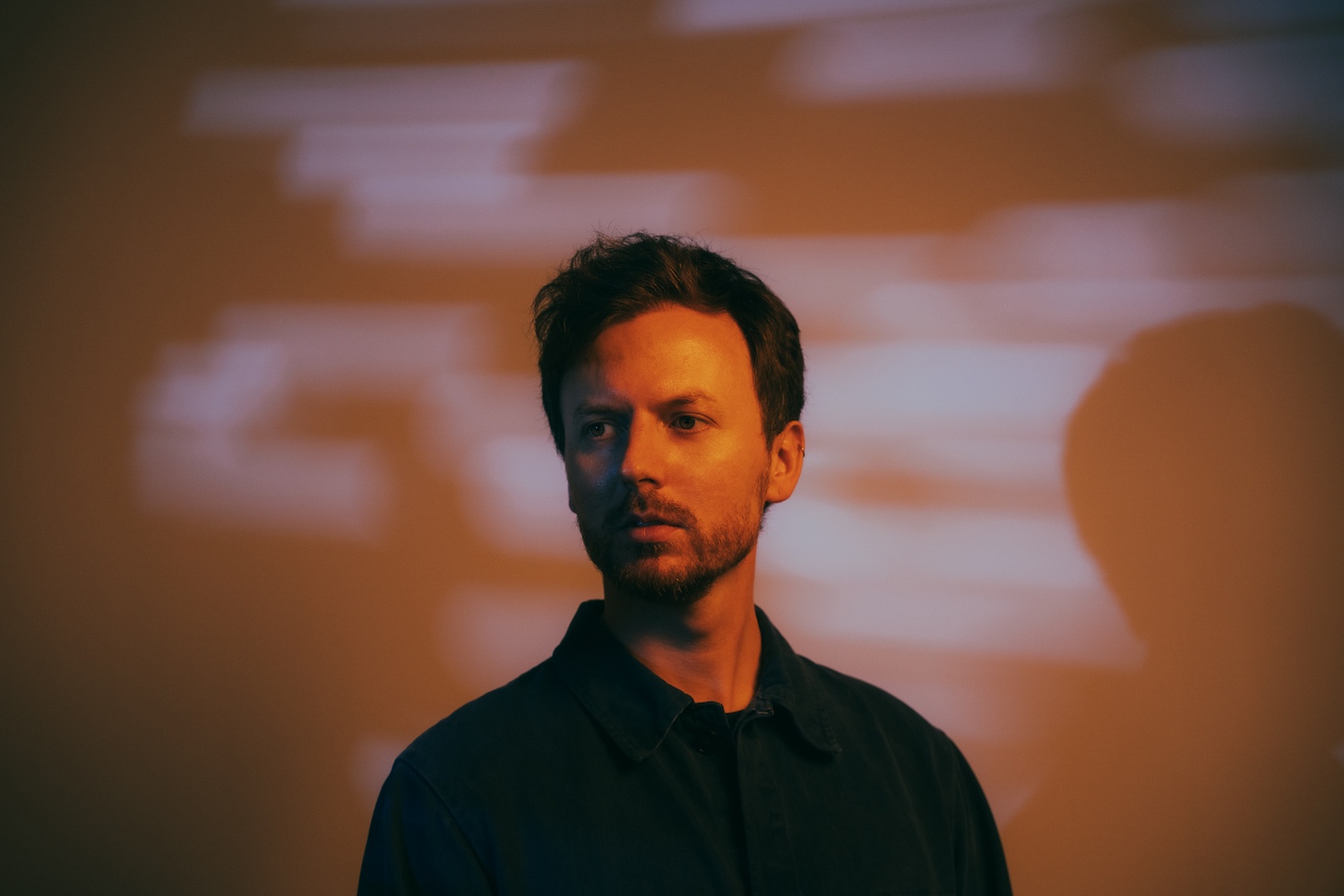
What do you hope people take away from the album?
Joe Hicks: I hope that people find something that resonates with their own experience and makes them feel less alone. I would love them to feel like there is a light on the other side of grief, and heartbreak, and that better times are ahead.
Is there anything you’d like to add?
Joe Hicks: Just that I’m grateful to be releasing music again, and to be talking to Atwood Magazine about it! Thank you for having me.
— —
:: stream/purchase Before It Gets Dark here ::
:: connect with Joe Hicks here ::
— —
— — — —
Connect to Joe Hicks on
Facebook, 𝕏, TikTok, Instagram
Discover new music on Atwood Magazine
© Emilie Cotterill
 © Emilie Cotterill
:: Stream Joe Hicks ::