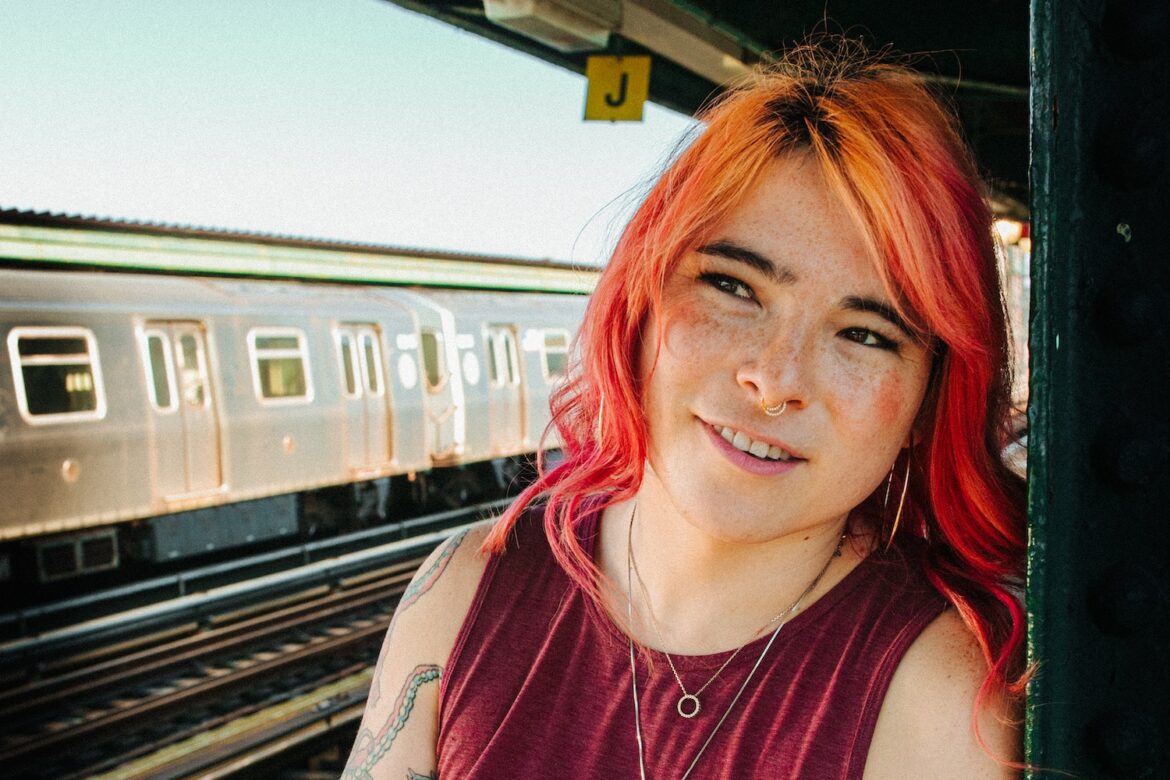
Singer/songwriter Light Bird offers a gut-wrenching portrait of change, longing, and humanity in “Williamsburg Bridge,” an achingly beautiful country-folk confession on the emotional cost of becoming her true self – and the grace it takes to carry what you leave behind.
Stream: “Williamsburg Bridge” – Light Bird
Crying on the train is a particular kind of truth.
It happens mid-motion, between destinations, when your body is being carried somewhere new and your heart hasn’t caught up yet. Light Bird’s “Williamsburg Bridge” lives inside that suspended space – where grief and relief coexist, where becoming yourself costs something, and where anonymity offers just enough safety to feel everything out loud. Warm pedal steel and dreamy acoustic guitars glow softly around singer/songwriter Danni Hoshino’s voice as she sings hot on the mic, tender and nearly breaking, allowing the song to ache without ever hardening. It’s wistful and devastating in equal measure, a country-folk confession that doesn’t resolve its feelings so much as honor them – a reminder that transition, in any sense of the word, is as much about what you carry forward as what you leave behind.
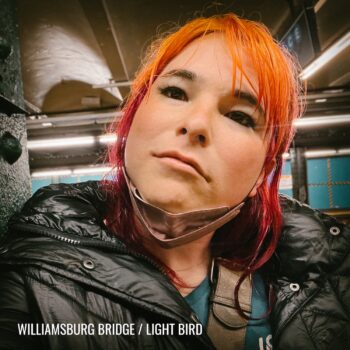
You had a good day girl
so why are you crying?
On the train home
from Manhattan?
Sometimes I think
it’s just that subtle motion of
Something we are not in control of
Atwood Magazine is proud to be premiering “Williamsburg Bridge,” Light Bird’s luminous, gut-wrenching first single of the year – and the start of a bold new moment in her blossoming artistry. Written in the wake of Hoshino’s move from the Boston suburbs to Brooklyn and her coming out as a trans woman, the song sets the emotional tone for an era rooted in self-recognition, loss, and the quiet courage it takes to live honestly. Recorded in part at home and shaped by simplicity and restraint, “Williamsburg Bridge” captures a point of profound reckoning – not as a grand statement, but as a lived, human experience unfolding in real time.
“‘Williamsburg Bridge’ is the opening track of [my upcoming debut] album,” Hoshino tells Atwood Magazine. “It’s the cold open of the movie. After I moved to Brooklyn, after I came out, after my former life imploded. It’s about riding on the J train from Manhattan back to Bushwick and reflecting on all those changes: Some beautiful, life-giving, mind-expanding; others hard and sad and incredibly costly. I also just love the experience of crying on the train. It’s cathartic. It’s both exposed and anonymous.”
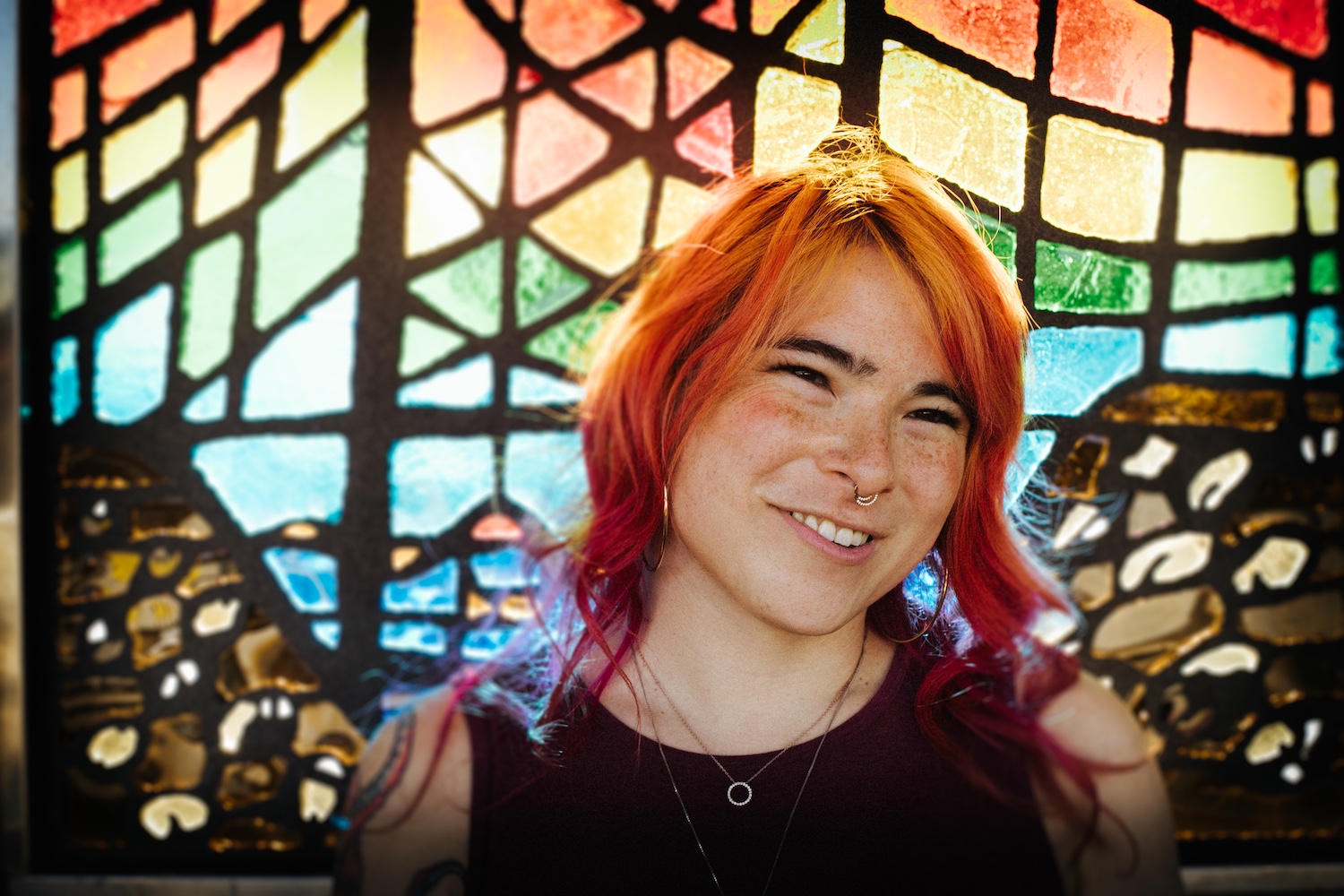
The song opens softly, but with devastating clarity. “You had a good day girl so why are you crying / On the train home from Manhattan?” Hoshino sings, her voice hovering just above a whisper – intimate, exposed, and unguarded. It’s a question that feels less like self-doubt and more like self-recognition, a gentle confrontation with the feelings that surface when movement forces reflection. The arrangement mirrors that interior unraveling: Acoustic guitars ring with quiet insistence, pedal steel sighs in the background, and piano notes drift in like passing lights through a train window. Every breath, every quiver in Hoshino’s increasingly emphatic delivery pulses with raw emotion, her voice acting as a tender beacon of feeling – steady enough to guide us through the ache, fragile enough to make us feel its weight.
There’s something earnest and profound in the way the verse refuses to rush toward resolution. “Sometimes I think it’s just that subtle motion of / Something we are not in control of,” she admits, letting the line land without ornamentation. The lyric captures the disorientation of transition – physical, emotional, existential – and the music gives it room to breathe. Nothing overwhelms. Nothing distracts. Instead, warmth gathers slowly, as if the song itself is holding space for the truth to arrive on its own terms.
The second verse widens the emotional frame without loosening its grip. “Dreaming once again of the love I left in a / Suburban old-Boston town,” Hoshino sings, her voice softening with memory as the song turns backward for a moment – not in regret, but in acknowledgment. The lyric holds the complexity of change with remarkable grace: the understanding that happiness can be real and earned, even as longing persists. “Sure I’m happy now, more than I was before I came here / Before I knew who I really am,” she admits, allowing growth and grief to sit side by side. It’s a moment of self-recognition that feels earned, not performative – a raw reckoning with the truth that becoming yourself doesn’t mean you stop missing what shaped you.
Dreaming once again of the love I left in a
Suburban old-Boston town
Sure I’m happy now,
more than I was before I came here
Before I knew who I really am
The chorus is where that truth fully breaks through. “Oh but I miss you / Yes I miss you / I do, I do,” Hoshino repeats, the simplicity of the refrain cutting deeper with each return. There’s no metaphor to hide behind here – just longing, named plainly and sung with devastating sincerity. The instrumentation swells ever so slightly, pedal steel glistening and glowing around her voice, amplifying the ache without softening it. It’s not just missing a person; it’s mourning a life, a version of love, a former self that can’t come with you anymore. In those few lines, “Williamsburg Bridge” reveals its emotional core: The understanding that becoming who you are doesn’t erase what you’ve lost – it asks you to carry it with tenderness instead.
Oh but I miss you
Yes I miss you
I do, I do
Ya da da da
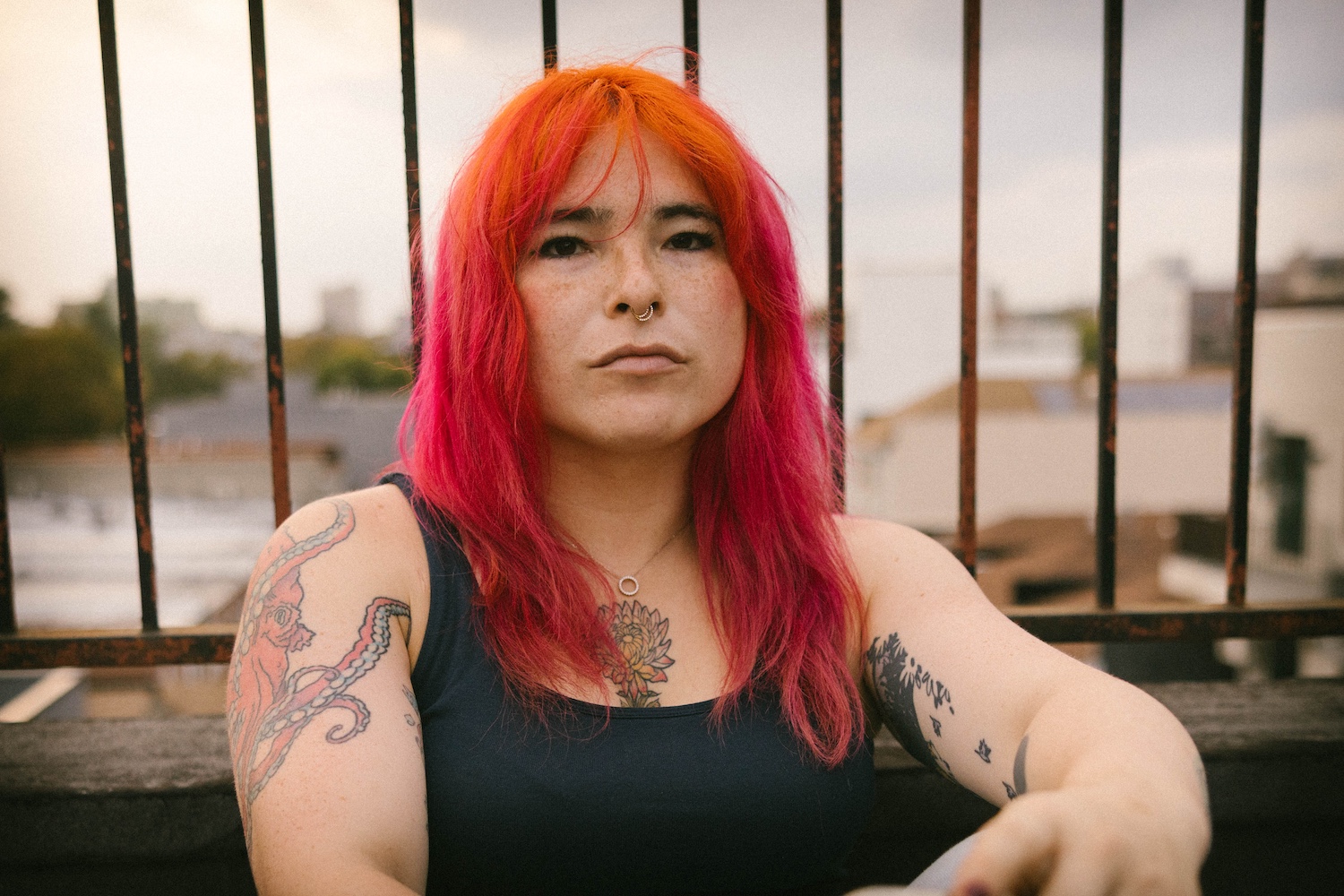
As the song moves through Broadway Junction and deeper into the city’s pulse, its soundscape becomes part of the storytelling. Nothing here feels ornamental. The acoustic guitars remain warm and grounding, the pedal steel glides in like a slow exhale, and the piano adds gentle weight beneath Hoshino’s voice, filling in the emotional negative space. The textures are intimate and tactile – you can hear fingers on strings, breath between phrases, the room around her – creating a sonic palette that feels lived-in and deeply personal. That closeness is part of the magic: “Williamsburg Bridge” doesn’t just describe vulnerability, it invites us into it.
You had a hard day girl, now you’re crying
Your way through Broadway Junction
And it’s not that you are simply
just too gay to function
No, it’s that you want to share it all with her
“This track is one of three that I recorded entirely at my home studio (read: my bedroom),” she shares. “I used a bottle of rainbow sprinkles as a shaker, and was well-chuffed with that. It’s a simple tune, but sometimes I find simple songs to be the most powerful. It’s been a staple of my live set for the last year.”
That simplicity is exactly what gives the song its tender, soul-stirring power. “Williamsburg Bridge” doesn’t rely on spectacle or excess to make its impact – it trusts feeling, honesty, and restraint. In doing so, it becomes more than a snapshot of one person’s journey; it opens a door for listeners to find themselves inside it, whether through transition, relocation, heartbreak, or the universal ache of becoming. The song’s humanity is its most radical offering.
“For so many trans people, it’s a discovery that takes years of experiences and exploration and, ultimately, self-love to finally put the pieces together,” Hoshino says. “This was the case for me. I’m so grateful to myself for the clarity I found, and the kindness, grace and compassion I gave myself to help me answer the question I had never known to ask.”
That clarity and compassion are at the heart of Light Bird’s emerging body of work. This new chapter is about perspective – songs shaped by vulnerability and identity, reflection and courage, and the willingness to live honestly, even when it’s costly. There’s a sense of arrival here, but not finality – an artist stepping forward with intention, ready to share stories that hold both tenderness and truth.
“I had an existing solo project, but realizing how much my life had changed, I decided it made sense to start fresh with a new project and stage name,” Hoshino says. “The term ‘Light Bird’ is an evolution of one of my older songs. Becoming this new version of myself, a person who is now much more confident and extroverted and actualized, felt like stepping into the light.”
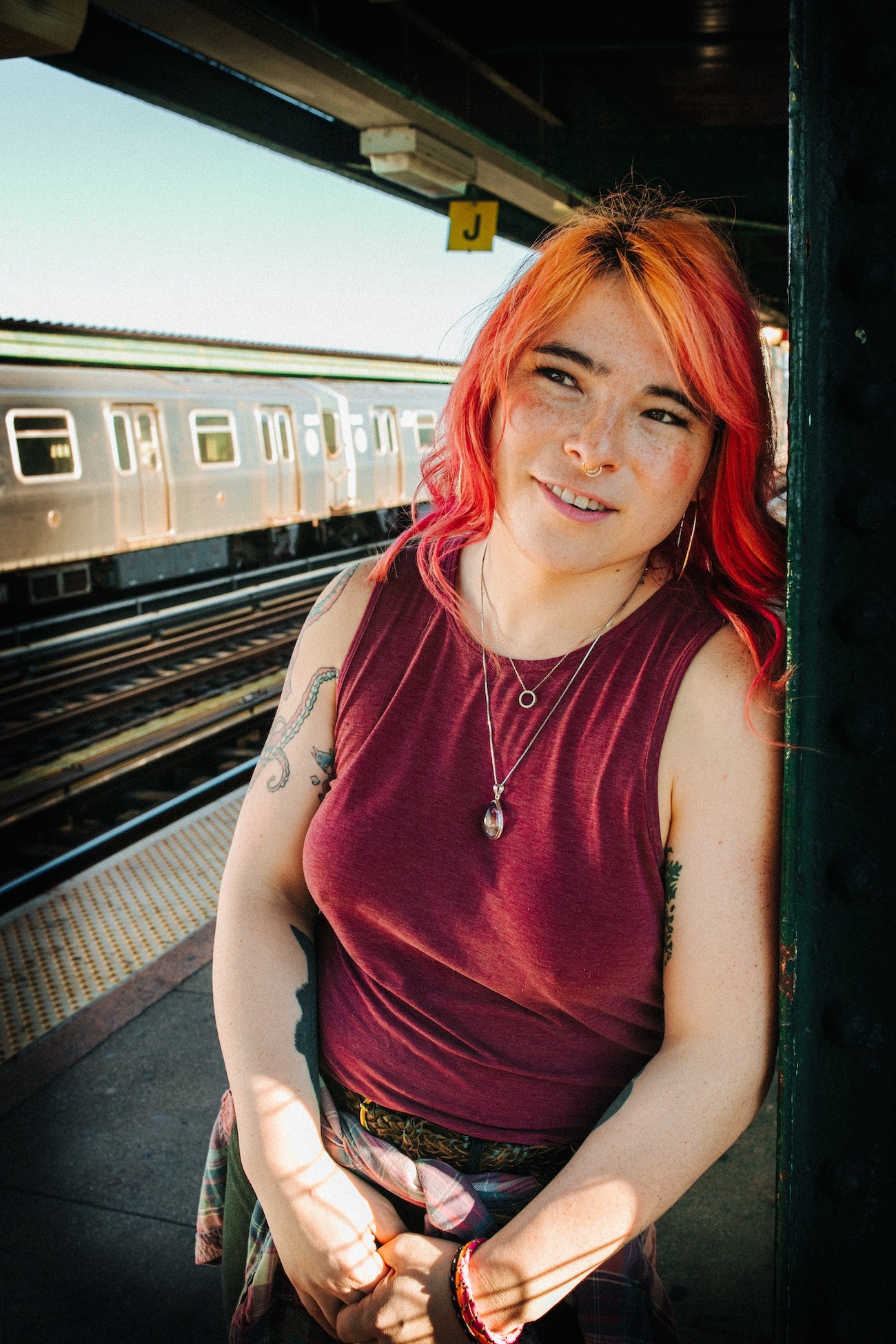
“Williamsburg Bridge” feels like that step made audible – a moment suspended between where you’ve been and where you’re going, illuminated by honesty and care.
It’s a song that reminds us that feeling deeply is not a weakness, that crying on the train can be a form of survival, and that sometimes the bravest thing you can do is let yourself be seen, even in motion. Stream this special song exclusively on Atwood Magazine, and let it hold you in that in-between space – where grief and relief coexist, and becoming yourself happens one breath at a time.
Oh I miss you
Yes I miss you
I do, I do,
xI do, I do
— —
:: stream/purchase Williamsburg Bridge here ::
:: connect with Light Bird here ::
— —
Stream: “Williamsburg Bridge” – Light Bird
— — — —

Connect to Light Bird on
Facebook, Bluesky, Bandcamp, Instagram
Discover new music on Atwood Magazine
© Christina Visconti
 © Christina Visconti
:: Stream Light Bird ::