Throughout the year, Atwood Magazine invites members of the music industry to participate in a series of essays reflecting on art, identity, culture, inclusion, and more.
•• •• •• ••
Today, The Pretty Flowers’ Sean Johnson reflects on how convenience, anxiety, and the streaming age have quietly reshaped the way we listen to music – and what we may be losing in the process – in a thought-provoking essay for Atwood Magazine. Says Johnson, “I’ve been playing music for almost 30 years, so the act of listening to, being consumed by, and obsessing over music is something that has carried me for a very long time, but lately my music consumption has evolved into something quite different.”
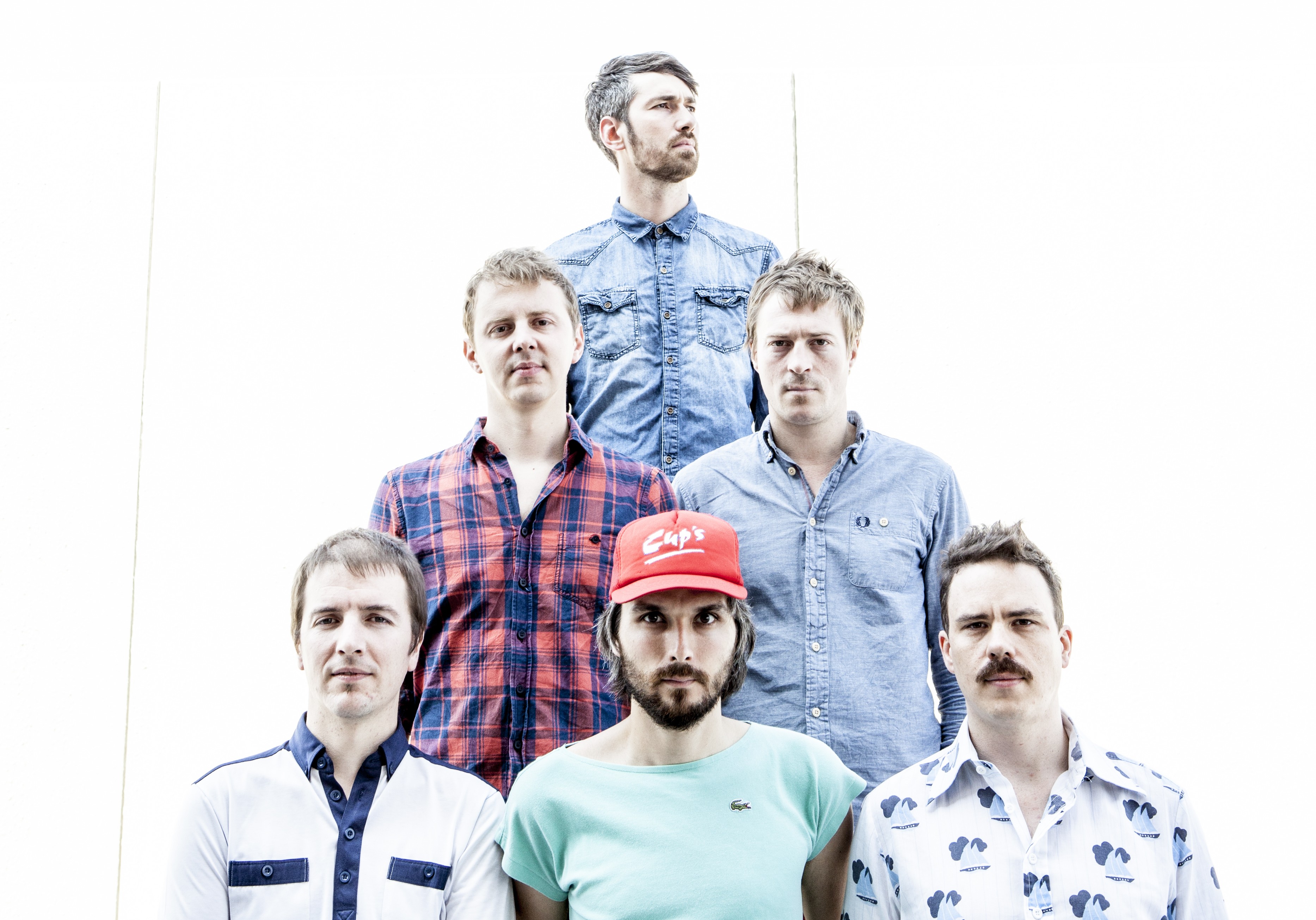
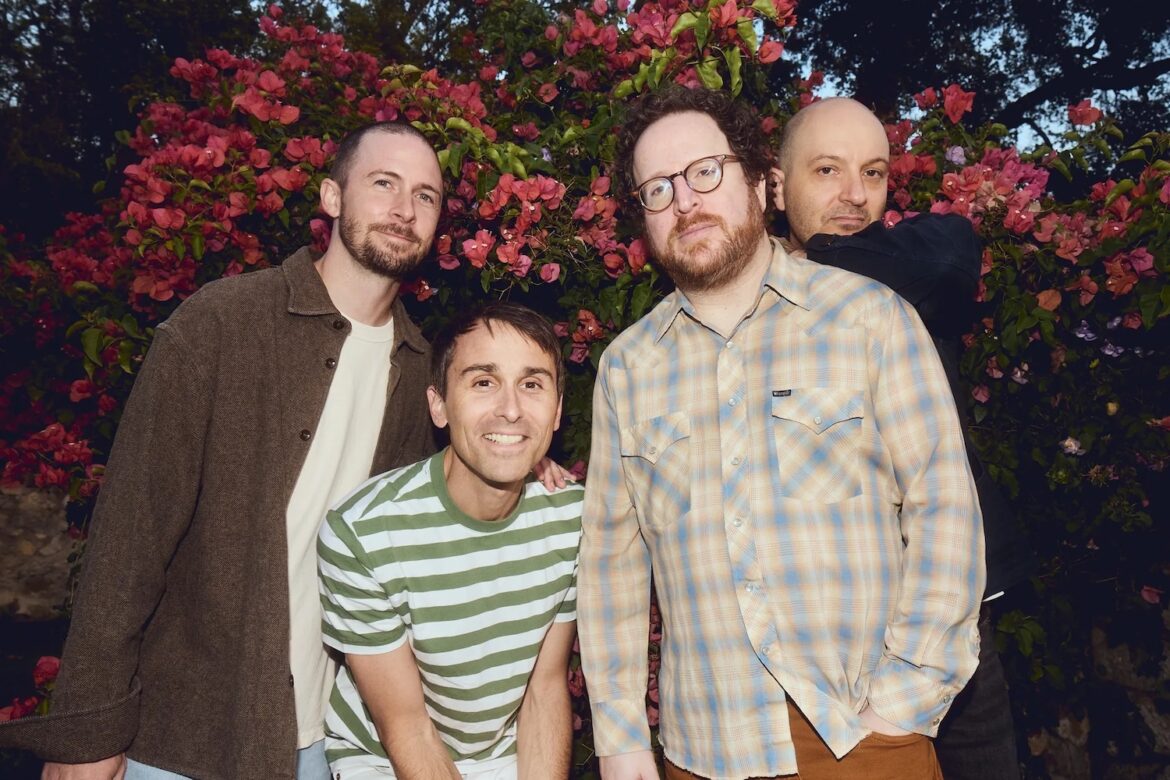
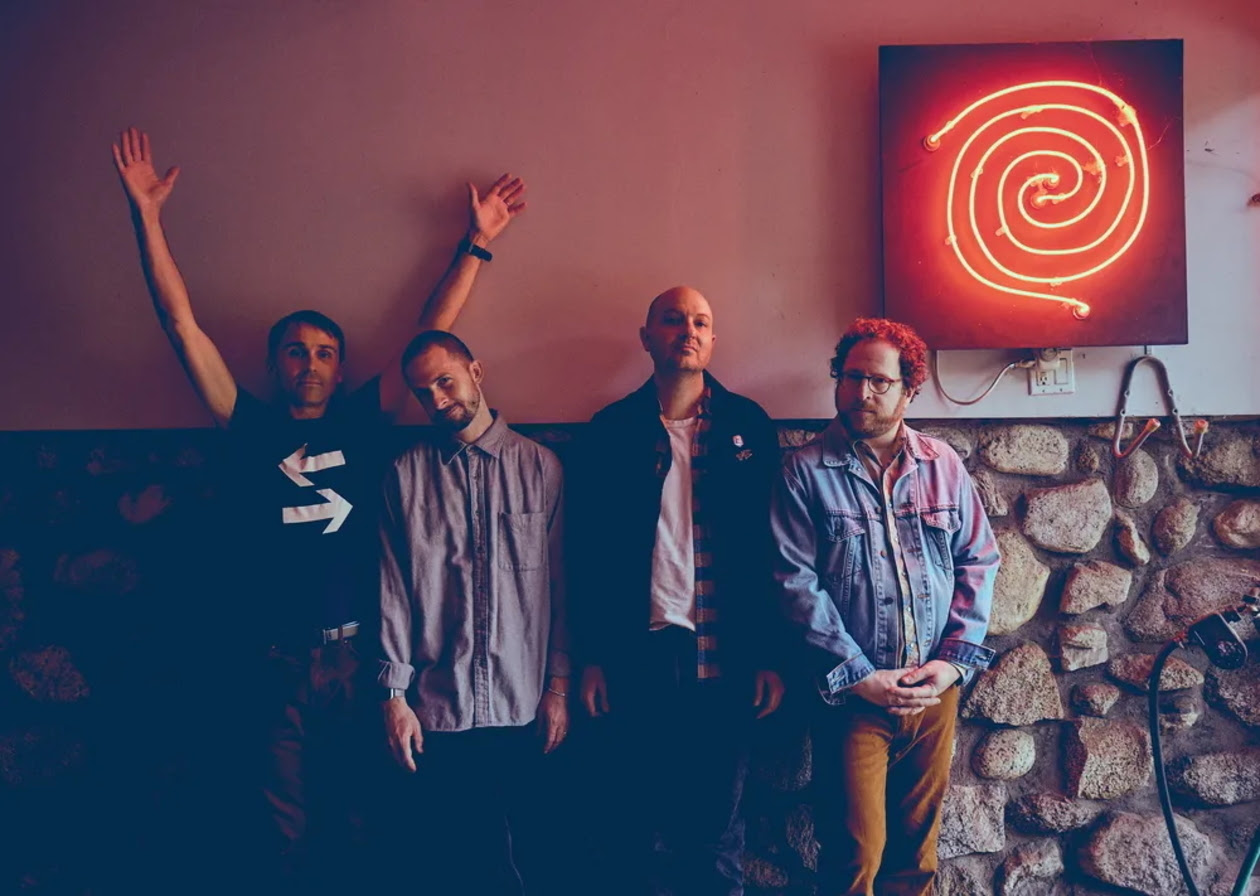
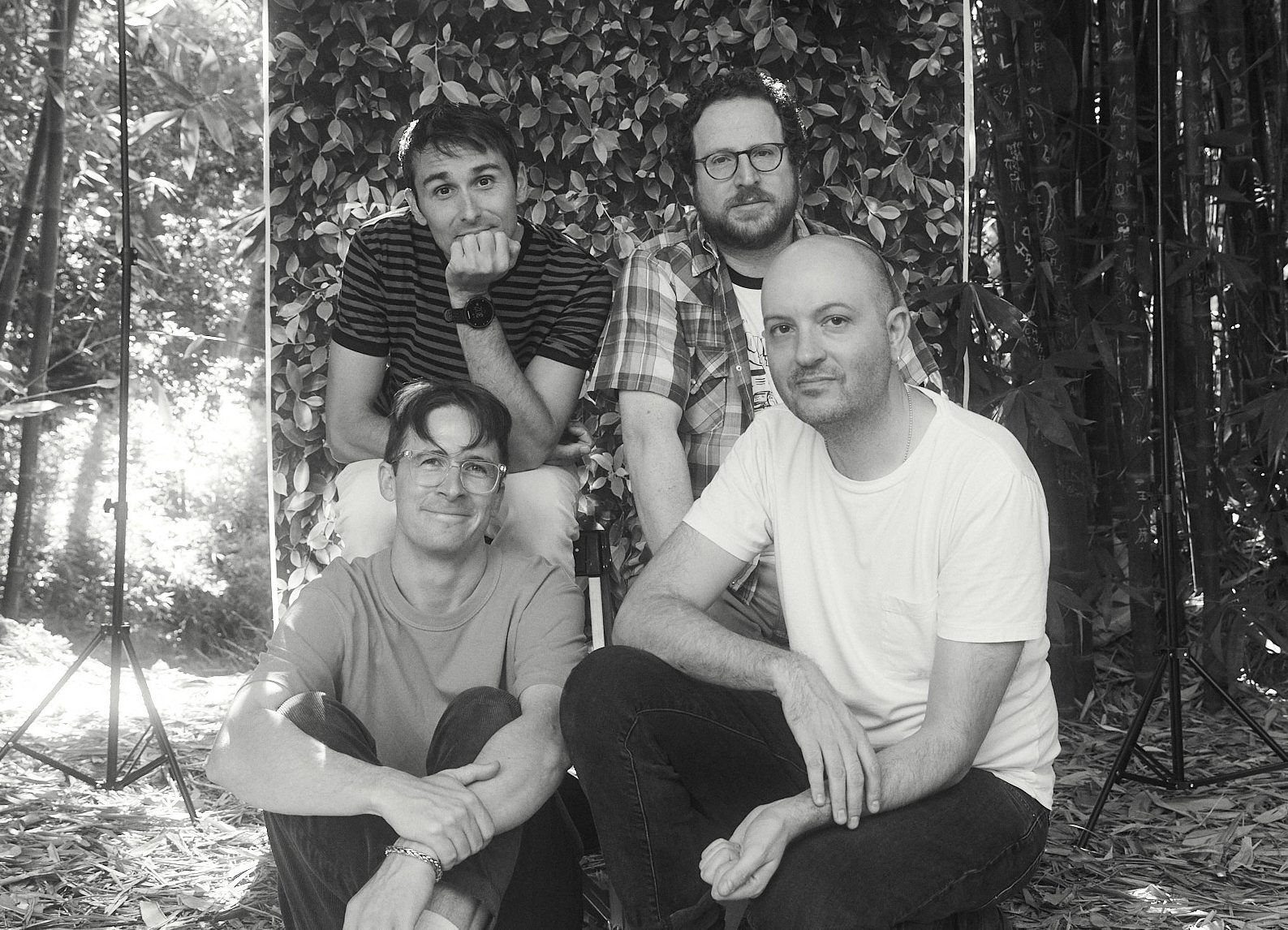
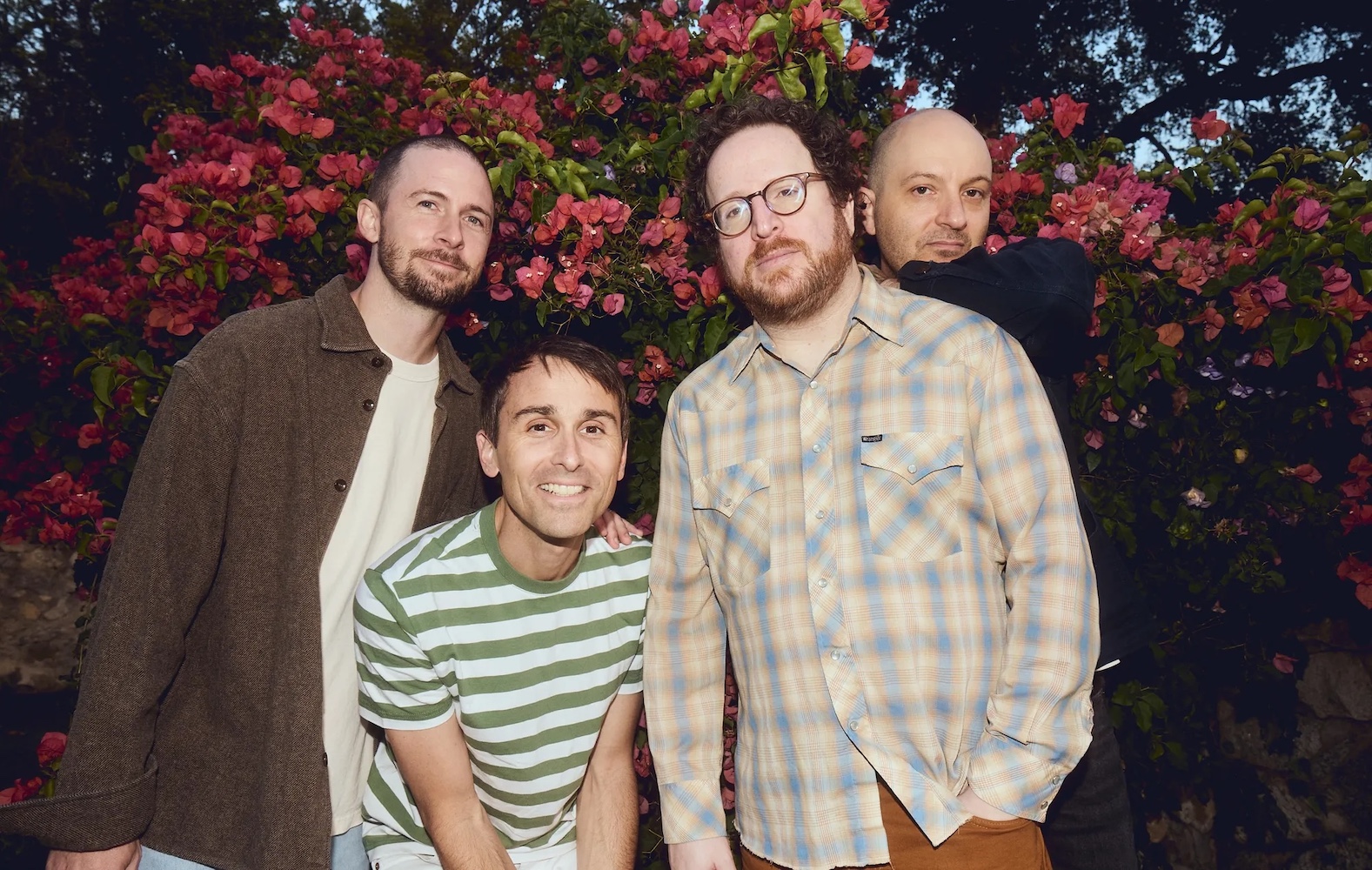
The Pretty Flowers, formed in 2013 in Los Angeles by songwriter Noah Green, crystallized its core lineup of Green (vocals, guitar), Sam Tiger (bass, backing vocals), Jake Gideon (guitar, backing vocals) and Sean Johnson (drums, percussion) in 2018. Their debut album ‘Why Trains Crash’ was released in June of that year to rave reviews. In 2023 they released their follow-up LP, ‘A Company Sleeve,’ solidifying their reputation with critics and fans alike for all-killer/no-filler indie rock. Their third LP, ‘Never Felt Bitter,’ will be released on March 27, 2026.
The music on ‘Never Felt Bitter’ – the quartet’s first release for Chicago-based Forge Again Records – is the result of playing together on hundreds of nights in innumerable bars and clubs across Southern California and beyond. Over the years the band has honed a fearsome melding of pop melodicism and raw physicality. Their knack for crafting catchy anthems for outsiders and underdogs has made them one of the most respected underground bands in Los Angeles.
The new album was born against a backdrop of constant upheaval in the band’s hometown. From the election to the fires to the ICE raids, stability in Los Angeles and beyond had never seemed less certain. “There’s a sense of urgency, fear and confusion that comes across in these new songs,” says Johnson. “Like each song might be the last song we write, or this might be the last album. If anything, it’s the most present we’ve ever been.”
“We all put a piece of ourselves into this album, some combination of our mental, physical, and emotional selves,” says Tiger. “‘Never Felt Bitter’ is an album only the four of us together could make. It’s a push and pull. Discussions, arguments, agreements and trust. I couldn’t be more proud of what we worked together to create.”
Though their music is laced with echoes of The Replacements, Teenage Fanclub, and Wilco, The Pretty Flowers aren’t nostalgists. Instead of chasing periods or trends, the objective is to make music that stands outside of time. “When your goals as a band do not include fame and fortune,” says Gideon, “it gives you a freedom to follow your instincts and focus on the real reasons you were compelled to make art in the first place.” “The career is not the point,” says Green. “You make music and place it in a stream of musical history. A release date is just its first day. Maybe it’s picked up now, or maybe 20 years from now. But from this date onward, it gets a life.”
•• ••
ARE WE EVEN LISTENING?
How Convenience and Anxiety Changed Our Listening Habits
by Sean Johnson, The Pretty Flowers
When I was in my teen years and going into my early twenties, I consumed music in a very ritualistic way, and the process seemed to always start with the discovery of the cover art.
I have vivid memories of finding dusty old Martin Denny, Arthur Lyman, and other lounge-exotica records at the Goodwill for a quarter or fifty cents back in the late 1990s and recalling how those album covers immediately transported me to somewhere I’d never been before, which for all intents and purposes was some dressed up mini Hawaii on a sound stage, but I digress.
Given that the cover art was so vivid, colorful and sexy, my friends and I assumed the music would be just as transportive, so we’d huddle up, put the record on one of our parents’ hand me down turntables, turn out the lights, except of course leaving only the year ’round Christmas lights on, closed our eyes and let Mr. Denny, Mr. Lyman or Miss Yma Sumac transport us to an exotic land of xylophones, bird calls, and ocean waves for 30 minutes.
We’d hurry to flip the LP so we didn’t lose the vibe, and we’d occasionally play it again and again to sustain the feeling. Of course, we also had CDs and cassettes, which were the go-to in the 1990s, and that ritual was similar with those formats, but there was something kind of magical about the act of sitting and soaking in an LP that captured my imagination. Perhaps this idea of ritualistic music listening might make you conjure up a similarly lit dorm room where Pink Floyd’s The Dark Side of The Moon plays while Wizard of Oz is synced up on an old VHS/ TV combo. (Don’t forget to press play after the third lion roar!)
You may also recall the scene from Almost Famous when Cameron Crowe’s character gets a copy of The Who’s Tommy from his sister and, with the candles lit, soaks in the sounds that he’d never heard before. That scene particularly exemplifies the experience, albeit with a bit of fetishistic and dramatic flair. For myself and millions of other music listeners, the experience of sitting down and listening to a record, specifically one intended to be heard top to bottom, an “Amazing Journey,” if you will, has been a universal commonality that we’ve all shared, however, I feel that act has become more and more rare over the last couple of decades.
The Pretty Flowers received the test pressing to our upcoming third record, Never Felt Bitter, a few weeks back, and we went to our singer/band leader Noah’s house to listen to it together.
He has always been a bona fide record guy. He has a nice, well curated hi-fi station, and will still sit and listen to records using personal choice to dictate the vibe and the mood, not an algorithm or playlist made by a bot. This is all to say he continues to keep these old traditions alive and I don’t. However, for this listening session, I wanted to keep with the old tradition, so I closed my eyes and turned my phone off so I could give our album the time and attention I feel it deserves. As I listened with the guys, I started reflecting on why and how I’ve changed my listening habits over the years and that I am part of a growing contingent of people in 2026 who don’t sit in front of stereos, eyes closed, without a phone, listening to a full album untethered from distractions.
I wondered, has this act actually gone extinct, or are these listening experiences I so fondly remember evolved into something different, perhaps something more passive? I’d argue that in the streaming age, if we have the power and access to skip songs and only hear what we want to hear because every single song is at our fingertips, it’s not giving us the option to actively explore or crate dig and that it seems recorded music is used mostly for utilitarian reasons like studying, cleaning and it’s in the background, secondary to whatever else is happening. How did we get here, and why do I care so much?
“Music discovery is traditionally associated with youth, but today’s 16–24-year-olds are less likely than 25–34-year-olds to have discovered an artist they love in the last year – and less likely to listen to more music from that artist when they do.” (Midia)
When the iPod came out in 2004, I vividly recall saying to everyone like Abe Simpson yelling at a cloud that “This is the death of recorded music and we’re all just going to end up taking it for granted!”
Everyone rolled their eyes at me and even though I had a very loud opinion about it, I was not a luddite that refused to get an iPod. In fact, I embraced the iPod immediately, filling up hard drives and scouring the internet and record stores alike, including the Tower Records I worked at, for every song ever recorded, essentially creating my personal version of what became Spotify. I had terabytes of files and it was more than I would have ever had time to listen to in many lifetimes, so at a certain point it became burdensome and there was a point of diminishing returns. I would read about and seek out some sort of Persian psychedelic record from 1968, listen to it maybe once and then abandon it in the hard drive to be forgotten. It was a lot of work and time committed to just adding, adding and adding and the problem was I was barely ever listening. My attentive listening turned into attentive collecting without any purpose or intent and because of the accessibility, it became more conspicuous consumption for me. I was on this hedonic treadmill chasing musical dopamine hits and no matter how many songs I had downloaded and stored, it was never enough.
Fast forward to the streaming era, and all that work I put into filling hard drives and iPods didn’t matter at all anymore because the entirety of the world’s recorded music, well most of it, was now on some sort of streaming app. If you read about a song in a magazine or blog, it was just a click away and you could share it with anyone at any time and making a mixtape turned into a simple drag and drop into a playlist. This is nothing short of incredible in terms of expedience and convenience and in fact, there is nothing inherently wrong with the convenience or expedience, but for me, the effort put into making a mix or tuning in attentively made the music seem more impactful to me.
Rather than feeling like I am IN the music, now it feels that music is a piece of ambient nature, or company we keep while we do tasks. The equivalent of the search now is happening upon it on a TikTok video, commercial or curated playlist paid for by a record label and sadly, the immersive mini Hawaii cover art I gravitated toward is now a tiny jpg barely to be seen on my phone. What’s worse is that the passivity isn’t just through social osmosis, it’s being encouraged and sold to us as the ideal way to listen, or in their terms, consume. This passive listening and the abundance of choice has led to a devaluing of recorded music. I may not have been totally wrong back in 2004.
“If the streaming economy has contributed to any major cultural shift in recent history, it might be that it has helped champion this dynamic of passivity.” (Liz Pelly, Mood Machine, 2025)
Existentialist writer Soren Kierkegaard believed anxiety is caused by what he called a “dizziness of freedom” which stems from knowing we are solely responsible for all choices in our lives and the constant awareness that comes with it.
With infinitely more choices and the world at our finger tips now, that theory has evolved to what is now called the “paradox of choice.” Barry Schwartz suggested that having too many choices can lead to “overchoice,” and that making a decision becomes a taxing exercise that can lead to reduced happiness and regret. Who hasn’t sat down to watch a movie on Netflix to only give up, exhausted and frustrated because you spent 25 minutes scrolling for something better, or tried to make a playlist on Spotify only to give up because there’s just SO.MUCH.MUSIC to choose from? Having the responsibility to choose what we listen to, or what we watch sounds great on paper, but this “paradox of choice” can lead to anxiety or choice paralysis rather than something experiential and enjoyable, which can take you out of the present moment, and that is the antithesis of what art is intended to do. I’m not saying the way we now consume music is a pathway to existential despair or dread but rather a byproduct of what we have become as a culture. The passivity of consumption is so prevalent that for example people are watching other people play video games on Youtube or Twitch instead of playing video games themselves.
Part of what makes art so great is discovery but with an anxious mind, the ability to discover or to be in the moment with art becomes stilted. The less anxious one is, the more willing they are to explore. If we are anxious all of the time because we have infinite choice, we are likely to go with something familiar, comforting and soothing. This is why reboots and reunion tours are big money these days. Our brains can only handle so much information at once and given the accelerated and frenetic cultural and political climate we’re living in, it makes sense we’d want to retreat to the familiar. However, if we are not challenged or given mental space to explore then passivity can kick in and that passivity can turn into complacency, and I think that’s the real problem. If complacency becomes the norm, there will be no great art because art needs to challenge complacency and in order for the creators to continue to create, the art needs to be consumed or rather, seen and heard.
As I sat there listening to the test pressing with the band, eyes closed, phone off, I was compelled to experience this the way 19-year-old me would experience it.
Through the eyes of someone in their 40s who’s been a bit embittered by the process and business of music who tends to ruminate, I felt it was a disservice to the intent of listening objectively, so I felt it more productive to visualize it as someone who is still curious and in awe of music.
As it played, we chuckled at the subtle and not-so-subtle production choices, the over-the-top drum fills, and riffs that reminded us of “that one song.” We were locked in together with the music and didn’t allow distractions in. I would be lying if I said it wasn’t hard to not check my phone to know what I was missing for those 45 minutes, but once I surfed the wave of anxiety, and that feeling passed, I felt free. It was liberating and allowed for the intended purpose of listening attentively and objectively with my friends in a shared human moment.
I’m so very proud of this record, so I invite you to take part in this experience with us. It doesn’t have to be our record necessarily, but if you can, try to engage with art in a very attentive, thoughtful way. I ask you to be curious and catch yourselves in moments when you are consuming something, to be aware when that anxiety rears its ugly little head and when it does, ask yourself, “Am I engaging with this art unimpeded by distractions?” or “Do I need to go to my phone at the slightest bit of boredom or uncomfortable itchiness?” If you do, perhaps check yourself and ask, “Are those dopamine hits I get from scrolling equivalent to what I’m getting by experiencing the art?” There’s no right or wrong answer of course, because everything in life is nuanced, but I encourage you to be curious about your consumption habits, specifically with music, and like discovery and exploration, curiosity also opens our minds to new experiences and ideas. So, try it out. Do it with friends. You’ll never know what you’ll discover.
If you’ve made it this far, thanks for reading. If you read it all the way through, congrats! If you had to chunk this reading out because of push notifications, I’m still grateful. – Sean Johnson, The Pretty Flowers
•• ••
Sean Christopher Johnson is the drummer for The Pretty Flowers. You can read more of his mad rantings on his Substack here.
•• ••
:: stream/purchase Never Felt Bitter here ::
:: connect with The Pretty Flowers here ::
•• ••
•• •• •• ••
Connect to The Pretty Flowers on
Instagram, Substack, TikTok, Facebook
Discover new music on Atwood Magazine
📸 © Sami Drasin
Stream The Pretty Flowers