Atwood Magazine is excited to share our Editor’s Picks column, written and curated by Editor-in-Chief Mitch Mosk. Every week, Mitch will share a collection of songs, albums, and artists who have caught his ears, eyes, and heart. There is so much incredible music out there just waiting to be heard, and all it takes from us is an open mind and a willingness to listen. Through our Editor’s Picks, we hope to shine a light on our own music discoveries and showcase a diverse array of new and recent releases.
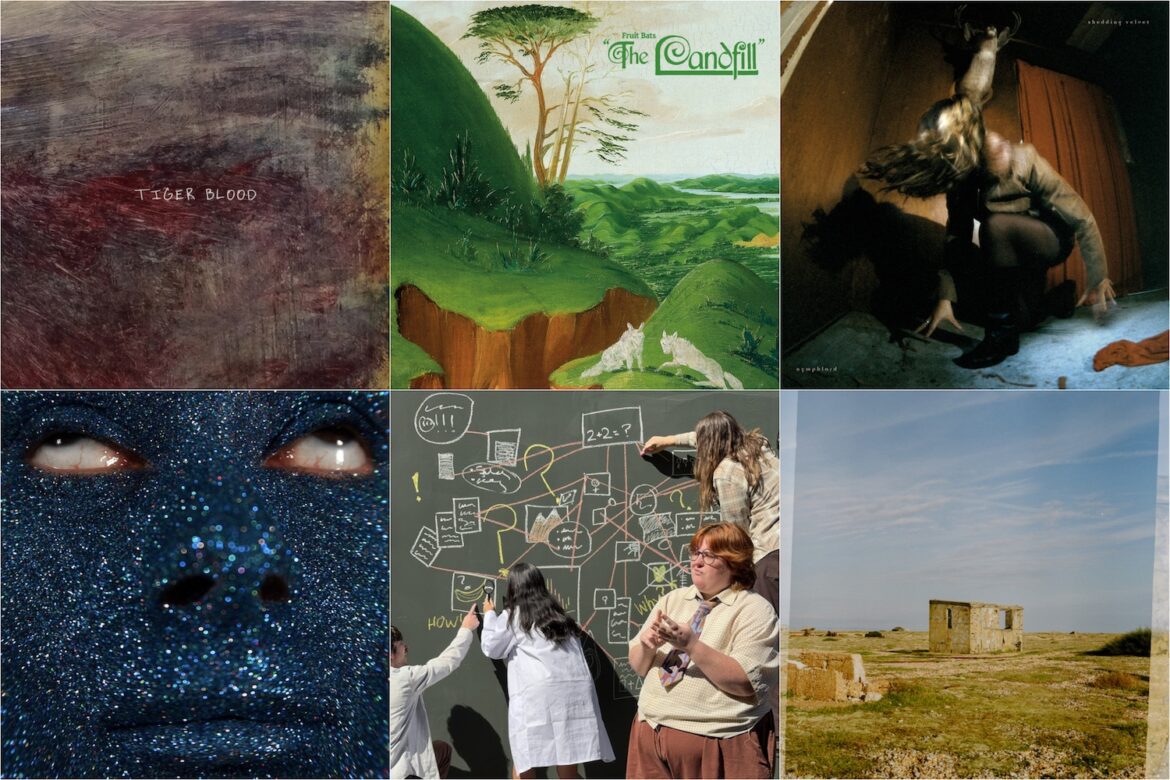
This week’s Editor’s Picks features Houndmouth, Fruit Bats, Nymphlord, Aquilo, corook, and Big Sleep!

 follow EDITOR’S PICKS on Spotify

“Tiger Blood”
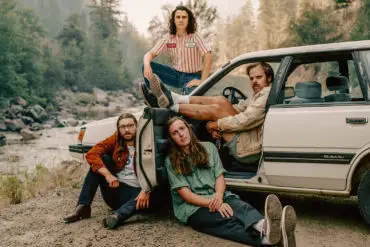
by Houndmouth“Friday nights come, oh, we’re made of veins of ice and tiger blood.” Every person has a breaking point – the split-second when composure gives way to instinct, when the thought in your head becomes heat in your body, when calm stops being useful and the claws come out. Sweaty, aching, and untamed, “Tiger Blood” is Houndmouth giving in to impulse: The itch under the skin, the thought that won’t stay buried, the irresistible urge to let loose. The first taste of the band’s forthcoming album Lordy arrives in a hot rush of ragged guitars, driving drums, and Matt Myers’ voice at full throttle – all grit, charm, churn, and raw abandon as he howls through passion and pain with nothing held back. “Come on, let it out now, turn a thought into a whisper,” he sings, opening the door to a song that channels expression into combustion. It’s a feverish, full-bodied indie rock eruption built on restless memory and animal instinct, barreling forward with the force of a band not merely returning, but reawakening.
Come on, let it out now
Turn a thought into a whisper
Push it come to shoving
The spit turn to vapor
I’ve been wondering where my mind went
I think it’s down between
the earth and the pavement
And before you get to steal it
Remember heartbreaks,
honey, they don’t cost a thing
Friday nights come, oh, we’re made of
Veins of ice and tiger blood

Houndmouth’s return has been a long time coming. Out July 10 via Dualtone Records, Lordy marks the Indiana band’s first album in five years, following 2021’s Good for You and a decade-plus run that’s taken them from American roots rock breakout to restless sonic explorers. Produced by Brad Cook, the new record strips the band’s sound back to something naked, honest, and immediate – an album about surviving, rebuilding, accepting, and stepping back into life with blood still warm in the veins. For two years, Myers struggled to finish new songs, later explaining, “I was all raw emotion.” He wrote much of it at home in the daylight, clear-headed and awake, strumming his Martin guitar while the sun came through the kitchen windows. That detail matters: Lordy sounds like music made by someone reclaiming his own spark in real time.
Written after that period of creative paralysis, “Tiger Blood” feels like a dam breaking: A ragged, roaring release from an artist finding his way back to the page by allowing whatever needed to come out, come out.
“I’ve always enjoyed writing one liners, fragments, and kind of vague takes on things and seeing how it all eventually fits together,” Myers tells Atwood Magazine. “But this record was much more personal than anything I’ve done before; all coming from a similar place. It’s still vague enough though. I can even feel myself being vague in trying not to answer this question. I’m sorry I can’t help it.”
That personal charge comes surging through “Tiger Blood,” even as the song moves with a loose, almost reckless swagger. Myers traces part of its origin to returning to his high school for the first time since graduating, with the football field unexpectedly coloring the song’s mood and imagery. The verses carry what he calls a softness – calm, even blissful unawareness – before the whole thing snaps open. I’ve been wondering where my mind went / I think it’s down between the earth and the pavement, he sings, turning a mental slip into a physical image: thought hitting asphalt, memory grinding against the ground, the self scattered somewhere beneath your feet.
Come on, let it out now
I hope you will remember
That we’re all childlike and careless
Blowing dandelions heads off
And I’ve been wondering where my mind went
I think it’s down between
the earth and the pavement
And the one who tastes the sweetness
Seems to be the one
with sharpest of claws
And Friday nights come,
and all we’re made of
Veins of ice and tiger blood
Myers acknowledges the song’s push and pull between expression and dissipation. “I wrote everything except ‘come on let it out now’ and ‘I’ve been wondering where my mind went.’ So I used those lines as a starting point. I had recently gone back to my high school for the first time since I graduated and just being in that setting was kind of informing the song. Especially the football field for some reason. I didn’t play football, by the way – but to me it’s a very simple song. Not deep at all. The verses resemble a softness, calm, maybe even blissful unawareness. It’s nice to be in that state until you just can’t anymore. The claws come out, or you have an urge to let loose. Really the song is just about that.”
The claws do come out. By the time Myers reaches the refrain – “Friday nights come, oh, we’re made of / veins of ice and tiger blood” – “Tiger Blood” has become a song about pressure turning feral: Youthful heat, reckless release, the strange electricity of wanting to disappear into motion for one night. Its bridge pushes that feeling into a raucous call-and-response, born from a casino memory of a man named Bucky and a desperate gambler screaming, “Take me back to Lex,” trying to win enough to get back to Lexington. It’s absurd, vivid, human, and exactly the kind of stray life-fragment Myers knows how to turn into song – a flash of story that makes the track feel even more alive, like a barroom myth shouted over the band as the whole room starts to tilt.
“It’s definitely grabbing with expression and impulse,” Myers says. “The song itself is very impulsive. It needed a bridge. My friend Abby Hamilton said she could hear a call and response thing working. So I said when I say ‘take me back to Lex,’ you all say ‘Bucky.’ This story has always stuck with me: I was playing roulette in Indiana. The guy spinning the ball (dealing) had a name tag that said, Bucky. The guy next to me was betting everything he had, huge towering stacks and screaming, ‘Take me back to Lex, Bucky’ trying to make enough to get back to Lexington.”
For all its sweat and spark, “Tiger Blood” also carries the weight of a band stepping into a new chapter with renewed hunger. Myers calls it “the ‘I want to go out and be bad for a sec’ song of the record,” and that description fits: This is Lordy at its most excitable, its most untamed, its most ready to run straight through the night. Houndmouth have always had a gift for making songs that feel lived-in and lit from within, and “Tiger Blood” adds fresh fire to that legacy. It’s ragged and radiant, catchy as hell and cut with real ache – a ferocious opening statement from a band back in motion, letting whatever needs to come out come out.
Friday nights come, and Houndmouth come roaring back to life: All heat, instinct, veins of ice, and tiger blood.
Come on, let it out now
I hope you will remember
Back to the old times,
come on, let’s go
And I hope you will remember
That I’ve been wondering where my mind went
I think it’s down between
the earth and the pavement
And before you get to see the end
Remember heartbreaks,
honey, they don’t cost a thing
And Friday nights come
Oh, we’re made of veins of ice and tiger blood
Veins of ice and tiger blood
“The Landfill”
by Fruit BatsA great Fruit Bats song can turn a dump into a destiny. Wondrous, weathered, and wide-eyed, “The Landfill” begins on top of everything we’ve left behind. Waste, memory, history, heartbreak, failure, regret – the debris of a life doesn’t vanish just because we move forward; it gathers, layer by layer, until one day it becomes a hill high enough to see from. Fruit Bats’ title track and lead single off The Landfill turns that strange vantage point into a spirited folk rock reckoning: Refreshed and ragged, worn and invigorated, poetic and playful as Eric D. Johnson looks out over the glowing city lights and finds a “holy vision” in the wreckage. “This is an ode to eternity / sung by an old show pony,” he sings at the top, winking at his own role as entertainer and truth-teller before opening the song into something panoramic, tender, and deeply human.
This is an ode to eternity
Sung by an old show pony
In this long, slow rodeo
I’ve come to know
Lookin’ down from the landfill
I can see the city lights a-shimmerin’
And it’s like a holy vision of
What could be
And couldn’t be
And could have been
And now I’m sitting in the car
Thinking “it’s written in the stars…”

Out June 12 via Merge Records, The Landfill is Fruit Bats’ twelfth album and one of the project’s most vibrant full-band statements to date. It arrives in Johnson’s 25th year making music under the Fruit Bats name, following 2025’s intimate solo outing Baby Man and carrying that record’s immediacy into a bigger, brighter, more communal space. After years of patient songwriting and careful fine-tuning, Baby Man cracked open a different process – stream-of-consciousness, observational, alive in the moment – and Johnson brought that spark straight into Bear Creek Studios in Washington with his longtime touring band. The result is a record that feels loose without losing shape, deeply personal without closing itself off, and full of the kind of chemistry that can only happen when musicians trust each other enough to let the room breathe.
“It started off as me just trying to create an odd little vibe and exploring what it meant to be a songwriter in the early ‘00s,” Johnson tells Atwood Magazine. “Now it’s me trying to laser beam feelings at you to the best of my ability.”
That mission comes through in “The Landfill,” a song that feels both earthbound and cosmic: An old road-trip landscape turned into a metaphysical lookout, a Midwestern image stretched until it holds memory, legacy, consequence, and possibility. Johnson says the title came from growing up in a part of the Midwest where “the only hills are landfills,” an image that first arrived before its deeper meaning fully revealed itself. The song’s magic lives in that gradual dawning – the way a manmade mountain of refuse becomes a place to survey what could be, what couldn’t be, and what could have been. It’s funny and sad, grand and scrappy, the end of the movie and the beginning of another kind of clarity.
“The name itself, and the seed of the idea, came from growing up in the Midwest where the only hills are landfills,” Johnson explains. “It’s even a lyric on a song on ‘Baby Man.’ I came up with the idea before the deeper meaning had dawned on me. Which is common for me. Later I realized that landfills are pretty bittersweet allegories for life. They’re these mountains you can stand on and look down on the world, but we created them with our own refuse. It’s the vantage point we gather from all our misstakes and missteps and failures.”
There’s a wry sweetness in the way Johnson introduces himself here – “an old show pony singing an ode to eternity” – as if he’s undercutting the song’s grandeur before anyone else can. But that self-deprecating humor is part of what makes “The Landfill” so disarming. He’s not standing above the mess pretending to have transcended it; he’s in it, on it, made by it, still singing. The band behind him gives the song its lift: Guitars shimmer and tumble, drums drive the road forward, and Johnson’s voice carries that unmistakable Fruit Bats charisma, weathered and bright, as if the whole thing is being sung from a hill at dusk with the lights flickering below.
“That’s just my own self depreciating midwest humor on full display,” he says. “I’m the show pony, like just a dumb entertainer, but trying to present this poetic ‘ode to eternity’ at the same time. Just taking the piss out of myself but also trying to get you to pay attention.”
This is the end of the movie
“The Song of the Bawling Beauty”
It was such a sad sweet story
Maybe eventually you’ll see
So yeah, see you’ve seen into my heart
And you’ve seen what I never really could
Now I’m lookin’ down from the landfill
I see lights of your neighborhood
Yeah I always knew you would
End up somewhere good
And then, after all that cinematic sweep – the stars, the movie, the holy vision, the landfill view – the song lands in one of Johnson’s most tender refrains: “Yeah I always knew you would / end up somewhere good.” He keeps the emotional core partly hidden, and that restraint gives the line room to bloom. It can sound like a blessing sent to someone else, a note passed backward through time, or a hand placed gently on his own shoulder. That openness is the point. “The Landfill” invites listeners to write themselves into the movie – to stand on their own pile of missteps and memory, look out at the shimmer, and find a little grace in the view.
Yeah I always knew you would
End up somewhere good
And now I’m sitting in the car
Thinking “it’s written in the stars…”
“I can’t get too into the emotional core of this song because it’s personal and I don’t really want to pull the curtain back too far,” Johnson says. “I like to keep things a bit open-ended so that you can tell your own life story with it if need be. And I may or may not be singing to someone else here or talking to myself. Or both.”
That’s the enduring pull of Fruit Bats: Johnson knows how to make the personal feel porous, how to turn his own strange, specific images into rooms the rest of us can enter. “The Landfill” is spirited and soul-stirring, a full-band anthem with dirt under its nails and light in its eyes. It looks back without getting stuck, looks forward without pretending the past has disappeared, and finds beauty in the view from a place nobody would think to call beautiful. After 25 years, Fruit Bats are still climbing, still searching, still laser-beaming feeling with grace and grit – standing on the collective weight of what came before, gazing out at what might come next.
“Garden”
by NymphlordThe self doesn’t stop growing just because the world asks it to sit still. “Garden” blooms in the brutal beige of the workday: A song for anyone who’s ever sat under fluorescent lights with a whole secret self humming beneath their skin. Nymphlord turns creative survival into a captivating alternative reverie – dreamy, quirky, comforting, cathartic, and alive with off-kilter charm as she sings of guitar picks in pockets, marketing all-hands, cubicle daydreams, and the stubborn refusal to let ordinary life shrink the artist within. “I am a garden that keeps growing / and you can’t fence me in,” she declares in the chorus, her voice a beacon of feeling as the song rises on twanging guitar, spirited percussion, and little sonic sparks that make every listen feel like its own strange, enchanting adventure.
‘Blood Cults’, ‘Succubus’
‘Mall Goth’ and ‘So Famous’
‘Quaking Ass-man’
and ‘Your Mom’s Sedan’
These are the band names
that got canned
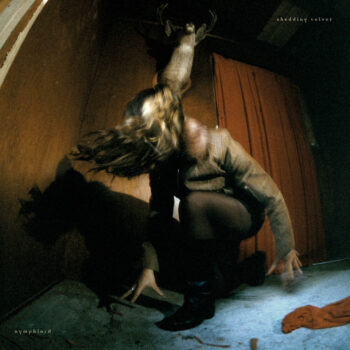
Out now via Lauren Records, “Garden” appears on Nymphlord’s recently released debut album Shedding Velvet, a ten-track coming-of-age world where self-doubt, ambition, humor, disillusionment, and identity all rub up against each other until they glow. Raised in the wooded foothills of Northern California and now based in Los Angeles, Nymphlord (aka Tia Rabinovitz) makes music that pulls from ‘90s rock, Laurel Canyon acoustic textures, punk intimacy, and Top 40 instinct – songs that feel close to the microphone and wide open at the same time. On Shedding Velvet, acoustic strums stretch into raw electric swells, hushed confessionals take sudden left turns, and beauty and ugliness sit beside each other like old friends learning how to share a room.
“My music straddles the line between the personal and the universal,” Nymphlord tells Atwood Magazine. “There’s a lot of me in every song, but I also like leaving enough room for the listener to make up their own minds. One of the best compliments I ever got was when someone described my music as light and heavy at the same time. Another recent comment said ‘there’s an edge without bitterness. Just joy.’ and I liked that too.”
That light-heavy balance is exactly what gives “Garden” its magic. The song is playful and tender, but its roots dig deep into the pressure of trying to make art while paying bills, keeping pace, and holding onto a creative identity the world doesn’t always make room for. The chorus came to Nymphlord in a conference room, mid-meeting – a small eruption of melody and self-recognition in the middle of corporate routine. In that sense, “Garden” is less an escape from the workday than a reclamation of it: Proof that even under the dullest lights, imagination can pressurize until it breaks through.
Guitar pick in my pocket
at the marketing all-hands
Feeling like a loner at the
local show again, I could’ve
Been the girl you wanted
if I had been a consultant
But my brother is an anarchist
and I’d hate to disappoint him
I quit worshipping false idols,
I’m just looking for some real friends
Yeah I traded out the emails
for a ball point pen
I am leaving, I am learning,
I am getting back on track
I am a garden that keeps growing oh
And you can’t fence me in
“The chorus of this song came to me in a conference room, mid-meeting. You can hear that moment in the lyrics – ‘guitar pick in my pocket at the marketing all hands.’ That’s the one thing I’ll say in favor of an office job – being steeped in beige for that many hours a day really has a way of pressurizing your creativity, until suddenly it just pops out. That was happening to me constantly around this time. I might have conceived as much as half of this album behind the steering wheel on my commute home.”
“To be a musician today takes so much,” she continues. “It feels like you have to wear so many hats and create so many things outside of music just to stand a chance, and that puts a lot of pressure on us both financially and personally. There’s this romanticized image of a starving artist, but even those who are willing to starve are finding that it’s just not enough.”
“When I tried to pursue music in a more full-time way and couldn’t swing it I felt ashamed. But in writing this song, I finally found the words to say – if even just to myself – ‘so what’? So what if I have to work in order to create. My Hannah Montana girls know sometimes a double life is just a part of the bargain. If that’s what I have to do then that’s what I’ll do. I can still claim my identity as an artist first.”
That last line is the heart of “Garden”: Claiming yourself before the world gives you permission. Nymphlord calls the track “a coming-of-age anthem in corporate drag,” and that phrase unlocks the song’s whole inner life – its wink, its ache, its defiance, its wonderfully left-of-center confidence. She’s not pretending the desk, the commute, the emails, or the financial pressure don’t exist. She’s singing through them, around them, above them, until the song becomes a little act of self-definition: Knowing who you are even when you’re not actively showing who you are, believing in the version of yourself you most want to become.
Work sucks, I know but
Making art is harder
when you’re broke
At the heart of all of my
cubicle daydreams
Is a coming-of-age song
played on some nylon strings
I’m only getting older
And it’s only getting harder
Is it worth the risk of flashing
All my cards to every voyeur?
“Garden is like a coming-of-age anthem in corporate drag,” Nymphlord says. “It’s confident but a little off-kilter, with a knowing wink to the listener who might also be sitting at a desk or feeling trapped in a life they didn’t even realize they chose. After Garden, the rest of the album explores the other sides of that feeling. The songs definitely all dance around the idea of coming into yourself while also feeling a bit out of place in your own skin.”
“I think I was thinking a lot about how we as people perform authenticity – on stage, online, in the fluorescent half-light of an office all-hands – and how that might influence the way we see ourselves. As a result, the songs span from expressing anger, to admiration, nostalgia, apathy, and optimism. I hope they’ll make people stop and think, giving them a chance to understand their own lives better in the process.”
The refrain stays with me because it feels both simple and enormous. “I think in simplest terms it just means that I’m going to keep moving forward no matter what,” Nymphlord reflects. “Like those trees you see sometimes that are growing around poles and chainlink fence…” That image captures the song’s resilient wonder: Growth that adapts without asking permission, softness that finds its own shape around obstruction. By the end, when she sings of trading emails for a real big band and becoming the person she would want instead, “Garden” feels less like a daydream than a breakthrough – a spirited, soul-bright reminder that inspiration can strike anywhere, and that a life divided does not have to mean a self diminished.
Guitar pick in my pocket at the marketing all-hands
Feeling like a loner at the local show again, I could’ve
Been the girl you wanted if I had been a consultant
But my brother is an anarchist
and I’d hate to disappoint him
I quit worshipping false idols,
I’m just looking for some real friends
Yeah I traded out the emails
for a ball point pen
I am leaving, I am learning,
I am getting back on track
I am a garden that keeps growing oh
And you can’t fence me in
Cathartic and charismatic, “Garden” is one of those songs that makes the mundane feel mythic. It takes the office, the venue, the commute, the bathroom stall, the forest, the stage, and the self-in-progress, and braids them into a strange little anthem of becoming. Nymphlord’s debut album may be called Shedding Velvet, but “Garden” is all bloom: Messy, musical, funny, tender, and impossible to fence in.
I’m a garden that keeps growing and they will
Never fence me in
I’m a garden, giving, growing, now that I’m out
I’m not coming back in
“Under My Skin”
by AquiloLove doesn’t always arrive like an ache; sometimes it pours in like sunlight. “Under My Skin” finds Aquilo surrendering to that brightness, letting romance glow without apology in a euphoric rush of sweet, wide-open feeling. The first song from their upcoming EP Confetti, out May 29, is a radiant return from one of my all-time favorite bands – dreamy, dulcet, and beautifully alive as Tom Higham and Ben Fletcher lace bright acoustic chords, high falsettos, and rich harmonies into a love song that feels like stepping out of shadow and into the sun. “Is it obvious? / There’s nothing else above us, only sky and empty space,” they sing – and for once, the sky is enough.
Is it obvious?
There’s nothing else above us
Only sky and empty space
You’re in a different world
Everything before you never
made much sense to me
You say, “Hey, now”
When you get off the train
Arms out wide like an aeroplane
It’s a late night and cheap champagne
‘Cause anything can happen in a video game
You’re under my skin
Yeah, you’re under my skin
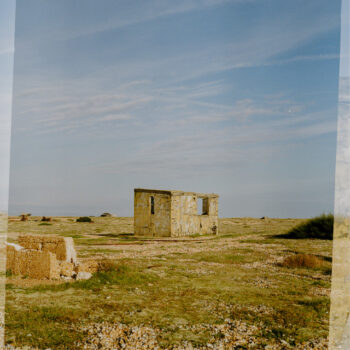
Released in mid-April, “Under My Skin” marks Aquilo’s first new music since their 2024 double-album project A Quiet Invitation to a Hard Conversation and You Should Get Some Sleep – a pair of soul-stirring records that deepened the British duo’s reputation for intimate, emotionally charged songs that ache from the inside out. “Under My Skin” still carries that unmistakable Aquilo tenderness, but its heart beats brighter. Having long since shed their old “two sad lads from up north” identity, Higham and Fletcher sound lighter here, looser, and more open to joy – not less emotionally rich, but less afraid to let beauty be beautiful.
“Obviously we’ve been releasing music together for over ten years now, and there’s been a lot of living done in that time,” Aquilo tell Atwood Magazine. “So much has changed and the landscape of music is wildly different now too. What remains is that we still make music together and probably always will. We spend a lot of time working on other artists music, whether that’s writing or producing, we love it and we do all of that together. So we’ve been together pretty much 5 days a week for the past 13-14 years.”
That togetherness has always been Aquilo’s quiet superpower: Two voices moving as one, two instincts meeting in the middle, two longtime friends still finding new rooms inside a shared sound. On “Under My Skin,” that chemistry turns weightless. The song’s title might suggest obsession, but the band frame it as something sweet – the thrill of another person taking up residence in your thoughts, not as a burden, but as a spark. “You’re under my skin / yeah, you’re under my skin,” they sing, repeating the phrase until it feels less like confession than celebration: The sound of love becoming atmosphere.
“Being under someone’s skin – this is a good thing!” the pair say with a laugh. “Being on someone’s mind in an exciting way. You can’t stop thinking about them you know?”
I’m an optimist
And I never thought that
I could ever feel like this
I don’t wanna say a word
‘Cause all that I can hear
are the sound of birds
You’re getting under my skin
Yeah, you’re under my skin
Their excitement flickers through every image: Arms out wide like an aeroplane, cheap champagne, rain, train stations, video games, birdsong, sky. Aquilo have always known how to make a small scene feel cinematic, and “Under My Skin” is full of those little flashes that turn infatuation into a world. The production shimmers with a soft, seductive warmth – acoustic guitars glowing at the edges, drums lifting the song into motion, falsettos rising like light catching glass. It’s immediate and immaculate, but never overworked, a song that understands the magic of not crushing a feeling by examining it too hard.
“We actually just banged it out in a day in the studio and had the song DONE,” Fletcher explains. “Except I had drummed in the studio and it felt a little shoddy and we could get the sound of the drums right. So we took it to our friend Rich Cooper who is a great producer and worked on lots of things we love, and he banged the drums way better than I could have ever done. We were both listening to a lot of early Coldplay at the time of making this music,” he chuckles, “so maybe there’s a little bit of that in there, too.”
You say, “Hey, now”
When you get off the train
Arms out wide like an aeroplane
It’s a late night and cheap champagne
‘Cause anything can happen in a video game
This ease feels central to Aquilo’s new chapter. Confetti includes songs written six or seven years ago alongside songs written only a few months back, but the EP arrives with a renewed sense of freedom: The duo are finally independent, ready to release music more consistently, more fluidly, and with less pressure around what shape each era needs to take. After years of making full albums with the patience and care of craftsmen, “Under My Skin” opens a door to a lighter kind of motion – still thoughtful, still sonically graceful, but more willing to chase the feeling while it’s fresh.
“We’re not going away for years at a time anymore,” they say of what longtime fans should know about this era. “We’re going to try and be a little more consistent with releases and I guess a little more fluid?”
“The EP is called Confetti and 1 or 2 of the songs we’d written years ago but never got around to finishing or didn’t feel like they were right to release at the time. The other two we wrote a couple of months ago! It’s the start of releasing music more regularly. We are actually finally independent, so we can now release music whenever and however we want. There will be many more releases throughout the year too. We may hold off on doing – or making – an album for a while until we work out what we’d want that to be or sound like… but you never know! We’re just going to have some fun, go with the flow, and release music whenever we feel like it.”
That spirit – fun, flow, feeling – is exactly what makes “Under My Skin” such a stirring, stunning return. Aquilo have written plenty of songs for the dark, for the hard conversations, for the fragile hours when hope has to be coaxed back into the room. Here, they let hope dance in through the front door. “You say, ‘Hey, now’ when you get off the train, arms out wide like an aeroplane,” they sing, and suddenly love feels bright, playful, possible – a late-night burst of cheap champagne and open sky. “Under My Skin” is Aquilo at their most luminous: Warm, romantic, and unguarded, reminding us that beauty can still be enough to knock the breath out of you.
Hey, now, when you’re caught in the rain
Arms out wide like an aeroplane
It’s a late night and cheap champagne
‘Cause anything can happen in a video game
“Kleptomaniac”
by corookSelf-possession looks suspicious when you’ve spent your life trying to be easy to love. corook’s “Kleptomaniac” turns that uneasy act of taking yourself back into a bright, buoyant pop anthem – fun, cheeky, and full of grin-inducing defiance as they choose honesty over being liked. “Looking like a kleptomaniac / stealing all my power back,” they sing in the chorus, their voice a lightning rod of feeling as the song bounces forward with gang-vocal warmth, propulsive charm, and tongue planted firmly in cheek.

Katie called me drunk on a weekend
FaceTime tour of her apartment
Big-ass window with some long blinds
And one of them just doesn’t sit right
She said, “If you were one, you’d be that one”
I said, “What the f*** you mean by that, ho?”
“So specifically you, so true to yourself
That you stick out like a sore thumb”
Looking like a kleptomaniac
Stealing all my power back
I guess I would rather make you mad
Than to bore myself
Looking like a life-size sour patch
Scrunching faces, but I’m still a snack
If I’m not your taste, that’s too bad
I enjoy myself
Out now via Atlantic Records, “Kleptomaniac” is corook’s second single of 2026, following the viral spark of January’s “Scooby,” and arrives ahead of their forthcoming project How Do I Relate To You? The Nashville-based singer, songwriter, producer, and multi-instrumentalist has long had a gift for wrapping vulnerability in playful popcraft – from “if i were a fish” and “it’s ok” to last year’s debut album committed to a bit – but this new era feels bolder, louder, and more self-claimed. After the backlash that followed their viral “they/them energy” moment, corook returns here not by softening the edges that made strangers uncomfortable, but by sharpening them into song.
“I’m just a guy trying to do this music thing as honestly as possible,” corook tells Atwood Magazine. “I got knocked down pretty bad last year by becoming a viral meme (they them energy) and getting back up with this new project I feel like a new version of myself. A truer version of myself.”
That truer self is all over “Kleptomaniac,” a song that sparkles because it refuses to ask permission. Its opening verse begins with a FaceTime joke from corook’s sister Katie – one crooked blind in an apartment window becoming a perfect metaphor for sticking out: “So specifically you, so true to yourself / that you stick out like a sore thumb.” From there, the song becomes a gloriously off-center manifesto for anyone who’s been bent out of shape by life and learned to like the new angle better. “Used to be a square, but life bent me,” corook sings, turning outsiderhood into a punchline, a badge, and a little act of freedom.
“I think subconsciously earlier in my career as corook my main goal was to be liked and heard because both of those things are a big part of having a successful career,” they share. “But they don’t always make for a happy person. I realized in the past year that if I want a long career doing what I love it needs to feel more true to myself, and not like I’m trying to be liked. The songs on this EP feel like the start of that.”
“My first album came out last year and I became a viral meme from a clip singing ‘they/them energy,’” corook says of the song’s origin. “The US has a lot of awful things to say about Trans people so the backlash was a lot. It was as if the one place I felt safe, making my songs, became a place I could be really hurt. I wasn’t sure if I’d be able to return to music after that. It took a lot of soul searching to find why I cared so much what these strangers were saying about who I am, what I look like, what I sound like and ultimately why I believed them so easily. Writing this song was my first time revisiting music after all that and when I sang ‘I guess I would rather make you mad, than to bore myself’, I knew that in my time away from making songs, I created a stronger relationship with myself.”
That line is the song’s emotional engine: “I guess I would rather make you mad / than to bore myself.” It’s funny because it’s true, and it lands because corook delivers it with such disarming ease – not as a defensive snarl, but as a warm, mischievous shrug from someone who has finally stopped twisting themselves into a more palatable shape. “Looking like a life-size sour patch / scrunching faces, but I’m still a snack,” they sing, turning discomfort into candy-colored confidence. The song’s sweetness never dilutes its purpose; it makes the self-reclamation feel communal, something you can chant with friends, shout from a crowd, and carry back into your own life.
Learnеd all my shapes in elemеntary
Used to be a square, but life bent me
Got a couple places I don’t fit in
Better off without ’em, good riddance
All the other squares, they treat me funny
Straight-and-narrow might be jealous of me
So specifically me, nothing else I can be
And they can only fantasize
Looking like a kleptomaniac
Stealing all my power back
Guess I would rather make you mad
Than to bore myself
Looking like a life-size sour patch
Scrunching faces, but I’m still a snack
And if I’m not your taste, that’s too bad
I enjoy myself
“As someone that grew up chronically pleasing other people it feels wrong to put myself first,” corook reflects. “It feels morally like I’m doing something wrong by not considering other people before myself. And that’s so f***ed up haha. It shows how deep the brainwashing goes. I learned to be good over everything else, to be nice over everything else, from church, from school, from my parents, from the world at large. I learned not to go against the grain. So really this song is me saying I’m going to be myself over everything else even if it feels wrong to myself or the people around me or the people consuming me and my art. Because I know at my core there is nothing wrong with considering myself first and there’s nothing wrong with who I am.”
That reclamation widens in the bridge, where corook’s personal anthem becomes a call for something more honest and humane: “I want to talk to people with a heart / and I want to come together, not apart.” The song may be quirky and smile-inducing on the surface, but underneath its lilt and bounce is a real ache for connection without performance, conversation without cruelty, identity without apology. “Kleptomaniac” makes honesty feel exhilarating. It’s bold and buoyant, warm and wired, a sugar-rush pop song with a bruised heart and a gleaming grin – corook stealing back their power in real time, and making the whole room feel good while they do it.
Shut up (Shut up)
If you’ve got nothing nice
to say, shut up (Shut up)
And if you don’t wanna
change, shut up (Shut up)
You’re just the loudest in the room
Doesn’t mean you tell the truth, so shut up
I want (I want) to talk to people with a heart
And I want (I want)
to come together, not apart
But it’s tough (It’s tough)
when the entire game is rigged
Both sides are talking shit, you wind up
Looking like a kleptomaniac
Stealing all my power back
Guess I would rather make you mad
Than to bore myself
“Old Friend”
by Big SleepGrief changes shape when it’s held by gratitude. Big Sleep’s gentle and dreamy “Old Friend” closes the Dublin four-piece’s debut album Holy Show with a soft, luminous lullaby-like exhale – a hauntingly beautiful indie folk reverie for the people who stay with us, even when they’re gone. Intimate acoustic guitar, warm harmonies, and Rónán Connolly’s tender, evocative vocals make the song feel whispered straight into the ear, raw and polished all at once as he sings, “always be my old friend.”
call me up
on translucent love
with trouble your scheming up
for the day
i don’t mind if it’s
yours or mine
if you wanna
waste some time i’ll be your waste
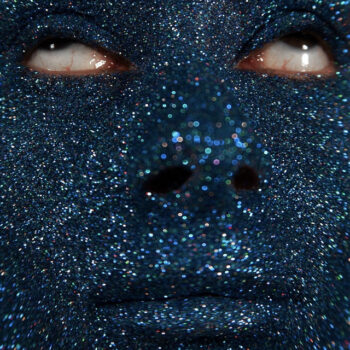
Out now via LAB Records, Holy Show is Big Sleep’s long-awaited debut album – a bold, emotionally vulnerable collection about transience, love, loss, identity, and the beautiful mess of being alive. In Ireland, a “holy show” refers to a messy situation or scene of emotional chaos, and across ten tracks, Big Sleep turn that phrase inward: Each song becomes its own small storm of finding, losing, clinging, leaving, grieving, and trying again. The album moves from youthful nostalgia and idealism into heartbreak and disillusionment before circling back toward hope, gratitude, and hard-won clarity on closing tracks “Be Alright” and “Old Friend.”
“We are a group of friends who love to play gigs, drink beers, and make albums,” Big Sleep tell Atwood Magazine. “All easily distracted, generally in good form, unless there are no gigs in the calendar in the near future. Our music is energetic, vulnerable, fun and intense.”
That mix of friendship, feeling, and restless live-wire spirit gives Holy Show its pulse, but “Old Friend” is the record at its most hushed and open-hearted. Written after the band lost people near and dear to them, the song is both an ode and a reminder – a hand on the shoulder, a light left on, a little place to rest after the album’s earlier chaos. “I don’t mind if it’s yours or mine, if you wanna waste some time, I’ll be your waste,” Connolly sings, folding love into the ordinary act of being available to someone: to wander, to talk, to sit in a quaint café and lay it all out on the line.
lately we get a little
lost in the weeds
tryna make sense or sound
out of our rhymes
if you’re gonna
leave today
We’ll find a little
quaint cafe to go
lay it all out on the line
always be
my old friend
“While we were working on the album, we lost some people near and dear to us and they inspired Old Friend,” the band share. “It’s an ode to them and a reminder to appreciate the ones we still have with us. The song came about in the writing room when we all swapped instruments, Rónán tried playing the mandolin for the first time and Randy Newman impressions were attempted.”
That origin story captures the song’s strange grace: grief entering the room, and the band answering it with curiosity, looseness, and care. “Old Friend” doesn’t dramatize loss so much as sit beside it. Its softness is where the strength lives. The acoustic playing feels tender and close, the vocals carrying that shiver of someone trying to make peace without forcing it; and every line seems to blur the boundary between memory and presence, especially when Connolly sings, “whatever that means / i hope i see you again.” It’s plainspoken and profound, the kind of lyric that finds its power by leaving space around the ache.
Bethnal Green’s got a real scene
but i’m just fine to leave it alone
of all the fanfare and the fiction
the same old streets
with you I’d roam
“It’s the refrain, the return to the brighter tones and themes in the first half of the album,” Big Sleep say of how the song fits into Holy Show. “Despite the song exploring grief, it encapsulates how we see the world as a band – looking for the light in dark places. There’s gratitude in this song too, for the experiences shared with the people who inspired the track and the perspective that losing them has brought in its wake.”
why do we
leave each other’s luxury
to go out and find the end of the road
i woulda said if you gonna haunt my head
and claim my best years
then just let me go
That light is what makes “Old Friend” linger. Across Holy Show, Big Sleep embrace emotional chaos in all its forms – love, embarrassment, desire, nostalgia, heartbreak, disillusionment, and release – but they don’t leave us in the wreckage. They end with gratitude. “Old Friend” is haunting because it knows some goodbyes never fully resolve, but it’s beautiful because it keeps the door cracked open anyway. Warm, vulnerable, and quietly devastating, it’s a closing prayer for anyone who has loved someone enough to carry them forward: “always be / my old friend / whatever that means / i hope i see you again.”
always be my old friend
whatever that means
i hope i see you again
— — — —

Connect to us on
Facebook, 𝕏, Instagram
Discover new music on Atwood Magazine
Editor’s Picks
follow EDITOR’S PICKS on Spotify