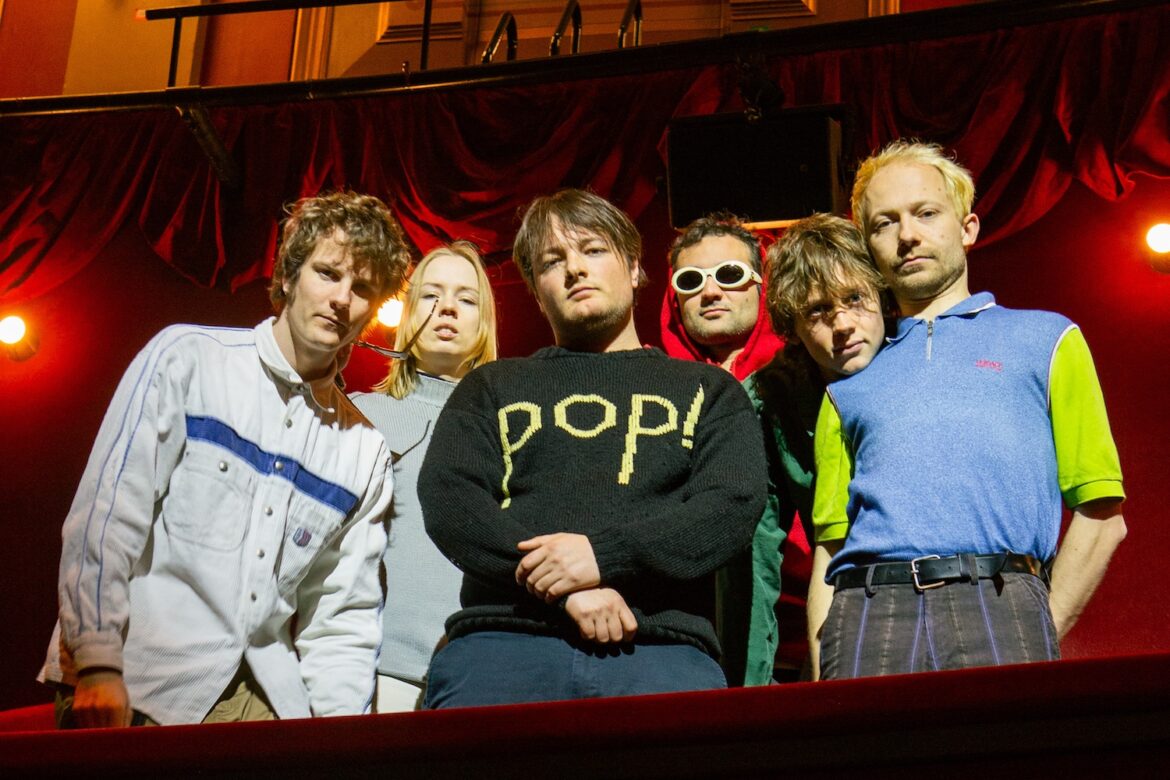
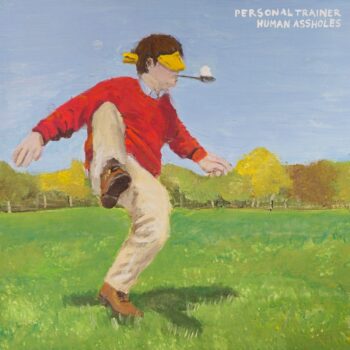
Amsterdam’s Personal Trainer embrace the awkward sincerity and all-consuming delirium of infatuation on “Punch Drunk Love,” a loose, richly textured song that channels obsessive longing into something absurd, vulnerable, and strangely beautiful.
 follow our Today’s Song(s) playlist


Stream: “Punch Drunk Love” – Personal Trainer
Infatuation is a destabilizing delirium that can completely rewrite a person’s reality.
On “Punch Drunk Love,” the luminous lead single from their third album Human Assholes (out September 4), Amsterdam’s Personal Trainer immerse listeners in the exact center of this emotional sonic meltdown. The result feels raw and intimate, yet beautifully chaotic.

I rode my bike up to the library
to see if she was there
I thought I’d try there
’cause she struck me as the library type
Too obvious to just
barge in and look around there
Camp at the entrance for the day,
witnessed the moment that she leaves
Released in early May via Bella Union, the track unfolds like an internal monologue spiraling out in real time. Vocalist Willem Smit begins with a scene so oddly specific it immediately becomes endearing: “I rode my bike up to the library to see if she was there / I thought I’d try there ’cause she struck me as the library type.” The writing captures how attraction can turn tiny assumptions into fully constructed folklore. The narrator does not know her, but he has already assigned her hobbies, spaces, habits, and significance. The version of her that exists inside the song is built from glimpses and projections, assembled with the confidence of someone convinced they are following a trail of signs. Personal Trainer understand how infatuation can blur the line between noticing who someone is and imagining who we hope them to be.
The next lines sharpen that fixation into something painfully recognizable: “Too obvious to just barge in and look around there / Camp at the entrance for the day, witnessed the moment that she leaves.” It is objectively awkward behavior, but Personal Trainer approach these impulses with tenderness rather than judgment. They treat the narrator’s obsessive longing with genuine compassion, allowing him to look foolish while preserving his sincerity.
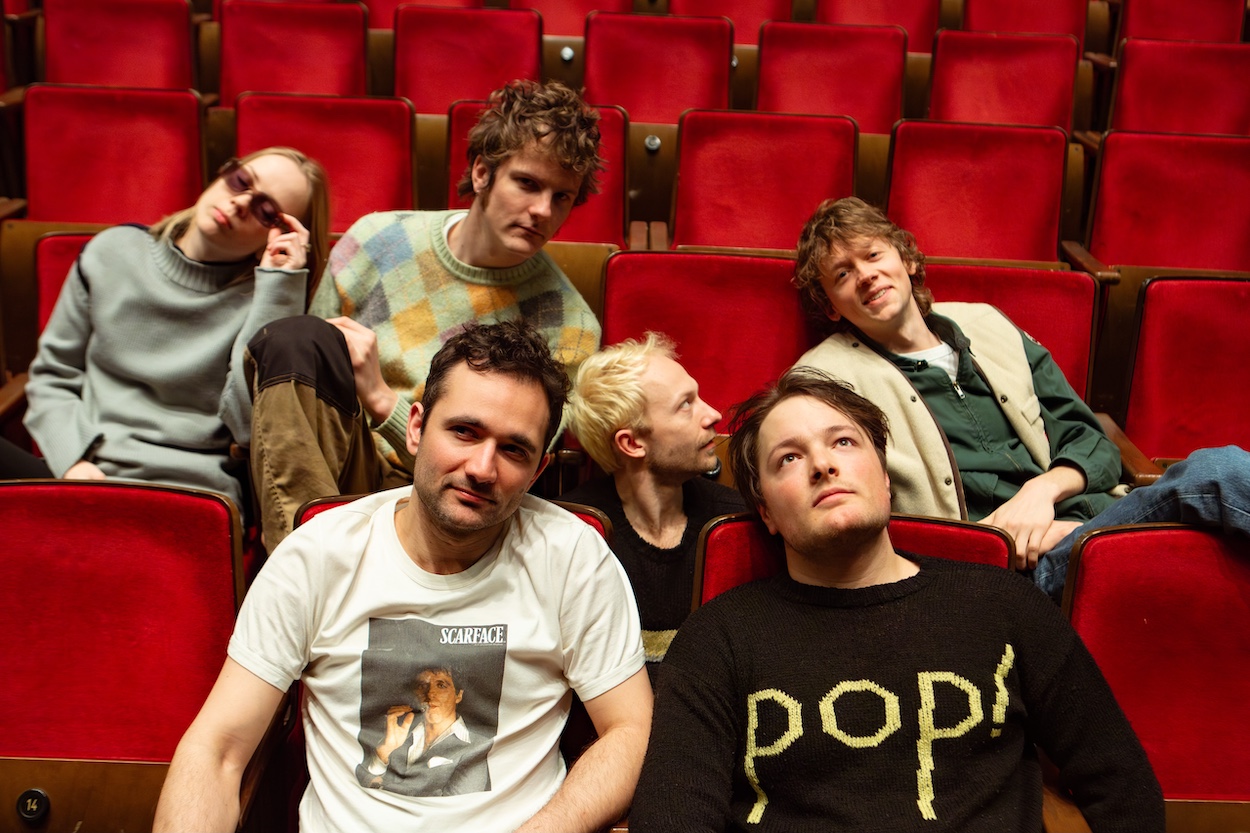
The sonic arrangement frames that unsteady emotional state beautifully, acting as a loose, organic backdrop for the narrator’s spiraling thoughts.
The violin’s entrance immediately draws you into the song’s world before giving way to the other instruments, which move around one another with an almost conversational ease. Acoustic and electric guitars drift through warm piano, fluttering flute, violin, bass, and loose percussion that makes the song feel lived-in. Despite the number of moving parts, the performance never feels overcrowded; there is space in the mix for slight imperfections that give the track its human character, and room for musicians responding instinctively to one another as the song gathers momentum.
When the vocals enter, there is a quality that briefly reminds me of Elliott Smith, rooted in the fragile intimacy of the perspective rather than any direct musical resemblance. Like Smith at his most emotionally exposed, Smit allows longing, self-consciousness, tenderness, and irrationality to interrupt one another in real time. The narrator is never granted the dignity of complete composure, and the song is all the more affecting because of it.
Then the chorus crashes in like total emotional surrender:
Jesus, help me
Show this little girl the way to me
Rule me, burn me
She means everything to me
The plea sounds half devotional and half catastrophic. Smit delivers it with total abandon, turning desire into something all-consuming and sacred, a force that eclipses reason and self-preservation alike. The phrase “Rule me, burn me” carries the terrifying weight of willingly handing yourself over to an emotion that you know could wreck you.
Even the small interjection, “There she comes,” creates an instant sense of alertness.
It goes beyond the lyric itself, capturing that exact beat where anticipation replaces everything else in the universe.
By the final chorus, the obsession has fully rooted itself inside the narrator’s psyche:
Jesus, help me
Show this little girl the way to me
Rule me, stone me
She’s in every godforsaken part of me
That closing line hits hardest because it abandons any distance or self-awareness. This is no longer a crush hovering at the edges of someone’s life; it has consumed the entire interior landscape. Personal Trainer allow the song to remain messy, overeager, emotionally exposed, and passionate.
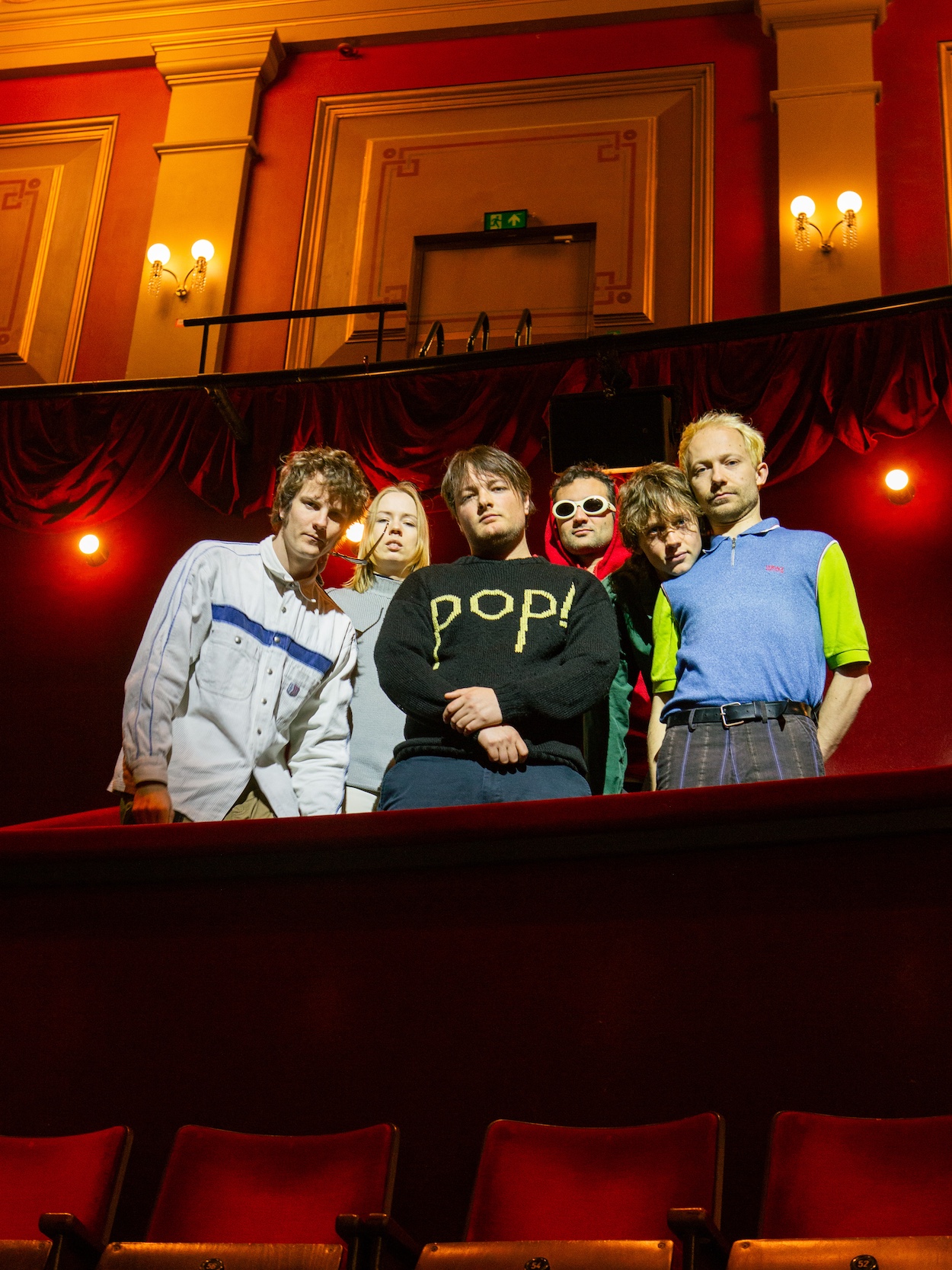
That honesty is what makes “Punch Drunk Love” resonate so deeply. Beneath the humor and eccentric details sits a portrait of desire at its most destabilizing: Irrational, obsessive, embarrassing, and exhilarating.
The song recognizes that love rarely arrives in the graceful forms we imagine for ourselves. Sometimes it sends us searching for signs with desperate optimism. Sometimes it convinces us that libraries hold the answers. Sometimes it leaves us pacing outside the entrance, rehearsing a future with someone we have barely met.
On “Punch Drunk Love,” Personal Trainer capture that experience with remarkable warmth and empathy. Rather than mocking the chaos of wanting someone, they lean into it completely. The result is a song that frames infatuation as a deeply human state of bewilderment: Absurd, vulnerable, and impossible to control.
— —
:: stream/purchase Punch Drunk Love here ::
:: connect with Personal Trainer here ::
— —
Stream: “Punch Drunk Love” – Personal Trainer
— — — —

Connect to Personal Trainer on
Facebook, 𝕏, TikTok, Instagram
Discover new music on Atwood Magazine
© Sophie Koterus Korting
 © Sophie Koterus Korting
:: Today’s Song(s) ::
follow our daily playlist on Spotify
:: Stream Personal Trainer ::