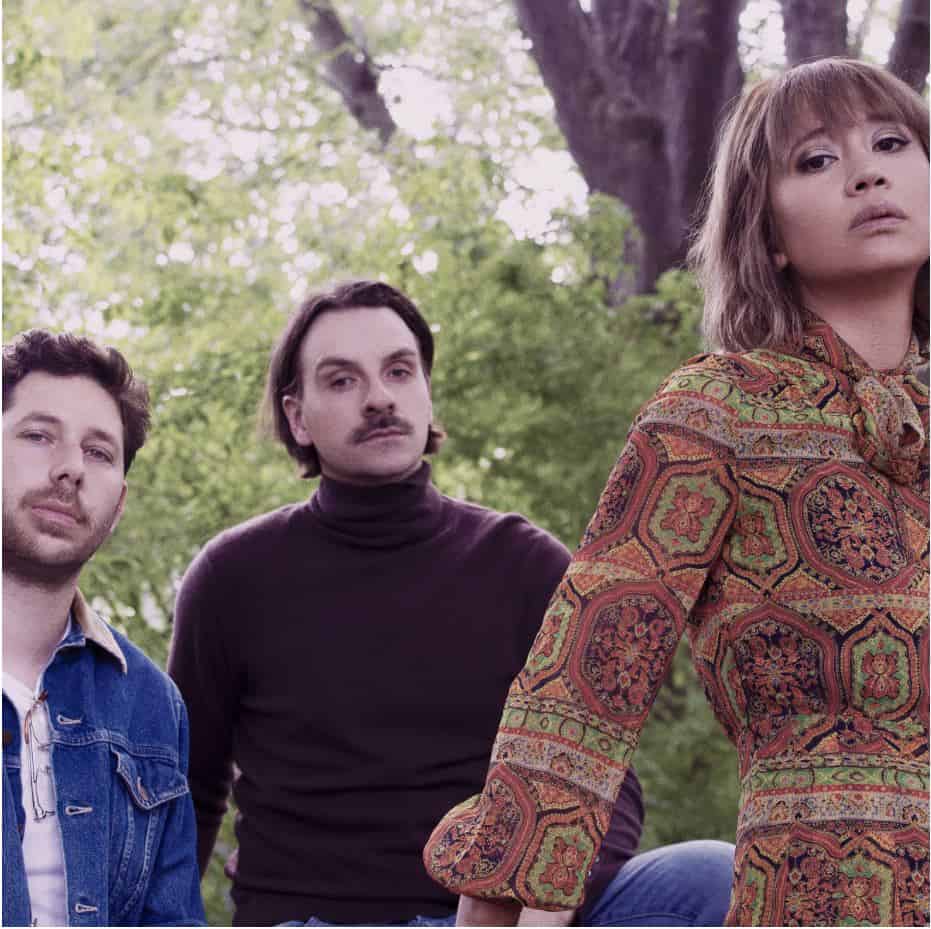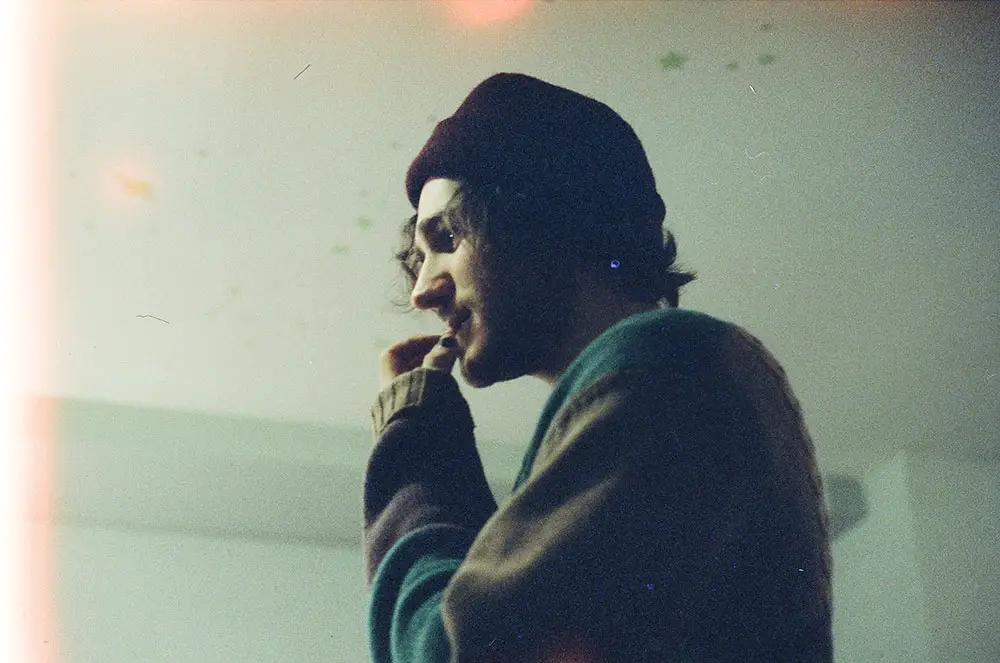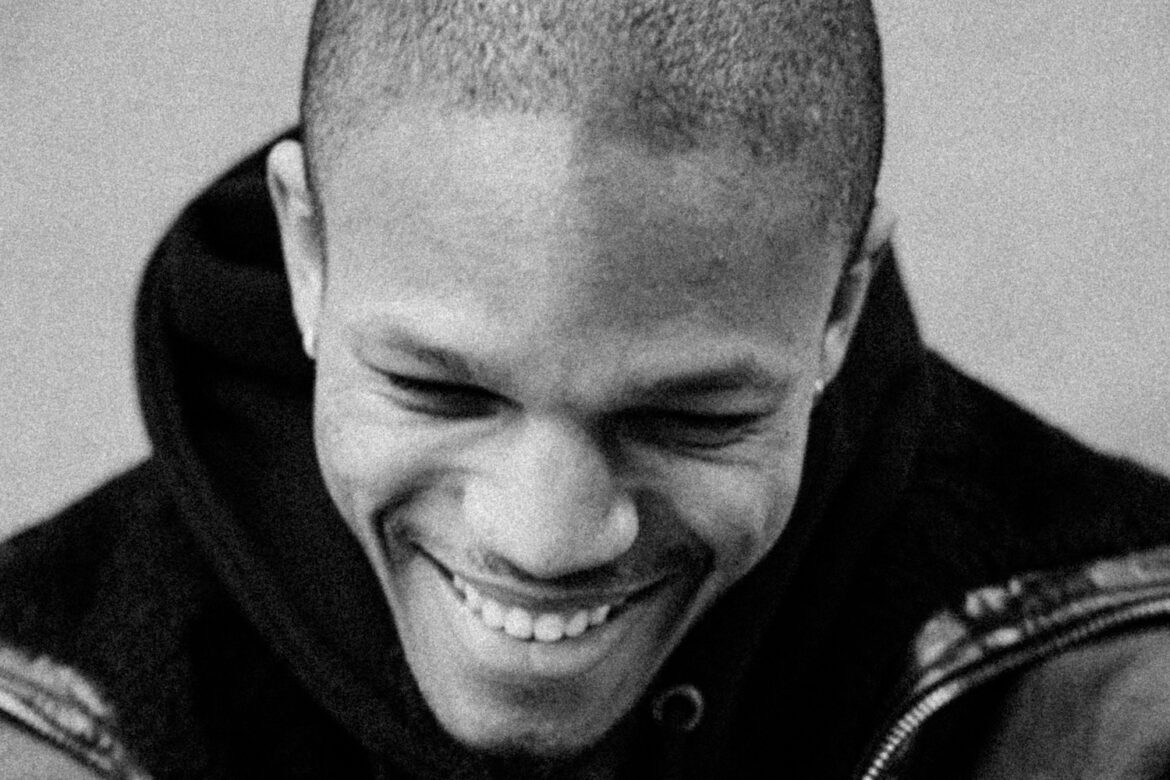
Dali Rose bathes desire in smoldering, summery heat vocals on “Parisian Mama,” a dreamy, brooding alt-R&B gem whose surreal Parisian fantasy opens his debut album ‘The Garden Vol. 1’ – announcing an artist with star power in his bloodstream and imagination to burn.
Stream: “Parisian Mama” – Dali Rose
Seduction hangs heavy in the air, carried on smoldering keys, slinking guitars, and a groove that sweats through the speakers.
Dali Rose leans fully into that heat on “Parisian Mama,” a dreamy, brooding alt-R&B gem whose slow-burning pull grows more intoxicating with every passing second. His voice radiates like summer heat off pavement, melting like butter until the song seems to thicken the air around it. Two enchanting minutes is all Rose needs to make the space feel smaller, the atmosphere richer, and his talent impossible to miss.
As sensual as it is surreal, “Parisian Mama” leaves the room a few degrees hotter than it found it.
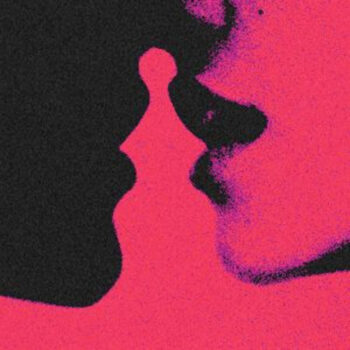
Oooh, tread lightly baby (What I say)
Oooh, we can walk on water (What I say)
Oooh, them dainty feet go slightly
Cross silk clouds
Walking that angels’ mile
Parisian Mama
Parisian Mama
Atwood Magazine is proud to be premiering “Parisian Mama,” the intoxicating opening track and second single from Dali Rose’s forthcoming debut album, The Garden Vol. 1. Out September 30, the 10-track record follows last year’s debut EP, heaven, and finds the Atlanta-raised, New York City-based singer, songwriter, producer, and multi-instrumentalist pushing deeper into what he calls “charred soul music” – a collision of rock, blues, funk, and soul charged by the pressures of class and American life.
Born Drake Hunt and raised in the church and a deeply musical family, Rose has spent the past year sharpening a sound that belongs unmistakably to him; he wrote, produced, and engineered The Garden Vol. 1 himself, building every warped texture and scorched edge from the ground up. Following the apocalyptic fury of lead single “The Roof,” “Parisian Mama” opens the album through a far more pleasurable door.
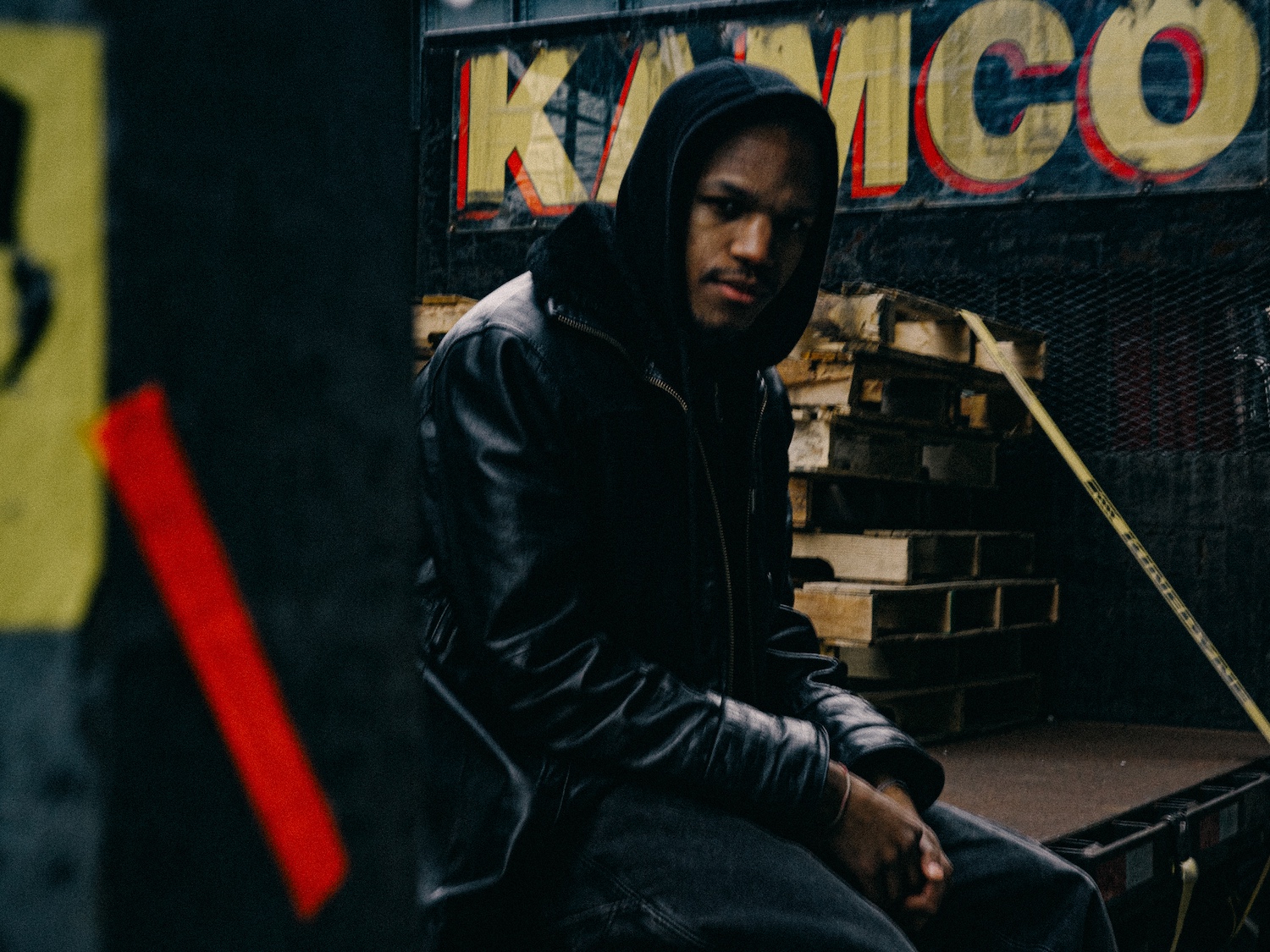
Rose wanted the invitation to be irresistible.
“It’s succinct. Children can sing along. It’s joyous. It’s like making love,” he tells Atwood Magazine. “You don’t go rummaging through like a dog. You start with a glass of wine. A smile, a laugh, an embrace and a kiss.”
That kiss lingers over every inch of “Parisian Mama.” The music luxuriates rather than rushes, allowing Richard Tang’s guitar to curl through Zack Gedville’s bass and Lieff Kapilian’s shuffling drums while Rose’s keys cast their dusky light across the room. Desire drives the song, but there is strangeness inside its beauty – a tension between the sacred and the carnal that keeps its two minutes from dissolving into pure fantasy.
“This is an exuberant soundscape, painting a supercharged world of skyscraping, sex-crazed adventures. Our heroine: a Parisian sex-worker, her stories crucified and dismembered through the mouths of a million beasts. It’s two minutes of musical radiance, a velvet cascade of caramelized soul.”
Rose first places her somewhere above the earth. “We can walk on water,” he sings, following her “dainty feet” across “silk clouds” and down an “angels’ mile.” Heavenly imagery surrounds a woman whose life is rooted in the body, and the contrast gives “Parisian Mama” its peculiar gravity: She is flesh and apparition, an object of desire who continually slips beyond anyone’s grasp.
Rose found her while wandering through the city that gives the song its name.
“I wrote the song while I was literally walking through Paris,” he explains. “My partner and I were strolling along the Seine, at the peak of a gorgeous sunset. Just like any song worth a damn, the melody of the verse came and I just got that feeling. I couldn’t describe it. Literally. So we went to a bookshop and I found a couple words. A couple hints at the feeling. At the end of the evening I’d pieced the story together…a woman in a Parisian brothel floating down the Seine, in a pocket of spacetime easy to see and impossible to touch.”
That “pocket of spacetime” is the key to the song’s dream logic. Rose never pins his heroine to a conventional narrative; he catches her in flashes, letting scent, touch, religion, sex, and memory blur together as though Paris itself were passing by through half-closed eyes. The angelic language of the opening verse gives way to a “godless midnight,” where nails “impale her rear” and perfume “stanks of past life / closer than a smile / begging to be found.” Beauty and degradation occupy the same frame, refusing to separate cleanly.
Oooh, said the godless midnight (What I say)
Oooh, them nails impale her rear (What I say)
Oooh, that perfume stanks of past life
Closer than a smile
Begging to be found
Parisian Mama
Parisian Mama
Then comes the lyric that crystallizes the entire vision: “Coughed a lung of brothel dust / One more line of cumulus.” The first image is grimy and bodily; the second floats straight back into the clouds. In two lines, Rose collapses the distance between a brothel floor and the heavens, romanticizing his heroine without sanding away the world surrounding her. Even the words themselves seem intoxicated, drifting by association rather than explanation.
Coughed a lung of brothel dust
One more line of cumulus
My Parisian Mama
Parisian Mama
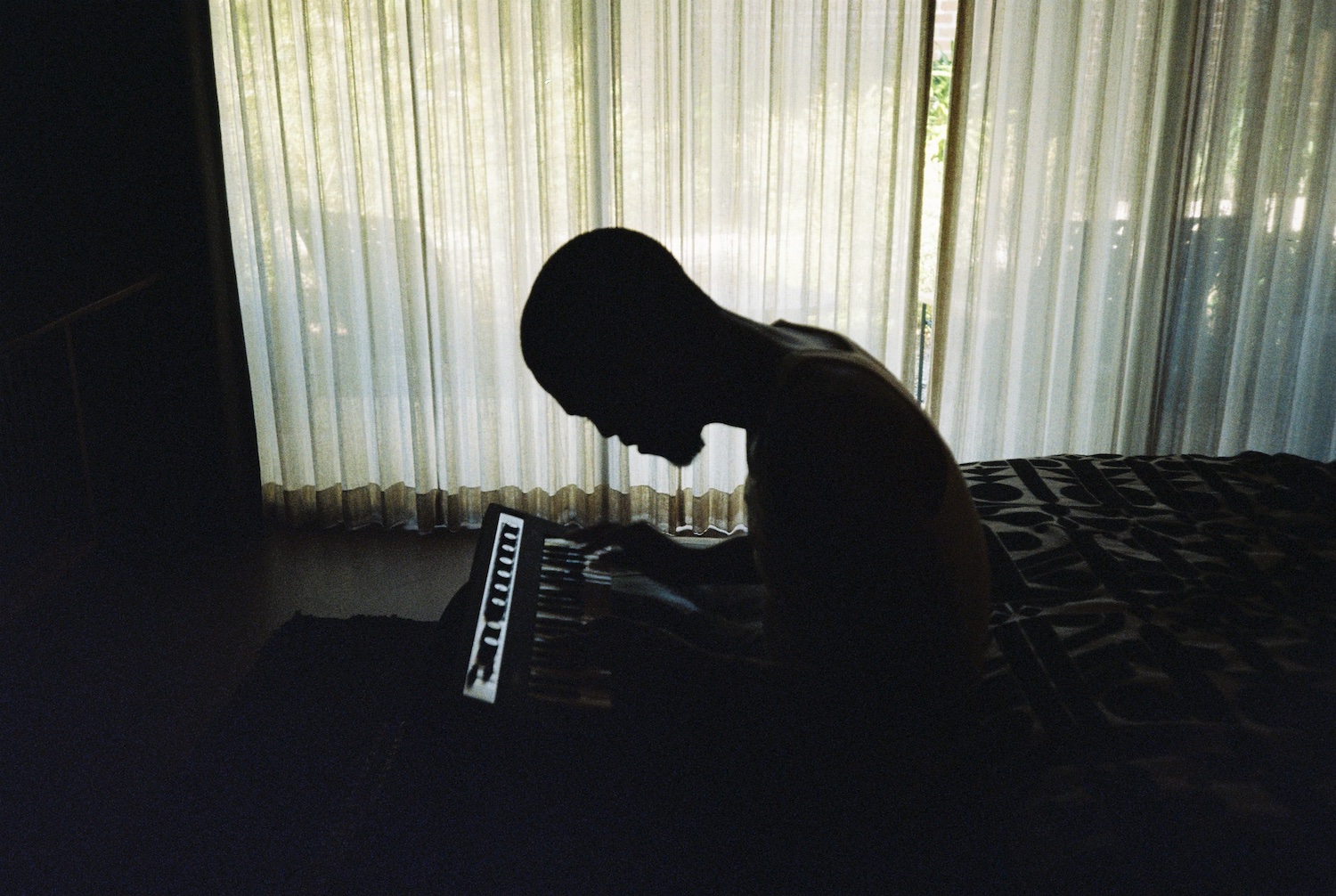
That language was assembled with the same wandering instinct that first brought the melody to him.
“An hour combing through poetry books, another hour walking the Seine as the sun set. Scrambling to a piano practice room the next morning and putting chords to the melody. Editing down, refining, coloring and romanticizing the lyrics. Then walking out of the practice room feeling that fluttery feeling, that feeling when you do something special, something you’d been longing to do but didn’t quite know how to do, and now you’re finally able to be proud of yourself.”
The romance matters because “Parisian Mama” is never interested in realism alone. Rose heightens everything: perfume carries another lifetime inside it; feet cross clouds; a woman can float down the Seine beyond the reach of ordinary time. His production follows suit. The lead guitar arrives warped around the edges, the rhythm section keeps its hips loose, and those smoldering keys give the song a nocturnal richness without crowding Rose’s vocal. Every instrument leaves space for the fantasy to breathe.
And beneath all that sensuality lies a larger purpose Rose keeps returning to throughout The Garden Vol. 1. For him, the pleasure of “Parisian Mama” is inseparable from what he wants his art to leave behind once the final note fades.
“I just want my music to be one big aqueduct. I want all of our fears, our rage, our deepest desires and fantasies and wildest dreams – I want them to pour through my music. And at the end of the song, end of the night, end of your journey with me, I really really want folks to feel peace. My music, at its best, is catharsis. Express yourself, let it ALL go, send it up and out of your body and down the river, so you can heal, so you can smile, and we all can come to know a bit more peace and a bit more joy.”
In the context of “Parisian Mama,” that river is quite literally the Seine. Rose lets his heroine drift through it surrounded by contradiction – exalted and consumed, earthly and untouchable – while the music keeps pouring forward in one long, sultry exhale.
The song’s contradictions also make it an ideal gateway into The Garden Vol. 1, a record Rose describes as a journey through “love and apocalypse.” Across its ten tracks, he looks toward lives pushed to the margins and a culture increasingly shaped by excess, alienation, and inequality, using his “charred soul music” as both witness and release. If “The Roof” announced that world with clenched fists raised toward the sky, “Parisian Mama” approaches it through pleasure – slipping inside before the larger tensions of the record reveal themselves.
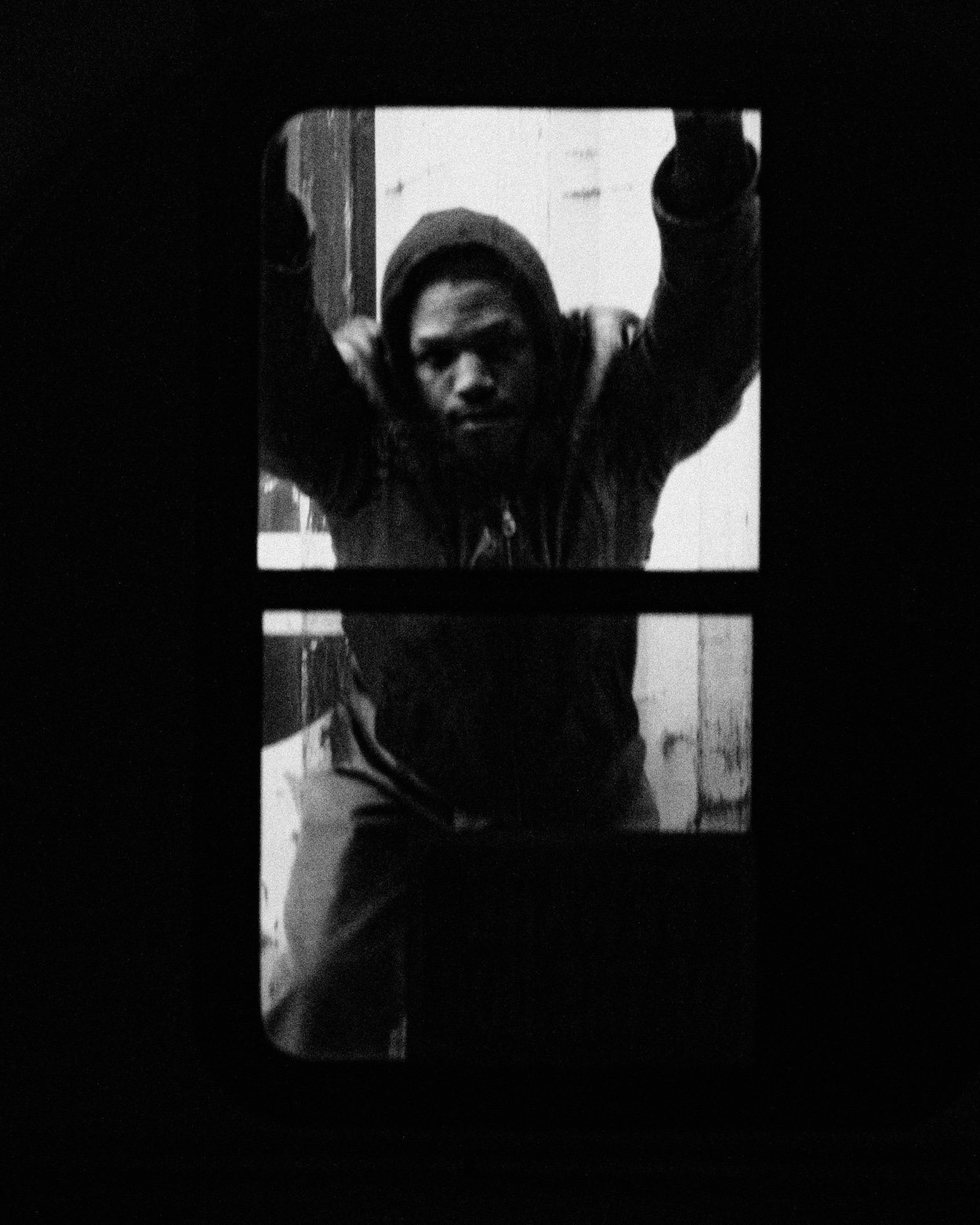
For Dali Rose, the sound itself carries a history.
“It’s the working class gospel,” he says. “It’s the sounds of marginalized people, the sounds of diaspora, the sounds of cotton fields, baptist churches, junkyards and dive bars: the sounds which colored my musical vocabulary, and its using that language as a protest. A multi-dimensional, chaotically-woven language of love, hate and culture… but a working folks’ protest nonetheless.”
This perspective lends The Garden Vol. 1 a much wider canvas than its opening track initially lets on. Rose has described the Garden as Earth itself: beautiful, damaged, overflowing with people searching for relief while forces larger than them keep tightening their grip. His songs move among addicts, sex workers, laborers, and people trying to heal, staring directly at the appetites and systems reshaping everyday life. Yet his music refuses to surrender pleasure in the process. The record’s protest lives as much in its vitality as its anger – in the insistence that people pushed to the edges still deserve color, desire, dignity, and joy.
“Parisian Mama” makes that philosophy immediately tangible. Rose could have opened his album with a manifesto; instead, he gives us a groove we want to live inside. Its musicianship is meticulous without ever sounding labored, each player serving the spell rather than fighting for attention. Tang’s guitar flashes and coils; Gedville and Kapilian give the song its physical sway; Rose’s keys deepen the shadows underneath. And then there is that voice – supple, commanding, and strikingly expressive, gliding across the arrangement with the ease of a singer who knows exactly how much force a phrase requires.
That restraint may be the song’s greatest flex. “Parisian Mama” never needs a towering climax to prove Rose can command one. It seduces through control: the space between notes, the grain in a vocal phrase, the way a guitar line bends briefly into focus before disappearing again. Even its hook is almost absurdly simple, Rose repeating the title until those two words begin to carry their own mythology. By the end, “Parisian Mama” has become less a name than an invocation.
There is serious craft beneath all that ease. Rose wrote, produced, and engineered The Garden Vol. 1, and “Parisian Mama” makes his ear for arrangement especially hard to ignore. He knows when to let the band breathe, when to blur an instrument into texture, and when his own performance should take the foreground. The result is music with personality in every corner – idiosyncratic enough to resist easy categorization, but immediate enough that none of that matters once the groove takes hold.
That is what makes “Parisian Mama” such an exciting introduction to this chapter of Dali Rose.
It offers musicianship without showboating, world-building without exposition, and a voice capable of making even Rose’s boldest images land with conviction. The song is playful, provocative, and beautifully warm, but above all it announces an artist with a point of view – one whose ambition reaches far beyond a single genre or mood.
The Garden Vol. 1 arrives September 30, but “Parisian Mama” opens its doors today. Stream Dali Rose’s smoldering, soul-stirring single exclusively on Atwood Magazine, and then step deeper into the garden below as Rose talks us through the music that shaped him, the politics and spirituality fueling his new record, the making of “Parisian Mama,” and why he still believes music can carry us somewhere closer to peace.
— —
:: stream/purchase Parisian Mama here ::
:: connect with Dali Rose here ::
— —
Stream: “Parisian Mama” – Dali Rose
A CONVERSATION WITH DALI ROSE
Atwood Magazine: Dali, hello and thank you for your time! For those who are just discovering you today, what do you want them to know about you and your music?
Dali Rose: I could try and fail to place my music in neat little boxes, to categorize and hopefully make it easier for folks to understand. I could try to do that in describing myself, but I’d fail at that as well.
I’m just a dude who loves to write songs. When I’m making music, I’ve come to realize that they’re often not my own creations, but the creation of higher powers. Their voice is pouring through my own, and their will is pouring through my hands. They’re blessing me with soundscapes to illuminate even the most colorful of dreams.
The songs are gifts, nothing more and nothing less. I’m far from the only vessel out there. But due to my particular upbringing: raised in Atlanta, raised in the church, raised around a particular subset of musicians, I’m more attuned to the frequency of certain types of gifts from above, dressed in a certain musical style that’s due to evolve as the journey matures and frequency changes.
Who are some of your musical north stars, and what are you most excited about the music you’re making now?
Dali Rose: North star is a strong term. I feel that any musician I’ve come to admire and respect – they’re mere vessels as well. My journey ebbs and flows, as did theirs, so along the way we interact with different types of art and develop a unique relationship with their work, some stronger than others. Like many others, I call them ‘phases.’ My strongest phases bring another phase down the line, and perhaps another and then another – their work was truly meant to impact multiple parts of my journey.
Those artists who keep showing up in my life: Jimi Hendrix, Prince, Ray Charles, Stevie Wonder, Nina Simone, Michael Kiwunaka, King Krule, Earl Sweatshirt, D’Angelo, Tyler the Creator, Jeff Buckley, Radiohead, Nick Drake, Nick Hakim, and my amazing father, Van Hunt.
As I grew into being a musician, my relationship with the higher powers, that ether, that special place where music comes from – it grew strained. Often, it grew strained trying to be like the people I just named – be the types of performers they are, with the type of catalogues they’ve built.
Over the last 18 months, a new perspective has revealed itself, one I’ve come to adopt. And funnily enough it’s a very similar perspective to the one I started creating music with. I’m remarrying it: the indescribable feeling of a tape-warbled drum break, the string section of ‘It’s a Man’s World’ … the melancholy of Nick Drake’s walk-down strumming pattern on ‘Parasite’…the spine-tingling resonance of one-man operatic band Jeff-Buckley channeling the Gods in an East Village cafe…it’s Nina Simone losing her voice belting across the horizon about setting her people free. I could go on and on – the haunting Ab minor Rhodes rattle in the intro of ‘Jesus Children of America’ …
It’s the feeling of making contact with the ether, siphoning just a drop from something HIGHER. That’s what I’m chasing these days. Every song I write, I’m closing my eyes and my heart rate draws ever slower. I’m waiting for that feeling to wash over me. You know it once it comes, that feeling of being in contact with something greater than you could ever fathom. If it comes, I start to float. No need to chase a hooky 3 seconds, or worry about who it’s going to sell to and why…just let that feeling pour through me.
It’s been a year and change since your debut EP heaven. What’s your relationship with that record and those songs today?
Dali Rose: I’ve grown immensely since. Yet I have tremendous respect for what I accomplished on that record. There’s moments on that record which bring me to tears, because of how powerful they remain. Those are the moments where I allowed myself to be a vessel. And those moments are pure, gut-wrenching and joyous. So I’m grateful for that part of my journey. It’s a dope, dope, dope ass record, and it deserves a listen.
Your new album is called The Garden Vol. 1. How do you feel this record introduces you and captures who you are today?
Dali Rose: I’m someone who has often felt powerless in my life. Powerless to the whims of people who were stronger than me, richer than me, whiter than me. So I became an activist, literally screaming into webcams as a 12-year old for universal healthcare, voting rights protections, fighting the climate crisis, an end to endless multi-trillion dollar Mid-East wars, an end to American-funded genocides. No matter how hard I screamed, I couldn’t get things to move. The rich got richer and the children kept starving. I figured music was my best route towards reclaiming my power. I can make someone smile, I can be somebody’s friend. I can show them the atrocities happening right before their eyes, and show that a better world is possible. This record serves as a mirror. The Garden is Earth. It’s strewn with addicts of all shapes, sizes and afflictions. What else is there to do when the lines are blurring between reality and fiction, when life itself takes place on a 6X2 screen? The Garden Vol. 1 is a journey of love and apocalypse: The first installment in a series of explorations. I can’t wait for folks to hear. And as I’m writing Volume 2, I’m even more excited for folks to explore with me.
You’ve described this new style as “charred soul music” – blends of rock, blues, funk, and soul, supercharged with class warfare. What does that phrase mean to you?
Dali Rose: It’s the working class gospel. It’s the sounds of marginalized people, the sounds of diaspora, the sounds of cotton fields, Baptist churches, junkyards and dive bars: the sounds which colored my musical vocabulary, and it’s using that language as a protest. A multi-dimensional, chaotically-woven language of love, hate and culture…but a working folks’ protest nonetheless.
You wrote, produced, and engineered this record yourself. How did that level of ownership impact the music itself – do you hear it in these songs?
Dali Rose: I absolutely hear it in the songs, because I hear every inch of the mix…the tape emulator on the title track, the warbled effect chain on Parisian Mama’s lead guitar, and because I’m my harshest critic, the engineering process was arduous. Yet such neurotic control was absolutely necessary. The sound design is uniquely my own: many subconscious decisions are now lost, thankless and undocumented, though they remain integral to the sonic character of all ten tracks. It’s a level of creative control I find necessary to achieve a fully-realized expression. I’m still learning to refine that process. How to love myself through it all, and more importantly, even in the deepest of engineering neurosis, how to maintain connection with the feeling that makes great music possible.
“The Roof” introduced The Garden Vol. 1 with this apocalyptic, politically charged vision – “big days a coming,” “empty suits,” “gunshots for Bethlehem,” “Daddy’s landing on the roof.” What’s the story behind that song, and why did it feel like the right first glimpse of this record?
Dali Rose: It was the last song I wrote during the writing process, and typical of my more emphatic records, it came out of visions for a more dynamic live performance. I felt a hole missing in my live performance. The NYC live music scene, often 3-4 gigs a month, serves as an irreplaceable gauntlet of trial and error for each record’s writing process. Which songs are connecting the most? Which songs need a rearrangement? Which songs are ready to record? ‘The Roof’ remains our most emphatic song. People love it live. ‘The Roof’ is how we close almost every set, because it’s my clearest statement. There’s no need for reinterpretation. It’s an anthem. It’s a statement of rage and wail of deep-rooted fear. It’s a plea for God to come save us from ourselves.
Such undiluted, carnal emotion…that even a small child could understand, is why I wanted to open the release process with the record. Such rage, such fear and confusion in such a confusing world is the whole point of The Garden, for Volume 1 and beyond.
Today we’re premiering “Parisian Mama,” which opens The Garden Vol. 1 with so much heat, color, and motion. Why did this feel like the right first track?
Dali Rose: It’s succinct. Children can sing along. It’s joyous. It’s like making love. You don’t go rummaging through like a dog. You start with a glass of wine. A smile, a laugh, an embrace and a kiss.
We begin with some brooding keys, smokey guitar riffs, shuffling drums, and then your soul-stirring voice melting over everything like butter. What was your vision for “Parisian Mama”?
Dali Rose: I think you just said it best. That’s exactly how I wanted it to sound. I wrote the song while I was literally walking through Paris. My partner and I were strolling along the Seine, at the peak of a gorgeous sunset. Just like any song worth a damn, the melody of the verse came and I just got that feeling. I couldn’t describe it. Literally. So we went to a bookshop and I found a couple words. A couple hints at the feeling. At the end of the evening I’d pieced the story together…a woman in a Parisian brothel floating down the Seine, in a pocket of spacetime easy to see and impossible to touch.
The song centers on a Parisian sex worker whose stories have been distorted and dismembered through other people’s mouths. What drew you to her as the song’s heroine?
Dali Rose: That’s just the feeling I received. God, maybe. I don’t know.
I love the lyric, “Coughed a lung of brothel dust / one more line of cumulus.” What was your writing process like for this song?
Dali Rose: An hour combing through poetry books, another hour walking the Seine as the sun set. Scrambling to a piano practice room the next morning and putting chords to the melody. Editing down, refining, coloring and romanticizing the lyrics. Then walking out of the practice room feeling that fluttery feeling, that feeling when you do something special, something you’d been longing to do but didn’t quite know how to do, and now you’re finally able to be proud of yourself.
The song feels radiant and soulful, spiritual and bodily, tender and wild all at once. How did you want the music to frame that world?
Dali Rose: I just want my music to be one big aqueduct. I want all of our fears, our rage, our deepest desires and fantasies and wildest dreams – I want them to pour through my music. And at the end of the song, end of the night, end of your journey with me, I really really want folks to feel peace. My music, at its best, is catharsis. Express yourself, let it ALL go, send it up and out of your body and down the river, so you can heal, so you can smile, and we all can come to know a bit more peace and a bit more joy.
You’ve said The Garden Vol. 1 moves through America’s underbelly – that it sings songs of addicts, the prostituted, the outsourced; the healing hearts. What are you holding a mirror to on this album?
Dali Rose: I’m holding a mirror to ourselves. Look at what we’re becoming. Look at what we were born into. I’m an addict. You’re an addict. We’re all addicts. We’re addicted to our screens, to attention, to sugary factory-made food pumped with toxins. We’re addicted to pornography, we’re addicted to hating ourselves and hating our loved one, we’re addicted to making gods out of complete strangers, and hating the others. This isn’t me on my high horse. I’m a complete and utter addict. I’m dealing with that. I’m just talking about it out in the open, so we can just have a few more honest conversations about these lives we’re subjecting ourselves to. I’m also beginning to point fingers. Look who is squeezing the purpose, the color and culture from our lives, and replacing it with addiction. It’s the billionaires, the captains of industry placing their pig hands on the scales and torturing working people across the globe. I’m taking folks down that road. What happens when we allow these circumstances to continue? What type of world will we live in? Who will be the heroes and who will be the villains? Colorful or colorless? Full of love or full of rage? Is that the world you want to leave your children?
What do you hope listeners take away from “Parisian Mama” and The Garden Vol. 1, and what have you taken away from creating this music and now putting it out?
Dali Rose: I want folks to heal. Let it all go, everything you’re feeling. All the reasons this confusing world has given us to be afraid, to be angry and be completely and utterly lost. Let it all go. Send it down the river, and know a little more peace. That’s what creating music has done for me, and as I’ve come to know – that’s what music can do for others. It’s a gift from above, a way through suffering, for the makers of music and the listeners. It’s beyond beautiful.
In the spirit of paying it forward, who are you listening to these days that you’d recommend to our readers?
Dali Rose: So many amazing artists. A lot of Stevie Wonder (again). A lot of Jeff Buckley. A lot of JJ Cale and Mac Demarco and King Krule (again). Diving back into one of my first loves: off-kilter, in-the-box production like with Earl Sweatshirt and Nick Hakim. I feel really really inspired right now. This next record, I can’t wait to try everything under the sun, and just have so much fun.
A lot of amazing underground artists are coming up. Ruby Alexander, Luisa Wilson. Willow Vass, Trevor Nightly. Sumaya Nazar. My dad is somehow still underground, so Van Hunt. Liim, this rapper based in Harlem, is beyond dope and I’d love to work (wink wink wink).
Anyways, we’re entering a dope time for music. Folks can be themselves, and it’s magic!
— —
:: stream/purchase Parisian Mama here ::
:: connect with Dali Rose here ::
— —
Stream: “Parisian Mama” – Dali Rose
— — — —
Connect to Dali Rose on
TikTok, Instagram
Discover new music on Atwood Magazine
© courtesy of the artist
 © courtesy of the artist
:: Stream Dali Rose ::