Throughout the year, Atwood Magazine invites members of the music industry to participate in a series of essays reflecting on art, identity, culture, inclusion, and more.
•• •• •• ••
Today, English professor and novelist Will Schwartz reflects on returning to music as The Male Pattern with ‘I Was Shot in the Heart!,’ a satirical narrative-driven concept album that finds freedom in ugly, weird fiction, comic self-mythology, and making art for its own sake.
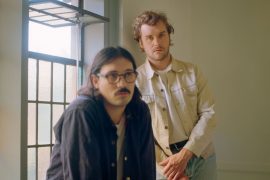
Will Schwartz is an English professor and novelist from Queens, New York. He began making music in the early 2010s as part of cult indie Americana group Uncles, where he wrote and performed alongside Daniel Bateman and Tom White, the future founders of Frog. The group released two albums, both worth hearing.
He recorded just one solo work, ‘New Haircut,’ an aching and minimal folk EP, which meant a lot to a few. Although only in his mid-20s at the time, Schwartz began feeling an increasing anxiety around his music and his age, as though time, dignity, and grace were running out.
Schwartz moved away from music and focused on writing fiction. He learned to teach and started a family. As a writer, he was able to find some of the validation he perhaps lacked as a musician through a short fiction award and publication.
The stuffy world of academia didn’t feel right for everything Schwartz wanted to share, though. He kept thinking of jokes he couldn’t tell and moving moments for characters his writing group peers wouldn’t appreciate.’
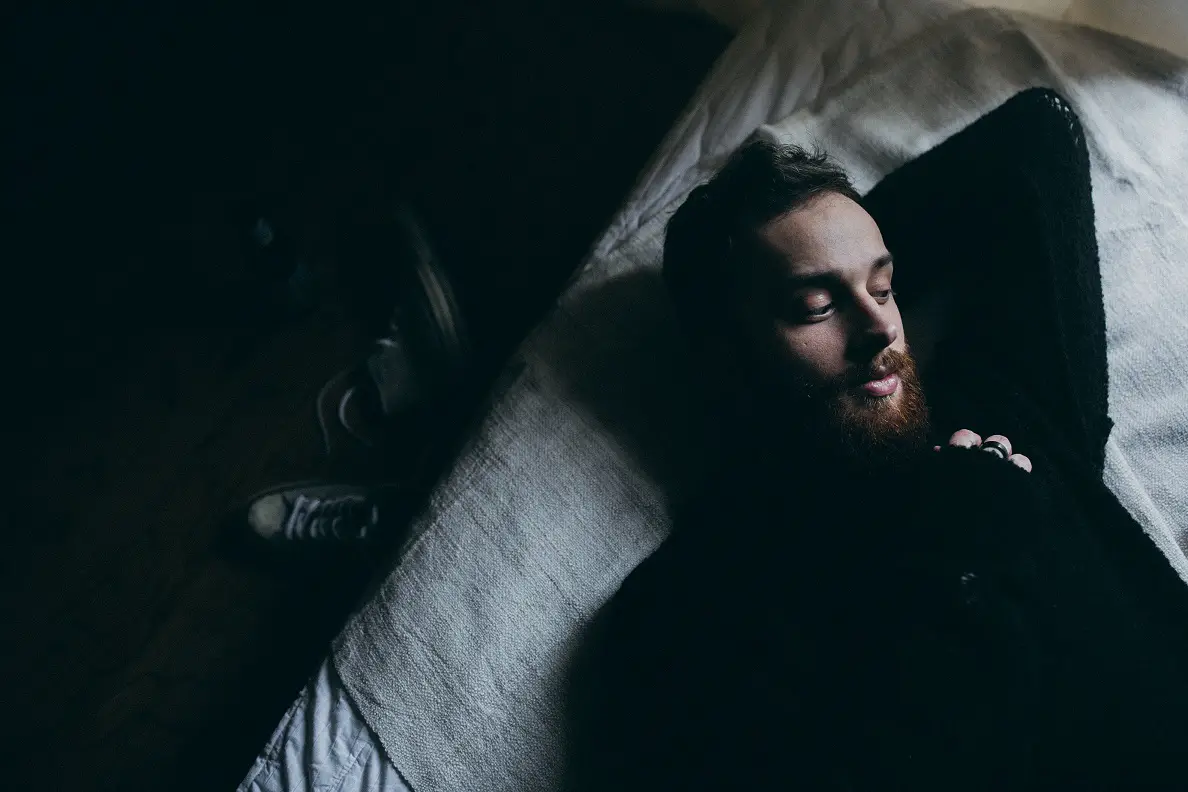
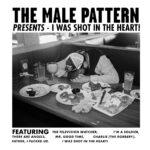
Slowly but surely, songs began to come, and in collaboration with photographer Andrew Piccone, a theme was developed – one that became ‘I Was Shot in the Heart!’ his debut solo album and first under the name The Male Pattern.
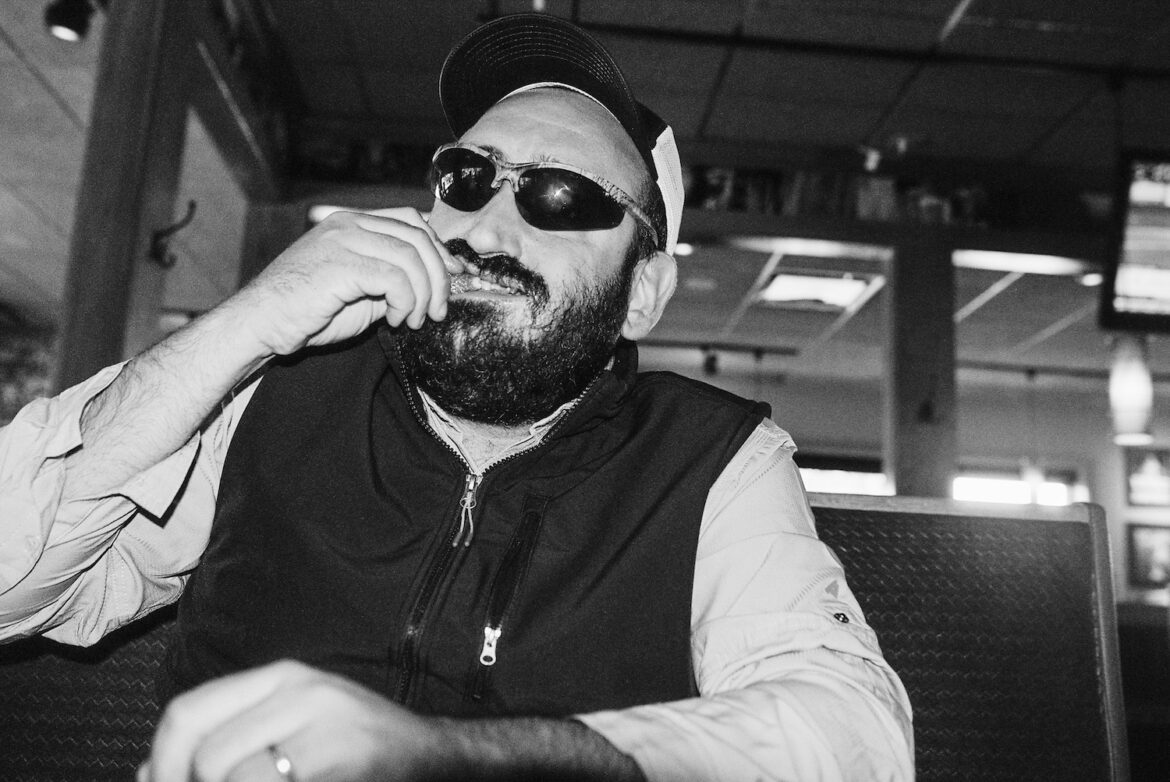
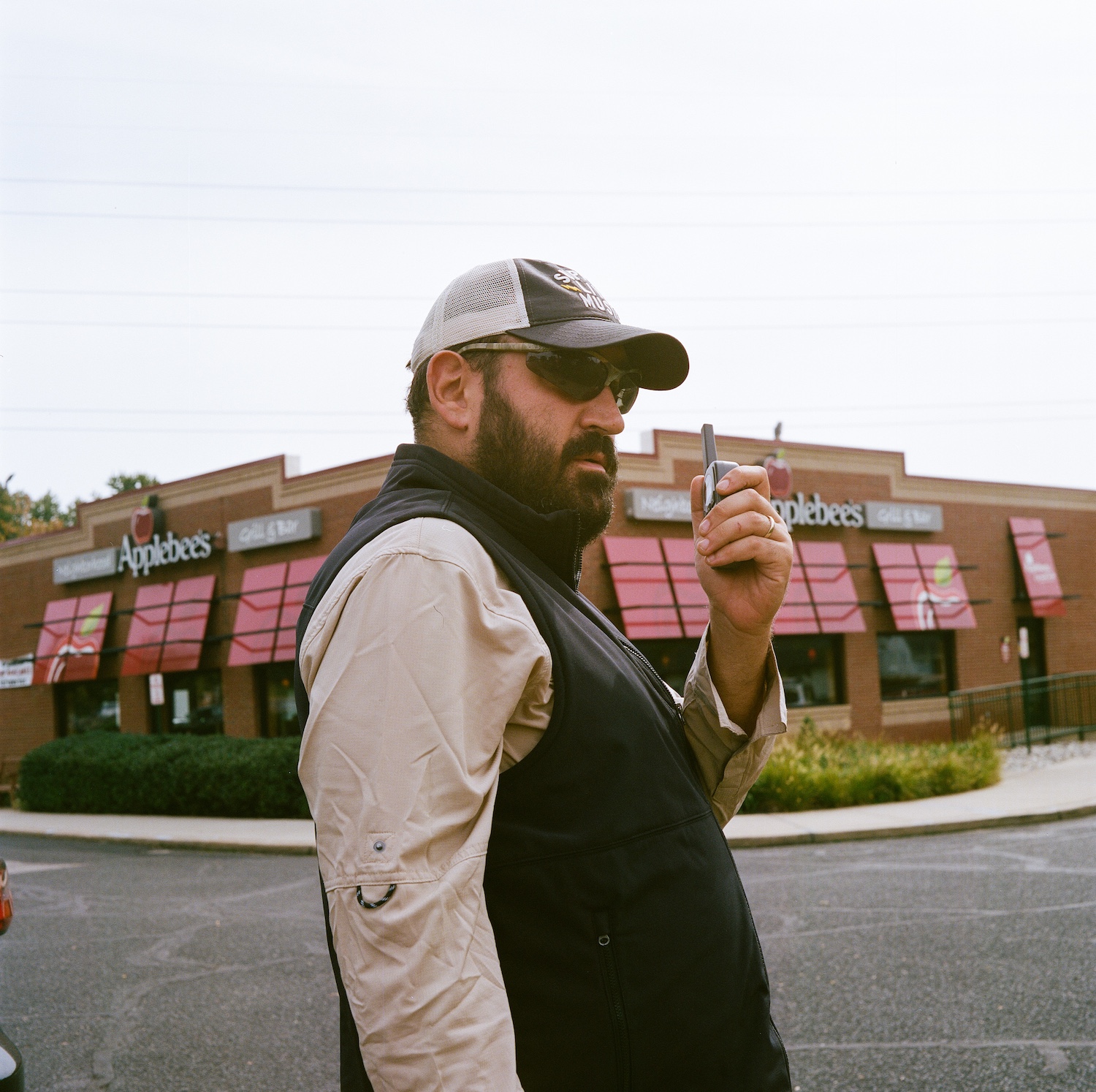
The record is a satirical, narrative fiction Americana concept album, collecting seven songs and two hip-hop-style (taking Americana to its logical conclusion) skits. It tells the story of an unnamed divorcee’s descent from sad sack braggart to desperate pro bono security guard glutton to heist bungling cop killer.
There’s a little Springsteen, a little Newman, some Zevon, and some Ween, all formed into a linear narrative that touches on ambitious works by Terry Allen, Darren Hayman, and Alex Cameron. It’s funny and it’s mean, but it’s real, and it’s human. When it feels like the joke might be going too far, Schwartz can bring you back with a haunting truth. It’s simultaneously a triumphant return and a fascinating debut.
Schwartz shared his experience of returning to music and making this album with Atwood Magazine in this guest essay.
•• ••
UGLY AND WEIRD
The Making of The Male Pattern’s ‘I Was Shot in the Heart!’
by Will Schwartz, The Male Pattern
I grew up writing songs, and made records through my 20s.
I would tour with my band or solo to (almost always) empty rooms up and down the East Coast. I loved to do it, and I hated working, and music became something for me that was bigger than just making tunes and performing them. I wanted my music to go somewhere and to make me money and I became kind of tormented by the prospect of getting older and trudging on doing the same thing I’d been doing since I was a teenager – gigging and recording to no real audience. I used to see these old dudes at gigs, bald, paunchy, sometimes pretty geriatric, still trucking, like they never stopped since the ‘70s. Some of them would tell stories about Gerdie’s Folk City or the last days of the Gaslight, and I loved that when I was a kid, but as I got a little older, these stories began to depress me. I saw myself in them. I didn’t like what I saw.
I switched lanes. I started working on fiction more seriously, published a bit, went to grad school, learned how to teach, and stopped writing songs entirely. I found a job I love, teaching college English, that affords me time to work on my art. I got married and started a family. I lost what was left of my hair. And there was one morning where I was rocking my infant daughter in one of those BabyBjorn floor rockers and playing guitar for her, and I remembered this idea I had for a song. For a while, I had been thinking about how it’d be cool to write a song or a story about someone who is addicted to watching television (this is about as autobiographical as my record gets) and rather than tell the story of his life, loss, desires, deficits, etc, through his actions, I’d tell it through the things he watched on TV and how they made him feel. I think I tried it as a story – it didn’t work. It came off melancholy. I wanted it to be fun and funny.
I think I just started singing a verse about an episode of Law and Order – I was cracking myself up writing the basics of the plot – a Mexican cartel takes over a New York City High School and Benson and Stabler infiltrate and kill the crooks, and then deal with their own guilt and regret. I finished the whole song in one sitting, and I loved how it came out. I sent it to my buddy Bateman and my friend Andrew Piccone, both of whom collaborated with me on the record, and the whole thing felt so fun to me, so natural and pleasurable in a way that writing prose rarely approached (It’s pleasurable in a different, much slower-burning way).
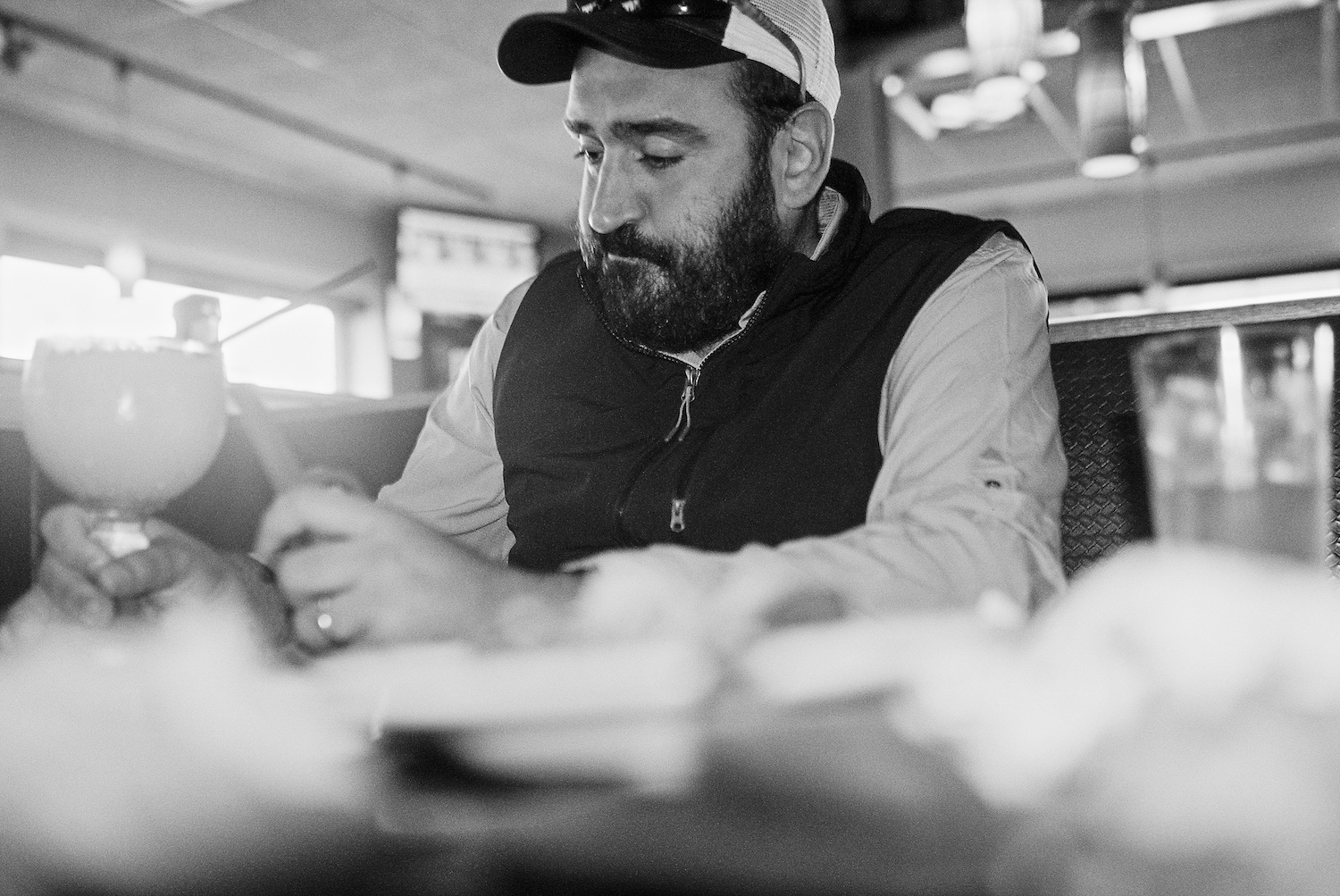
The song became the opener to my album, “The Television Watcher.” I was excited. This was a form of art I could commit to while my kid was napping. It was airy and enjoyable. I used to labor over my songs – taking months and months to tweak single lines. I felt kind of liberated. I thought, wouldn’t it be funny to write about a right-wing asshole who feels that he’s for all intents and purposes a veteran because of the time he spends online arguing with liberals. One or three sessions later, I had “I’m a Soldier.”
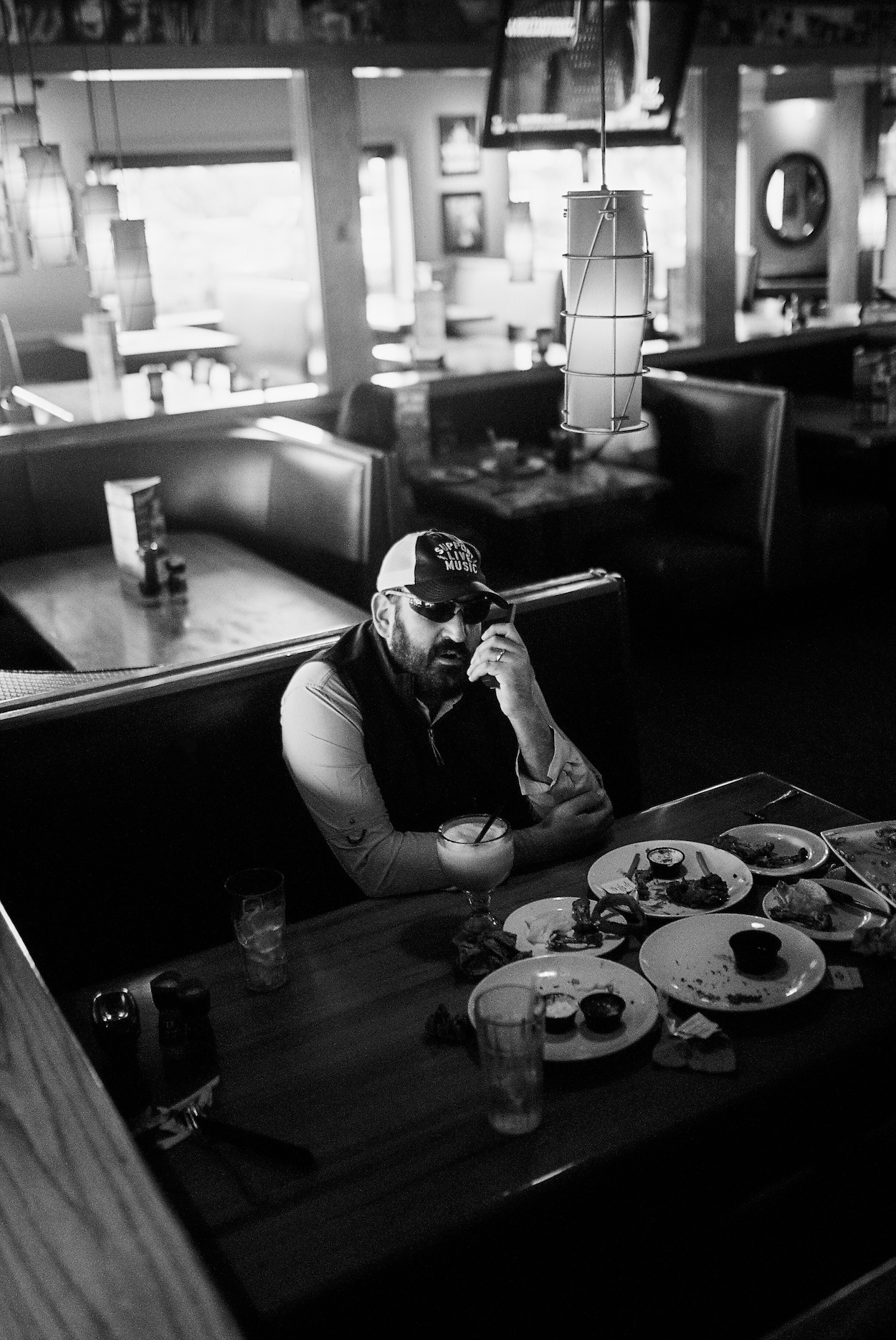
After this, I had my character. I wanted to follow his story. He robbed and killed a drug dealer. I went back and wrote about his firing and pill addiction in “Mr. Good Time.” I explored his divorce and loneliness in “There are Angels.” Eventually, I killed him off in “I Was Shot in the Heart.” He was my kind of character. A glutton, convinced of his own persecution, someone whose awesome style of self-mythologization clashed with the brutal details of his day-to-day life. I was making fun of him, but I also related to him. He pursued meaning to the point of complete self-destruction. There were laughs there, and there was real beauty, to me.
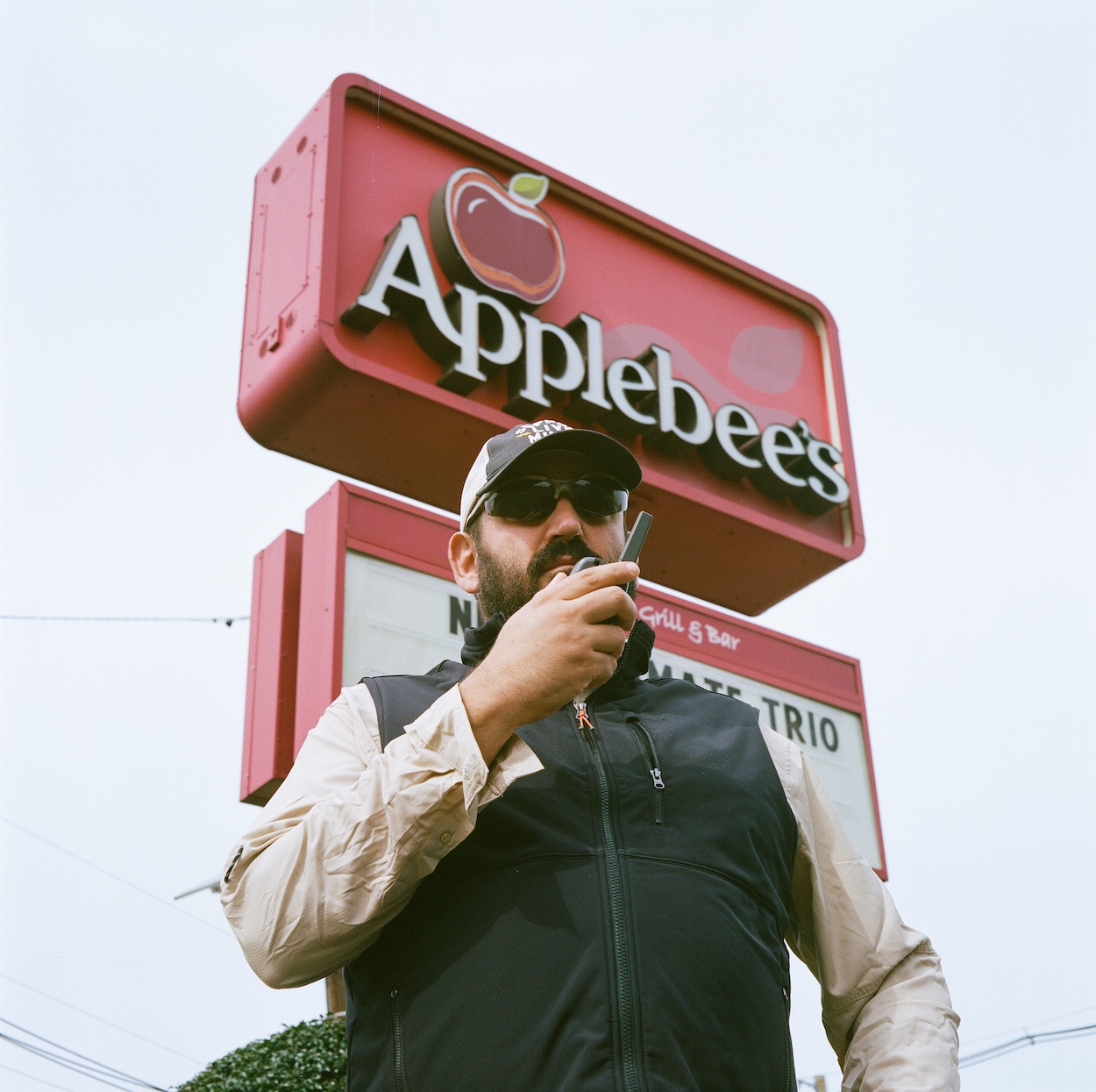
After that, I recorded the album – partly in a professional home studio, partly at Danny Bateman’s house, partly at home. There’s not much of interest here – I was dedicated to making the songs and the story emerge as sharply as possible – to put the lyrics on center stage. I started playing shows again. It struck me as insane that music could have ever been anything other than joyous, pleasurable, fun and funny and exciting.
I made music because I wanted to do it, because it was fun – the best reasons there are to make art, as far as I can figure. Those old dudes – paunchy, bald, geriatric, still gigging – weren’t objects of sympathy. They were the coolest guys ever – committed to making art and playing for its own sake, still doing it because you don’t need a reason beyond making things beyond just wanting to make them. Those dudes are my heroes. If I play my cards right, they’re me. – Will Schwartz, The Male Pattern
•• ••
:: connect with The Male Pattern here ::
•• ••
•• •• •• ••
Connect to The Male Pattern on Instagram
Discover new music on Atwood Magazine
📸 © Andrew Piccone
Stream The Male Pattern