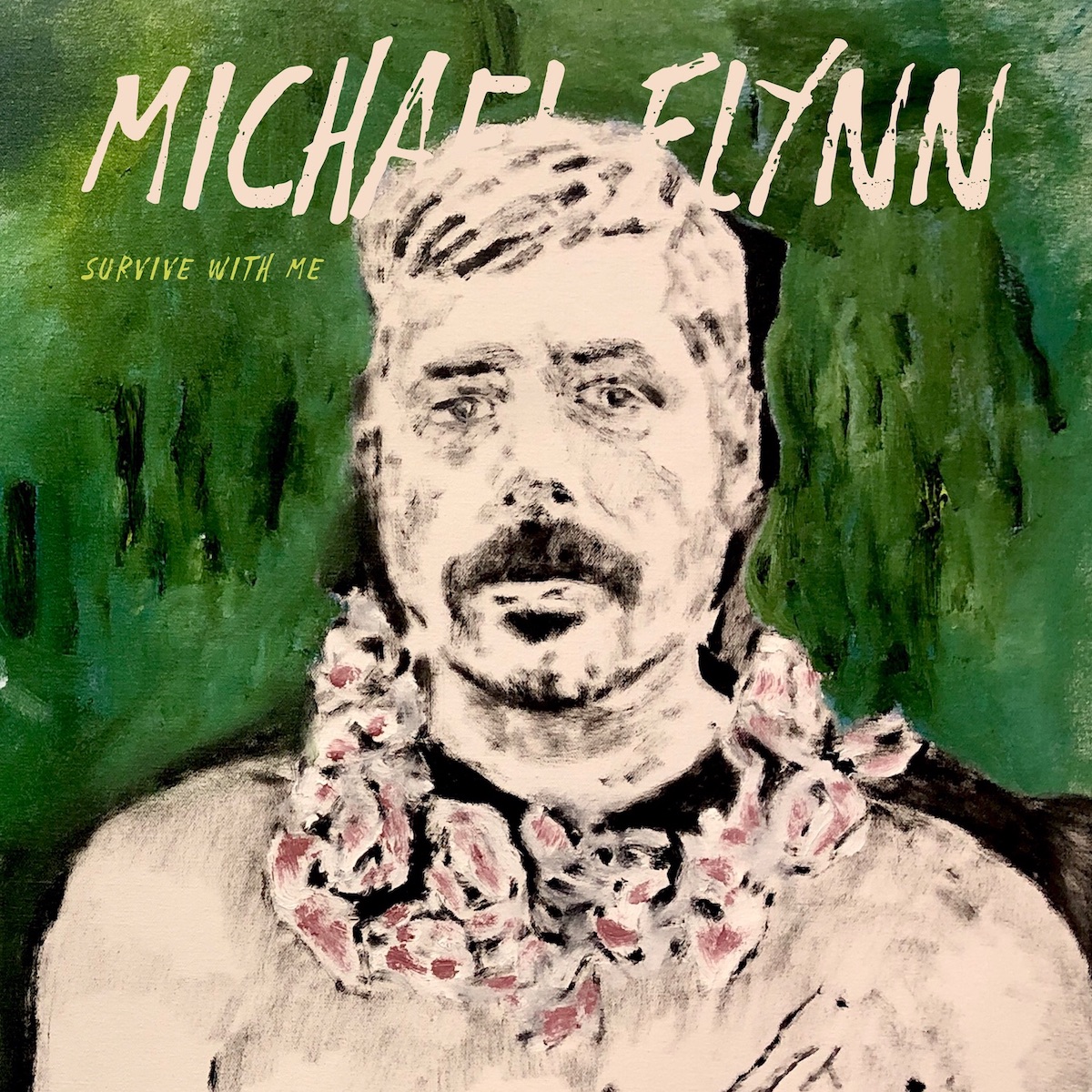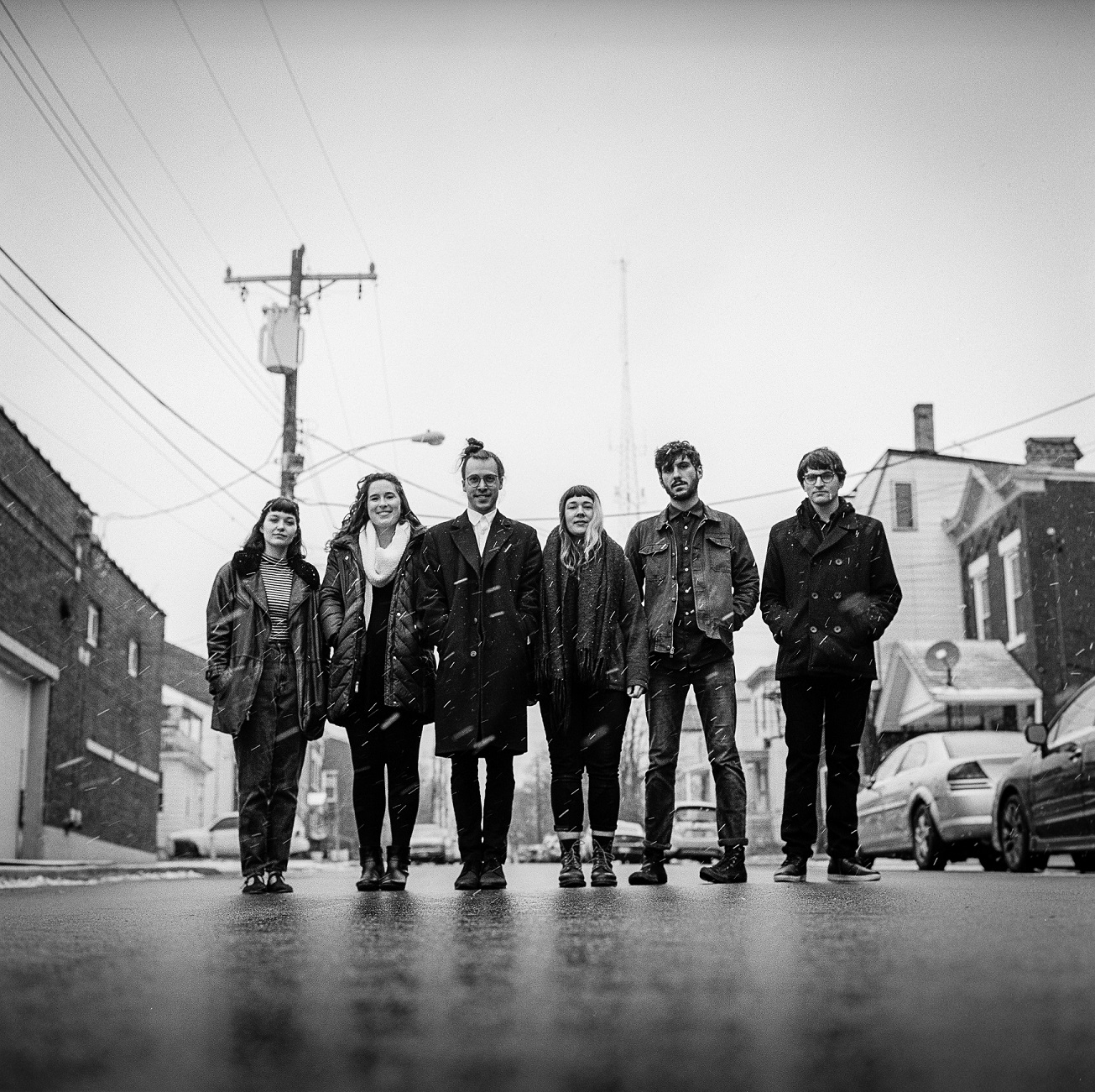
Paris-born, New York-based artist Laz Lo traces the ache of departure and the elastic meaning of home across ‘Homestretch,’ a breathtakingly intimate and transportive three-song EP where alternative R&B, soul, and experimental hip-hop carry him from goodbye to self-discovery and, ultimately, back toward connection. In conversation with Atwood Magazine, Lo opens up about the experiences that reshaped his sense of belonging, the immigrant histories and friendships he carries with him, and the conviction that home can stretch, change shape, and survive the distance between who we were and who we’re becoming. Emotionally raw, sonically fluid, and disarmingly sincere, Laz Lo makes music for anyone who has ever moved forward with one hand still reaching back.
Stream: “Homestretch” – Laz Lo
The cruel thing about leaving is how beautiful everything gets right before you go.
The streets look warmer, the people you love suddenly become impossible to take for granted, and even an ordinary goodbye can carry the weight of a last one. Departure does that – it pulls the future closer while making everything behind you glow. You can be ready for what comes next and still ache at the thought of everything you’re about to leave behind.
She said let’s go out this week
Told her I prefer mes amis
I hope I’m not being mean
I hope that you’ll leave me alone
‘Cause I don’t really wanna dwell
You know I’m leaving for a long time
And my heart’s starting to tell me
Because I’ve been
saying these goodbyes
Goodbye
Laz Lo lives inside that suspended moment on “Homestretch,” a smoldering piece of alternative R&B that seems to heat by degrees until it finally spills over. A deep, glistening bass line moves beneath a heavy pulse, while atmospheric production gathers around his gentle vocal like rising steam. Lo sings with remarkable delicacy – intimate, tender, almost weightless at first – but the song keeps swelling around him, drums pressing forward and textures thickening until restraint gives way to something far more visceral. By the chorus, “Homestretch” has become an emotional heatwave: Lush, aching, and utterly intoxicating, the kind of melody that demands to be sung even as its words are trying to hold a goodbye together.

He starts from a far more guarded place, trying to keep the weight of the goodbye at arm’s length. The opening verse hides all that emotion inside casual gestures – declining plans, preferring mes amis, hoping to be left alone – while a glistening bass line hums beneath his delicate vocal and the beat holds to a low, insistent pulse. But the music won’t let him stay contained for long: The atmosphere thickens, the drums gather momentum, and Lo’s tenderness begins to burn hotter as the reality of leaving catches up with him. By the pre-chorus, that composure is already starting to crack:
I’ve done my suitcase, wow
I got to go, yeah,
but I’ll run back like Usain Bolt
If you need me by your side
I’m in mood mellow
Yeah, that’s that homestretch looming
I think that you should know
How much I love you so
And damn, that chorus. Lo doesn’t simply arrive at it; he opens the floor beneath the song. The melody blooms outward, his voice lifting from close-mic tenderness into a soaring release, while the rhythm section keeps a steady current underneath. It is breathtakingly controlled and wildly affecting – private enough to sound like a promise meant for one person, expansive enough to make you want to sing it with a roomful of strangers. Few slow-burning R&B songs this understated manage to hit this hard:
We share the same things
Relation maintained
We came a long way
Immigrant songs played
We don’t let go now
This is a goodbye, goodbye
Call you the whole time
And I’ll Snapchat the whole trip

Originally from Paris and now based in New York, Laz Lo (aka Laszlo Feher) makes music at the intersection of alternative R&B, soul, and experimental hip-hop –
– writing through relationships, politics, community, belonging, and the shifting meanings those ideas acquire as life changes around us.
“Homestretch” was quite literally born in his own final stretch before moving to New York – a new musical chapter approaching as he looked back at the people and place he was preparing to leave behind. What began as a song about one departure eventually widened into the organizing idea behind his three-song EP Homestretch: Home as something elastic, capable of moving, expanding, and changing shape without disappearing.
“‘Homestretch’ is the first song on the EP because I literally wrote it during the last stretch before moving to New York and start a new chapter in my musical life,” Lo tells Atwood Magazine. “At the same time, I was looking back at everything I was leaving behind in Paris. The title started to take on another meaning for me too: the idea that home isn’t necessarily a fixed place. I’ve never felt entirely clear-cut about where I’m from, and I don’t really think identity has to be fixed either. It can stretch, change shape, and take on new meanings as you move through life.”
That changing definition of home comes beautifully into focus in the song’s deceptively simple bridge:
Breathe in a new city life
New things to seek out there
New ways to breathe out
New things to seek out there
The section is only four lines, but it shifts the song’s gaze. After spending so much of “Homestretch” looking backward, Lo finally lets the new city enter the frame as breath itself – not a replacement for Paris, but room to inhale differently. That repeated new carries its own little rush of possibility: New surroundings, new discoveries, new air in the lungs, all without surrendering the life that came before.

That tension – wanting to move forward while refusing to sever what came before – gives “Homestretch” its ache.
Lo never treats leaving as a clean break. His promise to “run back like Usain Bolt” if somebody needs him is playful enough to make you smile, yet the tenderness underneath is unmistakable. Distance may alter the logistics of love, but it does not erase responsibility, memory, or attachment. “I think there’s a particular beauty in departure – especially in that feeling of wanting to leave while desperately not wanting to let go,” he explains. “The song came from wanting to express, wholeheartedly, that I’ll still be there for the people I love whenever they need me, even when distance makes that complicated or seemingly impossible.”
We share the same things
Relation maintained
We came a long way
Immigrant songs played
We don’t let go now
This is a goodbye, goodbye
That phrase – “immigrant songs played” – opens the song beyond one person’s move. Lo grew up in Paris surrounded by close friends who were children of immigrants, where conversations about family histories, cultural backgrounds, and inheritance were woven into everyday life. His own political awareness around immigration began young through his father’s activism and criticism of Nicolas Sarkozy’s immigration policies. Those histories sit softly inside “Homestretch,” making its idea of home richer and less fixed: Home can be where you were born, where your parents came from, where your friends gathered, or the values and stories you keep carrying when geography changes.
Paris is already inside the song’s language before Lo ever begins defining home: “Told her I prefer mes amis” slips naturally into the opening verse, while the chorus places “immigrant songs played” only a few breaths away from “I’ll Snapchat the whole trip.” That collision of inheritance and everyday modern life is quietly wonderful. Lo doesn’t make belonging into an abstraction; it lives in language, music, friendship, phone screens, and all the little ways we keep one another close across distance.
“A lot of the music I was listening to around that time was connected to artists exploring their parents’ journeys as immigrants,” Lo says. “But more directly, most of my close friends growing up in Paris are children of immigrants, so conversations around immigration, cultural backgrounds and what we inherit from our families were always part of our lives. We explore those stories together.”

The rest of Homestretch follows that movement outward.
“Ooh Oui” is the hinge. Lo calls it the EP’s “groovy song,” and after the opener spends so much time suspended between leaving and holding on, its successor starts moving with purpose. “Salut coucou / From my cocoon / Soon leave / When I break free / Rocking new wings,” he sings, turning departure into metamorphosis without pretending he already knows exactly what comes next. The verses revel in that uncertainty – wild days, indecisive mistakes, FaceTimes with friends, the exhilaration and unease of testing out a life that belongs more fully to you. Even the song’s defiance keeps circling back to connection: “They’ve been hunting down doves / So you can’t fumble… / But love scares them too.” Growing into your own, in Lo’s world, means learning how to move freely without surrendering the people or convictions that helped shape you.
“Some Love” carries that idea beyond the self. Its repeated call – “Let’s get up and stand up when we can / ’cause we all really need some love” – nods toward Bob Marley’s “Get Up, Stand Up,” but Lo builds his own philosophy around it: Resistance through love. Friendship, the mosque, inequality, responsibility, speaking up, and the pressure to conform all collide inside a song that keeps insisting care has to become action. Then, amid all that outward attention, Lo lets his guard drop: “Now you know how I need you / All of my emotions are see-through.” The personal and political belong to the same ecosystem here. Love means showing up for your people, staying awake to what threatens them, and allowing yourself to need them in return.
Across three songs, the EP moves from departure into becoming and finally toward the connections that make either one meaningful. “There’s leaving home and the people you love, longing for home and those people, and then there’s the desire to escape something that no longer feels like home,” Lo explains. “And underneath all of that is connection. That’s probably the thing that matters most to me in these songs.”

Mesmerizing, transportive, and profoundly sincere, “Homestretch” is the song that makes that connection physically palpable.
Lo wanted this EP to be rawer, more vulnerable, and more emotionally exposed, and you can hear that intention in every rise of his voice and every swell beneath it. The song begins almost close enough to whisper and gradually becomes too full to contain itself, its chorus glowing hotter with every return. Leaving may be inevitable, but letting go is another matter entirely. In Laz Lo’s hands, the homestretch is not the end of home at all – it is the point where you finally understand how much of it you are taking with you.
And maybe that is the quiet revelation running through all three songs: Home survives movement because it was never only an address. It lives in the friends you FaceTime from somewhere new, the histories and values you inherit, the communities you choose, and the people for whom you would still run back at Usain Bolt speed. Homestretch captures Lo in motion – geographically, artistically, and personally – while discovering that becoming somebody new does not require leaving everybody else behind.
Atwood Magazine recently caught up with Laz Lo to trace that movement from Paris to New York and into the rawer, more emotionally open sound he is building along the way – a conversation about the people we carry, the places that reshape us, and an idea of home elastic enough to keep growing with us. Read on below, and get to know an artist whose emotional precision, restless musical curiosity, and instinct for connection make Laz Lo a voice worth following wherever he goes next.
— —
:: stream/purchase Homestretch here ::
:: connect with Laz Lo here ::
— —
Stream: ‘Homestretch’ – Laz Lo
A CONVERSATION WITH LAZ LO

For those who are just discovering you today, what do you want them to know about you and your music?
Laz Lo: I’m Laz Lo, an artist originally from Paris and now based in New York. I make music somewhere between alternative R&B, soul, and experimental hip-hop. A lot of my writing touches on relationships, community, politics, belonging, and the different meanings those things can take as you move through life.
Can you recommend a couple deeper cuts or personal highlights from the Laz Lo catalog?
Laz Lo: Outside of the EP, I’d point people toward “Loudest in the Room” and “Earth Dies.”
“Loudest in the Room” was written for a short film I made with the Tala Gallery and my friends Camille Bacon, Youssef Boucetta and Josh Brainin. The film follows an artist in a gallery who becomes overwhelmed by the critiques surrounding their performance. They gave me a sketch of the sound they were looking for, referencing “Talk Down” by Dijon, and working within that brief really opened up the sonic direction I ended up exploring on Homestretch. I loved making music for a visual project and working as part of a collective, and it was also my first time scoring a film.
“Earth Dies” is much more stripped back emotionally. I wrote it all in one night and it became the closing song on my previous EP, Water+Juice. It means a lot to me because a close friend who was going through a difficult breakup heard it and actually cried – and he’s not someone who I’ve ever seen cry really. Very powerful moment.
Who are some of your musical north stars, and what are you most excited about the music you're making today?
Laz Lo: Some of my musical north stars are really about trusting the music itself: staying true to the instrumental, letting it flow and bring the subject matter and lyrics with it, and following that feeling when everything starts to click. I feel like I know myself better when I’m writing now, and I’m more comfortable swimming through a wider sea of subject matter – friendship, politics, community, love and all its meanings. Sonically, I’ve found a path somewhere between alternative R&B, experimental sounds, and the rawness of artists like Mk.gee and Dijon that feels right for where I am as an artist today.
What does the title ‘Homestretch’ mean to you?
Laz Lo: “Homestretch” is the first song on the EP because I literally wrote it during the last stretch before moving to New York and start a new chapter in my musical life. At the same time, I was looking back at everything I was leaving behind in Paris. The title started to take on another meaning for me too: the idea that home isn’t necessarily a fixed place. I’ve never felt entirely clear-cut about where I’m from, and I don’t really think identity has to be fixed either. It can stretch, change shape, and take on new meanings as you move through life. That idea became part of the journey of the whole EP.
In a way, the EP follows that movement: leaving home, getting out of the cocoon, and eventually rediscovering the values and connections I carried with me.
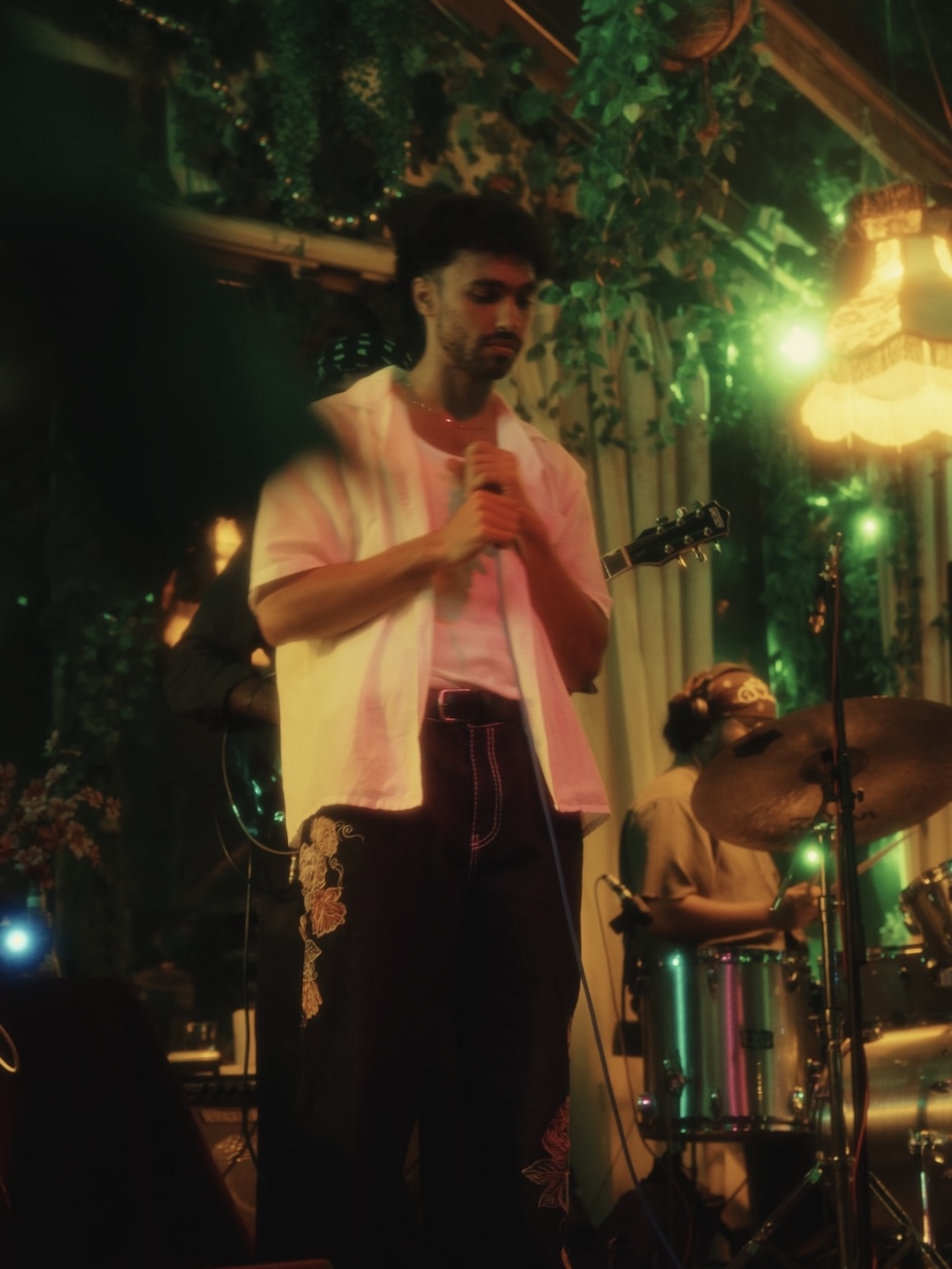
What’s the story behind “Homestretch”?
Laz Lo: I think there’s a particular beauty in departure – especially in that feeling of wanting to leave while desperately not wanting to let go. The song came from wanting to express, wholeheartedly, that I’ll still be there for the people I love whenever they need me, even when distance makes that complicated or seemingly impossible. There’s something beautiful and melancholic about that kind of promise, and I think music is a good place to explore it.
How does your own sense of home, family, and identity live inside “immigrant songs played”?
Laz Lo: A lot of the music I was listening to around that time was connected to artists exploring their parents’ journeys as immigrants. But more directly, most of my close friends growing up in Paris are children of immigrants, so conversations around immigration, cultural backgrounds and what we inherit from our families were always part of our lives. We explore those stories together. My own introduction to the politics of immigration came pretty young too, through my dad’s activism and criticism of Sarkozy’s immigration policies, and those questions have stayed with me.
What was your mindset writing “Ooh Oui,” and how does it connect to departure and becoming?
Laz Lo: “Ooh Oui” is the groovy song of the EP, and it’s where I’m moving out of my cocoon – or at least exploring what it means to do that. It’s a transitional song, but I think it’s pivotal because it’s really about becoming your own person. The cocoon is something I’ve been interested in for a while; To Pimp a Butterfly, one of my favorite and most influential albums, explores that idea too. So “Ooh Oui” sits somewhere between departure and finding a sense of belonging as you grow into your own.
Why close the EP with “Some Love”?
Laz Lo: The title and idea are partly a reference to Bob Marley’s “Get Up, Stand Up,” but it’s my own interpretation of that idea. I believe in resistance through love – and love can mean community, showing up for people, staying informed and aware, being vocal, and, when possible, actually doing something about what you care about. After moving to New York and forming new connections, I found myself rediscovering that idea of resistance through love in a different community and in new forms of love. That’s why it felt like the right place to end the EP.
Across the three songs, how do you feel they speak to each other?
Laz Lo: There’s leaving home and the people you love, longing for home and those people, and then there’s the desire to escape something that no longer feels like home – even if that’s where you ended up after leaving your original home. And underneath all of that is connection. That’s probably the thing that matters most to me in these songs. Our connections are what makes us human for me, and the way these ideas overlap is really what holds the EP together.

What do you hope listeners take away from Homestretch, and what have you taken away?
Laz Lo: Musically, I think Homestretch marks a new direction for me. I wanted to be more raw, let more emotion into my voice, and be as vulnerable as possible, while exploring a sound somewhere between experimental pop, alternative R&B and hip-hop. I’m also interested in finding my own interpretation of love and advocating for it (without making it feel like a manifesto of course)
I hope people can travel through these three songs almost like they’re listening to a very short, cohesive album, and feel the different moods as parts of the same experience. For me, making the EP has made me feel closer to understanding and building my own sound.
Who are you listening to these days?
Laz Lo: I’ve recently gone back to Tierra Whack and really love her approach to music and how playful she can be with it. Outside of that, I’ve been listening to Odeal, Isaiah Rashad, Q and Jordan Ward. There’s a lot of variety in there, but I like artists who aren’t afraid to let their personality shape the music.
On the francophone side, Luidji Josman and Tiakola come up a lot! Check them out!
— —
:: stream/purchase Homestretch here ::
:: connect with Laz Lo here ::
— —
— — — —
Connect to Laz Lo on
TikTok, Instagram
Discover new music on Atwood Magazine
© L’autre Œil Media
 © L’autre Œil Media
:: Today’s Song(s) ::

 follow our daily playlist on Spotify

:: Stream Laz Lo ::