Five years in, Portola Music Festival’s industrial setting and restless lineup make for a thrilling weekend – though finding a place to catch your breath is another matter.
At Pier 80, the San Francisco waterfront doesn’t offer much softness.
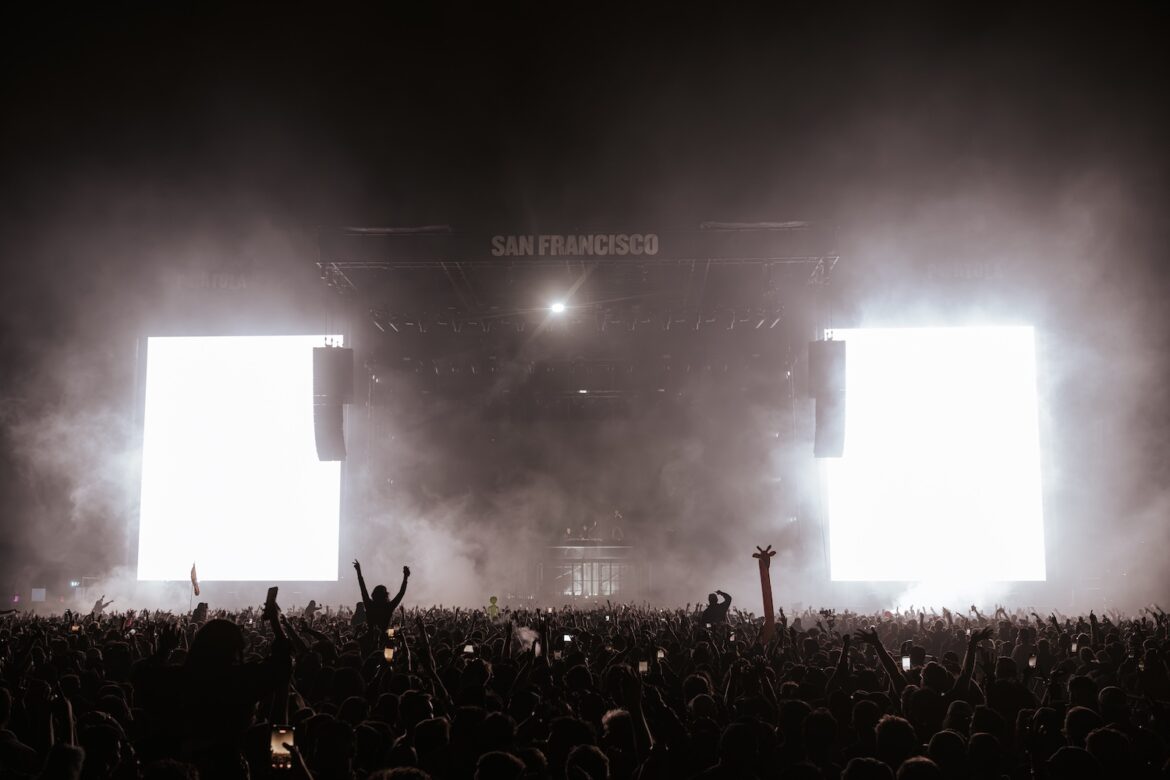
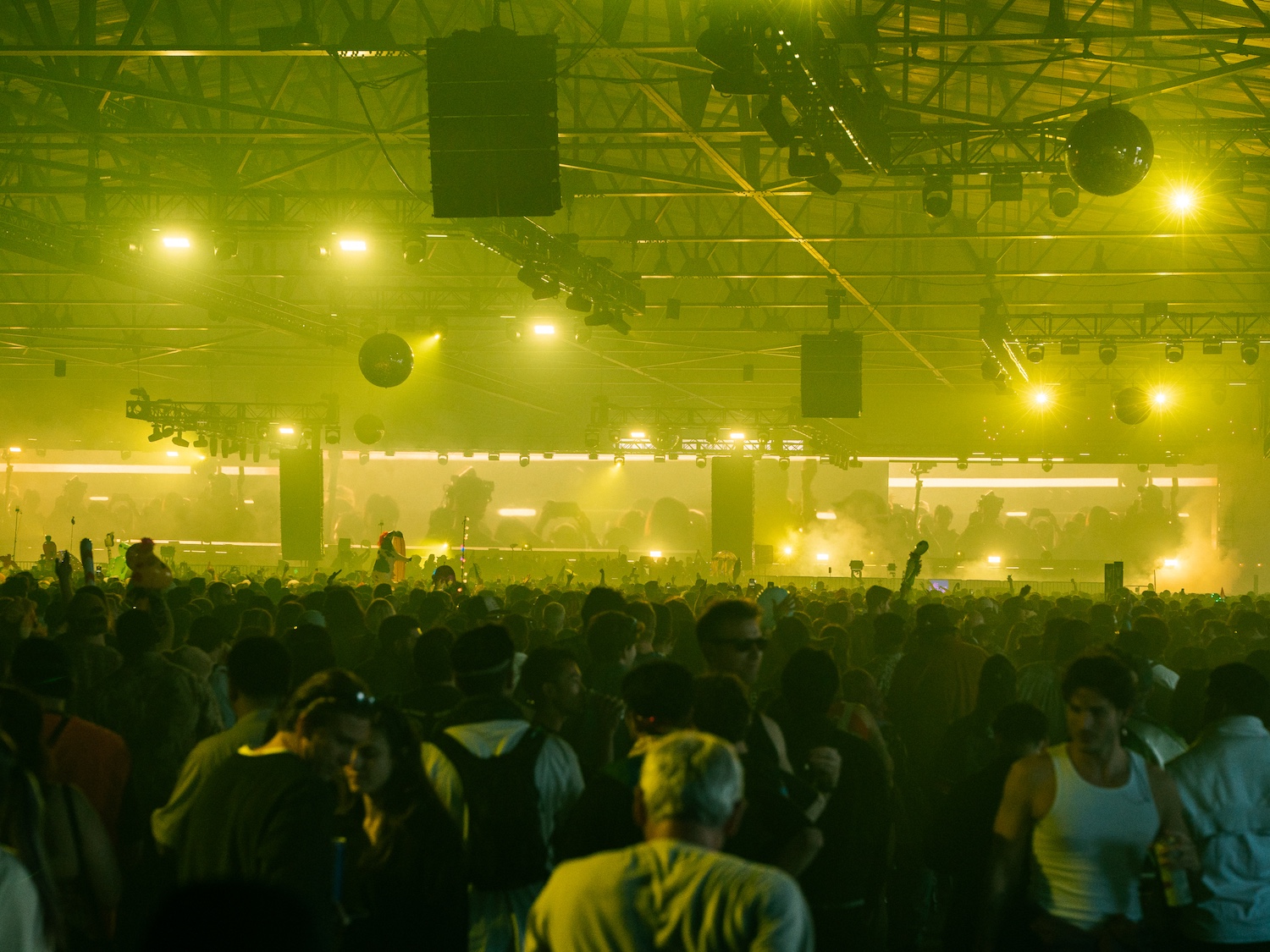
Shipping infrastructure, warehouse walls, and expanses of pavement give Portola Music Festival a silver-gray backdrop that feels less like an escape from the city than a glimpse into its industrial underside. The Bay is right there, but so is the cold. When the wind picks up, it can feel as though you’ve stepped into one of the chilliest corners of San Francisco – and decided to stay and dance.
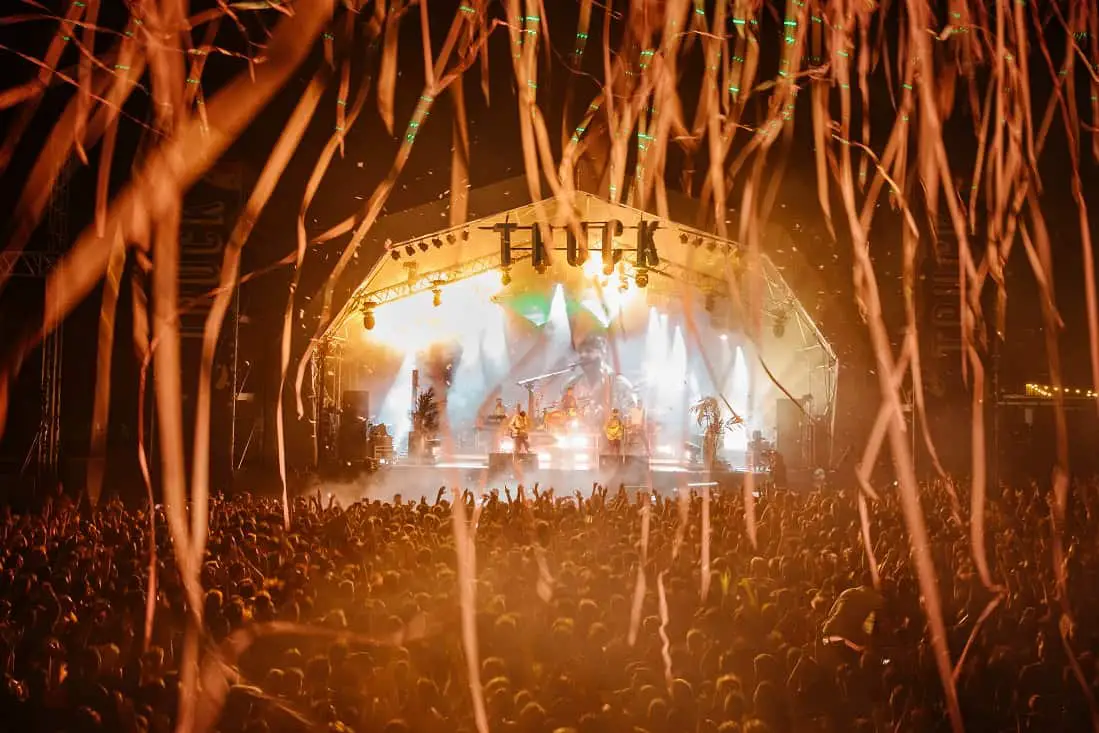
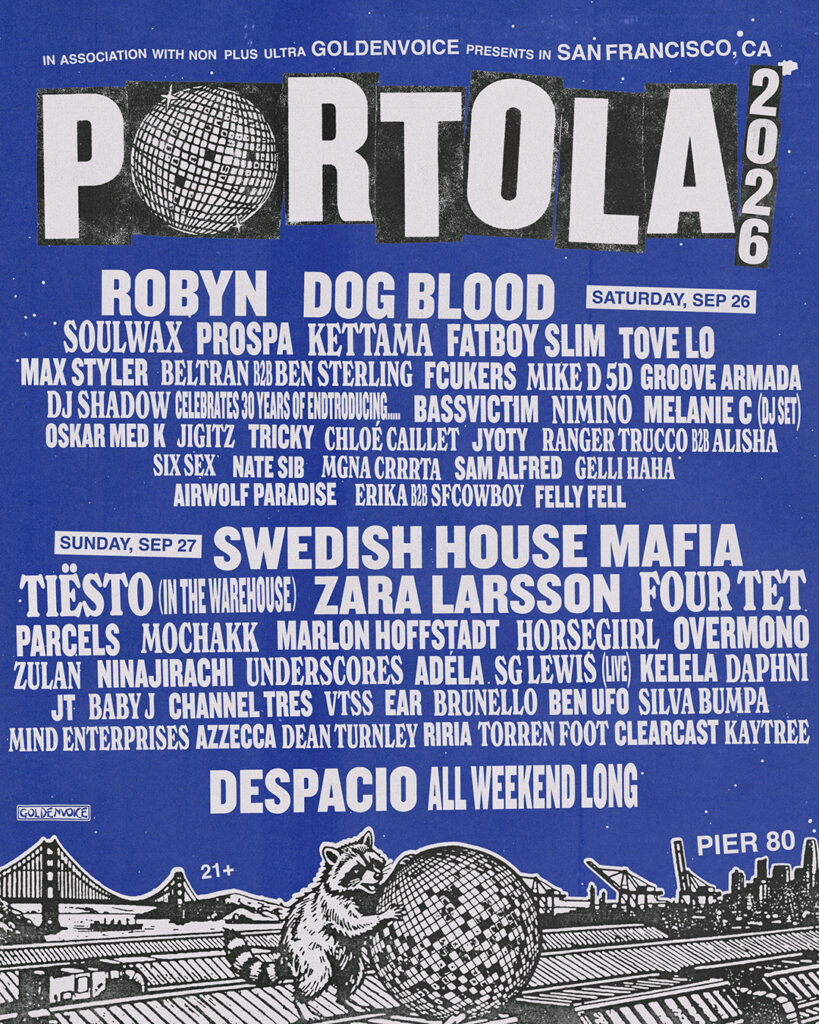
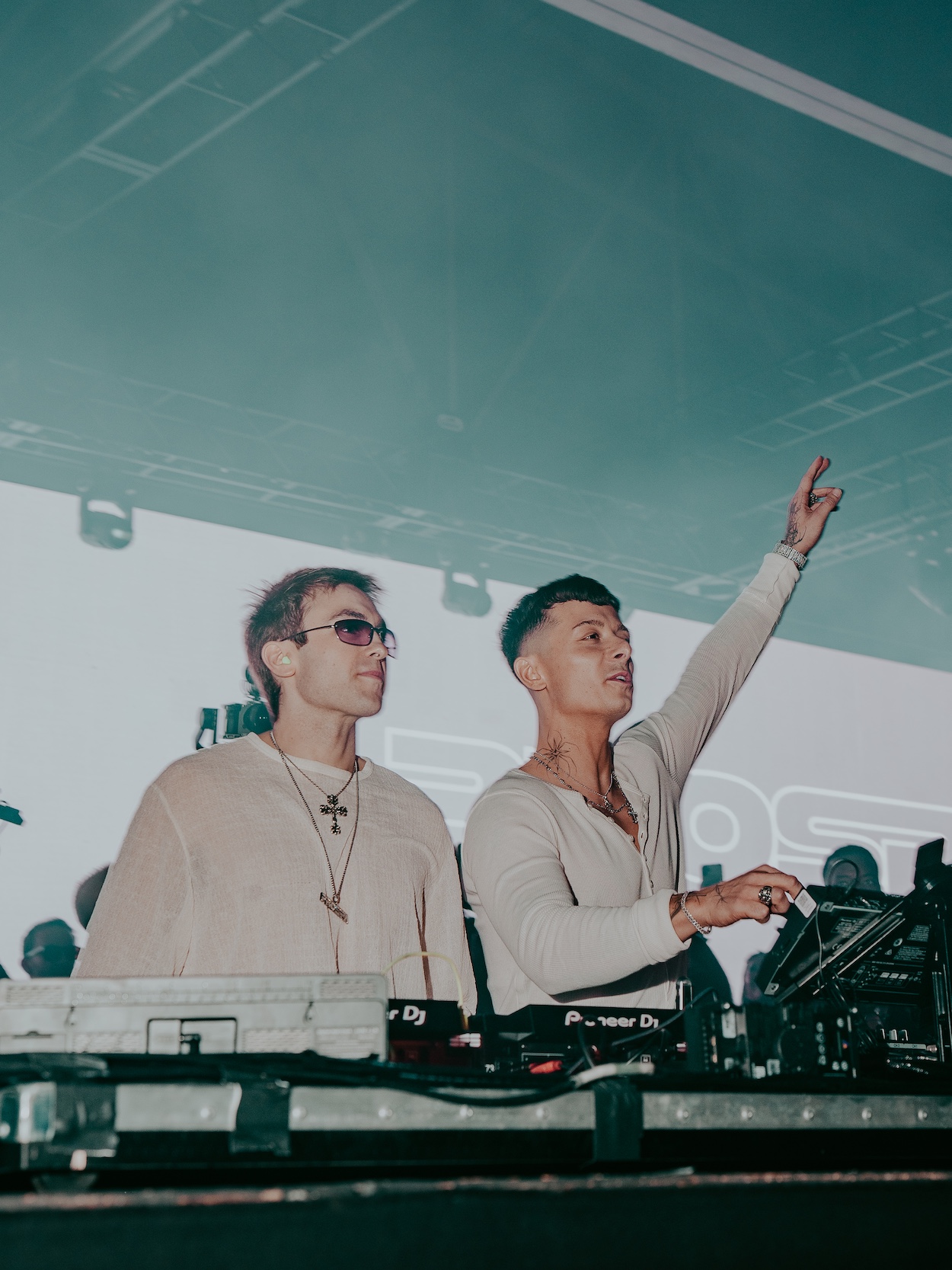
That setting has been Portola’s home since the festival began five years ago. It suits the music: electronic sounds that can be sleek one moment, abrasive the next, and powerful enough to make an enormous warehouse feel intimate. This year’s September 26–27 edition offered plenty of reasons to keep moving between stages, from DJ Shadow’s performance of *Endtroducing…*, accompanied by archival images and custom visuals, to Robyn singing “Dancing On My Own” and Dog Blood – the duo of Skrillex and Boys Noize – driving the energy back up.
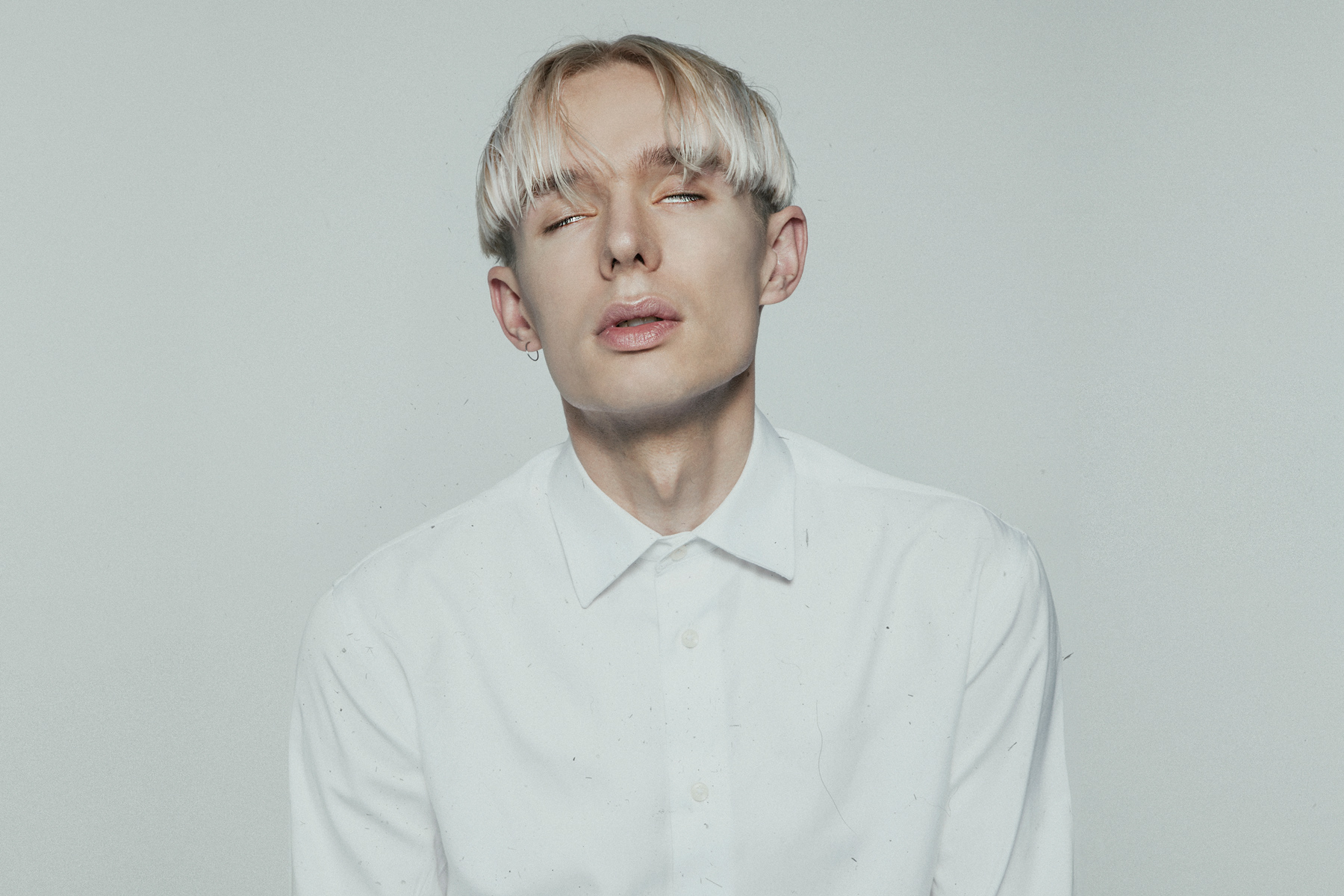
But one of the weekend’s most compelling sets took place earlier Saturday evening inside the Ship Tent, where Jyoty played from 5:40 to 6:40 p.m. The Amsterdam-born, London-based DJ, broadcaster, and curator has built a following in part through sets that resist settling into one musical lane. Raised by Punjabi Indian parents, she grew up with Bollywood, qawwali, and bhangra among the sounds around her; a 2019 Boiler Room performance later brought her to a much wider online audience.
At Portola, her set’s heavy bass gave the tent a physical intensity. It also captured what the festival does especially well: gathering people around music that asks them to listen with their whole bodies. Jyoty’s range felt at home here, where a crowd might spend one hour in the dark with a DJ and the next singing along to a pop star outdoors.
Portola’s commitment to the music is its greatest strength.
Despacio’s immersive dance space and the vast warehouse stage offered different ways to disappear into a set, while the festival’s 21-and-over crowd brought an energy that felt focused on dancing rather than simply being seen. There’s a pleasure in that lack of distraction. Not every festival needs to feel like an amusement park with a soundtrack.
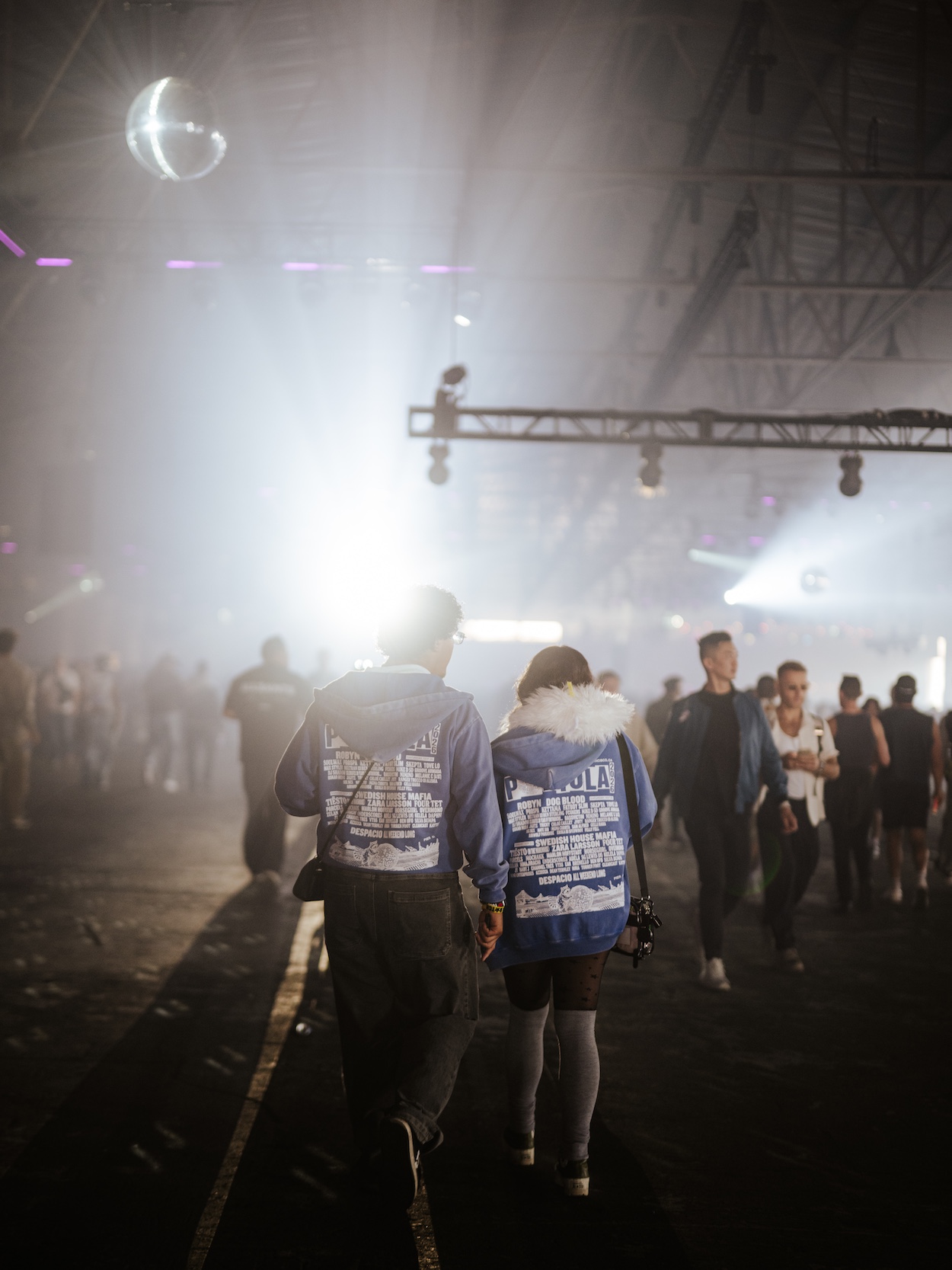
Still, after hours of moving from one stage to another, I wanted a place to stop without feeling as though I’d left the festival behind. Seating and quieter areas to rest were hard to find, and the food options felt limited for a two-day event. The music rarely let up; exhilarating as that could be, its constant presence sometimes made the grounds feel less welcoming to anyone who needed a pause.
A first-time attendee I spoke with was similarly surprised by the lack of places to sit and rest, as well as the limited food choices. Those may sound like small complaints at a festival built around dancing, but they affect how long people can comfortably stay in the experience. A place to take a beat isn’t a retreat from the music. Sometimes it’s what lets you return to it.
Compared with Outside Lands, which has spent 18 years building out its place in the Bay Area festival calendar, Portola is still young.
Some of that newness remains apparent in the logistics, including communication with the press. More importantly for attendees, the festival hasn’t yet made much space for what happens between sets. Its warehouse and waterfront give it an identity no amount of decorative staging could manufacture; a little more comfort wouldn’t diminish that edge.
For Ravina Alimchandani, attending Portola for the first time was an act of courage as much as a chance to hear Zara Larsson sing “Midnight Sun” live. Having recently moved, she decided to go alone. By Sunday evening, she was singing along with the crowd.
“The energy was insane for a Sunday evening,” she told me. What she hopes to carry into the rest of the year isn’t only the memory of Larsson’s performance, but “the feeling of being brave and being present in the moment.”
That’s the best argument for Portola as it enters its sixth year. Beneath the metallic chill and the relentless beats, it can give someone the room to arrive alone and feel part of something. The festival already knows how to make people move. Now it could give them somewhere to land.
— —
:: connect with Portola here ::
— — — —

Connect to Portola on
Facebook, 𝕏, TikTok, Instagram
Discover new music on Atwood Magazine
© Demian Beccara
 © Demian Beccara