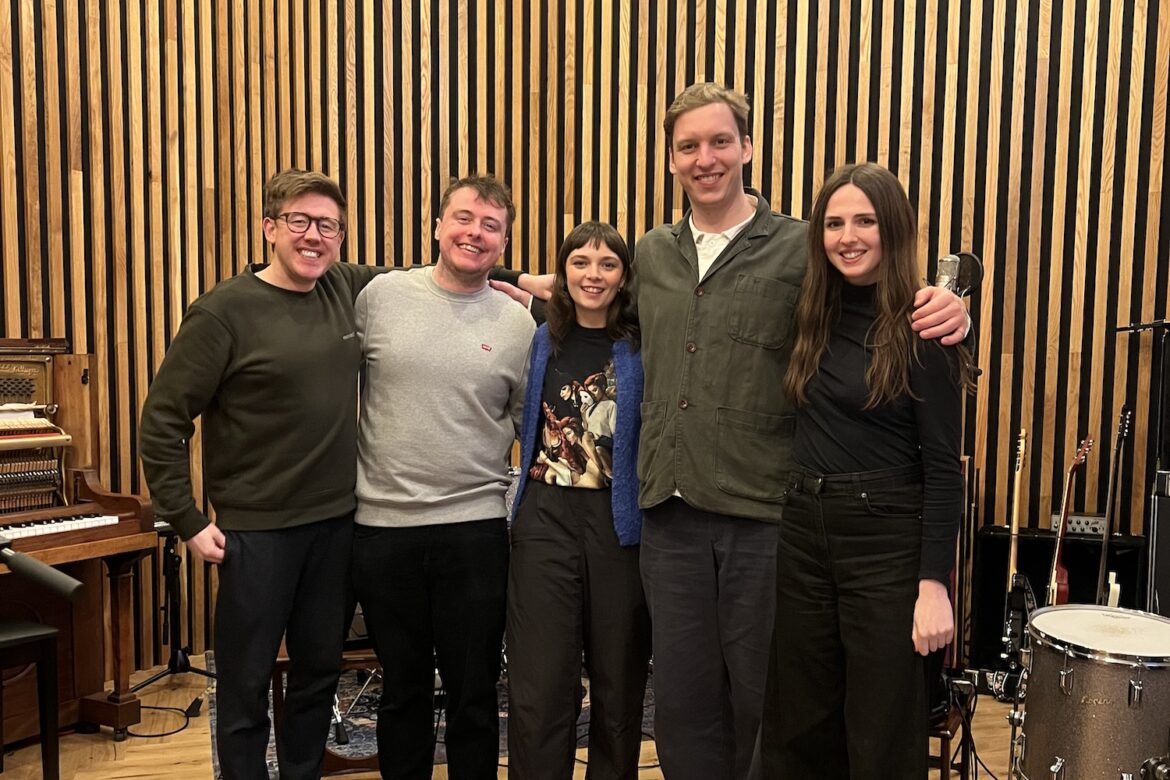
North East indie folk duo before close and Amelia Coburn reach across changing seasons for one more chance on “roisin,” a radiant, dreamy reverie whose gentle acoustic guitar and breathtaking three-part harmonies make longing sound timeless, weightless, and achingly beautiful.
Stream: “roisin” – before close
Three voices can make heartbreak sound almost weightless when they lock together just right.
On “roisin,” before close and Amelia Coburn find that rare alchemy, their breathtaking vocal harmonies floating over gently strummed acoustic guitar as a plea for one more conversation slowly comes into view. The song moves with remarkable patience, drawing the listener closer with every verse until its intimacy becomes almost spellbinding – an achingly beautiful piece of indie folk made to stop you in your tracks.
Atwood Magazine is proud to be premiering “roisin,” before close’s stunning new single featuring Amelia Coburn (out everywhere August 28). Having released their debut single less than a year ago, the North East England duo of Jodie Nicholson and Joe Ramsey have built before close as a space for music at its most elemental: Voices meeting in a room, acoustic instruments carrying the character of their surroundings, and songs rooted as deeply in place as they are in emotion.
Both artists should already be familiar to longtime Atwood readers. Nicholson has spent years carving out a deeply expressive body of work as a singer, songwriter, musician, and producer, culminating most recently in 2024’s self-produced sophomore album ‘Safe Hands.’ Atwood premiered its hauntingly beautiful single “What If I,” and later dove into the breathtaking full record, an album that saw Nicholson take greater control of her creative world while stretching far beyond the alternative folk of her 2019 debut, ‘Golden Hour.’ “Don’t think of Safe Hands as an indie folk or alt-pop album; think of it as a human record,” we wrote at the time.
Ramsey, meanwhile, introduced his own contemplative songwriting through 2022’s ‘Making Notes’ EP, and returned to Atwood last summer with “Mornings,” an introspective indie folk reckoning with time, purpose, and the nagging question of whether we are making enough of the lives we have.
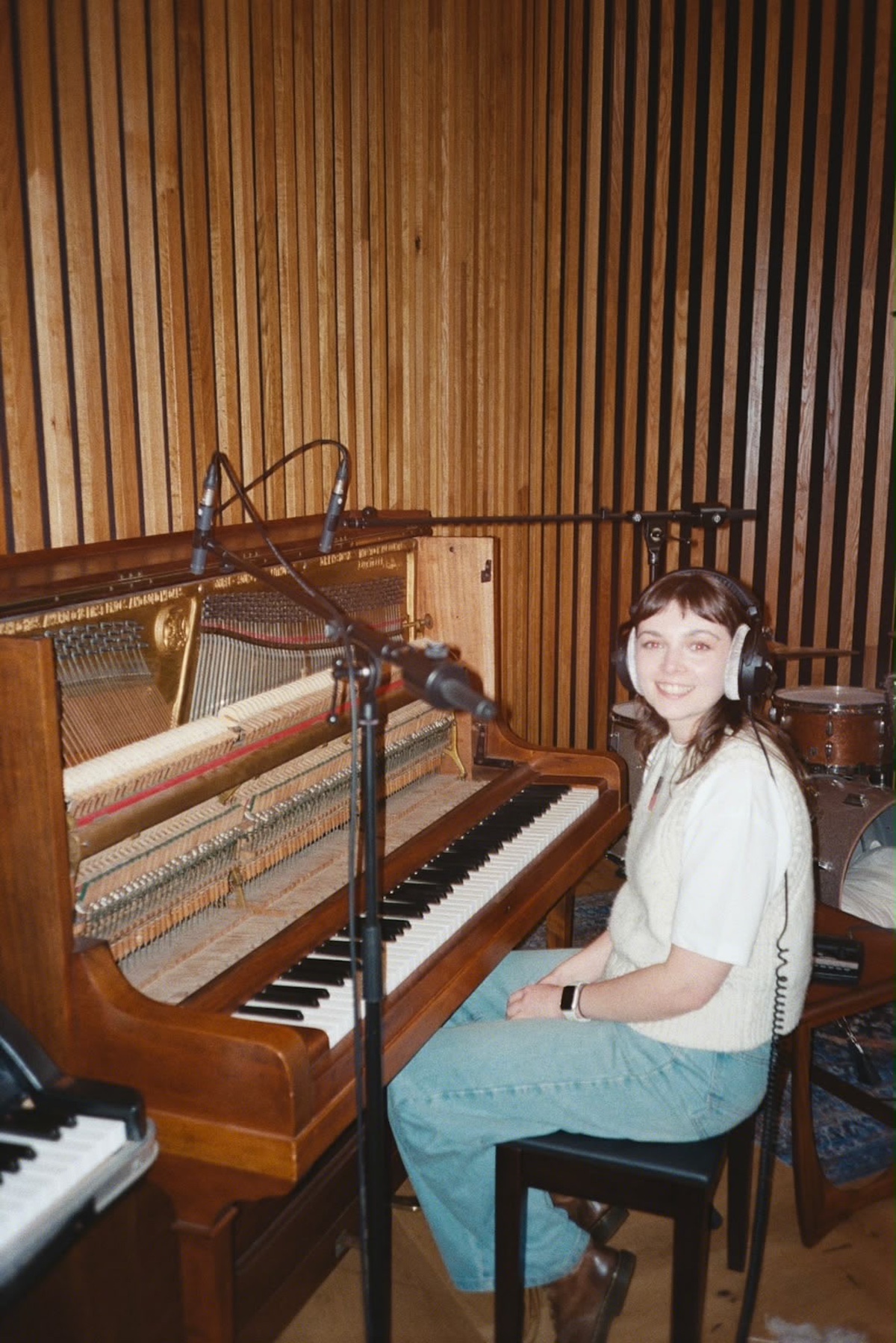
before close grew naturally out of those two individual careers.
After more than five years of releasing music separately, Nicholson and Ramsey recognized that their voices created an identity of their own whenever they wrote together. The new project is giving them room to follow that instinct without carrying every expectation attached to their solo work. They describe before close as an “off-grid indie folk project,” with each release shaped by the place where it was made, from environmental sounds to the condensed stretches of time they spend creating there. Simplicity is part of the point. The instrumentation stays spare, the performances stay close, and the songs have room to breathe.
“roisin” began before the duo ever entered the studio. Nicholson wrote the song with fellow Teesside artist Amelia Coburn and songwriter Tom Blackwell during a residency at Green Dragon Studios in Stockton last year. Starting from a blank page, the three followed Coburn and Blackwell’s chords until a melody began to emerge. A walk around the block eventually gave them the name at the center of the chorus, and with it, a person around whom the rest of the song could gather. Ramsey later joined them to finish the writing, bringing the song fully into before close’s world.
Coburn’s presence is woven into its foundation. Her ukulele helped establish the original character of “roisin,” while her voice completes the three-part blend that ultimately defines the finished recording. Rather than treating harmony as decoration around a lead singer, before close make those intertwined voices the emotional engine of the track. Nicholson, Ramsey, and Coburn sound inseparable at key moments, as if three perspectives have converged on the same memory and are holding it there together.
Underneath the fallen leaves
Summer passed us by
Gold was green and in between
Burgundy like wine
The opening verse places us immediately inside a world already changing. Summer has disappeared. Green has become gold, then burgundy. Time announces itself through color, and the relationship at the center of “roisin” is measured through the landscape around it. The seasons keep progressing even as its narrator remains caught on one person, one history, and one conversation he still wants to have.
Those details give “roisin” much of its understated power. Its heartbreak lives in roads once traveled together, mornings once shared, and an old tree that has outlasted whatever happened between these two people. The landscape becomes a keeper of their history. Even the phrase “stolen roads” carries an intimacy of its own, suggesting routes and memories that belonged particularly to them, known in a way only “you and I” could know them.
Jodie Nicholson explains: “We wrote ‘roisin’ about a fictional couple, who’ve either grown apart or need to resolve their differences, with the seasonal references reflecting how relationships change over time.”
“To us, it’s picturing a guy sitting under an Autumn tree, reflecting on this relationship and wishing for one more conversation with Roisin. It’s warm, it’s nostalgic, it’s longing, it’s hopeful. We loved writing it and bringing it to life at Hotel Quebec.”
Who knows these stolen roads
More than you and I?
Watching the seasons change
Without you by my side
The song’s central plea could hardly be simpler, and that simplicity is precisely why it lands.
“Roisin, if you only gave it one more try,” they sing. “Meet me where the old tree hangs above the sky.” There is no grand argument for why these two people belong together, nor a desperate attempt to rewrite everything that came before. The narrator asks for another meeting. One conversation. One return to a place that still carries the imprint of who they used to be.
Roisin, if you only
gave it one more try
Meet me where the old tree
hangs above the sky
The road from that first writing session to the finished recording brought its own improbable chapter. A demo of “roisin” reached George Ezra earlier this year, and after hearing it, he invited Nicholson, Ramsey, and Coburn to his Hotel Quebec Studios. There, they worked with producer Liam Thorne, whose credits include Billie Marten, George Ezra, and Jack Savoretti. The setting mattered. So did the way they chose to use it.
Rivers run, the morning Sun
Rise before our eyes
There we were, a different world
Still, I wonder why
We hold these stolen roads
close to you and I
Watching the seasons change
without you by my side
For the vocal sessions, Nicholson, Ramsey, and Coburn stood in separate corners of the live room and recorded their harmonies simultaneously. You can hear the difference. Their voices interact rather than simply stack, breathing and rising together with the minute imperfections and instinctive responses that come from people singing in the same physical space. The performance has presence. When the three singers open into those wordless “ahhs,” “roisin” seems to lift several inches off the ground.
Joe Ramsey recalls: “Recording at Hotel Quebec was an amazing experience, as well as having the opportunity to work with producer and fellow Northerner Liam Thorne, who was so fun to work with. In only a few days it felt like we became best friends, and there was so much joy and laughter in the studio that fed into the ethos of before close. ‘roisin’ feels like a song from the ‘60s, honing in on our vocals and harmonies in this dreamlike atmosphere that encapsulated an absolute dream of a week.”
His reference point fits. There is an unmistakable lineage running through “roisin,” from Crosby, Stills & Nash to the close vocal arrangements of contemporary folk artists like The Staves and First Aid Kit. Yet the track never sounds like an exercise in nostalgia. before close borrow the communal language of that tradition and make it personal, surrounding a distinctly modern intimacy with voices that sound almost impossibly natural together.
Roisin, if you only gave it one more try
Meet me where the old tree hangs above the sky
Roisin, if you only gave it one more try
Meet me where the old tree hangs above the sky
By the second half, repetition changes the weight of those words. The seasons have already moved. The rivers continue running. Morning arrives. The narrator still comes back to the same request. “roisin” understands how longing actually behaves: It circles. It revisits. It attaches itself to places and images until a road, a tree, or a certain shade of autumn can contain an entire relationship.
before close have made that sense of place fundamental to their identity, and “roisin” may be its clearest expression yet.
Green Dragon Studios gives the song its beginnings. Hotel Quebec gives it its sound. The lyric invents its own geography somewhere between fallen leaves, familiar roads, running water, and an old tree waiting at the edge of the sky. Real locations and imagined ones fold together until the recording itself becomes another place worth returning to.
Atwood Magazine recently caught up with before close to trace how two established solo artists gave their shared creative instinct a world of its own, and how a writing residency in Stockton eventually brought three North East voices together inside George Ezra’s studio. Stream “roisin” exclusively below, and get lost in its radiant harmonies, autumnal longing, and slow-burning spell.
For a song preoccupied with the seasons moving on, “roisin” leaves one exquisite impression behind: Three voices can make time stand still.
— —
:: stream/purchase roisin here ::
:: connect with before close here ::
— —
Stream: “roisin” – before close
A CONVERSATION WITH BEFORE CLOSE

Atwood Magazine: Jodie and Joe, hello and thank you for your time! For those who are just discovering before close today, what do you want them to know about the project and your music?
before close: before close is an off-grid indie folk project where each release embodies a sense of place using sounds from where we recorded.
Who are some of your musical north stars, and what are you most excited about the music you’re making now?
before close: Watchhouse, Joshua Burnside, The Paper Kites, Angus and Julia Stone. The music we’re releasing now is a next step sonically from what we’ve released already, and without the experience of recording ‘roisin’ and another song(!), we likely wouldn’t have known what direction before close songs would take in a studio.
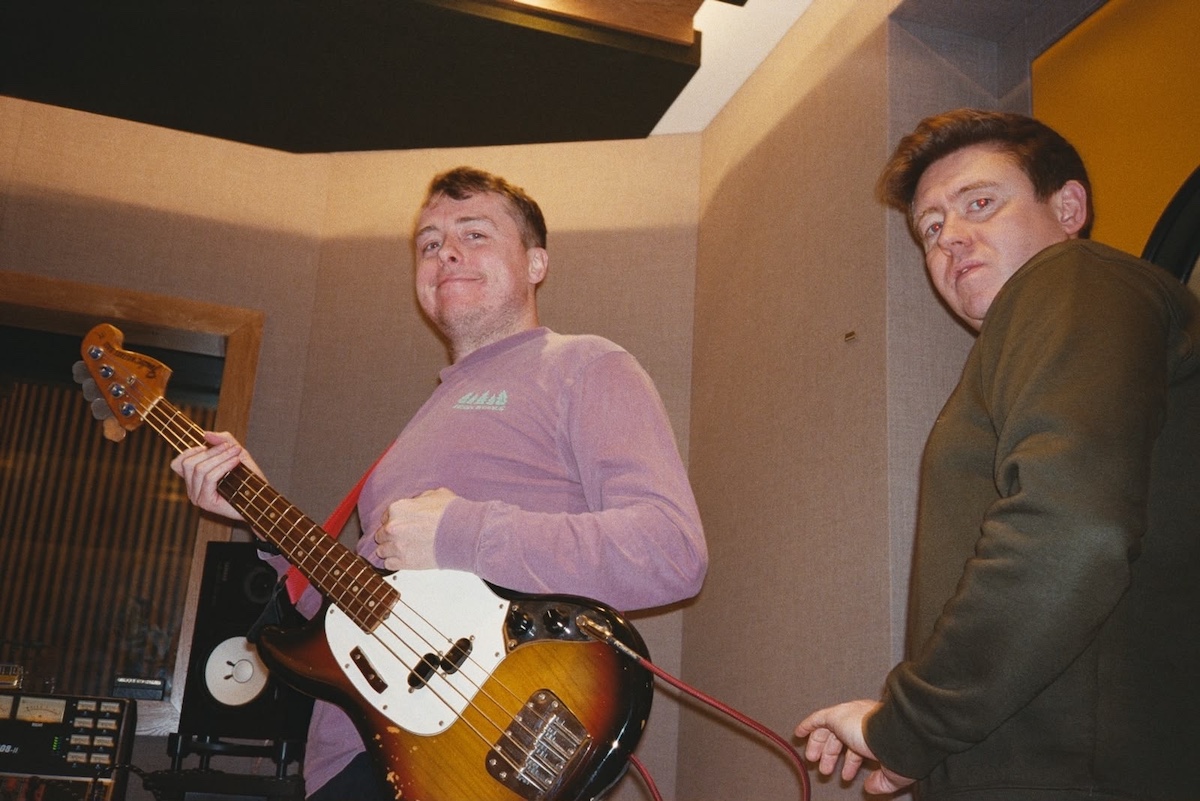
How did before close come together, and what does the name mean to you?
before close: before close to me (Jodie) is like imagining someone closing shop for the day, though someone recently thought it was pronounced ‘close’, as in, being close to someone (which we didn’t even think of when deciding on the name), so that’s a cool double meaning I guess!
We’ve been releasing music as solo artists for 5+ years, so before close for us was about taking the pressure off and creating music that feels wholesome. It’s very minimal in its approach and instrumentation, and gives us a chance to write about different things and breathe life into ideas that perhaps don’t feel right for our solo projects. Whenever we’ve written together, our voices have always created a certain style or feel that felt like its own thing, so the idea of creating a new project was in the back of our minds for a while before starting before close.
Both of your solo projects have such distinct identities. How do you envision the musical landscape of before close?
before close: The combination of our voices is very distinctive for before close in terms of its sonic identity. Instrumentally, it’s warm, cosy, and like you’re sitting listening to a friend or someone close to you. Part of the ethos behind before close is every song or project of songs has a sense of place, i.e. incorporating sounds from the location we recorded at and using a condensed window of time at a set location.
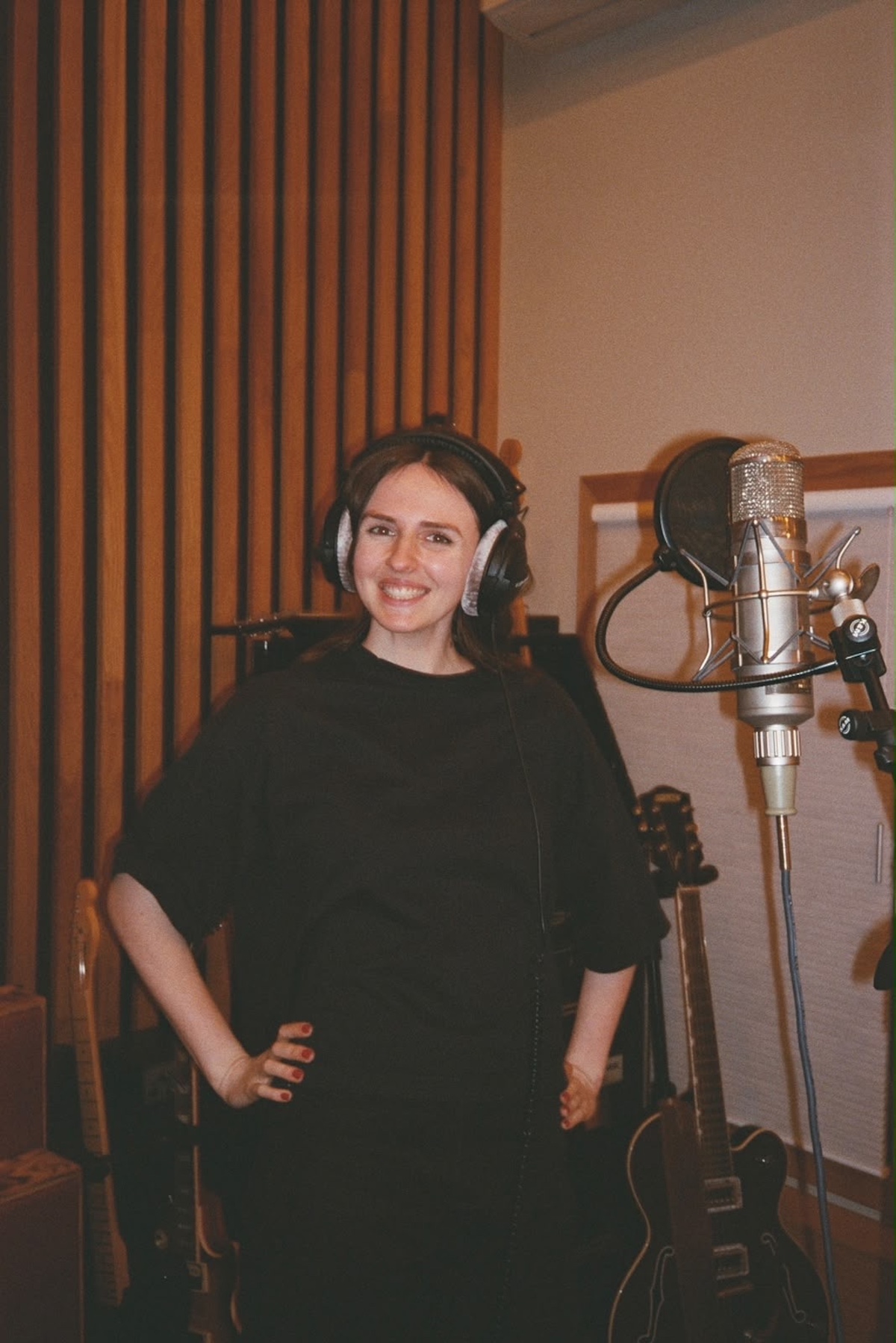
Today we’re premiering “roisin,” your new single featuring Amelia Coburn. What’s the story behind this song?
before close: Amelia and Tom Blackwell (another amazing artist from Teesside) and I (Jodie) wrote roisin together at a songwriting residency at Green Dragon Studios in Stockton last year. We started with a blank page and Amelia and Tom jammed around chords for a while before we landed on anything melodically/lyrically. I remember we went for a walk around the block as we all needed a breather and decided on the name roisin, as we all really liked the idea of having a name within the chorus as an anchor and I guess creating a character within the story.
You’ve said “roisin” is about a fictional couple who have either grown apart or need to resolve their differences. What drew you into that story?
before close: Having both Tom’s and mine and Amelia’s voices immediately drew us to a male/female story – be it a couple, a friendship, a sibling relationship etc. When you’re in a writing session, especially when you’ve never written together before, love (or heartbreak) is often a nice topic to start from as we’ve all had some form of experience we can lean on to create a narrative. For this, I think we were all imagining a guy wishing for one more conversation with Roisin, so that’s what we built the song around. We finished the writing of roisin in the studio with Joe, which was lush as it meant we were still both involved in the writing aspect, even though it started as a co-write outside of our project.
The song is built around these gorgeous three-part harmonies. What did Amelia Coburn bring to “roisin,” and how did her voice change the shape of the song?
before close: Amelia was involved from the start. Her ukulele really set the tone and created the foundation of the track right from when we wrote it with Tom. Having the chance to record it at the studio together was really magical; Joe, Amelia and I were each stood in different corners of the live room, all recording harmonies simultaneously, and you can really feel that energy within the track. As someone who loves harmonies, that experience alone was a huge highlight for me.
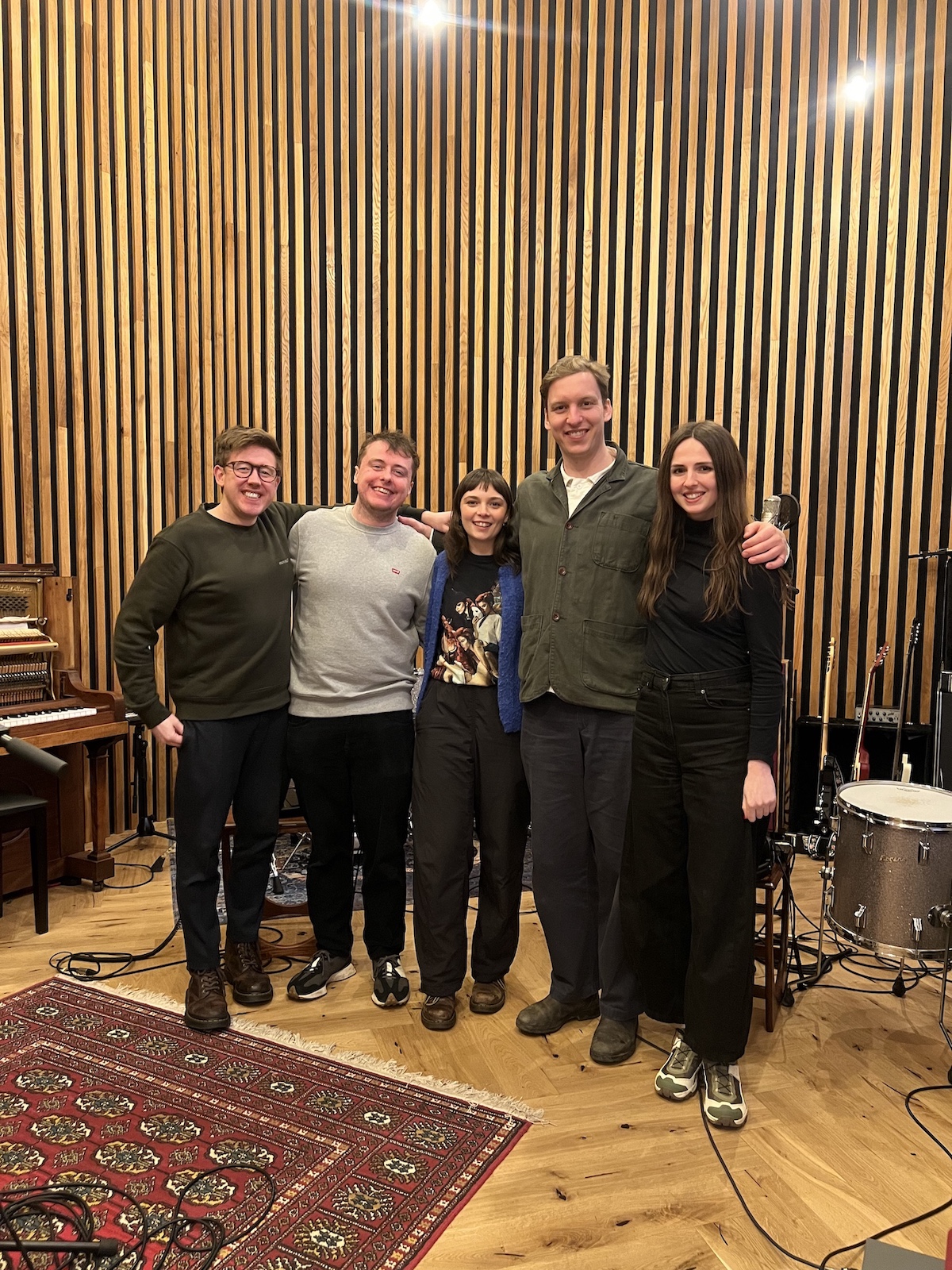
A demo of “roisin” made its way to George Ezra, who invited you to record at Hotel Quebec Studios with Liam Thorne. What was that experience like, and how did it shape the final recording?
before close: Magical. Glorious. Wholesome. Liam was an absolute dream to work with and both him and George instantly made us feel comfortable and like no idea was off limits. Amelia, Joe and I have all known each other and crossed paths in Teesside for years, but to spend an uninterrupted window of time soaking in the experience, all creating music together, was really beautiful. None of us really knew or had a grasp on what the songs would sound like at the end, and Liam was amazing at encouraging us with any idea we had or pushing us slightly to create a moment of magic in the recordings.
In the spirit of paying it forward, who are you listening to these days that you’d recommend to our readers?
before close: Naomi Scott’s new album ‘F.I.G.’ and Jordan Rakei (specifically ‘Promise’)!
— —
:: stream/purchase roisin here ::
:: connect with before close here ::
— —
Stream: “roisin” – before close
— — — —
Connect to before close on
TikTok, Substack, Instagram
Discover new music on Atwood Magazine
© courtesy of the band
 © courtesy of the band
:: Stream before close ::