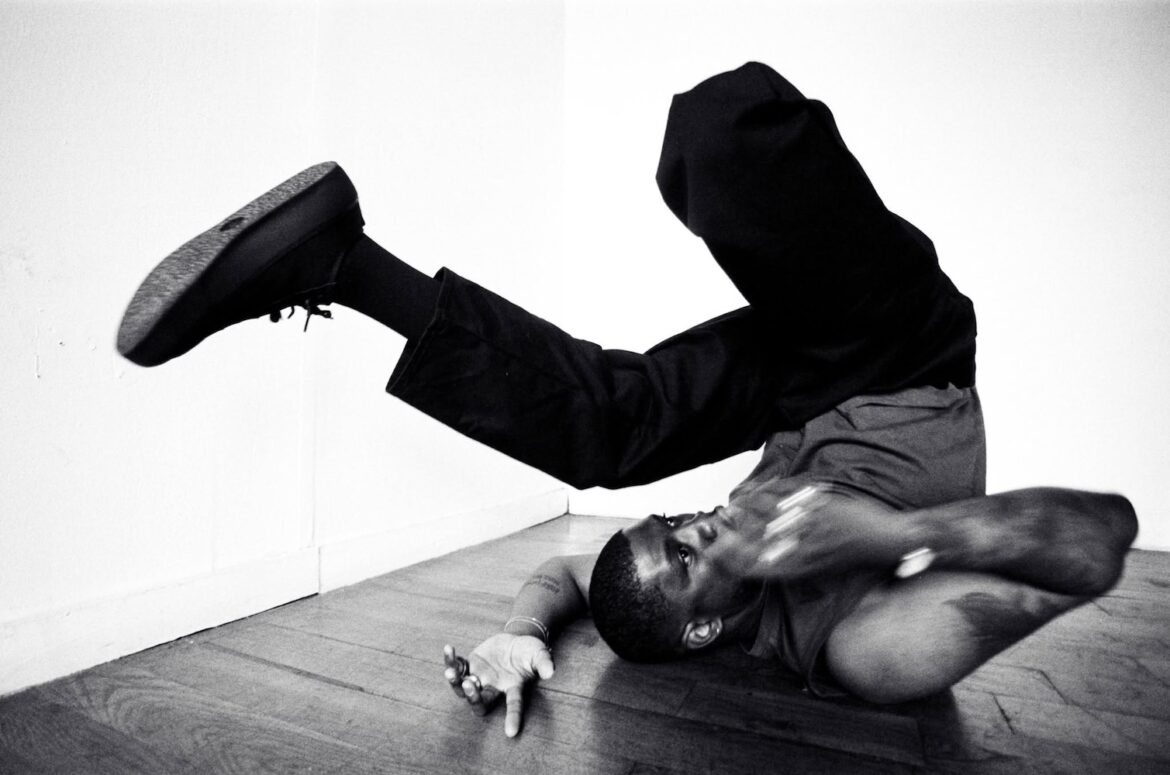
Elliott Skinner and Jensen McRae consider what we gain with age and the parts of ourselves we miss along the way on “THAT KID,” an intimate, soul-stirring duet that finds beauty in the bittersweet experience of growing older.
 follow our Today’s Song(s) playlist


“THAT KID” – Elliott Skinner ft. Jensen McRae
Growing older has a way of making us nostalgic for people we used to be.
We remember the things we believed as children, the futures we imagined for ourselves, and how little we understood about what was waiting for us. Sometimes we miss that younger version of ourselves, the one who experienced everything for the first time and had so much left to discover. On “THAT KID,” Elliott Skinner and Jensen McRae explore the sadness of growing apart from our younger selves, along with the tenderness we can feel toward them years later. It’s a beautiful, deeply personal song about memory, the passage of time, and learning to recognize the person you’ve become.
I was never as tall as
I thought when I was younger
Not so brave and not so stable
Couldn′t hold my thunder
Maybe wonder met its end
Met my lover, swore he looked
just like my old imaginary friend
Goddamn, I miss that kid
So nice to see your face again
Taken from Skinner’s debut solo EP, How Far We’ve Come, released September 18 via Ninja Tune, the song is a deeply affecting meditation on childhood, aging, memory, and the complicated experience of recognizing yourself after years of change.
Having spent the past decade working alongside artists including Jon Batiste, Leon Bridges, Eryn Allen Kane, and Samora Pinderhughes, the Texas-raised singer, songwriter, producer, and multi-instrumentalist is stepping into the foreground with his first body of work under his own name – twenty years after writing his first song.
“All of that time and experience was needed for me to understand the artist I have become and am becoming,” Skinner tells Atwood Magazine. “This is an introduction to the world that I’ve been building.”
Written together in a hotel room while McRae was opening for Amos Lee and Skinner was touring as his bassist, “THAT KID” has an intimacy that makes perfect sense given its origins.
“‘THAT KID’ really speaks to something I’m passionate about – our relationship with time and how we see ourselves as we get older,” Skinner says. “Writing with Jensen was so easy. She was opening for Amos Lee while I was on tour playing bass for him, and we wrote the words and melodies together in a hotel room one night on the road, in a space with no intention and all the freedom. The story flew out of us. All of our vocals were recorded in that hotel room. Nothing pretentious or overthought – just vulnerability.”
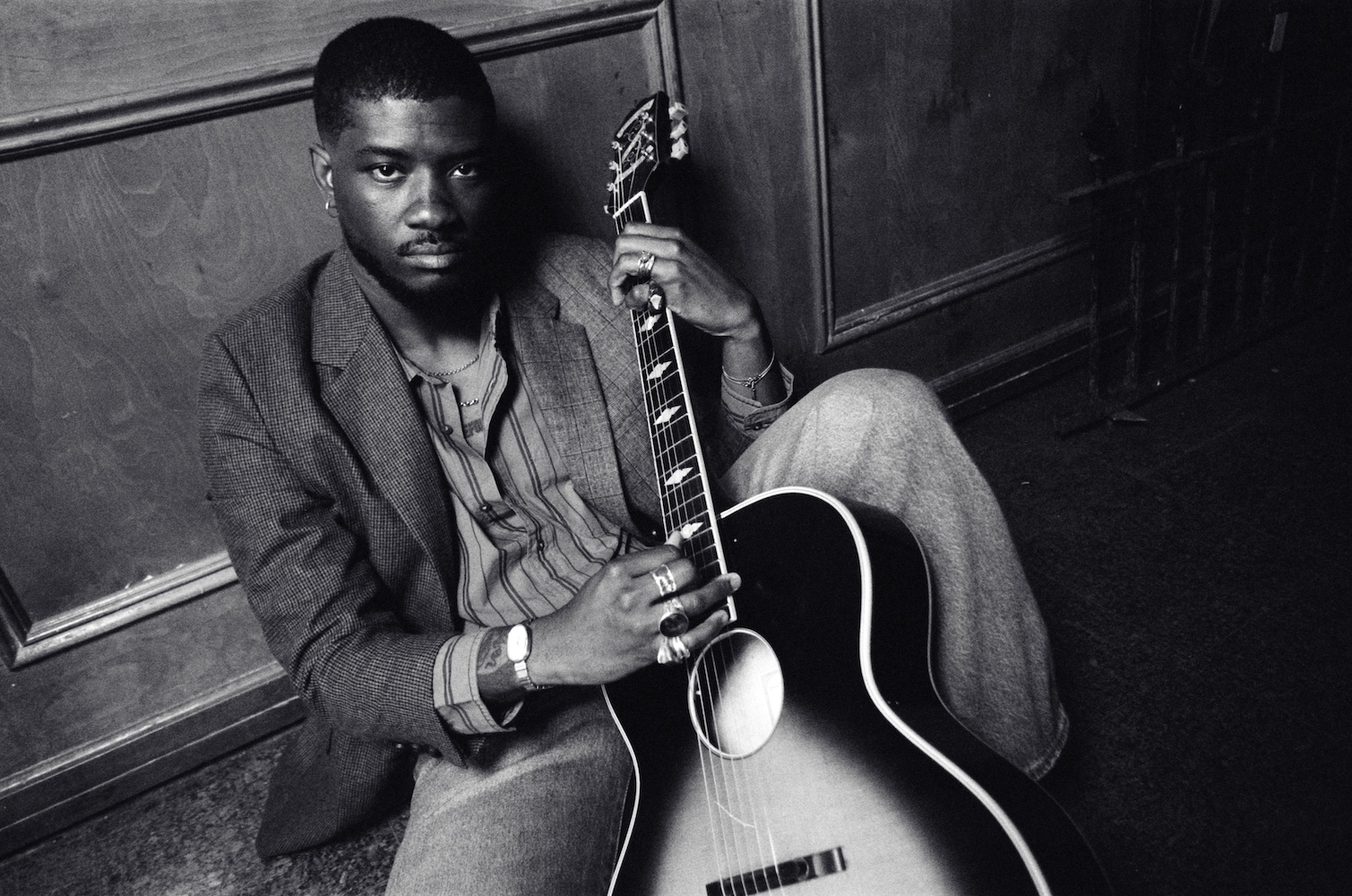
There is something especially beautiful about knowing that a song concerned with the passage of time was created during an otherwise ordinary evening on the road, two musicians temporarily removed from their everyday lives, considering everything that brought them there.
Musically, “THAT KID” is gentle, rhythmic, and addictive. Its blend of folk and soul gives the song an easy fluidity, and its rhythmic movement creates a sense of forward motion even as the lyrics look backward. Skinner’s warm, soulful voice has a conversational quality, as though he is sharing a memory with someone who already understands its significance. McRae brings a different emotional texture, her expressive vocals carrying a vulnerability that makes the words feel almost painfully personal. Their voices complement each other beautifully as they trade verses, offering two perspectives on the same experience. They sing separately for nearly the entire song, their voices finally overlapping near the end. That decision gives their eventual convergence a particular poignancy, as though two people who have spent the song examining their separate lives have finally found themselves in the same place.
McRae’s opening verse immediately complicates the romanticized way we tend to remember childhood. She reflects on the distance between the person she imagined herself becoming and the person she eventually discovered she was. There is a painful recognition that growing older does not necessarily make us braver or more certain of ourselves. Sometimes it simply makes us more aware of our limitations.
Her reference to an imaginary friend who seems to have materialized in the person she loves is especially affecting. It suggests that some part of childhood survives in our adult relationships, that the people we once invented to keep ourselves company might have been early expressions of the love and understanding we would spend our lives searching for. Perhaps growing up is less about abandoning those childhood fantasies than discovering which ones were worth holding on to.
When McRae sings, “Goddamn, I miss that kid,” there’s a raw honesty to the admission that makes it especially moving.
There is no elaborate metaphor to soften the admission. She misses the person she used to be, and the ache in her voice makes that longing feel immediate. Yet the accompanying expression of happiness at seeing that familiar face again introduces another possibility. The child she remembers may be gone in some ways, but there are moments when she can still recognize them in herself.
Skinner approaches the passage of time from a slightly different perspective. His verse begins with the sudden awareness of getting older, that strange experience of realizing that time has been passing all along, even when we weren’t paying attention. His reference to being reduced to “morning bones” is wonderfully evocative. In two words, he captures the physical evidence of aging, the accumulated fatigue of adulthood, and the uncomfortable realization that the body remembers every passing year.
I remember the sudden
feeling of getting older
I’m all morning bones now,
telling stories I already told you
Yet you look at me the same
Like a kid pulls up to camp,
and it′s your very first day
There is also something tenderly funny about his acknowledgment that he has begun repeating stories. It is such an ordinary detail, yet it carries the weight of recognizing yourself becoming someone you once associated with an older generation.
What makes his verse particularly moving is the suggestion that someone who loves him continues to recognize the person he has always been. We spend so much of our lives measuring ourselves against earlier versions of ourselves, remembering our ambitions and questioning whether we have fulfilled them. Sometimes another person can see a continuity we have lost sight of. Their affection becomes a reminder that change does not erase everything that came before it.
Am I victim to a fever?
Am I merely faking light?
Am I running from the reaper?
Am I holding on too tight?
Will it be a new beginning?
How we carry on from here
Meet me where the veil is thinning
Far beyond the mirror
McRae’s bridge takes the song somewhere darker. Her questions about whether she is being consumed by desire, pretending to possess some inner brightness, or holding too tightly to the past suggest a person trying to understand the emotional consequences of growing older. The reference to a reaper introduces mortality into a song that has, until this point, largely concerned itself with memory. Suddenly, the passage of time feels less abstract. There is an ending somewhere ahead, and the knowledge of its inevitability changes how we understand everything that precedes it.
The image of a thinning veil is particularly beautiful. It suggests a boundary becoming increasingly transparent, perhaps between youth and adulthood, memory and reality, or life and whatever might follow it. The mirror that follows adds another dimension. A mirror can show us the face we have now, but it cannot reveal every version of ourselves that has existed behind it. The invitation to meet somewhere beyond that reflection feels like a desire to encounter the self free from the limitations of age and appearance.
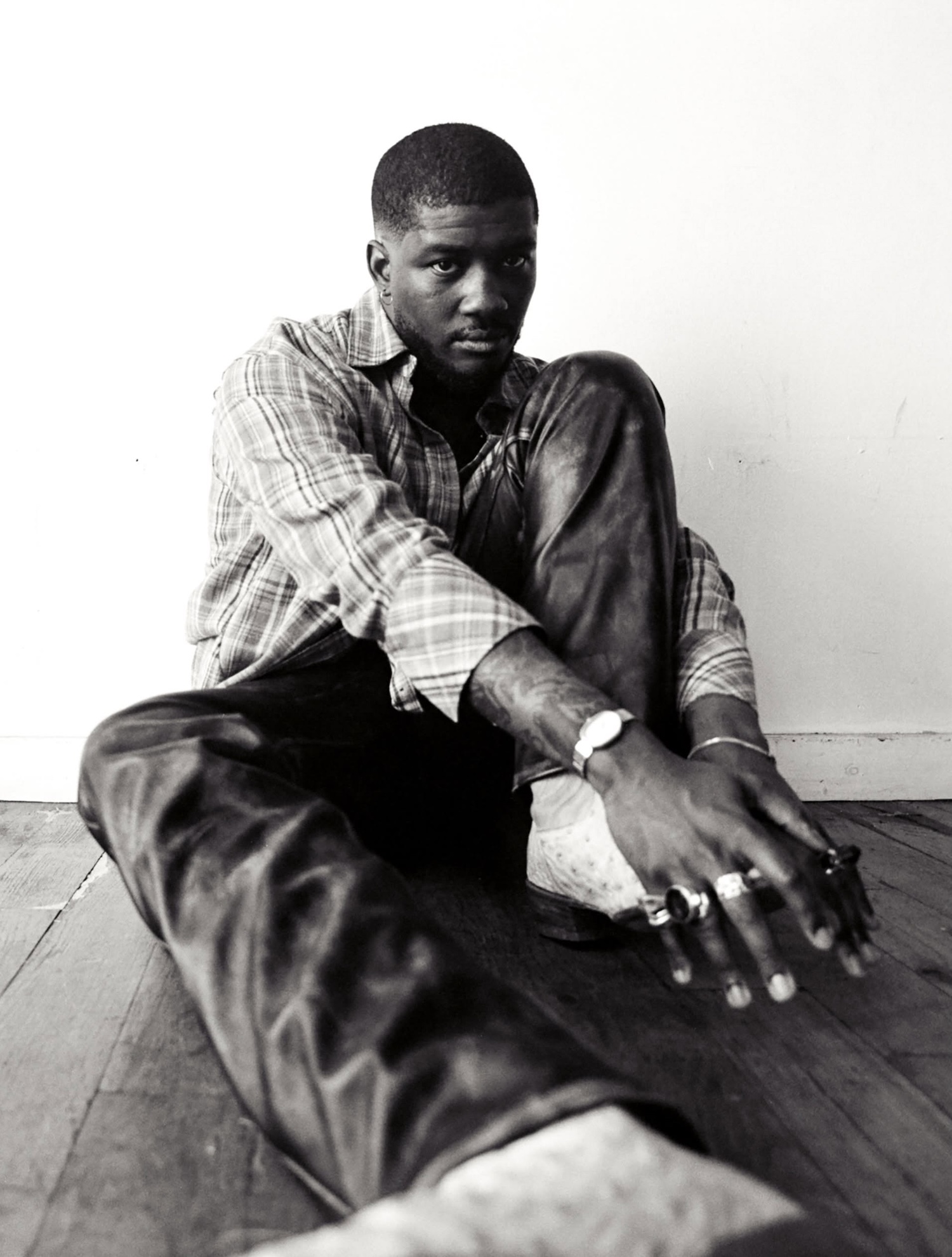
The song’s title becomes increasingly meaningful as it progresses. “That kid” is both a stranger and someone intimately familiar.
We can remember what they wanted and what frightened them, yet we can never fully inhabit their perspective again. Childhood exists in memory, and memory is an imperfect thing. We preserve certain moments, forget others, and gradually construct a version of our younger selves that may be as much imagination as recollection.
There is a fascinating contradiction at the center of “THAT KID.” Skinner and McRae are mourning the passage of time while acknowledging the extraordinary distance they have traveled. The refrain celebrating how far they have come can be heard as an expression of pride, but there is melancholy beneath it. Every accomplishment represents time that cannot be recovered. Every new beginning means leaving something behind.
By the final moments, McRae’s repeated expressions of recognition take on an almost spiritual quality. It feels as though she is addressing the younger version of herself directly, welcoming someone she feared she had lost forever. The last repetition of the title’s central sentiment is especially affecting because it offers no resolution. She still misses that child. Perhaps she always will.
There is something profoundly human about that refusal to resolve the feeling. We can appreciate the people we have become and still grieve the people we used to be. We can love our present lives and miss the innocence that preceded them. Nostalgia is rarely as straightforward as wishing to go backward. Sometimes it is simply the desire to spend one more afternoon with a version of ourselves who had no idea what was coming.
Skinner has described How Far We’ve Come as an exploration of self-worth, reflection, and the effort involved in making a meaningful life. “THAT KID” expresses those concerns with an uncommon degree of emotional openness. His collaboration with McRae feels especially appropriate because the song understands something fundamental about memory: Although our experiences belong to us individually, the feelings they leave behind are often shared.
That belief in music’s capacity to bring people closer together is central to Skinner’s artistic identity and his commitment to carrying forward the Black Radical Music Tradition.
“There is no other way to describe my music other than Black,” Skinner explains. “Following in the footsteps of my ancestors and inspirations – the sonic experimentation, the self-realization, the expression as a necessary tool for survival – to not only pursue to understand oneself, but to understand others. That’s what Black music has done since my people were singing from porch to porch and from pew to pew. It shortened the space between us all. My sound is part of this lineage. It’s something we need more of. Something that feels from the earth – organic. Made by people for people.”
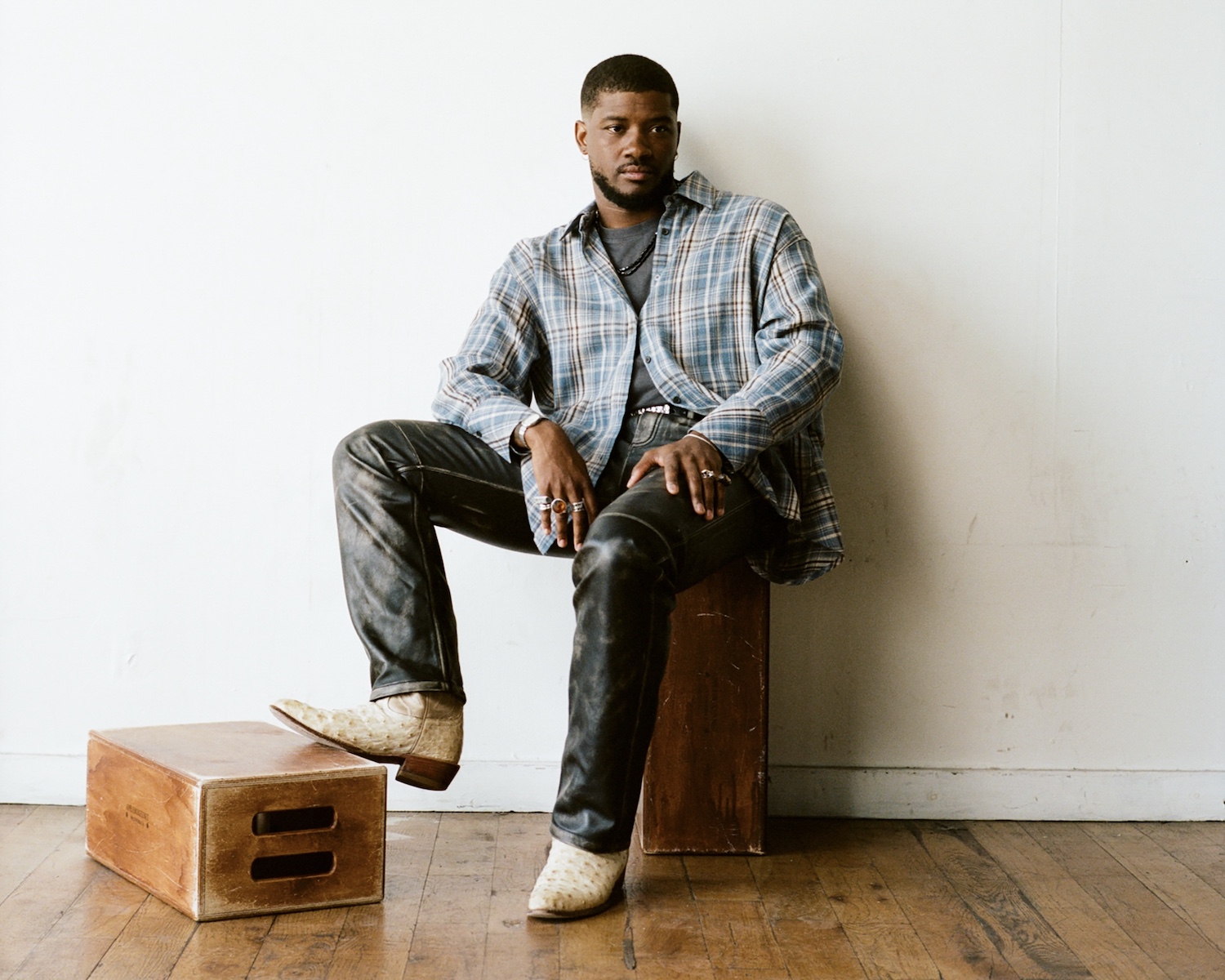
What stays with me most is the tenderness with which both musicians regard their younger selves.
There is regret here, certainly, and sadness over the inevitable losses that accompany adulthood. But there is also forgiveness. The children they remember were uncertain, hopeful, and trying to understand a world that would eventually ask more of them than they could have imagined.
Perhaps the most moving thing about “THAT KID” is its recognition that we spend so much of childhood wanting to grow up, only to spend adulthood wishing we could briefly experience childhood again. We cannot go back and reassure those younger versions of ourselves that everything will be all right. We cannot warn them about the disappointments ahead or tell them which moments deserve more attention.
All we can do is remember them with tenderness, acknowledge how much they endured to bring us here, and occasionally allow ourselves to miss them.
And sometimes, hearing someone else sing about that loss is enough to make us feel a little closer to the people we used to be.
Goddamn, I miss that kid
I′m really gonna miss that kid
So nice to see your face again
So nice to see your face again
Goddamn, I miss that kid
So nice to see your face
Oh, and everybody′s talking about it
Look at how far, how far,
how far we’ve come
— —
:: stream/purchase How Far We’ve Come here ::
:: connect with Elliott Skinner here ::
— —
“THAT KID” – Elliott Skinner ft. Jensen McRae
— — — —

Connect to Elliott Skinner on
Facebook, 𝕏, TikTok, Instagram
Discover new music on Atwood Magazine
© Stefan Kohli
 © Stefan Kohli
:: Today’s Song(s) ::
follow our daily playlist on Spotify
:: Stream Elliott Skinner ::