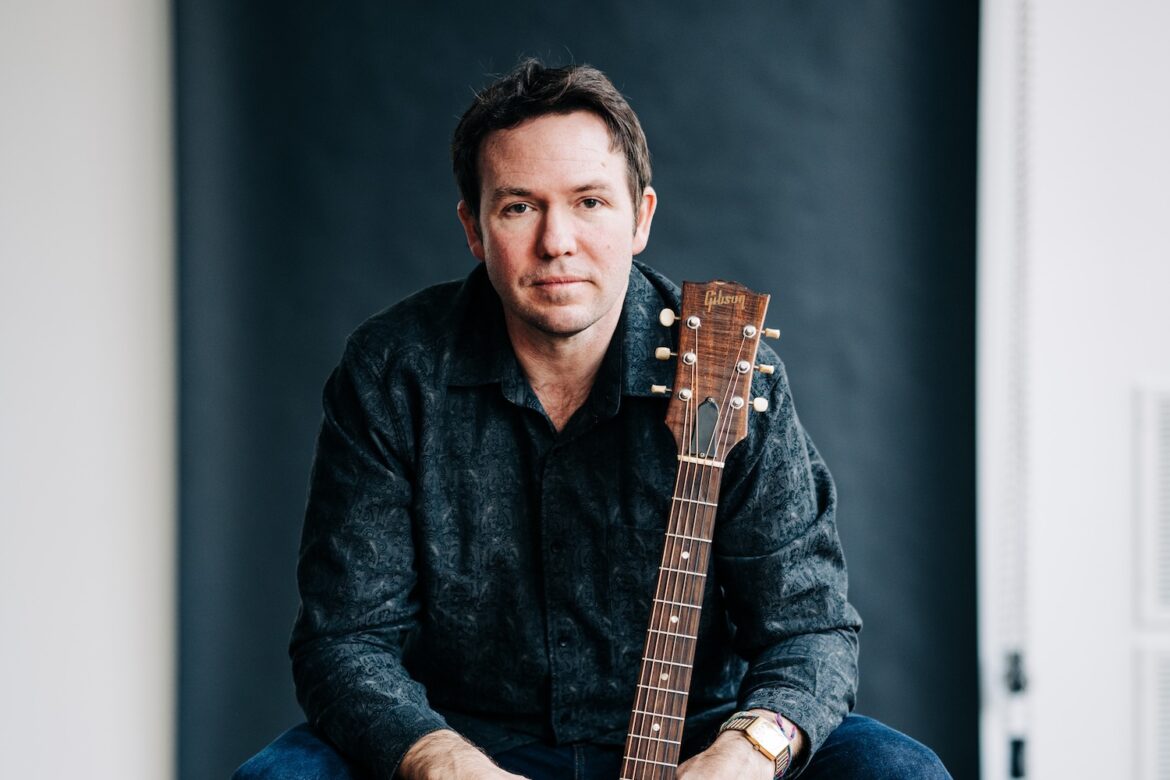
More than two decades after picking up a borrowed guitar, Carlin Tripp reflects on his soul-searching EP ‘Dead Reckoning,’ a changing music industry, the pull of home, and why he still believes music is meant to be shared.
Stream: ‘Dead Reckoning’ – Carlin Tripp
Carlin Tripp has spent much of his life following music wherever it takes him.
He picked up a borrowed acoustic guitar in 1999 and spent the years that followed writing songs, crossing the country and playing stages throughout New England. More than two decades later, his relationship with music has changed, though his need to make it hasn’t.
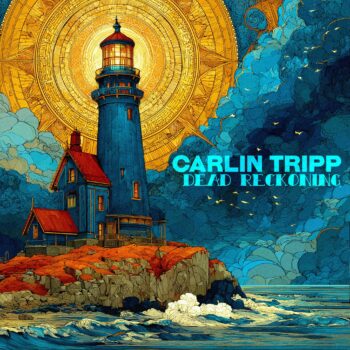
His new EP, Dead Reckoning, feels particularly fitting for this point in his life. The title refers to navigating without a fixed point, something Tripp understands as a songwriter working in an industry where the old paths have largely disappeared. Streaming has changed the economics of making records, thousands of songs compete for attention every day, and the traditional cycle of recording, releasing and touring no longer offers the same roadmap. Tripp continues to write because music remains essential to him.
These days, his life is rooted closer to home. He is a father, a gigging musician and the Operations Manager of PB and Jay Records, the booking agency, recording studio, and label that he runs with longtime collaborator Jay Psaros. His songs remain deeply personal, drawing from relationships, family, the landscapes of coastal New England and the people he has encountered along the way.
Atwood Magazine recently spoke with Tripp about Dead Reckoning, growing up surrounded by records, his years of touring, fatherhood, the changing realities of the music industry and why, after all this time, he still believes music is meant to be shared.
— —
:: stream/purchase Dead Reckoning here ::
:: connect with Carlin Tripp here ::
— —
Stream: ‘Dead Reckoning’ – Carlin Tripp
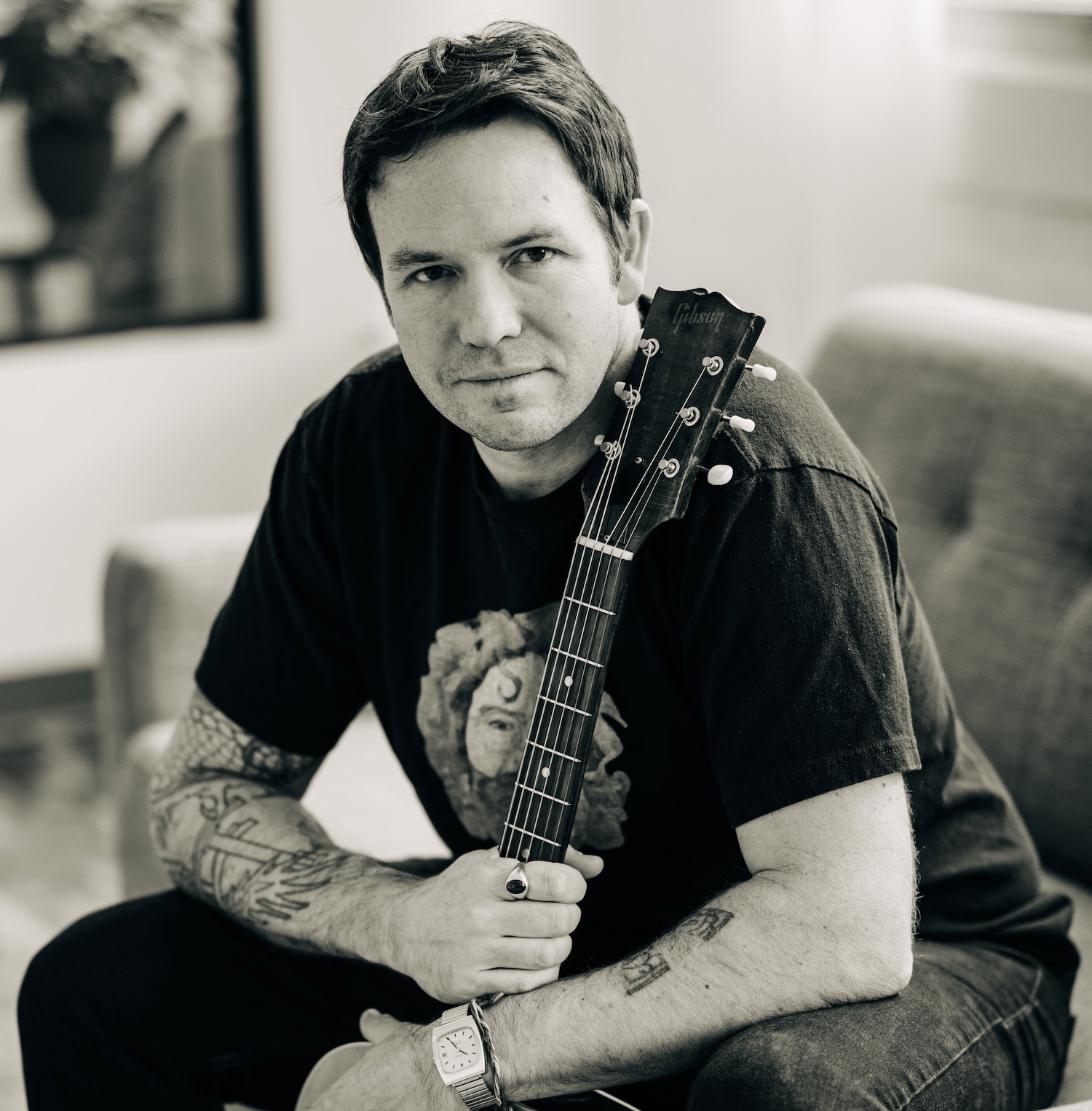
A CONVERSATION WITH CARLIN TRIPP
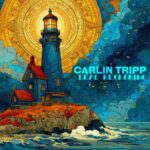
Atwood Magazine: Your new EP, Dead Reckoning, dropped this past February. In navigation, dead reckoning is finding your way without a fixed point. How does that concept reflect where you are as a songwriter right now?
Carlin Tripp: I think the mold has really been broken in terms of having a music “career.” There used to be a template to follow: Write music, record music, release music on CD and then tour around the release. It made sense creatively and (usually) financially. With the advent of streaming and the devaluation of art in general, being a songwriter still feeds my soul, but it doesn’t necessarily balance out financially, as sad as that is to say. And with the thousands of songs being uploaded every day, be they real or AI, I think it’s easy to feel like there’s just no clear direction anymore.
You’ve mentioned listening to records with your mom as a kid. Which of those albums helped you realize music was something you wanted to create, not just consume?
Carlin Tripp: I loved listening to music when I was little. I was an only child born on Nantucket in the ’80s, and needless to say, there weren’t a lot of other kids around. Our record collection, which I still have to this day, was my main source of entertainment. There is a short list of albums that really stuck with me: Dire Straits’ Brothers in Arms, Talking Heads’ Little Creatures and The Beatles’ Sgt. Pepper’s Lonely Hearts Club Band. But I think the desire to really make music came later when I was in middle school and really got into bands like Genesis and Billy Joel, and then it truly became an obsession when I got into Dave Matthews, Phish and the Grateful Dead.
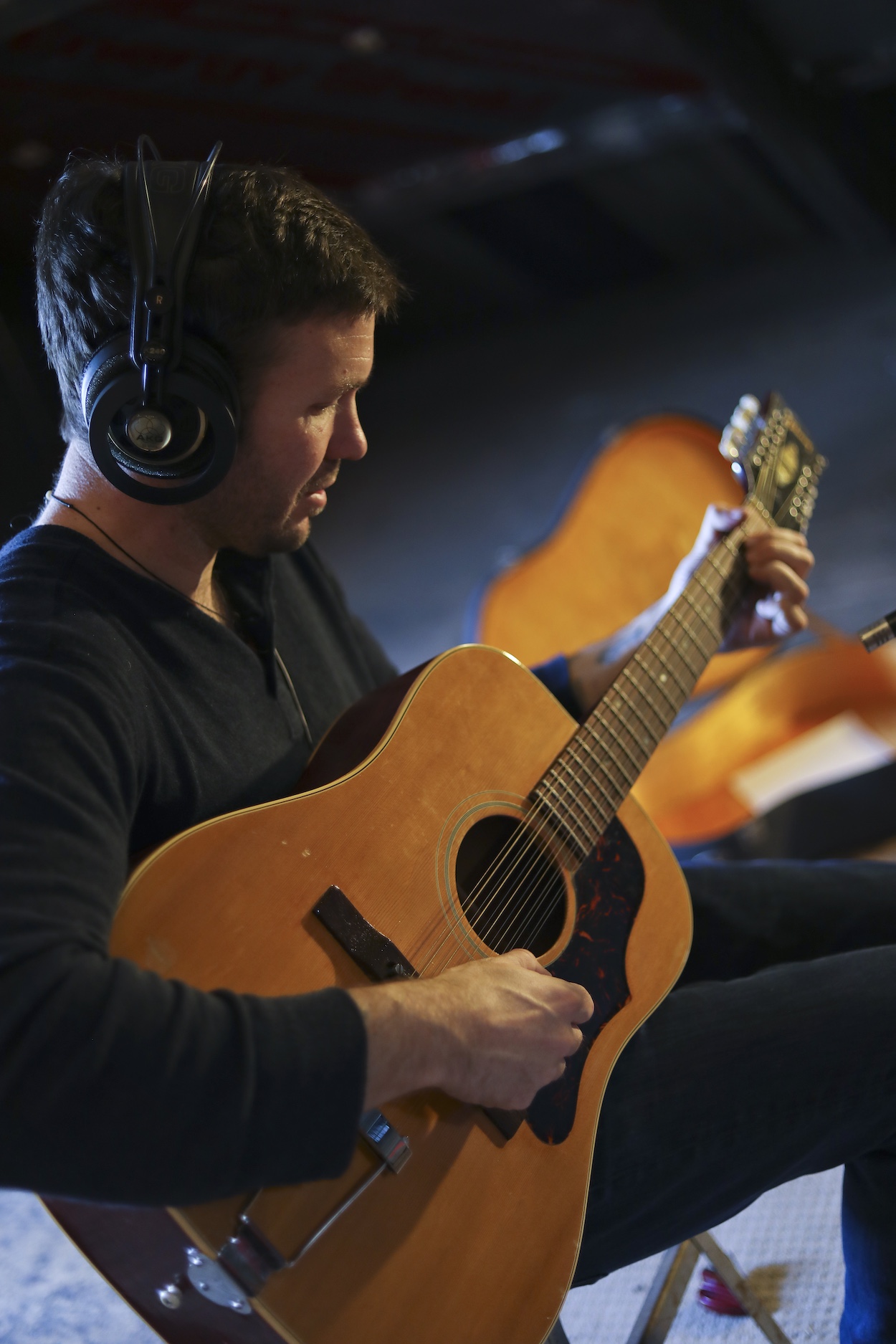
You started your journey in 1999 with a borrowed acoustic guitar. If you could go back and tell that version of yourself one thing about the music industry, what would it be?
Carlin Tripp: Don’t wait to get out there! I spent a lot of time isolated with just a guitar and a few close friends that I collaborated and jammed with, waiting to feel “ready” to get out there. What I know now is that my relationship with music is always evolving and music is meant to be shared, and it is not something you should be insecure about. I think I just loved music so much I was always afraid that my version of music just wasn’t good enough, or people wouldn’t like it. None of that matters. Music is communal and meant to be a celebration.
Your lyrics often touch on love lost, love found and daily trials. Do you write primarily from personal experience, or do you consider yourself more of a storyteller for characters you’ve met?
Carlin Tripp: I would say I am almost selfishly personal with my writing. When it comes to art, it is not in my nature to step outside of myself and embrace foreign perspectives. I think my attempt is to take my own personal thoughts, ideas and emotions and somehow make them as relatable as possible. Though I do feel pretty unique in this world, I like to think what I’ve been through can be shared through my lyrics in a way that feels familiar.
“Float Upstream” feels very tranquil. Was that song written during a period of peace, or was it an intentional escape from a more chaotic time?
Carlin Tripp: It definitely must’ve been a little of both! Our second daughter was born January 30th of 2020, so when COVID hit a month later we were already locked down with a new baby, and it was during that time that “Float Upstream” started to take shape. So while the world was spiraling around us, we sort of had started hibernating regardless as a family unit. It was then that I started working remotely with Mickelson to write and record that tune. I will say that the image that I invoked to write that song is one of the beaches where I grew up, and seeing my oldest running down the shoreline with the wind in her hair. I’d say it was a peaceful escape, but the chaos was kind of in the periphery at that time.
What was your frame of mind when you wrote the evocative “Angels Are Listening,” and what does that song mean to you now?
Carlin Tripp: I grew up in a small town in Massachusetts in the ’90s and, for better or worse, a lot of my teenage years were spent engaged in pretty reckless and uninhibited behavior with my friends and peers. I tended to try and escape that lifestyle by traveling, mostly for college, or moving away and playing music. However, I would always come home for summers and check back in with my old group of friends, and I found that a few of them were just falling deeper and deeper into a lifestyle that sort of concerned me. We always had this sense of invincibility, but I also think it was fueled by a bit of desperation and thrill seeking. “Angels Are Listening” is my reflection on some moments from that time and also a wish for something that I think we all could have benefitted from, a little faith in ourselves!
The track “When You Go” has been described as mesmerizing and hypnotic. When you’re in the studio, how do you decide when a song needs more production versus keeping it stripped back and intimate?
Carlin Tripp: A lot of it really has to do with time and financial constraints and available musicians to collaborate with. Given the opportunity, I like to push production as far as I can in the studio. I’m an acoustic guitar player and a solo singer/songwriter, so any chance I have to make my sound larger than myself makes me happy.
You recently released a live acoustic EP from the Almost Famous WATD sessions. Do you find that your songs change when you play them live compared with how they were originally captured on the record?
Carlin Tripp: Yes, I always think the live performance of the song is the more honest and pure performance. When it’s live there are many variables that come into play: energy levels, location, who’s in the room, the fickleness of instruments. Every live performance is unique, one-of-a-kind.
Opening for Strangefolk at the Paradise Rock Club was a major milestone. How did that experience change your perspective on your own stage presence?
Carlin Tripp: That was a really insane night, one I still look back on with fondness and a little bit of cringe! Reid Genauer met me just before showtime and threw that opportunity my way without any warning, so I was completely unprepared. Listening back to my short set, I hear myself being very excited, nervous and a little out of control. Moments like that are great because they allow you to look back and reflect, and I think my biggest takeaway is that when you are on an iconic stage in front of a big audience, it is really important to slow down, take a minute to compose yourself and enjoy the moment. It all moves so fast when you have that kind of attention on you, and I think it pays to be intentional. Something as simple as introducing yourself, making sure the guitar is in tune, you forget the basics!
Did you have any particularly meaningful interactions with people while you were on tour?
Carlin Tripp: Big shows opening for nationally touring acts always put me in front of larger audiences than I typically had. I always loved it when parents would come up to me afterwards at the merch table with their kids and tell me about how they want to play music and seeing me up there provided them with inspiration. It was a great opportunity to give away stickers, pins, etc. and just express how much music has helped me in my life and encourage them to work hard at it and follow their own dream as well.
What is the most unusual or unexpected place you’ve ever found inspiration for a song while on one of your short-burst tours?
Carlin Tripp: Honestly, it’s when I’m behind the wheel just listening to music and staring out at the road. I remember driving home from Burlington the morning after a great show at the Light Club Lamp Shop, and there was a thin fog over the mountains and a bright light shining from the morning sun. It’s images and moments like that that fuel so much of what I love about music and being a live musician.
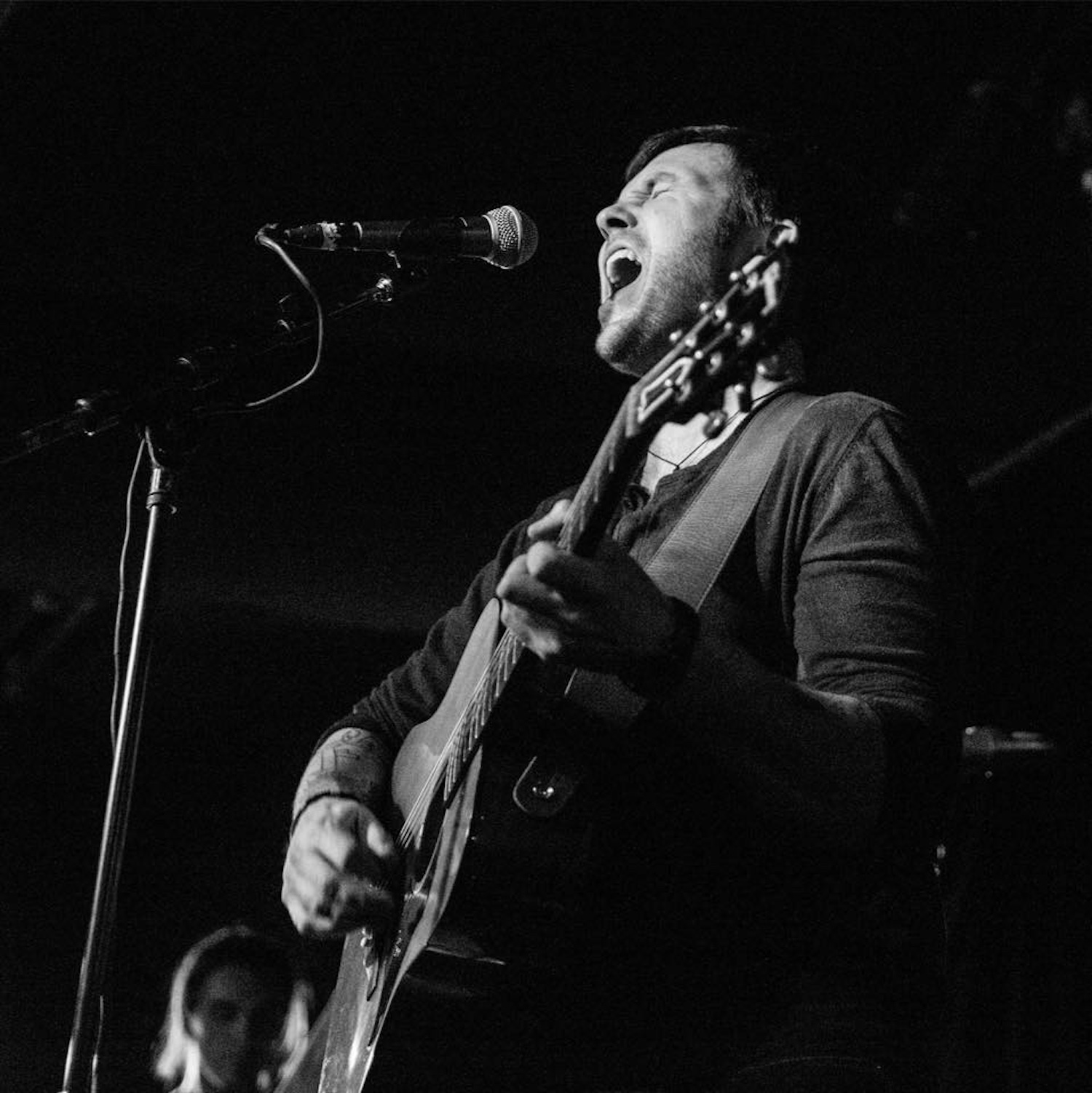
You’ve been described as having a nomadic spirit from years of roaming the country. Is there a specific landscape or city that has had the biggest influence on your lyrical imagery?
Carlin Tripp: Yes, I definitely saw my share of the country when I was in my twenties and early thirties! I think my hometown of Westport has been the biggest influence on my lyrics and music: the river, the rolling fields and the ocean. Despite having lived everywhere from New Mexico to Colorado, Michigan and Virginia, I’ve always maintained a coastal spirit. That’s where my influence and inspiration lies.
New England has such a specific folk and Americana culture. How has being based in Providence influenced your sound compared with artists from Nashville or Austin?
Carlin Tripp: It’s true, and I am such a die-hard New Englander that I think it’s impossible for me to remove it from my sound. Providence has always been a cool, edgy city and a place for artists and musicians alike, more so than Boston, I think. Even when I was growing up, some of my most memorable adventures going to see live music took place in PVD. I’ve never found myself wanting to chase that Nashville sound. It’s a little too polished for me. I’m just trying to stay true to my inner vibe!
You were nominated for a New England Music Award a few years back. Do you feel the indie community in the Northeast is becoming more collaborative or more competitive in 2026?
Carlin Tripp: From my perspective it will always be collaborative, but other folks may or may not see it that way! I’m honestly a little oblivious to award ceremonies. Other than a few times that I’ve been recognized, I feel I mostly fly under the radar, doing my own thing. I find great joy in providing opportunities to other artists, building community and friendships with other local artists. It’s a little exhausting getting wrapped up in winning awards!
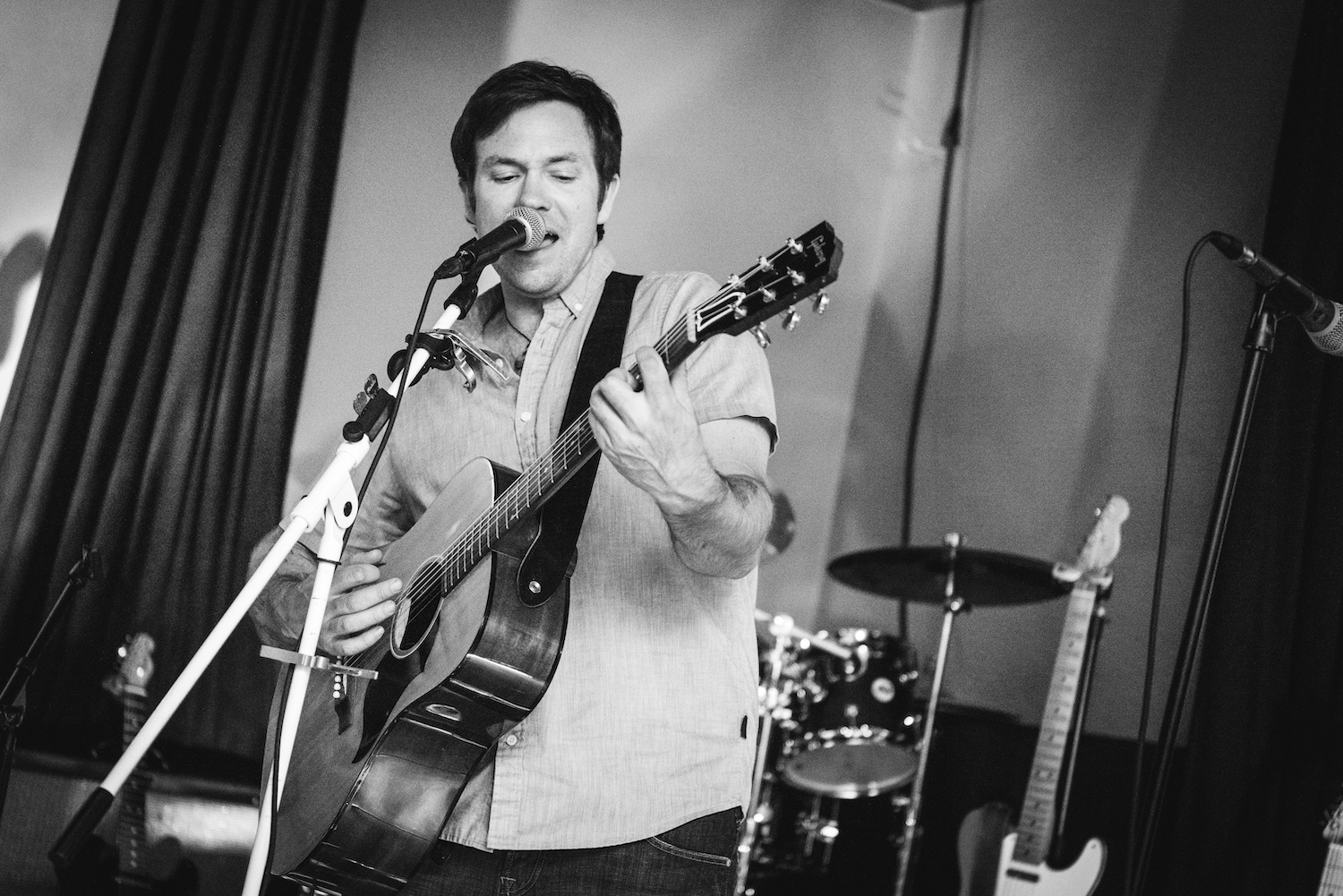
You’ve had a long-standing collaboration with Jay Psaros. How did your working relationship begin and evolve?
Carlin Tripp: I met Jay in 2012 at a benefit concert for the Boston Marathon Bombing put together by some folks on the South Shore of Massachusetts. All the musicians were jamming on a few guitars outside, and I think we just sensed a mutual connection immediately. Jay came to my place in New Bedford a few weeks later to hear a few of my original tunes and talk about helping me produce a record. We ended up in New Hampshire recording and then collaborating over the next few years. In 2019 Jay approached me about running a Songwriters in the Round series, which lasted until 2020 and then started back up in 2021 and lasted for four and a half years! Now Jay and I run PB and Jay Records, which is a booking agency that works with close to twenty venues ranging from pubs to ticketed rooms.
As Operations Manager of PB and Jay Records, how has building the business with Jay influenced your perspective on the relationship between artists and venues in 2026?
Carlin Tripp: Since we are mainly a booking agency, what has really struck me is looking at live music from the venue perspective. We are a business run by two artists who have been performing for quite some time, but at the end of the day we work for the venues, not individual artists. I think the most important thing artists need to realize is that there needs to be symbiosis in the artist/venue relationship. At the end of the day, restaurant and venue owners work insanely hard to keep the doors open, and it’s certainly not getting any easier in the ever-evolving societal and financial landscape we are in.
With your hand in the day-to-day management, how do you and Jay balance the business of content creation, including photography and video, with your own songwriting?
Carlin Tripp: There’s no denying that Jay and I are busy running a business, and it definitely takes a lot of time and bandwidth. I find time here and there to sit down with the guitar, pick away at a new song, but it’s not as abundant as it used to be. I’ll never lose that part of me though, and luckily I have a big enough catalogue of material to be able to perform and present myself when I need to and still keep things interesting and unique. The balance is really just switching between one and the other, turning them each on and off like a light switch.
You finished your psychology degree later in life, after years on the road and a lot of lived experience. How does your understanding of the human brain and trauma affect the way you make music? Are you trying to heal the listener, or simply share an experience with them?
Carlin Tripp: Music as a collective experience vibrates our being and soothes us. I think all music does that, and I think we’ve been trained to be particular with our tastes in music, like food, but when it’s real and it’s good it just makes us happier. The most fulfilling experience I’ve had thus far was hosting a weekly Songwriters in the Round night where I provided a stage for local amateur (and some more than amateur!) songwriters to gather together and play their original music on a regular basis. Every one of those evenings felt cathartic for all involved, and towards the end of it all I had worked with upwards of 100 folks. I found those nights to be both healing for the folks involved as well as just a great overall hang.
Working in a Department of Youth Services (DYS) facility involves meeting young people at some of the most difficult crossroads of their lives. How did that experience change your perspective on human resilience?
Carlin Tripp: When I worked at DYS I think I really tried to bring a sense of calm and consistency to the job, maybe to try to show the kids that not all adults are chaotic and that they can be cared about.
Does having your own children make you look back at the kids you worked with at DYS differently?
Carlin Tripp: That was a tough job and taught me a lot about appreciating my own life and not taking anything for granted. Children are so impacted by their upbringing and their environment, two things that are very difficult to escape or avoid. I realized working at DYS just how fragile it all is and also, sadly, how hard it is to fix.
You spent so much of your life moving from state to state and living that “rolling stone” lifestyle. How has fatherhood changed your definition of home?
Carlin Tripp: I love being home these days, and I definitely feel like home is where the heart is. In some ways I miss roaming the country, but I don’t necessarily miss all the lonely hours behind the wheel. When I’m in a songwriting mood I like to retreat to the basement with my guitar, usually after everyone in the house is asleep or if I have a night alone. I’ve always been a bit of a nester, if you will. I like having all my gear and trinkets around me when I’m creating.
How do you balance the need to travel for music with being present for the small, daily moments with your family that you can’t get back?
Carlin Tripp: These days I don’t go too far, and honestly once I’m on the road I’m very present with where I’m at and I try to focus mainly on the music. I’m lucky to say that I have a very supportive partner and our home life is quite stable, so I can usually leave at night with the confidence that everything is going to be OK. That being said, if I’ve gigged too many nights in a row I do get stressed about missing the bedtimes and the reading of books at night. Time flies!
You’ve worked at Mojo Studio in New Hampshire and Jay’s studio in Massachusetts. Do you find that the physical environment of a studio changes the vocal takes you deliver?
Carlin Tripp: It’s all about the vibe and yes, a studio can 100% affect how a recording can go. I think it’s about the air you’re breathing, the decor on the walls and everything in between. Mojo was cool because it was an old radio station and was filled with thousands of old records. The Great North Sound Society carried with it the legacy of Josh Ritter and David Ramirez, both massive songwriters in my mind. Dirt Floor has tons of old Laurel Canyon artist posters on the wall and other great art. Looking at and absorbing all that imagery definitely makes me think about how and why I’m singing.
For the gearheads, what is your desert-island guitar and amp setup that defines the Carlin Tripp sound?
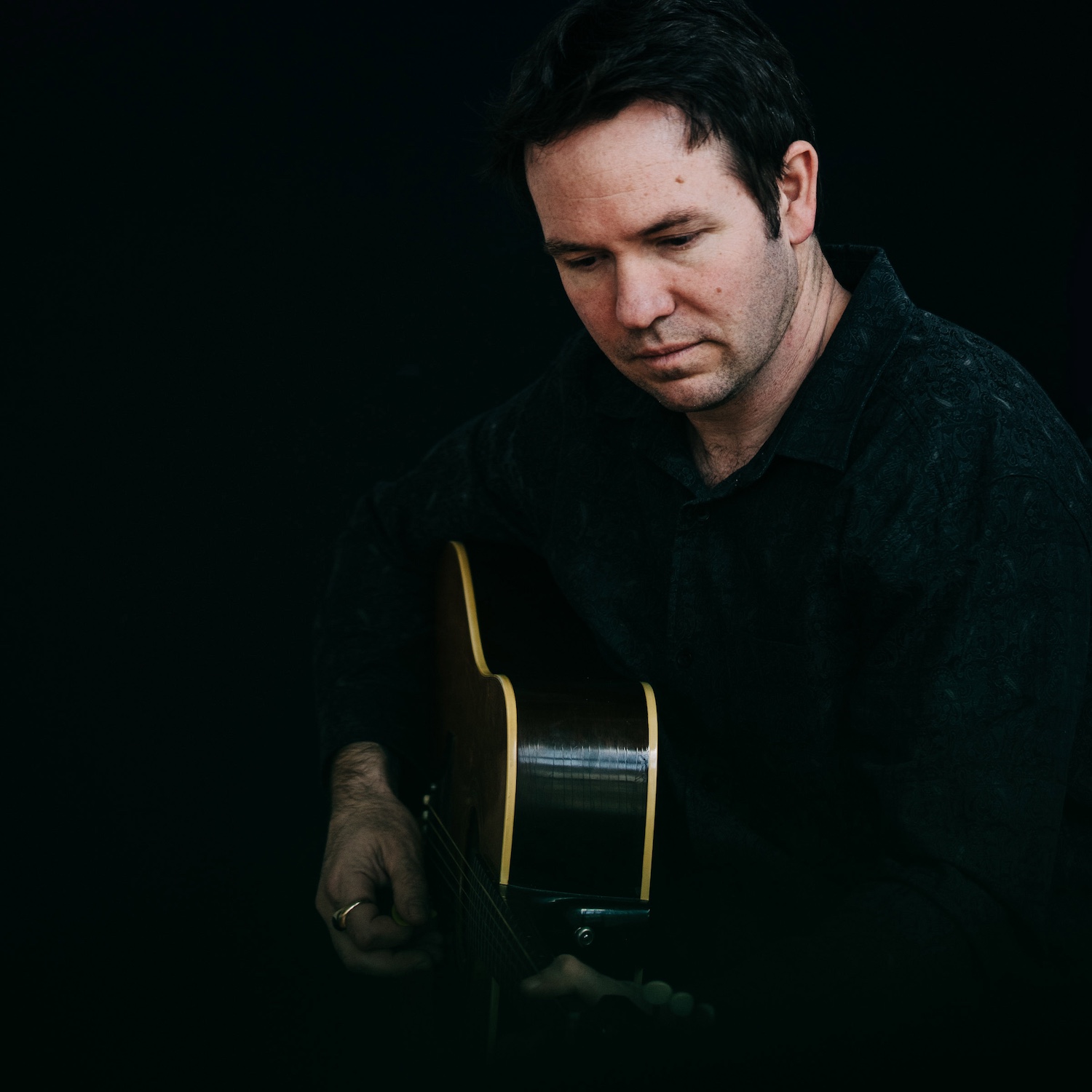
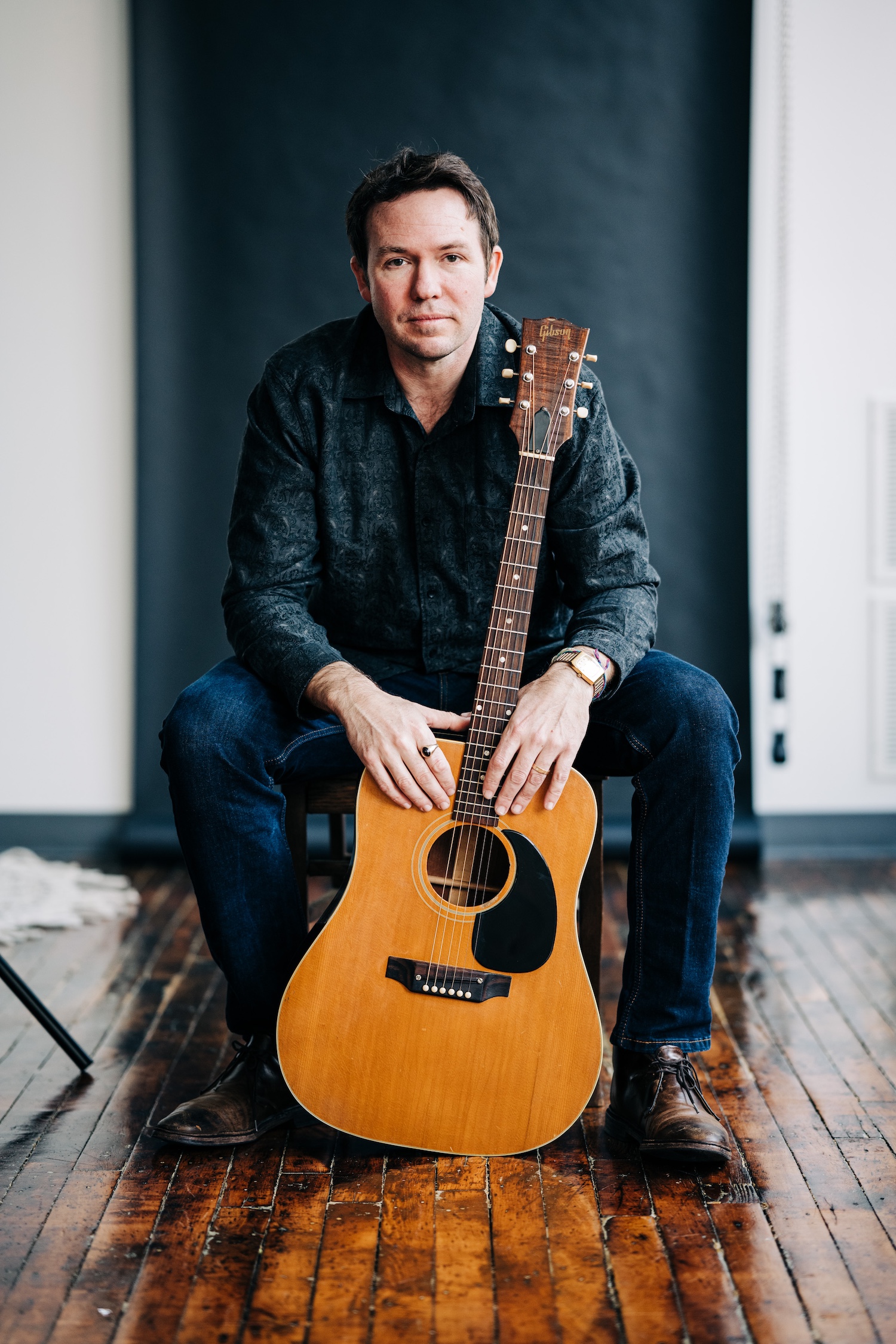
Carlin Tripp: If I’m stuck on a desert island I’d love to have a nice vintage Telecaster with me, a Fender Twin Reverb amp and a nice assortment of pedals. Probably a Tubescreamer, Ross Compressor, some kind of delay and my Boomerang looper. That could probably keep me entertained for weeks on end. And I’d definitely need an acoustic, either my late ’60s Gibson J50 or a nice classic Martin D41.
Are there any messages that you feel are central to your music?
Carlin Tripp: Definitely love, and a desire to understand the human condition and connection. The small moments that we experience with our friends and family but also a little bit about the chaos of being human.
If someone were to discover your music today, where would you want them to start?
Carlin Tripp: I think “Float Upstream” is a great single for folks to hear. That recording seems to really appeal to my listeners. “Let Me Be Your Man” would be another one though, that song just seems to really stand the test of time; it still sits at the top of my played music.
We know you love the greats like Petty and Young, but what other music has been on your playlist recently?
Carlin Tripp: Bleachers are definitely at the top of my list right now. I’ve been a fan of those guys for a long time. I’m also a huge fan of Josh Ritter and The Mallett Brothers. My buddy Jay Psaros sits pretty high up in the list as well!
With the 2026 EPs now out in the world, are you already looking toward a full-length record, or do you prefer the short-burst release style of EPs?
Carlin Tripp: The EPs have been fun to release and a great way to organize some of the recordings I’ve done with different producers and engineers over the last 10 years or so. I’ll always be an album guy though, because that is what I grew up with. It’s the way of experiencing music that makes the most sense to me. My next release will be a full-length record that I am currently working on with Eric Lichter down at Dirt Floor Studio in Connecticut. I have to have that ready to go for 2027.
What’s next for you?
Carlin Tripp: Right now, I’m really focused on my own work as a gigging musician, running our booking agency PB and Jay Records with my buddy Jay Psaros and just trying to continue making and presenting the best music I can. Down the road I have another record that I need to finish and hopefully release in 2027, but currently live music is where my head is at.
— —
:: stream/purchase Dead Reckoning here ::
:: connect with Carlin Tripp here ::
— — — —
Connect to Carlin Tripp on
Facebook, Instagram
Discover new music on Atwood Magazine
© courtesy of the artist
 © courtesy of the artist
:: Stream Carlin Tripp ::