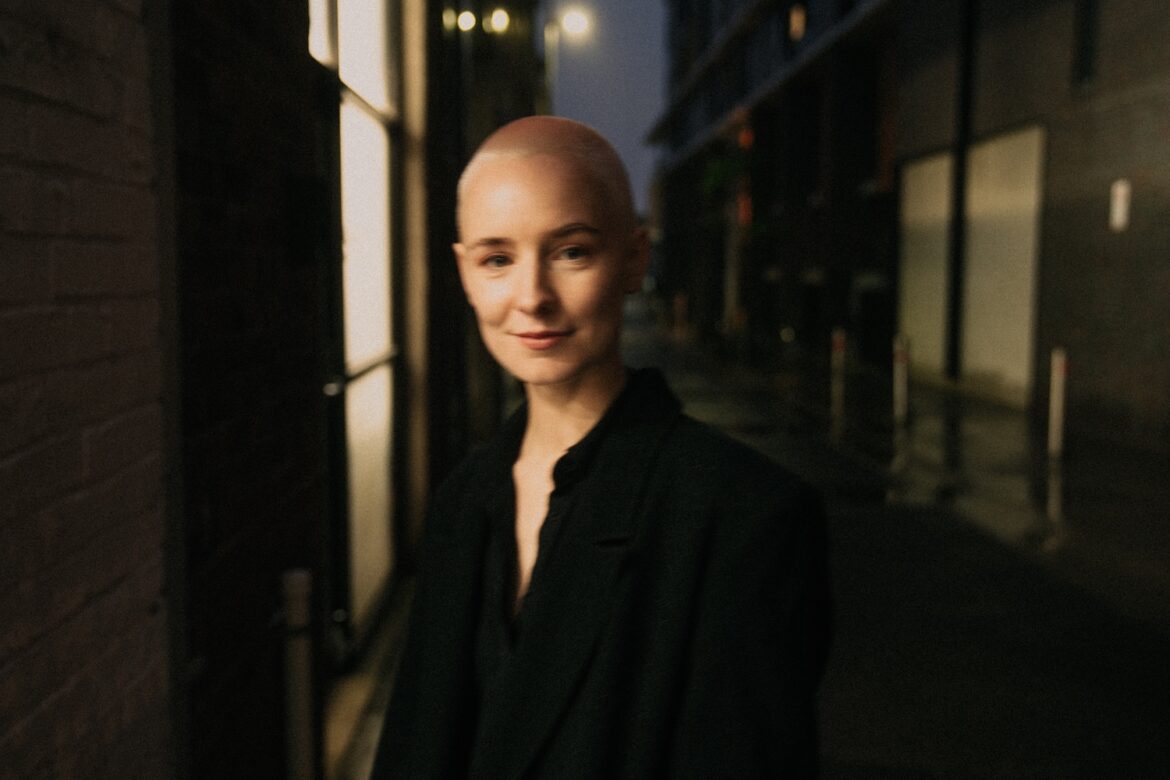
Achingly raw, radiant, and redemptive, GUTHRIE’s spirited “Adrenals” turns burnout and collapse into breathtaking catharsis – a soul-stirring reckoning with failure, healing, and the strange beauty of beginning again. The Melbourne singer/songwriter (and Atwood artist-to-watch) opens up about the journey that led to this moment of clarity – a hard-won awakening that finds peace in the wreckage, channeling surrender into survival and survival into song.
for fans of Gordi, Alex Lahey, Bon Iver, The Japanese House
Stream: “Adrenals” – GUTHRIE ft. Feelds
“Feeding my adrenals broken up glass, don’t look at me like that.”
There’s a line in GUTHRIE’s latest single that lands like a gut punch – vivid, unsettling, and quietly illuminating all at once. “Adrenals,” the Australian artist’s first release in three years, is a dreamy, gently aching song that feels like both a confession and a catharsis – the sound of someone finding beauty in the breaking. It’s as raw as it is radiant, a tender tempest of self-revelation and release. Lush, tempered guitars and dynamic drums accompany T’s stirring voice, creating a singular, soul-stirring experience that hits hard and lingers long after it ends.
Well it turns out what I wanted
Was reading rightness into all my faded terms
And trickle down to where my heart is
I couldn’t hear it if it said a word
Live life feeling like unburdened
I want you like that, I want you like that
Returning the perfect person
To sew one of the scraps we had

What’s most striking about “Adrenals” is its duality – the way pain and peace, exhaustion and elation, seem to occupy the same space. The instrumentation moves with a slow, deliberate pulse, mirroring the body’s own rhythms: Heartbeat, breath, the rise and fall between collapse and recovery. There’s fragility here, but also an undeniable strength – the kind that doesn’t announce itself, but grows steadily from within.
Written in the aftermath of burnout and self-reconstruction, “Adrenals” captures what T Guthrie describes as “a moment of euphoric realisation that not only is it okay to fail, but sometimes it’s only through being broken open that we realise who we really are.”
Before this realization, Guthrie had been living at full tilt – splitting time between their band and a venture-backed social enterprise they’d built from the ground up. Their life was divided into two seemingly opposite worlds – one built on creativity, the other on data. “My friends and I play alt-folk music with the occasional ‘80s synth for good measure,” they share. “I grew up playing guitar with some pet goats about an hour and a half from Naarm (Melbourne), and after high school moved to the big city to study pure maths and philosophy. Don’t get me wrong, I love a wall-length proof with not a number in sight as much as the next person – but I was excited to work on the problems that were keeping me up at night, mostly around various axes of inequality.”
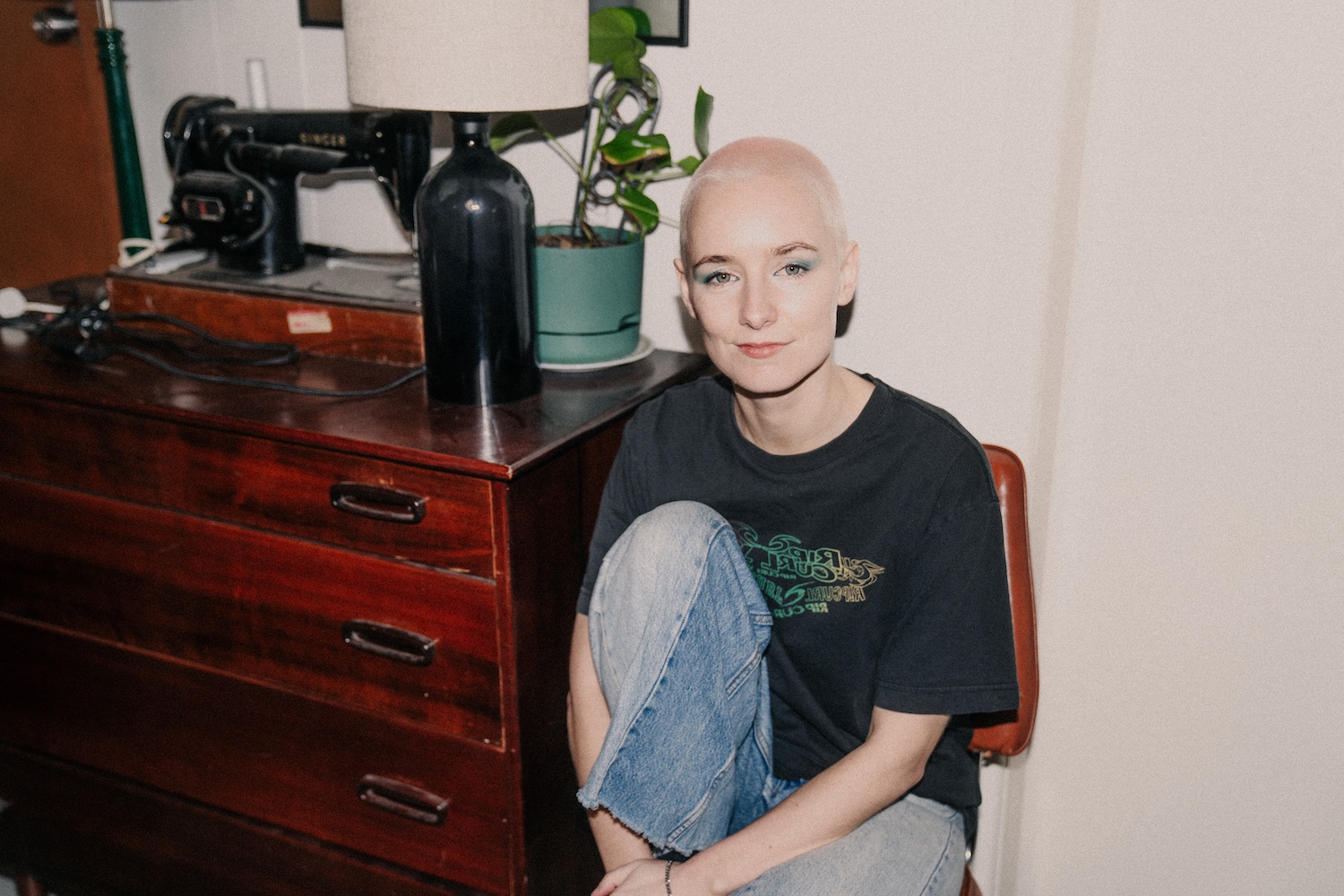
Those dual passions – art and activism – eventually merged.
“I started playing music again with my band, and I started working in data activism,” Guthrie continues. “I think the common thread was communicating in different ways about topics that can be hard to talk about. With the band, we got played on Triple J a bunch of times and played at some of my favourite festivals, including St Kilda, Happy Wanderer, and Gaytimes MF. One song I wrote called ‘Dickhead Song,’ about leaving abusive relationships, made it to the finals of the Music Victoria Awards alongside Courtney Barnett, Julia Jacklin, and Baker Boy.”
At the same time, Guthrie founded a social enterprise, focused in data activism, that grew into a venture-backed software startup. “It was a total rollercoaster for a few years there,” they recall. “Some of the biggest names in Australian tech invested in us, we got covered by Forbes, the ABC used the software for their data analysis, and one non-profit used it to create the biggest study on period poverty in history, involving data from 153,000 people.” But that success came at a cost. “I got more and more disconnected from the origins of why I wanted to build something in the first place,” they admit. “In the end it didn’t work, and we shut down, and I got super burnt out. My co-founder at one point took me into the ER because I could barely walk, and once we closed up shop, I spent a good while on my apartment floor.”
It was a real “how did I get here?” moment – one that forced Guthrie to slow down and listen inward. “Songwriting really helped me understand,” they explain. “I would listen back to the songs I’d write and think, ‘ooooh… so that’s how you feel?’” “Adrenals,” in particular, felt like a message from somewhere deep within. “For instance, the chorus starts ‘feeding my adrenals broken up glass,’ which wasn’t something I’d consciously chosen to write – that’s not how it happens for me, mostly. It just came out of my mouth as I was playing guitar one day after work. And I heard it and thought, ‘oh shit’ – like my subconscious was delivering me a message I wasn’t really ready to hear.”
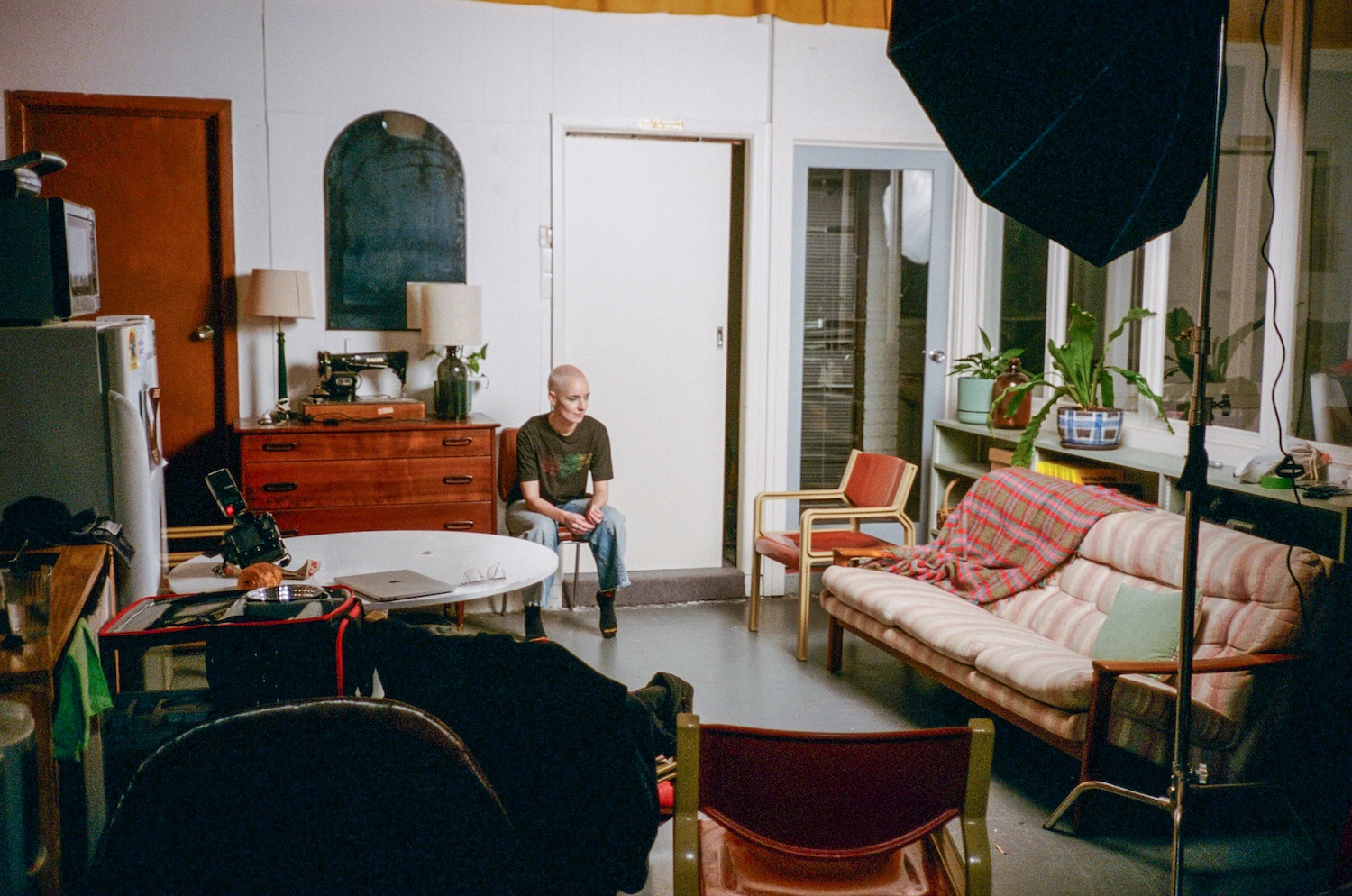
The song’s title alone hints at the body’s response to crisis – that push-pull of survival instinct and exhaustion – and through it, GUTHRIE transforms physical and emotional depletion into something healing, human, and alive.
That tension plays out most vividly in the chorus, where they sing their heart out:
Feeding my adrenals broken up glass
Don’t look at me like that…
Eager like I’m winning when I come last
Don’t look at me like that…
If everything that goes out has to come back
I’ll read you like I’m written as a rough draft
Giving up a good thing that I don’t have
Don’t look at me like that…
It’s a rush of self-awareness and surrender, capturing the strange adrenaline of exhaustion – that instinct to keep running even when the body is spent. The imagery of “feeding my adrenals broken up glass” feels almost primal – the body consuming its own pain, metabolizing heartbreak into endurance. The repeated plea, “Don’t look at me like that,” lands like both a shield and a confession: a recognition of shame, vulnerability, and the desire to still be seen through it.
“Eager like I’m winning when I come last” is itself a haunting line – one that turns self-deprecation into self-acceptance. You can feel the ache of striving, the weariness of always pushing forward, and yet there’s a flicker of light in how they sing it, a knowing smile breaking through the fatigue. This is the moment where “Adrenals” transcends confession and becomes something closer to release – a shedding of pressure, a reclaiming of breath.
By the time Guthrie reaches “I’ll read you like I’m written as a rough draft,” there’s a gentleness there, a willingness to accept imperfection as part of the process. The chorus becomes an emotional cycle in itself – depletion, self-awareness, acceptance, and release – a musical embodiment of what it means to break down and begin again.
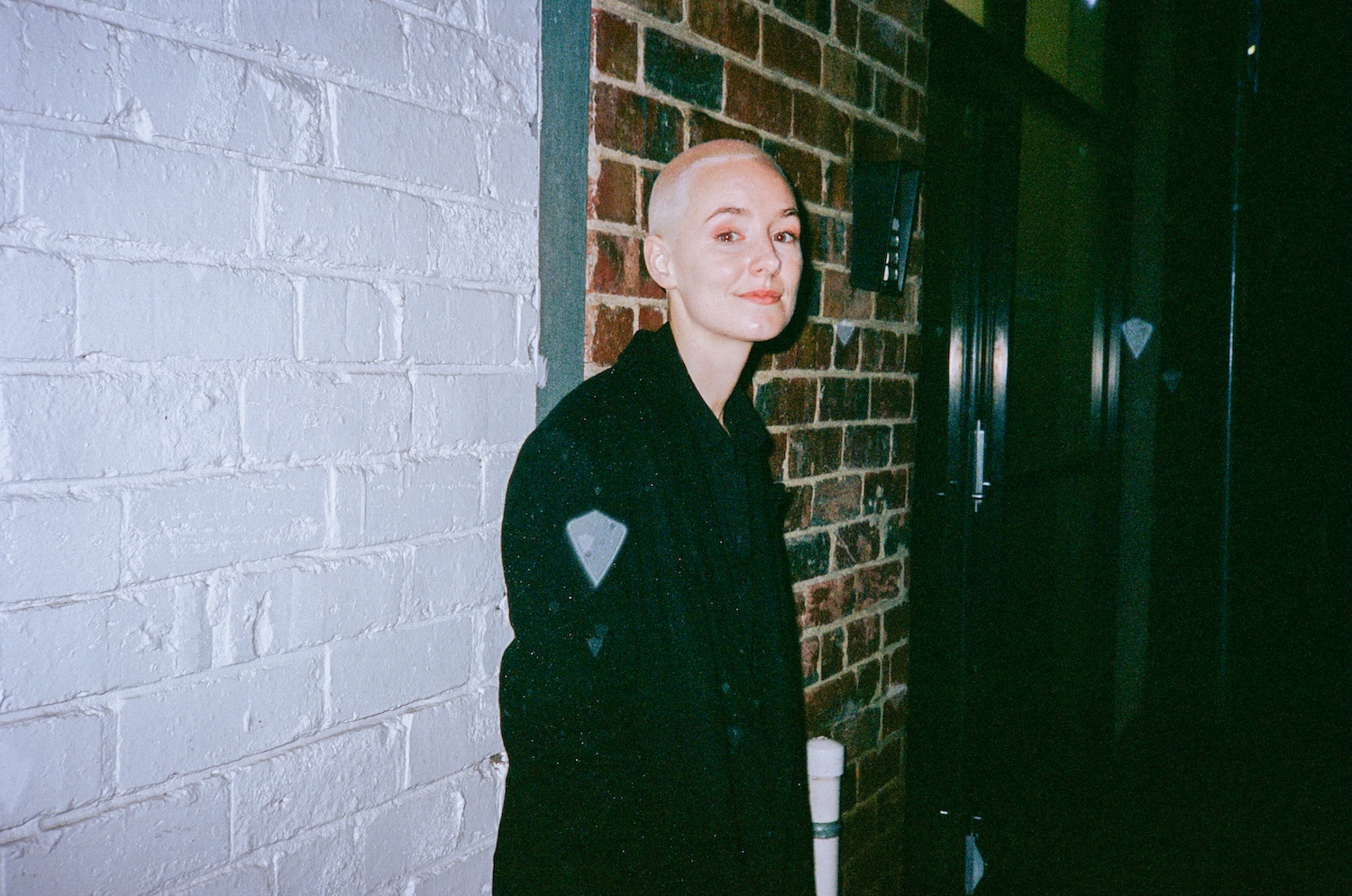
Over time, that subconscious message became a map forward for Guthrie.
“As I kept writing, something mysterious started to happen,” they reflect. “It was almost like I was writing into existence the future that I wanted – to feel like it was okay to fail, to have energy back, to be ready for the next adventure.”
That sense of renewal breathes through every line of “Adrenals.” What began as exhaustion turned into a reclamation of self – a gentle, defiant act of rebuilding. “One day, surrounded by the quiet of the forest near my mum’s house in Daylesford, the rest of the song just sort of arrived,” Guthrie says. “Despite the bleak beginning, it ended up being more about the joys of finally giving up something that’s not working and getting to find out more intimately who you actually are.”
Their friend, artist Gaia Scarf, called it an “epiphany song” – a description Guthrie embraces wholeheartedly. “That’s honestly spot on,” they say, “because that’s what it felt like – a kind of awakening.”
And you can hear that awakening in the way “Adrenals” slowly opens up — its final refrains glowing with quiet triumph. It’s the sound of exhaustion transmuted into energy, of heartbreak turned into something almost holy. What began as a reckoning becomes a renewal: a sonic testament to the strange beauty of falling apart and starting again.
“Adrenals” is a song that lives in motion — shifting between stillness and release, fragility and strength. Guthrie threads tension through every chord, every breath, until it becomes something almost transcendent: a meditation on the body and mind learning to trust each other again. It’s not just a confession, but a reclamation – a reminder that healing rarely happens in silence; it trembles, pulses, and hums.
Trying to fake and joyfully failing
My interactions with uncomplicated words
And there’s a boldness in the breaking
To walk around on a heel that doesn’t hurt
Perfect for a different person
This story I had I’m giving it back
Wide eyed for the world I’m learning
Moves under those thoughts I had

That act of surrender – of letting go and learning to live again – becomes the song’s quiet triumph.
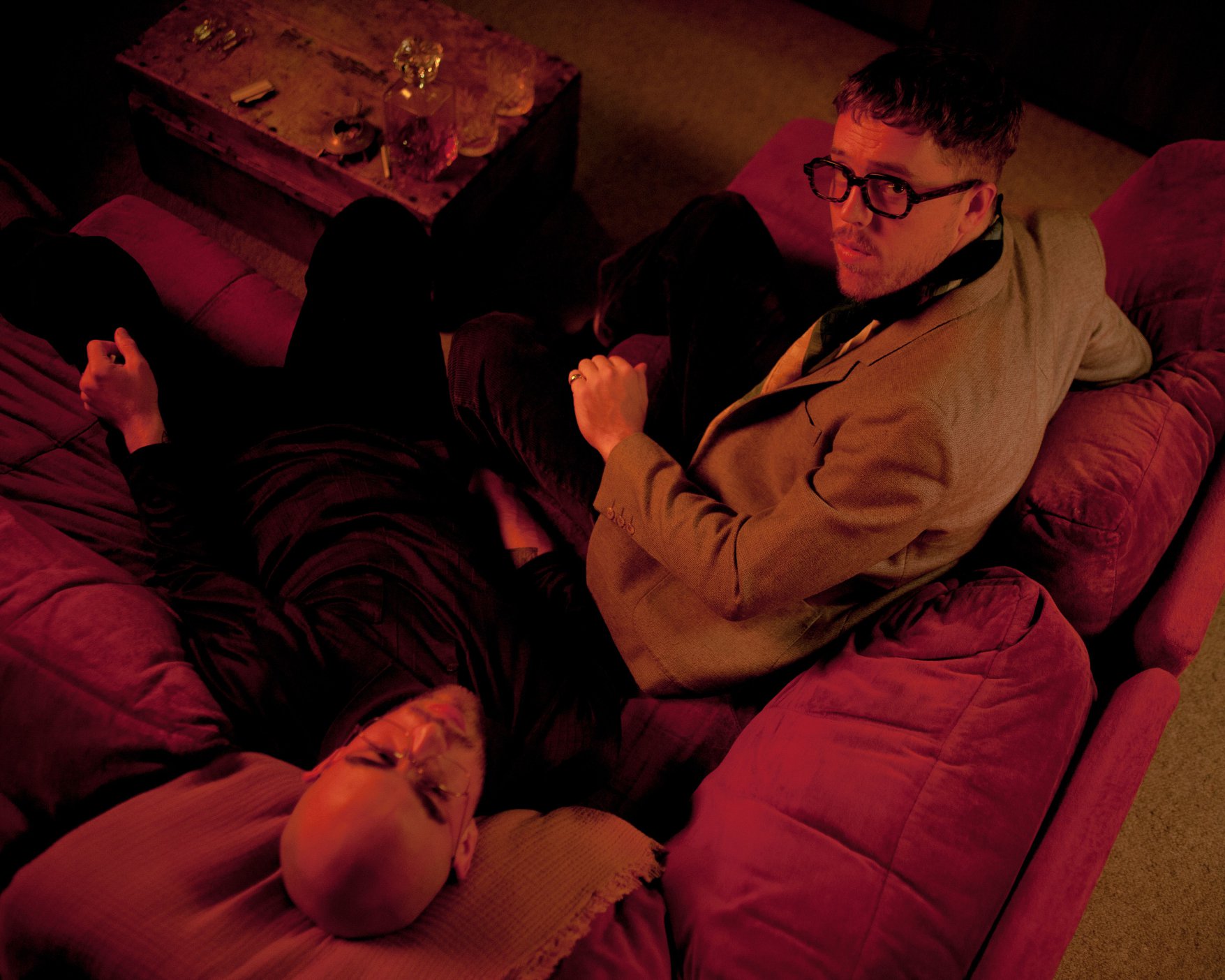
You can hear it in the interplay between Guthrie and collaborator James Seymour (Feelds), their voices echoing each other like two sides of the same realization. What begins as solitude slowly blooms into connection, until the song feels communal, cathartic, brimming with life.
There’s truth in every syllable, and a sense of liberation in every note. Aching inside and out, “Adrenals” feels like an awakening – raw, honest, and tenderly triumphant, the kind of song that finds you when you need it most.
Feeding my adrenals broken up glass
Don’t look at me like that,
don’t look at me like that
Eager like I’m winning when I come last
Don’t look at me like that,
don’t look at me like that
If everything that goes out has to come back
I’ll read you like I’m written as a rough draft
Giving up a good thing that I don’t have
Don’t look at me like that,
don’t look at me like that
— —
:: stream/purchase Adrenals here ::
:: connect with GUTHRIE here ::
— —
Stream: “Adrenals” – GUTHRIE ft. Feelds
— — — —
Connect to GUTHRIE on
Facebook, Instagram
Discover new music on Atwood Magazine
© Mike Ridley
 © Mike Ridley
:: Stream GUTHRIE ::